Kids Digestive Health Berry Gummies
(0 Results)
Kids digestive health berry gummies could be a fun and tasty way to support your child’s wellness routine. With their delicious berry flavor, these gummies may make it easier for kids to enjoy adding a supplement to their daily schedule. Explore options designed with little ones in mind and discover how kids digestive health berry gummies might fit into your family’s approach to overall well-being.
-

-
 $13.99
-
 $22.99
-
 $15.99
-

-

-
 $17.99
-
 $14.99
-
 $22.99
-
 $18.99
-
 $17.97


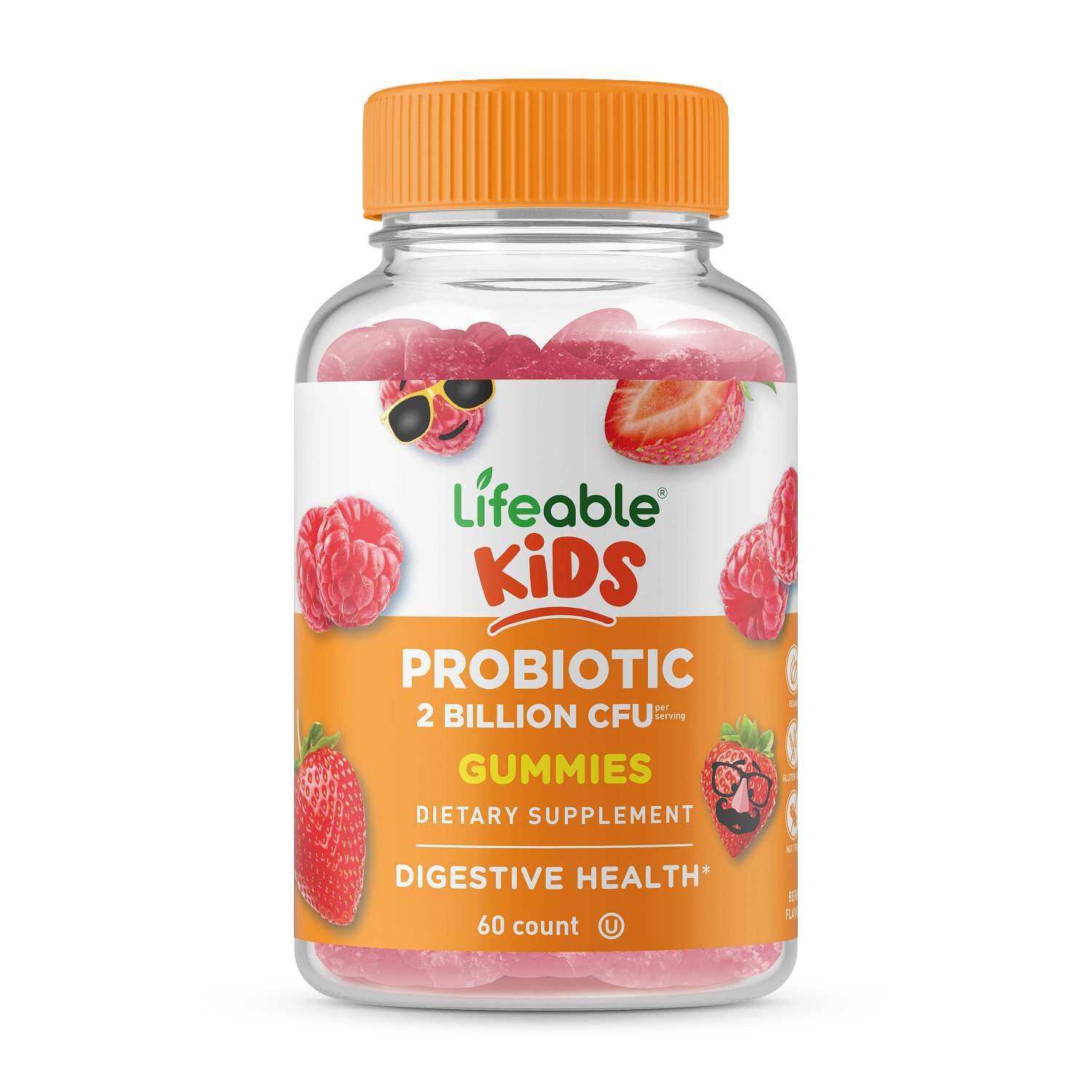
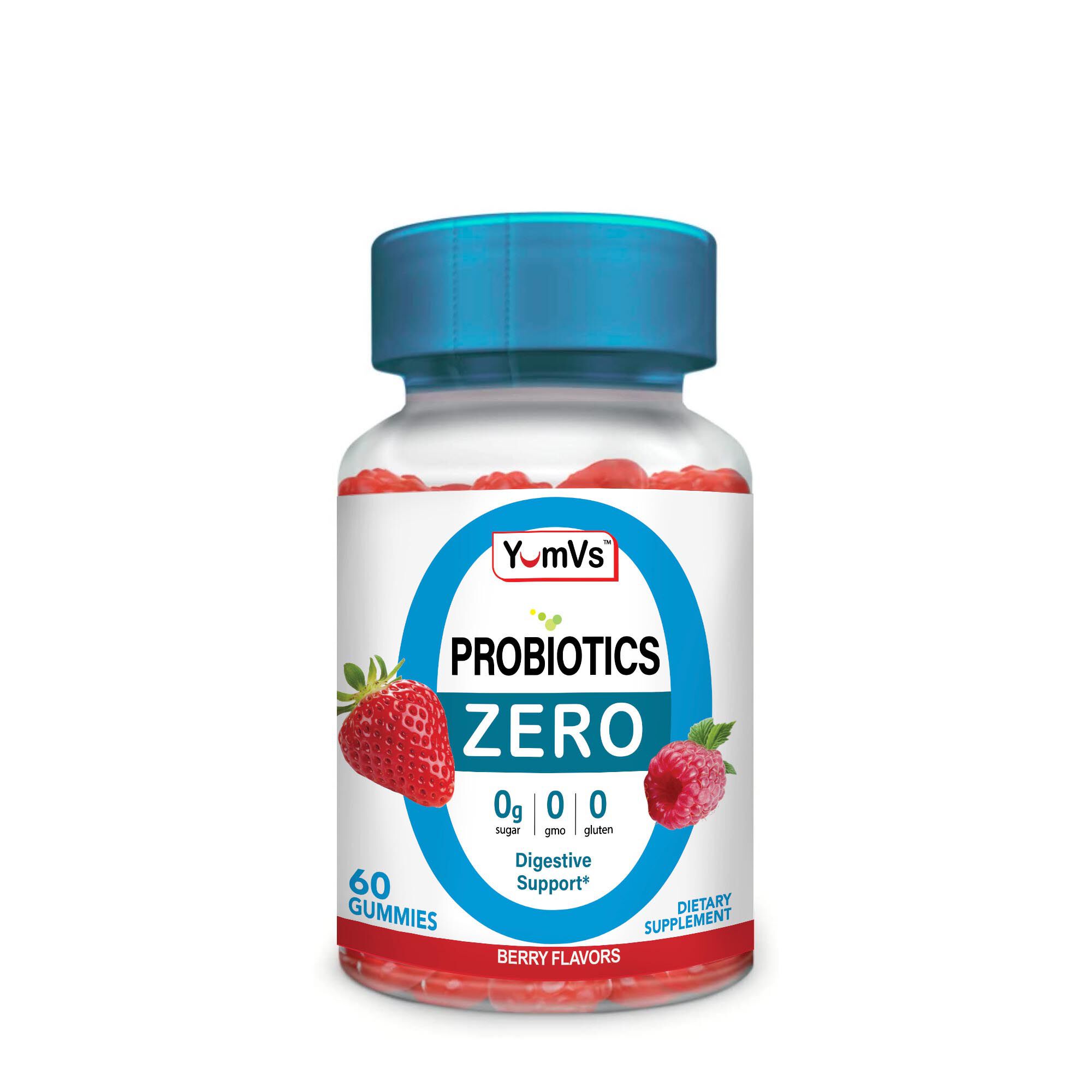
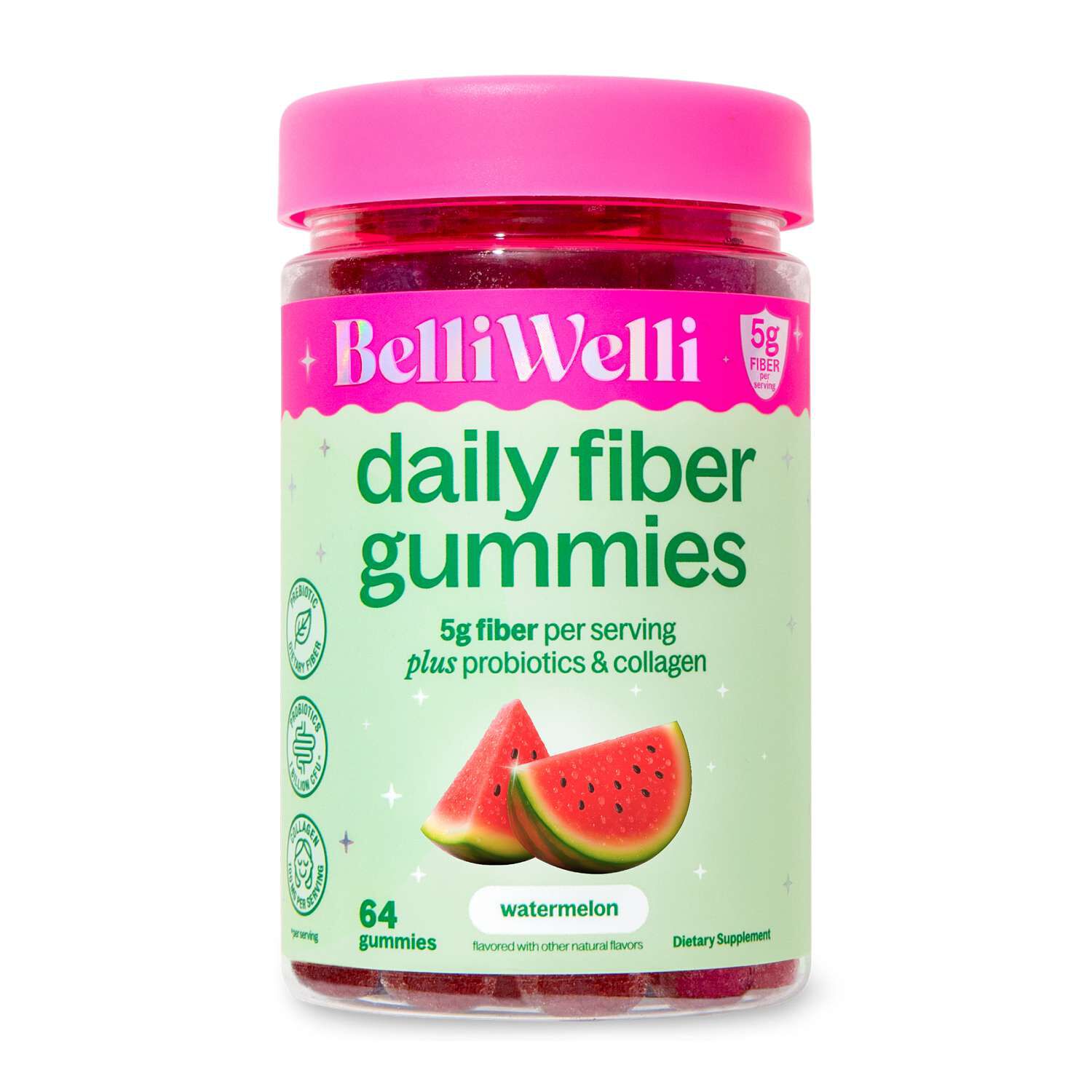
Kids digestive health berry gummies are chewable dietary supplements intended for children’s digestive wellness routines. Depending on the formula, they may contain probiotic cultures, prebiotic fiber, or a combination of both, with flavors such as strawberry, raspberry, or mixed berry. Age recommendations and serving directions vary by product, so a child-focused name or colorful gummy shape does not establish suitability for every child. The package provides the relevant age range, suggested use, and ingredient details. Within this category, the distinction between probiotic and prebiotic ingredients is an important starting point for comparison. Probiotic formulas feature microorganisms identified on the label, sometimes with information about individual strains. Prebiotic formulas feature ingredients such as certain fibers, with the ingredient source and amount listed on the package. These terms describe different ingredient categories rather than interchangeable versions of the same formula. A product containing both also has a different composition from one containing either alone. Looking beyond the berry flavor makes those differences easier to recognize. The Supplement Facts panel is especially useful because listed amounts correspond to the stated serving size, which is not necessarily one gummy. A prominent number on the front of a bottle offers less context than the full panel beside the directions. Serving count, ingredient amounts, and any additional vitamins or minerals all belong in the same comparison. For families sorting through several similar-looking bottles, reading these details side by side gives the category more definition than package color or fruit illustrations alone. Added sugars, calories, and other dietary information provide further context without describing how a particular child will experience the formula. Rather than treating every berry gummy as equivalent, shoppers can distinguish between a fiber-focused supplement, a culture-focused supplement, and a combination formula intended for a particular age group.
Flavor and texture are another part of choosing a gummy format, particularly for children who have clear preferences about chewy foods. Strawberry and raspberry descriptions suggest different flavor profiles, while mixed berry can represent several combinations. A berry name describes the flavor; it does not necessarily mean the formula contains whole berries or supplies a serving of fruit. Ingredient lists distinguish fruit juices, concentrates, flavorings, and other components when they are present. The gummy base also deserves attention. Some formulas use pectin, while others use gelatin, and the package is the place to check the actual composition. A family with vegetarian preferences, for example, would look beyond the fruit imagery to the gelling ingredients and any stated dietary information. Sweeteners, colors, and surface coatings vary as well. Some gummies have a smooth exterior, while others have a light coating, and firmness differs among formulas. Package descriptions can offer clues, although flavor names alone do not establish texture. Ingredient and allergen statements are separate considerations from whether a gummy sounds appealing. A familiar berry flavor does not indicate that two formulas share the same ingredients, production details, or dietary suitability. Packaging matters after purchase, too. A bottle’s closure, storage directions, expiration date, and any instructions for use after opening are practical parts of the product, not details to overlook once the label has been read. Moisture exposure or an unsecured lid may change the texture of a gummy over time. Original packaging keeps the directions and ingredient information with the contents, which is useful when another caregiver needs to read them. These supplements belong in a securely closed container out of children’s reach rather than in a candy dish or an unmarked snack bag. Their sweet taste and playful appearance do not change their intended use as dietary supplements.
For parents and caregivers, a useful comparison starts with the child’s age, the labeled ingredient combination, and the household’s preferences rather than a familiar flavor alone. A family already reviewing ingredient labels at breakfast may prefer a package with clearly presented serving information and an easy-to-read panel. In a household where caregivers alternate responsibilities, keeping the original bottle and directions together gives each adult access to the same information. Those details are especially relevant when several children have different age recommendations or different supplements in their routines. A shared preference for berry flavors does not mean the same formula is intended for everyone. The gummy format may appeal to families looking for a chewable option, but it remains distinct from an ordinary fruit snack. Product directions, rather than appetite or enthusiasm for the flavor, define the intended serving. Dietary supplements also are not replacements for varied meals and snacks; the berry taste is one feature of the supplement, not a substitute for fruit or other foods. Shoppers exploring the broader category can compare Intestinal Health Gummies while keeping children’s age labeling separate from formulas intended for adults. That broader view offers context for differences in ingredients, serving formats, and intended users without making those options interchangeable. Within the children’s category, a focused comparison can stay grounded in a few concrete details: what the formula contains, how those ingredients are identified, which ages appear on the label, and what storage and serving directions accompany it. Taste remains part of the decision, alongside ingredient transparency and practical packaging. The most relevant distinctions are often small but meaningful, such as a different fiber source, a named probiotic strain, a gelatin or pectin base, or a serving made up of more than one gummy. Reading those details together gives families a clearer picture of what each type of kids digestive health berry gummy is designed to be.