





Intestinal Health Gummies
(0 Results)
Intestinal Health Gummies
Intestinal health gummies offer a convenient and tasty way to support your daily wellness routine. With a variety of options available, these gummies are designed for those looking to prioritize their digestive well-being. Adding intestinal health gummies to your regimen could be an enjoyable step toward maintaining balance and comfort throughout the day. Explore the selection and discover how these easy-to-take gummies might fit into your lifestyle.
-
-

-
-
-

-
 $17.99
-
 $29.99
-
 $18.99
-
 $17.97
-

-

-
-
 $13.99
-
 $22.99
-
 $22.99
-
 $15.99
-


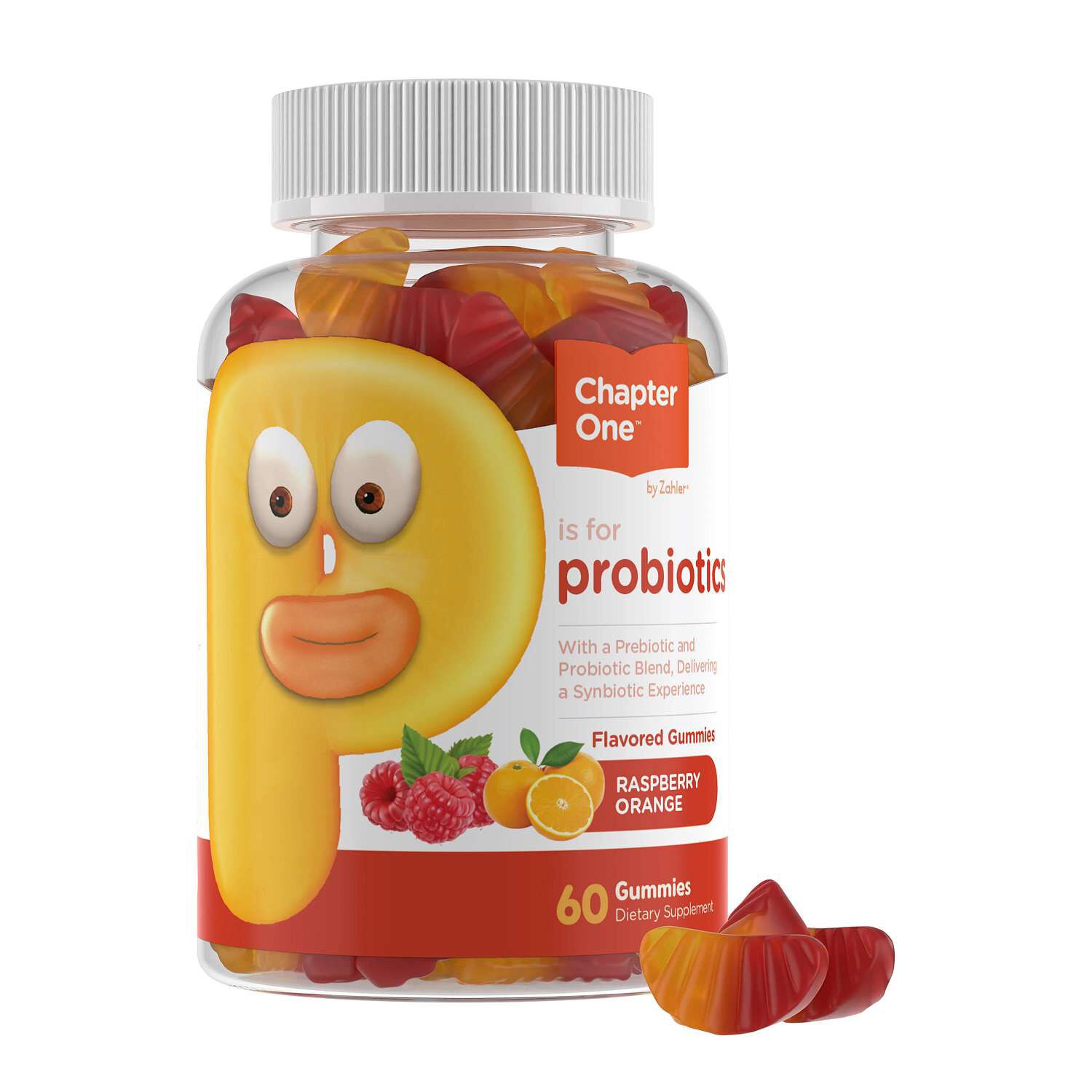

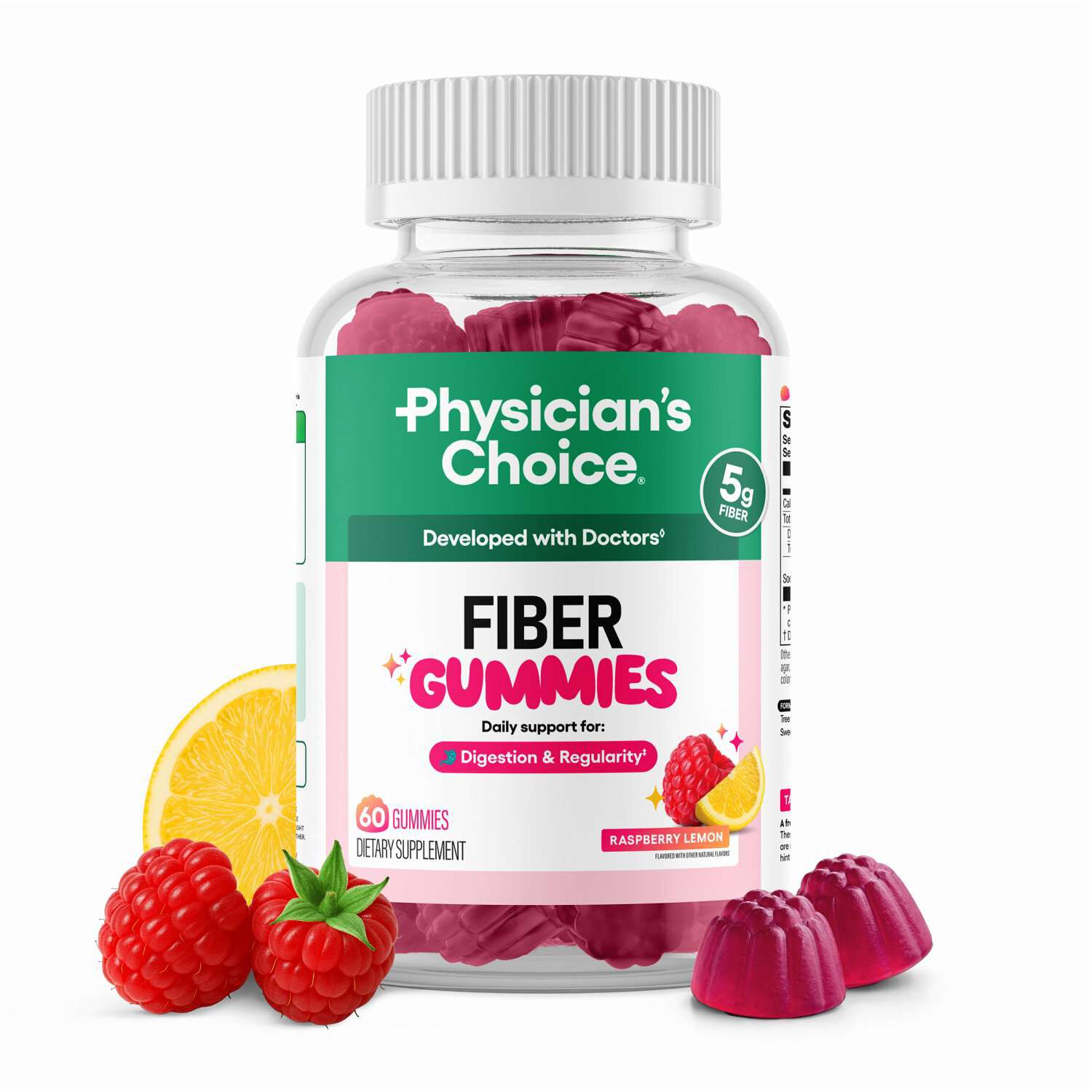
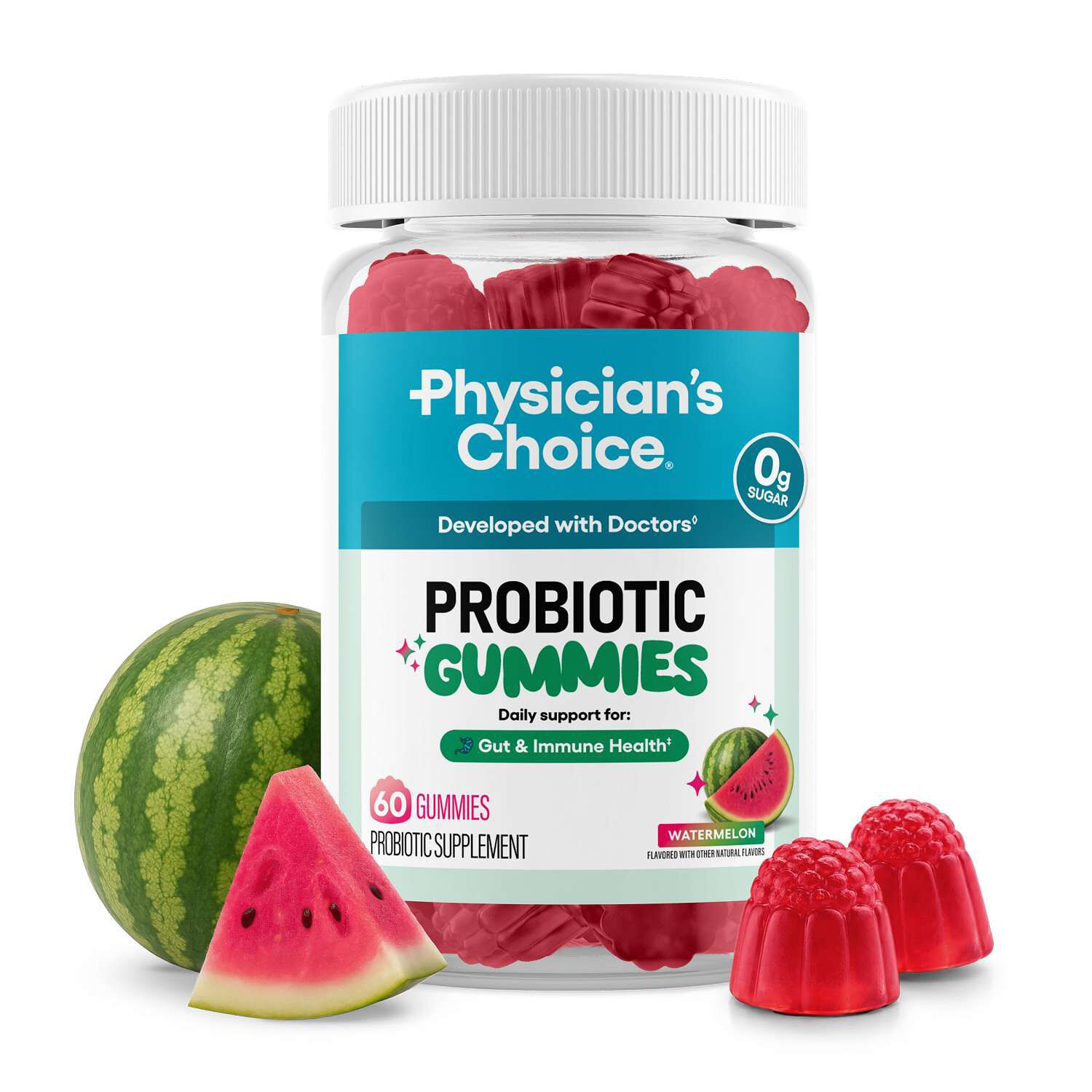
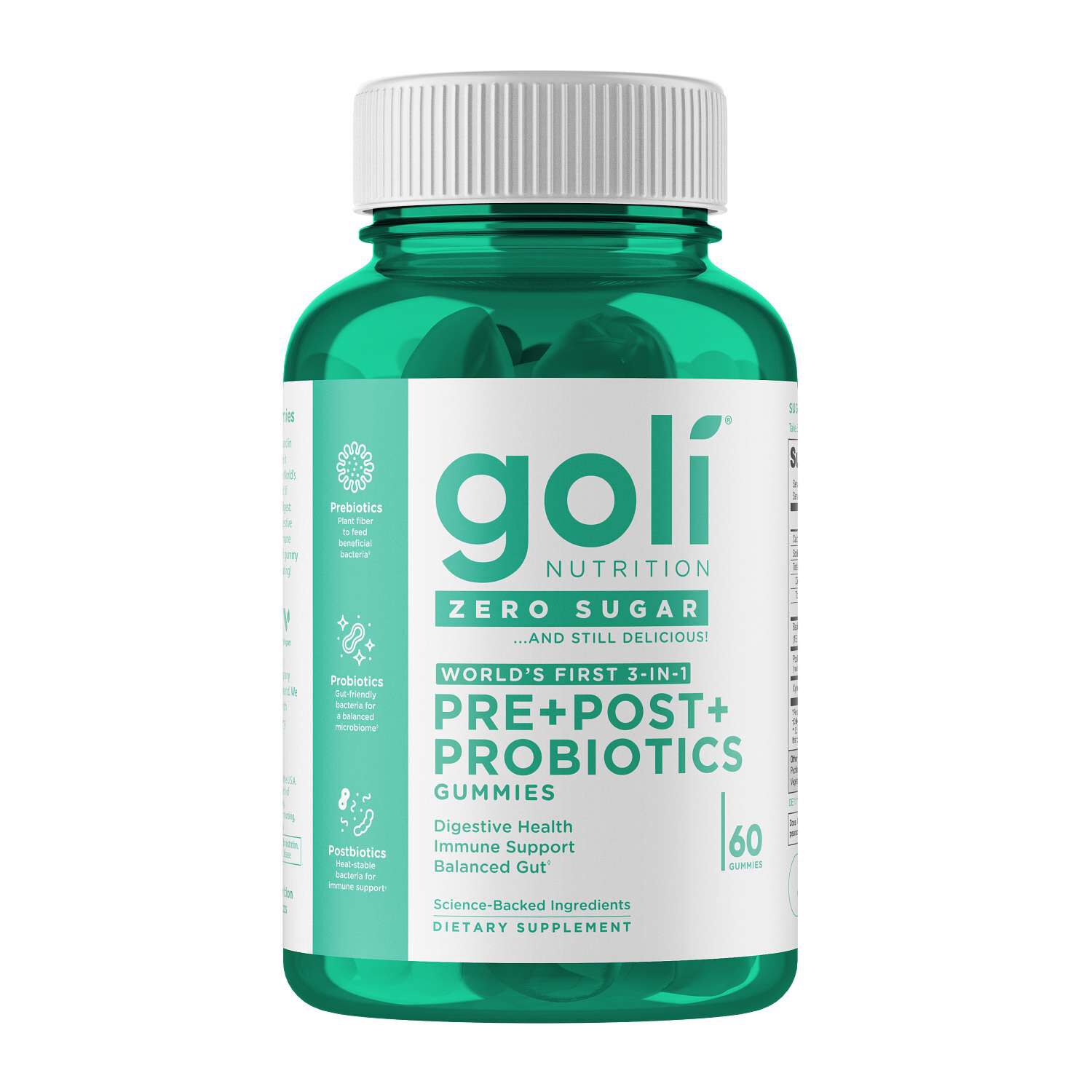
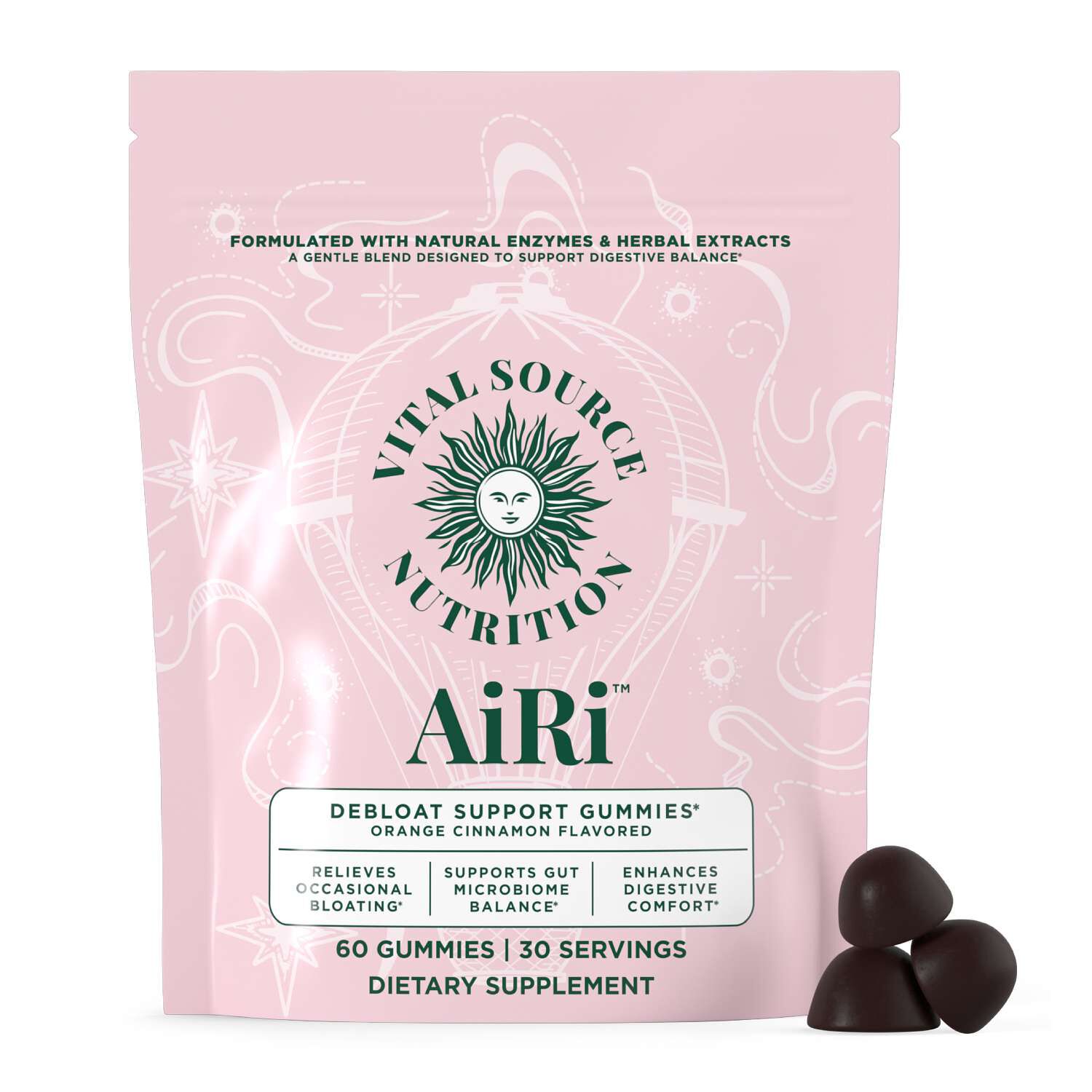
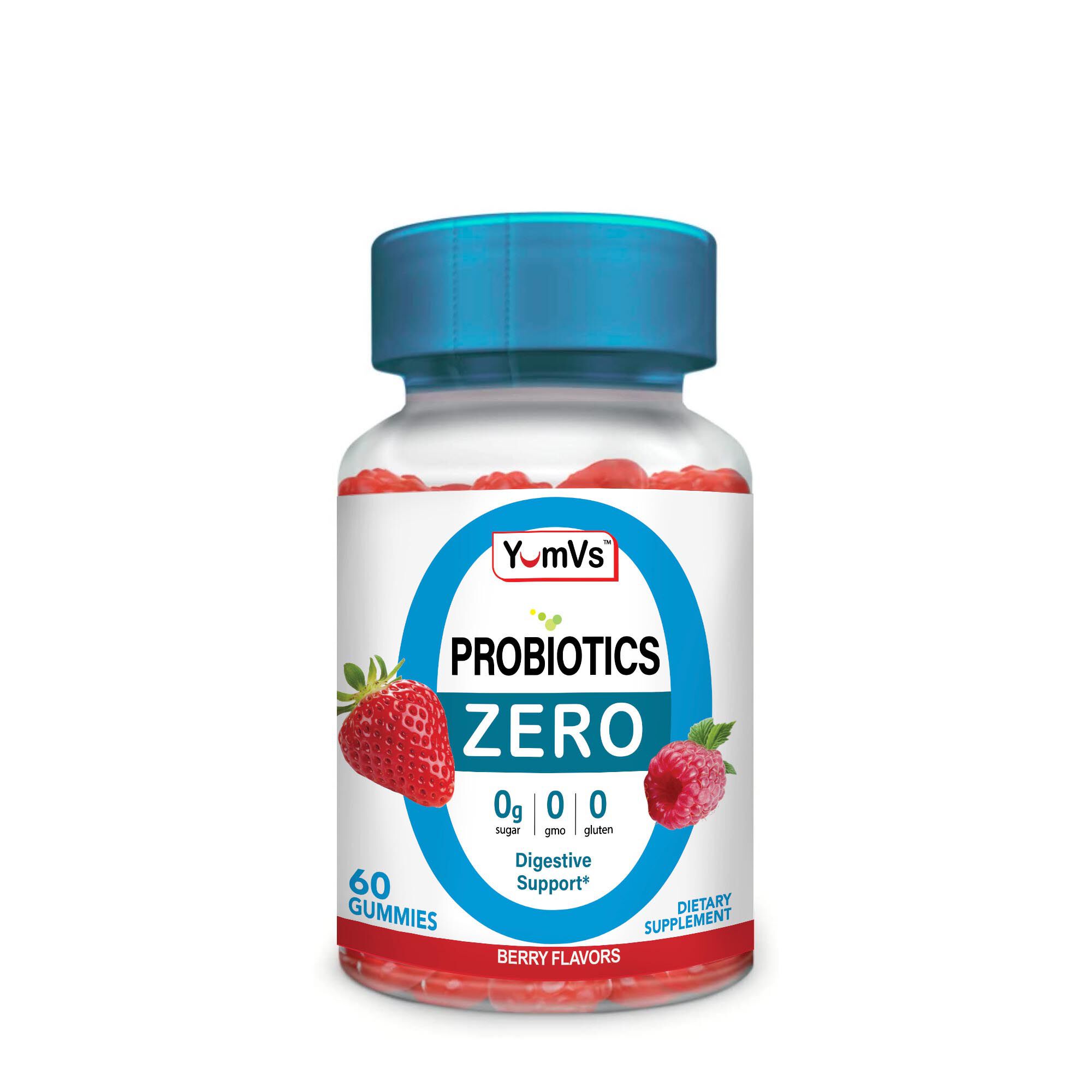
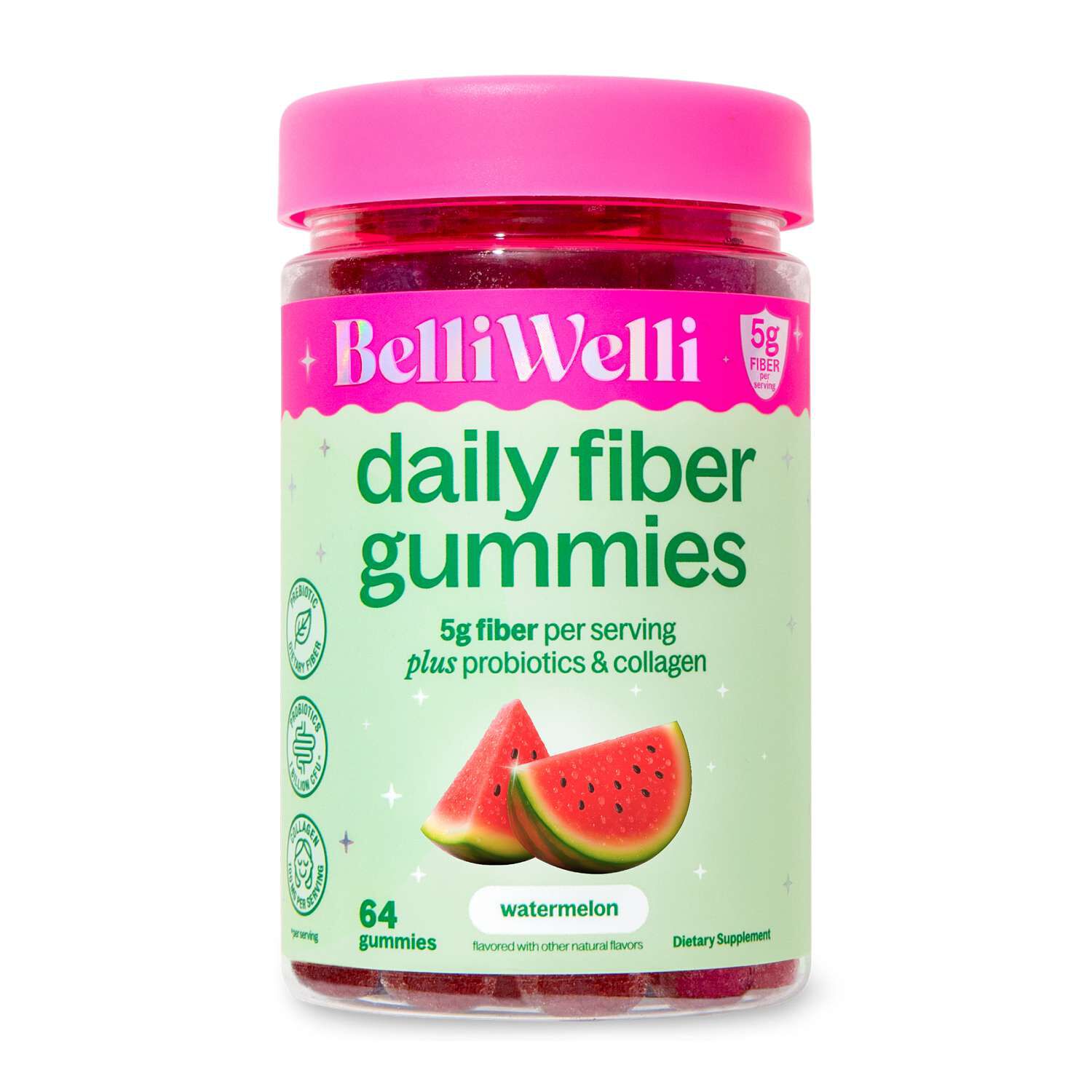
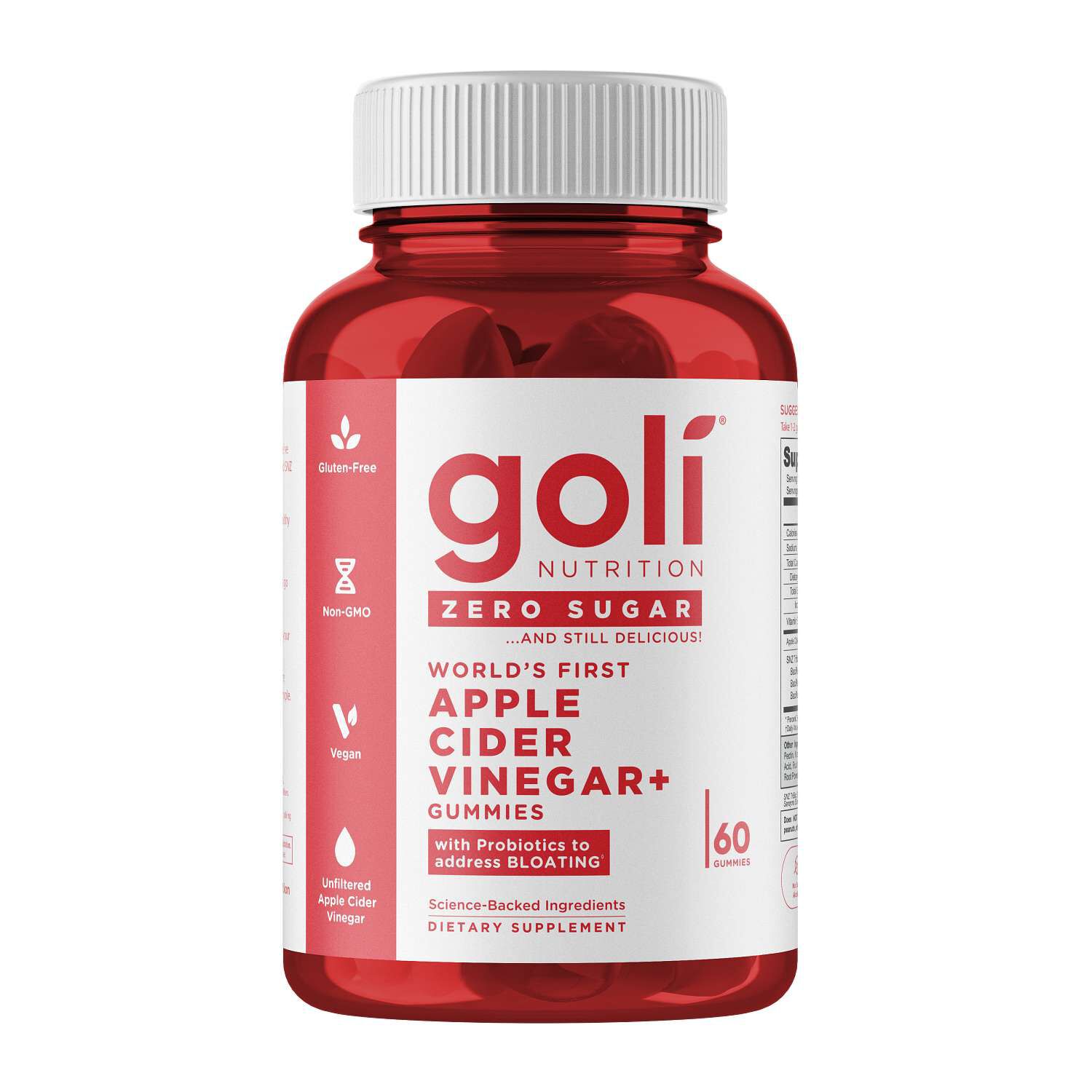
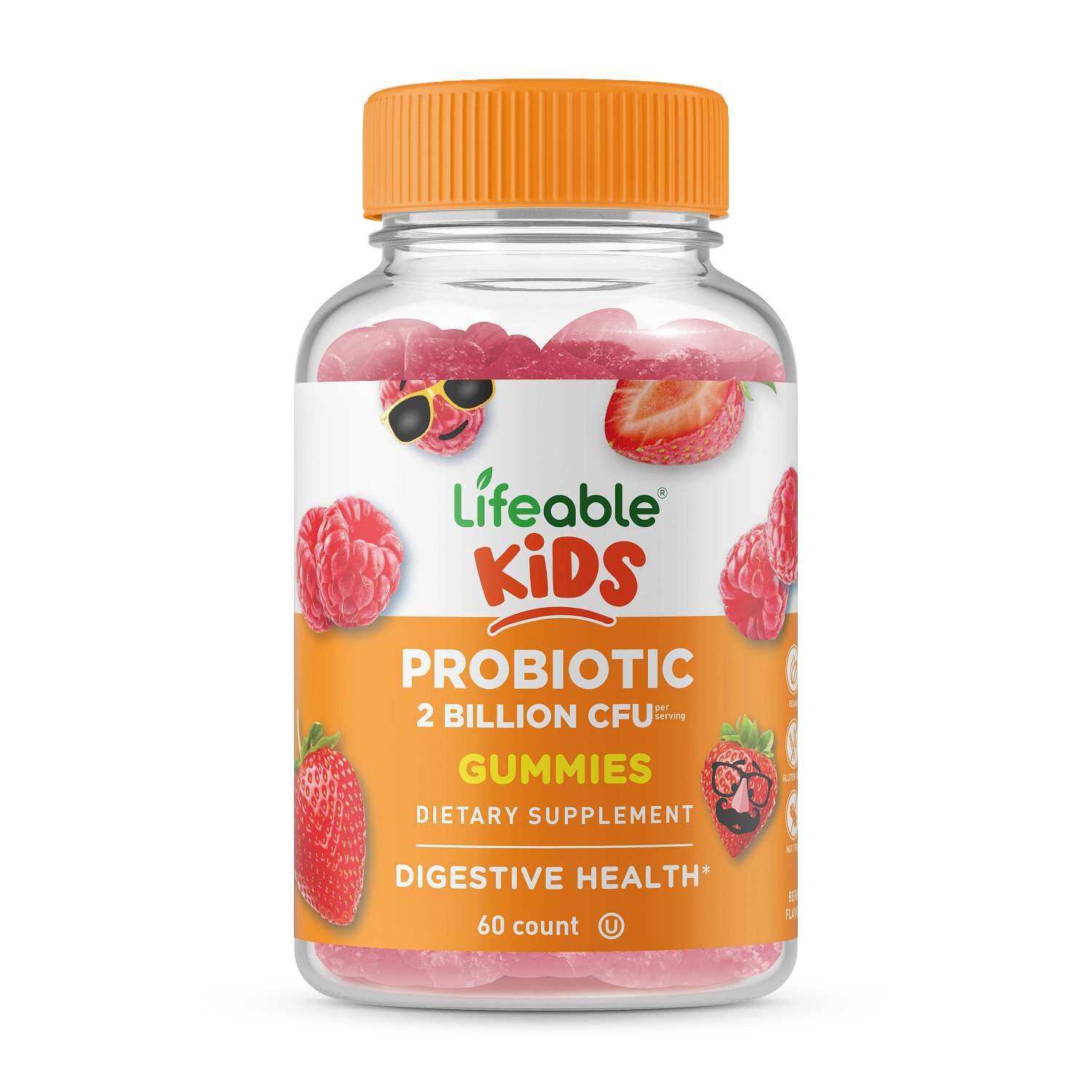
Intestinal health gummies are chewable dietary supplements that may support digestive wellness, regularity, or the gut microbiome, depending on their ingredients. They offer a flavored alternative to capsules, tablets, and powders, with formulas that can contain fiber, prebiotics, probiotics, or combinations of these ingredients. The gut microbiome is the community of bacteria and other microorganisms found in the digestive tract. Prebiotics are substances that certain microorganisms can use as nourishment, while probiotics are live microorganisms included in some supplement formulas. These terms describe different ingredients, so a prebiotic gummy and a probiotic gummy are not necessarily intended for the same purpose. Fiber-containing gummies may support regularity, and certain probiotic formulas may support digestive balance. The ingredients and amounts on the label provide a more useful picture of a formula than its flavor or front-of-package description alone. For example, inulin and fructooligosaccharides are ingredients that can appear in prebiotic formulas, while probiotic labels can identify microorganisms by genus, species, and strain. Those details matter when comparing supplements with similar names but different compositions. Not every fiber ingredient has the same properties, and not every probiotic formula contains the same microorganisms. A gummy that combines several ingredient types also differs from one centered on a single ingredient. For adults who prefer a chewable format, these distinctions can make the category easier to navigate without assuming that every intestinal health gummy offers the same experience. Intended use is another point of comparison: some formulas focus on fiber, while others emphasize prebiotics or probiotics. The amount provided in a labeled serving helps put that focus into context. A fruit-flavored gummy is still a supplement rather than a serving of fruit, and its taste does not indicate how much fiber or how many microorganisms it contains. That separation between flavor, ingredient identity, and serving information is central to understanding the category.
Texture, flavor, and ingredient preferences also shape the appeal of intestinal health gummies. Some have a soft, springy chew, while others are denser, with a texture that varies according to the gelling ingredients and overall recipe. Pectin, commonly derived from fruit, and gelatin, which comes from animal sources, are two ingredients used to create gummy textures. Their presence can matter to shoppers comparing formulas for vegetarian eating patterns or other dietary preferences, although the full ingredient list remains relevant beyond the gelling agent. Fruit flavors can range from bright citrus to mellow berry, and some assortments contain several flavors in one container. A familiar flavor may make the chewable format more appealing, but flavor names do not establish the source or amount of a supplement’s featured ingredients. Sweetening ingredients deserve a separate look as well. Formulas can contain sugar, sugar alcohols, other sweeteners, or a combination, and the label distinguishes those ingredients from fiber and other dietary components. For someone comparing gummies with capsules or drink mixes, the choice often involves both the supplement formula and the experience of taking it. Gummies involve chewing and have a noticeable taste; capsules and powders have different handling and preparation requirements. A chewy texture may suit an adult who dislikes tablets, while another shopper may prefer a format without a lingering fruit flavor. Neither preference says anything about the suitability of the ingredient formula itself. The Supplement Facts panel, other ingredients list, allergen information, and labeled age range each provide a different piece of the comparison. Ingredient sourcing statements can add context, but they do not replace the serving information. Packaging photographs also cannot convey every texture detail, making the written description useful alongside the label. Taken together, these features distinguish a supplement that matches a shopper’s preferences from one selected only because its bottle looks familiar or its flavor sounds appealing.
Everyday practicality adds another dimension to choosing intestinal health gummies. A bottle for an at-home routine has different handling considerations from a container carried between home and an office, even when the supplement inside serves the same intended purpose. Container size, closure style, storage directions, and the number of labeled servings all contribute to that practical fit. The number of gummies in a bottle is not necessarily the number of servings, since a serving can include more than one gummy. Comparing amounts per serving rather than per piece helps keep the information consistent across different formulas. The same distinction applies to fiber amounts and other listed ingredients: the quantity associated with the labeled serving is the relevant reference point. Gummies remain dietary supplements rather than candy, despite their familiar shapes, colors, and fruit flavors. Their original packaging keeps the directions, ingredient details, and storage information together, while a securely closed container may help preserve the intended texture when stored according to its label. Moisture exposure and an improperly closed lid can affect the eating experience, so packaging care is part of the ownership experience rather than an afterthought. Storage out of children’s reach is particularly important for supplements that resemble sweets. Within a broader eating routine, gummies are distinct from foods such as beans, oats, vegetables, and fruit, which provide nutrients and dietary variety beyond a gummy serving. A supplement format does not make those foods interchangeable with a chewable product. Shoppers exploring the related Digestion Gummies category will encounter additional ways that digestive-focused supplements are described and formulated. Across these categories, a clear match between the ingredient profile, labeled purpose, dietary preferences, and preferred format offers a grounded basis for comparison. Whether the appeal is a berry chew after breakfast or a bottle that fits neatly into a home cabinet, the most relevant details remain the formula and its label—not the candy-like presentation.
Best Sellers
-
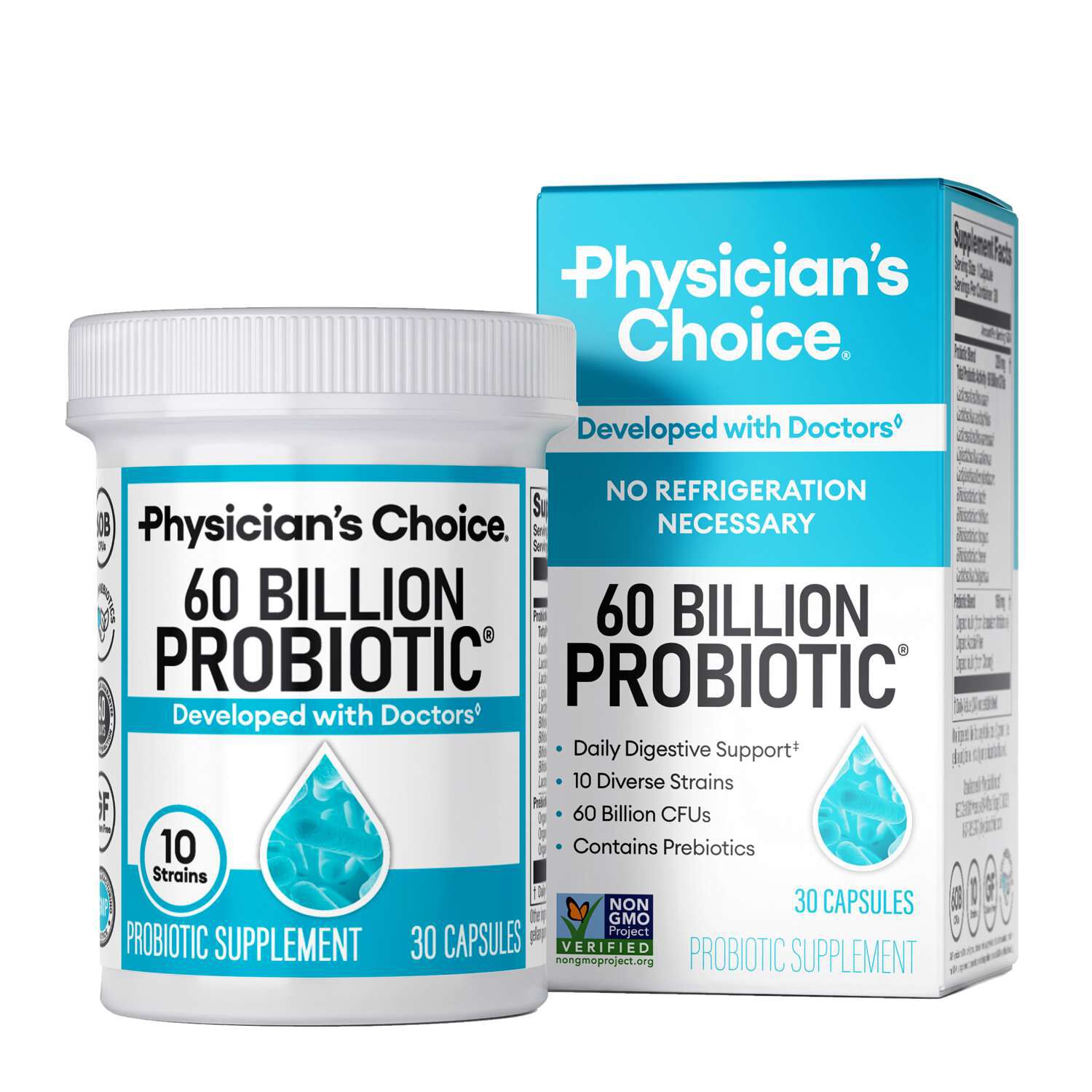 Physician's Choice


Related Pages
Top Collections
- GLP 1 Support For Adults
- Joint Mobility Supplement Packs
- Supplements For Balance
- Supplements For Yoga Joint Flexibility
- Zinc Supplements | Top Brands at Great Prices | GNC
- Capsule Supplements For Energy And Stamina
- Supplements For Anxiety Relief Support
- Iron Supplements
- Vitamins For Hair Loss
- Cortisol Supplements