





Chewable Gut Health
(0 Results)
Explore the potential benefits of chewable gut health supplements, designed to support your digestive system in a convenient and enjoyable way. These easy-to-consume options might offer a tasty alternative to traditional capsules, ensuring that maintaining your digestive wellness fits seamlessly into your daily routine. Whether you're seeking to balance your gut flora or simply looking for a delicious supplement option, chewable gut health products could be an excellent addition to your health regimen.
-
-
-
-

-

-
 $18.99
-
 $26.99
-
 $17.99
-

-

-
 $22.99
-
 $15.99
-
-

-
 $13.99
-

-
_Front.jpg?sw=305&sh=305&sm=fit "Kidophilus Plus - Berry - 90 Tablets (90 Servings) | GNC")
-

-

-
 Purity Products$24.99
-
 $21.99
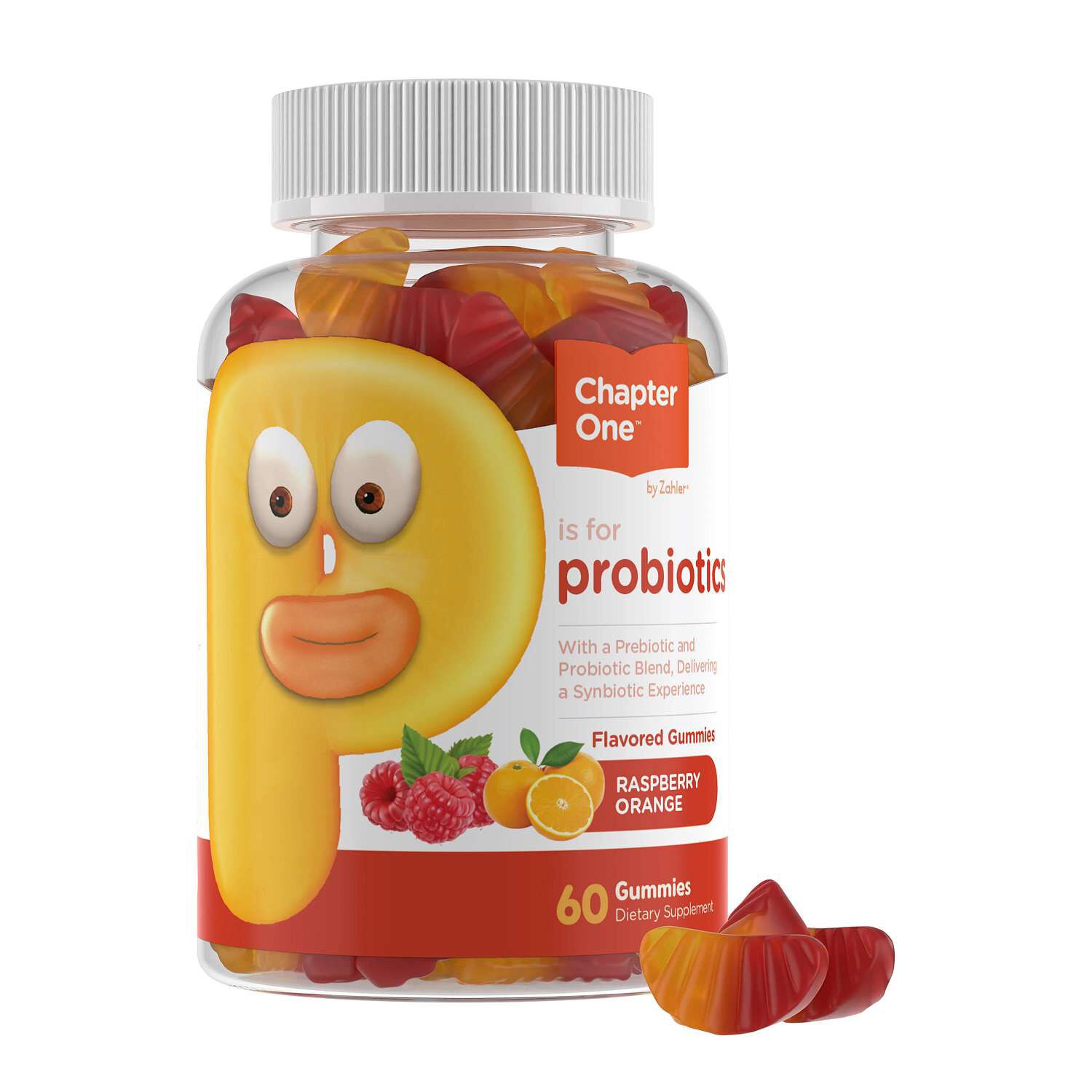


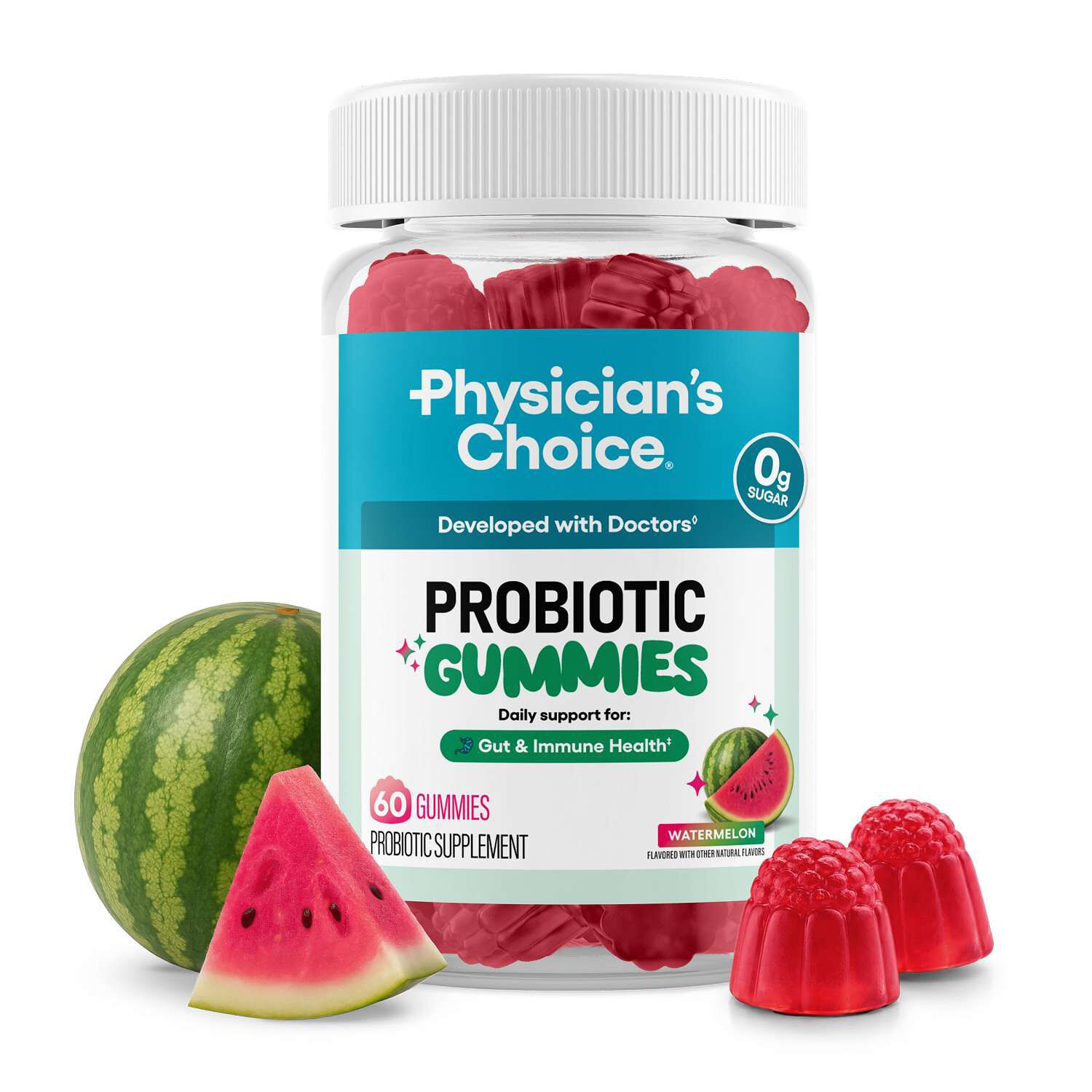
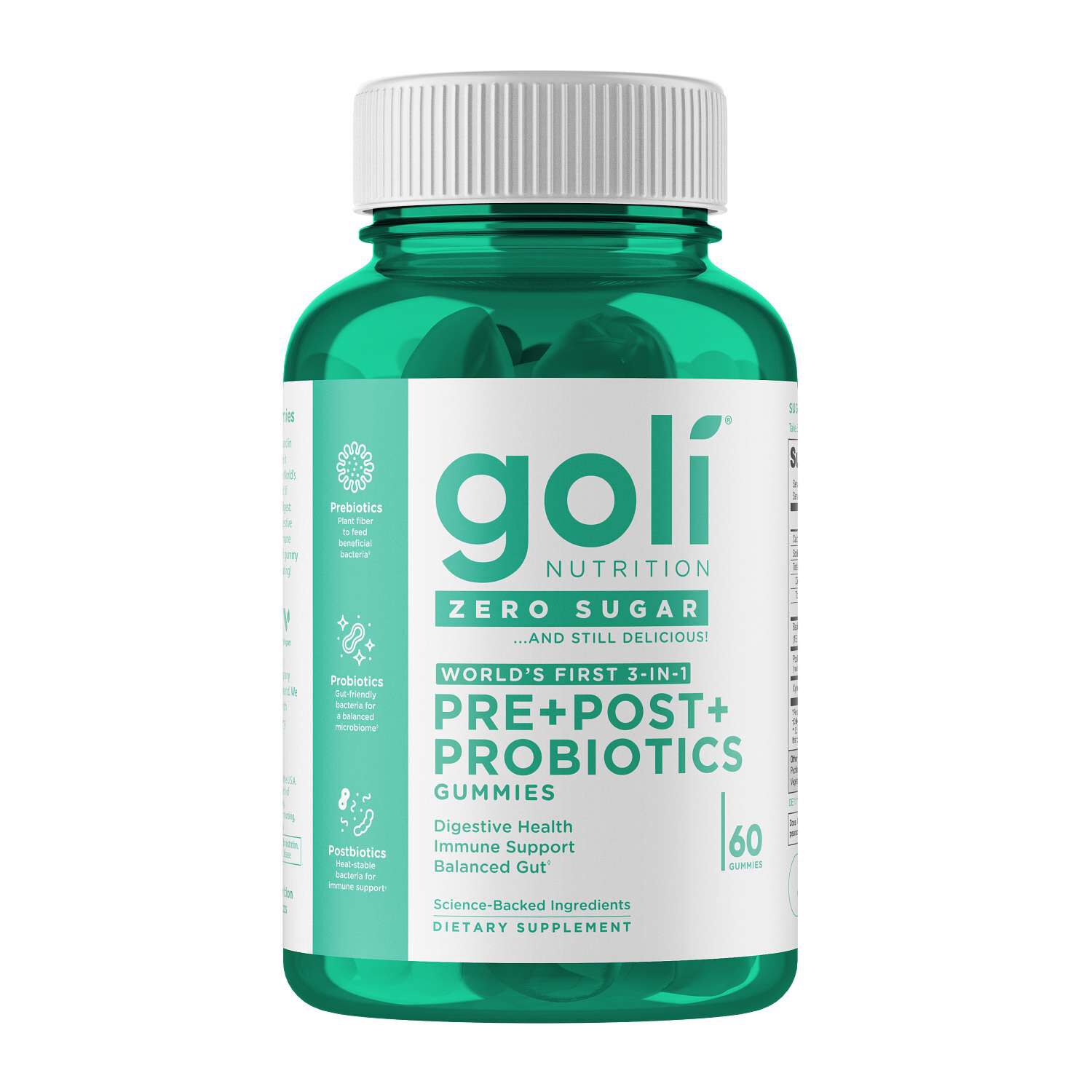
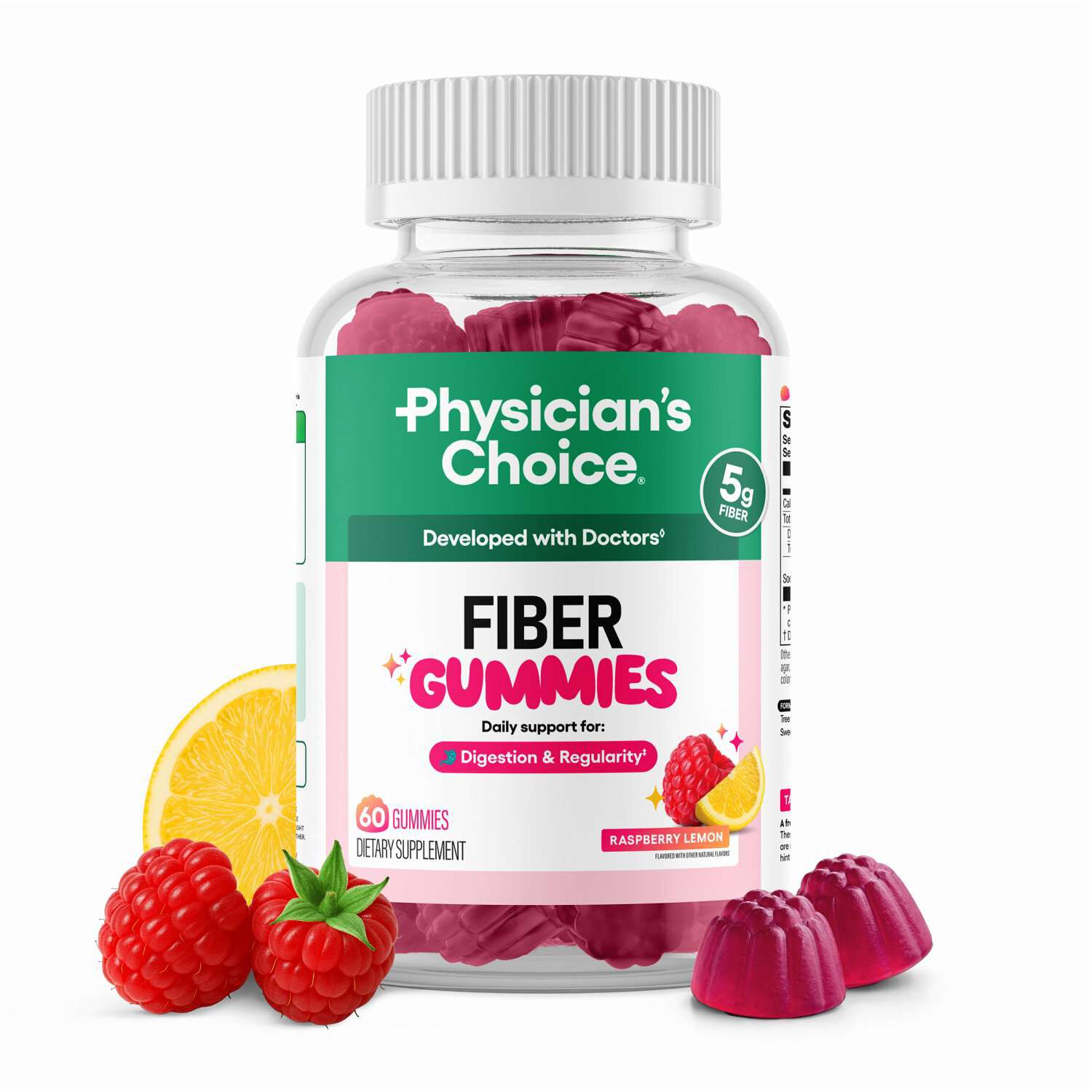
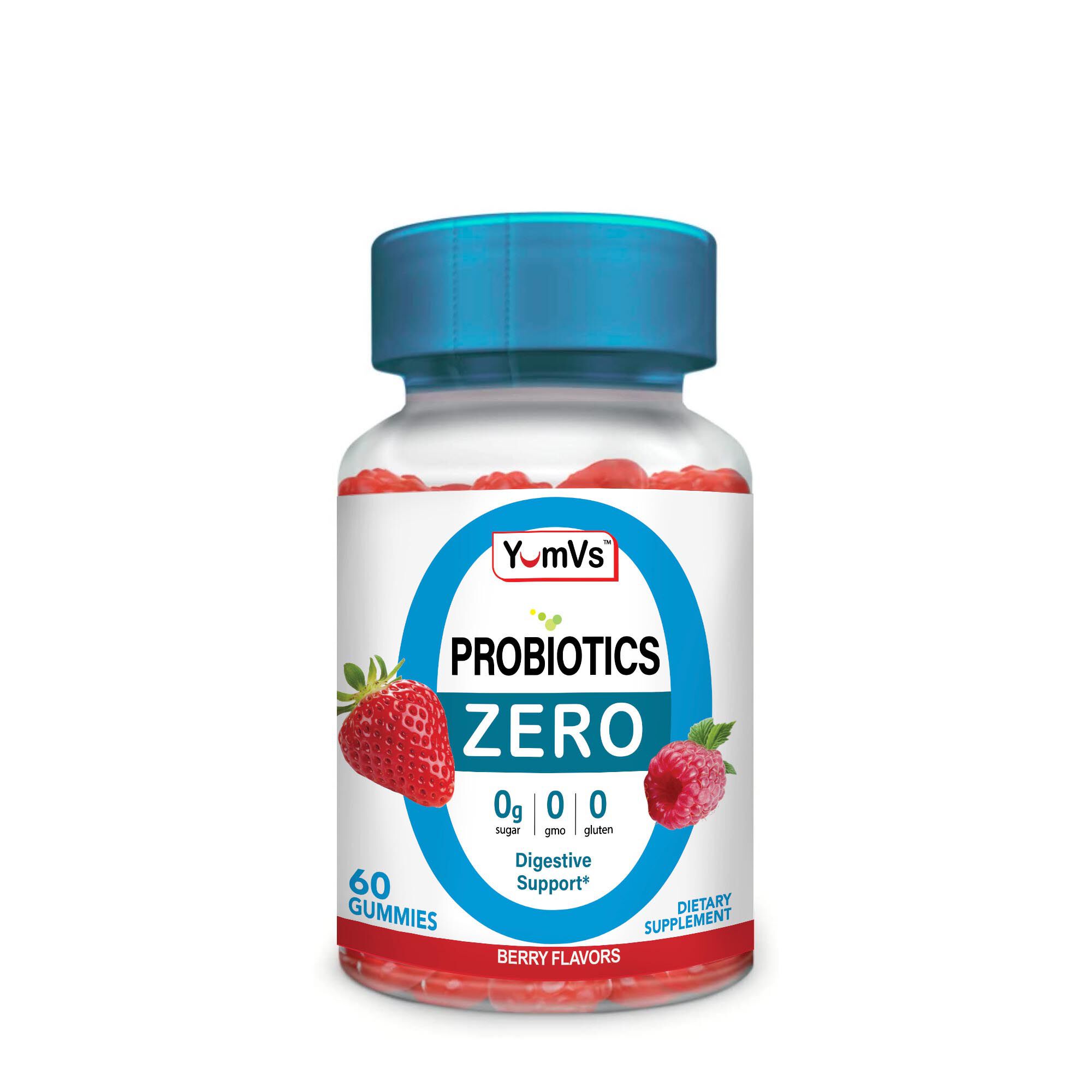
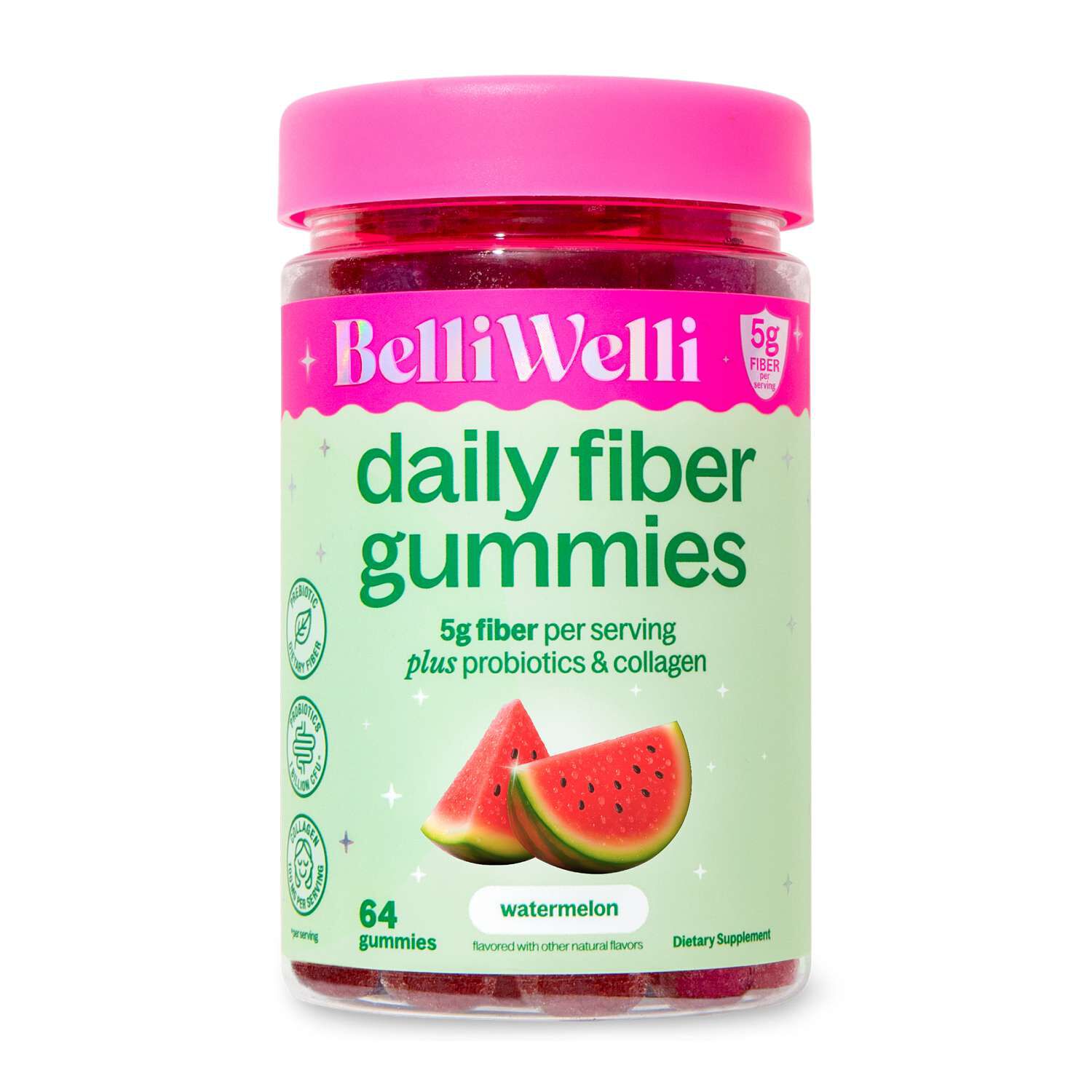
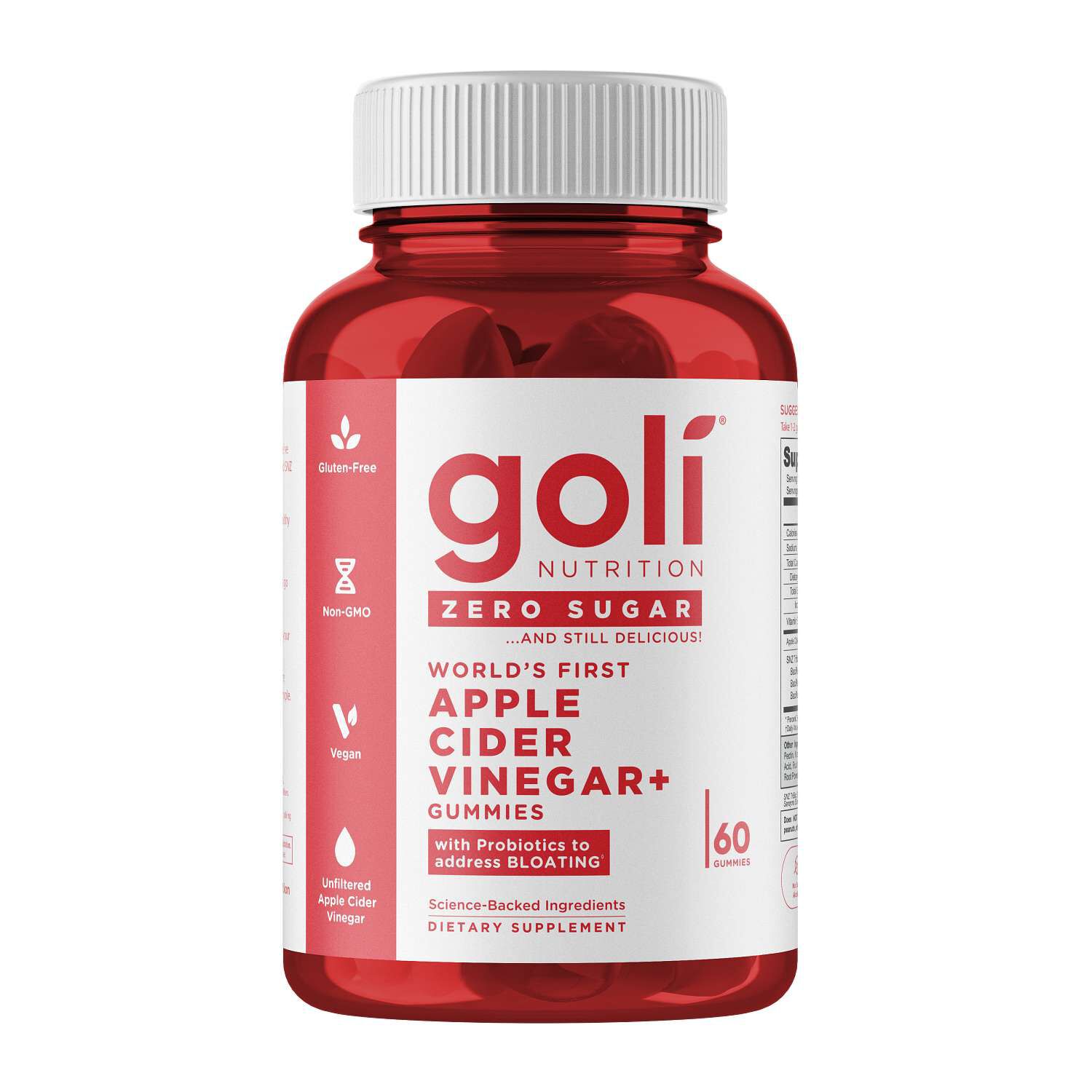
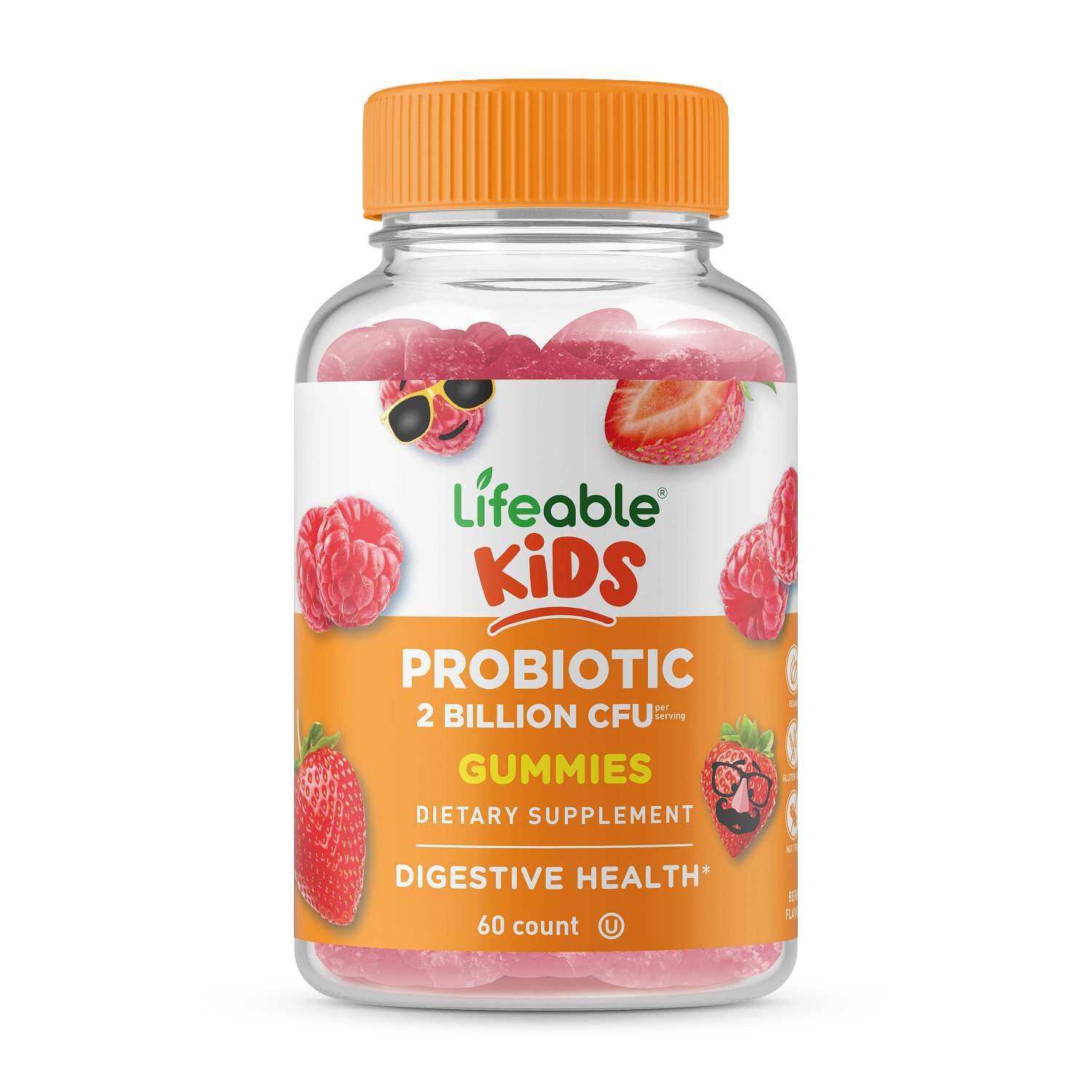
Chewable gut health supplements offer a chew-and-swallow format for people who prefer an alternative to capsules, powders, or liquid supplements. This category includes chewable tablets, gummies, and soft chews with ingredients such as probiotics, prebiotic fibers, and digestive enzymes. Although these ingredients often appear together, they have different roles, and not every formula contains all three. Probiotics are live microorganisms that may support digestive wellness when consumed in appropriate amounts. Prebiotic fibers may nourish certain beneficial bacteria in the digestive tract, while digestive enzymes may support the breakdown of food components such as carbohydrates, proteins, and fats. A formula’s ingredient list provides more useful context than its flavor or front-label description alone. Probiotic names can include a genus, species, and strain designation, giving shoppers a way to distinguish one culture from another. The amount of live cultures is commonly expressed in colony-forming units, or CFU. That number describes a count, rather than a universal measure of how well a supplement might suit an individual. Some labels also specify whether the stated count applies at manufacturing or through the listed expiration date. Prebiotic ingredients may appear under names such as inulin or other fibers, with the quantity shown by serving. Enzyme formulas may identify individual enzymes and list activity units alongside them. These details make chewable gut health products a varied category rather than a single interchangeable option. For adults browsing supplements for a daily wellness routine, the most relevant distinctions often include the ingredient type, labeled purpose, serving size, and preferred texture. A probiotic chew, a fiber gummy, and an enzyme tablet may share a convenient format while offering quite different ingredient profiles. The distinction matters when comparing a formula centered on one ingredient group with a blend that combines several. Clear labeling gives each option a more concrete identity beyond the broad phrase “gut health.”
Texture and flavor are part of the everyday experience of a chewable supplement. A tablet may have a firm bite and a powdery finish, while a gummy may have an elastic texture and a soft chew may feel denser. Fruit flavors, citrus notes, and other flavor profiles can make similar-looking formulas quite different to use. For someone who dislikes mixing powders into a drink, a chewable may fit more naturally into a breakfast routine or the pause between getting home and preparing dinner. The serving information remains important, since a serving may consist of one piece or several. Piece count and serving count are not necessarily the same, and the amount of each listed ingredient generally corresponds to the labeled serving rather than an individual chew. The Supplement Facts panel and the ingredient list also describe different aspects of the formula: one identifies dietary ingredients and their amounts, while the other provides details about ingredients used for texture, flavor, color, and other formulation purposes. Gummies may use pectin or gelatin, a distinction relevant to different dietary preferences. Added sugars, sugar alcohols, and other sweeteners can vary between formulas, as can the presence of ingredients derived from milk, soy, or other sources. Allergen statements and dietary designations provide additional context without requiring assumptions based on a product’s appearance. A fruit-shaped gummy, for example, does not establish its intended age group or ingredient strength. Adult formulas and formulas labeled for younger users can differ in serving directions, composition, and texture. The label’s intended audience is therefore another meaningful point of comparison. For households where several people use supplements, clearly identified packaging may make personal routines easier to organize. Flavor preferences can be just as individual: a bright citrus tablet might appeal to one person, while another may prefer a softer berry-flavored chew. These practical details may influence whether a format feels comfortable and manageable as part of an established routine.
Intended use provides another way to compare chewable digestive supplements without treating every formula as interchangeable. Some are labeled for daily use, while others have directions tied to meals. That distinction belongs to the individual formula rather than the chewable format itself. A bottle kept near breakfast supplies, a pouch carried in a work bag, or a container packed for an overnight stay each presents a different everyday setting. Packaging, closure style, and serving directions may matter as much as flavor in those settings. Storage instructions also deserve attention, particularly for formulas containing live cultures. Some probiotic supplements require refrigeration, while others are labeled for storage without it; the chewable format alone does not establish the requirement. Original packaging keeps the ingredient information, expiration date, and handling directions together. A well-sealed container may also help limit exposure to moisture, which can affect the condition of tablets and gummies. Product longevity depends on the formula, packaging, and labeled storage conditions, rather than a general assumption about how long all chewables last. For shoppers comparing several supplements already in a routine, overlapping ingredients are another useful detail to notice. A digestive chew may include added vitamins or minerals alongside probiotics, fiber, or enzymes, so the full label provides a clearer picture than the category name. For a different wellness focus in a similar format, Chewable Immune Support Supplements offers a related category with its own ingredient profiles and intended uses. Within chewable gut health, thoughtful comparisons center on what each formula contains, whom it is labeled for, and how its serving and storage requirements fit everyday life. A pleasant flavor may be appealing, but ingredient transparency, suitable texture, and clear directions give that preference useful context. Together, these details offer a grounded way to browse chewable supplements for digestive wellness without expecting every gummy, tablet, or soft chew to serve the same purpose.
Best Sellers


 Chewable Tablets_Front.jpg?sw=305&sh=305&sm=fit "ChildCalm - 60 Chewable Tablets (30 Servings) | GNC")

Related Pages

Top Collections
- Zinc Supplements | Top Brands at Great Prices | GNC
- Cortisol Supplements
- NAD+ Supplement Tablets
- Top Rated Collagen | Shop Customer Favorites | GNC
- Best Brand of Magnesium Glycinate
- Peptide Supplements
- Iron Supplements
- Protein Powders For Muscle Growth Support
- Vitamins That Help Support Weight Gain
- Peptide Supplements for Muscle Growth