

Chewable Probiotic Fiber Supplements
(0 Results)
Chewing your way to daily wellness routines may be easier with chewable probiotic fiber supplements. These convenient options could fit seamlessly into a busy lifestyle, offering a tasty alternative to traditional capsules or powders. With a variety of flavors and formulations available, chewable probiotic fiber supplements might support your nutritional goals while fitting right into your on-the-go schedule. Explore different choices that could help you prioritize digestive balance as part of your wellness journey.
-

-

-

-

-

-
-
 $16.99
 -
 $22.99
 -
 $17.99
 -
 $18.99

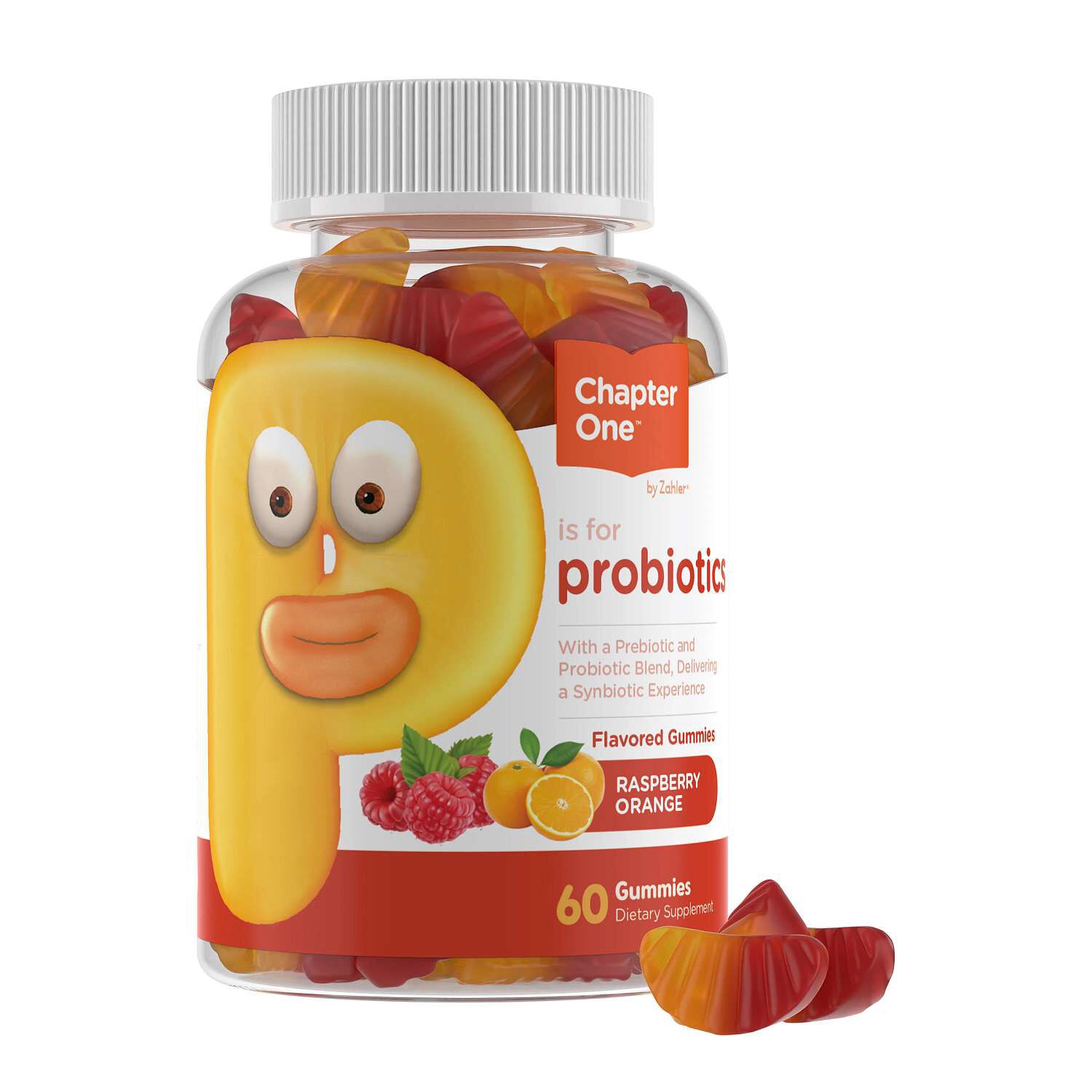
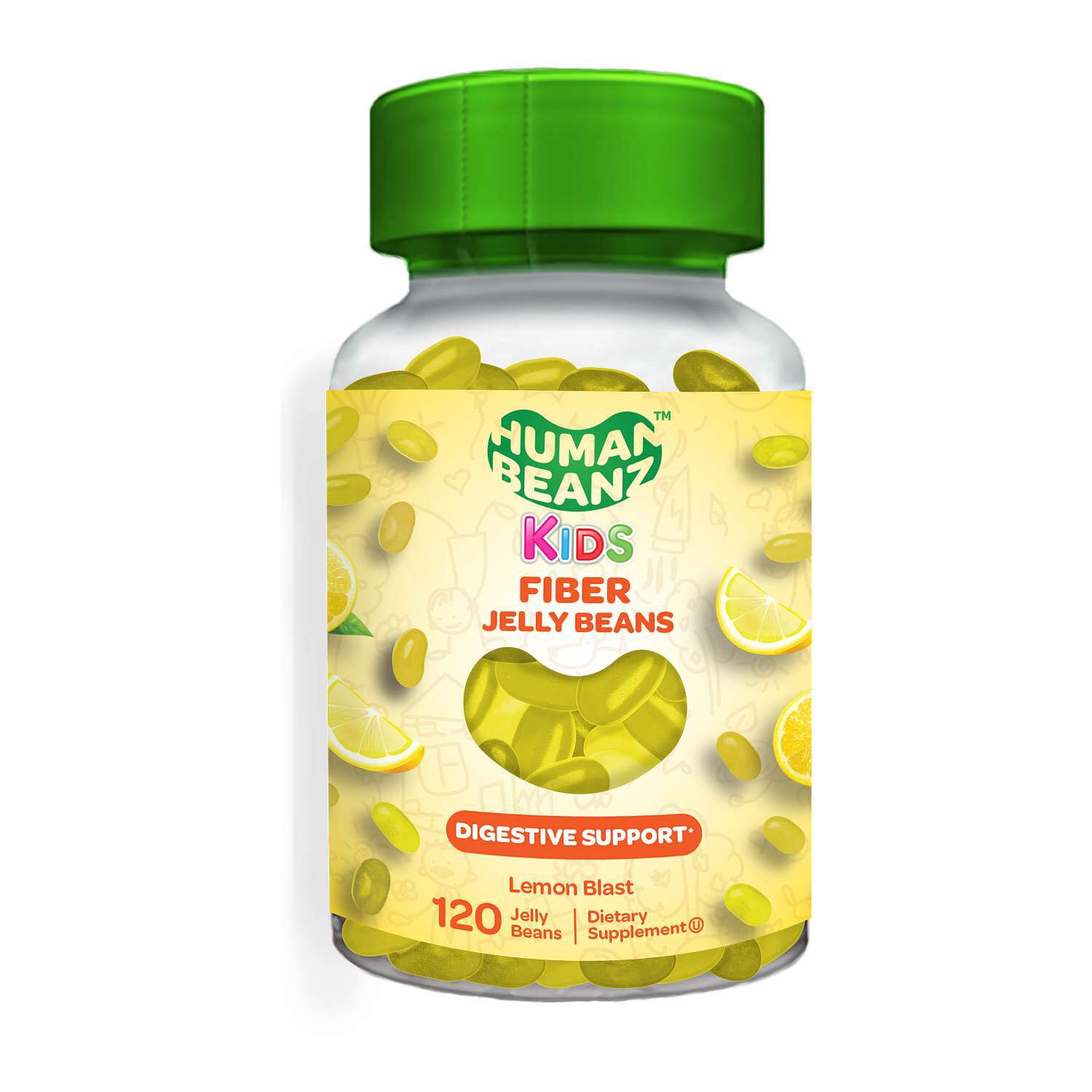
Chewable probiotic fiber supplements bring together two distinct supplement categories in a format designed to be chewed rather than mixed into a drink or swallowed as a capsule. Fiber is a type of carbohydrate, while probiotics are live microorganisms included in certain foods and supplements. A product described as prebiotic is not necessarily a probiotic: prebiotic ingredients serve as a food source for certain microorganisms, whereas probiotic ingredients contain the microorganisms themselves. That distinction matters when browsing chewable fiber tablets, fiber gummies, and combination formulas, since similar packaging or fruit flavors do not mean the contents are interchangeable. Some formulas contain dietary fiber without probiotics, some contain probiotics with a small amount of a prebiotic ingredient, and others list both dietary fiber and probiotic cultures. The Supplement Facts panel provides a clearer picture than the format alone. Fiber is listed in grams per serving, while probiotic information may include named cultures and colony-forming units, often abbreviated as CFU. Those measurements describe different components and cannot be compared directly. For shoppers interested in both ingredients, a clearly stated fiber amount and identifiable probiotic cultures make a formula easier to understand. Chewables may appeal to adults who prefer a flavored supplement over a capsule, or who would rather keep a bottle alongside breakfast supplies than measure a powder into a glass. Their intended role is supplemental; they are not a substitute for varied meals that include fiber-containing foods such as beans, oats, vegetables, and fruit. The broader selection of Fiber And Probiotic Supplements offers another way to explore the relationship between these ingredients and compare formats. Within the chewable category, the most meaningful differences are the actual ingredients, serving size, texture, dietary attributes, and storage directions—not simply whether a package uses the words fiber, prebiotic, or probiotic on the front. A familiar format is only one part of finding a supplement that fits an established daily routine.
Ingredient details help distinguish chewable probiotic fiber supplements that otherwise look alike. Inulin sourced from chicory root, wheat dextrin, and other soluble fibers can appear in chewable formulas, but the source and quantity vary by label. An ingredient list identifies what a formula contains, while the Supplement Facts panel shows how much dietary fiber a labeled serving provides. A prominent mention of a plant ingredient does not, by itself, establish a particular fiber amount. Similarly, a probiotic blend deserves a closer look than its overall count alone. Labels can identify microorganisms by genus, species, and sometimes strain, providing a more precise description than the general term probiotic. The CFU statement may also specify whether the count applies at manufacture or through a stated date, an important distinction when comparing label information. A larger number alone does not establish that a formula is the right match for a shopper. Other ingredients shape the physical experience of a chewable. Gummies commonly rely on pectin or gelatin for their structure, while compressed tablets may contain binders and ingredients that contribute to texture. Pectin and gelatin have different origins, so shoppers with plant-based preferences have a reason to examine the ingredient list rather than assume every fruit-flavored gummy has the same composition. Sweeteners, sugar alcohols, flavorings, and coloring ingredients also vary. A berry-flavored chewable can differ substantially from another berry-flavored option in sweetness, ingredients, and serving size. For those comparing dietary preferences, the label’s stated attributes and allergen information are more useful than impressions based on flavor or appearance. The amount of sugar per serving is another concrete comparison point. Because a serving may include more than one tablet or gummy, every quantity is best understood alongside the number of pieces listed. That context keeps a per-piece impression from being mistaken for the amount in a full labeled serving and makes comparisons across different chewable formats more consistent.
Texture and everyday handling deserve attention alongside the ingredient panel. A compressed chewable tablet generally has a firmer bite and a texture that breaks down during chewing; a gummy usually has a softer, springier consistency. Neither format tells the whole story about the formula inside. The better fit depends on personal preferences and the product’s labeled intended use, including its age designation. A fruit flavor or candy-like shape does not establish that a supplement is intended for children, and adult and child-oriented formulas should not be treated as interchangeable. For an adult who already keeps supplements near a breakfast place setting, a clearly labeled bottle may fit naturally into that arrangement. For someone who carries a work bag or travels often, container size, closure design, and the number of pieces in a serving may matter more than the appearance of the chewable itself. A bottle that is easy to identify and close securely has practical value when several household members keep different supplements in the same cabinet. Original packaging also keeps ingredient details, directions, and date information connected to the contents. Storage deserves particular attention with probiotic formulas because requirements can differ; some labels specify refrigeration, while others describe different storage conditions. Gummies and tablets may also have directions concerning moisture or exposure to sunlight. Those instructions, together with the package date, are more reliable than assumptions based on how sturdy a bottle looks. When comparing package sizes, the number of servings is more informative than the piece count alone: a larger bottle does not necessarily represent more labeled servings if each serving contains several chewables. Flavor variety can be appealing, but a familiar taste, preferred texture, and manageable serving size often make the daily experience easier to picture. Thoughtful selection comes down to matching the category’s practical features with clear label information: the fiber source and amount, the identity of any probiotic cultures, the ingredients used to form and flavor the chewable, and the handling requirements that accompany the formula.
Best Sellers
-
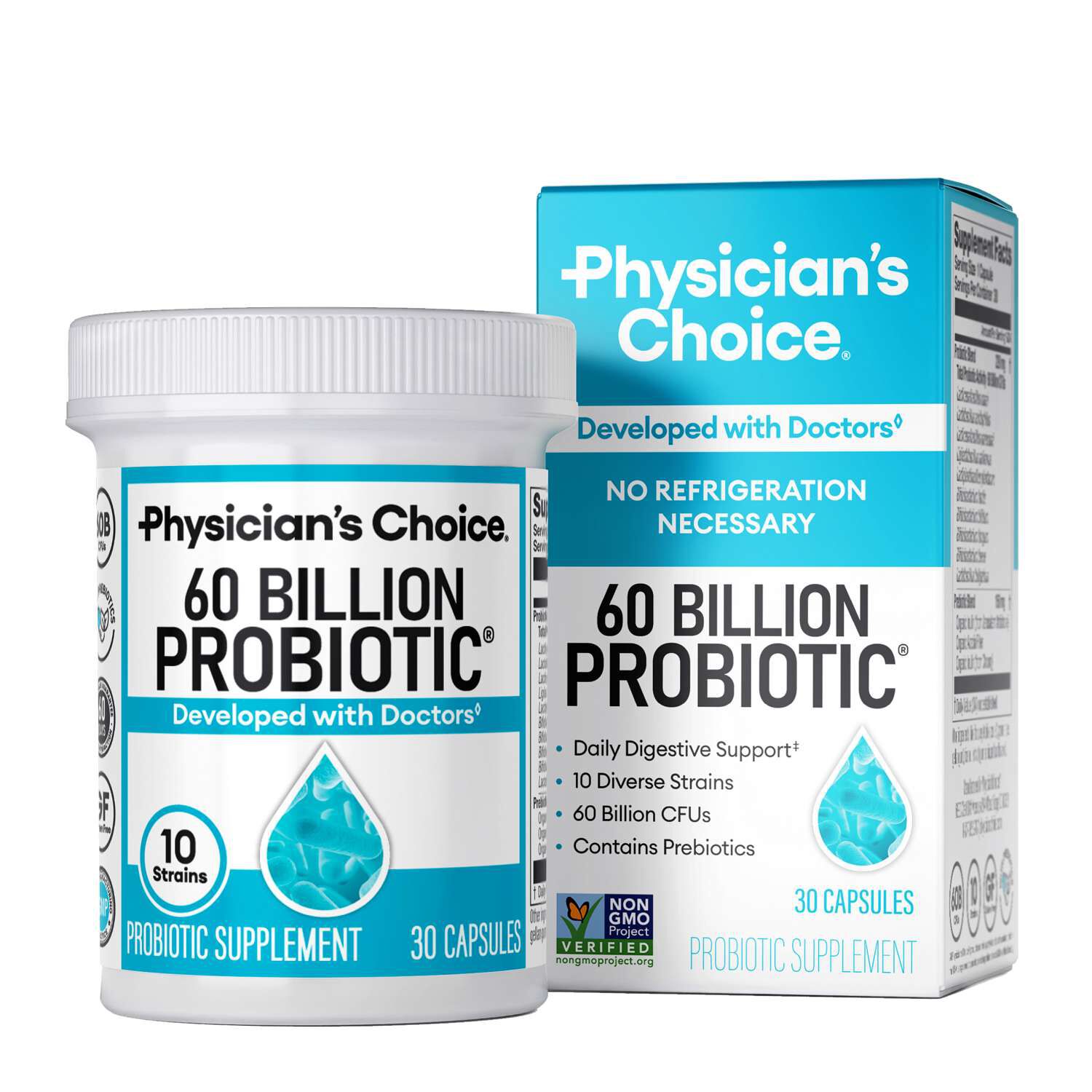 Physician's Choice