





Soluble Fiber Probiotic Supplements
(0 Results)
Soluble fiber probiotic supplements could be a convenient addition to your daily routine for those looking to support their overall wellness. Blending the benefits of soluble fiber and probiotics, these supplements may help you maintain a balanced lifestyle. Explore options that are designed to fit seamlessly into your nutritional goals, whether you’re focused on digestive health or simply aiming to enhance your supplement regimen.
-
-
 205$34.99
 -
-

-

-

-

-
-

-

-
-

-

-

-

-

-

-

-

-
-
-
 4$59.99
 -


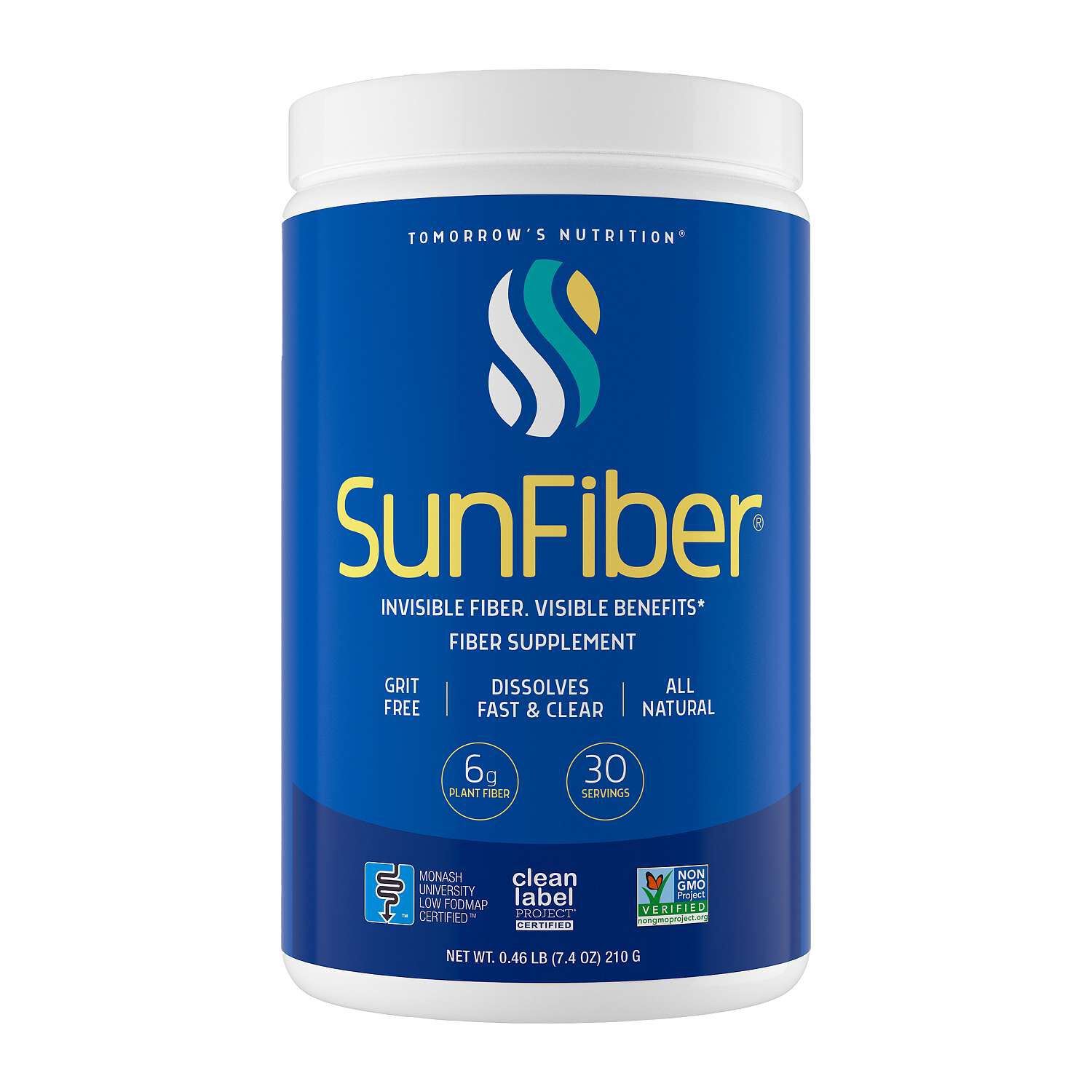
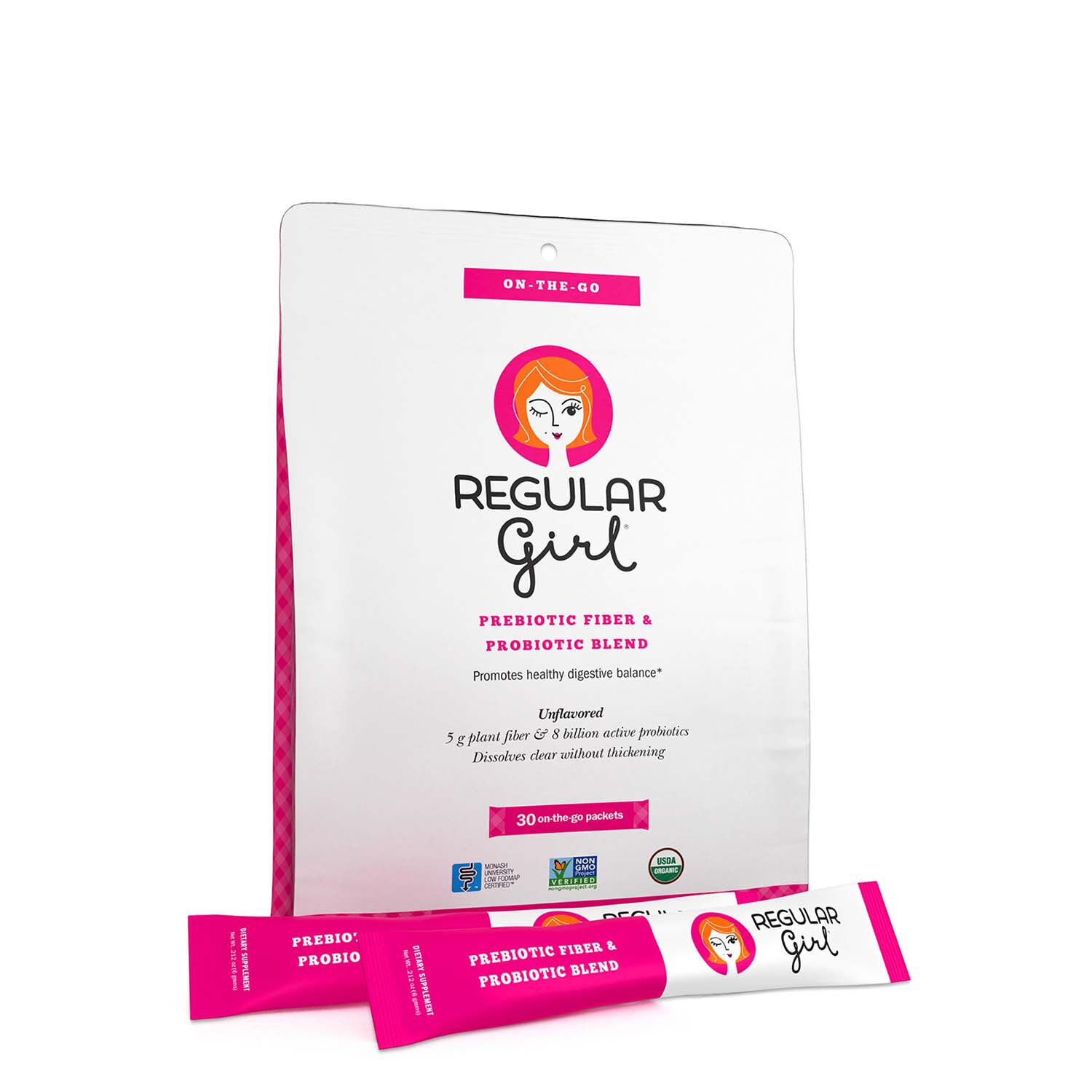
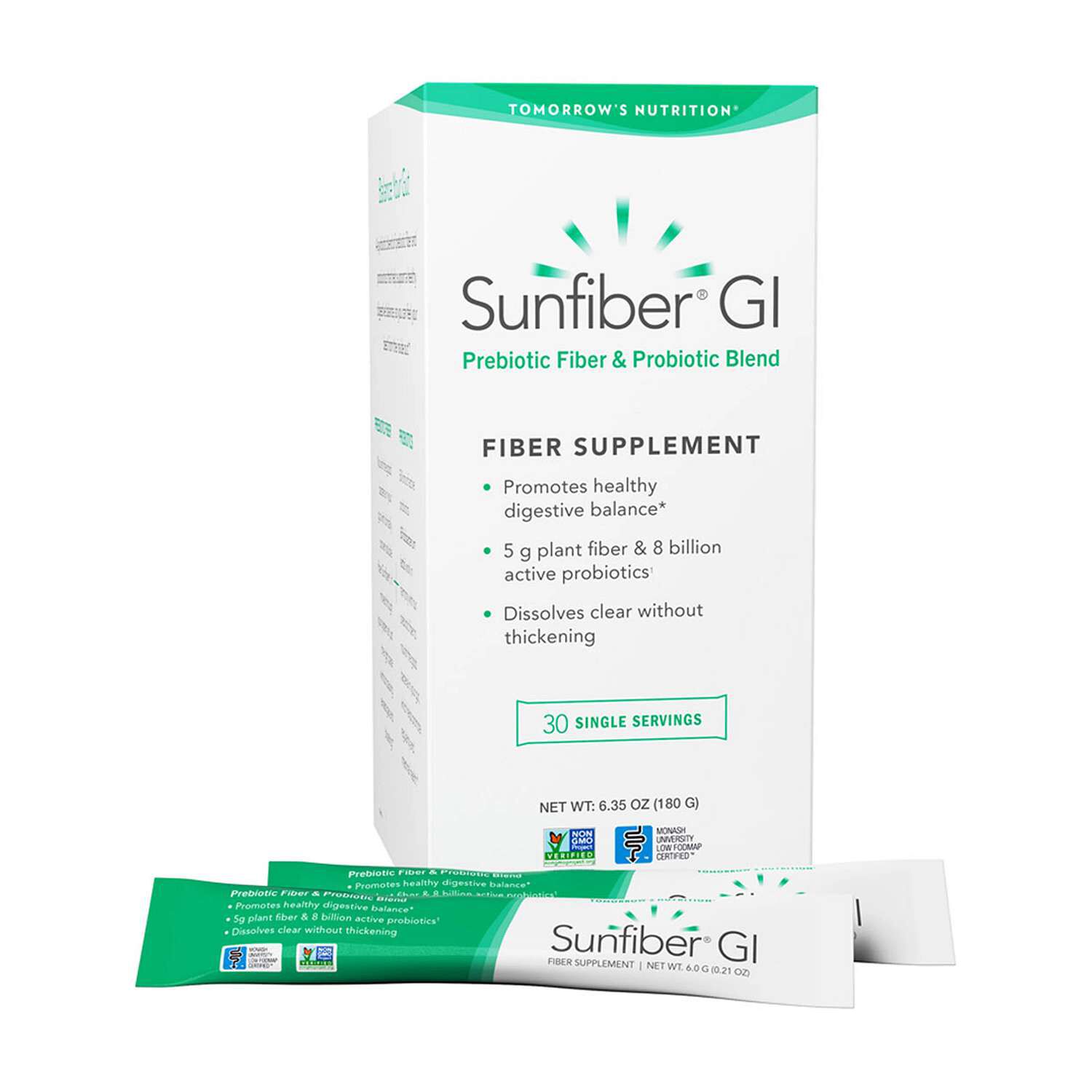
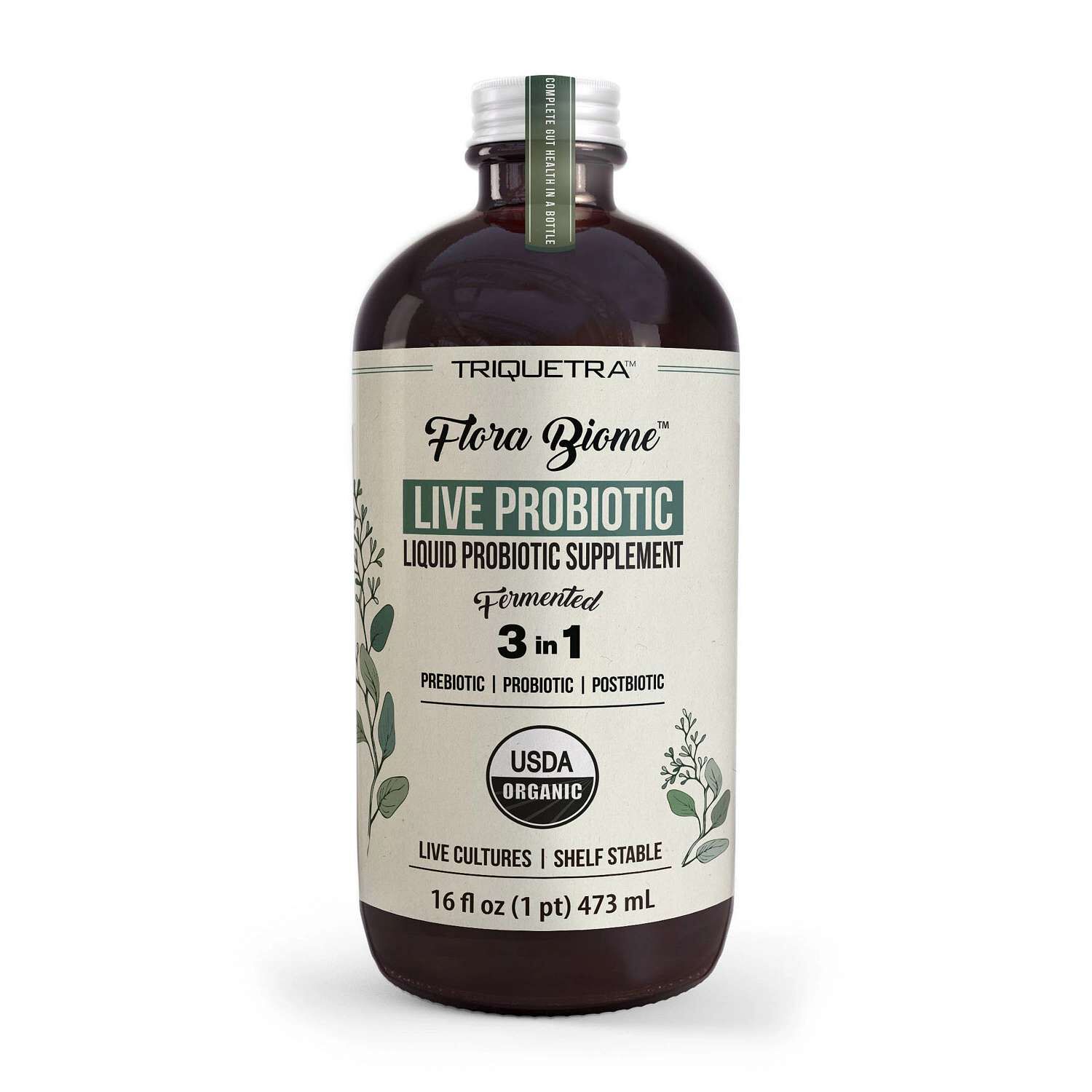
Soluble fiber probiotic supplements bring together two distinct ingredient categories: fiber that dissolves in water and live microorganisms identified on the label. Soluble fiber describes how a fiber behaves in liquid, while probiotic describes the microbial component of a formula. These terms are related to digestive wellness, but they are not interchangeable. A supplement with soluble fiber does not necessarily contain probiotics, and a probiotic supplement does not necessarily supply fiber. Combination formulas are intended for shoppers who want both in the same serving, whether that serving comes as a powder, capsule, chewable, or gummy. Some soluble fibers also qualify as prebiotics, meaning they may serve as nourishment for certain microorganisms in the gut. Not every soluble fiber has the same prebiotic properties, so the ingredient list matters more than a broad description on the front of the package. Common fiber ingredients across this category include inulin, acacia fiber, and psyllium husk, each with its own characteristics. Psyllium can form a gel when mixed with water, while other soluble fibers may disperse with less noticeable thickening. The probiotic portion is typically described by genus, species, and sometimes a strain identifier, giving shoppers a more precise picture of what a formula contains. For anyone comparing combination formulas with fiber-focused options, Soluble Fiber Supplements offers a related category to explore. The distinction is useful when deciding whether the priority is a measured amount of fiber, a specified probiotic strain, or the convenience of both together. These products may appeal to adults who already pay attention to the fiber in their meals and want a supplement format that fits their daily routine. They are not interchangeable with beans, oats, vegetables, or other fiber-containing foods, which bring their own mix of nutrients and culinary uses. A closer look at the formula helps separate a familiar category name from the details that make one type of supplement different from another.
Format makes a practical difference when comparing soluble fiber and probiotic combinations. Powders offer a measured serving that can be prepared according to the package directions, but texture, flavor, and mixing method vary. An unflavored powder is not necessarily textureless, and a fiber that thickens in liquid will create a different drinking experience from one that disperses with little visible change. For someone who prefers a simple breakfast routine, the relevant details include the recommended liquid, mixing instructions, and whether the prepared serving needs to be consumed promptly. A shaker bottle and a drinking glass are not automatically interchangeable for every formula; the label should determine the preparation method. Capsules avoid the taste and texture of a mixed drink, although a serving may consist of several capsules rather than one. Gummies and chewables offer another experience, with flavor, chewiness, and serving count becoming part of the decision. Their labels may also list sugars, sugar alcohols, colors, or other ingredients that matter to individual food preferences. The physical size of a container can be misleading: a large bottle, a pouch, and a tub may hold very different numbers of servings. Compare the amount of dietary fiber per labeled serving rather than judging by package size or the number of pieces inside. For probiotics, colony-forming units, often abbreviated CFU, describe the quantity of viable microorganisms. That number alone does not describe the entire formula or establish how well it may fit a shopper’s preferences. Strain identification, the accompanying fiber, serving directions, and storage requirements all provide additional context. A formula with several strains is not automatically a better match than one with a single named strain. Likewise, a powder with a longer ingredient list is not necessarily more suitable than a simpler blend. Someone packing a work bag may prioritize a clearly measured portable format, while someone keeping supplements beside breakfast dishes may prefer a container that is easy to open, measure from, and close securely.
Label details and everyday handling deserve as much attention as flavor or format. The Supplement Facts panel distinguishes the amount of dietary fiber from the weight of a broader ingredient blend, which can include components besides fiber. When a blend is listed by a combined weight, that figure should not be read as the amount of each ingredient within it. Serving size is another important distinction: information for two gummies or several capsules cannot be compared directly with information for one piece without accounting for the labeled serving. Probiotic quantities may be stated at manufacture or through the stated shelf life, so the wording alongside a CFU count is worth reading carefully. An expiration or best-by date and clear storage instructions provide useful context for a product intended to contain live microorganisms. Some formulas require refrigeration, while others are designed for storage without it; the package directions, rather than the category name, establish the appropriate conditions. Original packaging also keeps preparation directions, ingredient information, and date markings together. For powders, a dry measuring utensil and a securely closed lid help limit unwanted moisture in the container. Keeping the scoop with its original formula can prevent confusion between products with different serving measurements. Household preferences may narrow the choice further. Capsule shells can differ in composition, gummies may contain gelatin or pectin, and flavored powders can include ingredients that an unflavored version does not. Clearly stated dietary certifications and allergen information are more informative than assumptions based on a familiar flavor or plant-derived fiber source. When choosing a supplement for another adult, knowing their preferred format and dietary preferences is more useful than selecting by package appearance alone. Soluble fiber probiotic supplements are best compared as distinct formulations, not as identical products in different containers. The combination of fiber type, fiber amount, named microorganisms, preparation method, and storage needs creates the practical profile of each formula. Together, those details give shoppers a grounded way to compare options intended for everyday digestive wellness without treating a larger number or a more elaborate blend as the deciding factor.
Best Sellers
-
Tomorrow's Nutrition
-
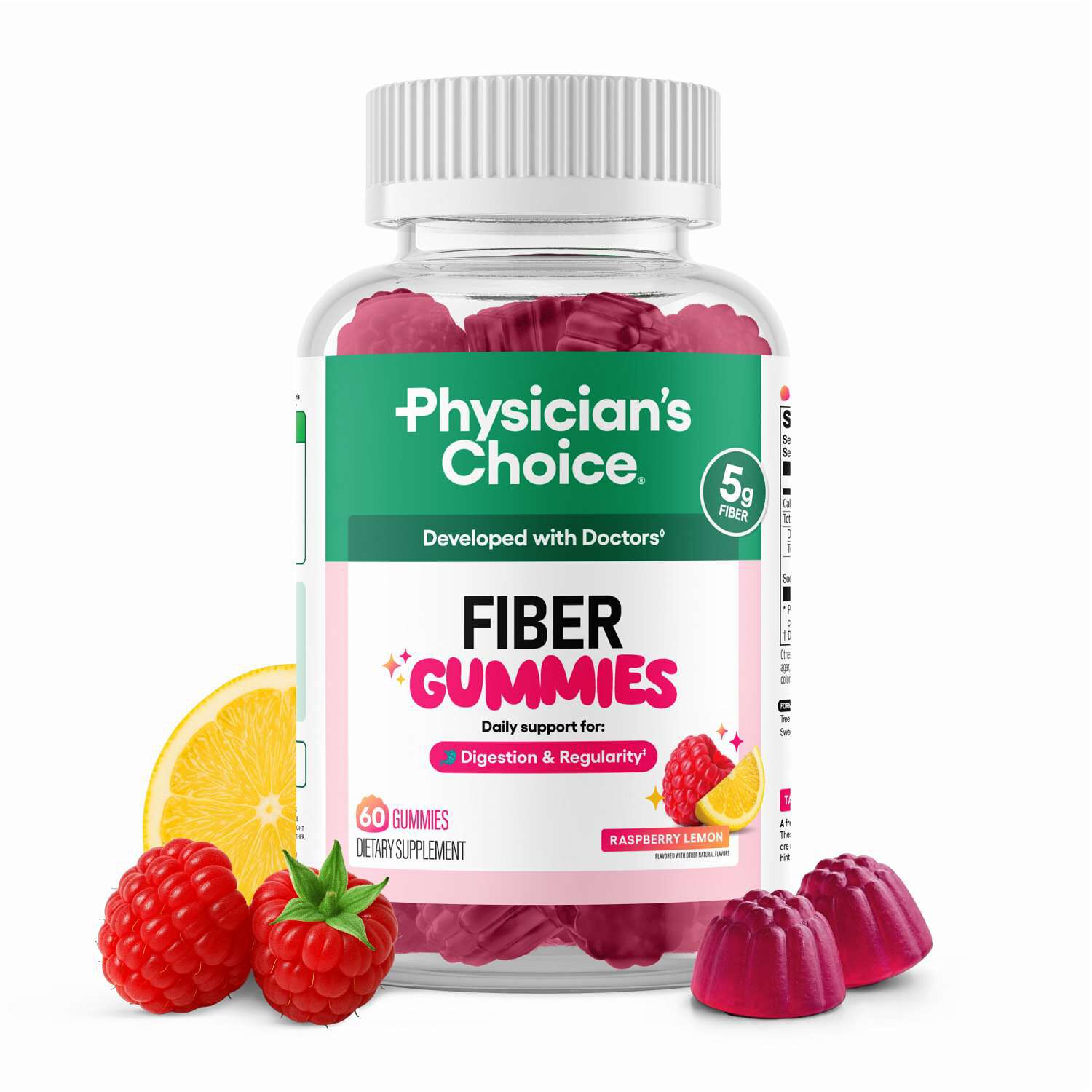 Physician's Choice
 -
Tomorrow's Nutrition


