





Soluble Fiber Supplements
(0 Results)
Soluble fiber supplements are an essential addition to your daily routine to support digestive health and overall well-being. Packed with a range of benefits, these supplements can help promote regularity, lower cholesterol levels, and aid in weight management. Whether you're looking to increase your fiber intake or seeking a convenient way to support your digestive system, soluble fiber supplements offer a simple and effective solution. Discover a variety of options to suit your preferences and health goals, and take a step towards better gut health today.
-

-

-

-

-
-
 209$34.99
-

-

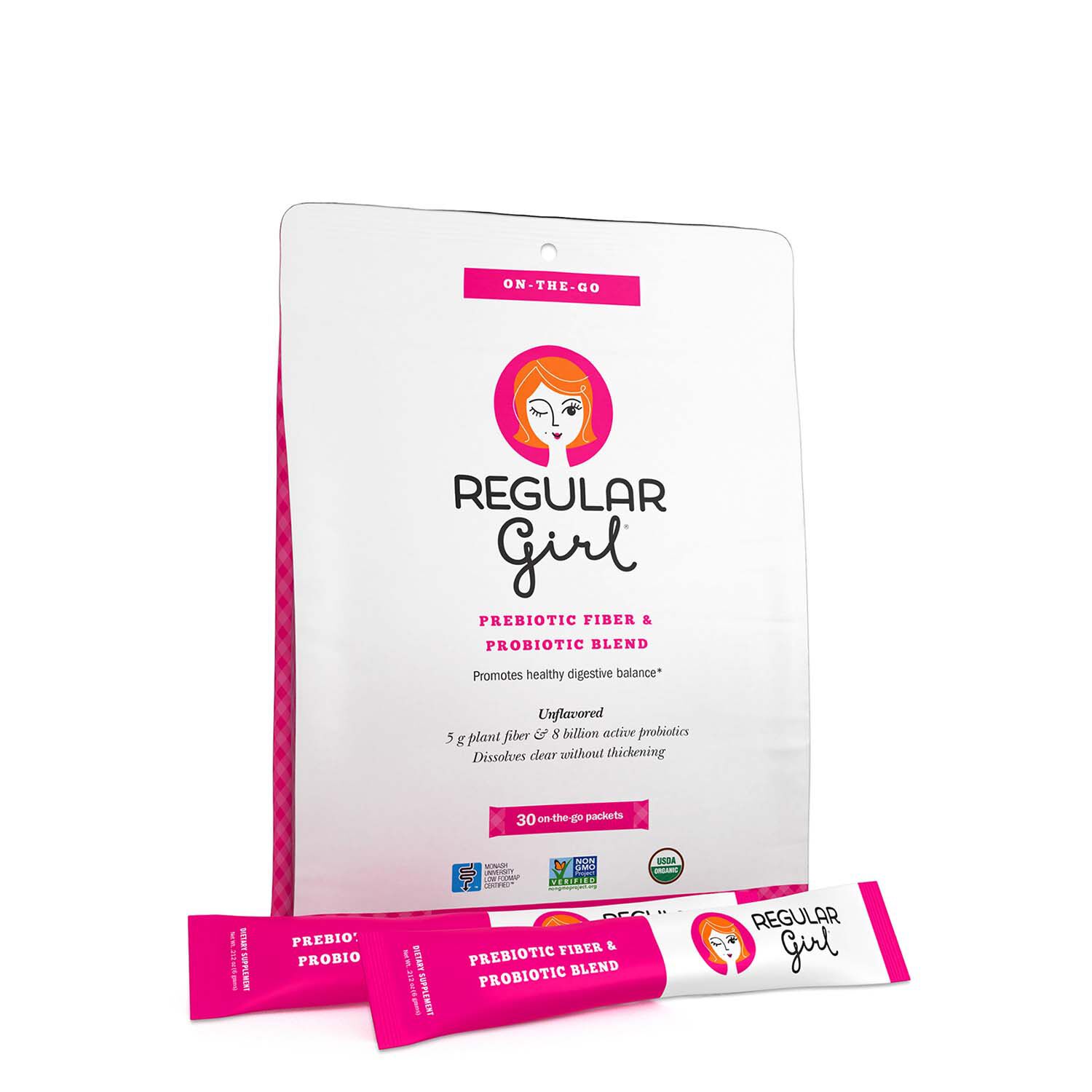
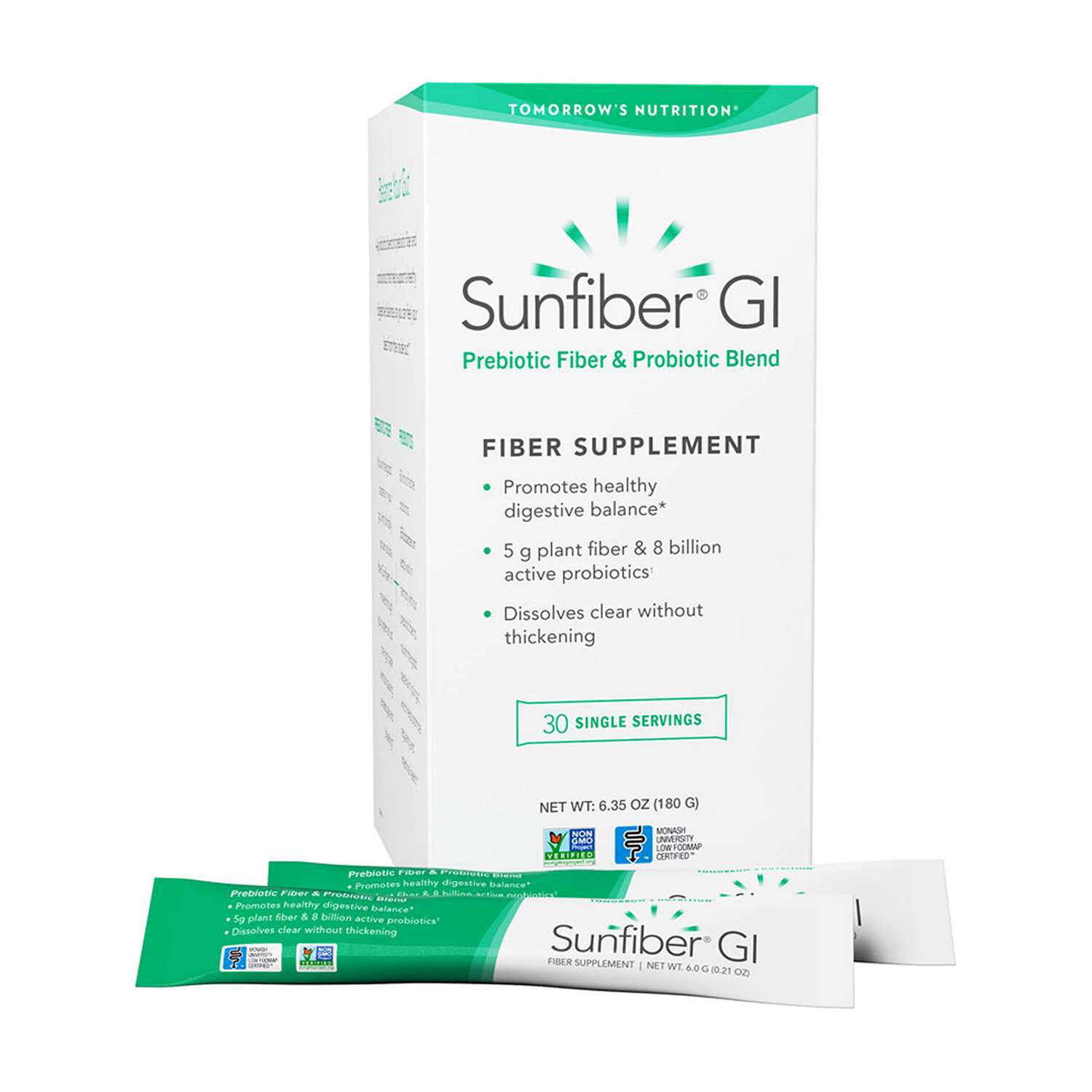
Soluble fiber supplements contain dietary fiber that dissolves in water and, depending on the source, may form a gel-like texture. They come in formats such as powders, capsules, and gummies, with different ingredient sources, serving sizes, and preparation requirements. Soluble fiber also occurs naturally in foods such as oats, barley, beans, apples, and citrus fruits. Supplements may offer a convenient way to complement the fiber supplied by those foods, particularly for adults who want a measured serving that fits into an established eating routine. The distinction between soluble and insoluble fiber concerns how each interacts with water; it does not mean that one type belongs in every routine or that the two are interchangeable. Some supplements contain a single fiber source, while others combine several. Ingredient lists may include psyllium husk, inulin, acacia fiber, wheat dextrin, or partially hydrolyzed guar gum. These ingredients differ in their proportions of soluble fiber, texture, and behavior when mixed, so the source name is an important part of understanding the formula. Psyllium-containing powders, for example, may develop a thicker consistency, while certain other soluble fibers may mix with less noticeable thickening. Solubility and thickness are related characteristics, but they are not the same thing: a powder does not need to become visibly gel-like to contain soluble fiber. The Supplement Facts or Nutrition Facts panel provides another useful distinction. The weight of a scoop or packet is not necessarily the amount of dietary fiber it contains, and a blend’s listed dietary fiber may include both soluble and insoluble types. Comparing dietary fiber grams per serving, the ingredient list, and any separately stated soluble fiber amount gives a more meaningful picture than comparing container size alone. A short ingredient list may appeal to someone seeking a straightforward formula, while a flavored blend may suit someone who places more importance on taste and preparation.
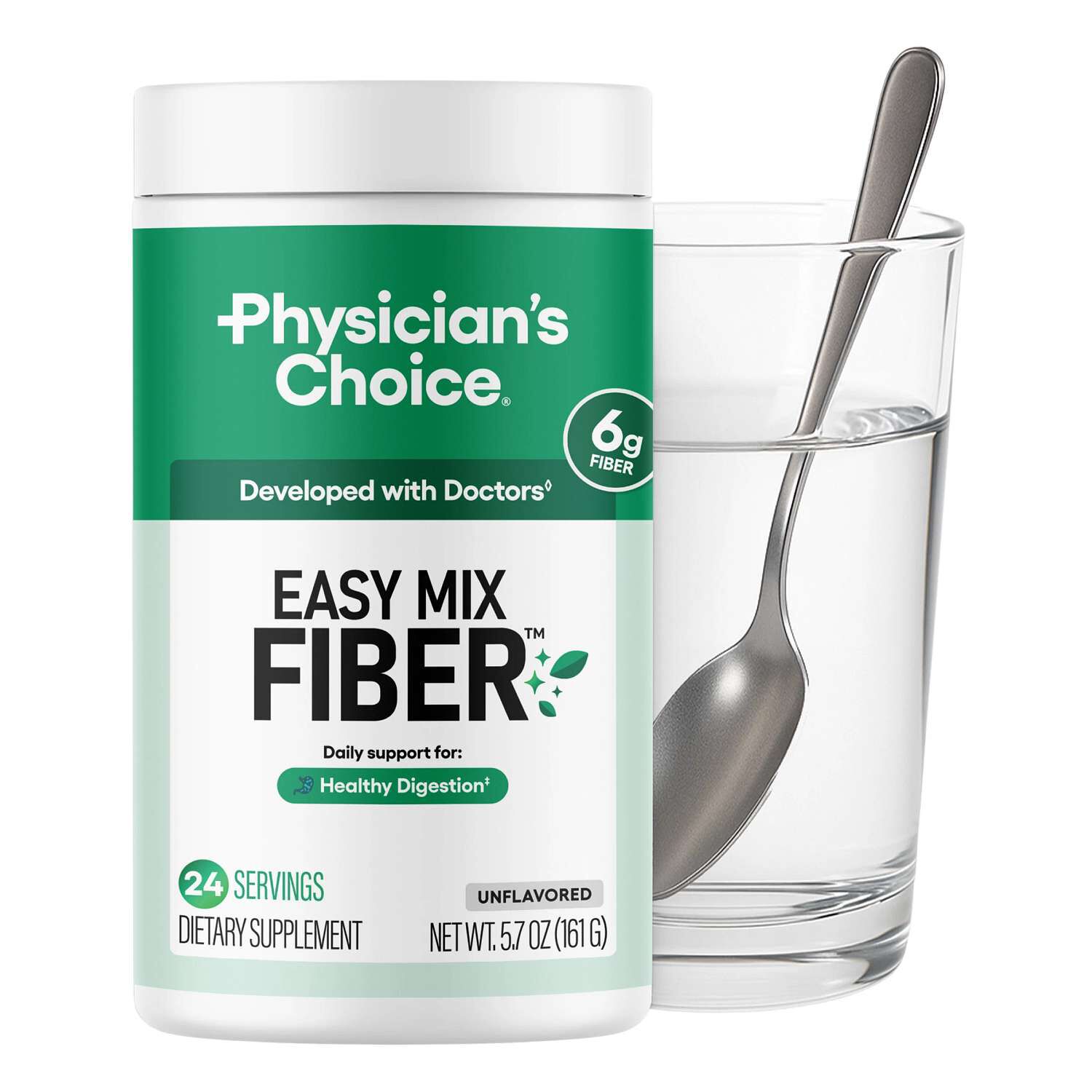
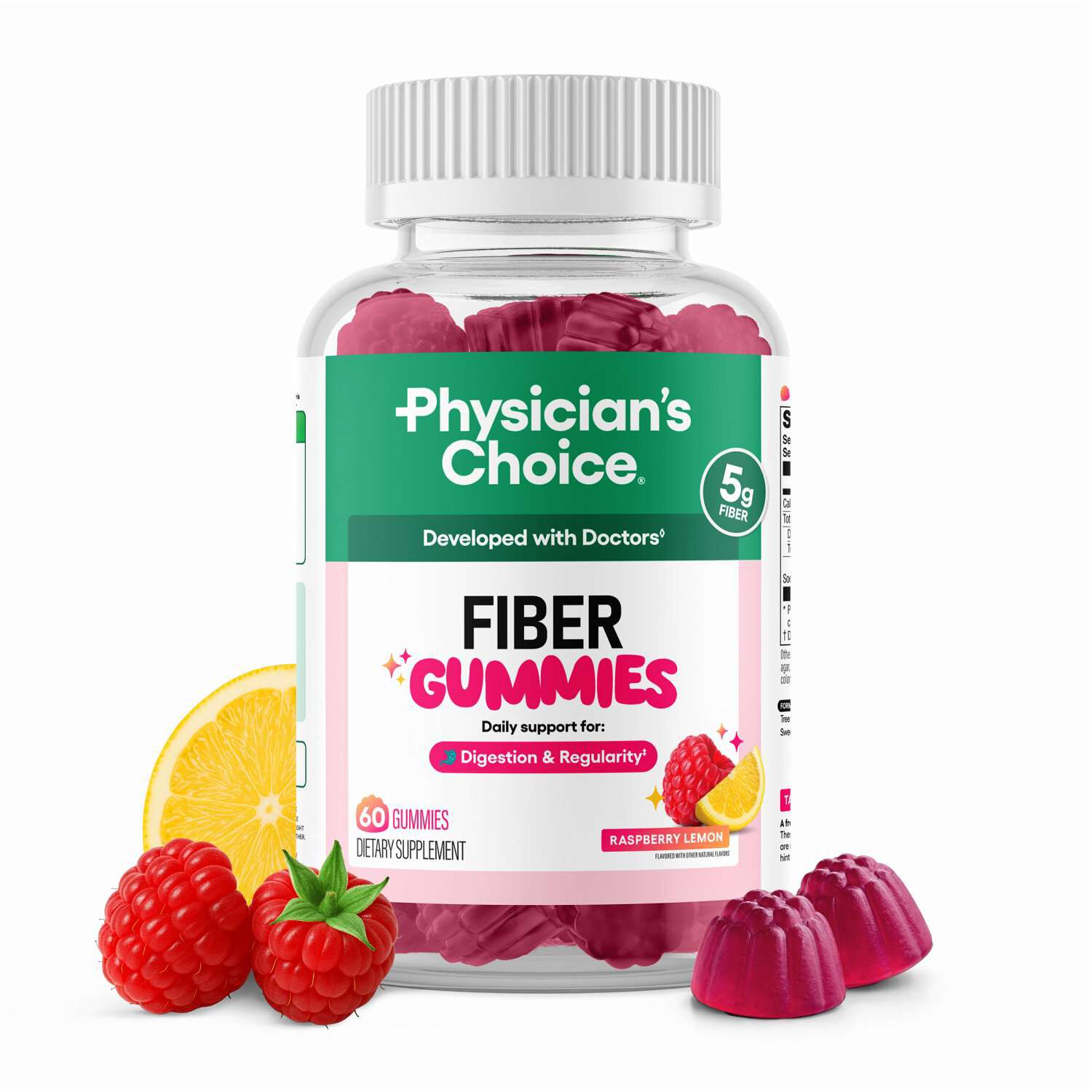
Format makes a practical difference in how soluble fiber supplements fit into a day. Powders involve measuring or opening a portion and mixing it according to the label, making serving tools, liquid amounts, and texture important considerations. An unflavored powder may suit someone who prefers a neutral addition to a beverage or food, although unflavored does not always mean undetectable. The fiber source and other ingredients may contribute a mild taste, a slightly cloudy appearance, or a change in consistency. Flavored powders have a different appeal, with the flavor becoming part of the drink rather than something intended to blend into the background. For a person who already prepares a smoothie or sits down with oatmeal, a powder labeled for that use may fit naturally into the routine. Someone who prefers a separate preparation may favor a powder mixed with the liquid specified on its package. Mixing instructions matter because different formulas call for different amounts of liquid, stirring methods, and timing. Capsules require no mixing, but the number of capsules in a serving deserves attention; one capsule is not necessarily one serving, and capsule count alone does not show how much fiber a serving supplies. Capsule shell ingredients may also matter to shoppers with dietary preferences. Gummies provide a chewable format, with serving counts, flavorings, sweeteners, and added sugars worth comparing alongside fiber content. Their familiar format does not make them interchangeable with ordinary snacks. Across all formats, details such as colors, flavor ingredients, and allergen statements may influence the choice. A front-label description highlights only part of the formula, while the ingredient list and facts panel show more of what each serving contains. The most useful comparison keeps those details together: the fiber source, grams of dietary fiber, serving quantity, and preparation method. That approach may make differences between formats clearer without assuming that a larger scoop, a higher capsule count, or a sweeter flavor means more soluble fiber.
Everyday handling also deserves a place in the selection process. A resealable container may suit an adult who prepares a serving at home and has a consistent place for it, while individually portioned packets may suit a work bag or travel routine. Container shape, closure style, and the location of a measuring scoop are small details that may affect convenience over repeated use. Powders require attention to the package’s storage directions, including instructions about moisture and keeping the container closed. A dry measuring utensil, a securely fastened lid, and storage in the original labeled package are practical handling considerations, along with the printed date and any directions that apply after opening. Capsules and gummies have their own storage requirements, so one format’s instructions should not be assumed to apply to another. For adults sharing a household, retaining the original label also keeps serving information and ingredient details connected to the supplement. These practical differences matter whether the intended setting is a kitchen counter, an office cabinet, or a travel bag. Ingredient origin adds another useful perspective. The related Plant Fiber Supplements category connects with this theme, but plant-derived and soluble describe different characteristics. A plant source may contain soluble fiber, insoluble fiber, or both, and processing may change which portions are present in the finished ingredient. Botanical origin alone therefore does not establish a supplement’s soluble fiber content or mixing characteristics. For someone comparing several options, the strongest points of distinction remain concrete: what the fiber comes from, how much the labeled serving contains, what else is included, and how the format fits the intended routine. A simple powder, a capsule format, and a flavored chewable may each appeal to different preferences. Keeping those preferences alongside clear label information may make soluble fiber supplements easier to compare as additions to a varied eating pattern, rather than substitutes for the range of foods that naturally contain fiber.
Best Sellers
-
 Physician's Choice
-
 Tomorrow's Nutrition
-
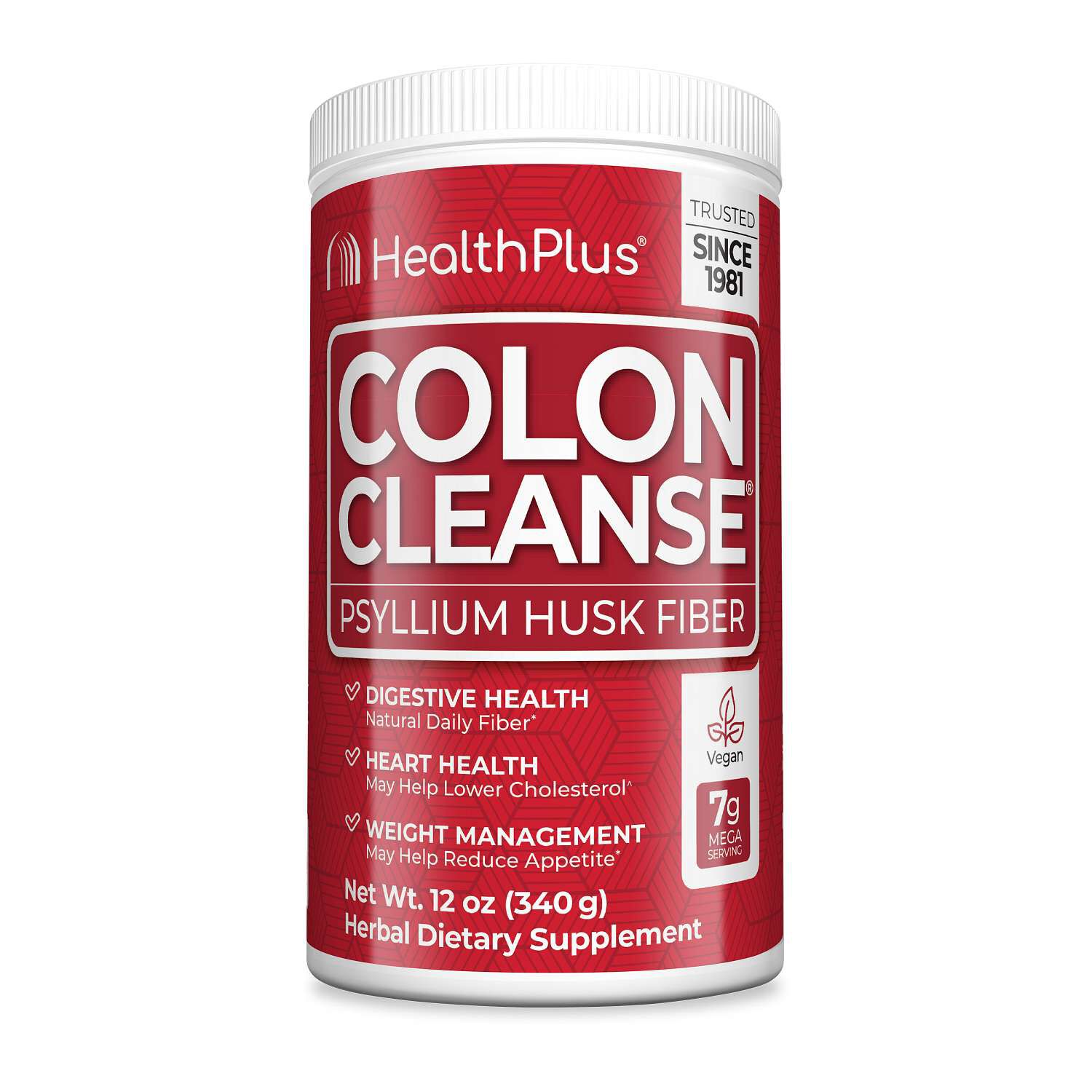 Health Plus

Related Pages


Top Collections
- Zinc Supplements | Top Brands at Great Prices | GNC
- Cortisol Supplements
- Joint Mobility Supplement Packs
- NAD+ Supplement Tablets
- Best Brand of Magnesium Glycinate
- Top Rated Collagen | Shop Customer Favorites | GNC
- Iron Supplements
- Peptide Supplements
- Protein Powders For Muscle Growth Support
- Vitamins That Help Support Weight Gain