





Fiber Probiotic Supplements For Healthy Digestion
(0 Results)
Fiber probiotic supplements for healthy digestion offer a convenient way to support your wellness routine. These supplements may help maintain a balanced gut environment and could complement your daily nutrition goals. With a variety of options available, finding the right fiber probiotic supplements for healthy digestion might make it easier to prioritize digestive well-being as part of your active lifestyle.
-
-

-
-
-
-
-

-
-
-
 209$34.99
-
-

-
-

-



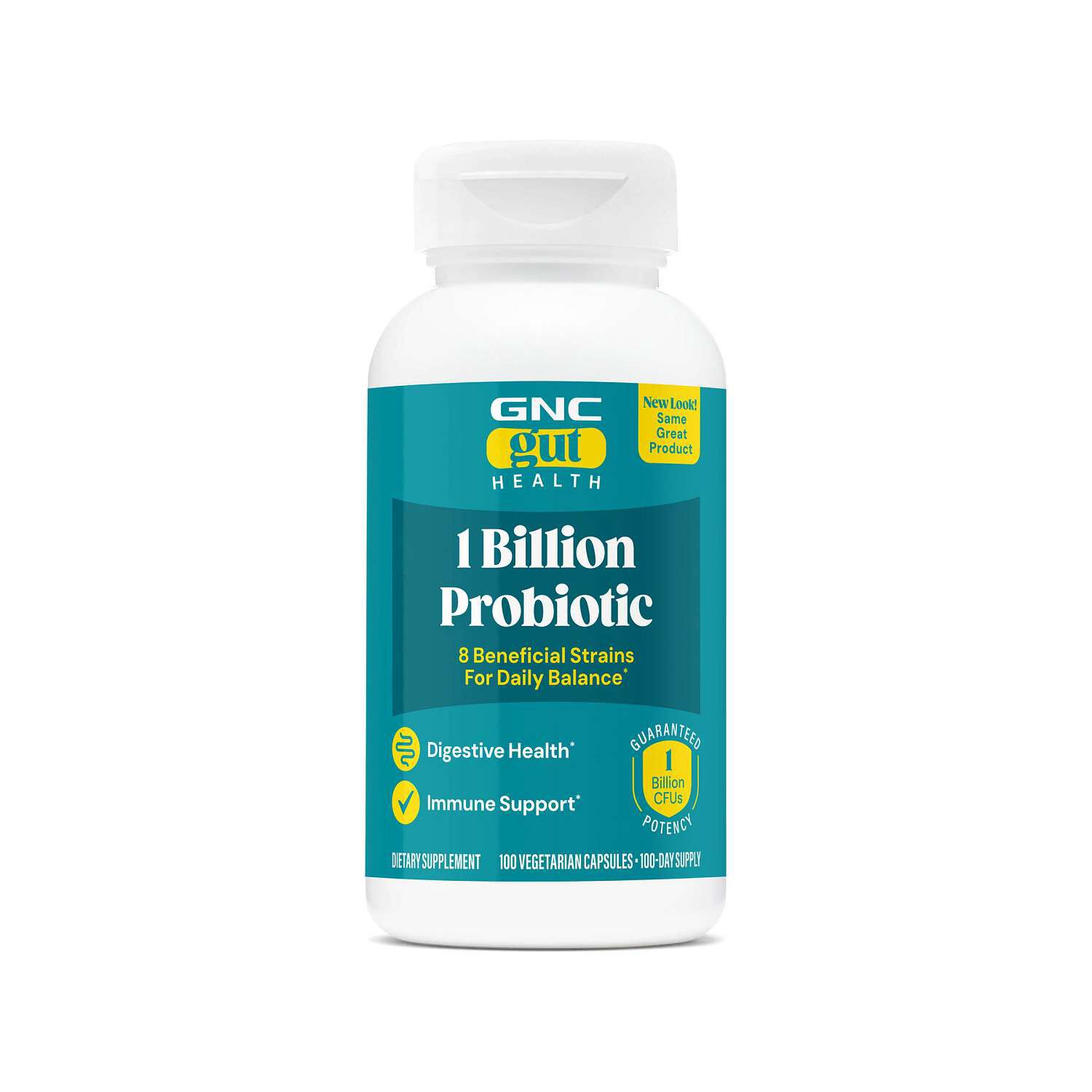


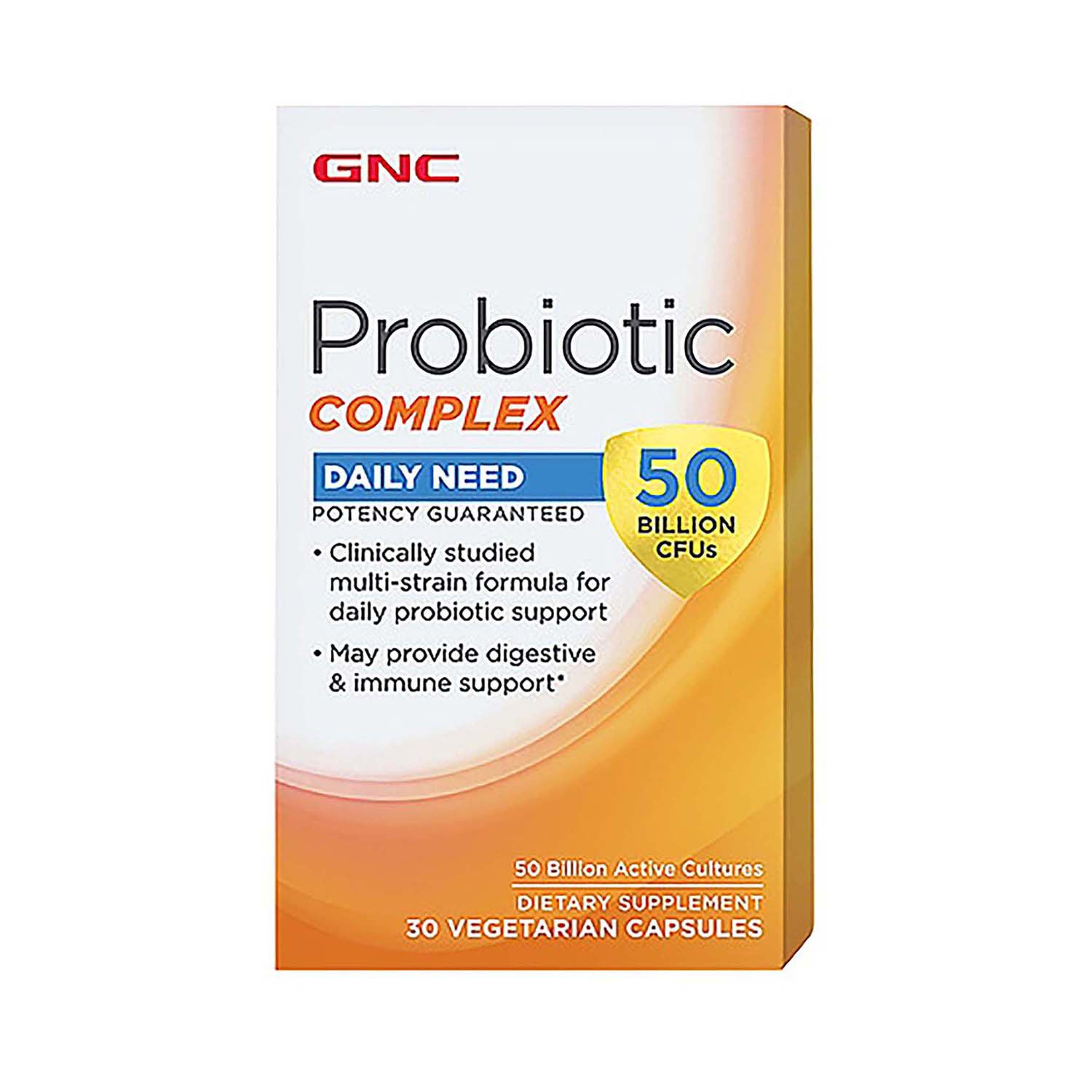



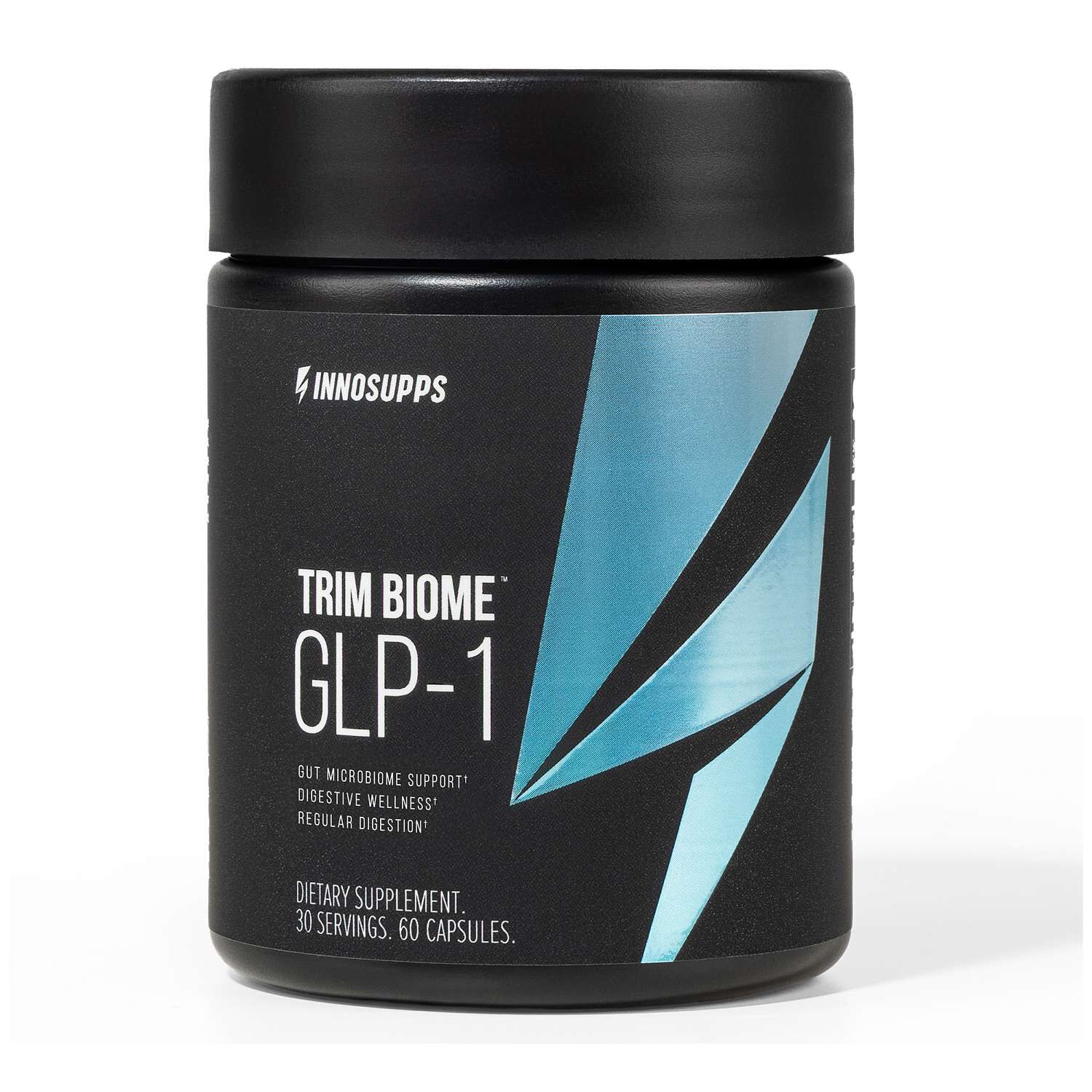
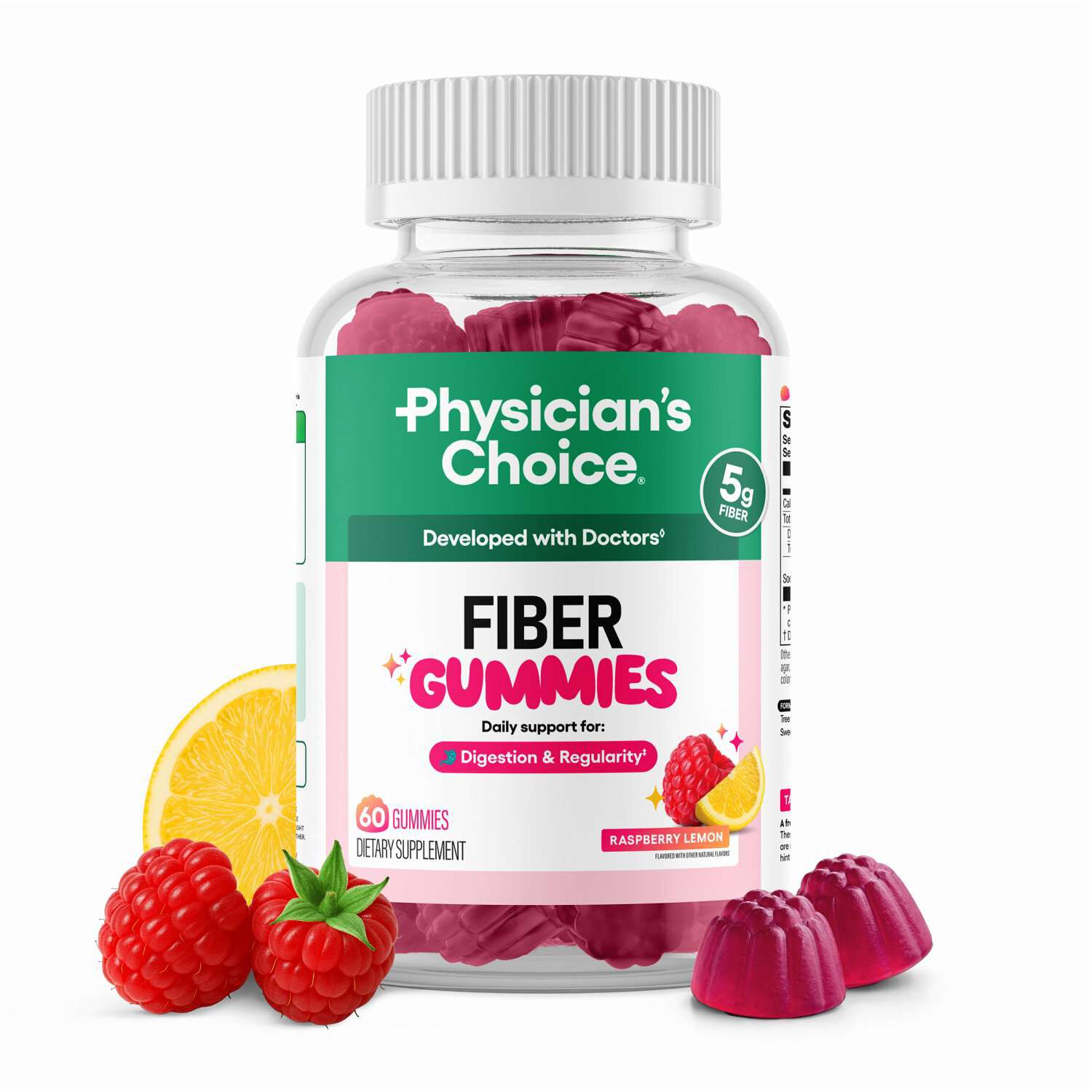
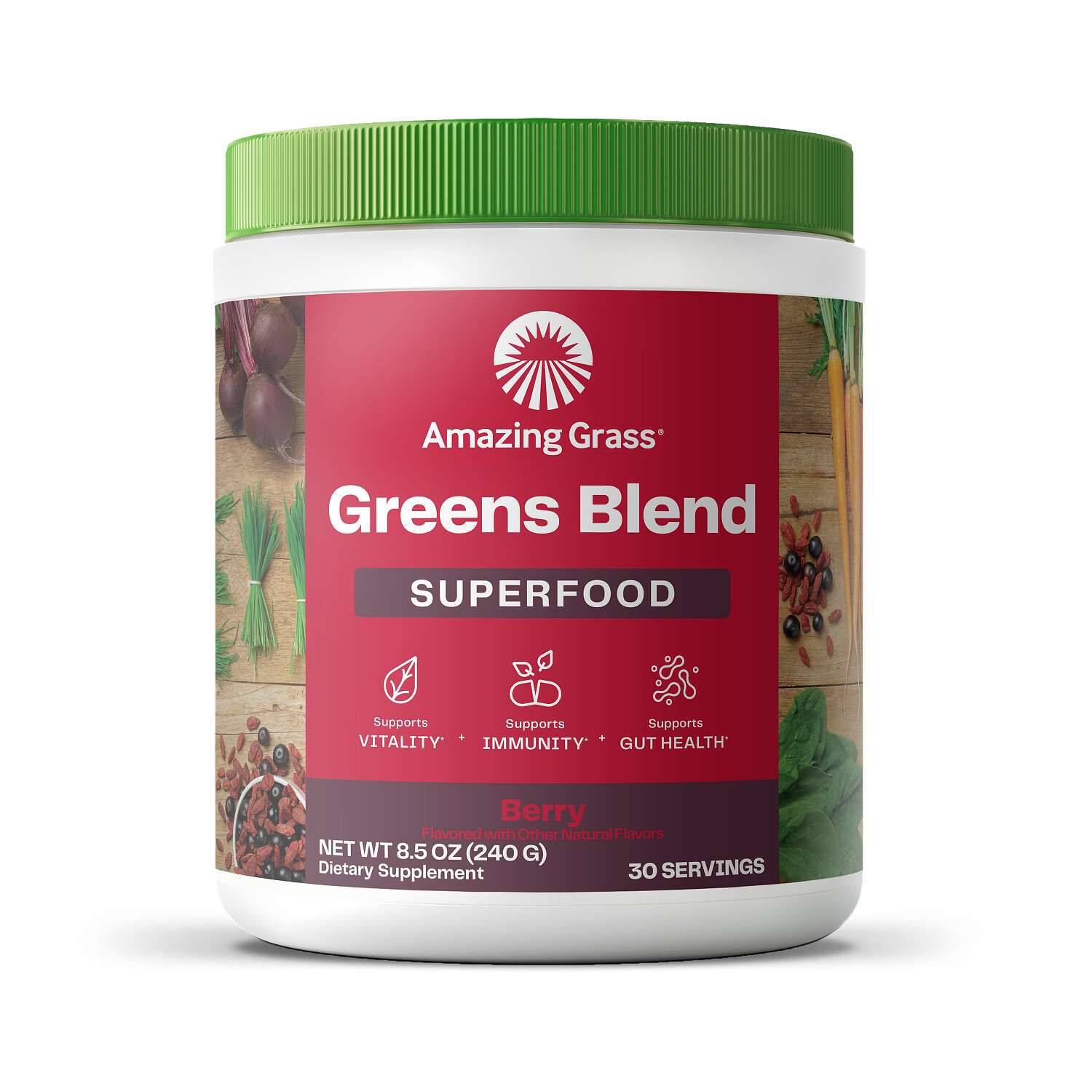
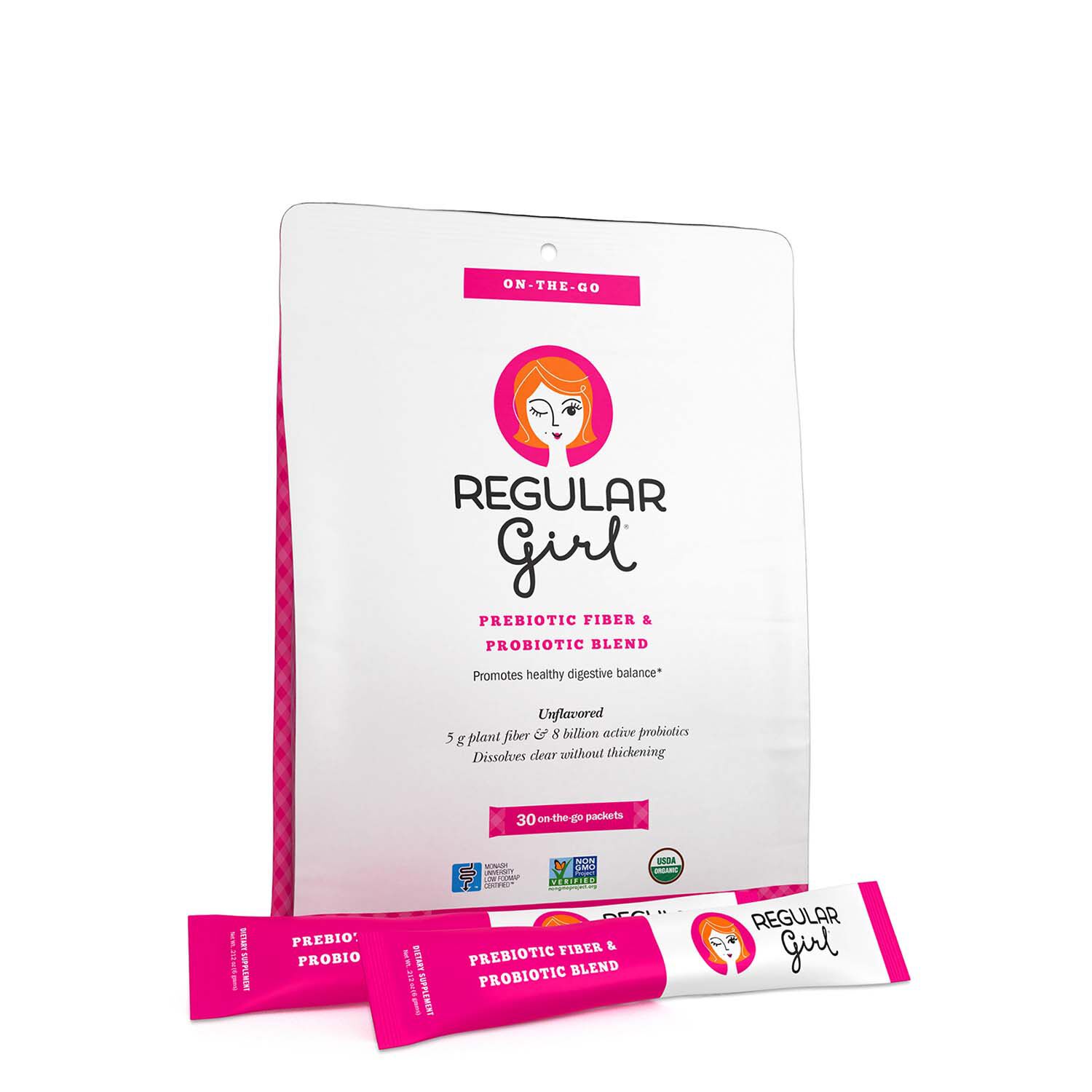
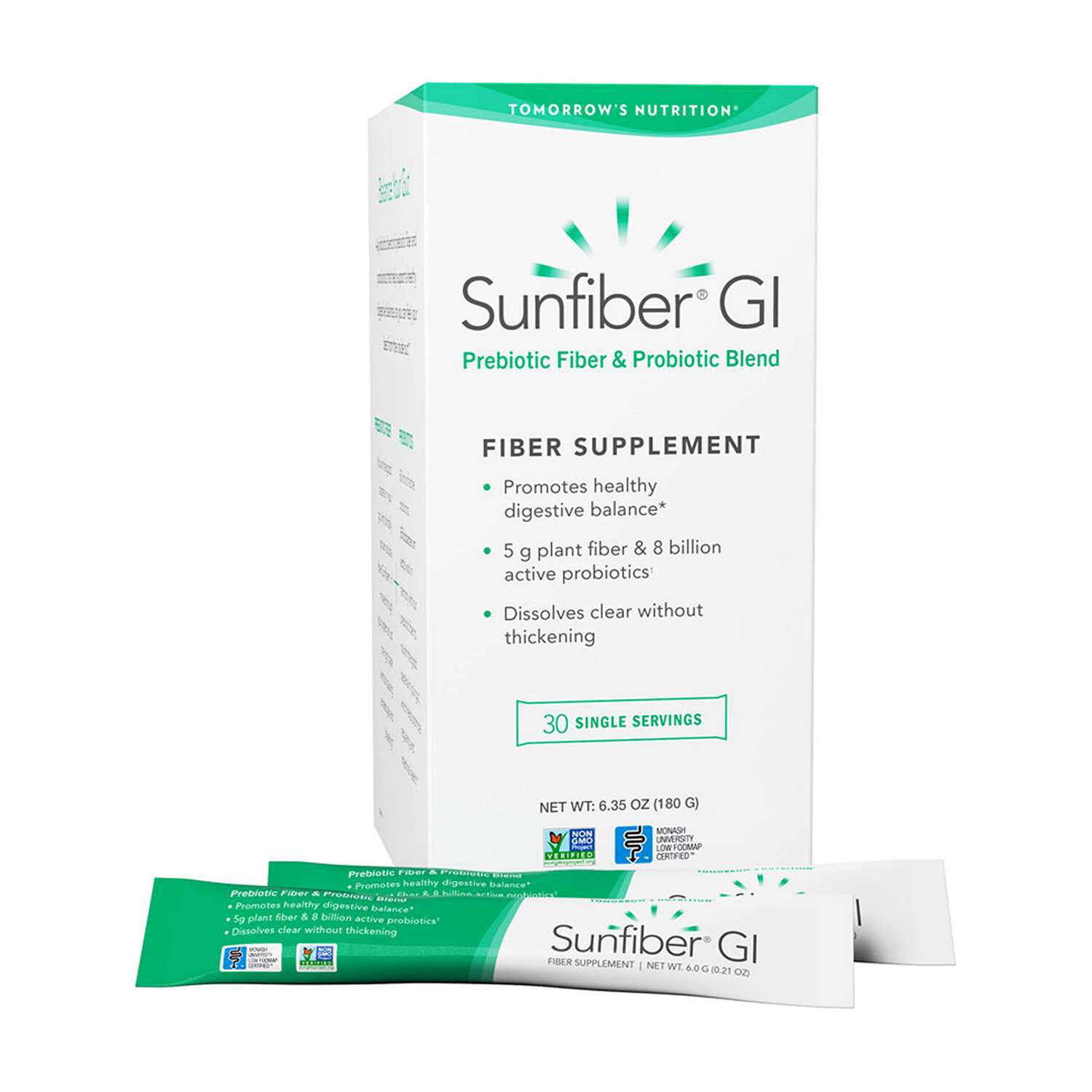
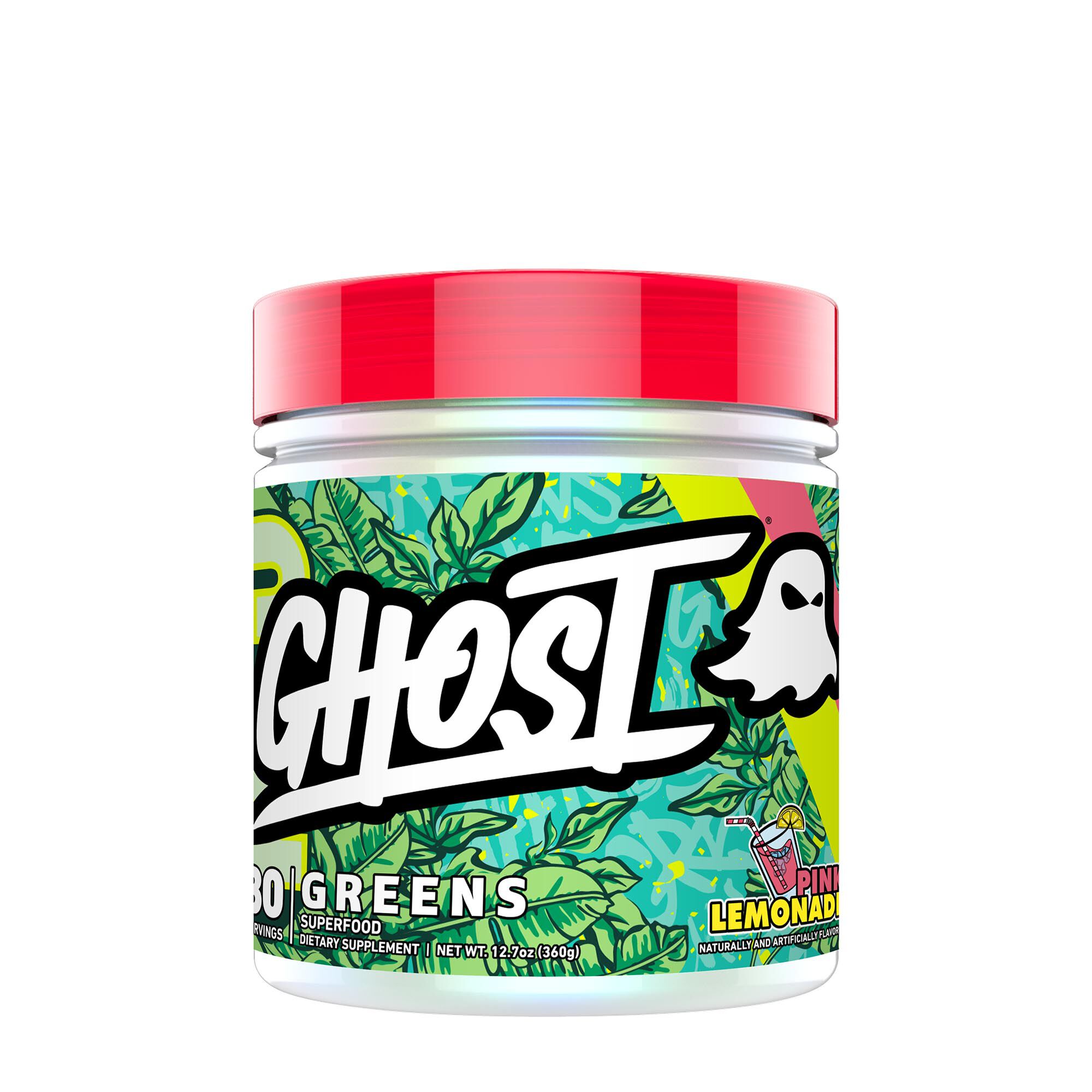
Fiber probiotic supplements for healthy digestion include formulas that pair dietary fiber with live cultures, with differences in ingredients, serving sizes, and preparation. These combinations may complement a varied eating pattern and an everyday digestive wellness routine, but fiber, prebiotics, and probiotics describe different components. Dietary fiber is a type of carbohydrate found in plant foods that the body does not fully digest. Probiotics are live microorganisms, often bacteria or yeasts, identified on labels by their names and sometimes by a particular strain designation. Prebiotics are substances that may provide nourishment for certain microorganisms in the gut; some dietary fibers fall into this category, while others do not. Understanding those distinctions makes it easier to compare formulas beyond similar wording on the front of a package. Psyllium husk, inulin, and acacia are examples of fiber sources shoppers may encounter, while probiotic labels often identify cultures from groups such as Lactobacillus or Bifidobacterium. Soluble and insoluble fiber are additional terms worth recognizing: soluble fiber dissolves in water and may form a gel, while insoluble fiber does not dissolve in water. A blend can contain more than one fiber source, and a probiotic formula can contain one strain or several. These details describe the composition rather than establish that one combination is preferable for everyone. Fiber amounts are generally listed in grams per serving, while probiotic quantities are commonly expressed in colony-forming units, abbreviated CFUs. CFUs describe viable microorganisms rather than the amount of fiber in a serving. Looking at both measurements offers a clearer picture of a combination formula than focusing on either number alone. Foods such as beans, oats, vegetables, and fruit remain part of the broader dietary context; a supplement is an addition to that context rather than a substitute for the variety those foods provide. For shoppers comparing fiber and probiotic supplements, the most useful starting point is a clear account of what each serving contains and how the format fits into an ordinary day.
Format makes a meaningful difference in the experience of using fiber probiotic supplements. Powders involve measuring and mixing, capsules offer a portioned format, and gummies or chewables have their own textures and flavor profiles. Someone who already prepares a breakfast smoothie may prefer a powder with directions compatible with that preparation, while someone who keeps a simple morning routine may find a capsule format more convenient. An unflavored powder is not necessarily without a noticeable texture: the fiber source, serving size, and liquid used can influence the finished mixture. Some powders disperse readily, while others can thicken or leave a slightly grainy mouthfeel. Package directions provide the appropriate details about mixing, liquid quantities, and whether a formula is intended for particular foods or beverages. A serving can also mean more than one scoop, capsule, or gummy, so comparing serving sizes matters when considering daily preparation. For gummies and chewables, the ingredient list can include sweeteners, added sugars, flavorings, colors, and ingredients responsible for the chewy texture. Capsule shells may contain gelatin or plant-derived materials, a distinction that matters to shoppers with dietary preferences. Allergen statements and labeled dietary attributes deserve a separate look rather than an assumption based on the main fiber ingredient. A plant-derived fiber, for example, does not by itself describe every ingredient in the finished formula. Packaging is another practical consideration: a jar with a scoop creates a different storage and preparation experience than individually portioned packets or a bottle of capsules. At a kitchen counter with room for a glass and spoon, a larger powder container may be an easy fit; in a desk drawer or travel bag, securely closed packaging and legible directions become especially useful. Flavor descriptions, portion size, capsule dimensions when provided, and preparation requirements all help distinguish formats that otherwise look similar. The right comparison is not simply powder versus capsule versus gummy, but the full set of details that determines whether a supplement is practical for the person who will use it.
Probiotic information deserves the same attention as fiber content when comparing combination supplements. A culture name can include a genus, species, and strain designation, and those identifiers are more specific than a broad statement about containing live cultures. Two formulas with the same CFU count are not necessarily identical if their microorganisms, fiber sources, or serving sizes differ. The label may also explain whether the listed culture count applies at manufacture or through a stated date, which adds context to the number. Storage requirements vary, so the package is the appropriate reference for refrigeration, moisture protection, and container closure. A bathroom shelf exposed to steam, a car console, and a dry kitchen cabinet are different storage environments; the suitable location depends on the directions for the formula. Keeping the label readable and the original packaging intact also preserves access to ingredient details, preparation instructions, and date information. When comparing containers, consider whether the serving format matches the intended use without assuming that a larger number of strains or a larger fiber amount makes a formula a better personal fit. Adults interested in a combined fiber and probiotic routine may have different preferences around texture, flavor, ingredient sources, and the number of capsules or chewables in a serving. Someone shopping within a men's assortment can also browse Fiber Probiotic Supplements for Men and compare the same ingredient and format details, rather than relying on the audience label alone. A supplement selected for another adult calls for familiarity with that person's dietary preferences and preferred format, making it a more personal purchase than a generic gift. Across the category, useful distinctions remain straightforward: the type and amount of fiber, the identity and quantity of live cultures, the other ingredients, and the labeled preparation and storage requirements. Taken together, those details offer a grounded way to compare fiber probiotic supplements that may support healthy digestion while keeping everyday practicality at the center of the choice.
Best Sellers
-
Physician's Choice
Related Pages


Top Collections
- Daily Collagen Supplements | Top Brands & Deals | GNC
- Natural Collagen Supplements | Top Brands & Deals | GNC
- Top Rated Collagen | Shop Customer Favorites | GNC
- Cortisol Supplements
- Vitamins For Hair Loss
- Spirulina Tablets
- NAD+ Supplement Tablets
- Peptide Supplements
- Best Brand of Magnesium Glycinate
- Vitamins That Help Support Weight Gain