Fiber Probiotic Supplements For Plant Based Diets
(0 Results)
Fiber probiotic supplements for plant based diets offer a convenient way to support your daily nutrition routine. Those following a plant-based lifestyle may find these supplements fit seamlessly into their regimen, providing an easy addition to a balanced diet. Explore options that could complement your wellness goals and help you maintain healthy habits every day.
-

-
-
 209$34.99
-

-

-
-

-
 $22.99
-
-

-
-
 $17.99
-
-

-
 $26.99
-
 $14.97
-
-

-

-

-
 $26.99
-
-
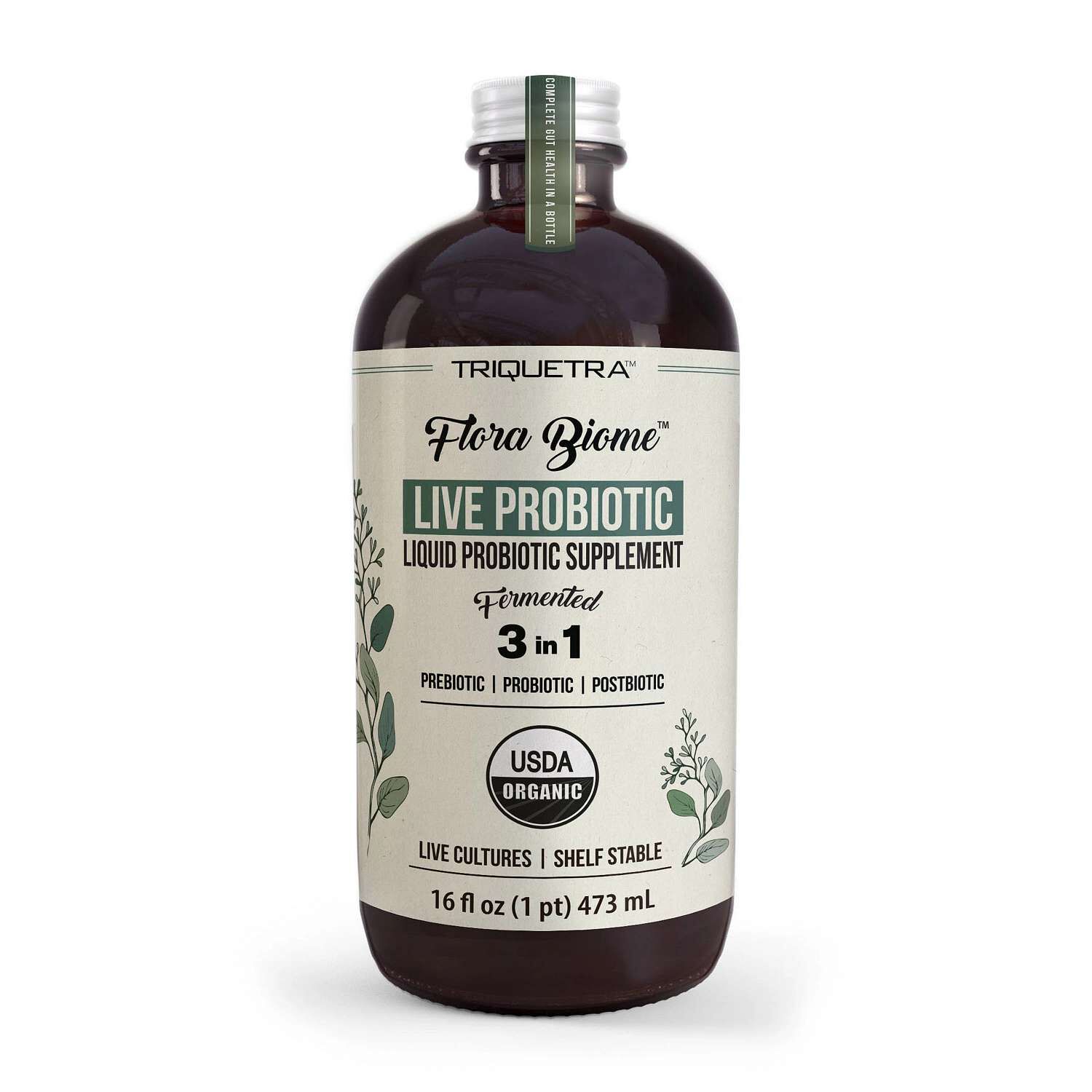
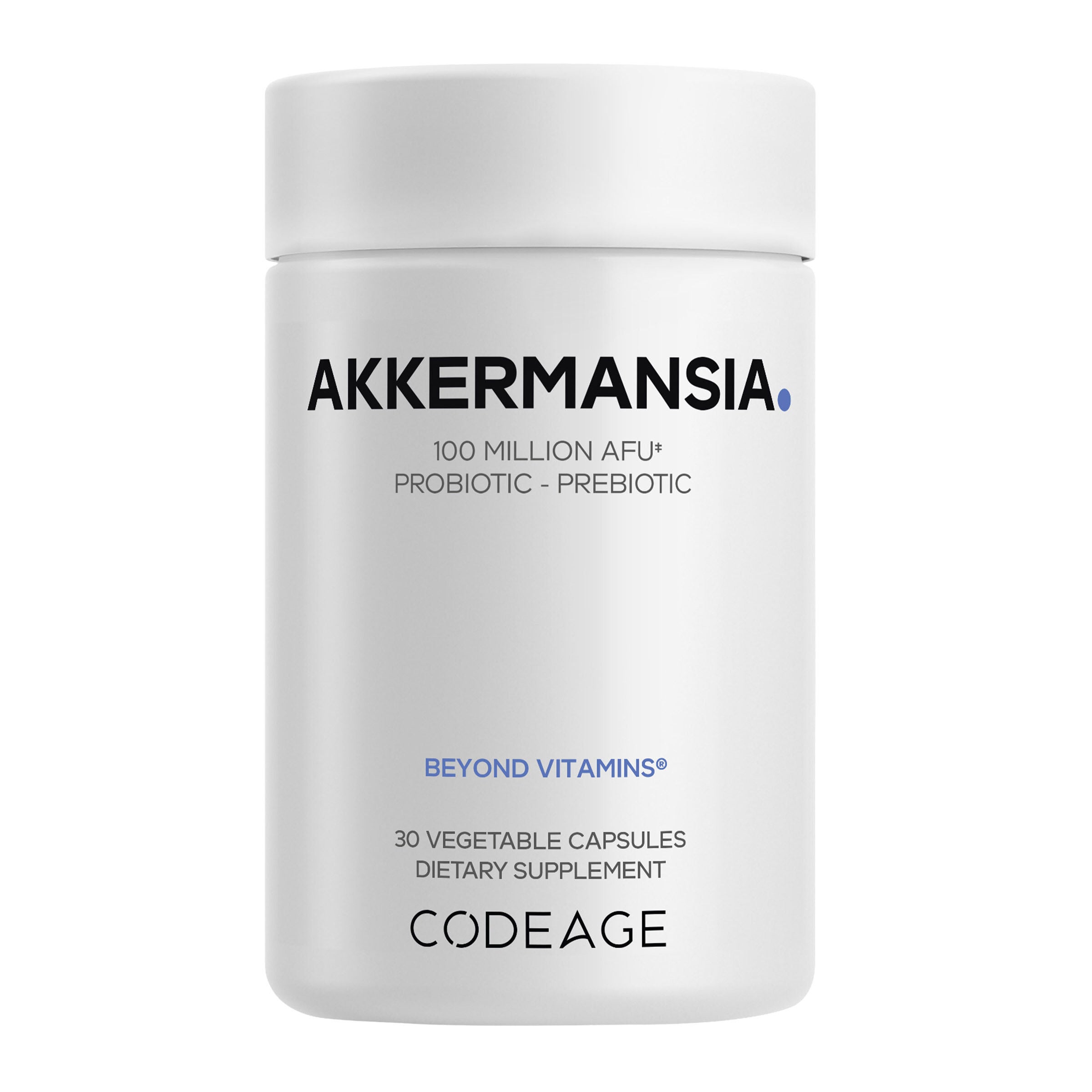
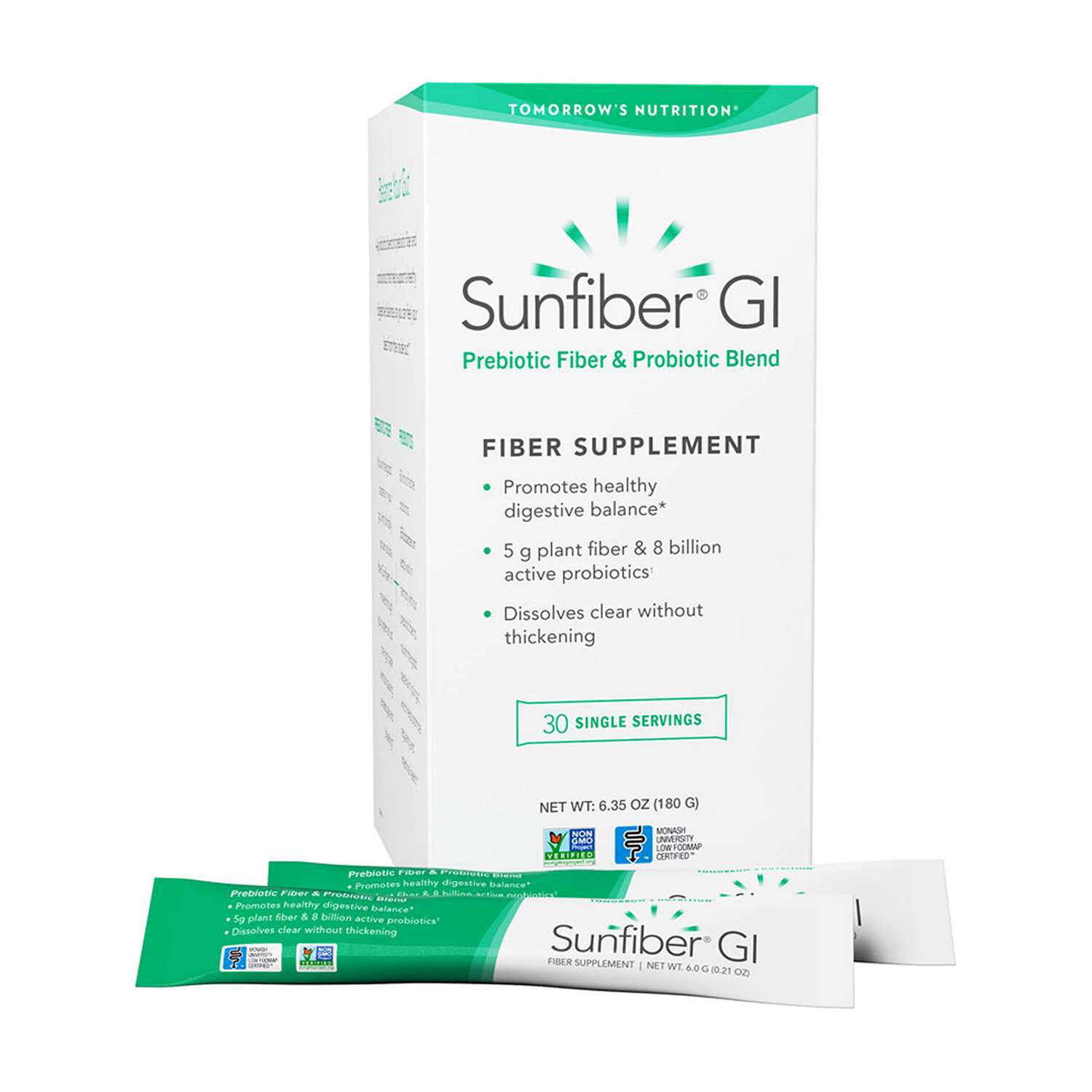
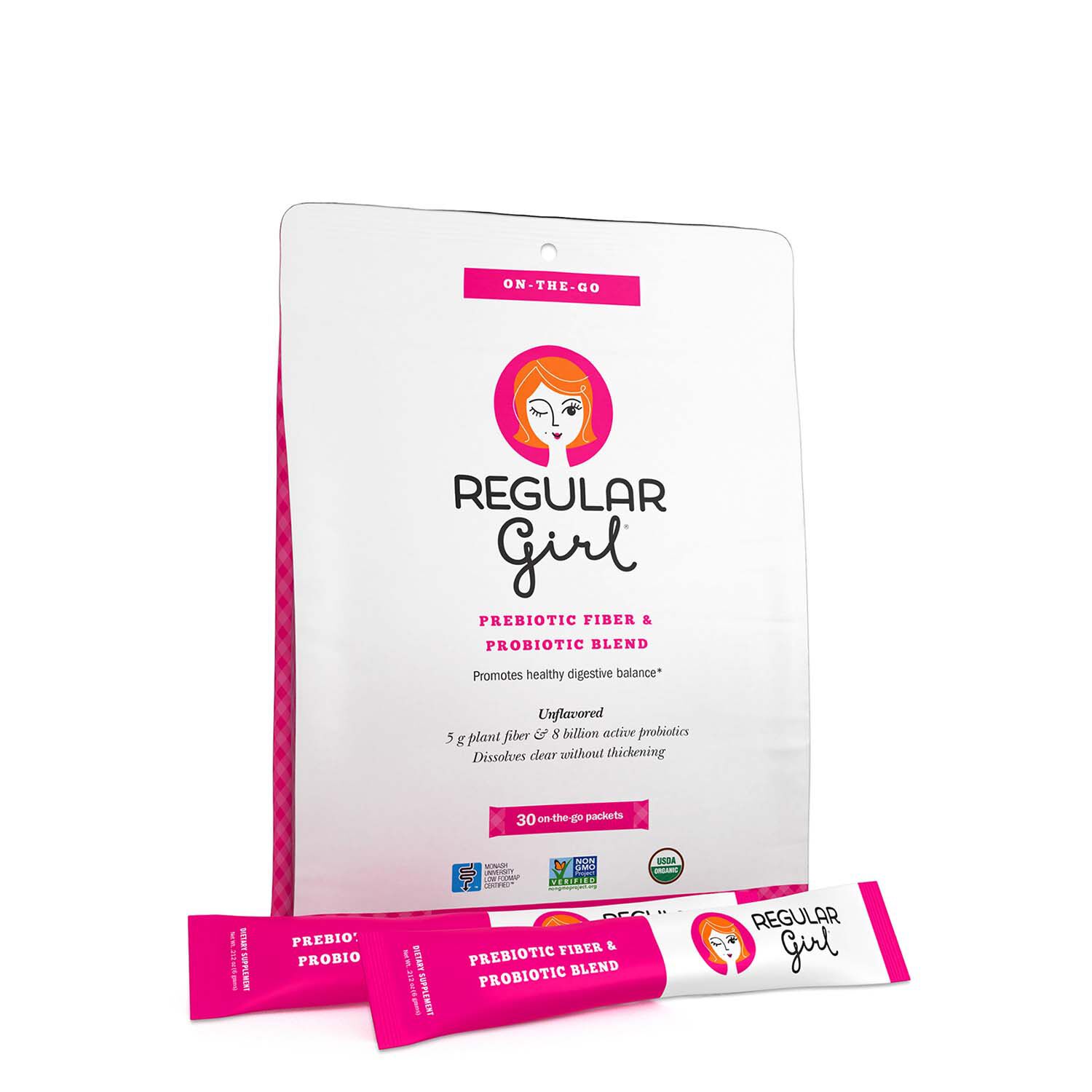
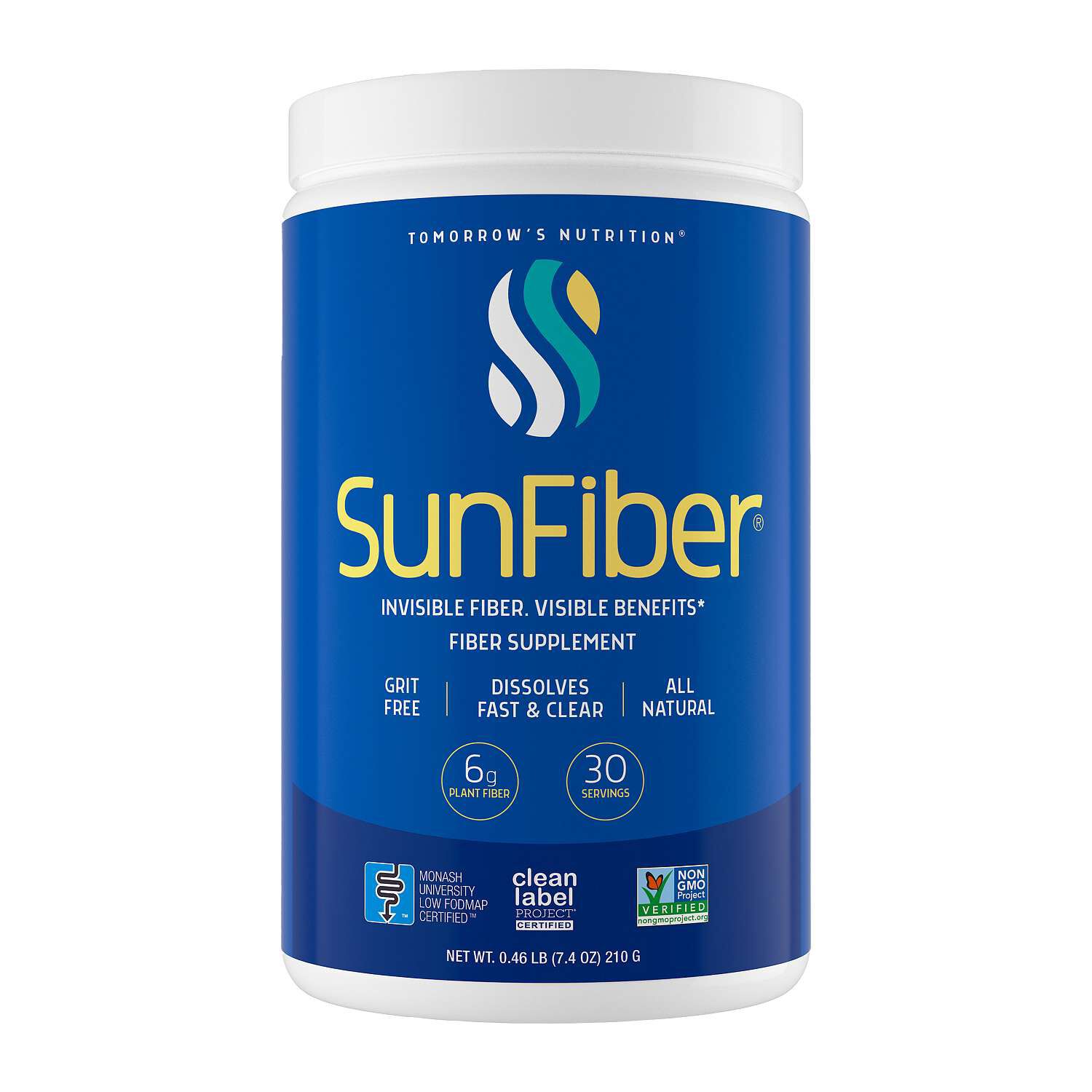
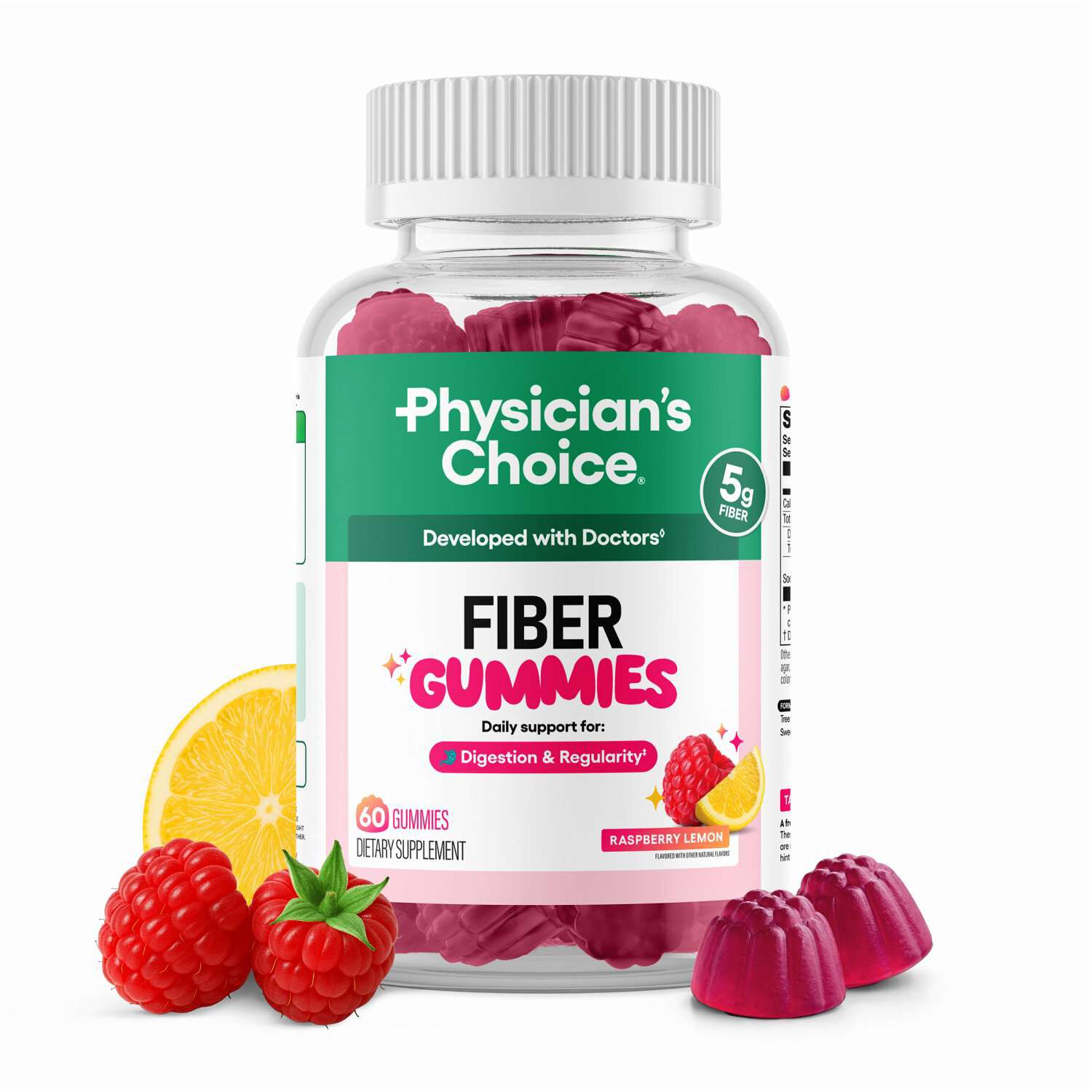
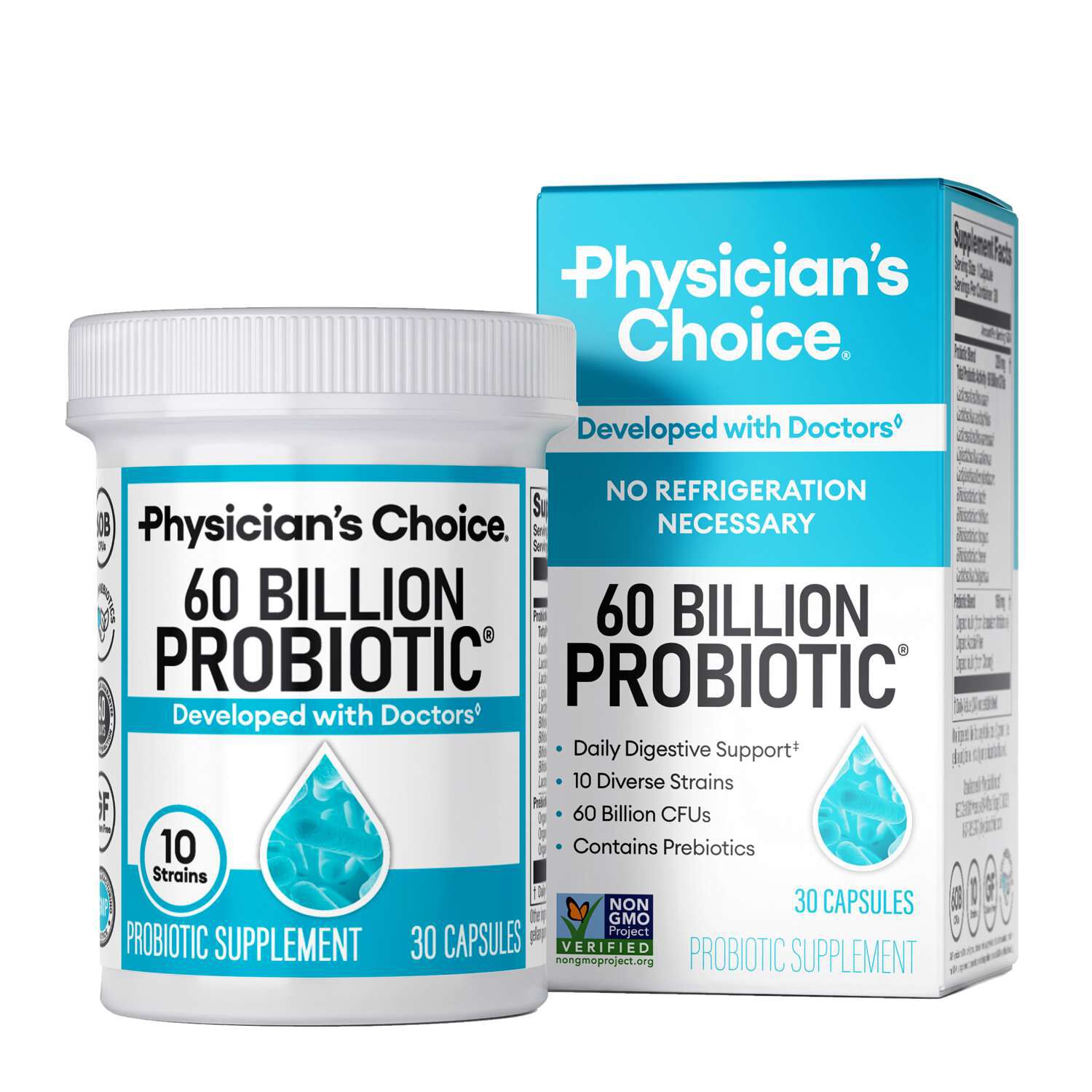
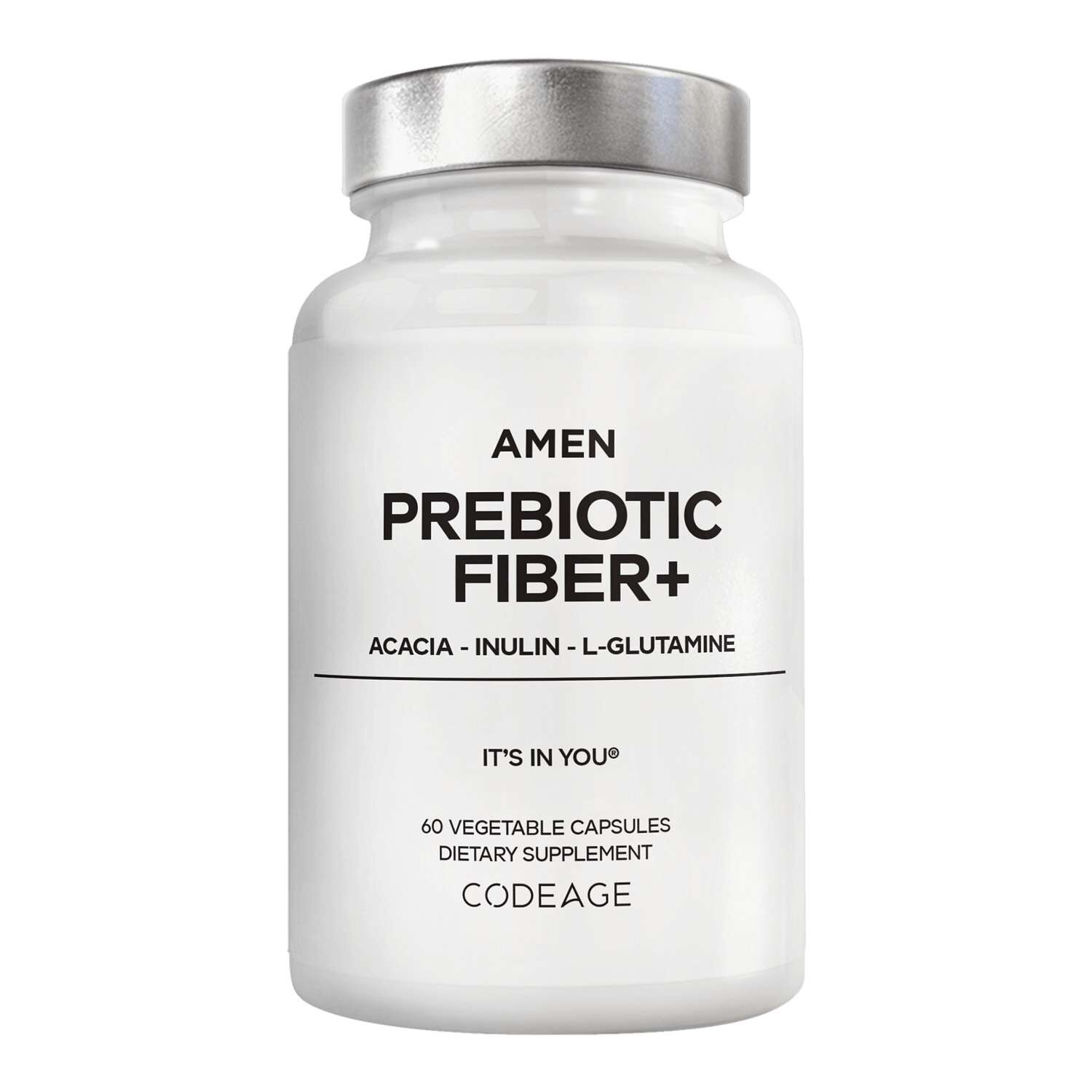
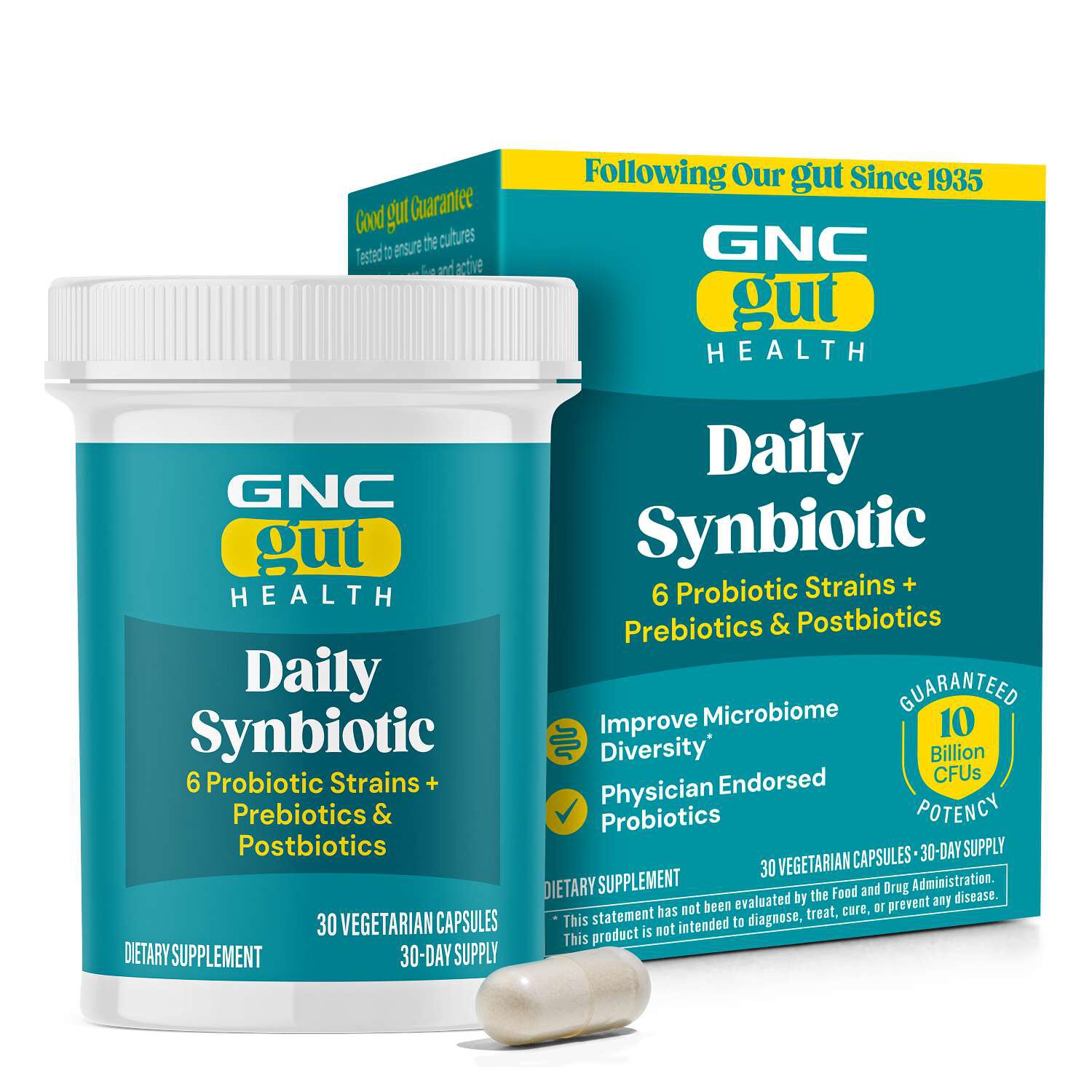
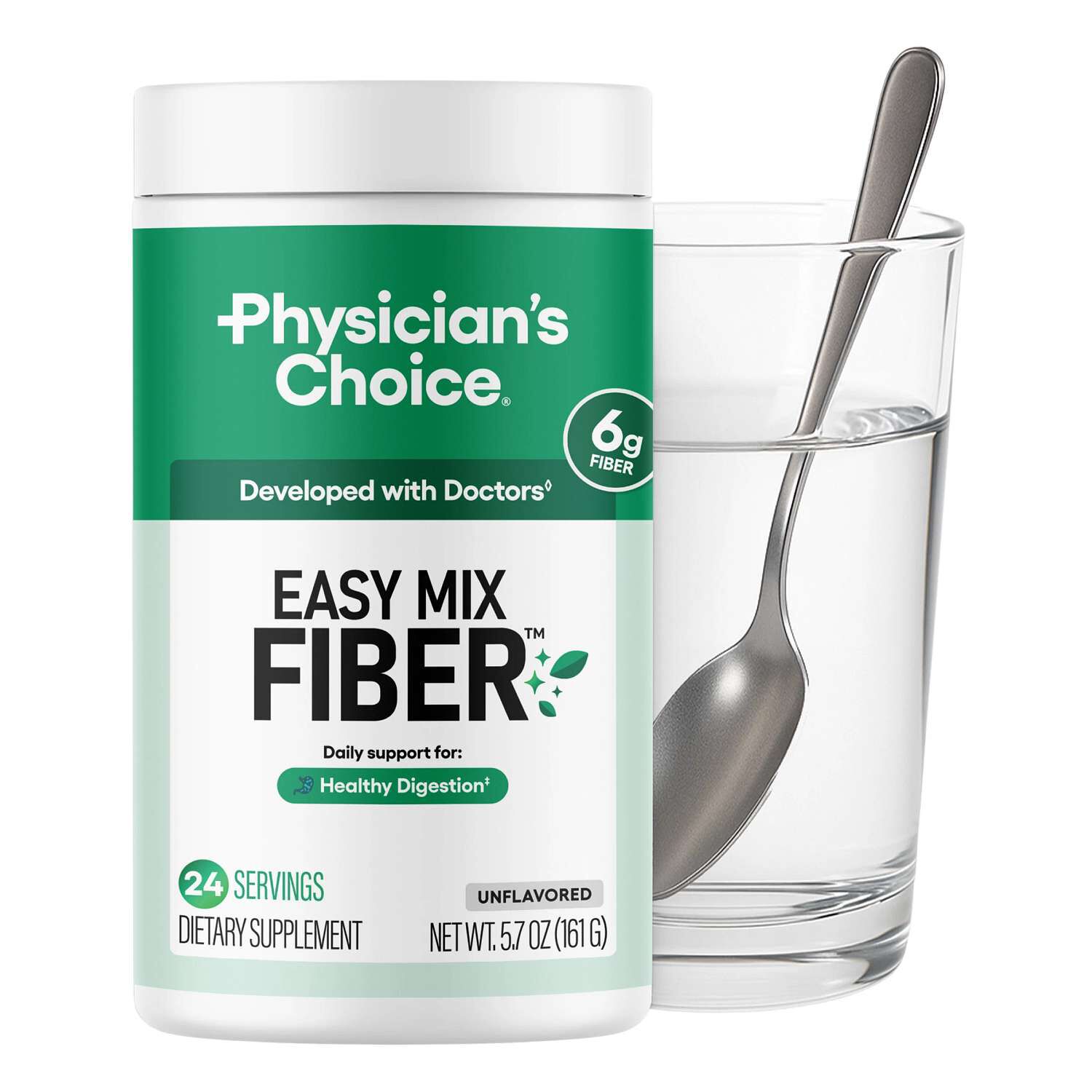
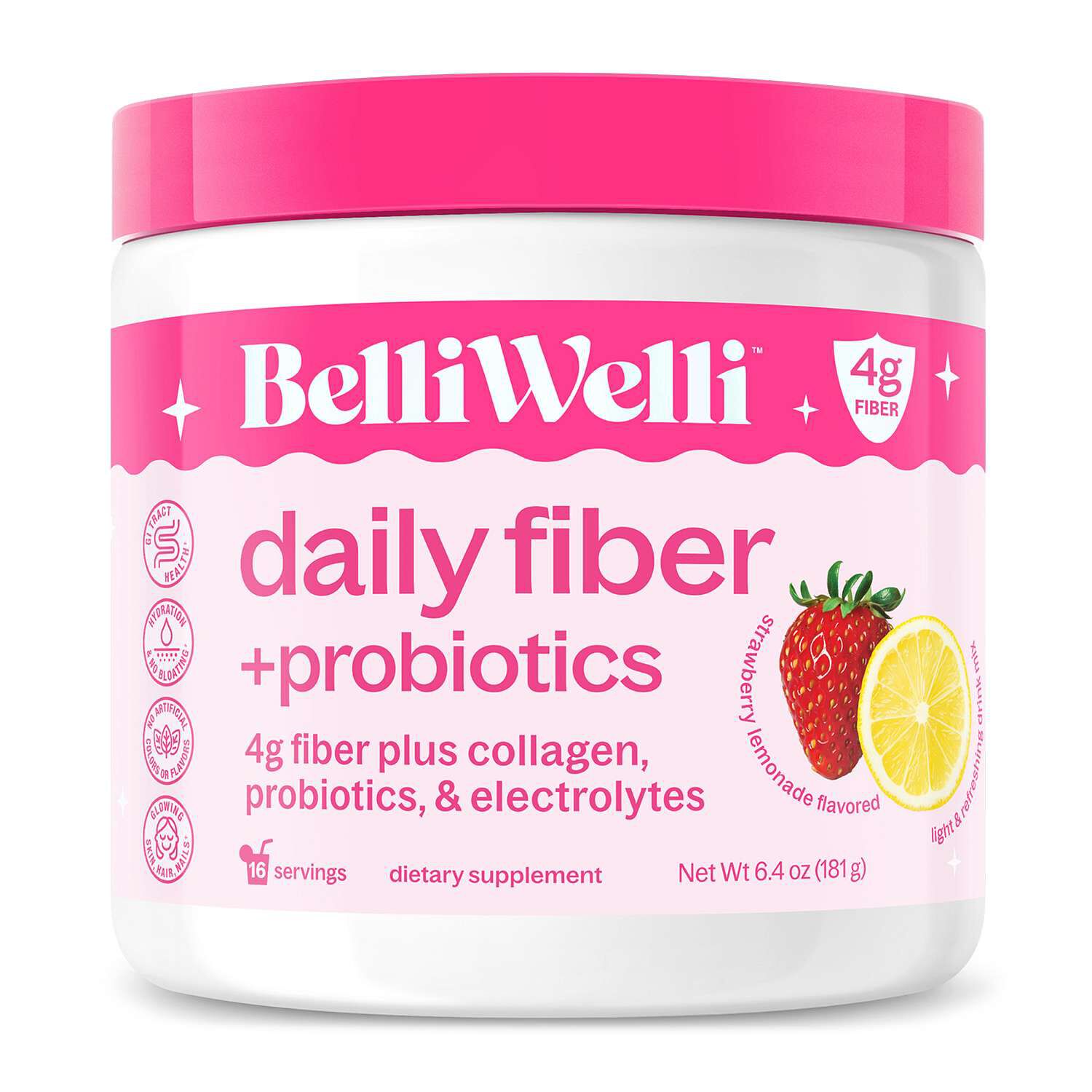
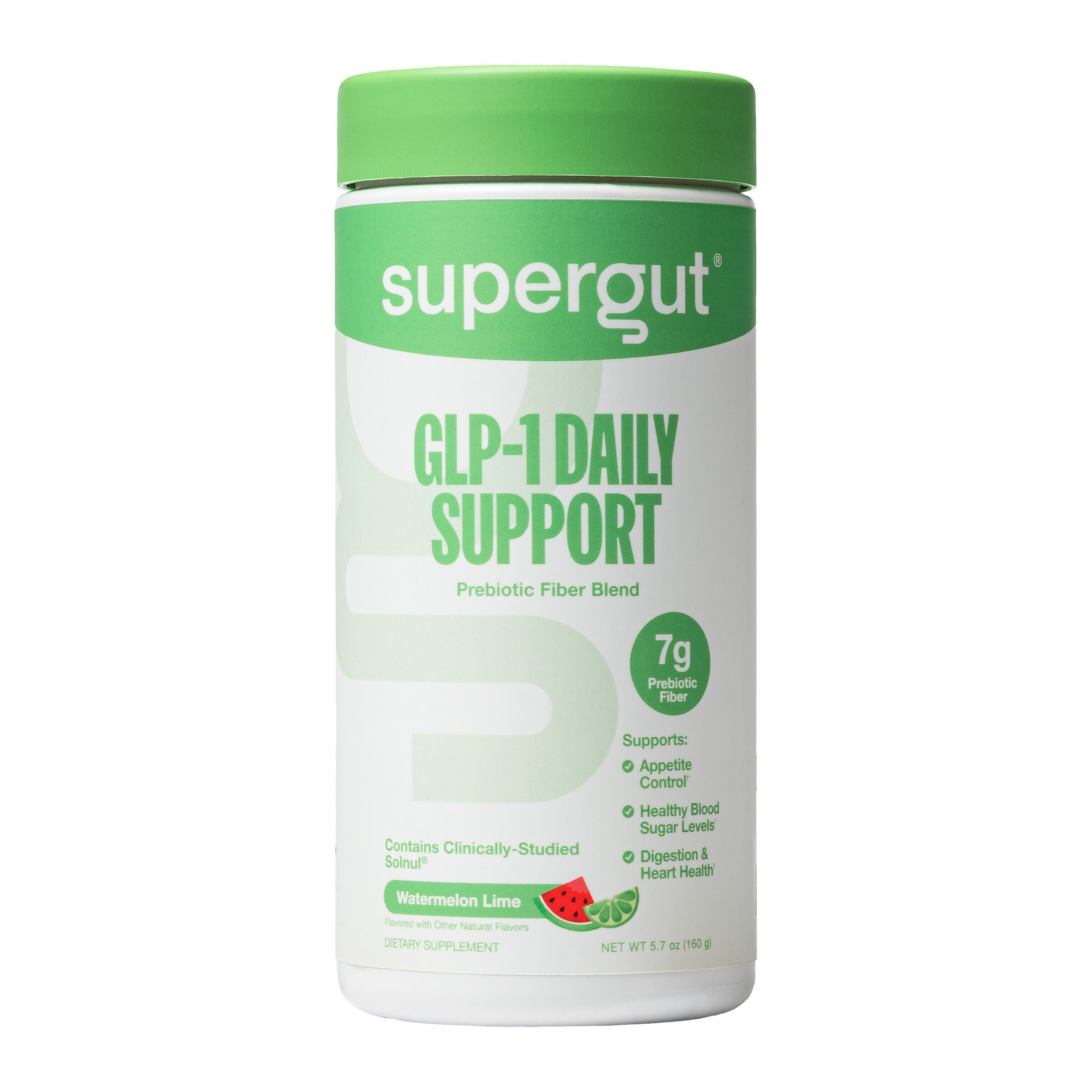
Fiber probiotic supplements for plant-based diets bring together two distinct ingredient categories: dietary fiber and live probiotic cultures. Fiber comes from plant sources, while probiotics are microorganisms included in a formula for their intended nutritional role. Some products combine both in a powder, capsule, or chewable format; others contain fiber or cultures on their own, so the ingredient panel matters more than the category name. For someone whose meals center on beans, vegetables, grains, nuts, and seeds, these supplements may complement an eating pattern that already includes a variety of plant foods. They are not a substitute for the range of nutrients and textures those foods provide. The distinction between fiber and prebiotics is also worth understanding when comparing formulas. Certain fibers have prebiotic properties, meaning they may serve as nourishment for beneficial microorganisms in the digestive tract, but not every fiber ingredient serves that purpose. A combination of prebiotics and probiotics is sometimes described as a synbiotic, though the name alone does not establish how a particular formula might perform. Common fiber sources include chicory root inulin, acacia, psyllium husk, and partially hydrolyzed guar gum. These ingredients differ in origin, texture, and how they behave when mixed with liquid. Probiotic labels may list organisms from groups such as Lactobacillus and Bifidobacterium, along with more specific strain information. A plant-based formula requires attention to more than the fiber source: the capsule shell, culture production details, flavor ingredients, and other components can all matter to someone avoiding animal-derived ingredients. Whether the routine is strictly vegan or simply centered on more plant foods, an explicitly labeled formula offers a clearer starting point than assumptions based on botanical imagery or the word “plant” on the front of a package. The most useful comparisons keep ingredient identity, serving size, format, and dietary preferences together rather than treating any one label feature as the deciding factor.
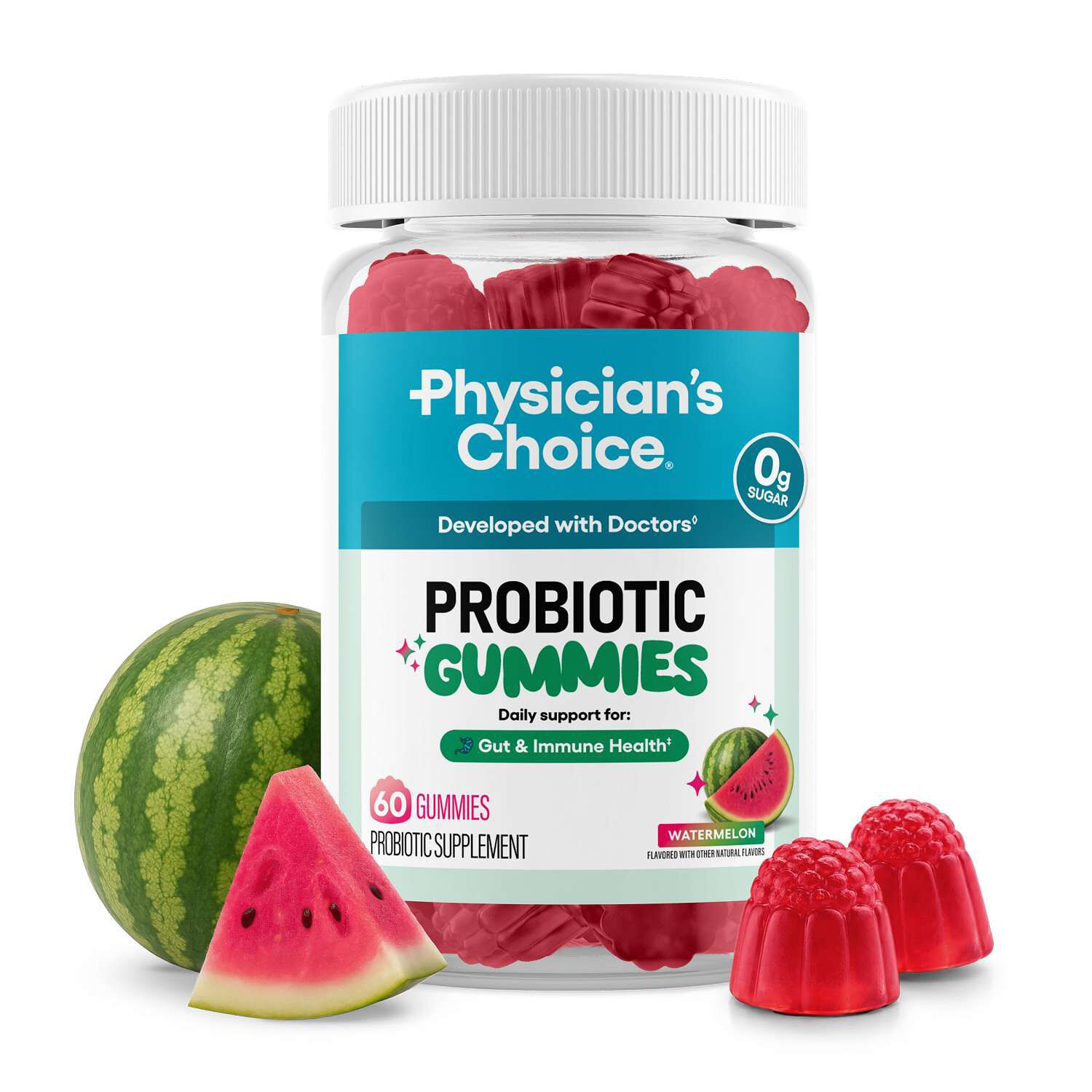
Ingredient transparency is especially relevant when choosing a fiber and probiotic supplement for a vegan eating pattern. Cellulose capsules are a common alternative to gelatin capsules, but the shell is only one part of the formulation. Chewables may use pectin or gelatin, and flavored powders may contain ingredients that need a closer look. Probiotic organisms themselves are not plants; whether a finished product fits a vegan preference depends on the formulation and relevant manufacturing practices. A vegan label or certification can help clarify suitability, while manufacturer information may address questions about culture media and animal-derived processing ingredients. Milk allergen statements and vegan labeling answer different questions, so one should not be treated as a substitute for the other. Alongside dietary suitability, the Supplement Facts panel provides concrete details for comparing fiber probiotic supplements. Dietary fiber is listed in grams per serving, and a serving might mean one scoop, several capsules, or a specified number of chewables. A capsule containing a fiber ingredient should not automatically be assumed to provide the same amount of fiber as a scoop of powder. Probiotic quantities are commonly expressed as colony-forming units, or CFU, which describe viable microorganisms under specified testing conditions. A larger CFU number alone does not establish a better match for a particular routine. Genus, species, and strain identifiers offer a more detailed description of the cultures inside, while package language may clarify whether the stated count applies at manufacture or through the listed expiration date. These distinctions make it easier to compare formulas on more than the front-label numbers. Shoppers interested in the broader category can also explore Fiber Probiotic Supplements For Healthy Digestion while keeping plant-based ingredient requirements in view. Across either category, a readable ingredient list, clearly stated serving information, and specific storage directions provide a practical basis for choosing between otherwise similar formats.
Everyday fit often comes down to the small details of preparation and storage. A powder may suit someone who already prepares a morning smoothie or keeps a mixing glass beside the breakfast bowl, provided that use matches the package directions. An unflavored option can still have a noticeable texture or mild ingredient taste; “unflavored” does not necessarily mean undetectable. Some fibers dissolve with little change to a beverage, while others create a thicker consistency, making the mixing instructions particularly relevant. Flavored versions bring their own considerations, including sweetness, the type of sweetener used, and how the flavor might pair with a usual drink. Capsules avoid the need to blend a powder, although the number required for a labeled serving and the capsule size can influence how well they fit a routine. Chewables offer another format, with differences in texture, added sugars, and serving quantity that are visible on the label. Individually portioned packets may be convenient for a desk drawer or an overnight bag, while a resealable container requires a clean, dry scoop and careful closure between uses. Packaging is more than a matter of appearance for products containing live cultures: moisture protection, the expiration date, and any refrigeration instructions deserve attention before a container becomes part of a daily setup. A product that requires refrigeration has different storage needs from one labeled for pantry storage, and neither should be assumed to tolerate every travel situation. Package directions also establish the intended amount, preparation method, and audience, including whether a formula is intended for adults. For a household with different dietary preferences, keeping supplements in their original containers preserves access to those details and helps distinguish one formula from another. The strongest match is not necessarily the most elaborate blend. It is a supplement with clearly identified fiber and cultures, documented compatibility with the chosen eating pattern, and a format that fits the way someone actually shops, prepares food, and organizes the day. Those practical details keep the focus on a considered addition to a plant-based routine rather than a substitute for varied meals.
Best Sellers
-
Physician's Choice