





Fiber Probiotic Supplements For Vegans
(0 Results)
Fiber probiotic supplements for vegans offer a convenient way to support daily nutrition goals while aligning with plant-based lifestyles. These supplements are crafted to complement vegan diets and may fit seamlessly into your wellness routine. Explore a variety of fiber probiotic supplements for vegans that could help you maintain your commitment to plant-powered living and balanced nutrition.
-

-
 $22.99
-
 209$34.99
-
-

-

-
 $22.99
-
-

-
-
 $14.97
-
-

-

-
 $26.99
-
 $17.99
-

-

-
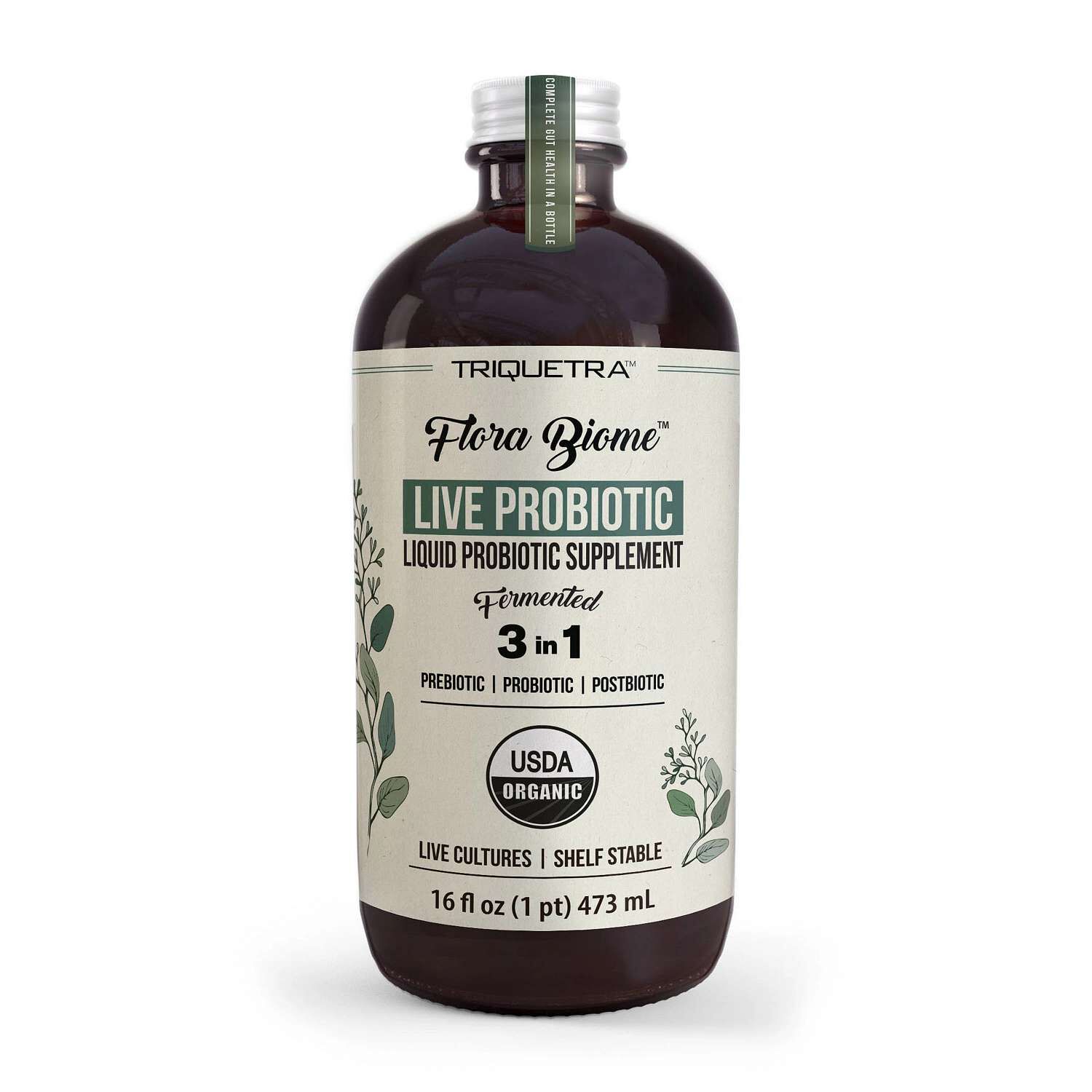

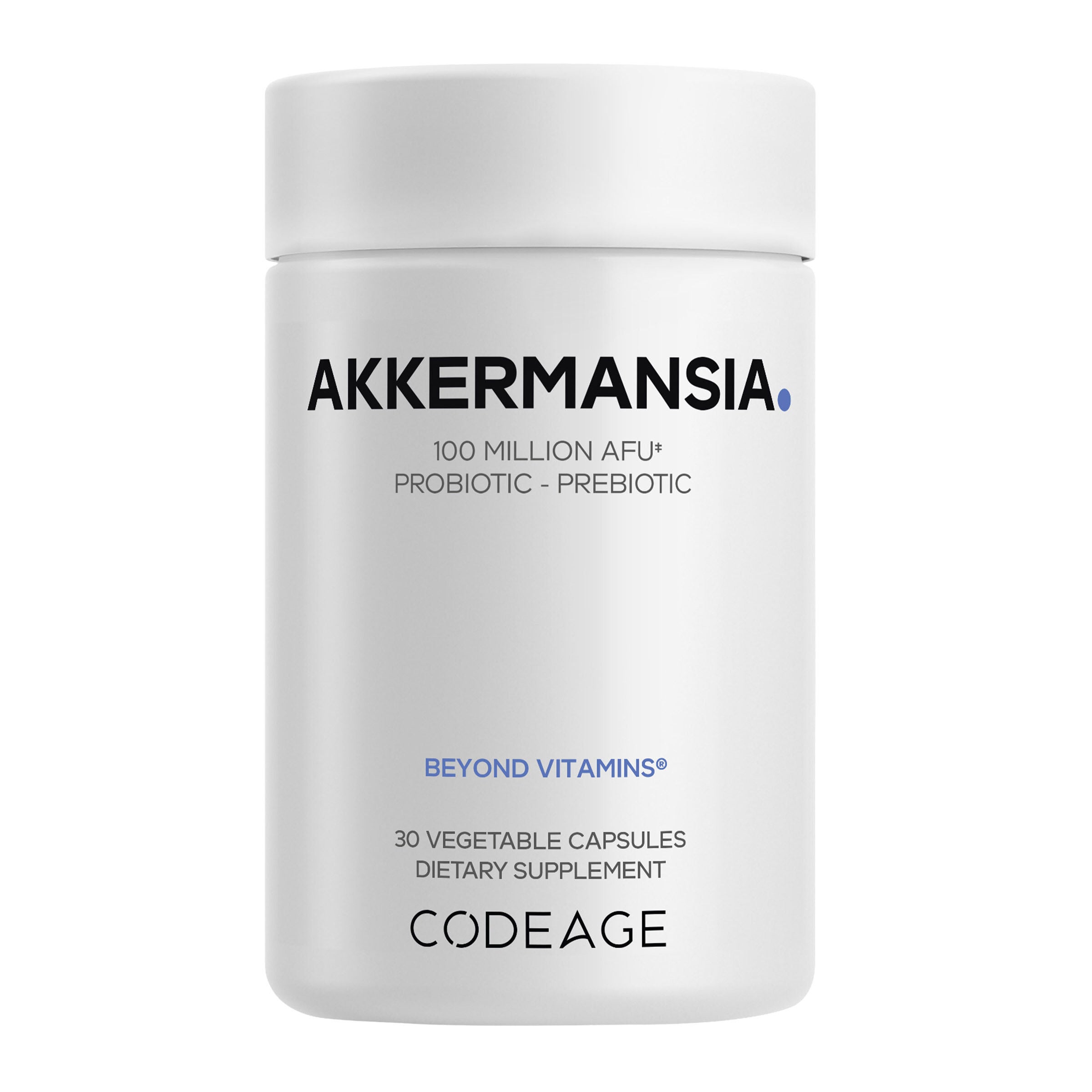

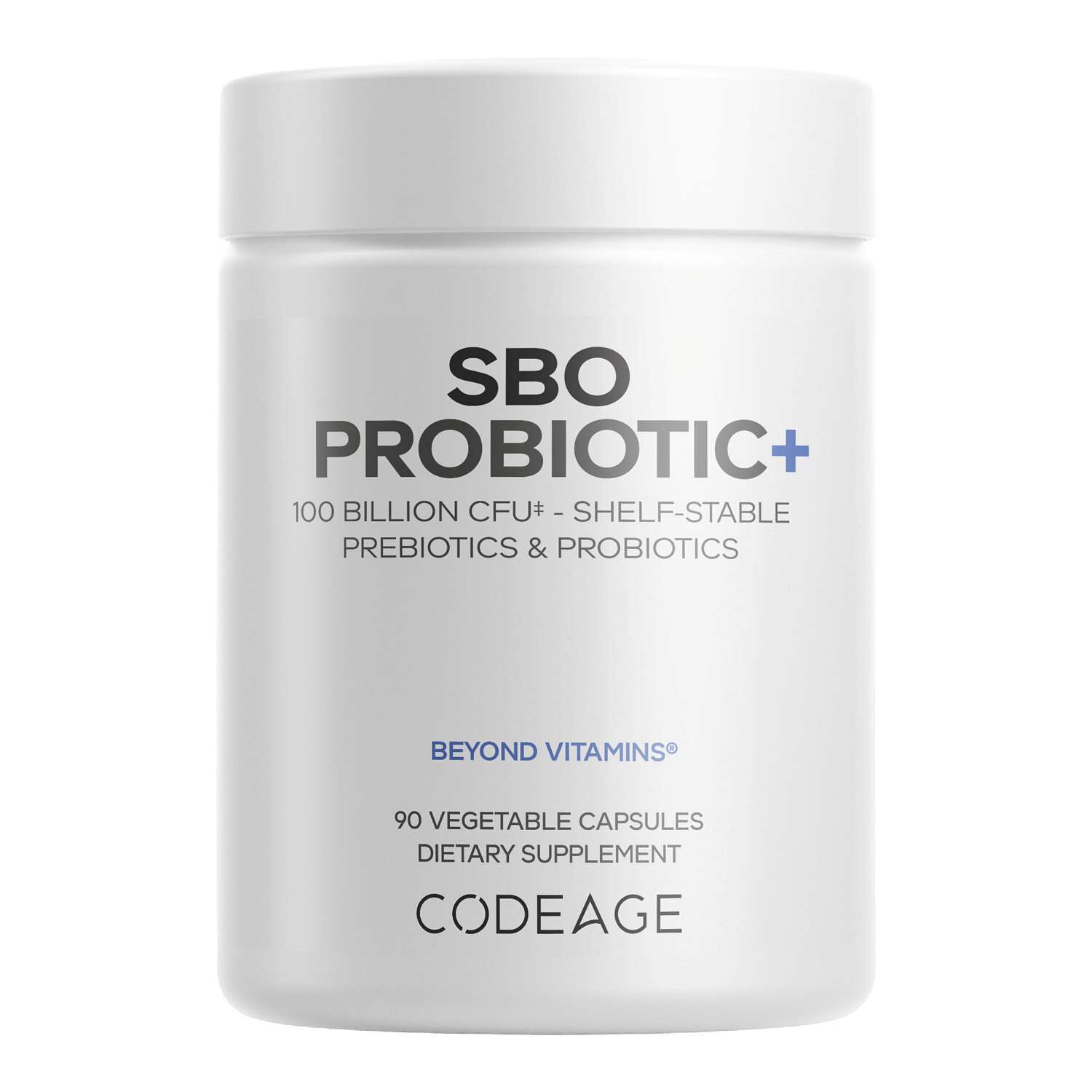
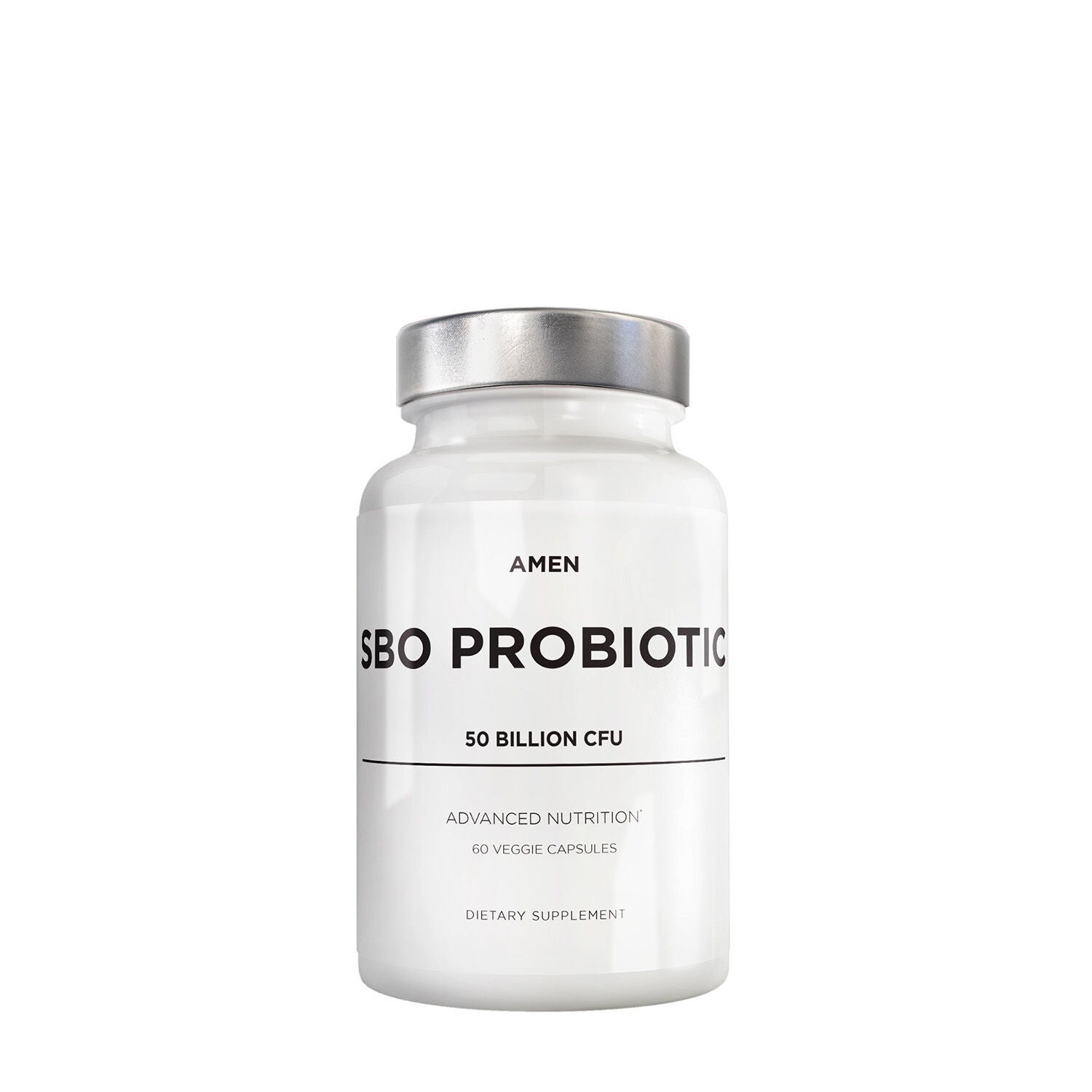
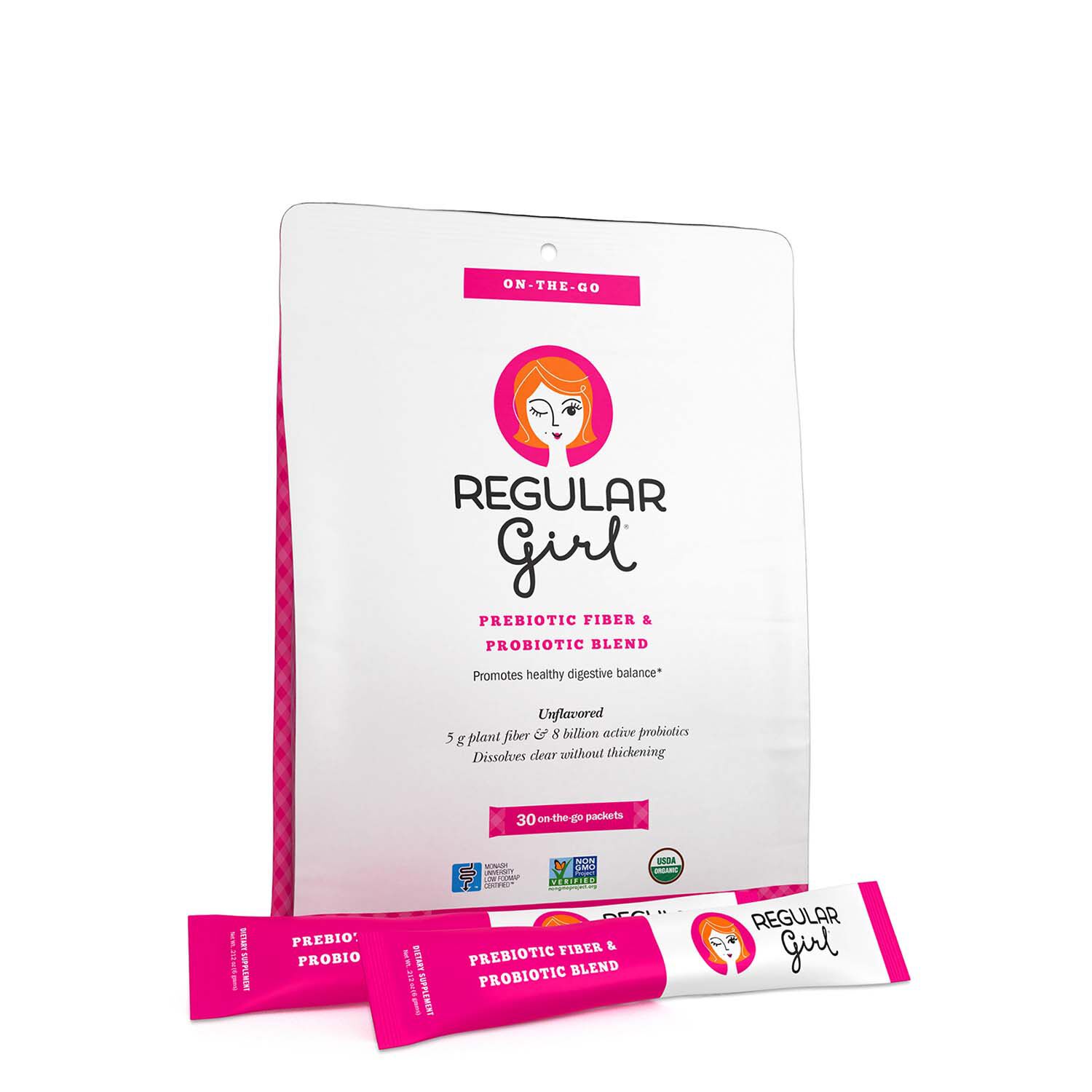
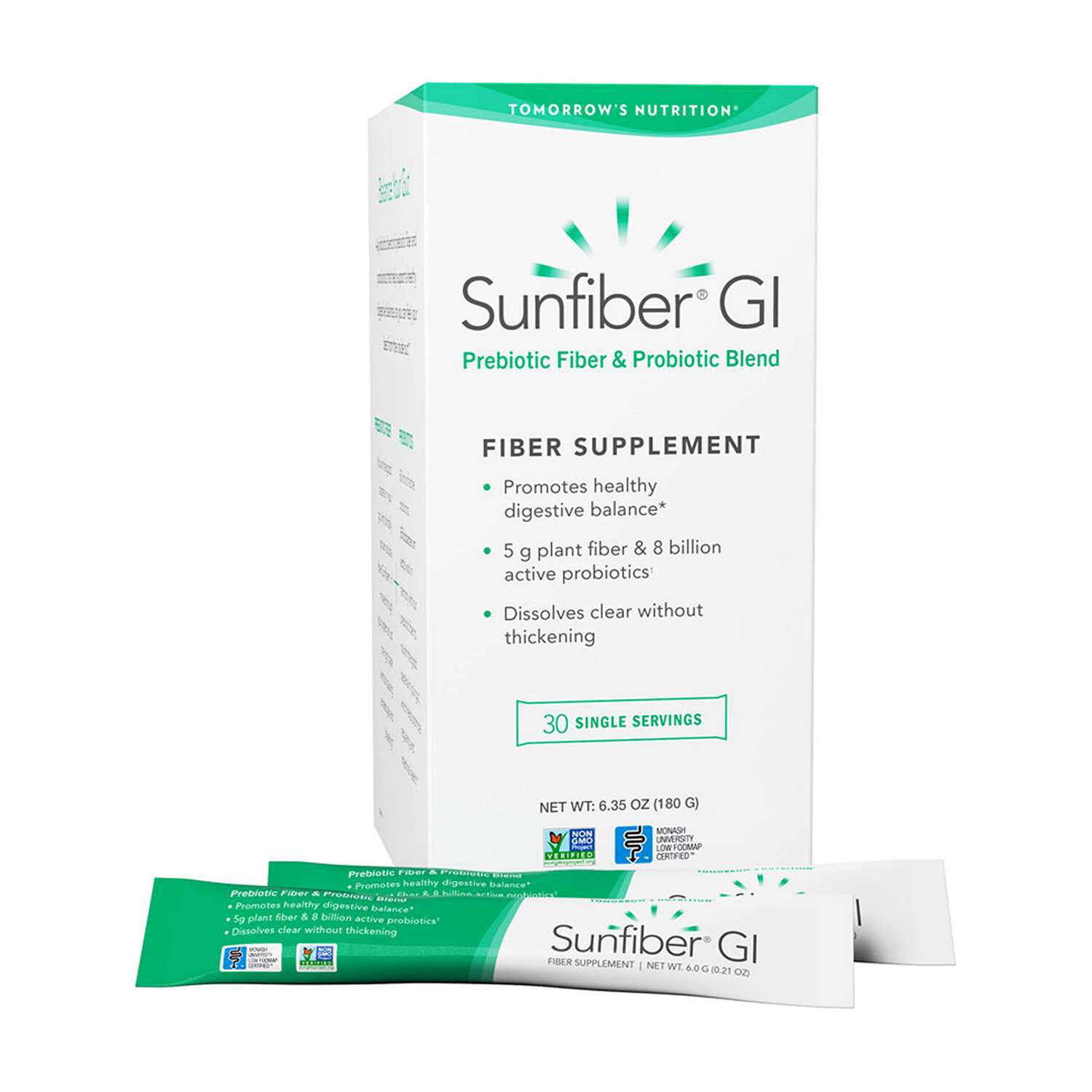
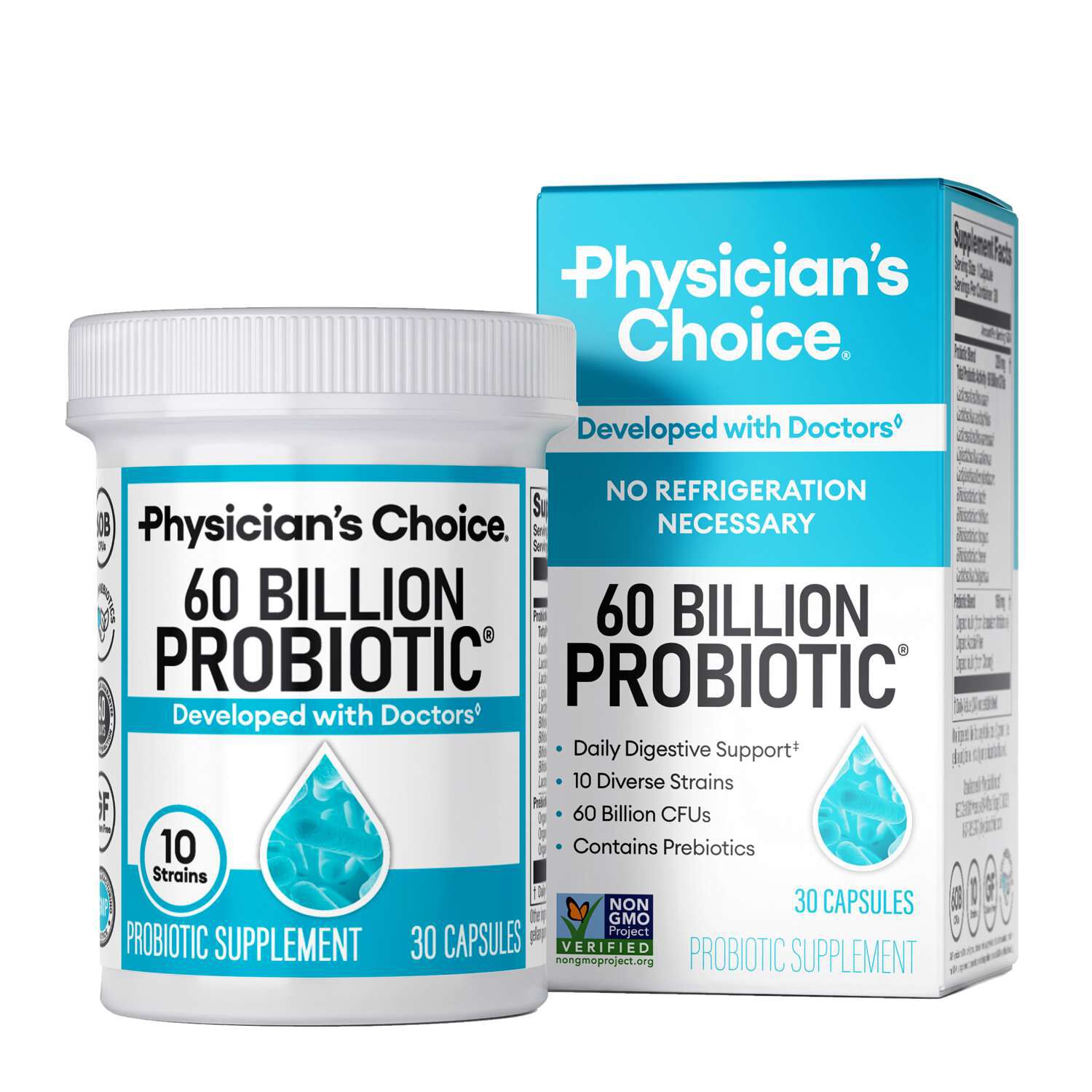
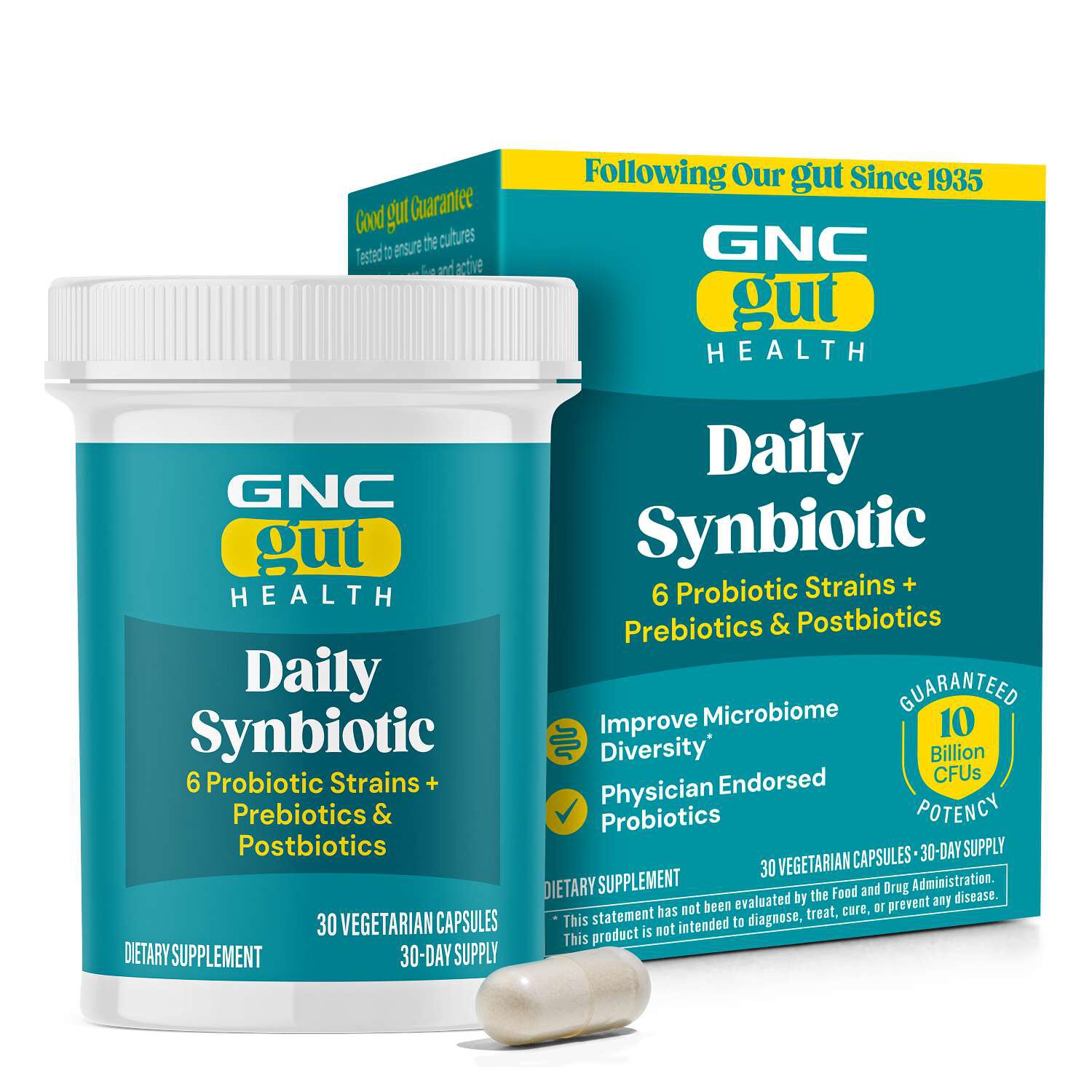
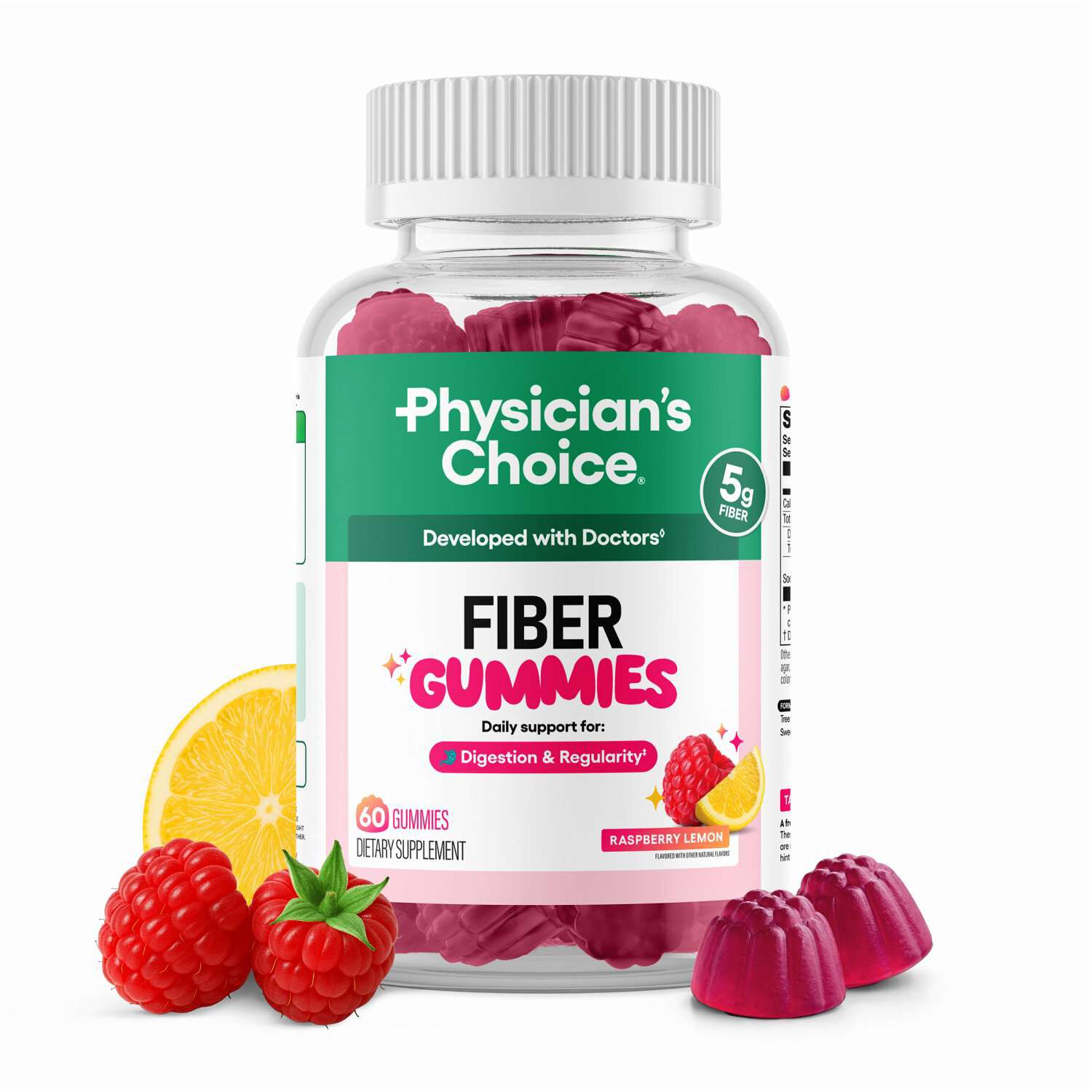
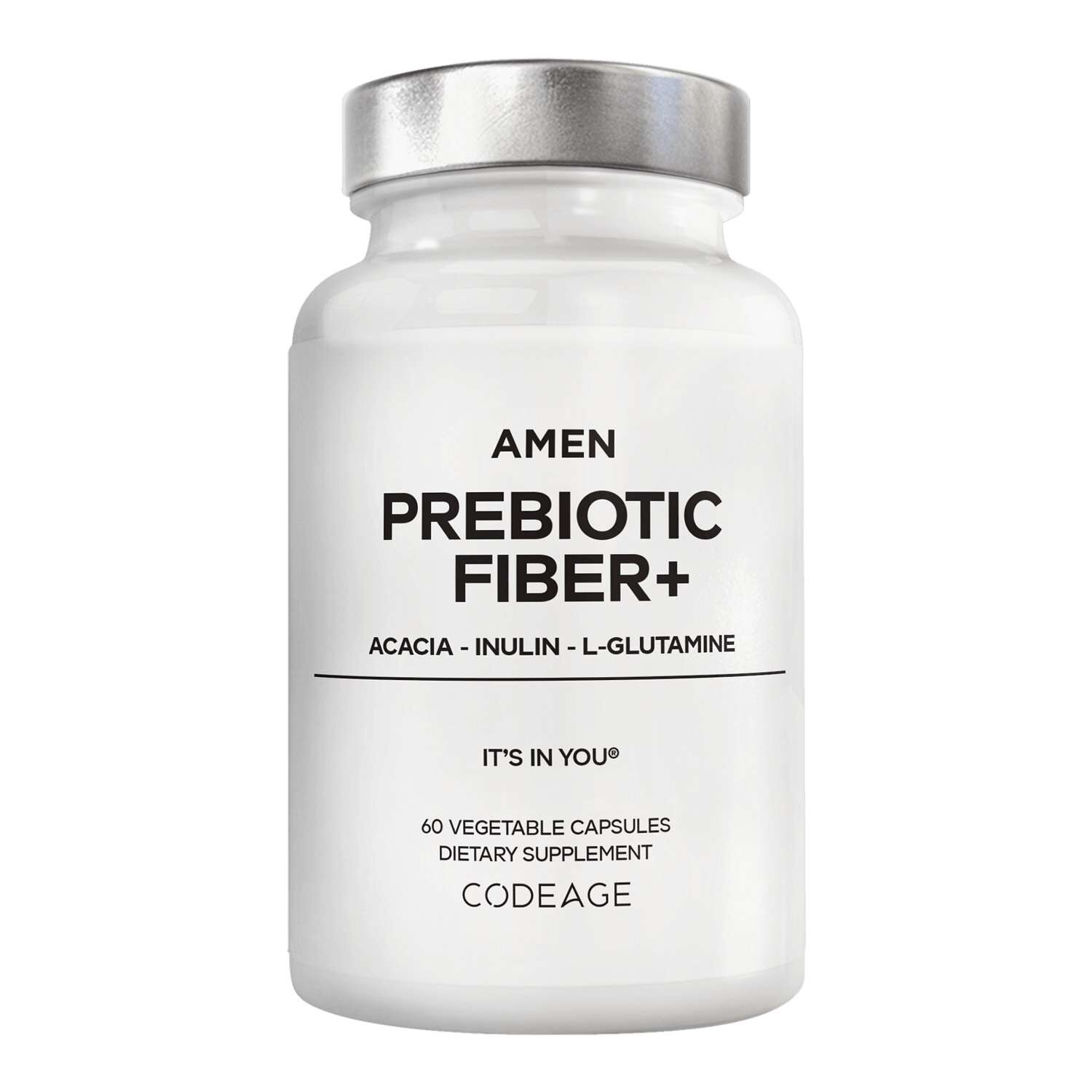
Fiber probiotic supplements for vegans include formulas that pair dietary fiber with live microorganisms in formats suited to a vegan lifestyle. The distinction matters: fiber is a dietary component, while probiotics are live cultures, and a formula containing one does not necessarily contain the other. Products in this category are intended for shoppers who want both in a single supplement without intentionally added animal-derived ingredients. Plant-derived fiber sources may include chicory root inulin, acacia fiber, psyllium husk, or resistant starch, with different textures, serving sizes, and preparation requirements. Probiotic ingredients are typically identified by genus, species, and sometimes a strain designation made up of letters and numbers. These details describe the cultures more precisely than a broad phrase such as “probiotic blend.” Vegan suitability involves more than the main ingredients, however. Capsule shells, flavorings, processing aids, and the media used to grow cultures are also relevant to an animal-conscious purchase. A vegetable capsule does not, by itself, establish that every part of a formula meets a shopper’s vegan preferences. Likewise, a statement about the absence of dairy ingredients does not necessarily describe how the cultures were produced. Clearly documented sourcing and an explicit vegan designation provide more context than packaging imagery alone. Third-party vegan certification offers another point of reference, with standards that vary by certifying organization. Fiber and prebiotic are also related but distinct terms: not every dietary fiber qualifies as a prebiotic, and a probiotic formula does not automatically include prebiotic fiber. For a related category centered on the fiber component, Vegan Prebiotic Fiber Supplements provides another way to explore plant-conscious formulations. Understanding these distinctions makes the category easier to navigate without treating fiber, prebiotics, and probiotics as interchangeable ingredients.
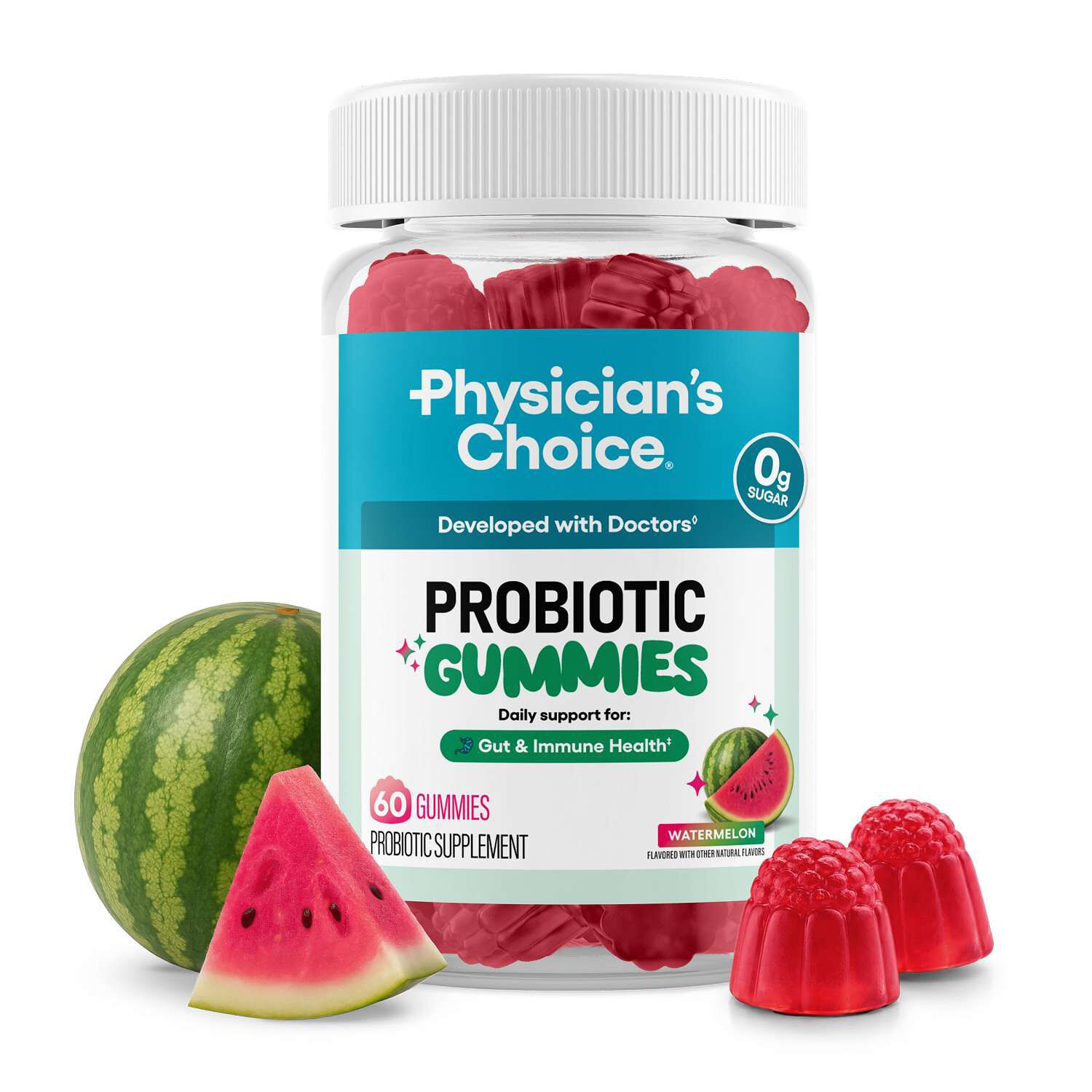
Format is often the most noticeable difference among vegan fiber and probiotic supplements. Powders commonly come with directions for mixing a measured serving into a specified amount of liquid, while capsules offer a format without drink preparation. Chewable formats bring their own considerations, including texture, flavor, sweeteners, and the ingredients used to create their structure. Pectin is a plant-derived gelling ingredient, whereas gelatin is animal-derived; the full formula still matters when evaluating vegan suitability. A flavored powder may suit someone who prefers a defined taste, while an unflavored formula may fit a preference for a more neutral preparation. Neither description establishes how a powder will behave in every beverage. Fiber sources differ in solubility and texture, and some preparations become thicker after mixing. A smooth-looking powder in its container may produce a drink with a noticeably different consistency once liquid is added. Label directions provide the relevant preparation details rather than a general assumption about the category. Serving size deserves similar attention because one serving might mean several capsules, a measured scoop, or multiple chewable pieces. The Supplement Facts panel separates grams of dietary fiber from other quantities, and the weight of a blend is not necessarily the amount of fiber it supplies. Probiotic quantities are commonly expressed in colony-forming units, or CFU, rather than grams. These units describe a different aspect of the formula and are not interchangeable with the fiber amount. A larger CFU number alone is not a reliable basis for comparing formulas with different organisms, serving sizes, or storage requirements. Named cultures, strain information when provided, and clear quantity statements offer a more specific description. Flavorings, added sugars, sugar alcohols, and other ingredients also shape the finished format, making the entire label relevant rather than just the front-panel ingredient names.
Everyday use adds another layer to the comparison, especially for adults balancing plant-based eating with work, commuting, or travel. Someone with a regular breakfast routine may prefer a powder prepared at home, while someone who dislikes mixing drinks may prefer capsules. A person sharing a kitchen may place more importance on a clearly labeled container and a dedicated measuring scoop. These are practical preferences rather than evidence that one format suits everyone. Supplements are also distinct from the beans, lentils, oats, vegetables, and other foods that contribute fiber to an eating pattern; a combined fiber and probiotic formula does not represent the variety of a plant-based diet. Its intended role is narrower, with the serving and directions defined on its label. Packaging and storage are particularly relevant because the category brings together dry ingredients and live cultures. Some formulas specify refrigeration, while others have different storage instructions, so a bathroom shelf, kitchen counter, or travel bag is not automatically appropriate for every container. The label’s directions, date markings, and instructions after opening provide the reference points for product care. For powders, a clean, dry scoop and a securely closed lid are practical handling considerations. For capsules or chewables, the original packaging keeps the ingredient list, serving information, and storage directions together. Travel introduces additional details, such as whether the container fits comfortably in a bag and whether the destination allows the labeled storage conditions. Individually portioned packaging may suit some routines, while a larger container may suit a consistent preparation space at home. Packaging convenience, however, does not establish vegan status or describe the cultures inside. A thoughtful comparison brings these details together: a documented vegan formulation, clearly identified fiber and probiotic ingredients, a suitable serving format, and care instructions that fit the intended setting. The result is a more specific view of fiber probiotic supplements for vegans, grounded in what the formula contains and how it is meant to be used.
Best Sellers
-
Physician's Choice


Related Pages
Top Collections
- GLP 1 Support For Adults
- Joint Mobility Supplement Packs
- Supplements For Balance
- Supplements For Yoga Joint Flexibility
- Zinc Supplements | Top Brands at Great Prices | GNC
- Capsule Supplements For Energy And Stamina
- Supplements For Anxiety Relief Support
- Iron Supplements
- Vitamins For Hair Loss
- Cortisol Supplements