Prebiotic Gummies
(0 Results)
Prebiotic gummies are a delicious and convenient way to support your gut health while satisfying your sweet tooth. Packed with beneficial prebiotic fiber, these chewy treats help nourish and promote a healthy balance of good bacteria in your digestive system. Whether you're looking to boost your overall wellness or simply enjoy a tasty daily supplement, prebiotic gummies are a fun and effective way to incorporate gut-friendly nutrients into your routine. Discover our selection of prebiotic gummies and take a step towards better gut health today.
-

-
 $17.99
-

-
 $15.99
-

-

-
 $22.99

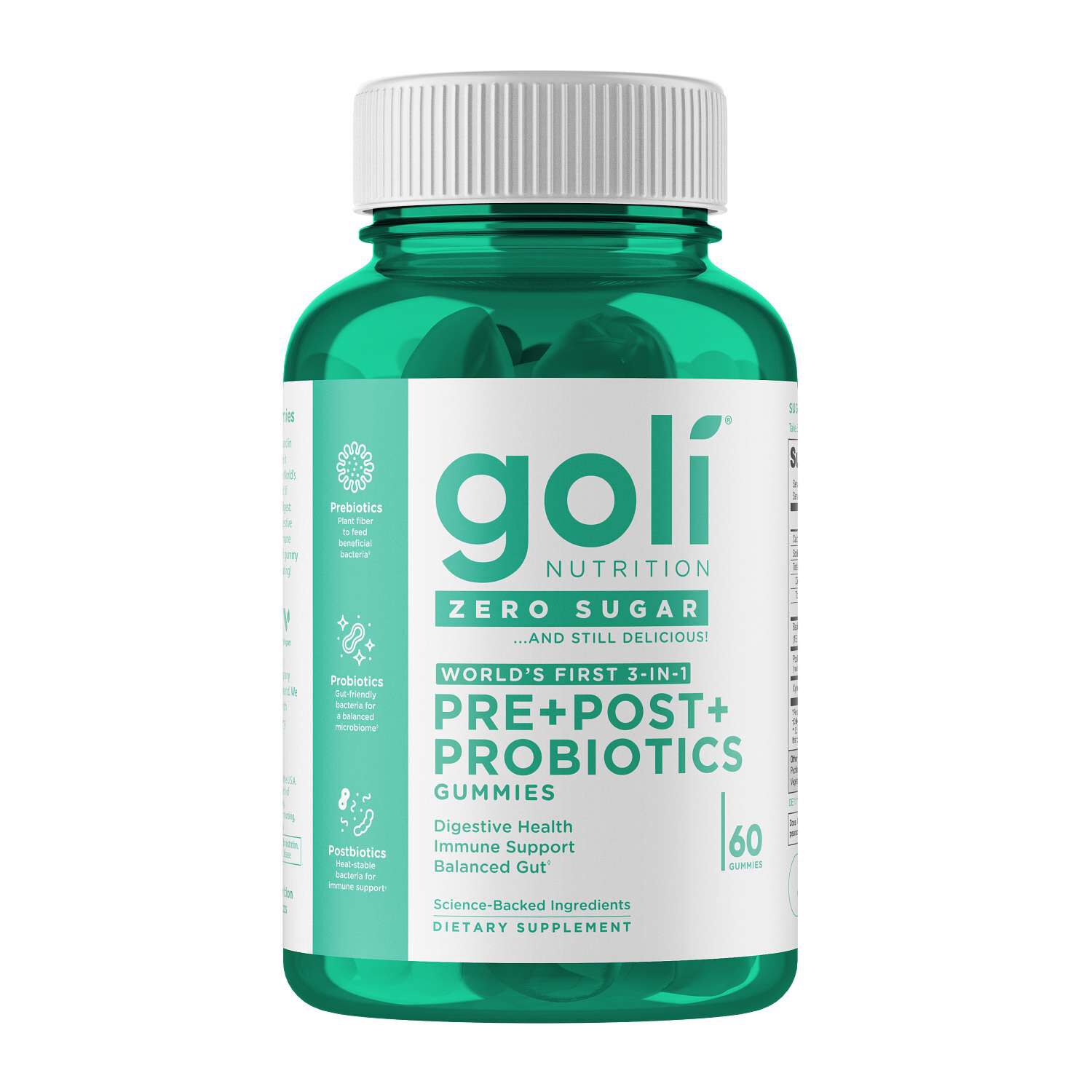
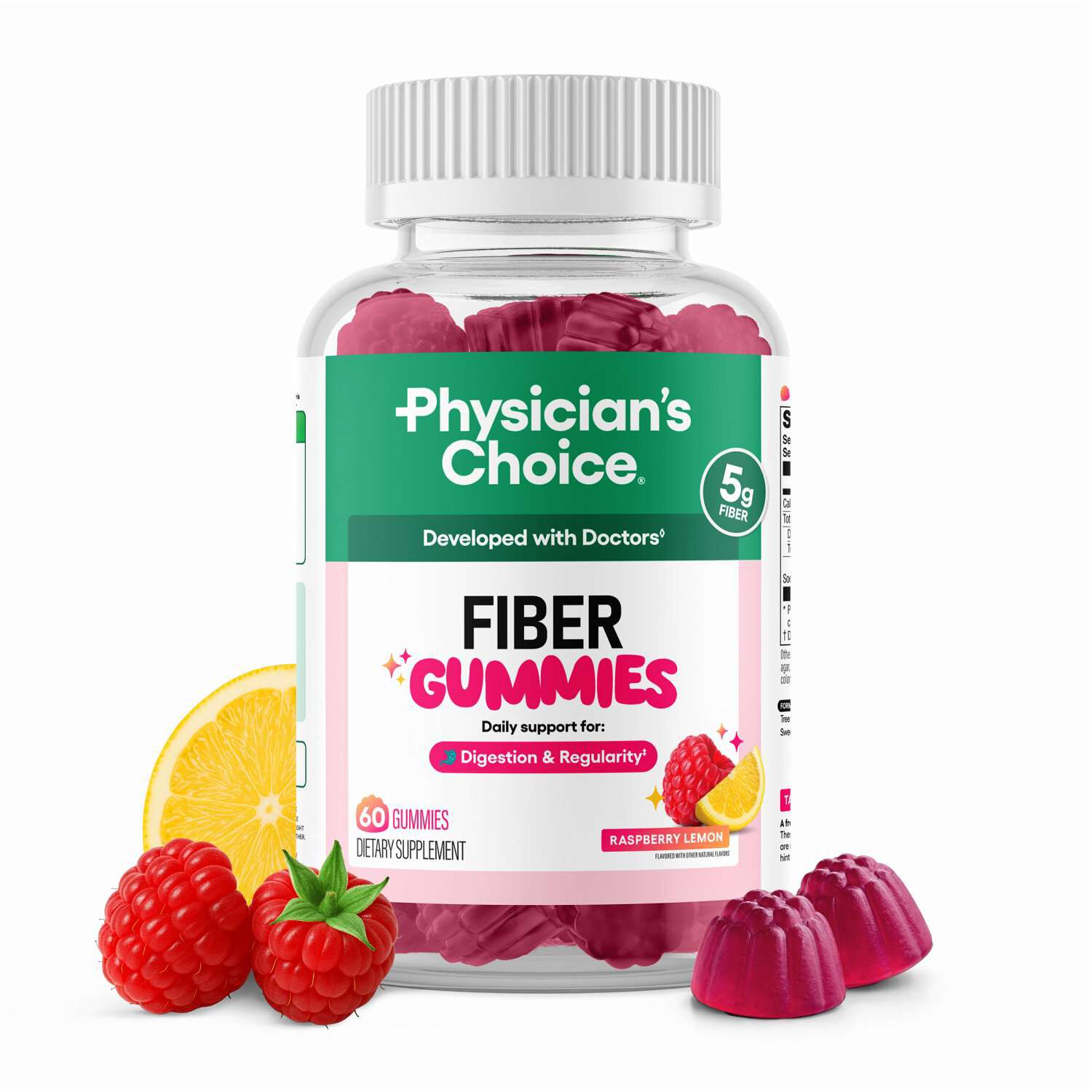
Prebiotic gummies are chewable dietary supplements made with ingredients that may nourish beneficial bacteria in the digestive tract. They offer prebiotic fiber in a flavored gummy format, giving shoppers an alternative to capsules, tablets, and powders. The word prebiotic refers to the ingredient’s role, not the shape or sweetness of the supplement: prebiotics are distinct from probiotics, which are live microorganisms. A prebiotic gummy does not necessarily contain probiotic cultures, while a combination formula includes both types of ingredients. Common prebiotic ingredients include inulin, often sourced from chicory root, and fructooligosaccharides, commonly shortened to FOS. These ingredients may serve as food for certain beneficial gut bacteria. Not all dietary fiber is prebiotic, and a bottle’s fiber content does not tell the whole story about its formulation. The ingredient list and Supplement Facts panel provide more useful detail than a fruit pictured on the package or a broad description on the front. A serving size might consist of one gummy or several, so the amount of fiber per serving matters more than the gummy’s size. When two labels list different serving sizes, comparing the stated grams of fiber alongside the number of gummies offers a clearer picture of each format. For combination formulas, colony-forming units, or CFU, describe the count of viable probiotic microorganisms rather than the quantity of prebiotic fiber. A larger CFU number does not mean there is more fiber, and fiber measured in grams cannot be compared directly with a probiotic count. The named probiotic strain is another distinguishing detail; the word probiotic alone does not identify which microorganism a formula contains. A label may also specify whether its stated CFU count applies at manufacture or through the printed expiration date. These differences make prebiotic gummies, probiotic gummies, and combination gummies related but separate options, even when their packaging, flavors, and chewy textures look similar.
The gummy base is another consideration for shoppers choosing a format that matches their eating preferences. Some recipes use gelatin, an animal-derived ingredient, while others use pectin, a plant-derived ingredient commonly associated with fruit. A pectin-based recipe is not automatically vegan, since other ingredients also matter. Dietary statements and the full ingredient list offer a more dependable basis for comparison than the gummy base alone. For shoppers who avoid particular ingredients, allergen statements and any information about shared manufacturing equipment deserve attention as well. Berry, citrus, and peach flavors are familiar choices, but a fruit flavor does not mean a gummy contains a serving of fruit or the same nutrients as that food. Flavor names describe the eating experience, while the Supplement Facts panel describes the labeled nutrient amounts. Sweeteners are another point of distinction. Some formulas contain added sugars, while others use alternative sweeteners or sugar alcohols. A gummy that tastes less sweet does not necessarily contain fewer grams of sugar, and a recipe without added sugar can still contain carbohydrates. Comparing the amounts listed for the suggested serving keeps these differences in perspective. Texture and finish vary, too: gummies may be soft, firm, springy, smooth, or coated, depending on the recipe. Oils, waxes, acids, colors, and flavoring ingredients may appear alongside the featured prebiotic ingredient. These supporting ingredients are part of the formulation rather than additional prebiotic fiber. For someone who dislikes a sticky coating or prefers a particular chew, those details may matter as much as the flavor. Package counts also need context. The number of gummies in a bottle and the number of suggested servings are not necessarily the same, especially when the labeled serving contains multiple pieces. Looking at serving size, fiber amount, sweeteners, and dietary attributes together makes the differences between otherwise similar gummy formats easier to understand.
Prebiotic gummy supplements may appeal to adults who prefer a chewable format or want an option that does not require stirring powder into a drink. For someone who packs lunch before leaving home or keeps a consistent evening routine, the practical appeal is the format itself: there is no scoop to measure or beverage to prepare. That convenience does not change the labeled serving directions, and a pleasant flavor does not make a supplement interchangeable with candy. Intended age, suggested use, and ingredient amounts remain important distinctions. Households comparing adult and children’s formats can also explore Kids Prebiotic and Probiotic Gummies, with attention to the age range and directions stated on each label. An adult formula and a children’s formula are not interchangeable simply because their flavors or ingredient names look similar. Keeping gummies in their original labeled container preserves access to those details, along with the expiration date and storage instructions. Gummy texture may change with exposure to moisture or excessive heat, so a tightly closed container stored according to its package directions may help maintain its intended consistency. A cabinet away from direct sunlight, cooking steam, and children’s reach may be suitable when it matches the label’s storage requirements. For travel, the original packaging keeps the serving information with the supplement rather than separating loose gummies from their directions. Gummies are supplements rather than substitutes for a varied eating pattern, and their fiber contribution is the amount stated on the label, not an assumed amount based on their appearance. A shopper looking for prebiotic fiber alone has different comparison points from someone considering a formula with both fiber and live cultures. Across these options, the most meaningful distinctions are concrete: the named prebiotic ingredient, its stated amount when provided, the suggested serving, the gummy recipe, and the intended user. Those details provide a grounded basis for choosing a chewable format that fits personal preferences and everyday routines.


 Chewable Tablets_Front.jpg?sw=305&sh=305&sm=fit "ChildCalm - 60 Chewable Tablets (30 Servings) | GNC")