Probiotic Gummies Vegan
(0 Results)
Probiotic gummies vegan options offer a convenient and enjoyable way to support your daily wellness routine. These gummies are crafted with plant-based ingredients, making them a great choice for those following a vegan lifestyle. With a variety of delicious flavors and formulas available, probiotic gummies vegan selections could fit easily into your busy schedule. Explore the range of choices designed to help you prioritize your well-being without compromising on taste or values.
-

-
-
-
-
 $13.99
 -
 $22.99
 -
 $22.99
 -
 $18.99
 -
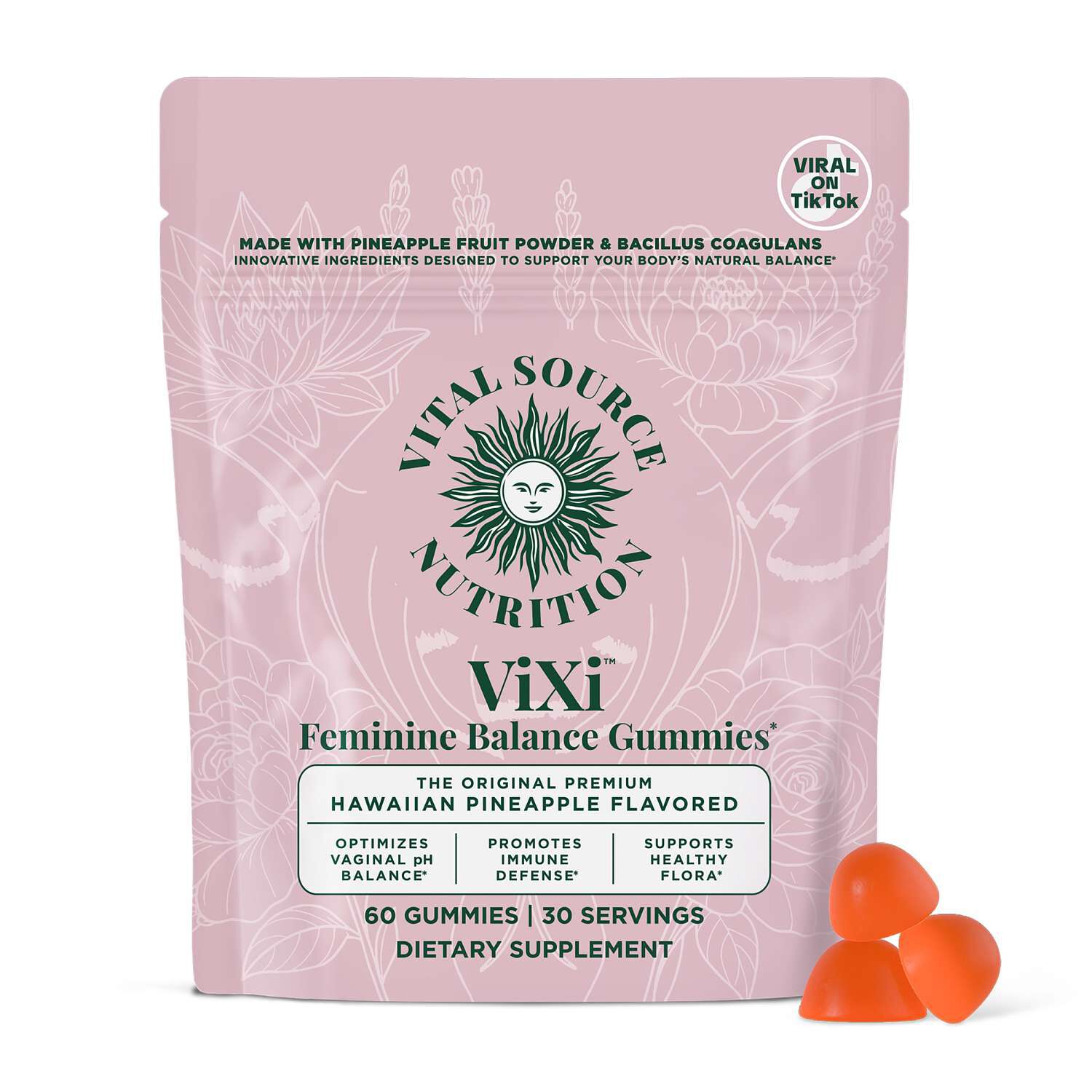 $29.99
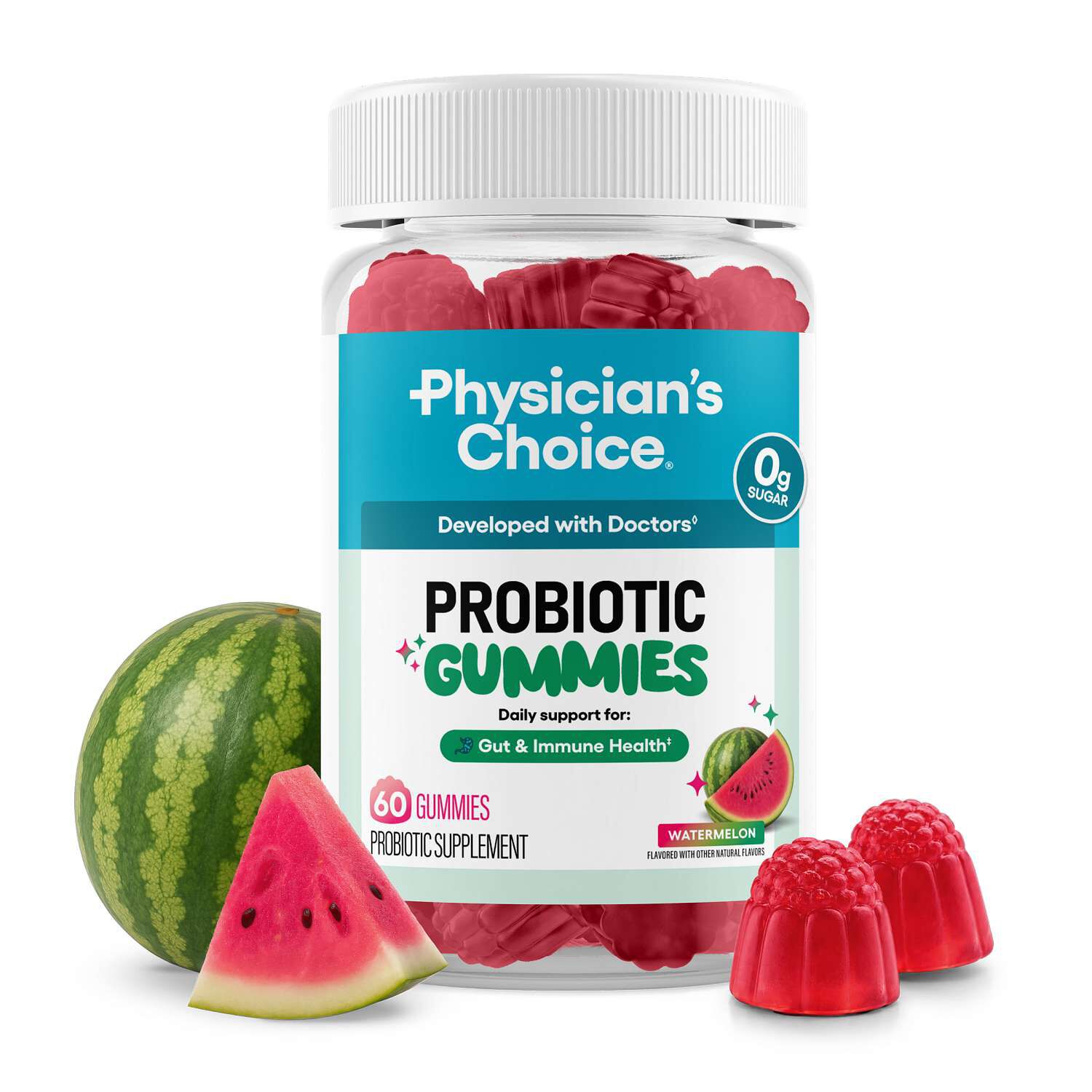
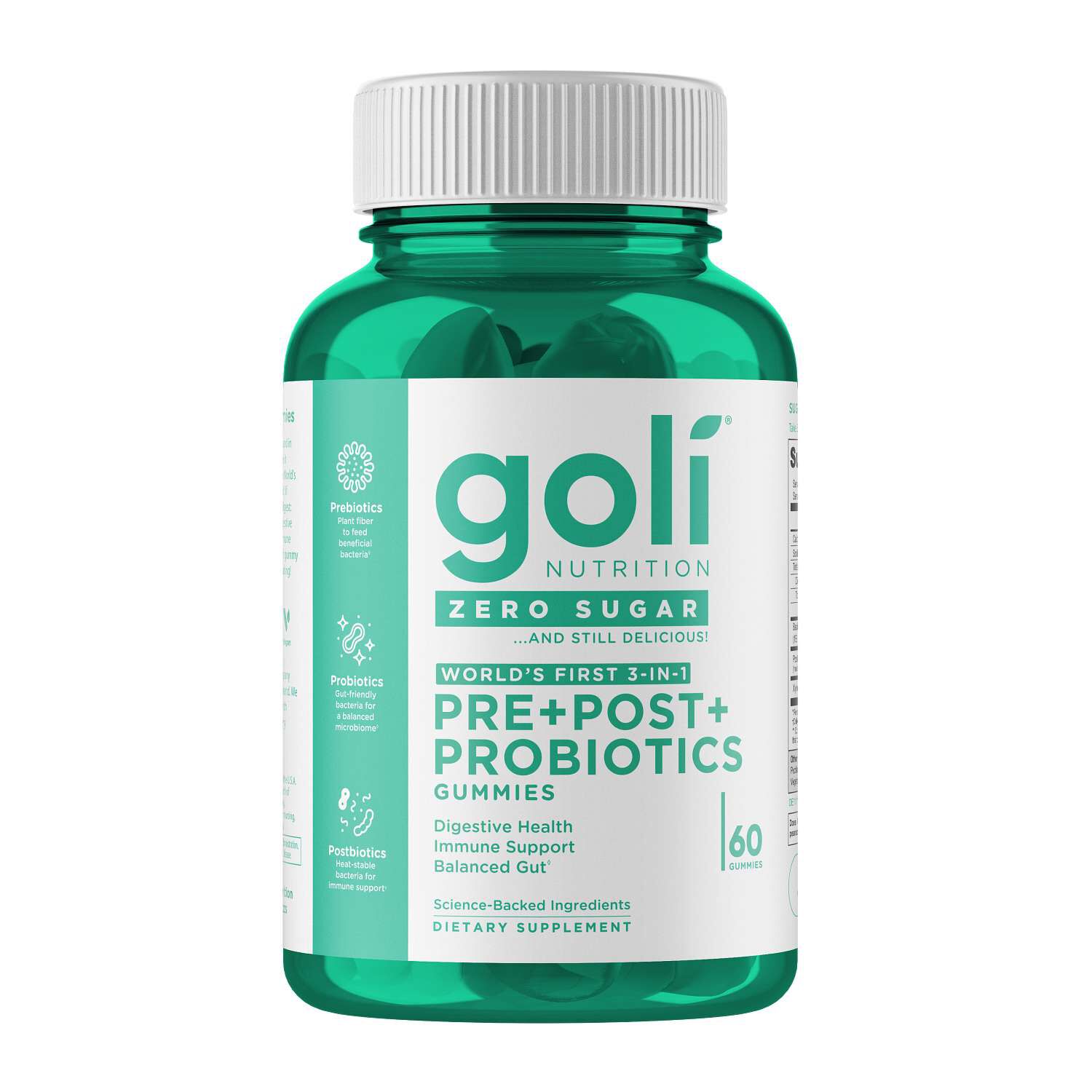
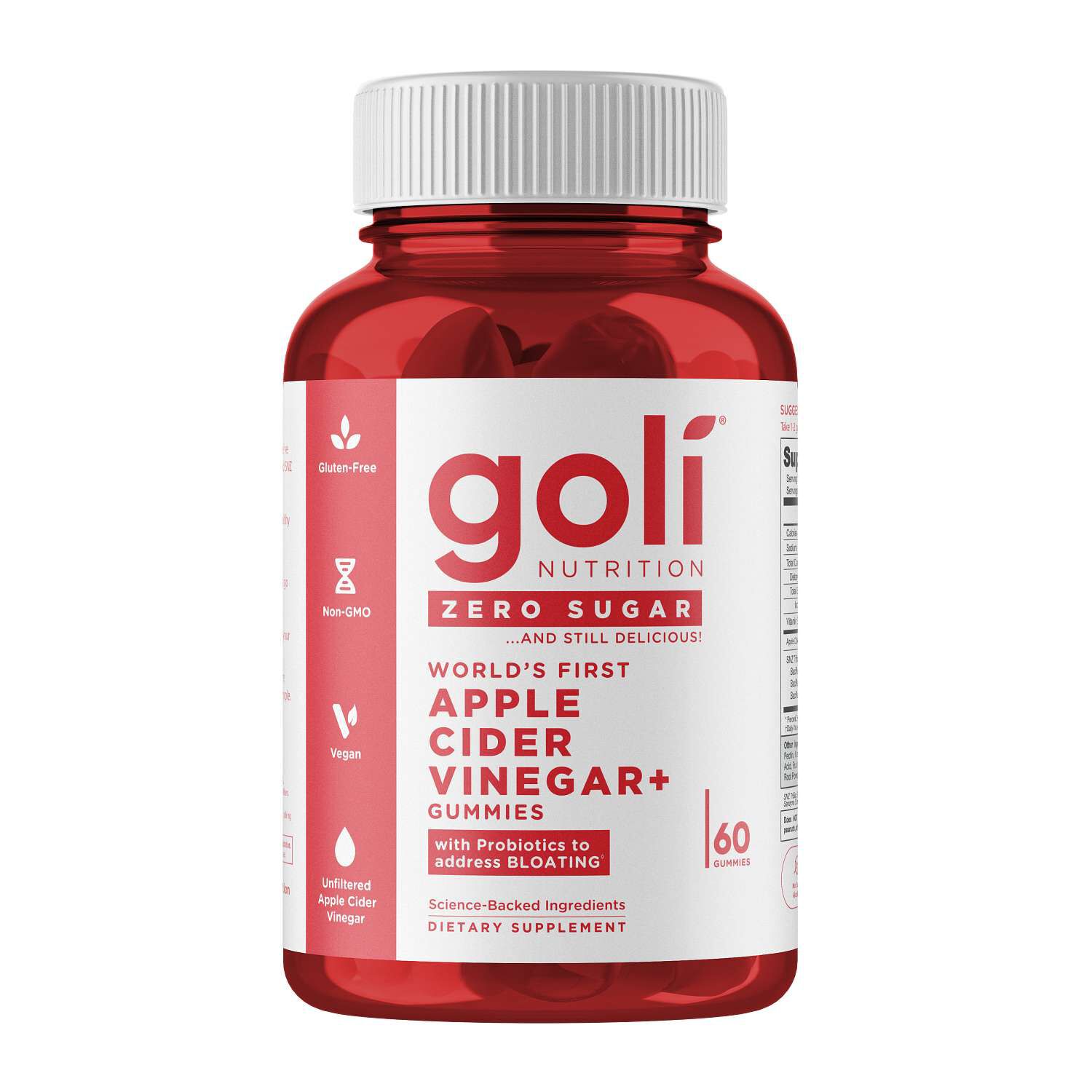
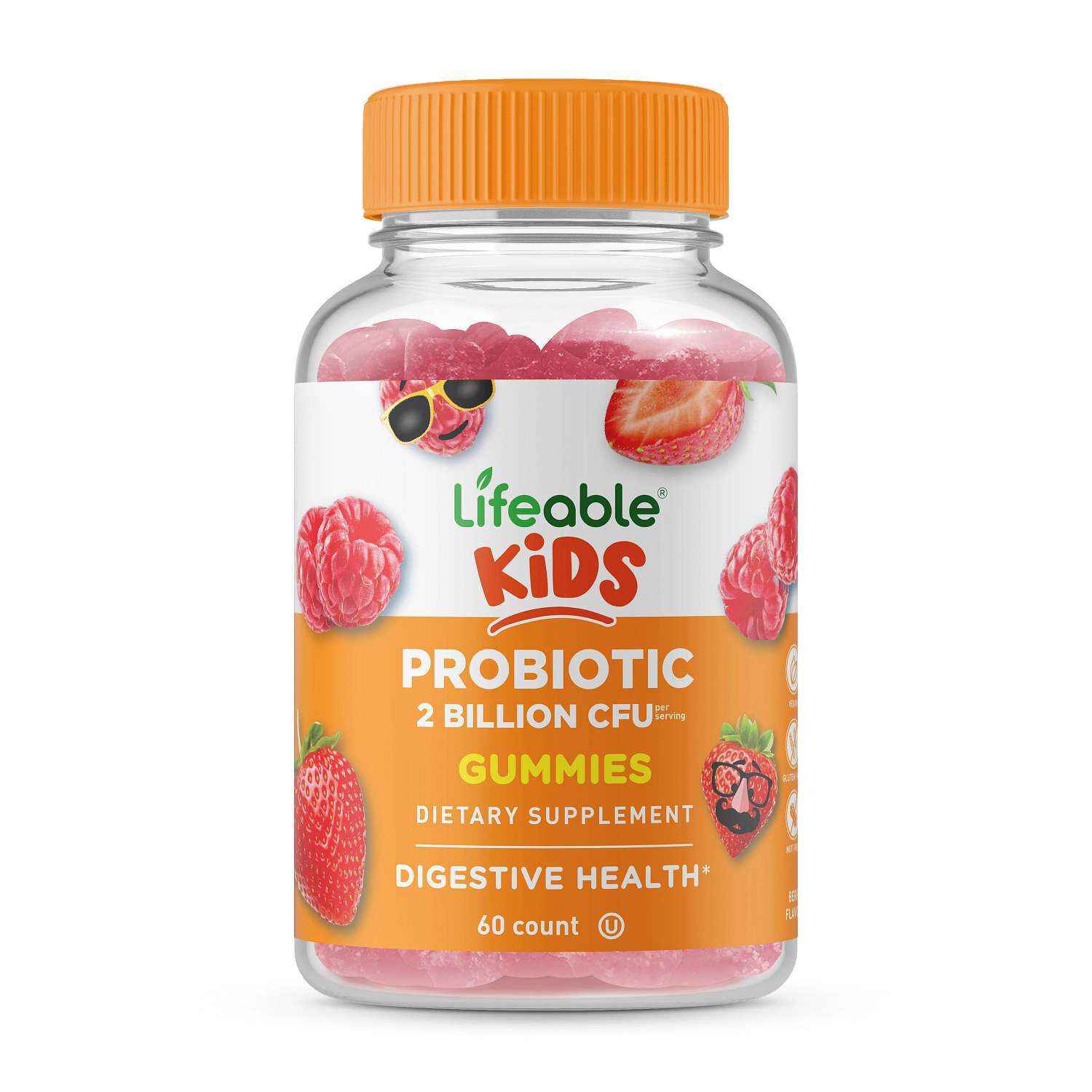
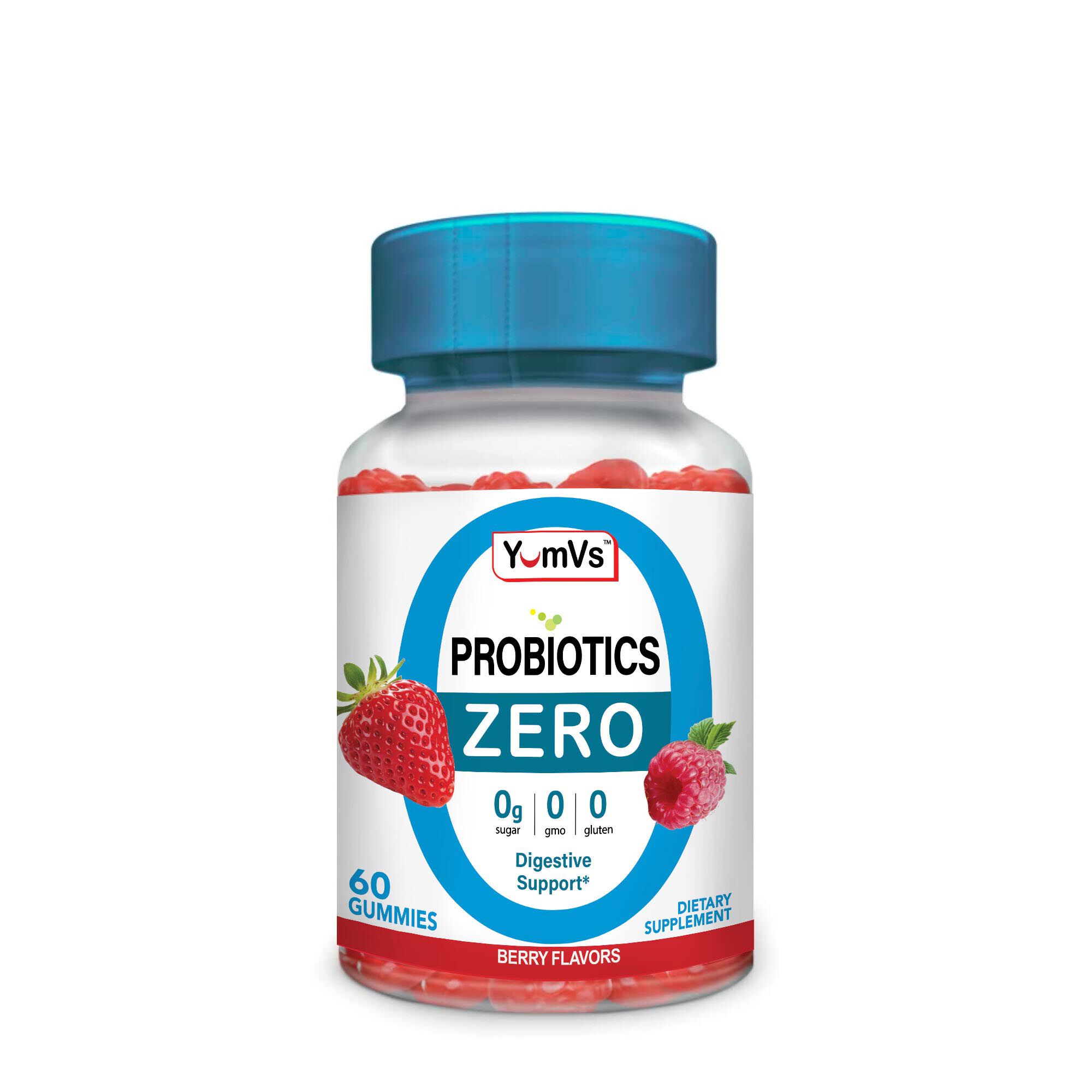
Vegan probiotic gummies are chewable dietary supplements made with live microorganisms and ingredients suited to a vegan diet. Instead of the animal-derived gelatin used in many traditional gummies, vegan formulas often use pectin, a gelling ingredient commonly sourced from citrus peels or apples. The result is a familiar gummy format for adults who prefer a chewable supplement over a capsule or tablet. Fruit flavors, soft textures, and measured servings make this category distinct from probiotic powders or refrigerated foods, though the ingredient details vary from one formula to another. For someone following a plant-based eating pattern, the vegan designation is an important starting point, but the full label tells a more detailed story. Pectin alone does not establish that every ingredient is vegan; coatings, colors, flavor ingredients, and other additions also matter. A clearly stated vegan designation or an identifiable third-party certification provides more useful context than fruit imagery on the bottle. Organic labeling describes a separate set of ingredient and production standards, so organic and vegan should not be treated as interchangeable terms. The same distinction applies to allergen information: a vegan designation does not describe every dietary consideration or manufacturing practice. Beyond those distinctions, flavor and texture are practical parts of choosing a chewable format. Some gummies have a tender, jelly-like bite, while others are firmer or have a lightly coated surface. Berry and citrus flavors are common across the category, with sweetness coming from different combinations of sugars and alternative sweeteners. Someone who dislikes a lingering sweet aftertaste may weigh those ingredients differently from someone who prefers a familiar fruit-candy texture. These details matter when choosing something intended for repeated use, rather than an occasional snack. Although their appearance can resemble candy, probiotic gummies are supplements with defined serving directions and age labeling. Their intended use, composition, and suggested serving deserve the same attention as those of other supplement formats, even when the presentation feels more approachable.
The probiotic portion of a vegan gummy deserves a closer look than the flavor name alone. Labels may identify microorganisms by genus, species, and strain, with the strain shown as an additional combination of letters or numbers. Those details distinguish one culture from another; two gummies described broadly as probiotics do not necessarily contain the same microorganisms. Bacillus coagulans and Bacillus subtilis are examples of species that may appear in gummy formulas, sometimes with additional strain information. Some formulas use spore-forming microorganisms, but that description does not replace the need to follow the storage directions on the package. Another common label term is CFU, short for colony-forming units, which expresses the number of viable microorganisms capable of forming colonies under specified testing conditions. The number is often stated per serving, and a serving may contain more than one gummy. Comparing a per-gummy figure with a per-serving figure can therefore create a misleading impression. Label wording may also distinguish a count measured at manufacture from a count stated through the expiration date when stored as directed. A larger number alone is not a sound basis for assuming that one formula is a better match than another; microorganism identity, serving size, formulation, and intended audience are separate considerations. Some vegan probiotic gummies also include prebiotic ingredients, such as inulin or chicory root fiber. Probiotics and prebiotics are different categories: probiotics contain live microorganisms, while prebiotics are substances that certain microorganisms can use as a food source. Shoppers comparing these formats can explore Prebiotic Gummies while keeping that distinction in mind. A gummy containing both categories is different from one containing probiotic cultures alone, and the amount of an added fiber ingredient may vary. When an amount is disclosed, the Supplement Facts panel offers a clearer comparison than a front-label mention. Straightforward labeling makes it easier to distinguish the culture content, added ingredients, and serving information without treating every gummy in the category as equivalent.
Everyday fit involves the rest of the formula, the package, and the directions as much as the probiotic count. Added sugars, sugar alcohols, flavorings, colors, and surface coatings can differ considerably, even between gummies with similar fruit flavors. The Supplement Facts panel and ingredient list serve different purposes: one provides declared amounts per serving, while the other identifies the ingredients used in the formula. Reading both gives a fuller picture of what each serving contains. For a shopper keeping track of added sugar, the relevant comparison is the amount in the labeled serving rather than the sweetness of the flavor name. For someone avoiding a particular ingredient, a familiar-looking gummy is not a substitute for checking the actual label. Adult formulas and products labeled for younger age groups also should not be treated as interchangeable, and a sweet taste does not establish age suitability. Package size is another practical detail. A bottle containing sixty gummies represents thirty servings when the directions specify two gummies per serving, rather than sixty separate daily servings. That distinction can matter when planning a routine or packing for a trip. Storage deserves similar attention because these supplements contain live microorganisms and have a defined shelf life. Whether a formula requires refrigeration or permits storage outside a refrigerator depends on its labeling; the gummy format alone does not answer that question. The original container keeps the expiration date, serving directions, and storage information together, while a securely closed lid helps limit exposure to moisture. A place near a steamy shower or a bottle left in a parked car may not meet the labeled storage conditions. Keeping the package away from children is also important for a supplement that resembles a sweet treat. Vegan probiotic gummies may appeal to adults following vegan or vegetarian diets, people seeking alternatives to gelatin-based supplements, and those who simply prefer a chewable format. The most useful distinctions remain concrete: a clearly identified vegan formula, readable culture information, a suitable serving format, ingredient transparency, and storage requirements that fit the intended routine.
- Q: What are vegan probiotic gummies?
A: Vegan probiotic gummies are chewable supplements that contain live beneficial bacteria to support digestive health, and are made without any animal-derived ingredients. They typically use plant-based gelling agents like pectin instead of gelatin. - Q: How do vegan probiotic gummies differ from regular probiotic gummies?
A: Vegan probiotic gummies are formulated without animal products, such as gelatin or dairy-based probiotics. Instead, they use plant-based ingredients and vegan-friendly probiotic strains. - Q: Can children take vegan probiotic gummies?
A: Many vegan probiotic gummies are suitable for children, but it's important to check the product label for age recommendations and consult with a healthcare professional before starting any supplement regimen. - Q: Do vegan probiotic gummies need to be refrigerated?
A: Most vegan probiotic gummies are shelf-stable and do not require refrigeration, but it's best to store them in a cool, dry place and follow the storage instructions on the packaging. - Q: Are there any common allergens in vegan probiotic gummies?
A: Some vegan probiotic gummies may contain allergens such as soy or tree nuts. Always review the ingredient list carefully if you have allergies or sensitivities.
Best Sellers
-
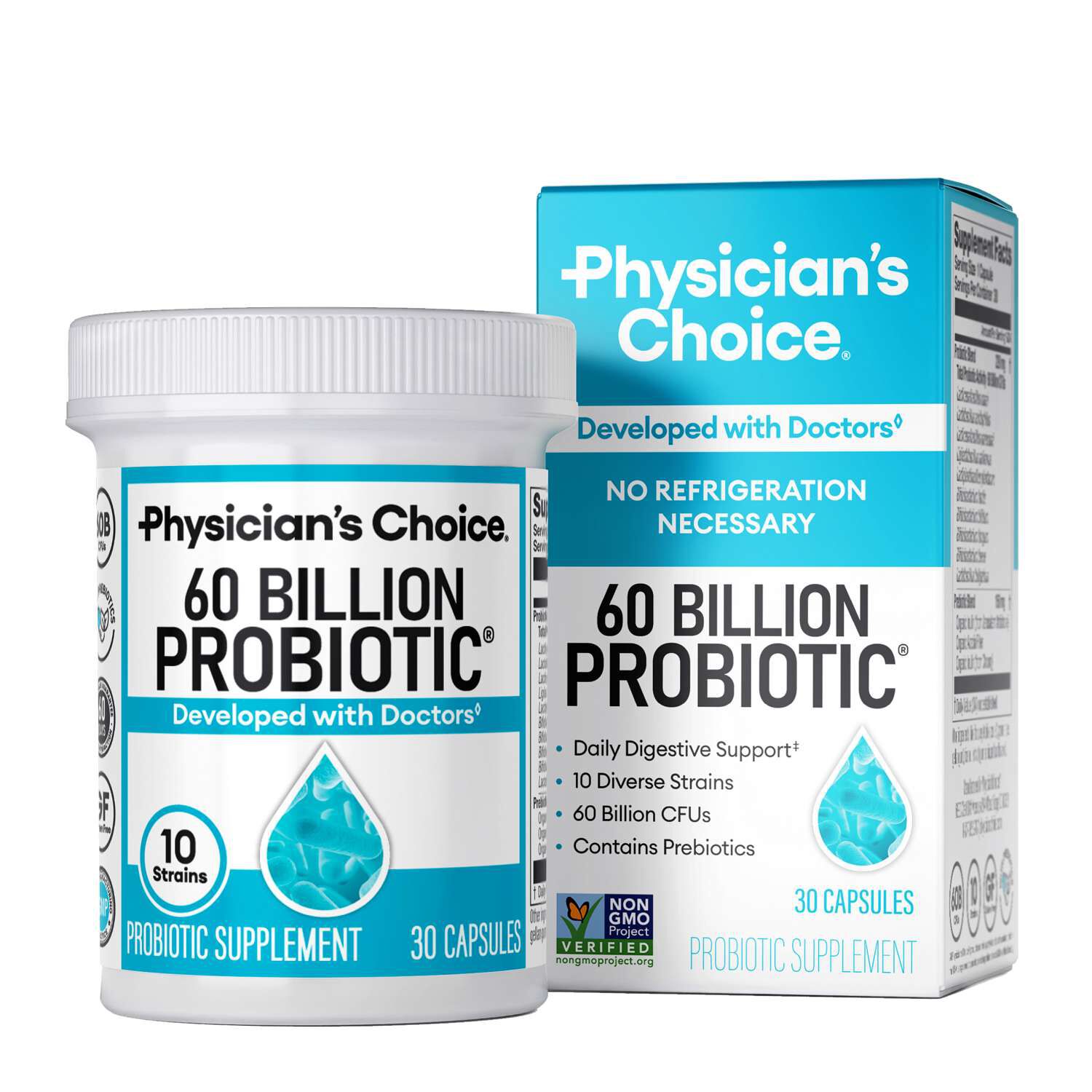 Physician's Choice