





Prebiotic Fiber Gummies For Picky Eaters
(0 Results)
Prebiotic fiber gummies for picky eaters could be a convenient way to support your family’s wellness routine. These gummies come in a variety of tasty flavors and fun shapes that may appeal to children and adults alike. Whether you’re looking to add more fiber to your day or seeking an approachable option for those who are selective about textures and tastes, prebiotic fiber gummies for picky eaters might make it easier to incorporate fiber into your daily habits. Explore options that fit your preferences and discover a gummy that may suit even the most selective palates.
-
-

-

-

-
-

-

-

-
 $17.99
 -
 $22.99
 -
 $18.99
 -
 $26.99
 -
 $15.99

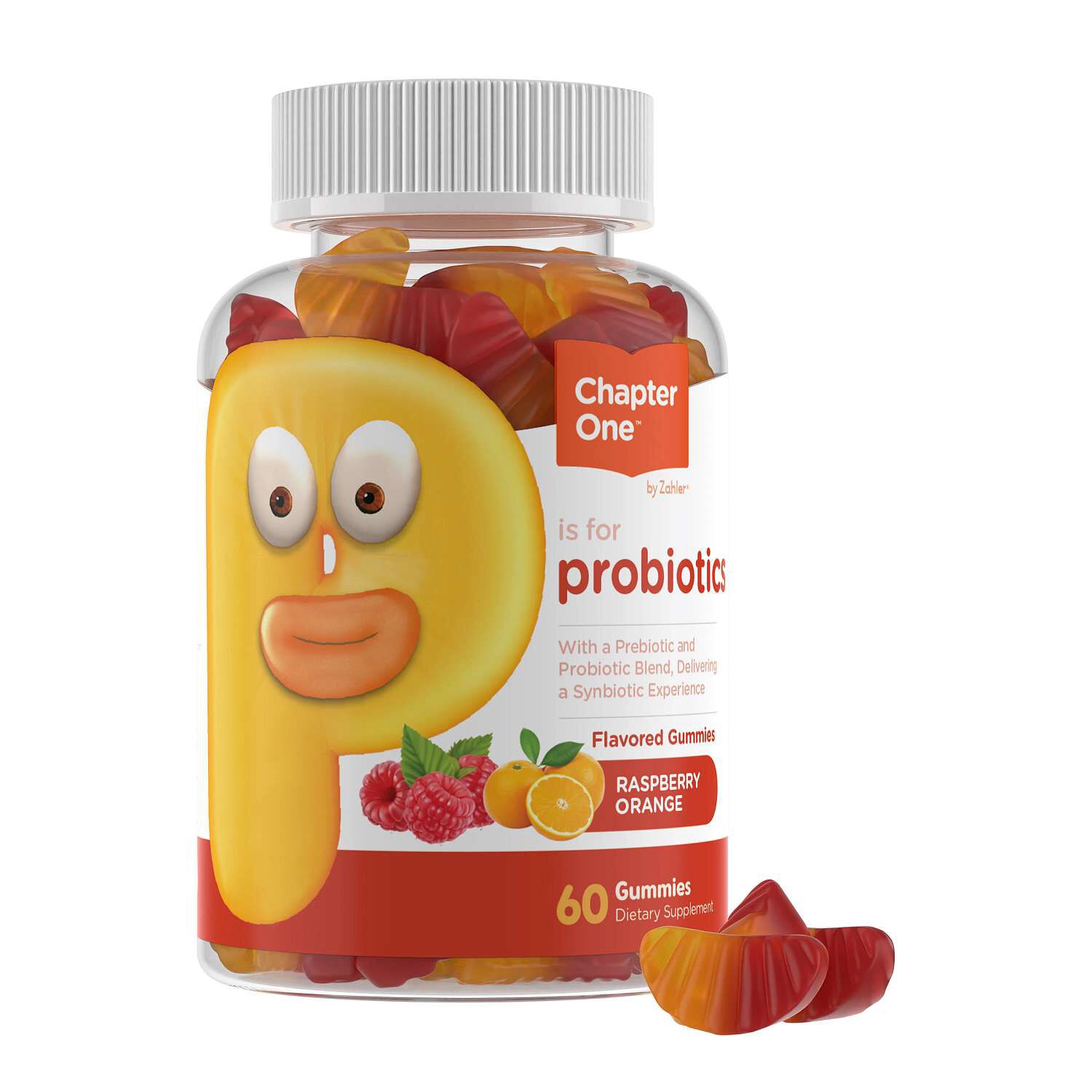

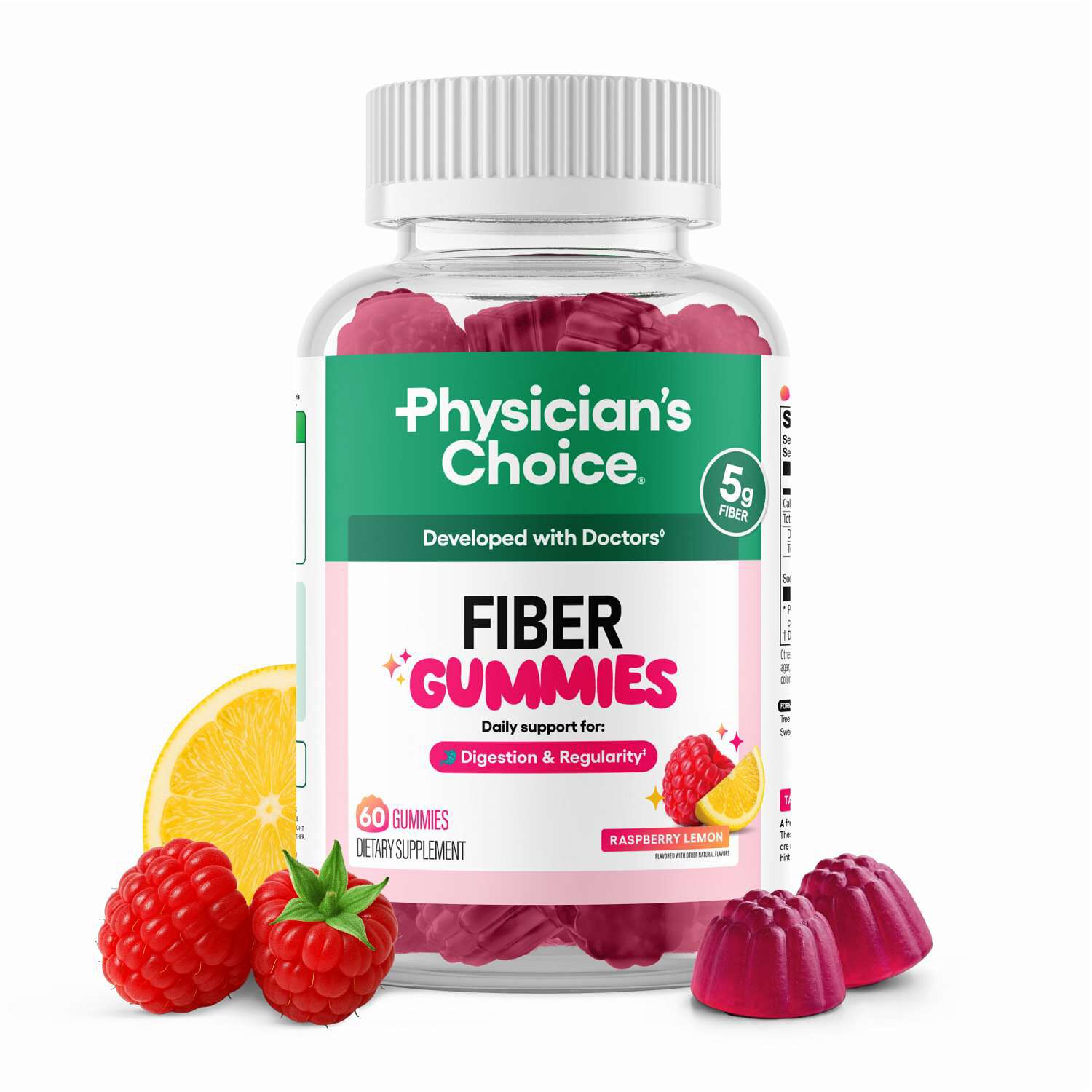
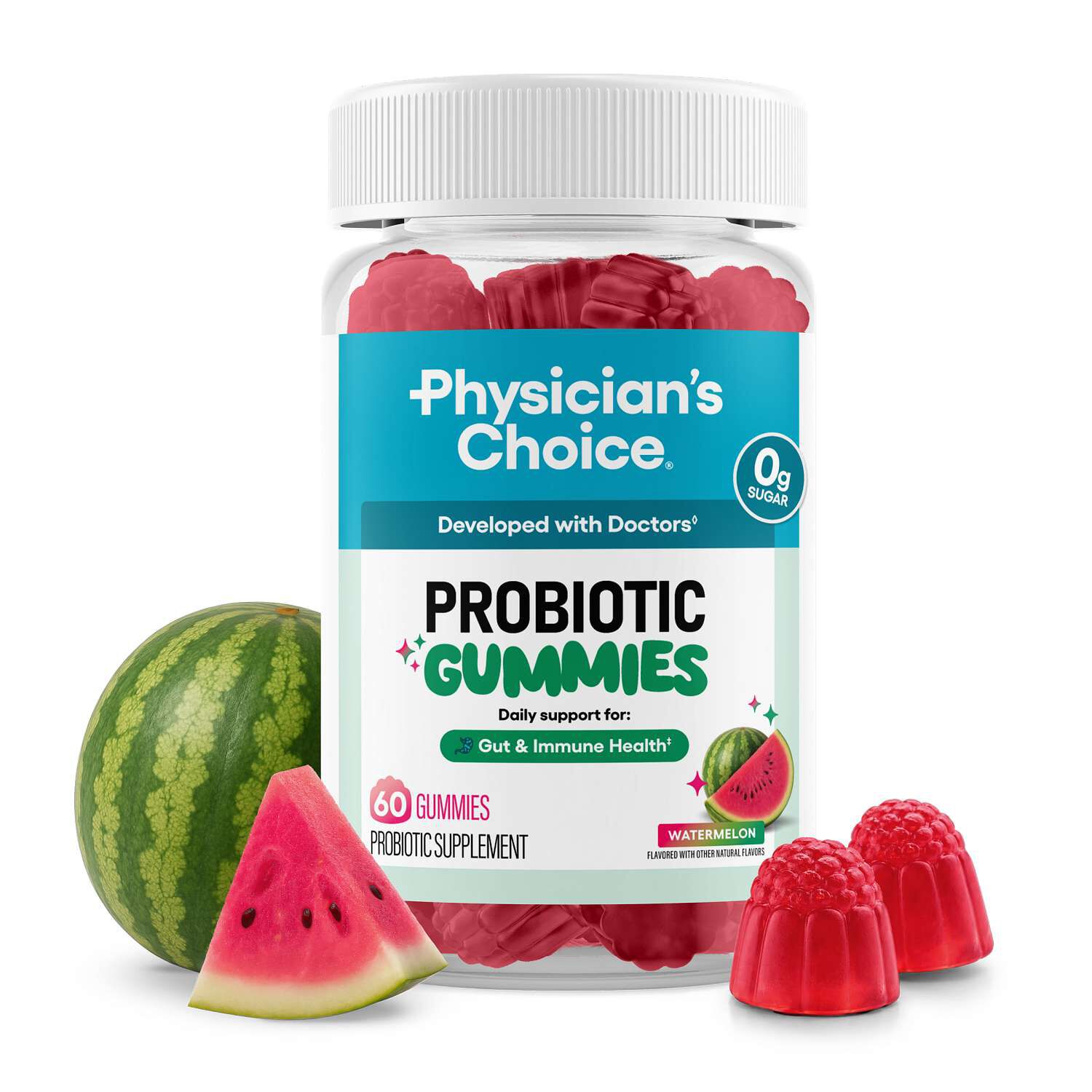
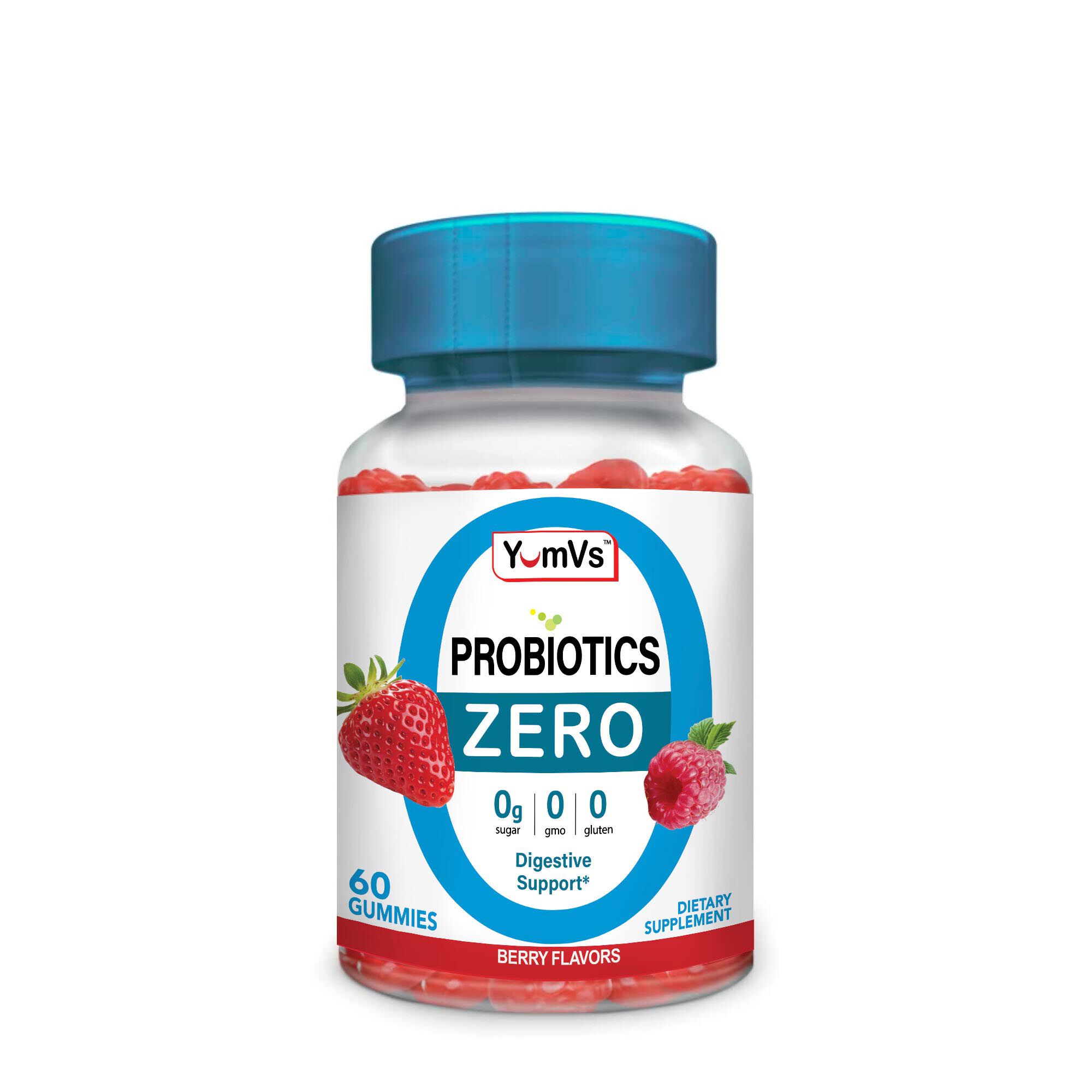
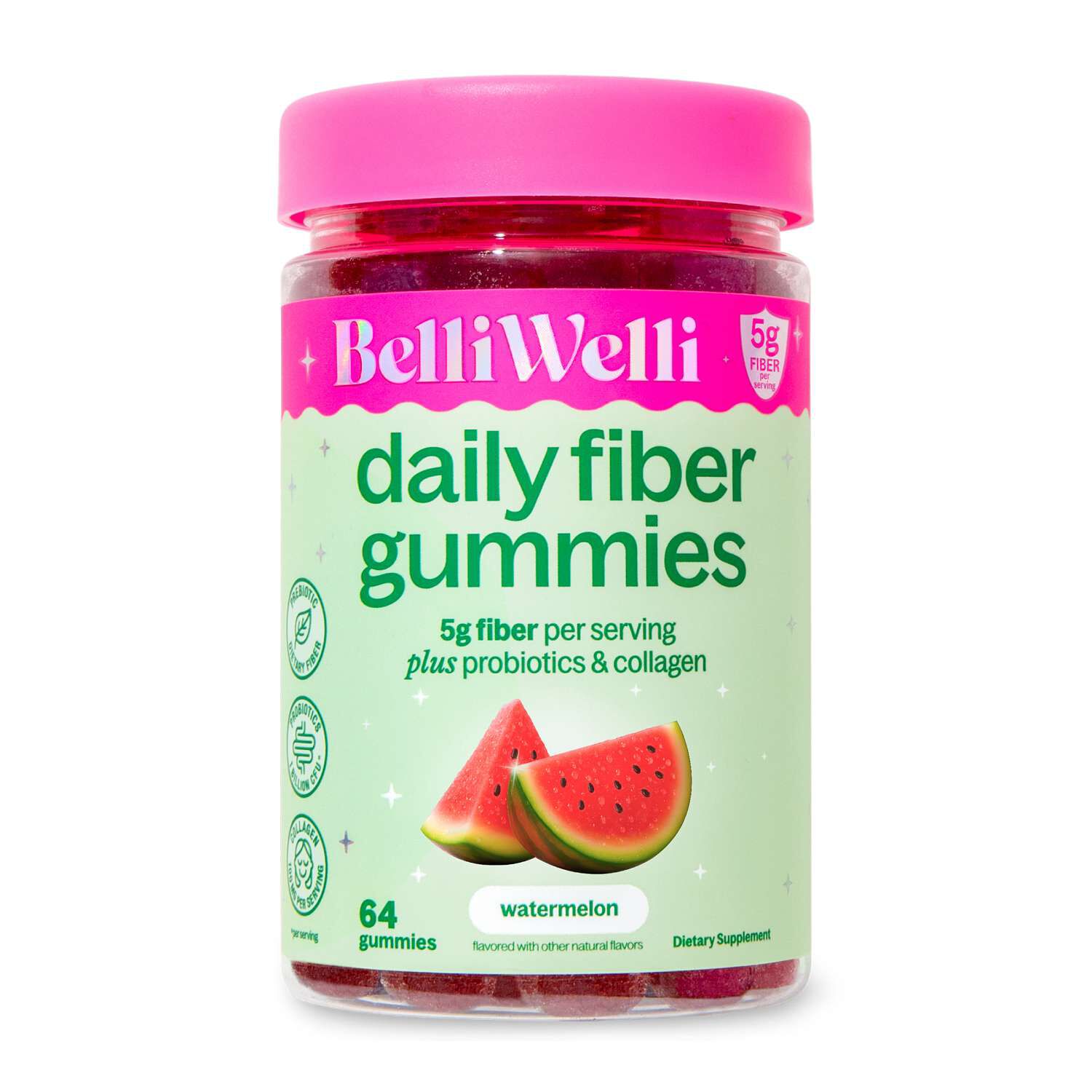
Prebiotic fiber gummies can offer a cheerful, approachable option for children who tend to pass over beans, lentils, vegetables, fruit skins, oats, and other foods that naturally contain fiber. For a selective eater, the familiar shape, soft texture, and fruit-forward flavor may make a daily routine feel more like a small treat than another negotiation at the table. These products are designed to provide prebiotic fiber, a type of fiber that may support the natural balance of microorganisms in the digestive tract. Since children’s preferences can be remarkably specific—one child may accept berry flavors but avoid citrus, while another may prefer a smooth gummy over anything crunchy—variety can be useful when choosing from a selection of prebiotic fiber gummies for picky eaters. Families shopping for a plant-based option may also wish to browse Children's Vegan Prebiotic Gummies. Product labels can show the amount of fiber per serving, the recommended age range, serving size, flavor, and the source of the fiber. Common sources may include inulin, chicory root fiber, fructooligosaccharides, often listed as FOS, soluble corn fiber, or other plant-based fibers. The flavor profile matters, too: berry, fruit, and tropical notes may fit more comfortably into a child’s routine than a strongly earthy flavor. For households moving between school days, activities, and family meals during the warmer and cooler parts of the year, a clearly labeled gummy kept with other daily items could make the routine easier to remember.
A thoughtful purchase starts with the label rather than the front-of-package flavor description. Compare the fiber amount per serving and note whether the serving is one gummy or several, since that detail can affect how easily the product fits into a morning or evening routine. Families may also look at the sweetener blend, added sugar, color sources, and flavor ingredients, particularly when a child has strong preferences about taste or texture. Some formulas use no added sugar, while others use a small amount of sugar or alternative sweeteners to create a softer, candy-like profile. Either style may suit a different household, and tooth-care routines remain a practical consideration whenever a gummy is part of the day. Ingredient lists can also help shoppers identify common allergens and dietary preferences, including milk, soy, wheat, gelatin, or animal-derived ingredients. A pectin-based gummy may appeal to families seeking a plant-based texture, while other formulas may use gelatin for a firmer chew. Texture can be just as important as flavor for selective eaters: a smooth, easy-to-chew gummy may be welcomed by one child, whereas a bouncy or dense texture might be left untouched beside the plate. Parents, grandparents, relatives, and caregivers choosing a gift may find these products useful for a back-to-school basket, a care package for a child staying with family, or a small seasonal wellness assortment. Packaging, storage directions, and age guidance are worth reviewing before gifting, especially when the recipient’s food preferences are not familiar.
Introducing any new food-based supplement gradually may help a family observe how the child responds to the flavor, texture, and fiber content. Following the serving directions on the label is important, and some caregivers may choose to begin with a smaller portion when the product directions allow it, then follow the package guidance as the routine becomes familiar. Water and regular meals can remain part of the broader daily pattern, while gummies may be offered at a consistent time that does not compete with school mornings or bedtime. A child might enjoy choosing between two approved flavors, placing the container in a designated pantry spot, or adding the gummy to a simple checklist; these small choices can make a new habit feel more personal without turning it into a debate. Keep the container stored according to its label and out of reach of young children, since gummies can look much like ordinary sweets. During busy stretches of the year, travel, sports schedules, classroom events, and family gatherings may disrupt familiar routines, so a compact container and clear serving directions can be convenient. Prebiotic fiber gummies are not a substitute for a varied eating pattern, but they may give selective eaters another way to include supplemental fiber alongside the foods they already accept. When comparing options, focus on fiber source, amount per serving, flavor, texture, sweetener choices, dietary fit, age guidance, and the child’s own preferences; the most practical choice is usually the one that fits comfortably into the family’s everyday rhythm.


 Chewable Tablets_Front.jpg?sw=305&sh=305&sm=fit "ChildCalm - 60 Chewable Tablets (30 Servings) | GNC")

