Vegan Children's Gummies
(0 Results)
Vegan children's gummies offer a convenient and tasty option for families seeking plant-based supplements. With a variety of flavors and fun shapes, these gummies may help make daily routines more enjoyable for kids following a vegan lifestyle. Explore options that could fit seamlessly into your child’s wellness journey while supporting your family’s dietary preferences. Discover vegan children’s gummies designed with little ones in mind.
-
-

-
-

-
-
-
-
-

-
 $14.99
-
 $13.99
-
 $18.99
-
 $14.99
-
 $15.99
-
 $11.99
-
 $22.99
-
 $12.99
-
 $15.99
-
 $15.99


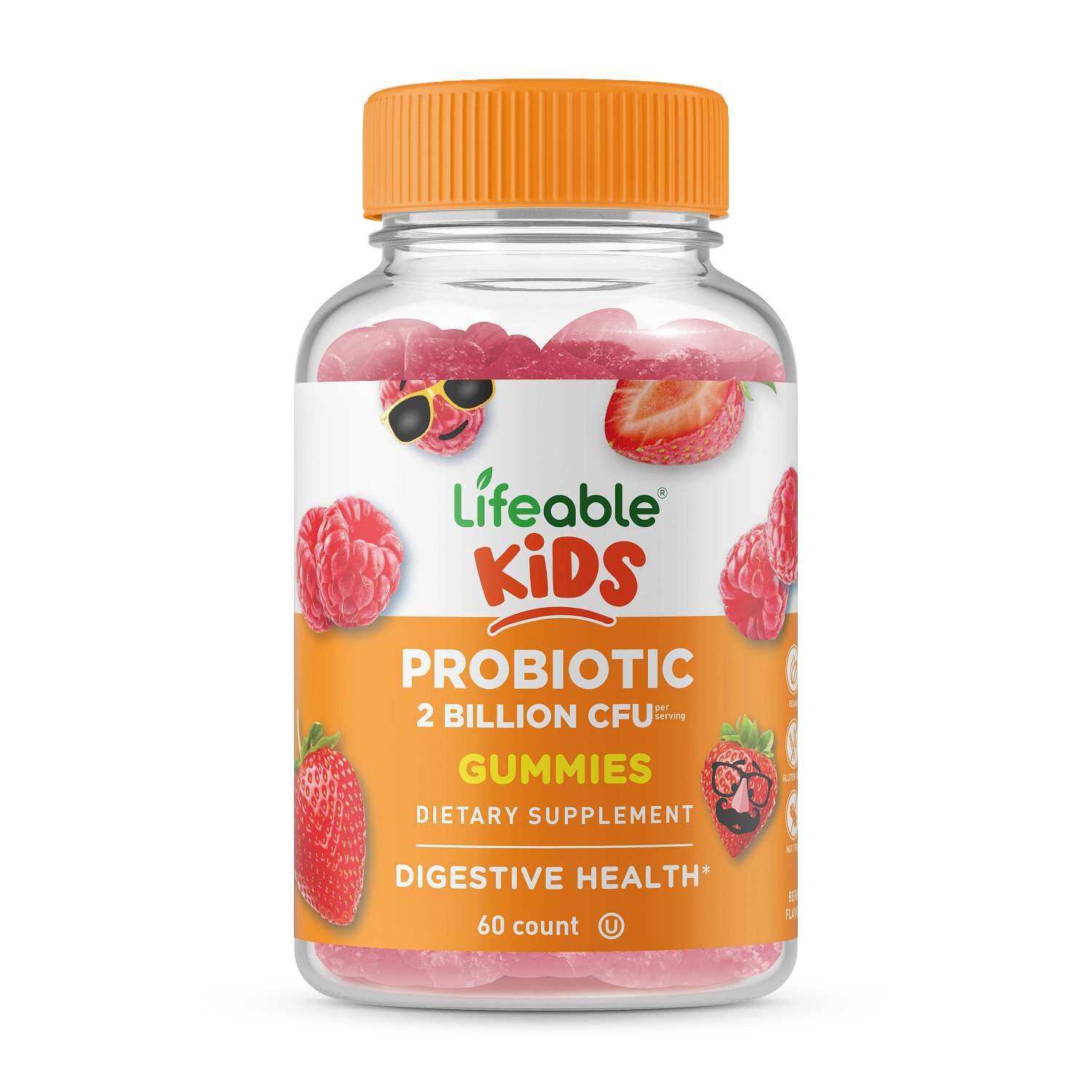
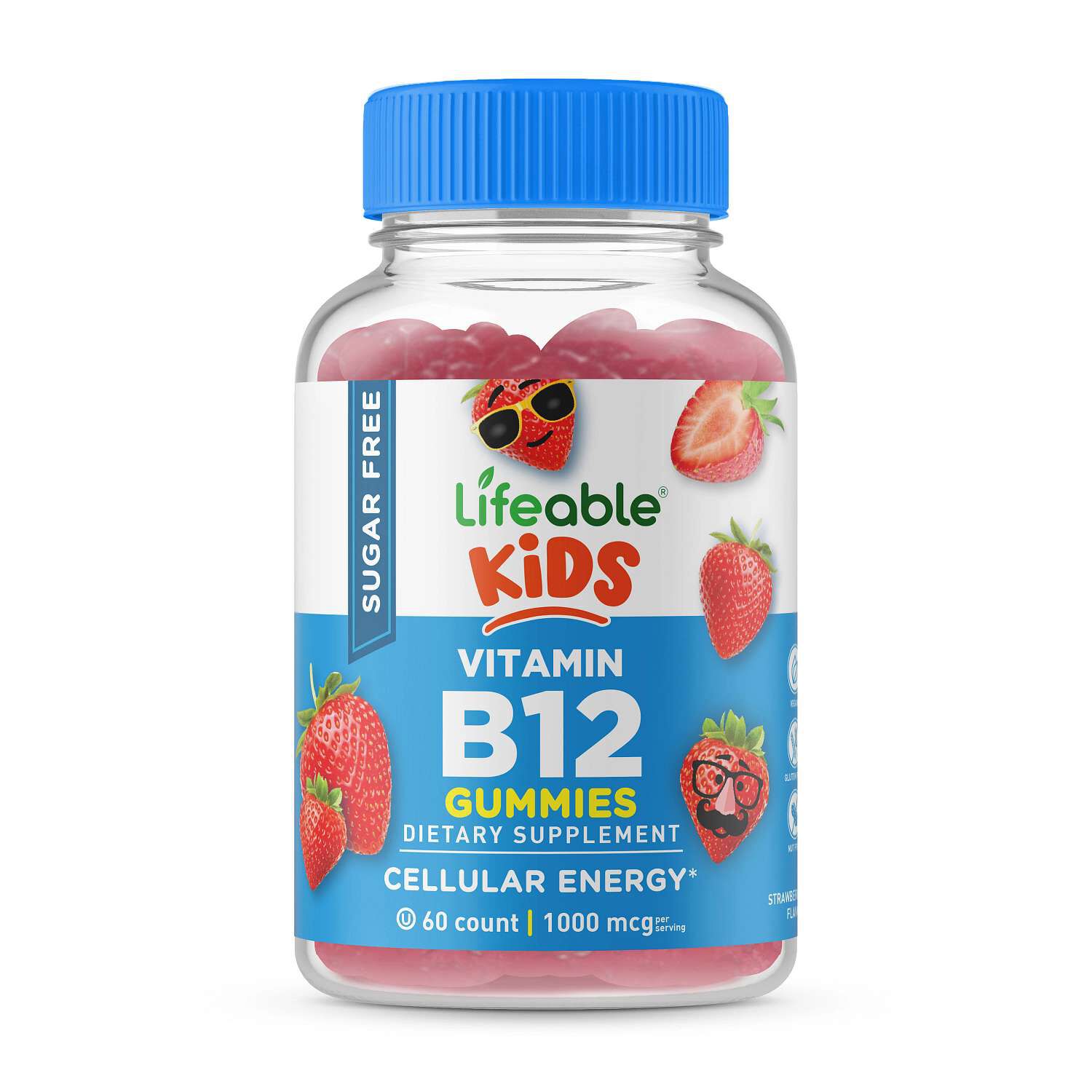
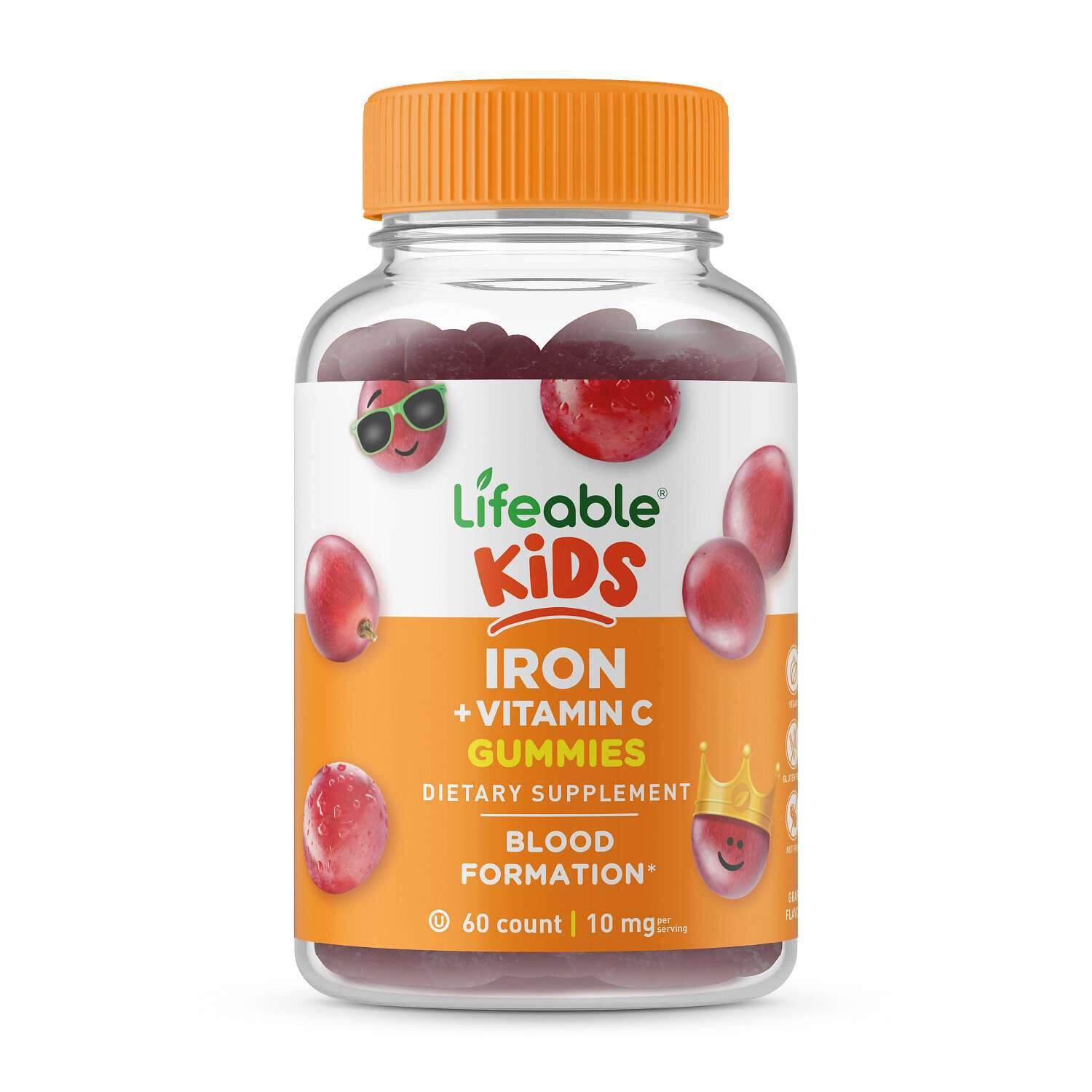
Vegan children's gummies are chewable vitamin and supplement formats made without animal-derived ingredients, often using pectin or another plant-based gelling ingredient instead of gelatin. Pectin comes from plant material, commonly citrus peels or apples, and gives many gummies their soft, springy texture. Depending on the formula, other ingredients may include fruit concentrates, starches, sweeteners, flavorings, and coatings that keep the pieces from sticking together. The vegan designation applies to the formula as a whole, not just its chewy base: gelatin, beeswax, and some colorings or nutrient sources can be animal-derived. A pectin-based gummy is therefore worth evaluating beyond the first ingredient callout on the front of the bottle. Ingredient lists and any clearly identified vegan certification provide more context about how a formula is made. Vitamin D is one example of why sourcing matters, since different forms can come from different origins; an identified vegan source offers more information than the nutrient name alone. For families whose food choices center on plant ingredients, these details can matter just as much as flavor or shape. Children's gummy supplements may contain a range of vitamins and minerals or focus on a smaller selection of ingredients, so the category includes more than one kind of formula. Some are multivitamin formats, while others feature a single nutrient or dietary fiber. Berry, citrus, and mixed-fruit flavors can make the format familiar, but a fruit flavor does not mean a gummy provides the same nutrients or variety as a serving of fruit. Likewise, a colorful shape says little about what is inside. The useful distinction is between the eating experience and the formula: texture, aroma, and sweetness describe the former, while the Supplement Facts panel and ingredient list describe the latter. Vegan children's gummies are dietary supplements, not candy or replacements for meals and snacks.
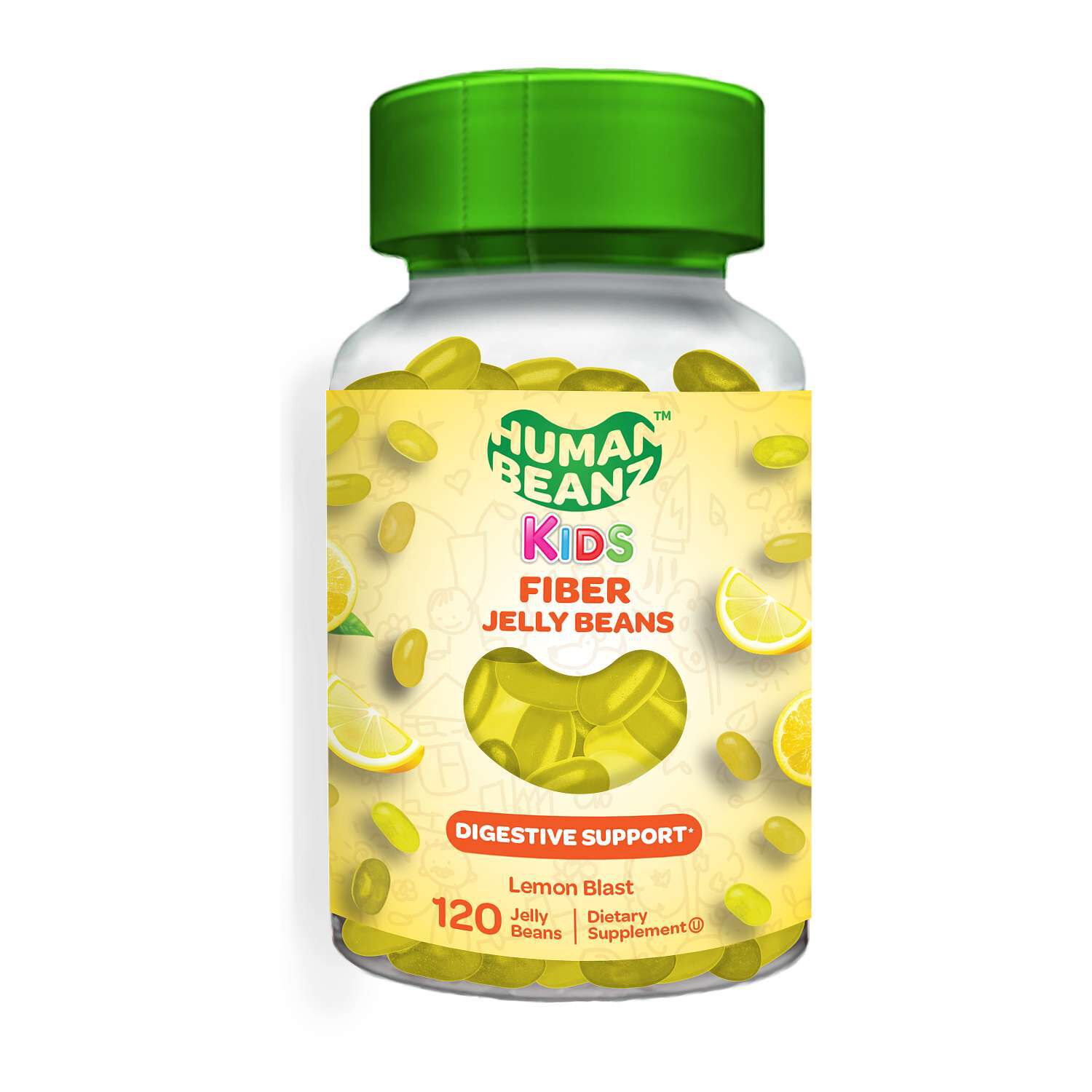
Comparing vegan gummies for kids starts with the age designation, because children's formulas are not interchangeable across every stage of childhood. A bottle intended for older children may have different serving directions and ingredient amounts from one labeled for a younger age group. The number of gummies in a serving matters, too. Two bottles with similar front-label descriptions can list different serving sizes, so comparing one gummy from each may give a misleading impression of the formulas. The amounts shown on the Supplement Facts panel should be read together with the stated serving size and age information. Percent Daily Value figures also belong in that context; they are label references, not a personalized assessment of a child's eating pattern. Families can compare the nutrients included, their listed amounts, and the other ingredients without assuming that a longer list is a better match. A formula with a few selected nutrients and a broader multivitamin have different compositions, even when their gummies look alike. Added sugars, sweetener types, and flavor ingredients are also useful points of comparison, particularly when a child has strong preferences about tartness or an aftertaste. Pectin gummies can vary from tender and jellylike to firmer and more elastic, and a sugar coating creates a different surface feel from a smooth finish. Those differences concern the gummy experience rather than the amount of a nutrient inside. For households managing ingredient exclusions, a vegan label and an allergen statement answer different questions. Vegan describes the absence of animal-derived ingredients; allergen information addresses the ingredients and manufacturing disclosures listed on the package. Neither should stand in for the other. Families comparing plant-based formats can also explore Children's Vegan Summer Fiber Gummies as a related category focused on dietary fiber. As with multivitamin gummies, the name of a fiber gummy is only a starting point: the ingredient list, serving information, and intended age range give a more useful picture.
Practical fit also includes how vegan children's gummies are stored and managed at home. The package's storage directions are the best reference for the formula, since moisture, light, and storage conditions may affect gummy texture. Keeping the original container preserves access to the label, serving directions, ingredient details, and date information. A bathroom shelf or a spot beside a steaming dishwasher may expose gummies to moisture that could make them sticky or cause pieces to cling together. A dry cupboard away from direct sunlight is a more practical setting when it matches the package directions. Transferring supplements into an unmarked snack bag or a candy jar removes important context and can make it harder for another caregiver to identify what is being offered. Keeping them in their labeled container, out of children's reach, preserves the distinction between a supplement and an everyday treat. Adult oversight and attention to package directions matter even when the flavor, shape, and chew resemble familiar fruit candies. In households where grandparents, babysitters, or other caregivers share routines, the original label provides a consistent reference for the intended age group and serving information. A note about a child's flavor preferences can be useful for shopping, but it should not replace the product's directions. Package size also affects everyday convenience: a larger bottle takes more room in a cupboard, while a smaller container may be easier to organize alongside other labeled household supplements. Whatever the container size, the printed date and handling instructions remain relevant. Changes in texture do not provide a dependable way to assess nutrient content, and a pleasant taste does not establish suitability for every child. Thoughtful selection brings these details together: a clearly described vegan formula, an age-appropriate format, readable labeling, and a flavor and texture that suit the intended user. Those practical considerations give families a grounded way to compare vegan children's gummies without treating every colorful chew as the same kind of supplement.


 Chewable Tablets_Front.jpg?sw=305&sh=305&sm=fit "ChildCalm - 60 Chewable Tablets (30 Servings) | GNC")