





Vegan Diet Gummies
(0 Results)
Vegan diet gummies offer a convenient and enjoyable way to support your plant-based lifestyle. With a variety of flavors and options, these gummies are crafted to align with vegan values while fitting seamlessly into daily routines. Whether you're looking to add more variety to your supplement regimen or simply seeking a tasty alternative, vegan diet gummies could be the perfect addition to your wellness journey.
-
-
 $17.99
-
 $22.99
-
-
 229$24.99
-

-
-
-

-

-

-
-

-
-
-
-

-

-

-

-


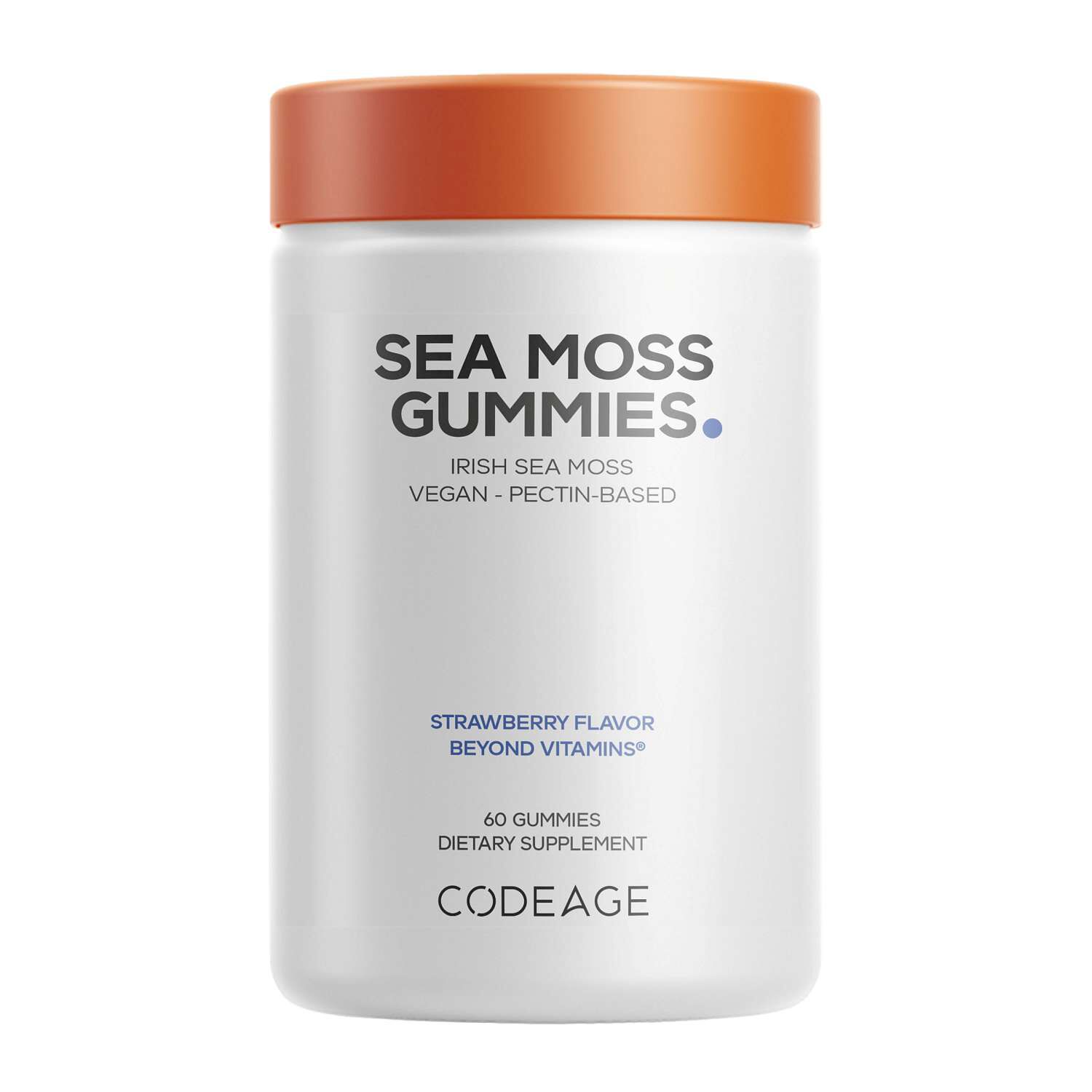
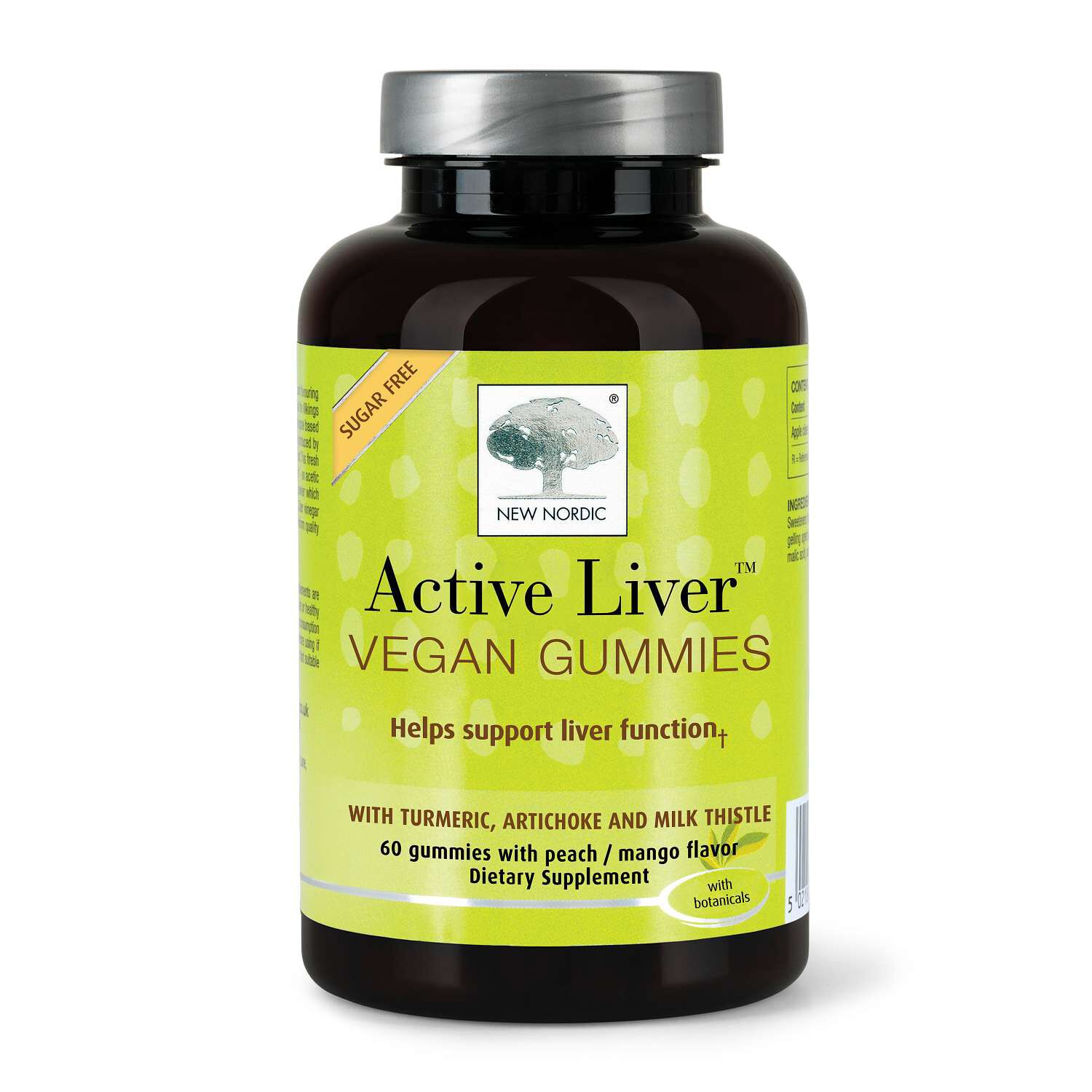
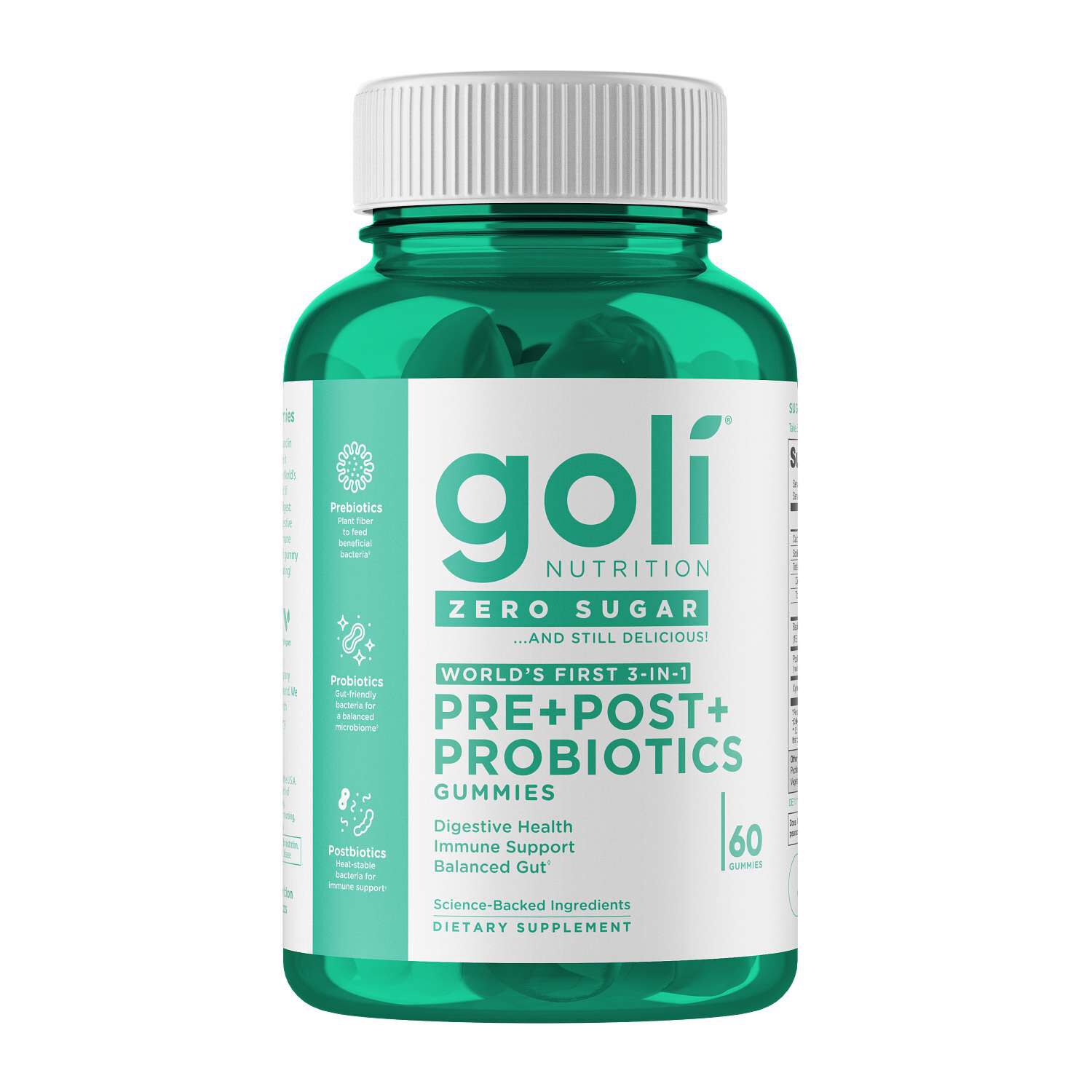
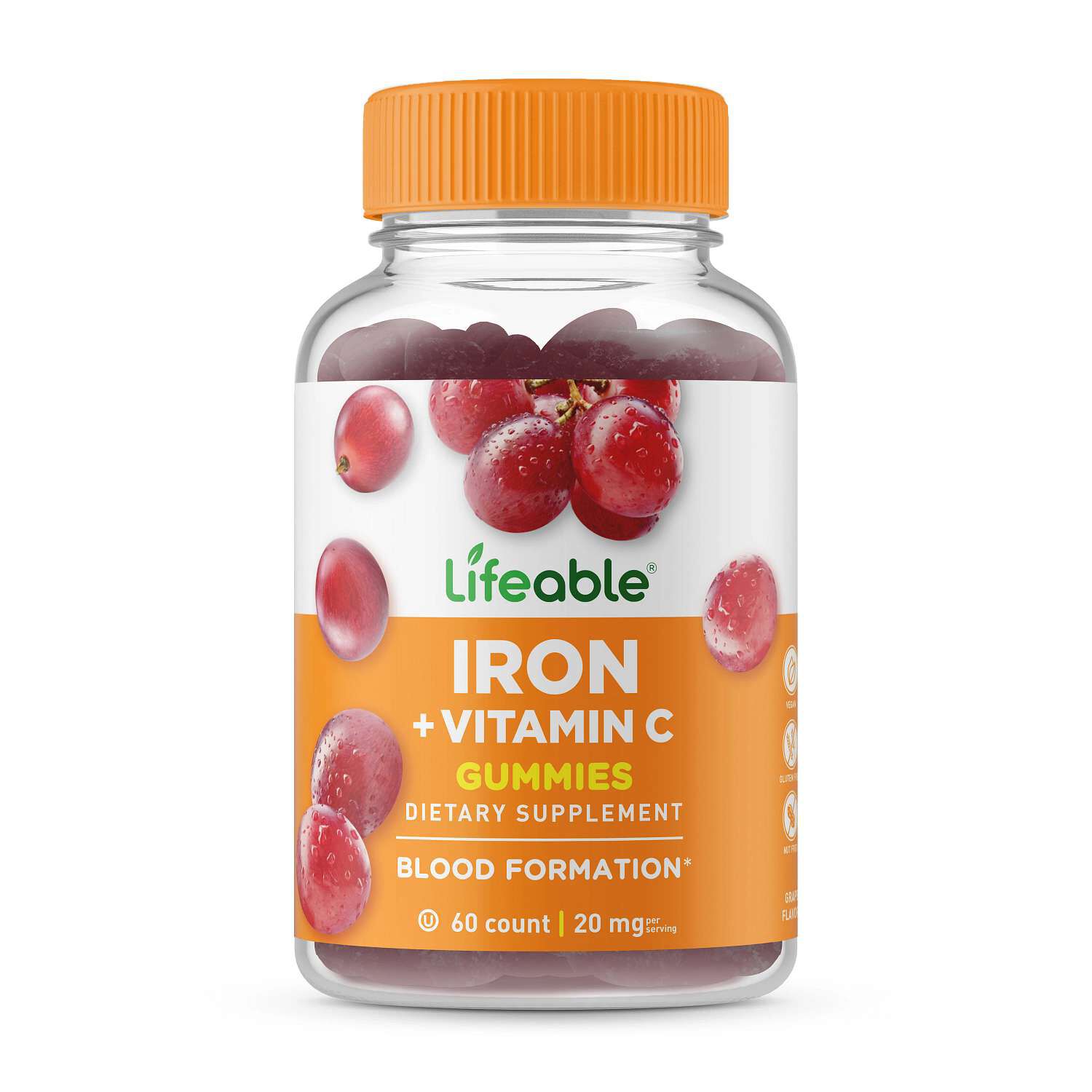
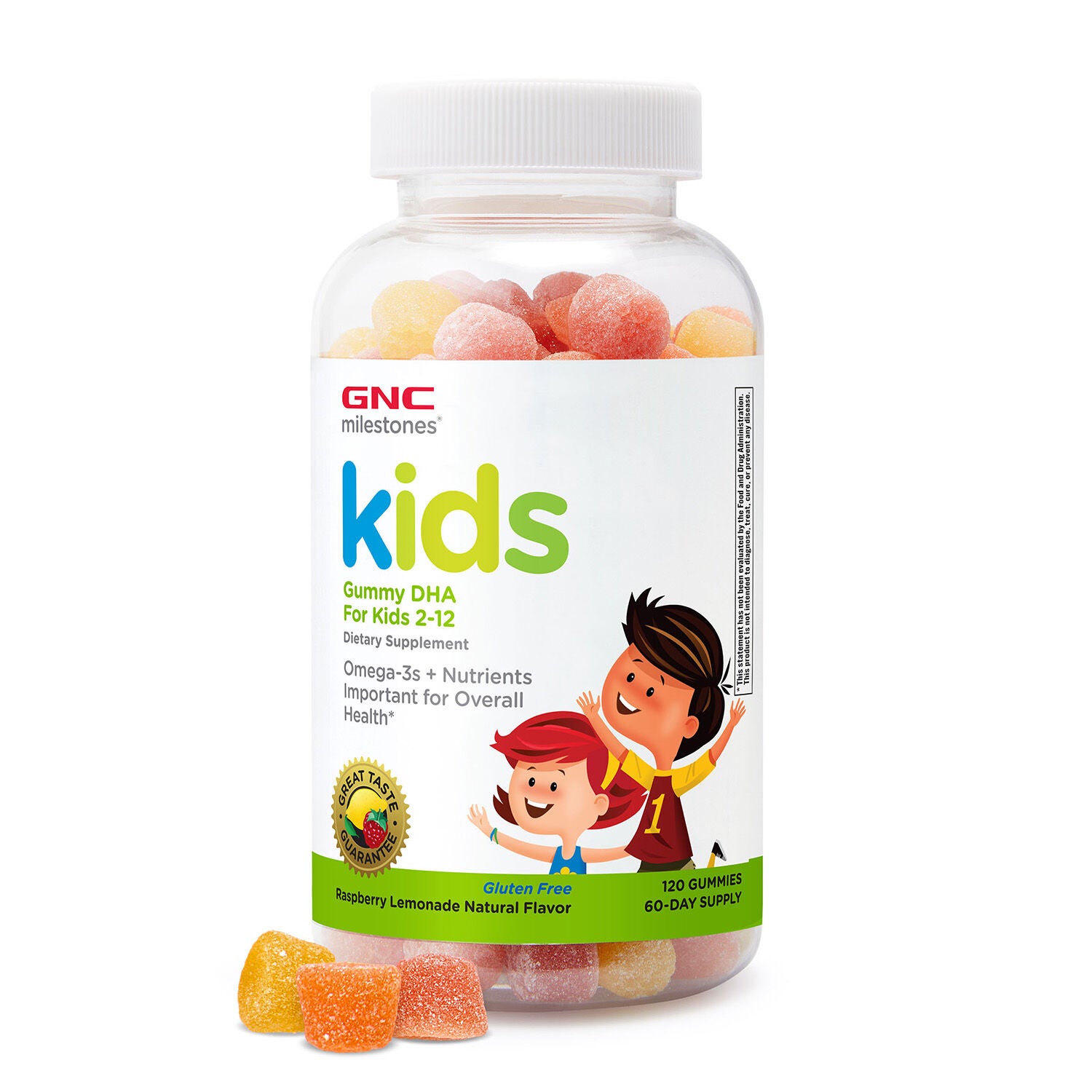
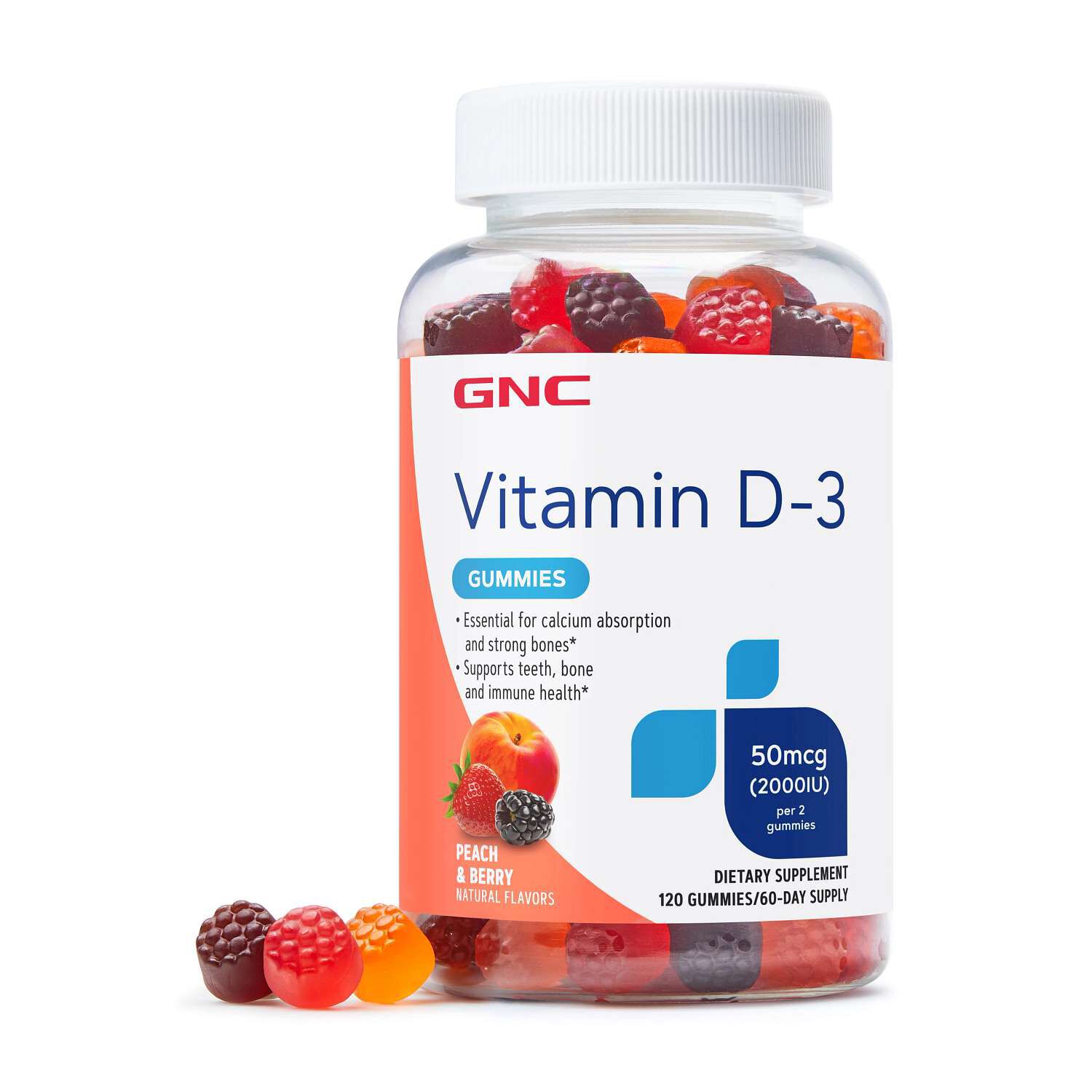
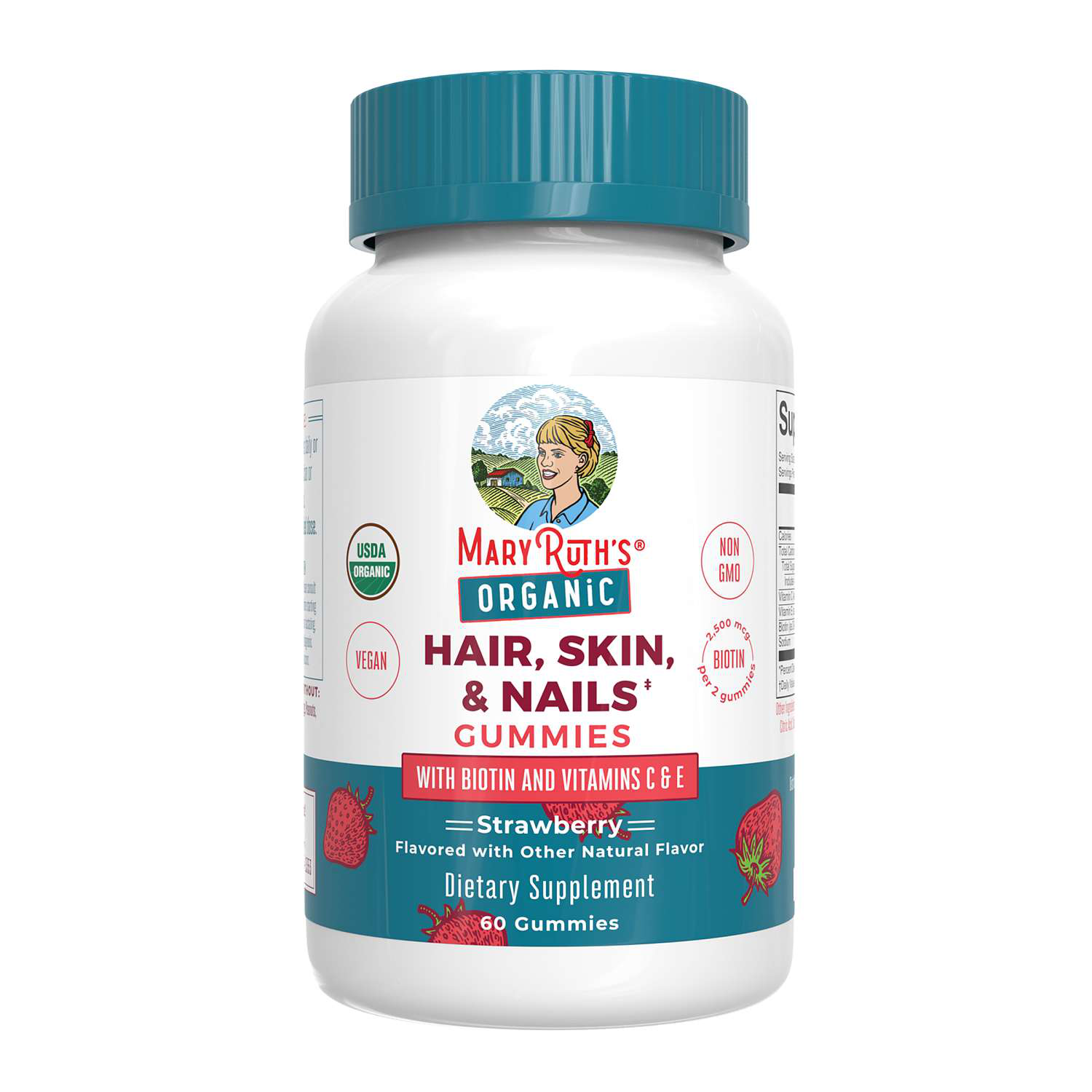
Vegan diet gummies are chewable dietary supplements made without animal-derived ingredients and designed to fit plant-based eating preferences. The category can include multivitamin gummies, individual vitamin formulas, fiber gummies, and apple cider vinegar gummies, so the first distinction is what each formula contains—not simply whether it comes in a fruit-flavored chew. For someone following a vegan eating pattern, a gummy may offer a convenient format for selected nutrients alongside everyday meals. Vitamin B12 and vitamin D are common considerations when comparing formulas, but they are not interchangeable, and neither is included in every vegan gummy. Ingredient sourcing matters as much as the nutrient name: vitamin D2 and vitamin D3 can come from different sources, and vegan D3 formulas often identify lichen as their source. The gummy base deserves attention, too. Conventional gummies often use gelatin, an animal-derived ingredient, while vegan versions commonly use fruit-derived pectin or agar made from seaweed. These ingredients help create the soft, chewy structure that distinguishes gummies from capsules or tablets. Pectin-based formulas often have a tender, fruit-chew texture, while the finished consistency also depends on the recipe, coating, and moisture content. A plant-based gelling agent is only one part of the formula, however. Honey, beeswax, certain color ingredients, and other animal-derived components can appear elsewhere in a supplement, which is why the full ingredient list is more informative than the texture or fruit imagery on the package. “Vegetarian” and “vegan” are also different descriptions; a vegetarian formula can contain ingredients that do not match a vegan preference. A clearly stated vegan designation or a recognizable vegan certification provides useful sourcing information. Fruit flavor, meanwhile, describes taste rather than nutritional content. A strawberry-flavored gummy is not a serving of strawberries, and a colorful assortment does not necessarily contain a broader selection of nutrients. Looking at the formula’s intended use, ingredient sources, and labeled serving size creates a clearer comparison between otherwise similar bottles.
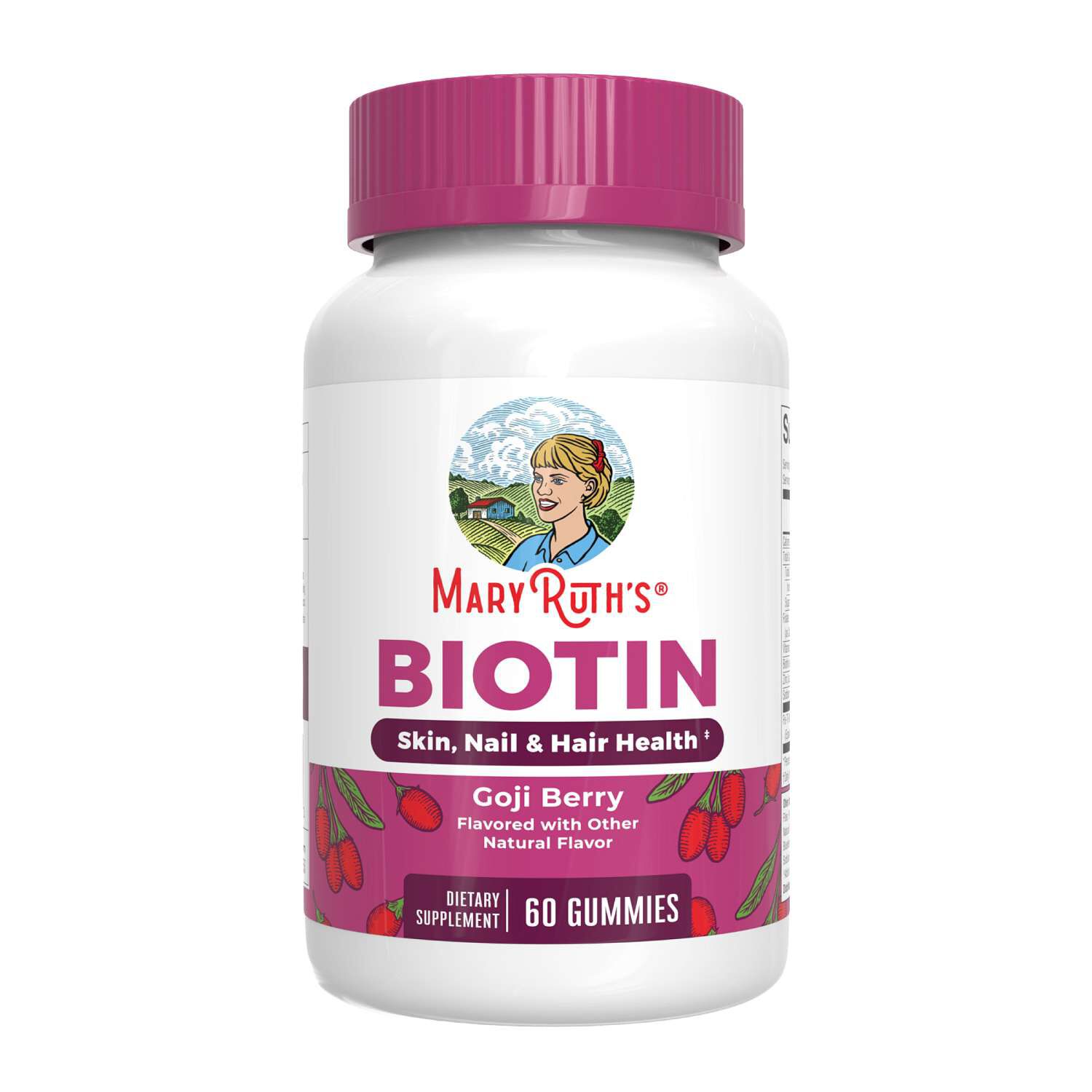
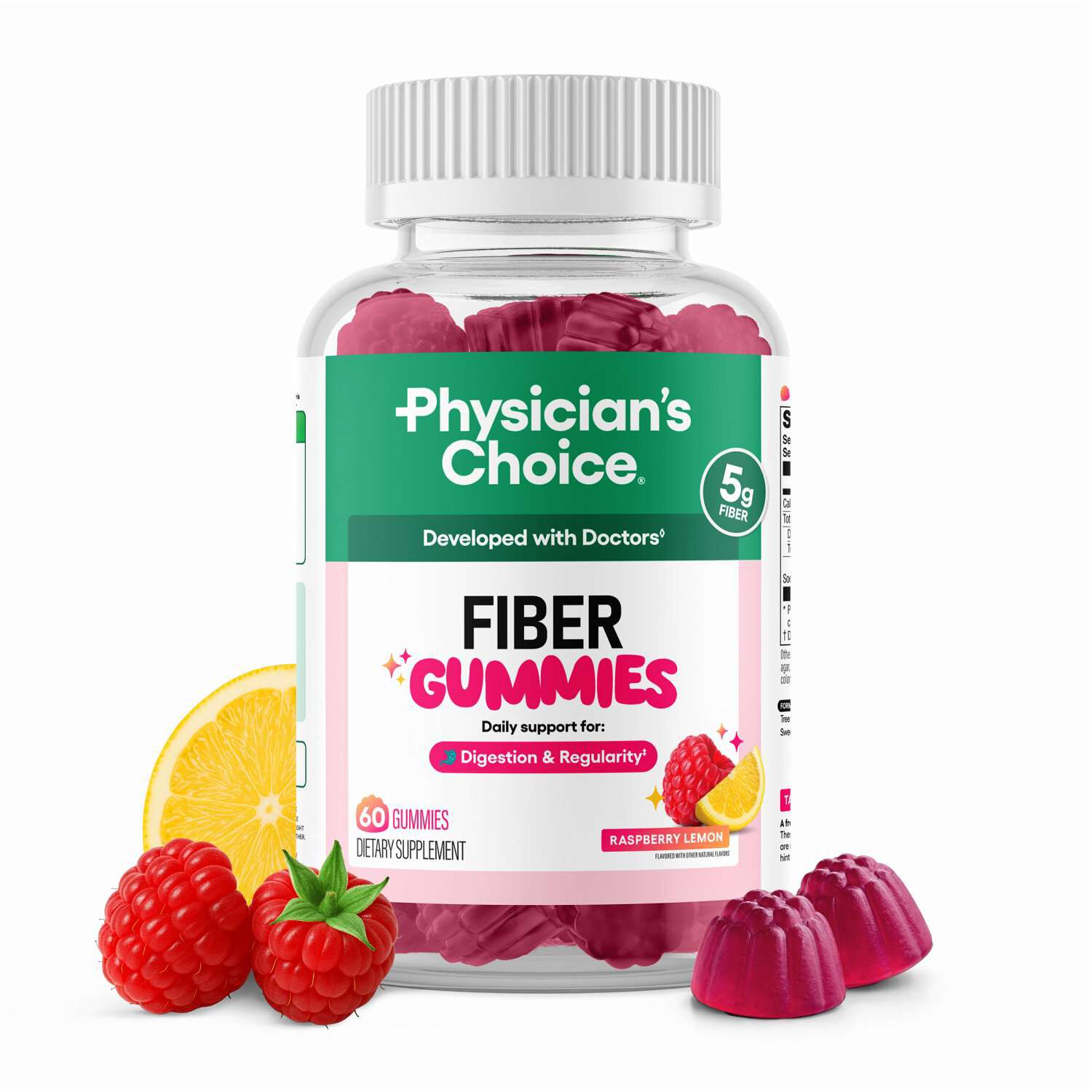
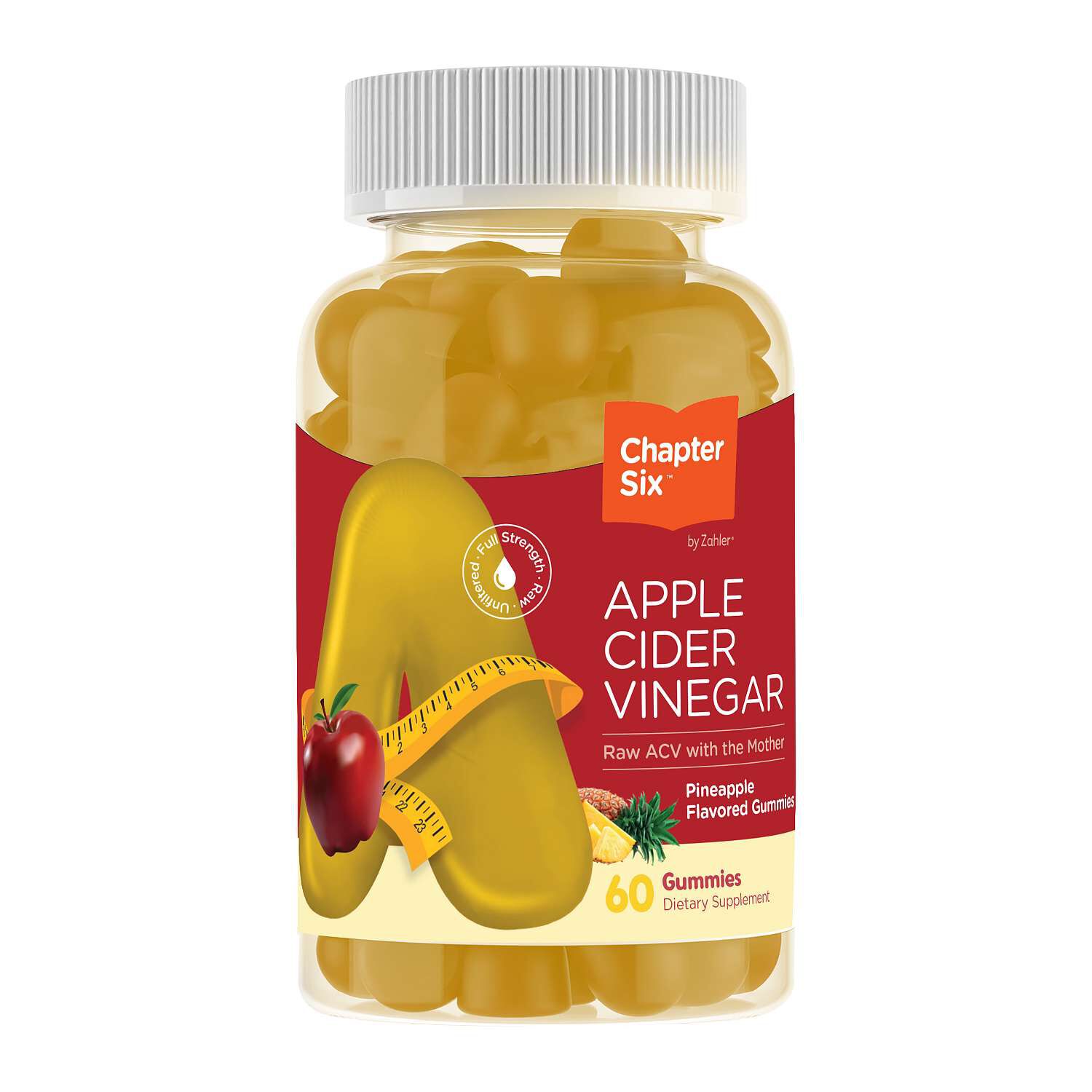
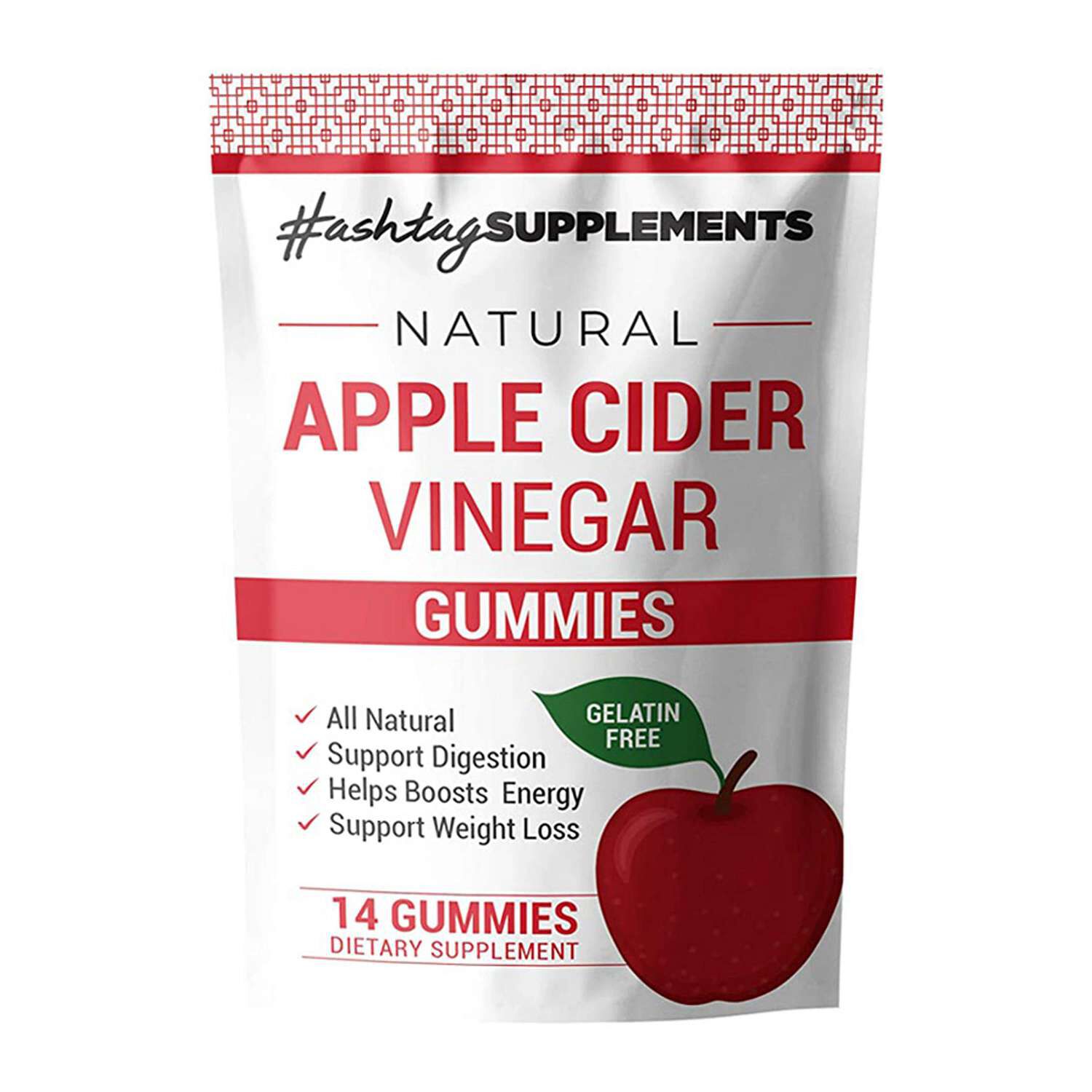
The main types of vegan diet gummies serve different shopping purposes. Multivitamin gummies combine several vitamins and sometimes minerals, while single-nutrient gummies focus on a narrower selection, such as vitamin B12 or vitamin D. The Supplement Facts panel shows which nutrients are included and how much is present in a serving. This is particularly useful when comparing a formula that lists a serving of two gummies with one that lists three: the amount shown generally refers to the labeled serving, not automatically to one piece. Mineral content can also differ considerably between gummy formulas, so a broad product description should not replace a closer look at the panel. Fiber gummies are another distinct category. Some contain chicory root fiber, inulin, or other plant-derived fiber ingredients, but the presence of pectin as a gelling agent does not by itself establish a meaningful amount of dietary fiber. The labeled fiber amount is the more useful comparison. Apple cider vinegar gummies contain a vinegar ingredient in a chewable format, often paired with fruit flavors and sweeteners. They are different from vitamin or fiber formulas unless those ingredients are also specifically listed. Their gummy format may appeal to shoppers who prefer a flavored chew to liquid vinegar, but that preference does not establish any particular nutritional outcome. Across these categories, sweeteners influence flavor, texture, and the amount of sugar in a serving. Cane sugar and tapioca syrup are common ingredients; other recipes use alternatives such as stevia, monk fruit, or sugar alcohols. The ingredient list identifies the sweeteners, while the nutrition information provides the stated sugar content. A vegan designation describes ingredient sourcing, not a uniform sugar profile, calorie amount, or nutrient composition. For a concrete comparison, consider two bottles with similar berry flavors: one might contain a multivitamin blend and cane sugar, while another contains a single vitamin and a different sweetener blend. Their similar appearance says little about how they fit a shopping preference. Flavor descriptions, dietary designations, allergen statements, and the Supplement Facts panel each answer a different part of that comparison.
Choosing a gummy format also involves everyday considerations beyond the nutrient list. Someone who dislikes swallowing tablets may prefer a chewable supplement, while another shopper may find the sweetness or sticky texture less appealing. Citrus, berry, and mixed-fruit flavors provide different taste profiles, and coatings range from smooth finishes to lightly sugared surfaces. The number of gummies in a labeled serving matters for the daily routine as well as for comparison: a bottle containing sixty pieces represents a different number of servings when the directions call for one piece rather than two. Match the formula to its stated audience and follow the package directions rather than treating every gummy supplement as interchangeable. Families browsing options for younger shoppers can explore Vegan Children's Gummies, where the intended age range and labeled serving remain important distinctions. Adult formulas are not substitutes for age-specific options simply because the flavor or shape looks similar. Gummies should also be treated as supplements rather than candy and stored out of children’s reach. For day-to-day care, keep the bottle closed and follow its storage instructions. A dry cabinet away from direct sunlight is generally a more suitable location than a bathroom shelf exposed to shower moisture or a kitchen spot beside cooking steam. Keeping gummies in their original packaging preserves access to directions, ingredient information, and the expiration date, and helps prevent confusion with other chewable products. Before adding a bottle to a travel bag, check that the lid closes securely and that the packaging is suitable for carrying. Supplements can be a personal gift, so a recipient’s dietary preferences, preferred format, and intended age range deserve more consideration than an appealing flavor alone. Whether the goal is a narrowly focused vitamin formula or another plant-based chewable option, the strongest comparison starts with what is actually inside the bottle. Vegan sourcing, clear labeling, a suitable serving format, and practical storage all contribute to choosing gummies that may fit comfortably into an established eating routine.
Best Sellers
-
 Physician's Choice

Related Pages
Top Collections
- Joint Mobility Supplement Packs
- Daily Collagen Supplements | Top Brands & Deals | GNC
- GLP 1 Support For Adults
- Zinc Supplements | Top Brands at Great Prices | GNC
- Supplements For Yoga Joint Flexibility
- Supplements For Balance
- Capsule Supplements For Energy And Stamina
- Adult Mobility Supplements
- Chronic Fatigue Supplements
- Vitamins For Hair Loss