





Biotin Deficiency Supplements
(0 Results)
Biotin deficiency supplements could be an excellent addition to your daily routine if you're looking to support your overall wellness. Known as vitamin B7, biotin plays a crucial role in maintaining healthy hair, skin, and nails. These supplements might help bridge the gap in your diet and provide the nutrients needed for optimal health. Explore a variety of options that may cater to your specific needs and lifestyle, helping you feel your best every day.
-

-
-
 Amazing Nutrition$13.99
-
 Portions Master$29.99
-
 Amazing Nutrition$13.99
-
 $15.99
-
 $17.99
-

-

-

-
-
-
 $15.99
-
 $14.99
-
-
 $15.99
-
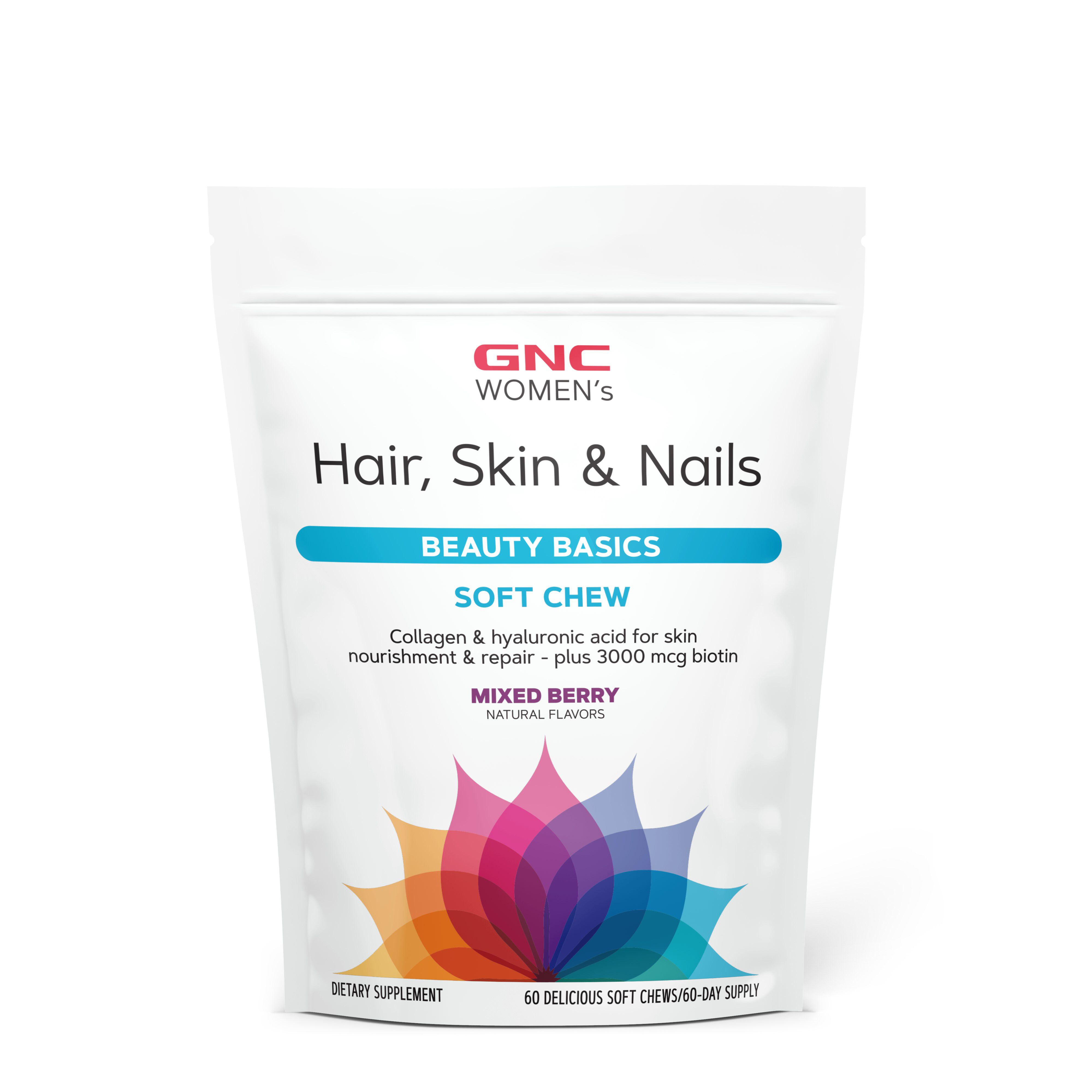


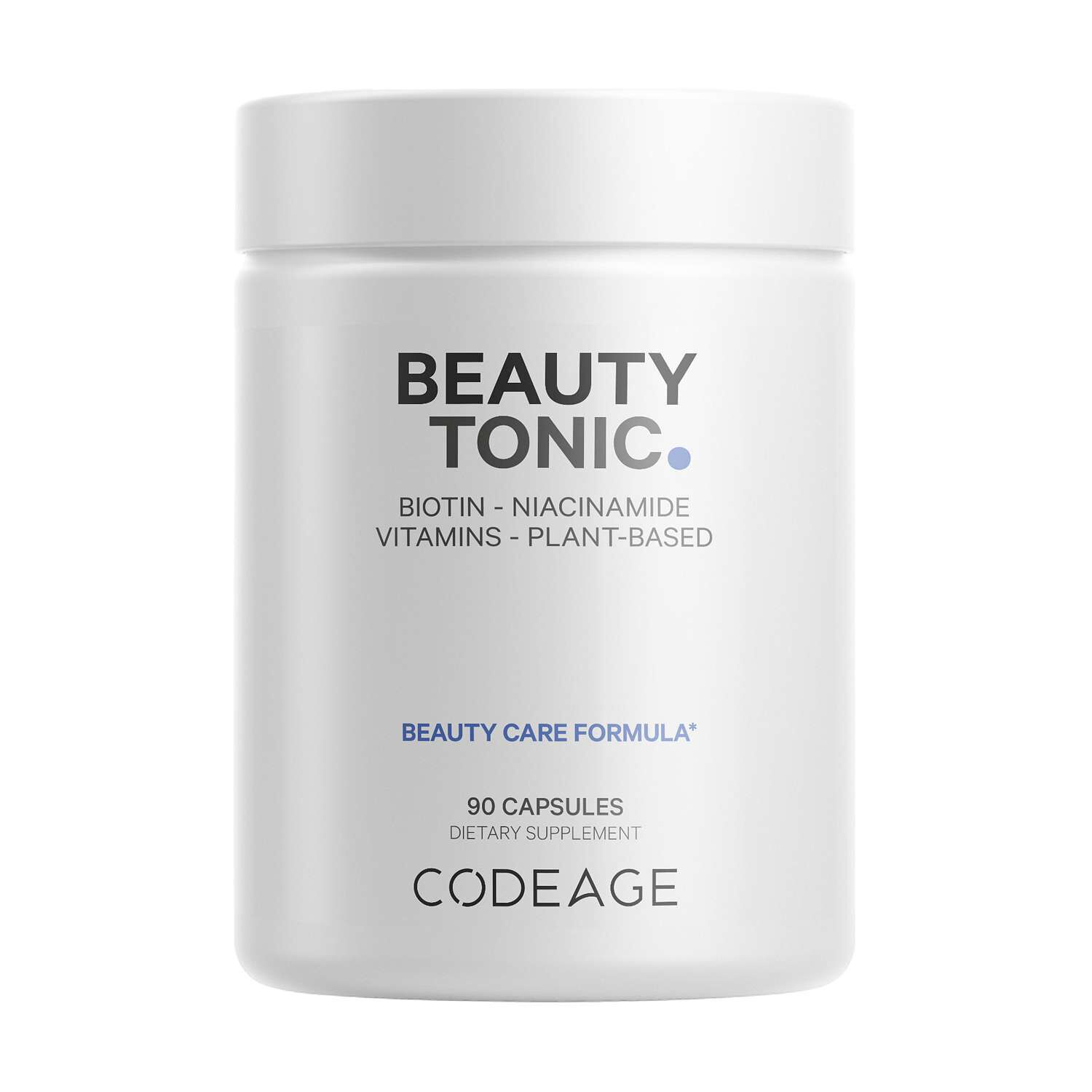
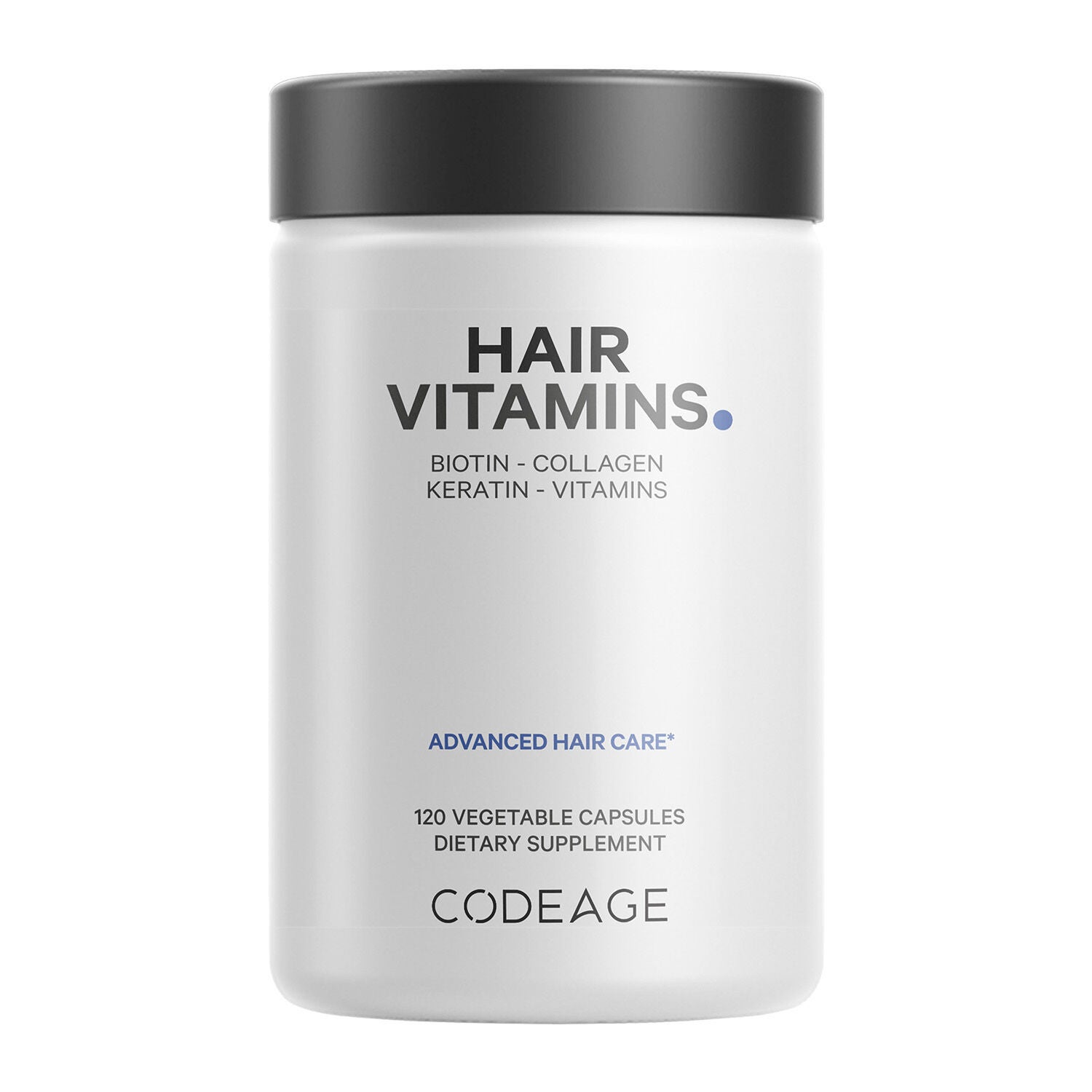
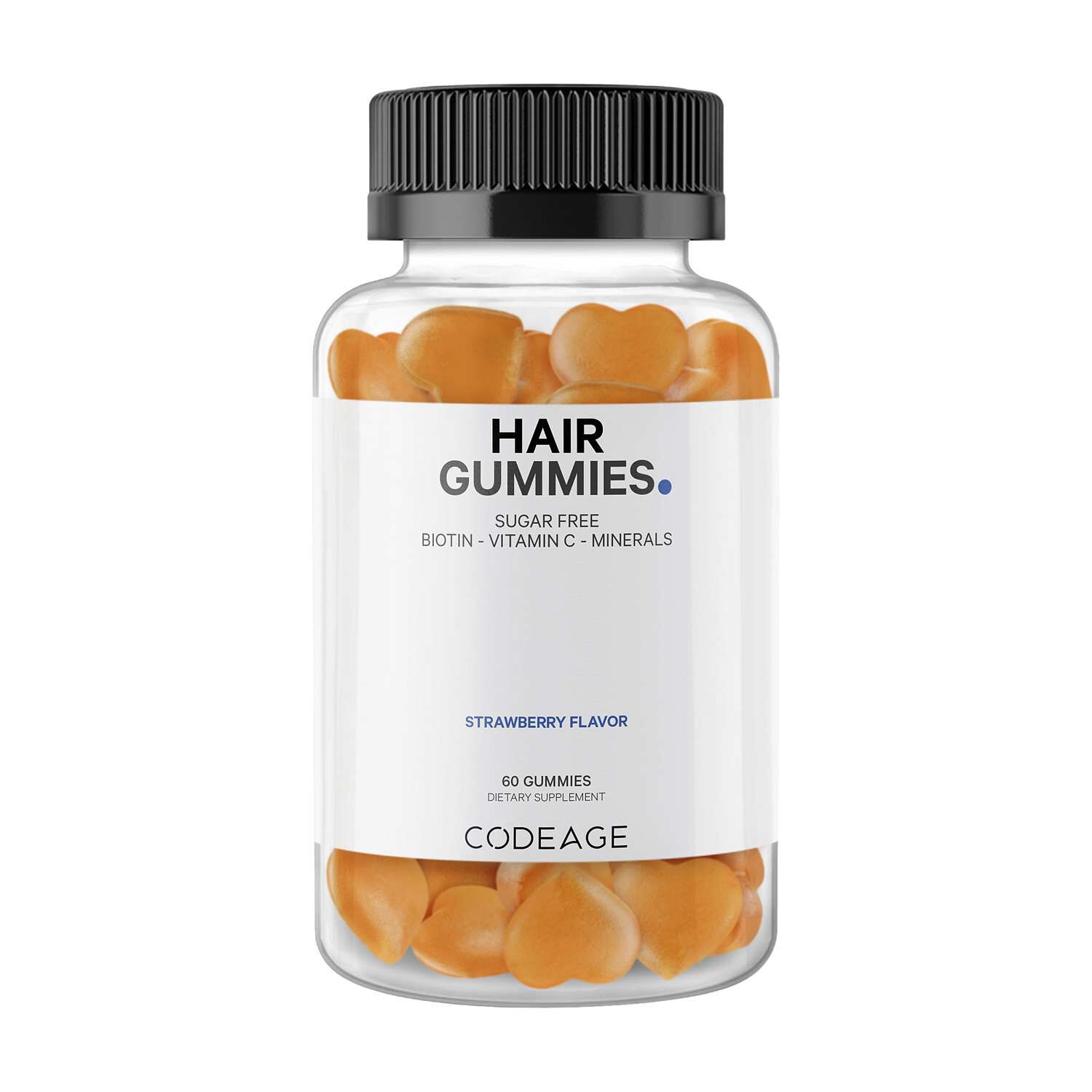
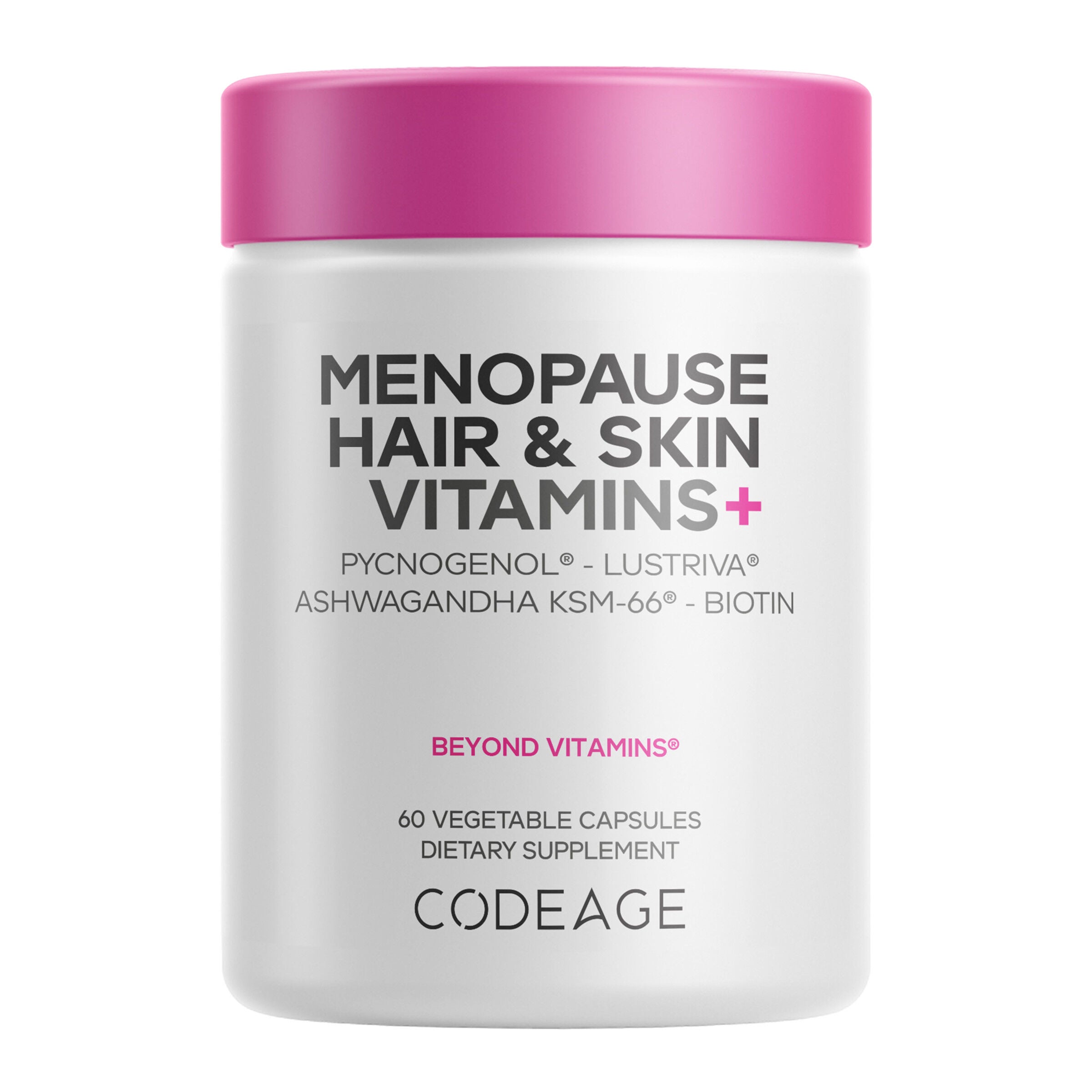
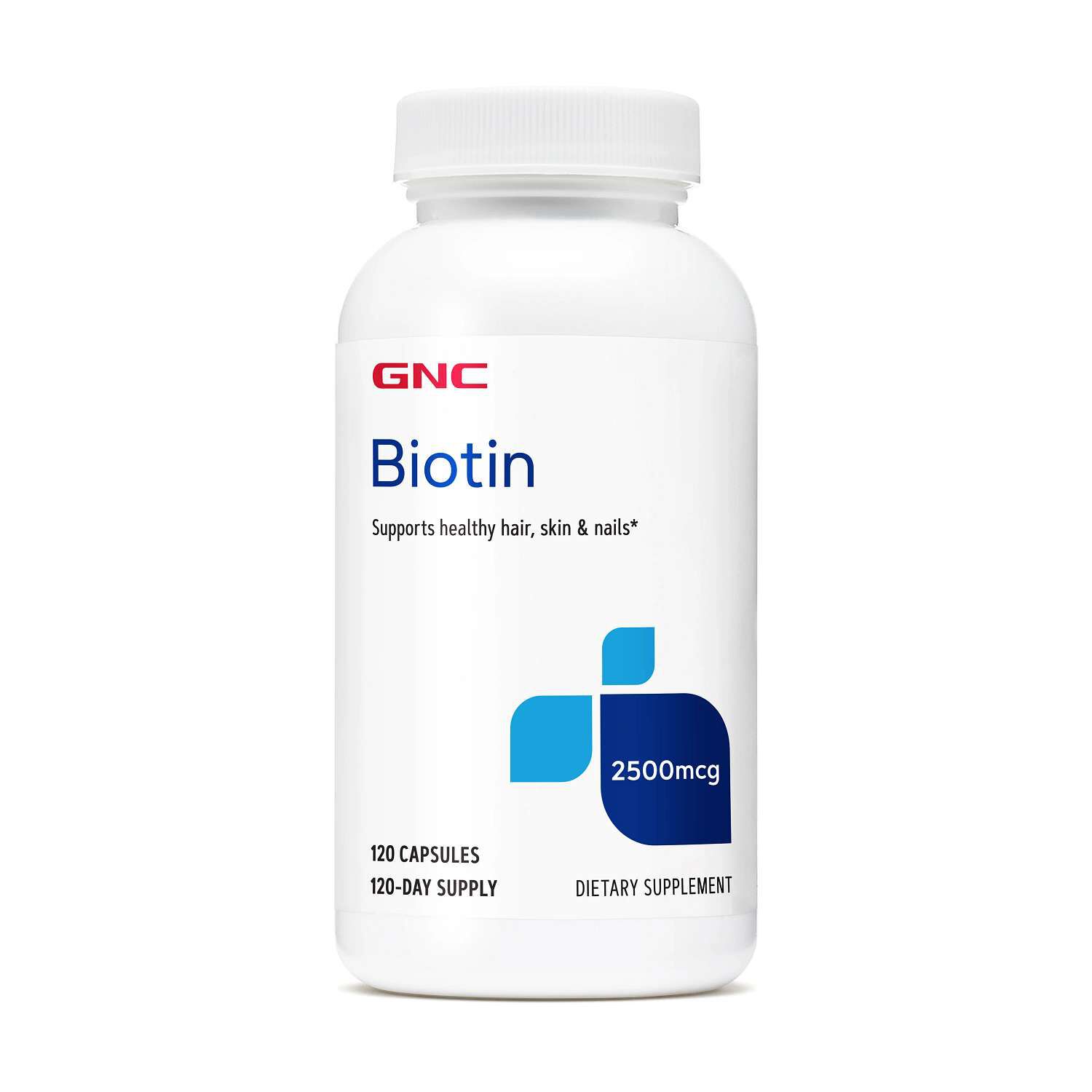
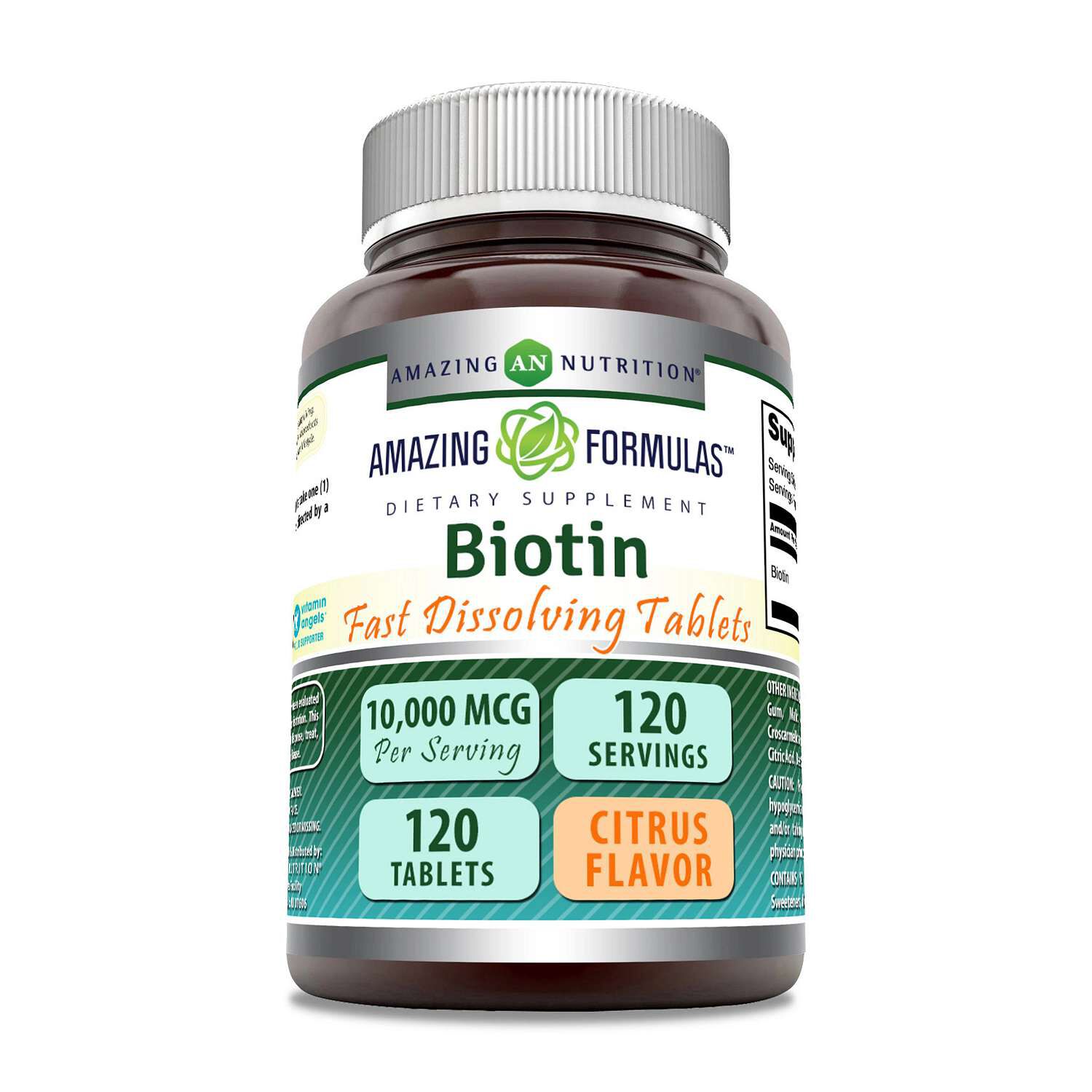
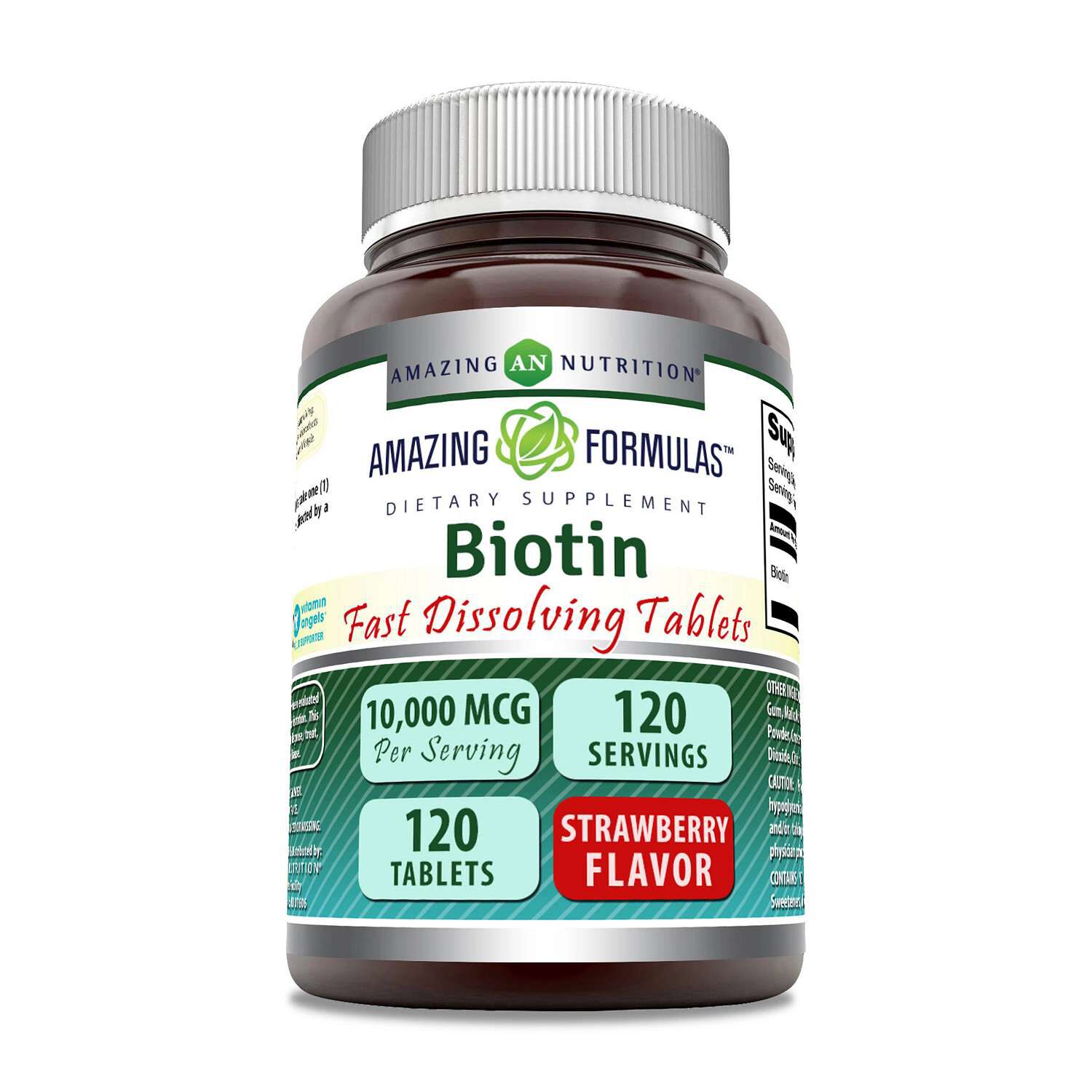
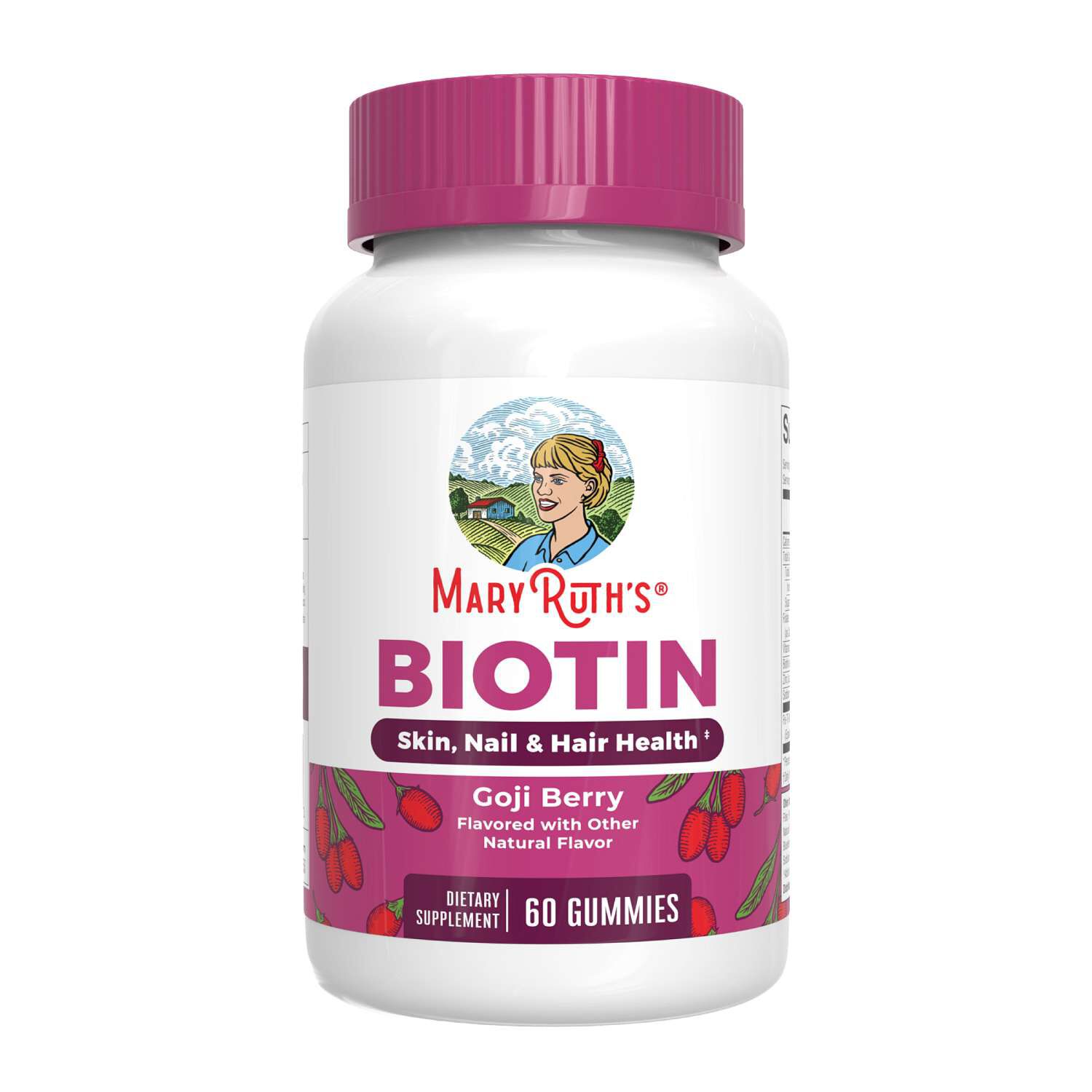
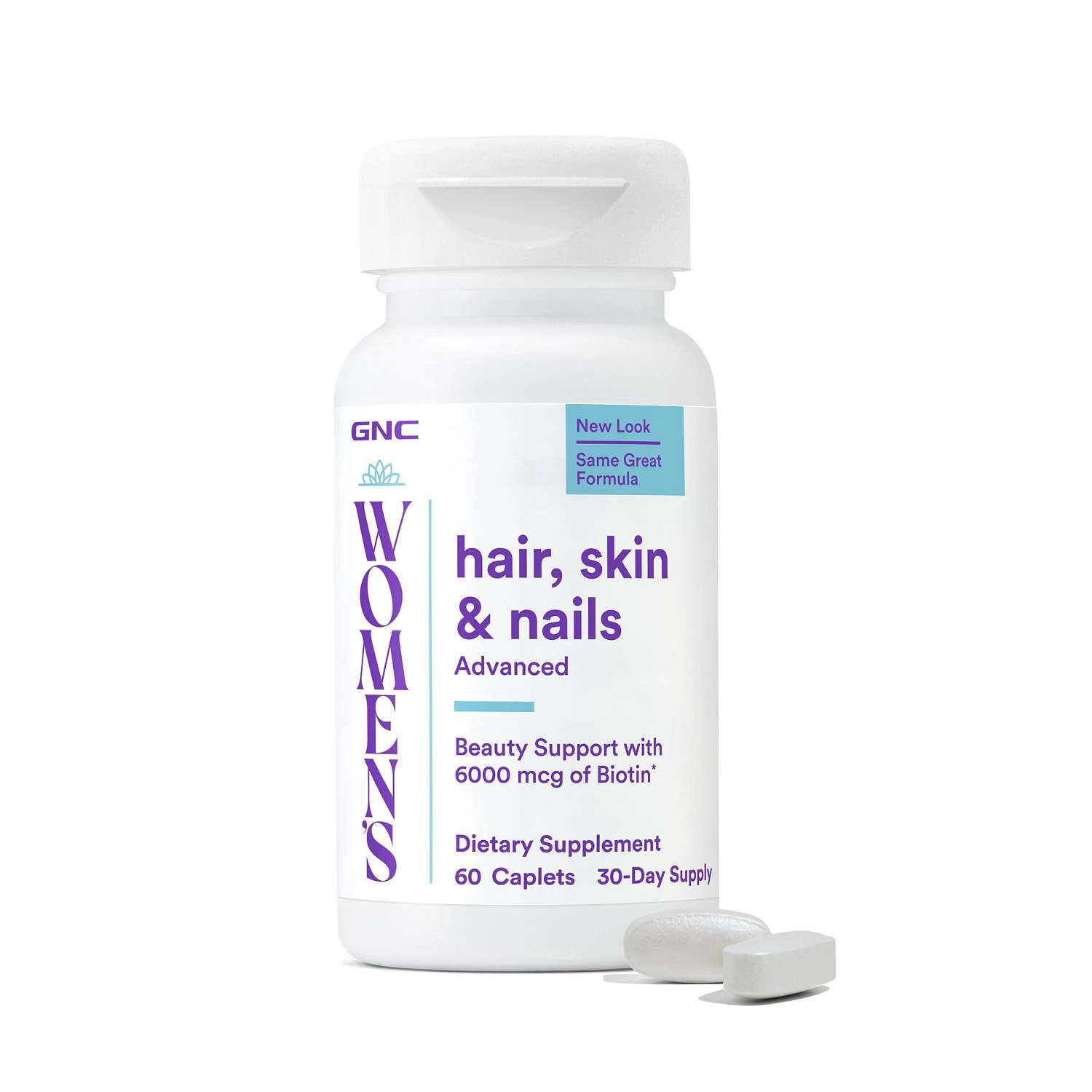
Biotin deficiency supplements center on vitamin B7, a water-soluble vitamin found in foods such as cooked eggs, meat, fish, nuts, seeds, and certain vegetables. The category name describes the nutrient being explored; it does not establish that someone has a deficiency or explain changes in hair, skin, or nails. For shoppers comparing products, the most useful distinctions begin with the Supplement Facts panel rather than imagery on the package. A stand-alone formula keeps the focus on biotin, while a combination formula introduces additional ingredients and their respective serving amounts. Products presented for hair, skin, and nail routines may contain biotin alongside nutrients such as zinc or vitamin C, so similar package descriptions do not necessarily mean similar compositions. Serving size deserves a close look as well. The amount printed prominently on a bottle may refer to a serving made up of more than one capsule, tablet, or gummy. Biotin quantities are commonly expressed in micrograms, abbreviated mcg, although some packaging also uses milligrams, abbreviated mg. One milligram equals 1,000 micrograms, meaning 5 mg and 5,000 mcg describe the same quantity. That conversion makes comparisons more straightforward when two packages use different units. A larger number describes a larger amount, not an automatically better match for every shopper. Someone comparing a multivitamin with a separate biotin formula may also notice that both contain vitamin B7. Looking at each label side by side makes that overlap visible without relying on the product name alone. The same approach separates the amount of biotin from the number of servings in the container, two details that are easy to confuse during a quick browse. Clear labeling, readable ingredient information, and an understandable serving format provide practical points of comparison without requiring assumptions about what a supplement might do.
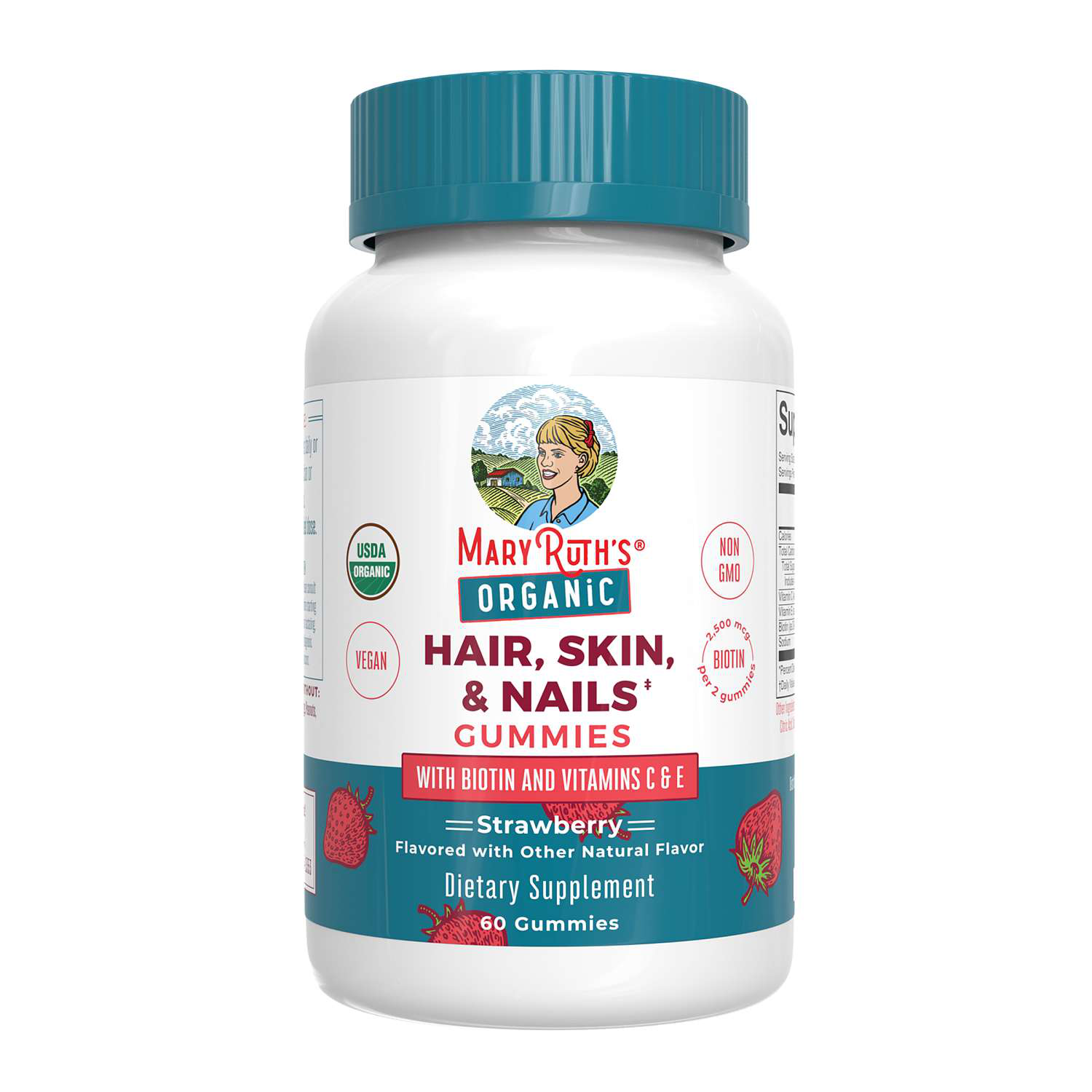
Format changes the everyday experience of a biotin supplement, even when the listed nutrient amount is similar. Capsules and tablets differ in dimensions, coating, and the materials used to hold their ingredients together. Some capsule shells contain gelatin, while others use plant-derived materials; the ingredient list provides a more dependable description than the capsule’s appearance. Softgels have their own shell ingredients, and liquid products introduce considerations such as flavor, measuring method, and whether the bottle includes a marked dropper. Gummies offer a chewable format, with texture, sweetness, and serving count becoming part of the comparison. A serving might involve more than one piece, and the label identifies any sugars, sugar alcohols, colors, and flavoring ingredients. For a person who prefers an unflavored routine, a capsule or tablet may be more appealing than a fruit-flavored chew. Someone who dislikes handling a dropper may favor a premeasured format instead. These are preferences about use and presentation, not evidence that one format is more appropriate for a particular nutritional concern. Ingredient preferences can narrow the comparison further. Shoppers looking at Biotin Supplements With Natural Ingredients can examine how each formula describes its ingredient sources, capsule materials, flavors, and colors. The word natural does not describe every component with the same precision, so the full ingredient panel remains important. A formula may pair biotin with botanical ingredients, or it may use plant-derived materials only in the capsule shell. Those are different attributes. Dietary preferences and food sensitivities also make the allergen statement and other ingredient disclosures relevant. Ingredients used for texture, moisture control, or tablet formation may appear outside the Supplement Facts panel, which is why both sections contribute to a clearer picture. For combination formulas, the ingredient list also distinguishes named vitamins and minerals from botanical blends and other components that may receive less attention on the front label.
Practical details matter after the bottle reaches a kitchen cabinet or another designated storage spot. Label directions describe the serving format, while storage instructions address how the manufacturer intends the product to be kept. The original container preserves access to the ingredient panel, lot information, date markings, and any special handling details. Closure design matters for day-to-day use, particularly when comparing a screw-top bottle, a liquid dropper, and individually packaged servings. A gummy’s texture or a tablet’s appearance is not a substitute for the printed storage directions and date information. Packaging that fits neatly on a shelf may be convenient, but legible labeling and a securely closing container have a more practical role than a decorative bottle shape. For someone organizing several supplements, a written record of product names, serving sizes, and biotin amounts creates a clearer reference than remembering bottles by color. That information also has relevance beyond shopping: supplemental biotin may interfere with certain laboratory tests, including some thyroid, hormone, and cardiac troponin tests, and may lead to misleading results. This testing consideration is separate from whether a product comes as a gummy, capsule, tablet, or liquid. The exact product and labeled amount provide useful context in conversations with the healthcare professional ordering a test and the laboratory performing it; a broad description such as “a hair supplement” leaves out those details. A record also makes it easier to distinguish a single-ingredient biotin product from a blend containing several nutrients. When revisiting the category, familiar packaging does not necessarily replace another look at the label, since formulas, serving directions, and ingredient disclosures may differ between products. For a shopper who values a straightforward routine, the relevant comparison may come down to a clearly stated biotin amount, a preferred format, compatible ingredient materials, and packaging that keeps the necessary information close at hand. Those concrete attributes make the assortment easier to understand without treating appearance-focused language or a prominent serving amount as a personalized recommendation.