





Bloating Relief Capsules For Women
(0 Results)
Discover a curated selection of bloating relief capsules for women, designed to support your wellness routine. Whether you're looking for options that may help you feel more comfortable after meals or seeking daily support, these capsules could be a convenient addition to your lifestyle. Explore a variety of formulas created with women’s unique needs in mind and find options that fit seamlessly into your supplement regimen.

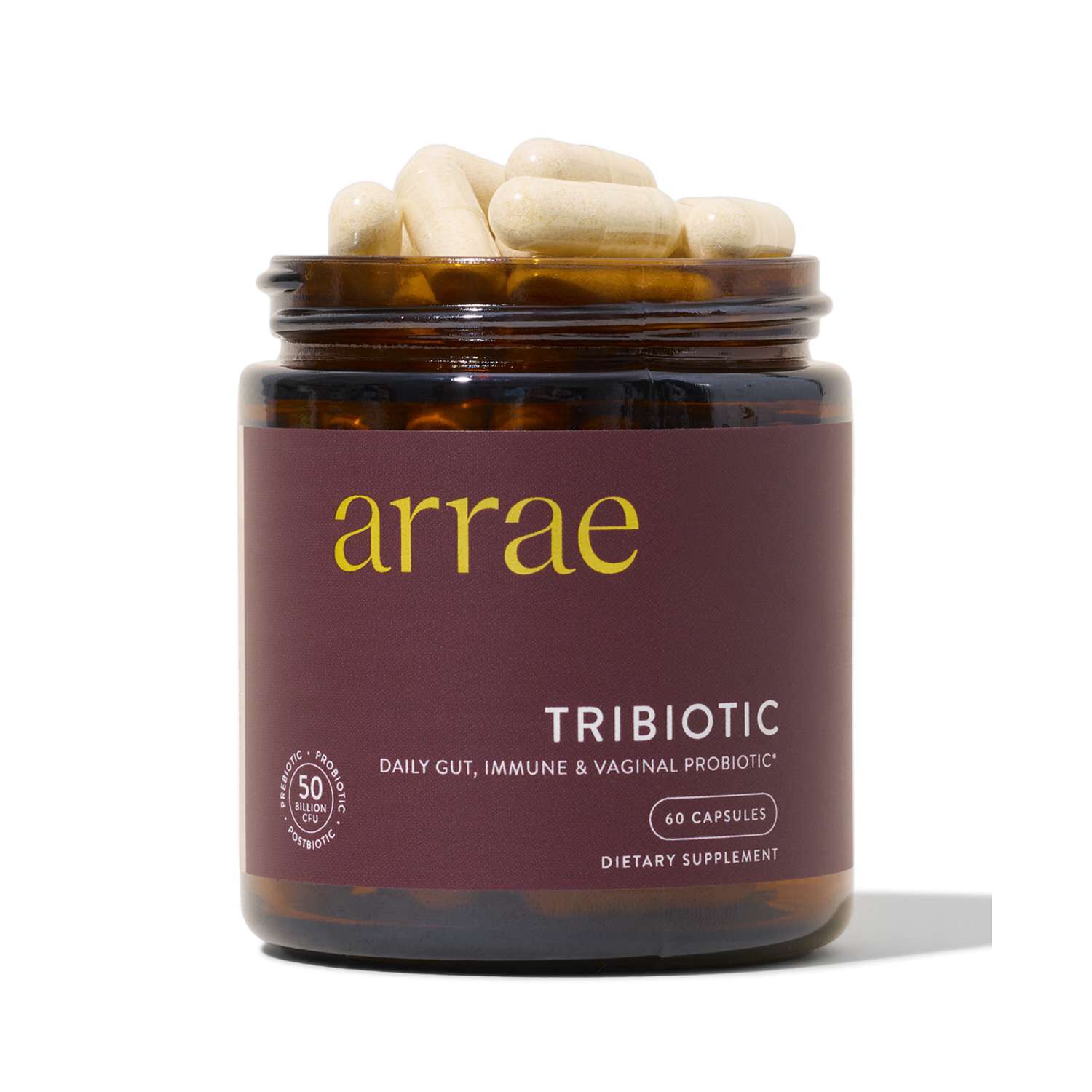






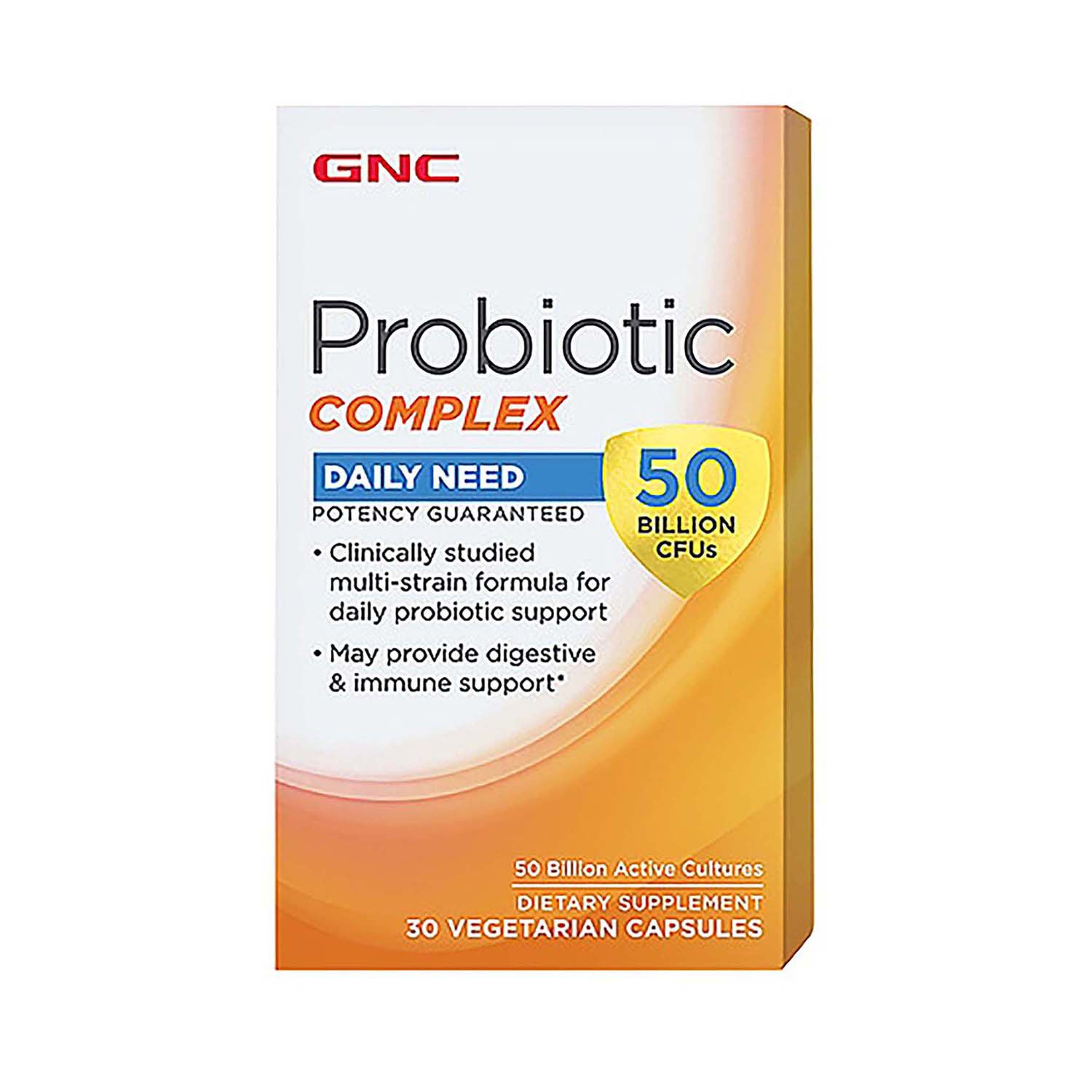
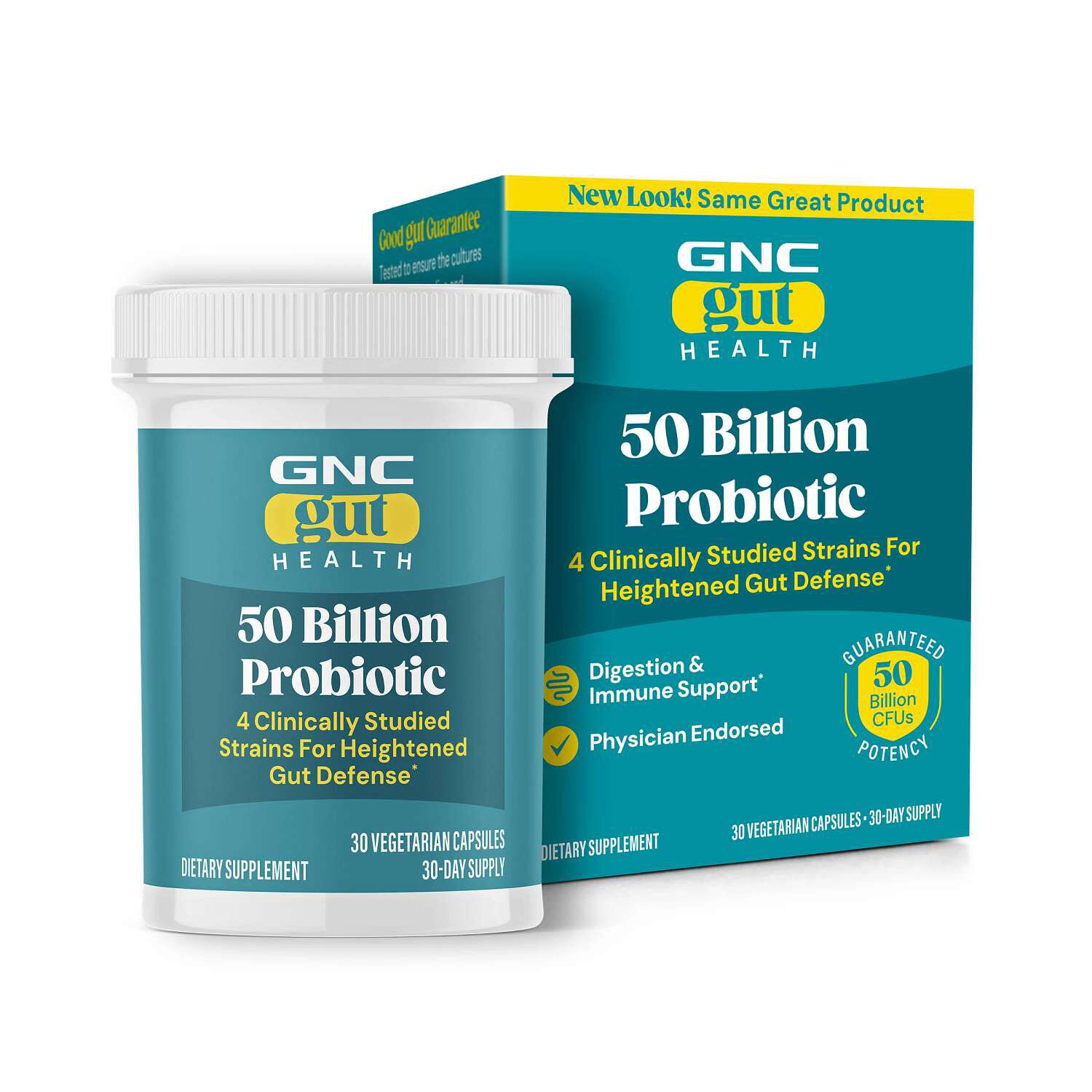
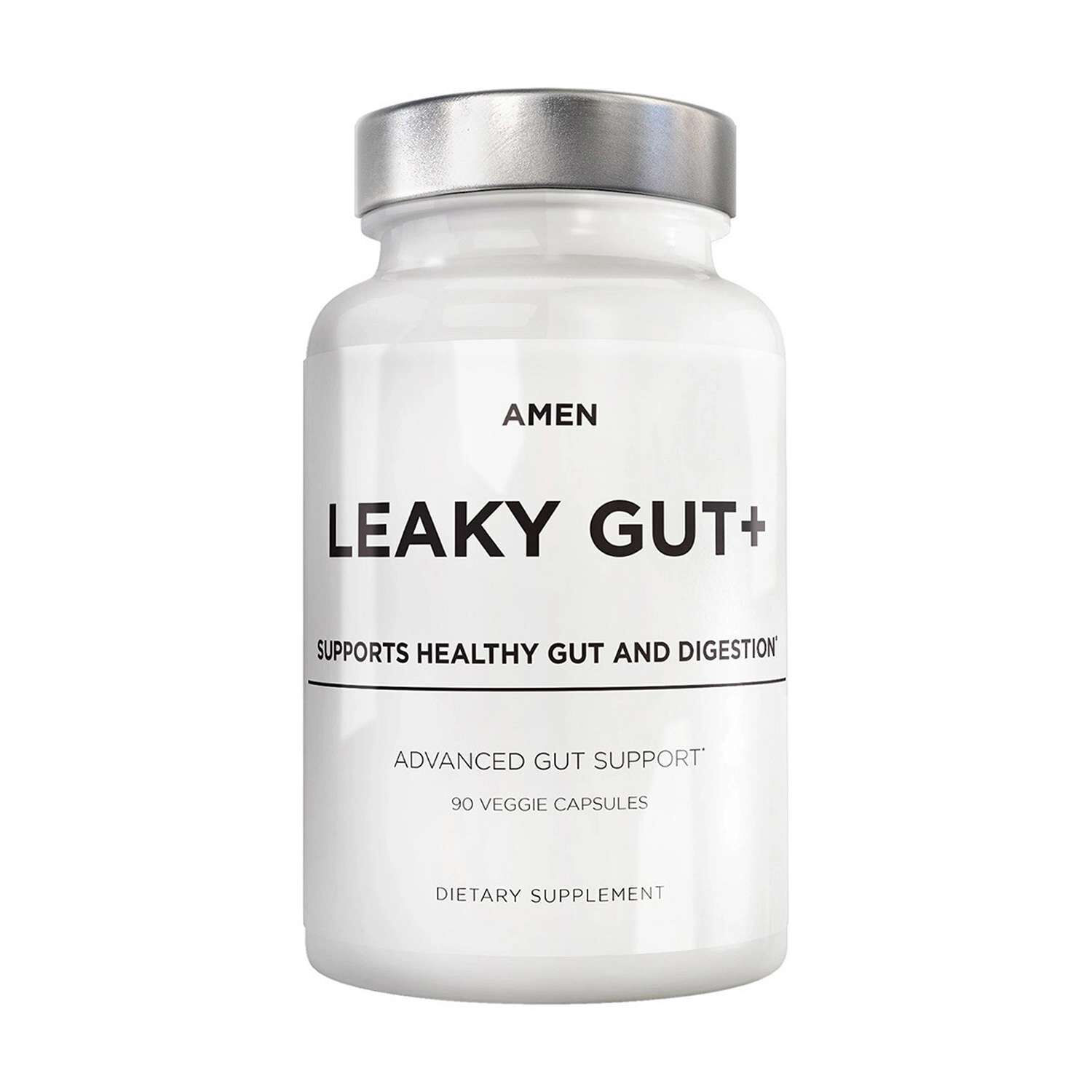


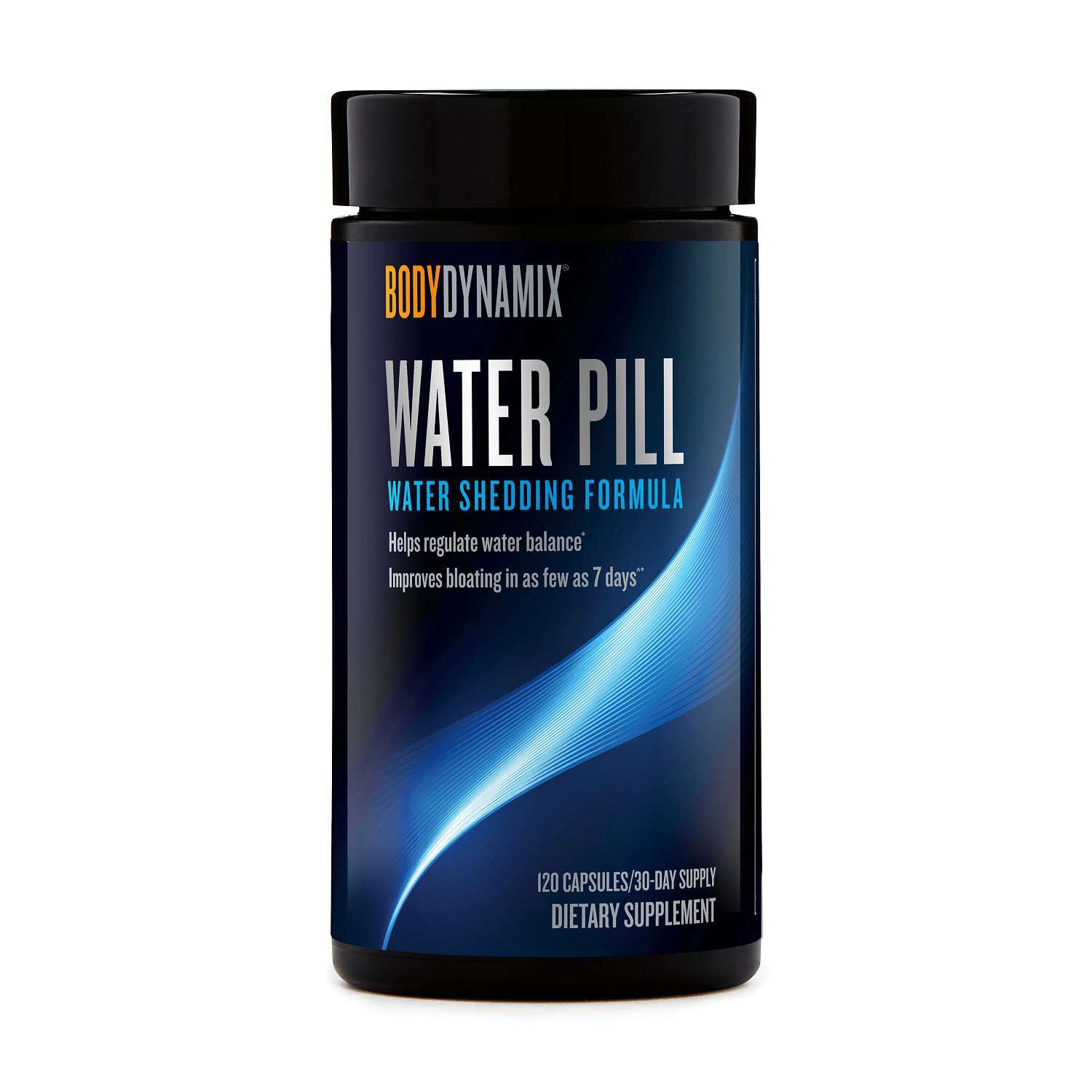
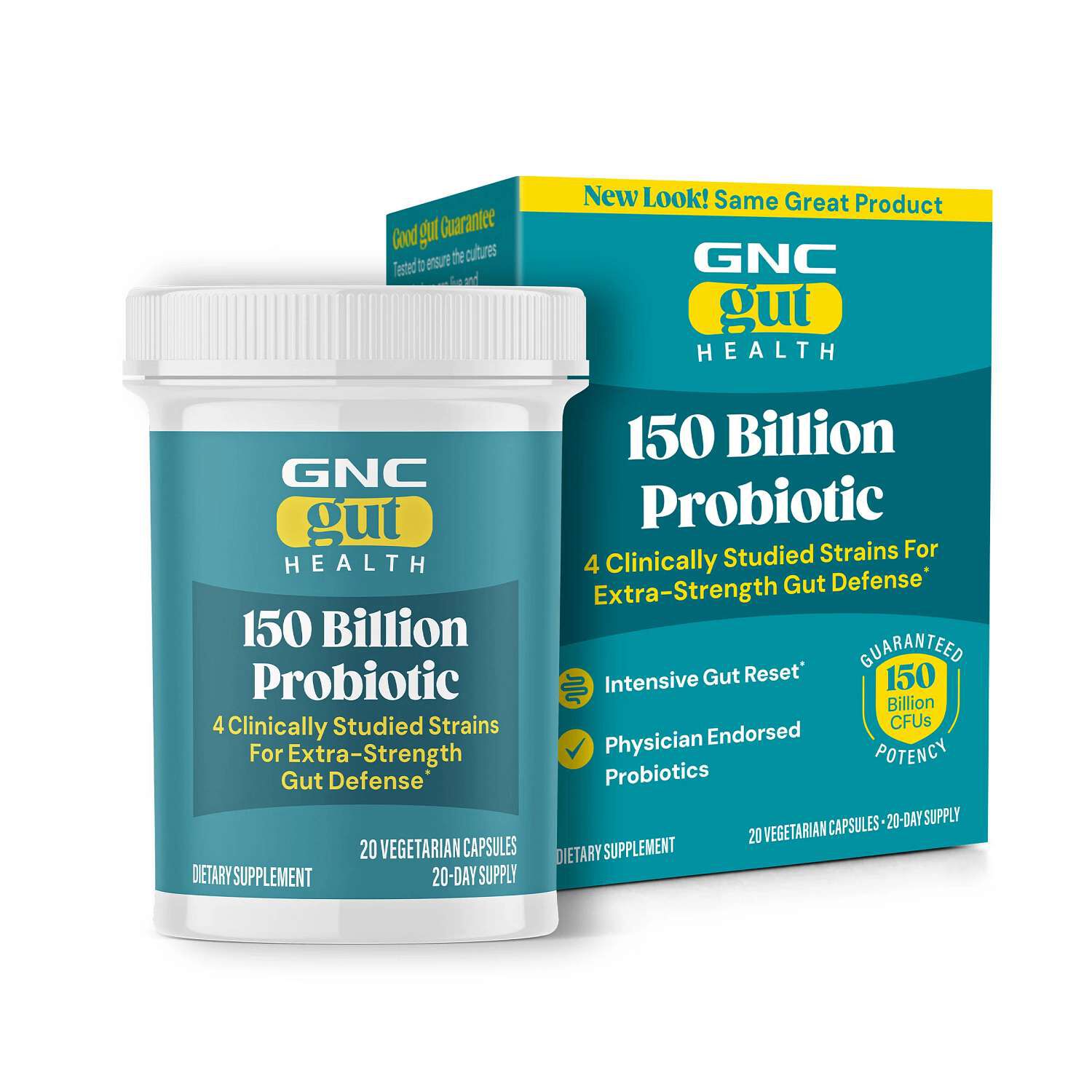

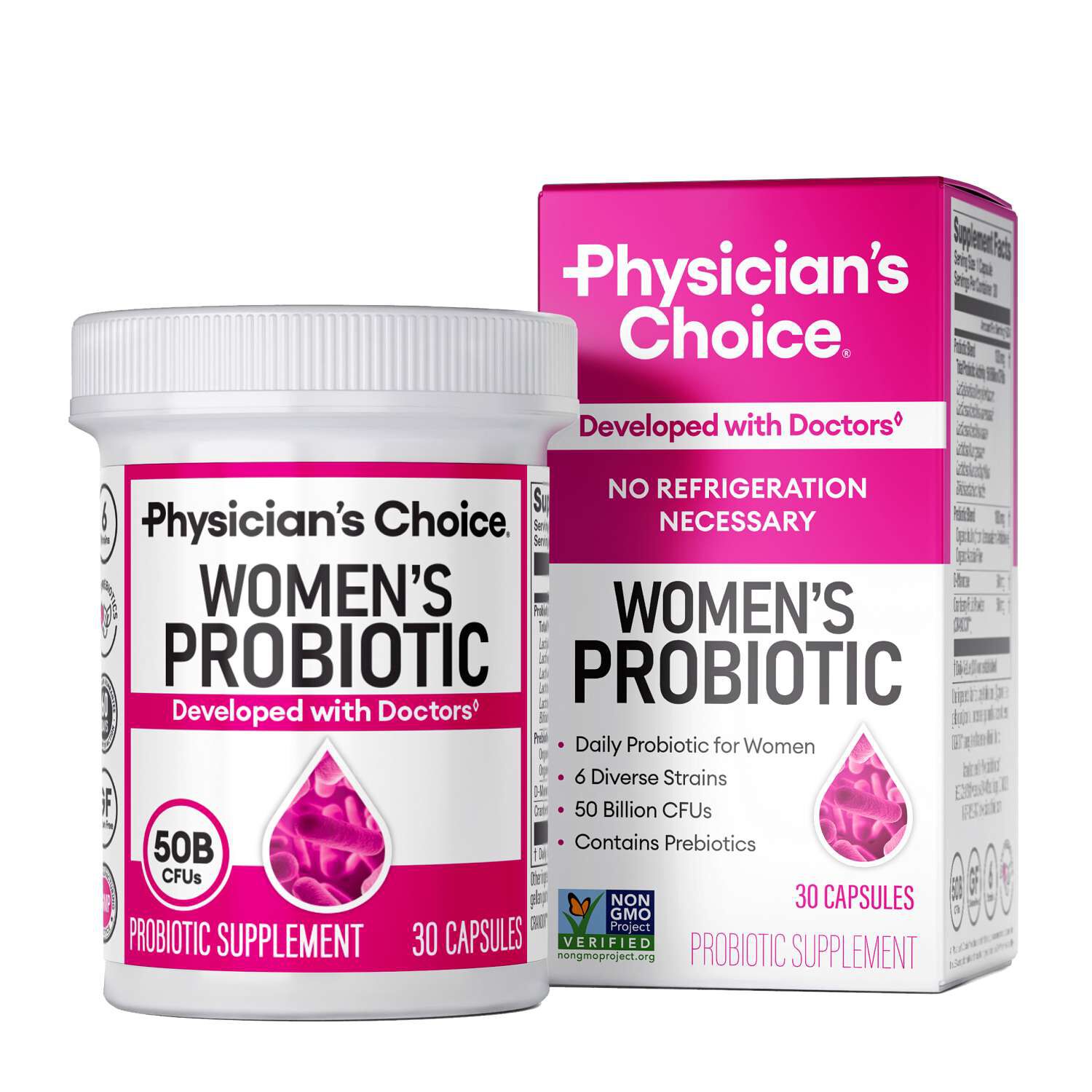


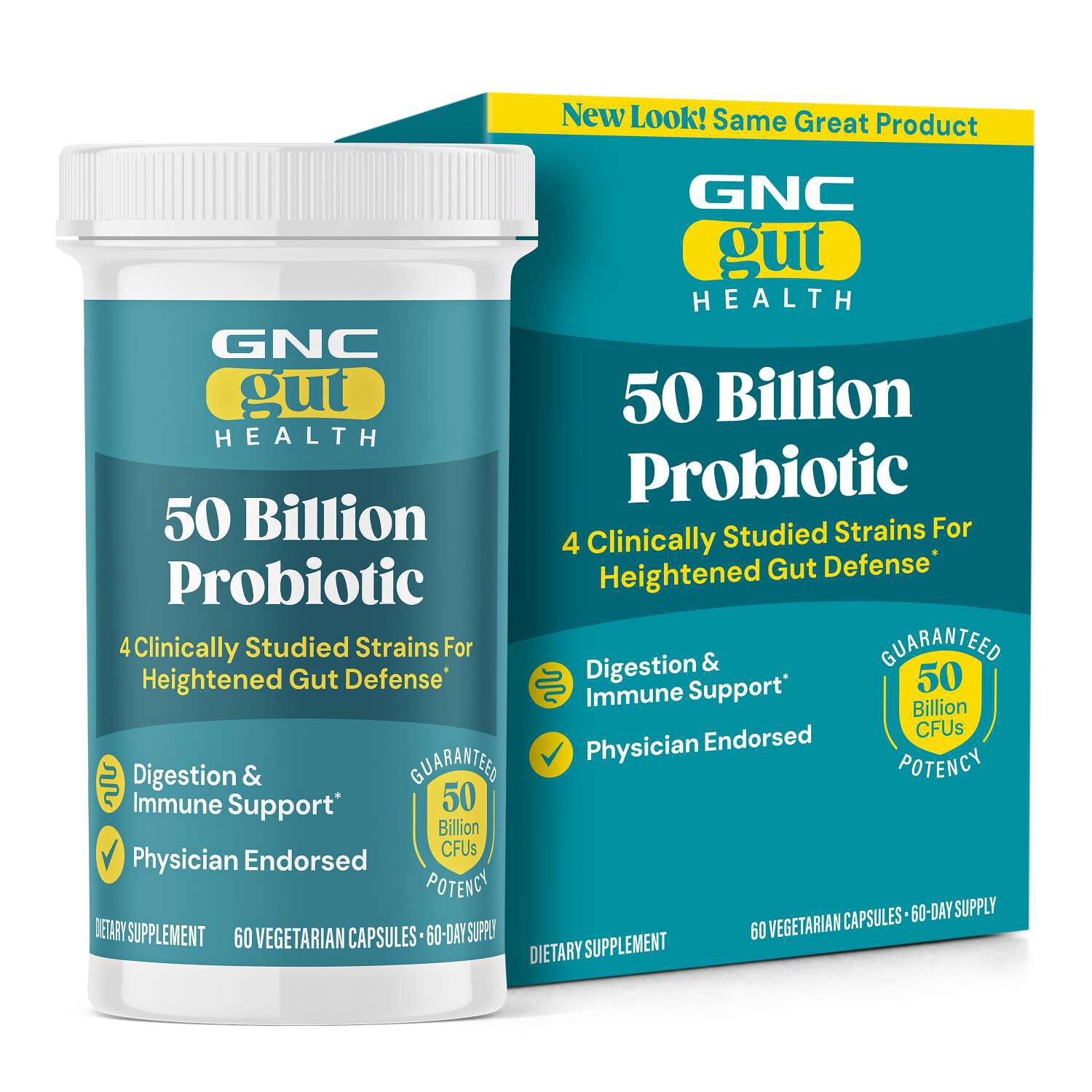
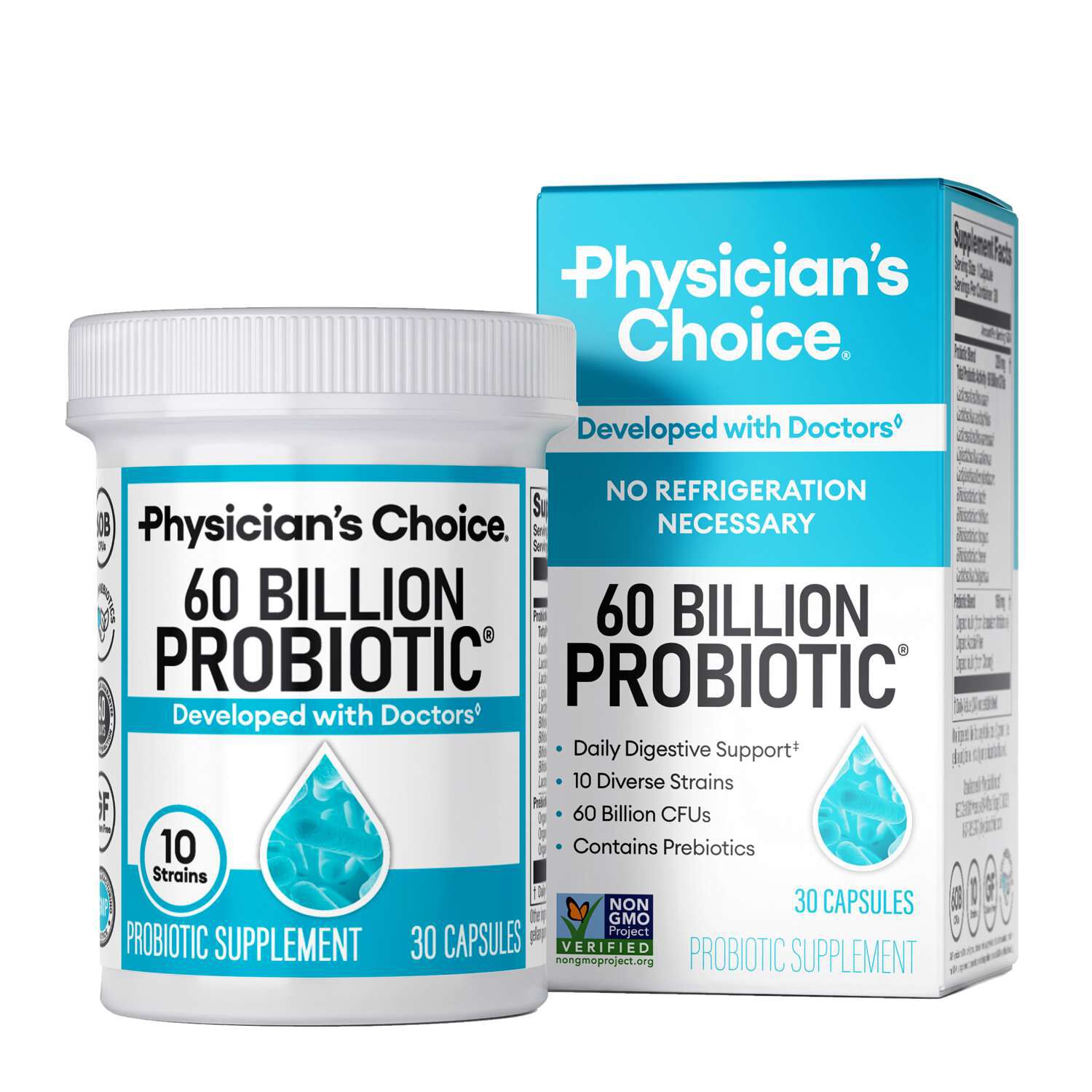
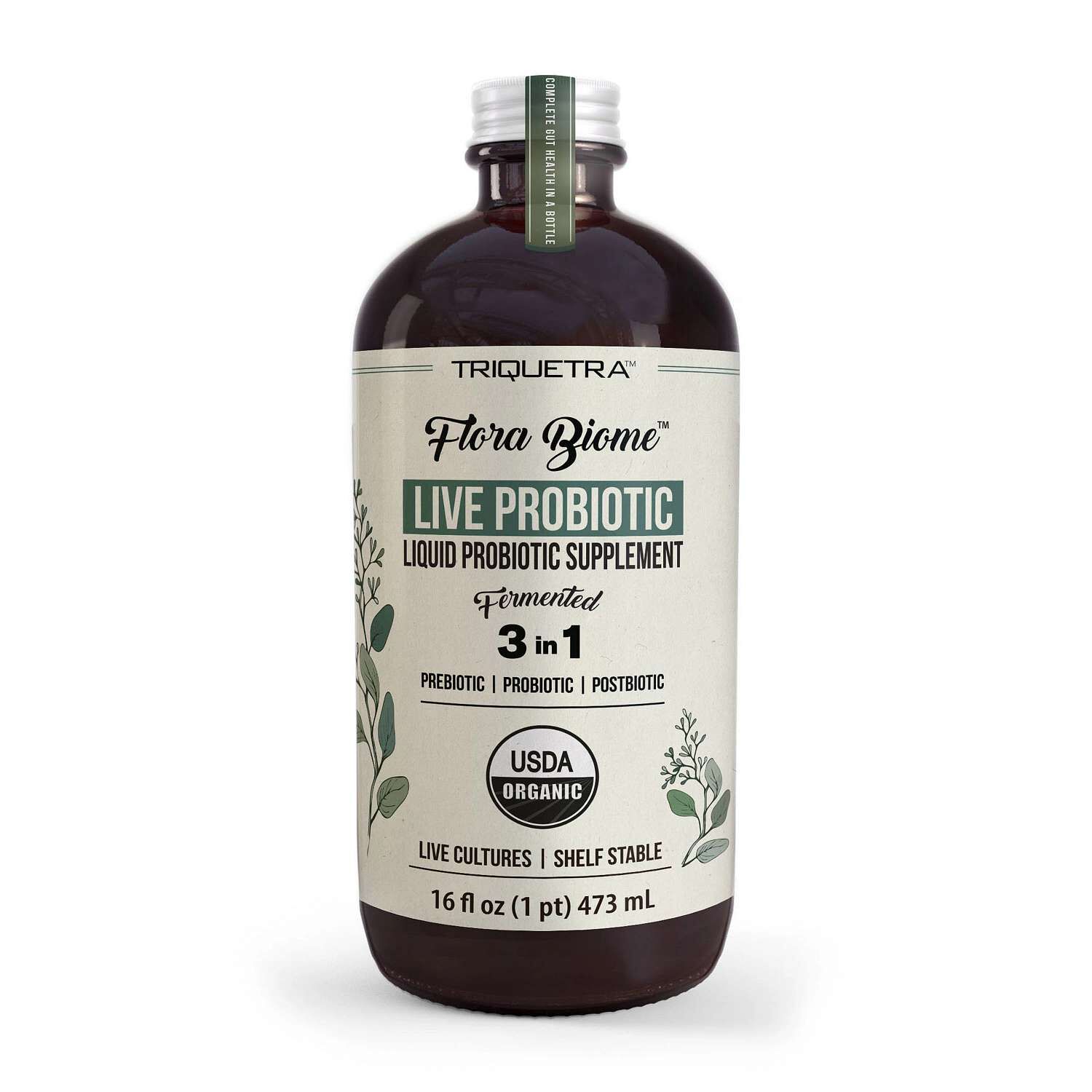
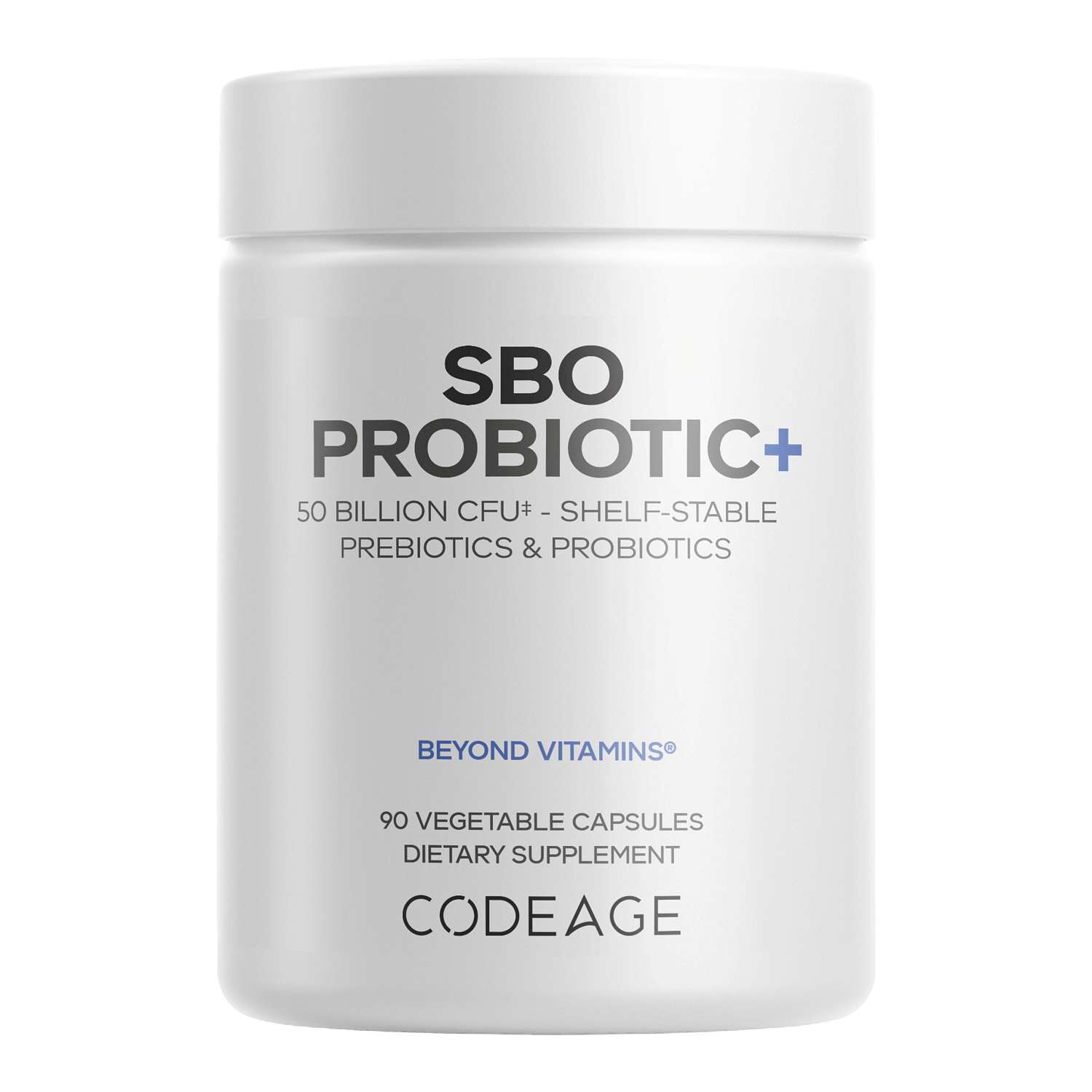
Bloating relief capsules for women bring together several types of digestive wellness supplements rather than one standard formula. The category commonly includes digestive enzymes, probiotics, botanical blends, and combinations of these ingredients. Each approach has a different ingredient profile, making the Supplement Facts panel more informative than the category name alone. Digestive enzyme formulas may support the digestion of carbohydrates, proteins, and fats, with labels often listing enzymes such as amylase, protease, and lipase. Probiotic supplements contain identified microorganisms and may support everyday digestive balance. Botanical formulas can feature ingredients such as ginger, fennel, or peppermint, sometimes alongside enzymes or probiotics. The presence of an ingredient does not establish how one finished formula compares with another; serving amounts, preparation methods, and accompanying ingredients also matter. For women browsing after noticing a sense of fullness following meals, these distinctions offer a useful starting point for understanding the selection without treating every capsule as interchangeable. A label focused on women may still feature familiar digestive supplement ingredients, so its audience and its composition are separate considerations. Some shoppers prefer a straightforward formula with a short ingredient list, while others are interested in combinations that bring several ingredient types into one serving. Neither approach is automatically a better match for every routine. Someone who already takes a probiotic, for example, may be especially interested in whether a combination formula repeats ingredients already present in her daily supplements. Another shopper may value a clearly identified botanical preparation or a label that lists each enzyme separately. The broader Bloating Capsules category offers another way to explore capsule-format options while keeping attention on those meaningful differences. Across the category, the most useful comparisons center on what a formula contains, how much appears in a serving, and how its labeled use fits into everyday life. The word “relief” in a category name does not describe a uniform formula, serving schedule, or experience.
Capsule construction is another practical point of comparison, particularly for shoppers with dietary preferences or strong opinions about supplement formats. Shells may be made from gelatin or plant-derived materials such as hypromellose, and that information is generally found outside the main Supplement Facts panel. A plant-derived shell and a plant-based formula are not necessarily the same thing; the ingredients inside the capsule deserve their own review. The Other Ingredients section can also identify materials used in manufacturing, along with colors or other additions. For shoppers attentive to particular food ingredients, allergen statements provide a separate piece of information from front-label descriptions. Capsule dimensions and the number required per serving can matter just as much as the shell material. A bottle containing many capsules may represent fewer servings than expected when the suggested serving includes several capsules, so capsule count and serving count describe different things. Someone who prefers a small supplement organizer may favor a different format from someone who keeps every bottle in its original container. Similarly, a person who dislikes flavored powders may appreciate a capsule format, while still finding serving size an important consideration. Clear labeling makes those everyday details easier to evaluate before adding another supplement to an established routine. With probiotics, genus, species, and strain designations provide more specific identification than the word “probiotic” by itself. With botanical ingredients, the plant part and preparation description can distinguish a root powder from an extract. With enzyme blends, labels may list activity units as well as ingredient names; these measurements are different from the milligram amounts used elsewhere on a panel. A blend listed under one combined amount also presents information differently from a formula that specifies each ingredient’s amount. These details do not need to turn browsing into a technical project, but they do help explain why two similarly named options can look quite different when their labels are placed side by side. Readable packaging and clearly stated serving information can be particularly valuable for someone comparing several ingredient approaches.
Intended use and storage bring the comparison back to the realities of an ordinary day. A capsule considered for a regular supplement routine may have different labeled directions from one positioned around meals, and those directions belong to the individual formula rather than the category as a whole. Breakfast at home, lunch packed for work, and dinner at a restaurant each create a different setting for keeping track of a supplement, but convenience does not change its labeled serving instructions. For a shopper who already carries several bottles, a clear routine may matter more than an elaborate blend. For someone who prefers fewer steps, the number of capsules per serving may be a deciding detail. Packaging also deserves attention beyond its appearance. A secure closure, readable date information, and specific storage directions are useful features for a bottle that will be opened repeatedly. Probiotic storage requirements can vary, so refrigeration should not be assumed necessary or unnecessary based only on the ingredient category. A kitchen counter near a sink or cooking area may expose a bottle to moisture, while a bag carried between locations introduces a different storage environment. The container’s instructions provide the relevant reference for those situations. Moving capsules into another container can also separate them from their ingredient list, serving directions, lot information, and date markings. Keeping that information accessible makes later reference simpler. These products are generally a personal purchase rather than an easy surprise gift because ingredient preferences, capsule preferences, and existing supplement routines differ. Even among women shopping for the same category, one person may prioritize a gelatin alternative, another may want a clearly identified probiotic strain, and another may prefer a formula with fewer components. Thoughtful comparison means looking beyond a shared category name to the details that shape actual use: ingredient identity, serving information, shell material, packaging, and storage. Together, those features provide a grounded way to browse bloating relief capsules for women while keeping individual preferences at the center of the purchase.
Best Sellers
-
 Physician's Choice

Related Pages
Top Collections
- Zinc Supplements | Top Brands at Great Prices | GNC
- Cortisol Supplements
- Joint Mobility Supplement Packs
- NAD+ Supplement Tablets
- Best Brand of Magnesium Glycinate
- Top Rated Collagen | Shop Customer Favorites | GNC
- Iron Supplements
- Peptide Supplements
- Protein Powders For Muscle Growth Support
- Vitamins That Help Support Weight Gain