Boys Multivitamins
(0 Results)
Growing boys often lead active lives, making it important to support their nutritional needs. Boys multivitamins might be an excellent way to help fill any potential gaps in their diet, providing a blend of vitamins and minerals that could contribute to overall well-being. These specially formulated multivitamins may offer the nutrients young boys need as they grow and explore the world around them. Whether it's for supporting energy or general health, boys multivitamins could be a convenient addition to their daily routine.
-

-
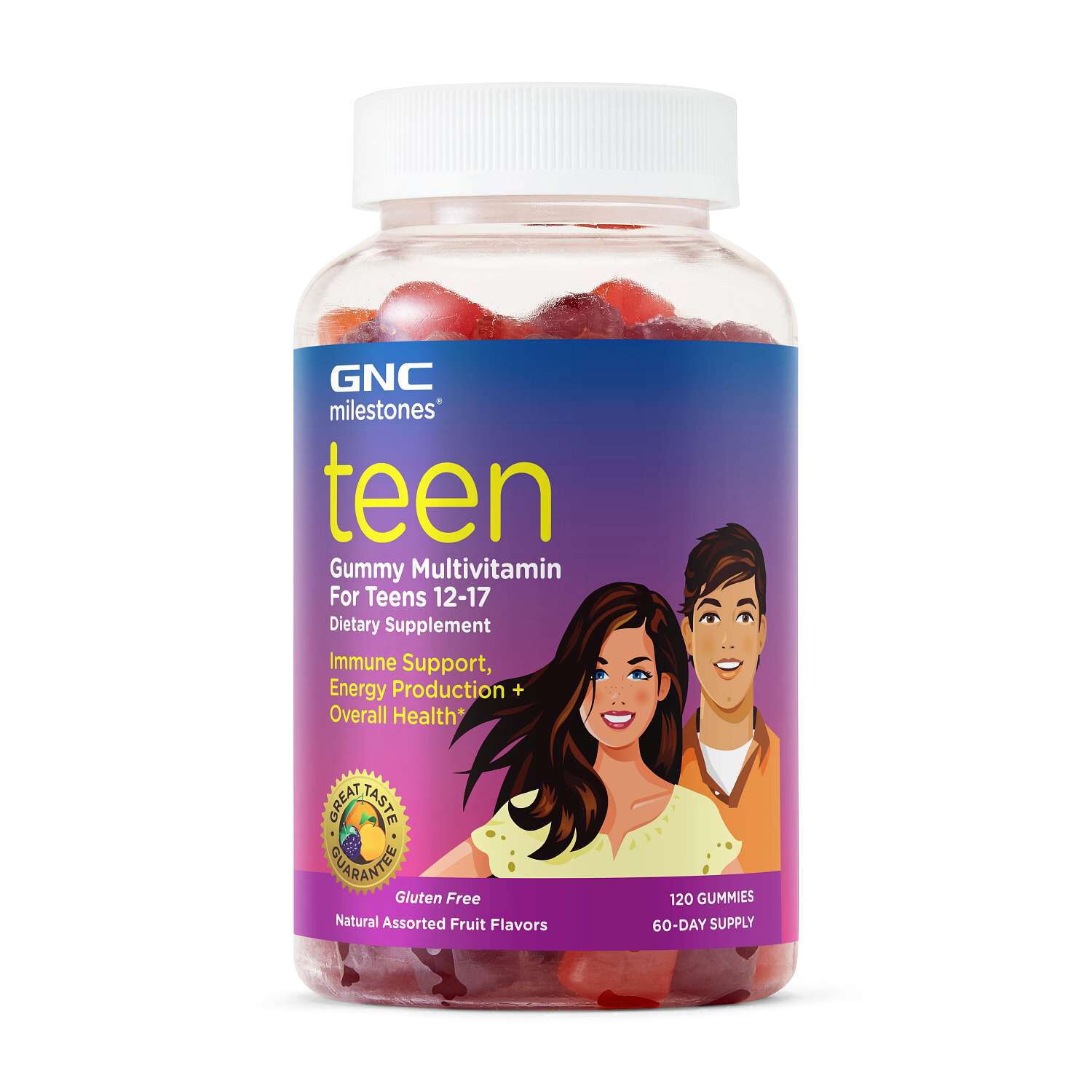
-

-
_Front.jpg?sw=305&sh=305&sm=fit "Junior Multi - 180 Tablets - 180 Tablets (180 Servings) | GNC")
-
_Front.jpg?sw=305&sh=305&sm=fit "Junior Multi - 90 Tablets - 90 Tablets (90 Servings) | GNC")
-
 10$17.99
 -
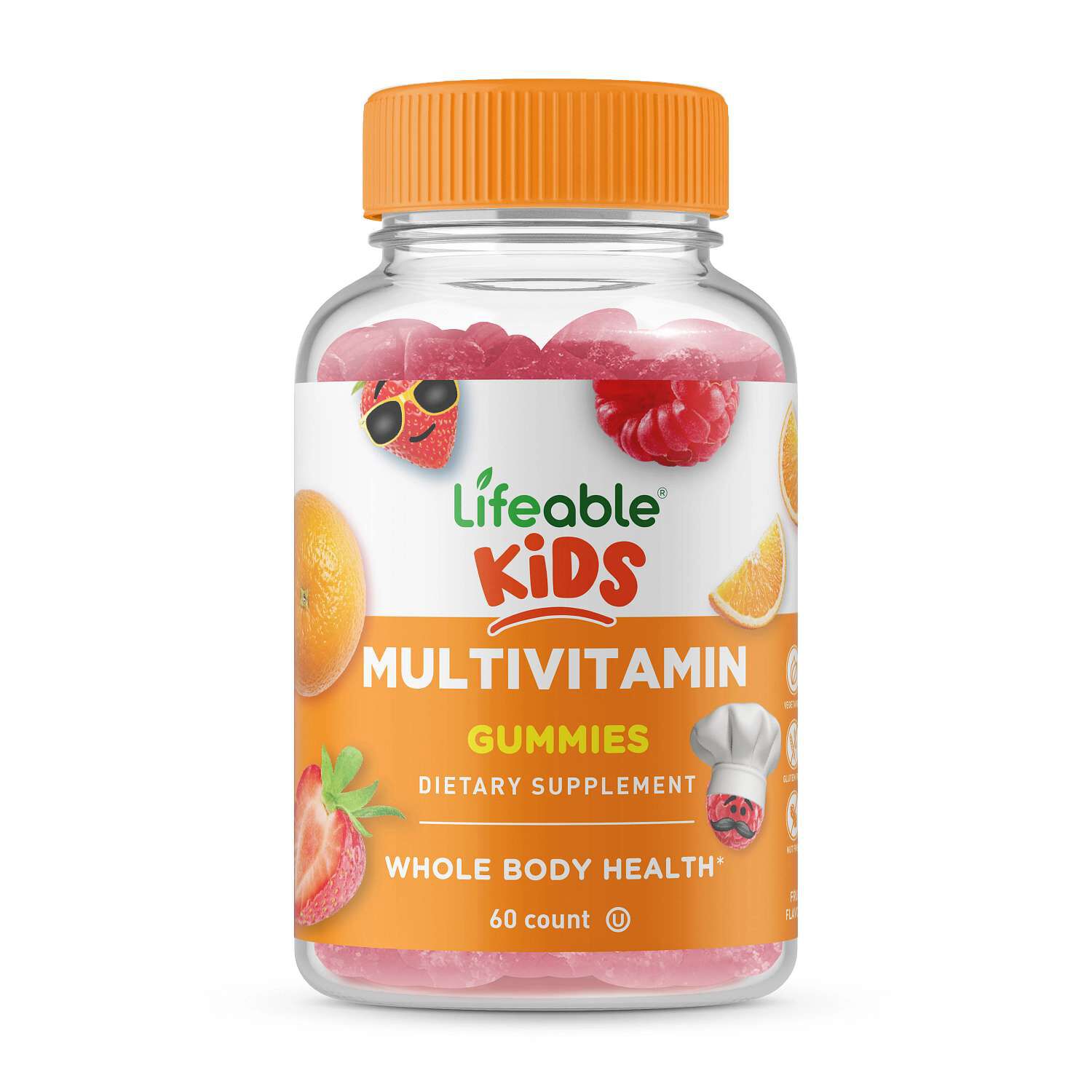
-
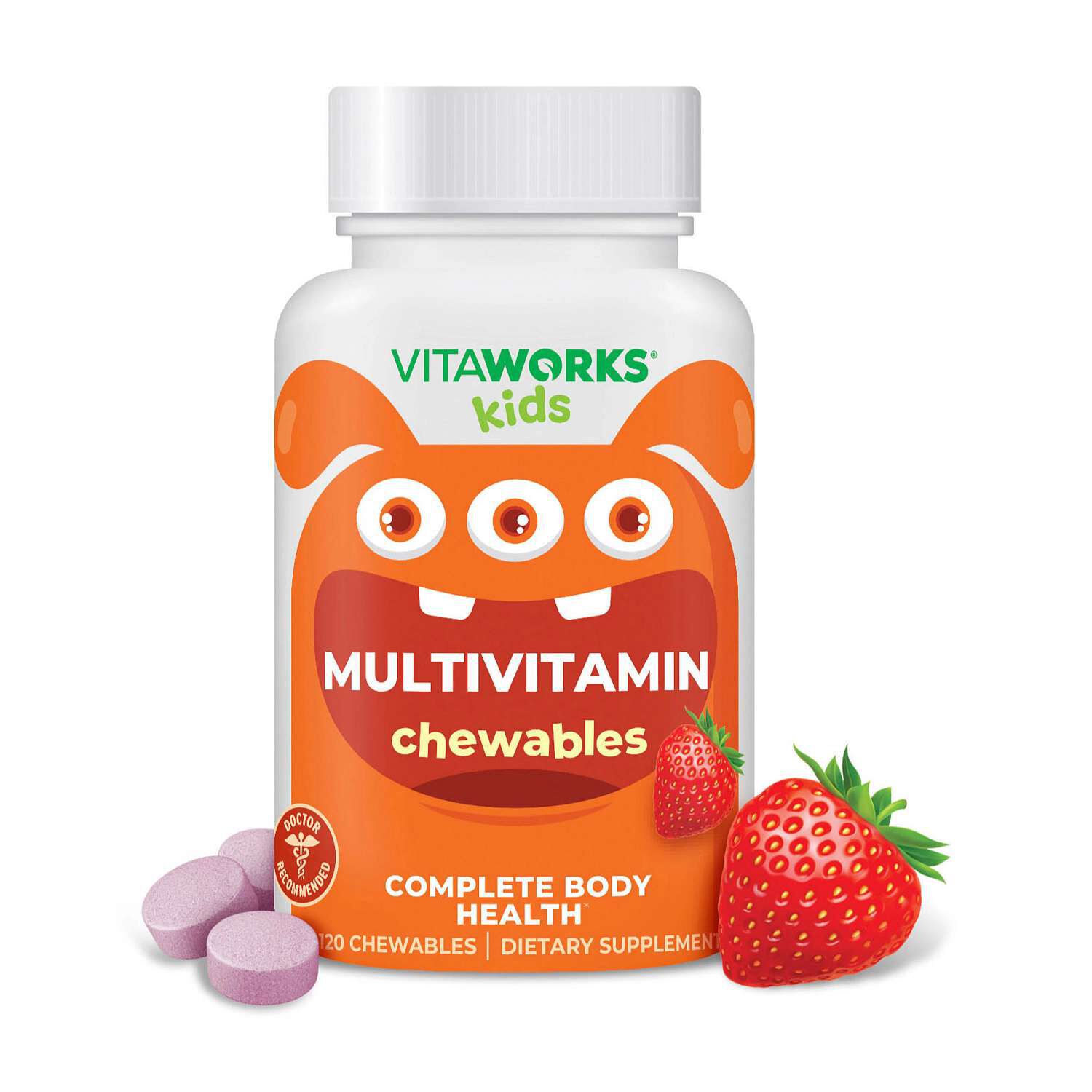 $17.99
 -

-

-

-

-

-
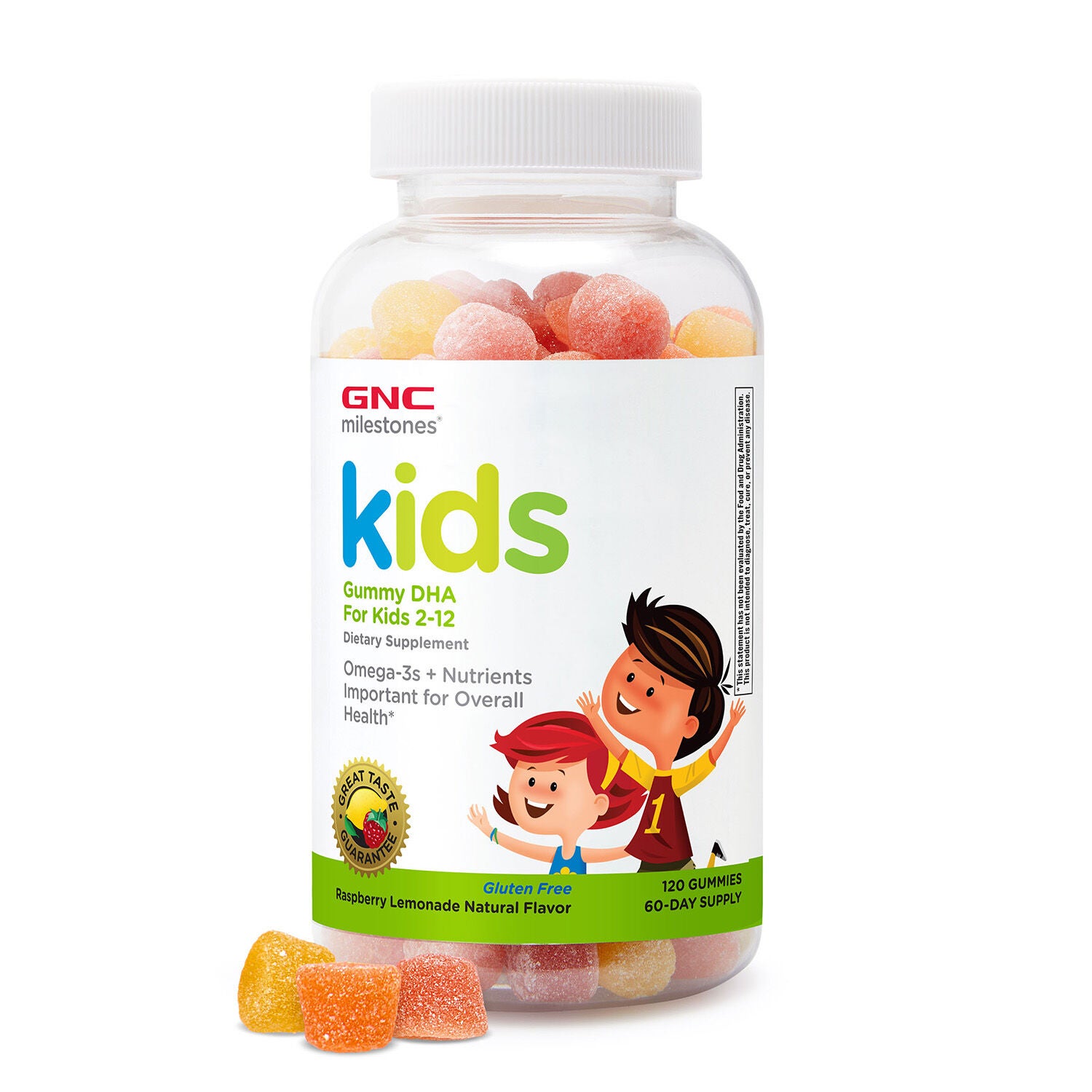
-
 $20.99
 -
 $15.99
 -
 $14.99

Multivitamins for boys are dietary supplements that combine vitamins and, in some formulas, minerals in a format labeled for a particular age range. They may complement everyday food choices, but they are not substitutes for meals or a varied diet. Fruits, vegetables, whole grains, protein foods, and dairy or suitable alternatives provide nutrients alongside the flavors, textures, and variety that supplements cannot replicate. The phrase “boys multivitamins” describes a product category rather than a single formula: ingredient combinations, serving sizes, formats, and intended ages can differ considerably. A formula labeled for younger children is not necessarily the same as one intended for teens, even when the bottles look similar. Age information gives important context to the rest of the label, particularly when a household includes siblings at different stages. Common ingredients in children’s and teen multivitamins include vitamins A, C, D, and E, along with several B vitamins; mineral ingredients vary by formula. Some contain iron, while others do not, and additional ingredients can make otherwise similar-looking options quite different. The Supplement Facts panel identifies the nutrients and their amounts per serving, while the ingredient list describes other components, such as flavorings, sweeteners, and ingredients used to create the product’s texture. Daily Value percentages offer a reference for reading the label, not a personalized assessment of a boy’s needs. Neither a longer ingredient list nor a larger number on the panel automatically makes one formula a better match. For families navigating selective eating, a vegetarian household, or a busy schedule of school lunches and evening activities, the relevant context is the child’s overall eating pattern rather than a single meal or missed vegetable. Questions about individual nutrient needs belong in a conversation with a pediatrician, rather than being answered by a category name alone. The distinction between a product’s intended age group and a child’s individual circumstances remains important, whether the bottle is labeled for children, boys, or teens.
Format is one of the most noticeable differences among boys multivitamins, and it shapes the everyday experience of using them. Gummies often have a soft, springy texture and fruit-inspired flavors, while chewable tablets can have a firmer bite and a different finish. Swallowable tablets and capsules offer another format, with dimensions and coatings that vary. A teen accustomed to taking a tablet may have different preferences from a younger child who finds a particular chewable texture more familiar. Those preferences are separate from age suitability and the manufacturer’s directions; a appealing flavor or smaller-looking piece does not establish that a formula is intended for a particular child. Serving size also matters when comparing formats. A serving can consist of more than one piece, so the number of gummies or tablets in a container is not the same thing as the number of servings. Ingredient amounts on the Supplement Facts panel refer to the stated serving, which gives context that front-label descriptions alone cannot provide. Flavor names offer only part of the picture, too. A berry-flavored gummy may contain added sugars, alternative sweeteners, or other ingredients that affect its taste and texture. Chewable and swallowable formats have their own ingredient lists, including binders, coatings, and flavor components where applicable. For households with food allergies or particular dietary preferences, ingredient statements, allergen disclosures, and clearly stated dietary attributes are more informative than color, shape, or fruit imagery. Gelatin and pectin are examples of ingredients that can distinguish gummy textures and suitability for different eating preferences. Milk, soy, wheat, and other ingredient considerations may also be relevant, depending on the formula and its labeling. Packaging appearance does not establish ingredient suitability, and a familiar flavor does not mean two formulas share the same composition. These details help explain why multivitamins with similar age labels can still feel quite different in a family’s daily routine, from the texture of each serving to the information printed on the bottle.
Boys multivitamins fit into parent-managed routines rather than functioning as snacks, treats, or rewards. A household might keep the bottle in a secure cupboard near other adult-managed supplies, with the label accessible to the parent or caregiver responsible for it. That setting is different from a bowl of fruit snacks on the kitchen counter, even if the supplement has a bright color or a familiar fruit flavor. Original packaging retains the serving directions, age information, ingredient disclosures, and expiration date together, which may make it easier for caregivers to reference the same information. Closures and seals vary, and storage instructions are part of the product description rather than an afterthought. Moisture, direct sunlight, and storage conditions outside the labeled recommendations can affect physical qualities such as gummy texture or tablet appearance. A bathroom cabinet, for example, has a different environment from a dry, secure cupboard elsewhere in the home. Containers intended to limit children’s access still belong out of their reach, and packaging is not a substitute for adult supervision. In households where grandparents, babysitters, or other caregivers share responsibilities, consistent reference to the original label may help keep the routine clear. Comparison across children’s supplement categories also calls for attention to purpose: a general multivitamin and a formula positioned around a narrower theme are not necessarily interchangeable. Families browsing related options can explore Kids Focus Support Vitamins as a separate category with its own ingredient combinations, formats, and age information. That category name does not establish suitability for an individual child or make it a required addition to a multivitamin routine. For this category, meaningful distinctions remain straightforward: the intended age range, the nutrients included, the amount per labeled serving, the format, and the other ingredients. Those details give parents and caregivers a clearer picture of what a boys multivitamin contains and how it is presented, without treating every boy, every diet, or every household as the same.