





Multivitamins For Boys In Sports
(0 Results)
Multivitamins for boys in sports are designed to support the unique needs of active young athletes. With busy schedules filled with practices, games, and schoolwork, it can be a challenge to get all the nutrients needed from food alone. Choosing the right multivitamin may help fill potential nutritional gaps so boys can stay focused on their daily activities. Explore a variety of options to find multivitamins for boys in sports that fit your family's wellness routine.
-

-

-

-

-

-
-
-
 $59.99
-
 GNC Pro Performance$39.99
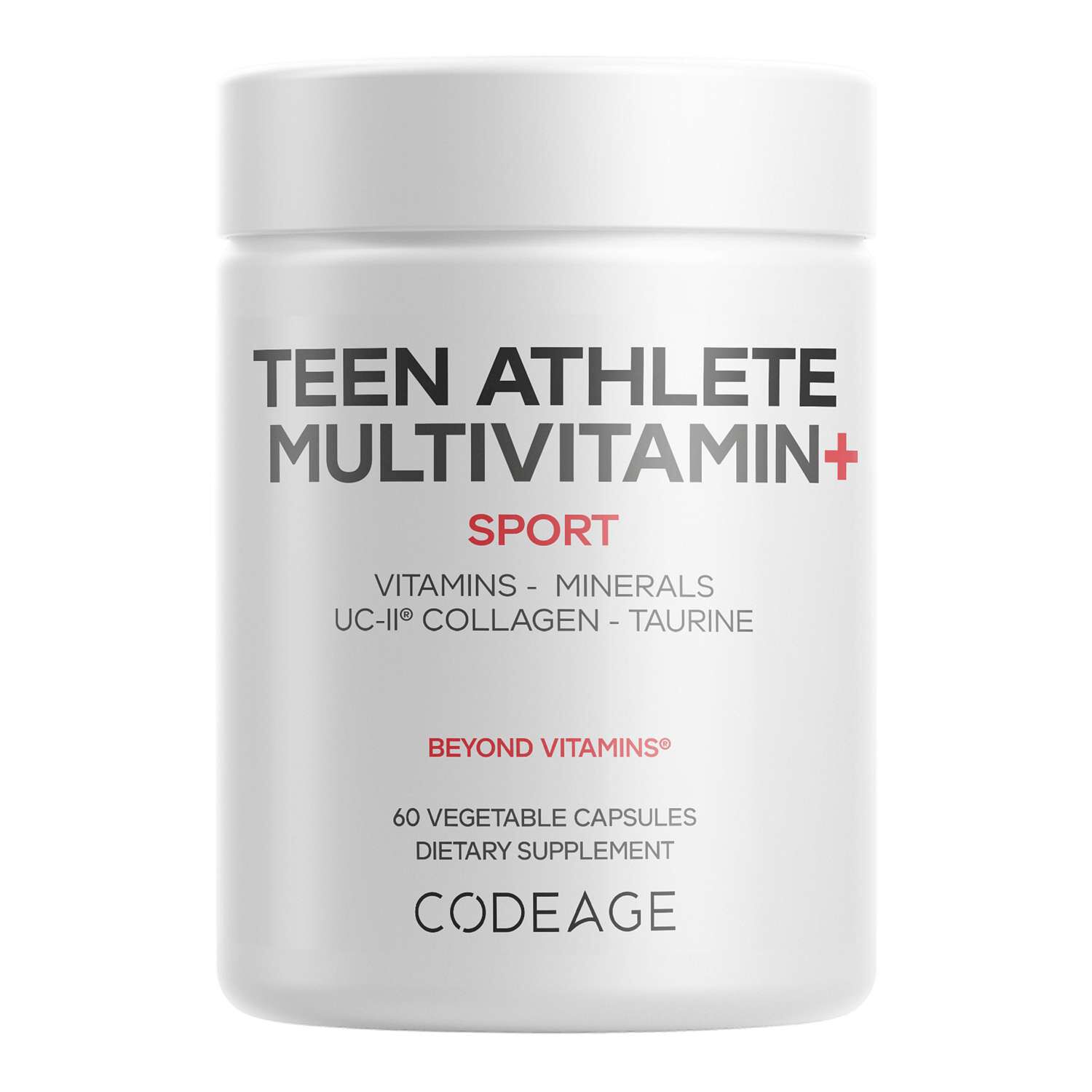
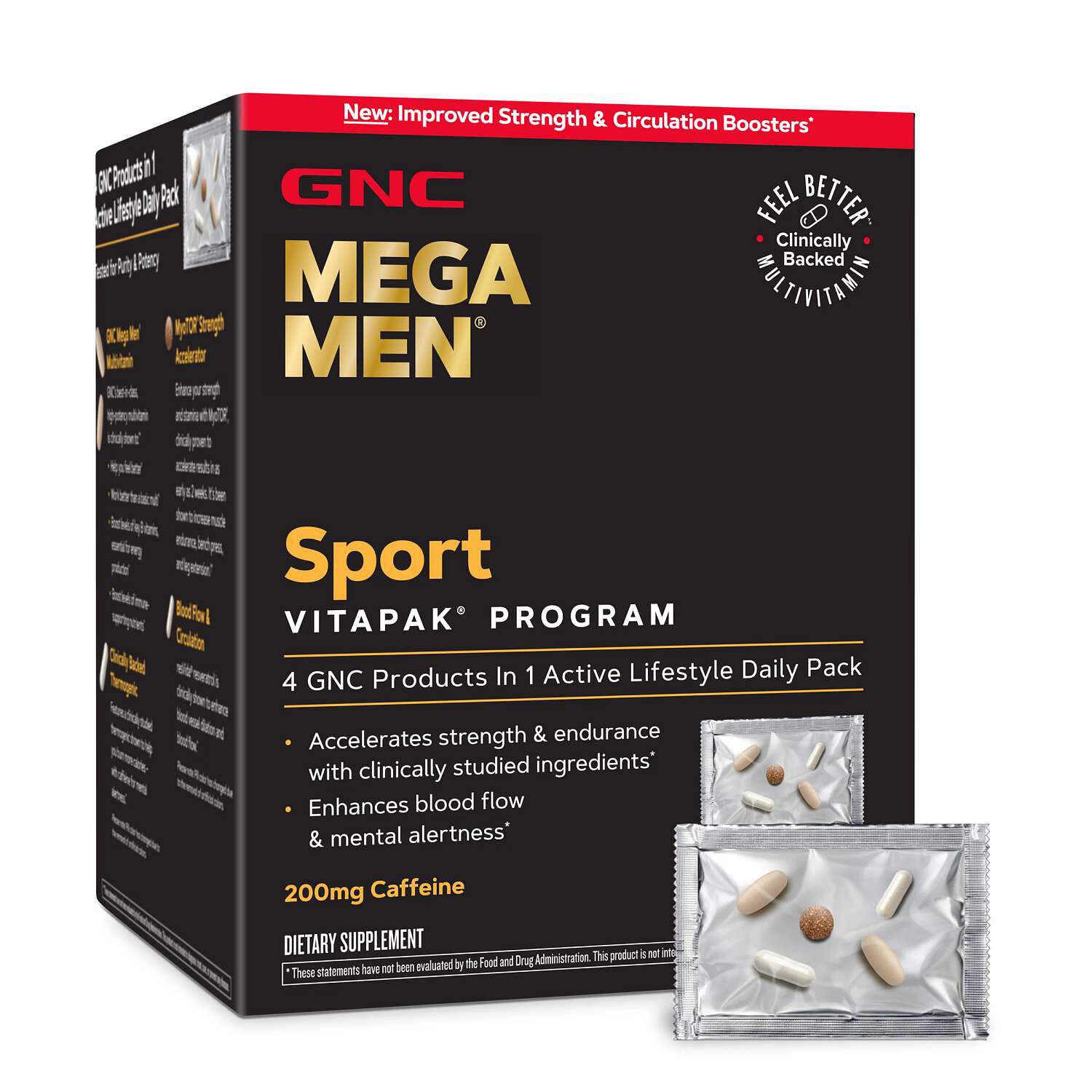
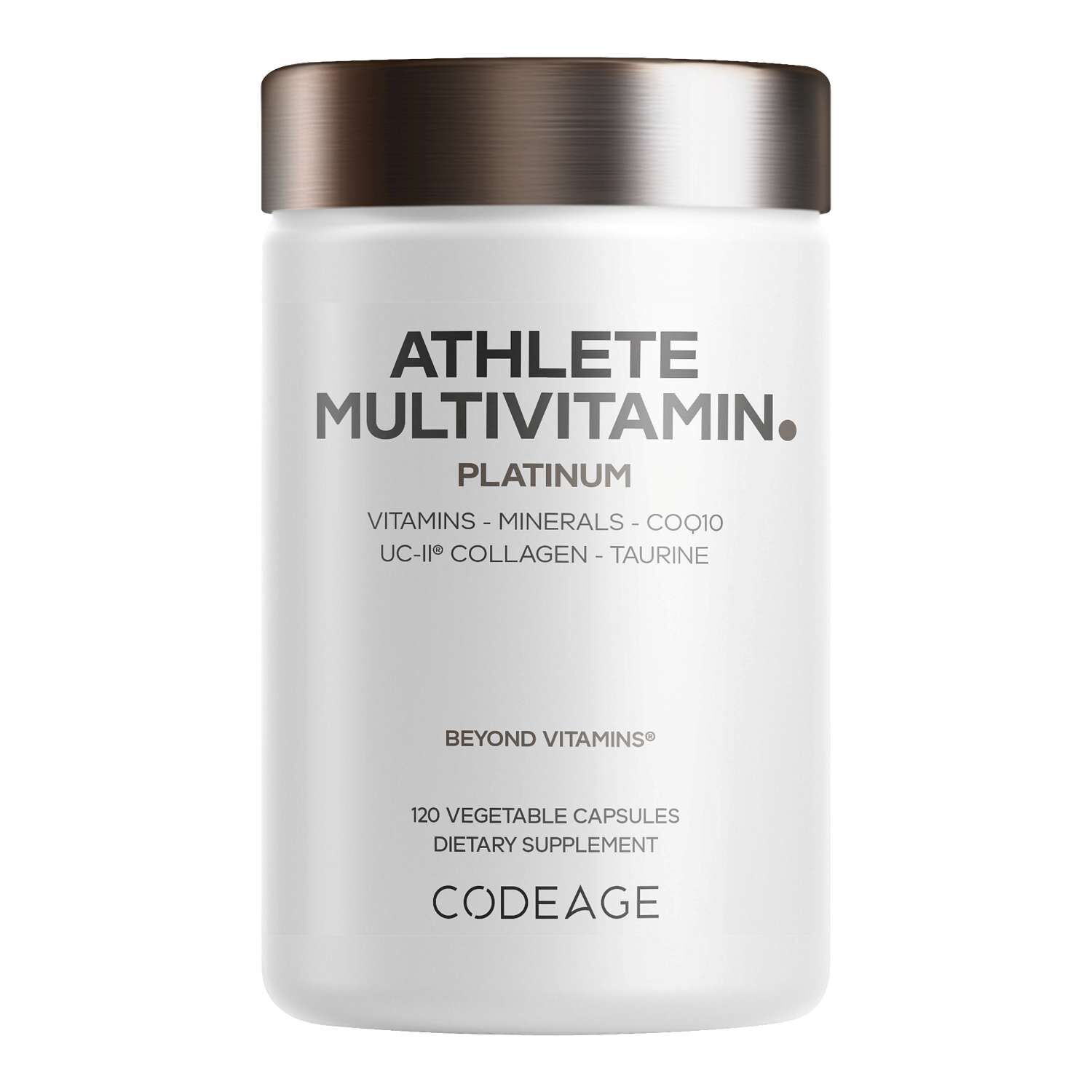
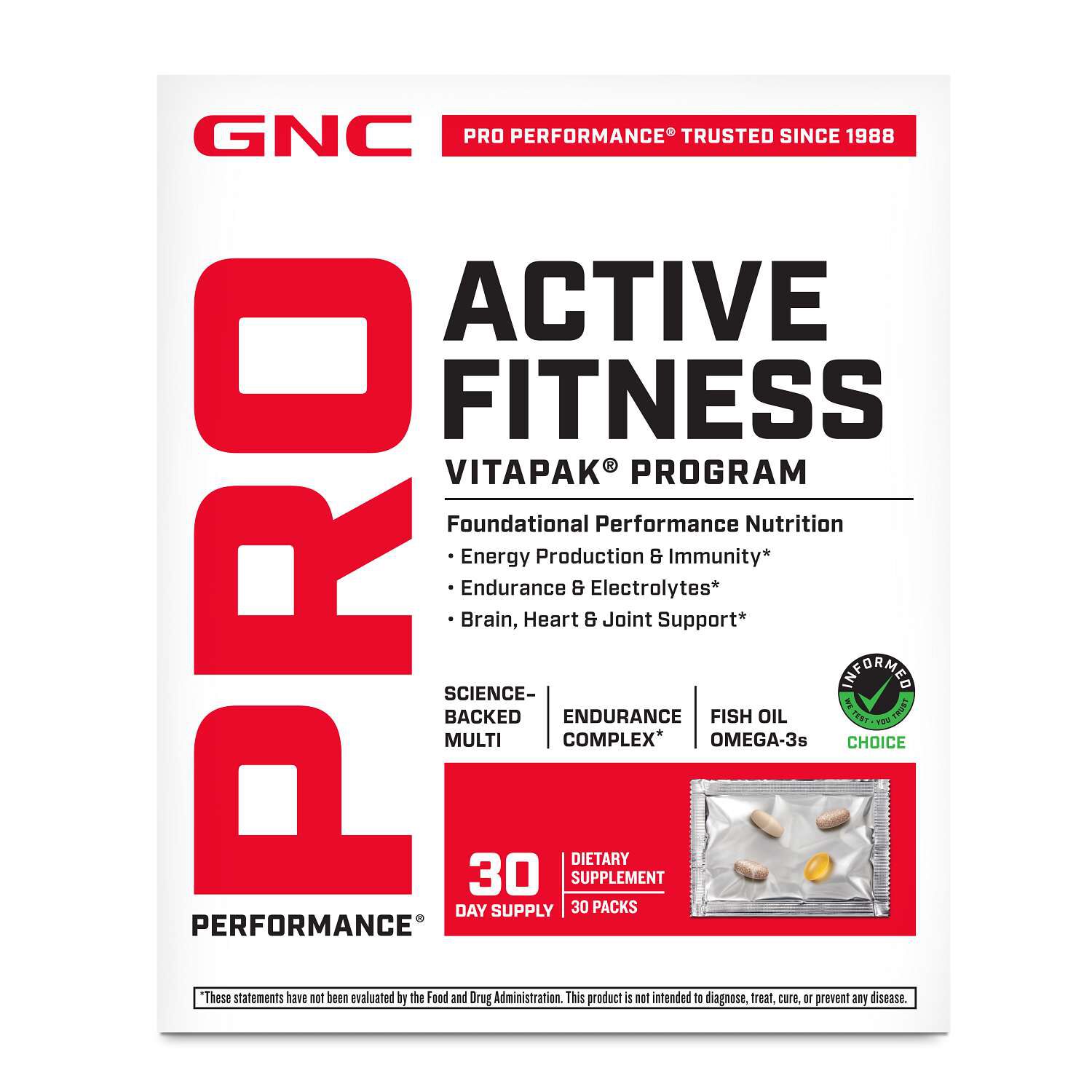
Multivitamins for boys in sports are dietary supplements selected with age, ingredient profile, serving format, and intended use in mind—not simply the sport printed on a jersey. They may help fill gaps in nutrient intake when food choices are limited, but they are not replacements for varied meals and snacks. A boy heading from school to basketball practice, a swimmer balancing homework with early practices, and a soccer player spending an afternoon at a tournament can have very different eating routines. A busy schedule alone does not establish a need for a supplement, and an athletic label does not make a formula suitable for every age. This category includes multivitamin formats that parents and caregivers may consider alongside a child’s usual eating pattern, food preferences, and age-specific labeling. Common ingredients include vitamins A, C, D, and E, several B vitamins, and minerals such as zinc or iodine, although the combination and amounts differ by formula. Some products contain iron, while others do not; calcium and magnesium amounts can also vary considerably. Those differences make the Supplement Facts panel more useful than a broad description on the front of a container. Amounts are listed per serving, and a serving may consist of more than one gummy, chewable, or tablet. Age ranges deserve the same attention as ingredient lists, especially when comparing products intended for children with those labeled for adolescents or adults. A larger serving or longer ingredient list is not automatically a better match for an active boy. The most relevant comparison is between the product’s stated audience, its nutrient amounts, and the household’s existing routine. Individual questions about nutritional needs or suitability belong in a conversation with a qualified healthcare professional familiar with the child. Within that context, multivitamins may offer one way to supplement everyday nutrient intake without turning an ordinary school-and-sports schedule into a performance-focused supplement routine.
Format is often the difference between a product that fits a household’s routine and one that feels inconvenient. Gummies, chewables, swallowable tablets, and liquids have different textures, flavors, packaging needs, and serving directions. A fruit-flavored chewable may appeal to a child who dislikes swallowable tablets, while an older teen may prefer a tablet with little lingering flavor. Those preferences do not override the age guidance on the label, and products with similar flavors or shapes can still have different ingredients and serving sizes. Gummy formulas may use gelatin or pectin, and vegetarian preferences make that distinction relevant. Added sugars, sweeteners, coloring ingredients, and flavor sources also vary. For families managing food restrictions, ingredient statements and allergen information provide more useful detail than broad descriptions such as “fruit flavored.” Milk, soy, wheat, and other ingredients require attention according to the individual household’s needs, and manufacturing statements can add context beyond the ingredient list itself. Liquid formats introduce considerations such as the included measuring device, closure design, and any storage instructions after opening. With tablets and chewables, container size and closure style can influence how easily the package fits into a designated storage spot at home. A backpack filled with cleats, notebooks, and a damp practice shirt is a different environment from a shelf or cabinet, so packaging condition and label-directed storage matter. Original containers keep the product name, serving directions, ingredient information, and expiration date together. Secure closures and storage out of children’s reach are particularly relevant for sweet-tasting formats, which are supplements rather than candy. Texture or appearance alone does not indicate nutrient content, and flavor preferences are separate from the amounts listed on the label. Across formats, practical details such as readable directions, manageable packaging, and a clearly identified serving size can make comparisons more straightforward for parents and caregivers.
Third-party certification is another consideration for families comparing multivitamins for young athletes, particularly when organized competition has its own supplement policies. Independent programs differ in what they evaluate: some focus on whether contents match label declarations, while sports-focused programs may also screen for certain substances restricted in athletic competition. A certification mark has a specific scope, so the supporting details matter more than a general statement that a product has been tested. Certification does not establish that a formula is appropriate for every child, nor does it demonstrate better athletic performance. Sports-focused screening and age suitability are separate considerations, and neither replaces a careful reading of the product label. The same distinction applies to terms such as “active” or “sports” in category descriptions: those words describe an intended audience, not a child’s individual nutritional needs. For boys moving into adolescence, Multivitamins For Teens offers a related category for comparison, with each formula’s labeled age range remaining an important point of reference. The transition from children’s products to teen products is not determined by team placement, height, or how demanding a practice feels. Products also differ in whether they contain only vitamins and minerals or include additional ingredients, such as botanical blends. A longer formula can mean more details to review rather than a closer match to a young athlete’s routine. Other supplements already used in the household may contain overlapping vitamins or minerals, making the full ingredient picture relevant to questions about suitability. Meals, snacks, hydration, and rest remain part of the broader daily routine, while a multivitamin occupies a narrower role as a dietary supplement. Whether the schedule includes recreational baseball, school track, or weekend swim meets, useful comparisons stay grounded in age-appropriate labeling, transparent ingredient information, credible testing details, and a format that suits the household—not expectations of a different result on the field.
Best Sellers




Related Pages



Top Collections
- Chronic Fatigue Supplements
- Vitamins For Hair Loss
- Zinc Supplements For Men
- Active Supplements
- Supplements For Yoga Joint Flexibility
- Capsule Supplements For Energy And Stamina
- Adult Vitamins
- Joint Mobility Supplement Packs
- Zinc Supplements | Top Brands at Great Prices | GNC
- Magnesium Bisglycinate Supplements