





Summer Wellness Vitamins For Teenage Boys
(0 Results)
Summer wellness vitamins for teenage boys could be a helpful addition to any active summer routine. Warmer months often bring new activities, outdoor adventures, and changing schedules, making it important to support overall well-being. With options designed to suit the needs of growing teens, these supplements might help fill nutritional gaps that can occur during busy summer days. Explore a variety of choices that may support your teen’s summer wellness journey.
-

-

-
-
-

-
 $24.99
-
-

-
-

-

-

-

-
-

-
 $14.99
-
 $24.99


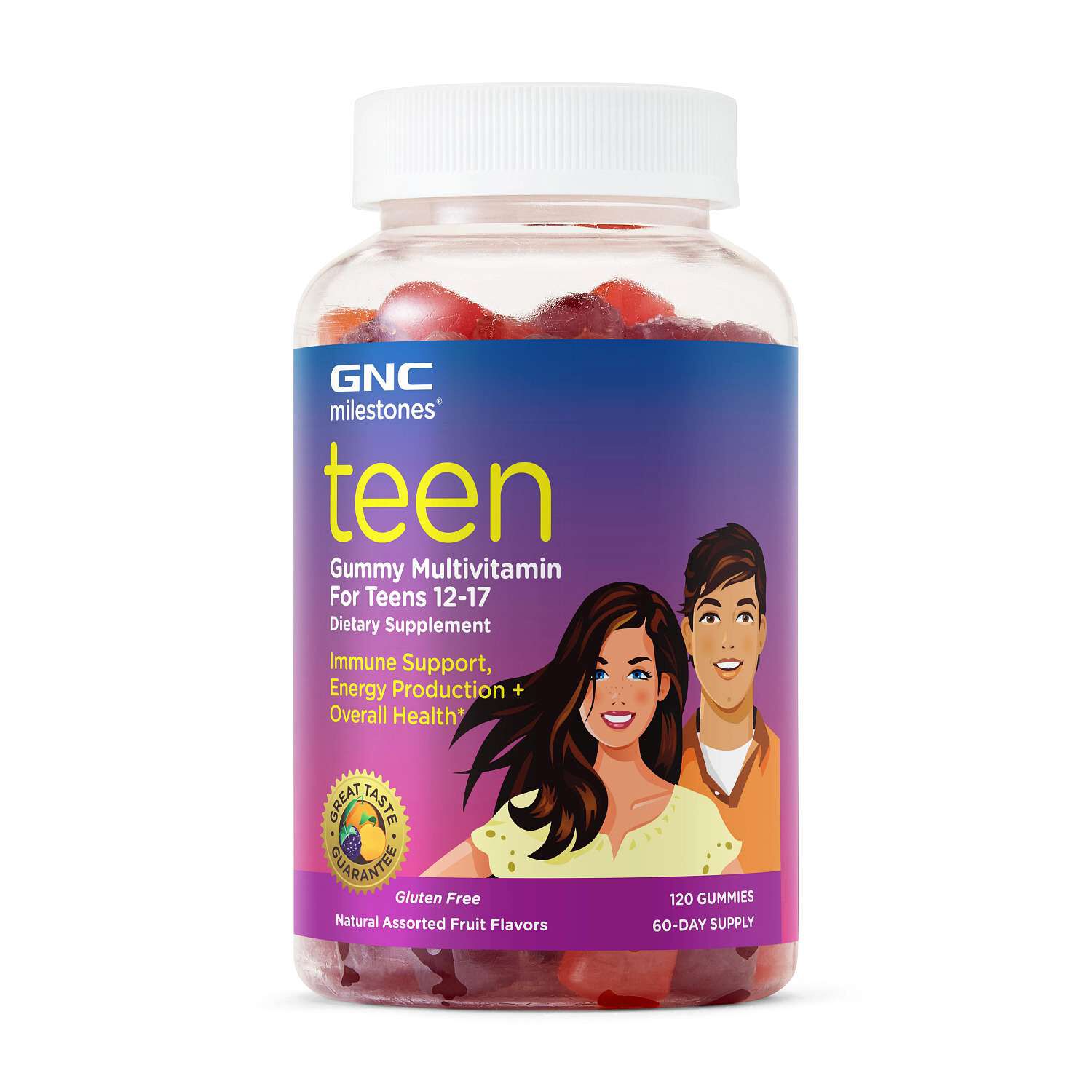
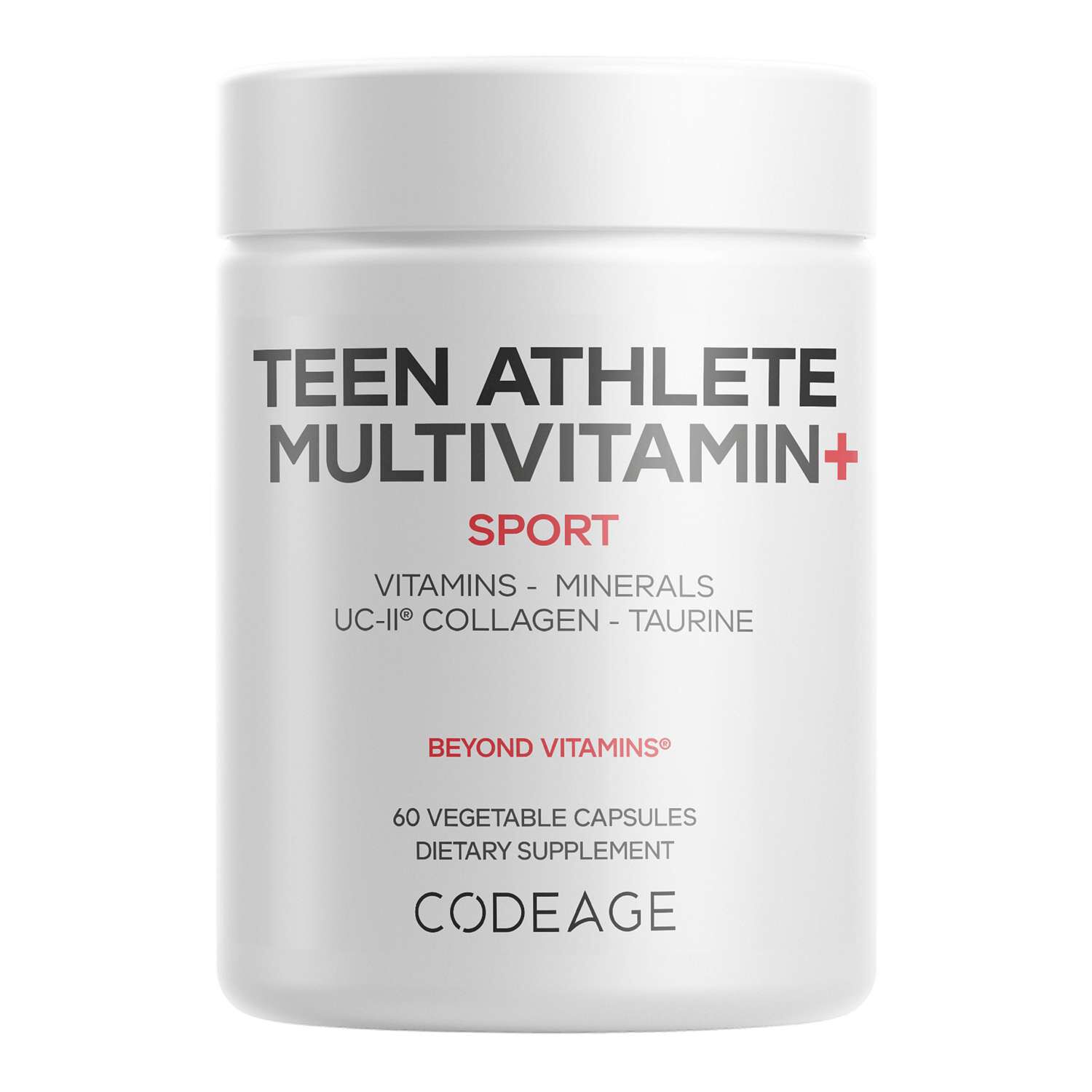
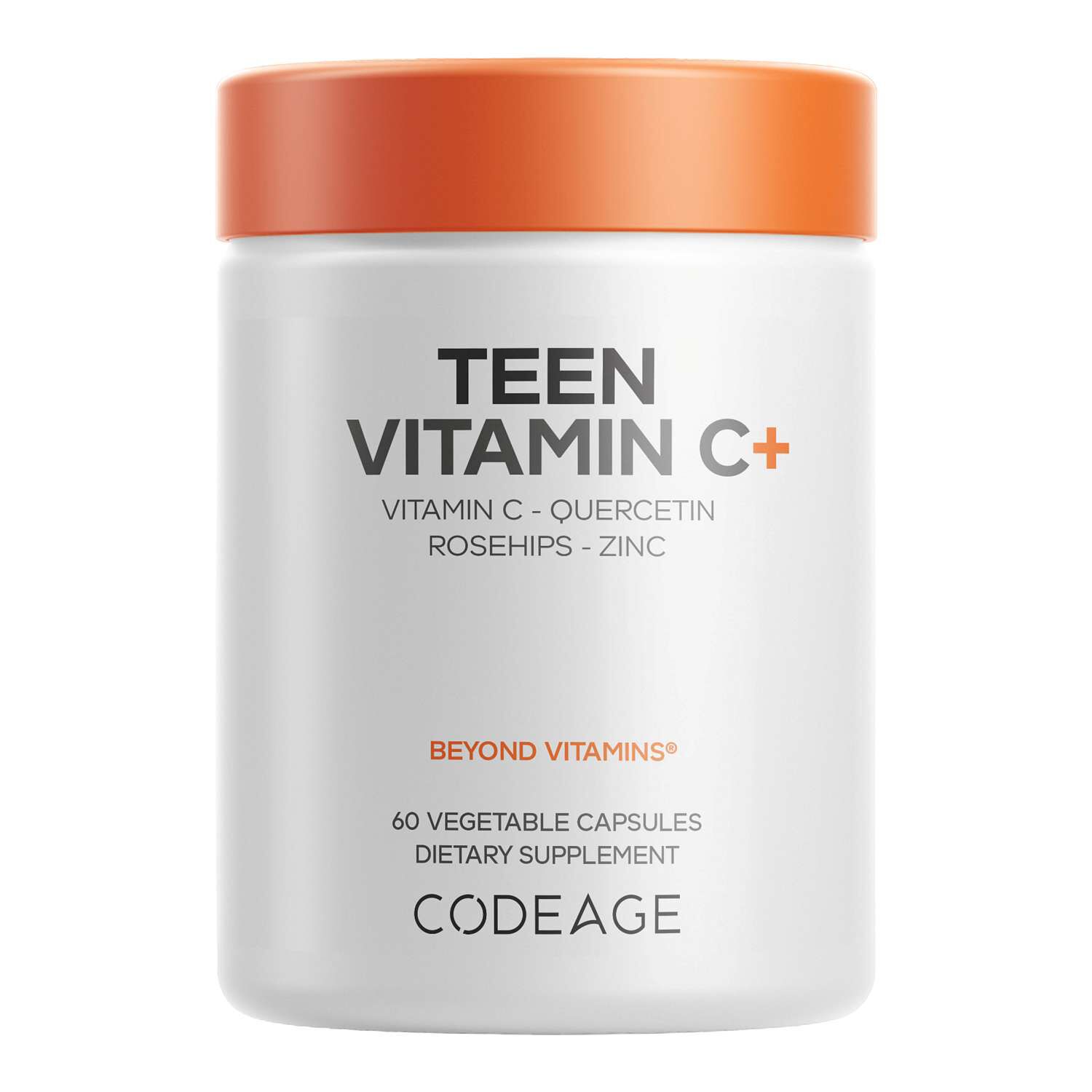
Summer wellness vitamins for teenage boys may complement a varied diet when summer routines include camp, travel, sports, and meals away from home. Multivitamins bring several nutrients together in one formula, while single-vitamin supplements focus on a particular nutrient. The relevant considerations are a teen’s age, the product’s intended audience, its ingredient list, and how it fits into an existing routine. A teenager heading to morning swim practice may have a different breakfast schedule from one spending afternoons at a summer job, but neither schedule alone determines which supplement is appropriate. Meals and snacks remain the foundation of everyday nutrition, with vegetables, fruit, grains, protein foods, and dairy or suitable alternatives providing variety throughout the day. Vitamins may help address gaps in an eating pattern, rather than stand in for the food itself. For parents and caregivers comparing summer wellness supplements, clear labeling matters more than athletic imagery or language aimed at adults. The teenage years span a broad age range, and a formula labeled for one age group is not automatically intended for another. Checking the stated age range, serving size, and nutrient amounts provides a more meaningful comparison than choosing by bottle size or flavor alone. Summer activities also vary widely: a week of family sightseeing, an overnight camp session, and afternoons spent reading on the porch call for different packing arrangements, not an assumption that every teen needs the same supplement. A familiar routine, straightforward packaging, and a format the teen is comfortable using may make a selection more practical. For families planning ahead, these details create a useful framework for comparing vitamins without turning a seasonal shopping decision into a judgment about a boy’s appetite, athletic ability, or appearance. The focus stays on age-appropriate options and thoughtful everyday habits, whether the summer calendar is crowded with activities or leaves plenty of room for unstructured time. Preferences deserve a place in that comparison, too, since a teen’s input may help parents understand which textures, flavors, and formats feel manageable.
Ingredient details distinguish one vitamin formula from another, even when the front labels look similar. Some multivitamins contain a range of vitamins alongside minerals such as zinc or iodine; others have a narrower ingredient profile. Vitamin amounts may be listed in different units, so the Supplement Facts panel is the place to compare the serving size with the amount of each nutrient in that serving. The number of tablets, capsules, or gummies per serving is another important distinction: a bottle’s piece count is not necessarily the number of servings it contains. Gummies, chewable tablets, capsules, and liquids also differ in texture, taste, packaging, and preparation. Gummies may appeal to teens who prefer a softer texture, while a capsule format may suit someone who would rather avoid a flavored option. A liquid format calls for attention to the measuring directions and any storage requirements shown on the label. Beyond the vitamins themselves, ingredient lists can include sweeteners, colors, flavorings, gelatin, pectin, or capsule materials. Those details matter for households comparing vegetarian preferences, ingredient sensitivities, or other dietary considerations. A fruit-flavored gummy is not necessarily made with the same ingredients as another gummy with a similar flavor name, and a plant-based capsule does not describe every ingredient inside it. Clear ingredient information is more useful than assumptions based on color, shape, or package design. Nutrient overlap is worth noticing as well, especially when a teen already uses a multivitamin or regularly chooses fortified foods and drinks. Comparing the labels together gives parents a clearer picture of what each option contains, without assuming that a longer ingredient list is a better match. For summer wellness vitamins for teenage boys, a thoughtful selection is less about the most elaborate formula and more about an age-appropriate product with understandable directions, suitable ingredients, and a format that fits the household’s routine. Packaging can add another point of comparison, including readable print, a secure closure, and enough space to keep the original directions intact throughout use.
Summer storage and travel bring practical details into focus. A bottle left beside a sunny car window, a gummy container tucked into a beach bag, and a liquid packed for an overnight stay face different conditions than supplements kept in a cupboard at home. Heat, moisture, and direct sunlight can affect product condition, so the storage directions on the package deserve attention before a trip. Some formats have specific requirements after opening, and a bathroom shelf or parked vehicle may not match those instructions. Keeping supplements in their original containers preserves access to ingredient information, age guidance, serving directions, and the date printed on the package. For camp or organized travel, the program’s rules about supplements and adult supervision are part of planning what to pack. A securely closed container and a designated storage spot may make handling more orderly, particularly in a shared cabin or hotel room. Gummies belong with supplements rather than in a snack bowl, regardless of their fruit shapes or familiar flavors. Parents and caregivers can also consider whether a package is practical for the length of a trip, how easily the label can be read, and whether the format requires any additional measuring equipment. These small details often matter more in daily use than an attention-grabbing front label. Related browsing through Summer Wellness Growth Supplements offers another seasonal category to explore, with the same attention to intended age, ingredients, and package directions. Category names are a starting point for browsing, while individual labels provide the details needed for comparison. Whether a family is preparing for a long camp stay or keeping familiar routines at home, summer vitamin shopping can remain grounded in practical considerations. A clearly labeled formula, suitable format, and sensible storage plan may fit more naturally alongside regular meals, water breaks, rest, and the many different ways teenage boys spend their summer days. The aim is a manageable addition to the routine, with room for individual preferences and adult involvement in the selection.
- Q: What are some key vitamins to consider for teenage boys' wellness during the summer?
A: During the summer, teenage boys may consider formulas with nutrients such as vitamin D, vitamin C, B vitamins, calcium, magnesium, zinc, and vitamin E, depending on their diet and routine. - Q: How can summer wellness vitamins complement an active lifestyle for teenage boys?
A: Summer wellness vitamins may help fill nutritional gaps that can occur with increased physical activity, travel, or changes in diet. They may also help keep a daily wellness routine consistent during busy summer days. - Q: Are there specific nutrients teenage boys should focus on during the summer months?
A: Nutrients such as magnesium, potassium, zinc, and omega-3 fatty acids are common options in teen wellness formulas. Choose products that fit your teen’s age, diet, and serving preferences. - Q: Can a multivitamin be a good option for teenage boys during the summer?
A: A multivitamin formulated for teens can be a convenient way to help round out a balanced diet, especially with busy schedules or changes in eating habits during the summer. - Q: How should teenage boys incorporate wellness vitamins into their daily routine over the summer?
A: Teenage boys can take their chosen vitamins as directed on the label, often with a meal if the product directions allow. Using a consistent time each day may make it easier to remember.
Best Sellers

_Front.jpg?sw=305&sh=305&sm=fit "Junior Multi - 90 Tablets - 90 Tablets (90 Servings) | GNC")
Related Pages


Top Collections
- Joint Mobility Supplement Packs
- Daily Collagen Supplements | Top Brands & Deals | GNC
- GLP 1 Support For Adults
- Zinc Supplements | Top Brands at Great Prices | GNC
- Supplements For Yoga Joint Flexibility
- Supplements For Balance
- Capsule Supplements For Energy And Stamina
- Adult Mobility Supplements
- Chronic Fatigue Supplements
- Vitamins For Hair Loss