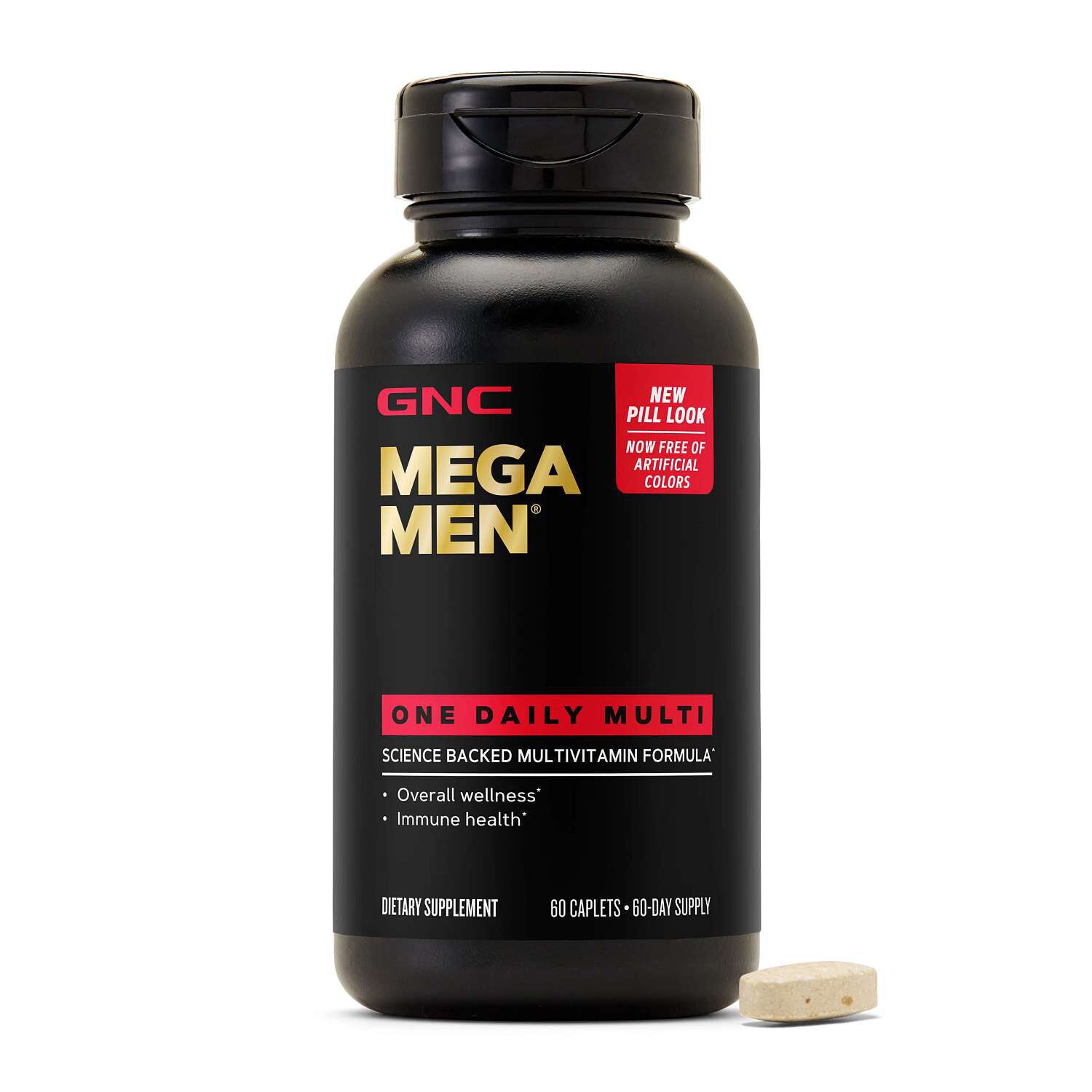
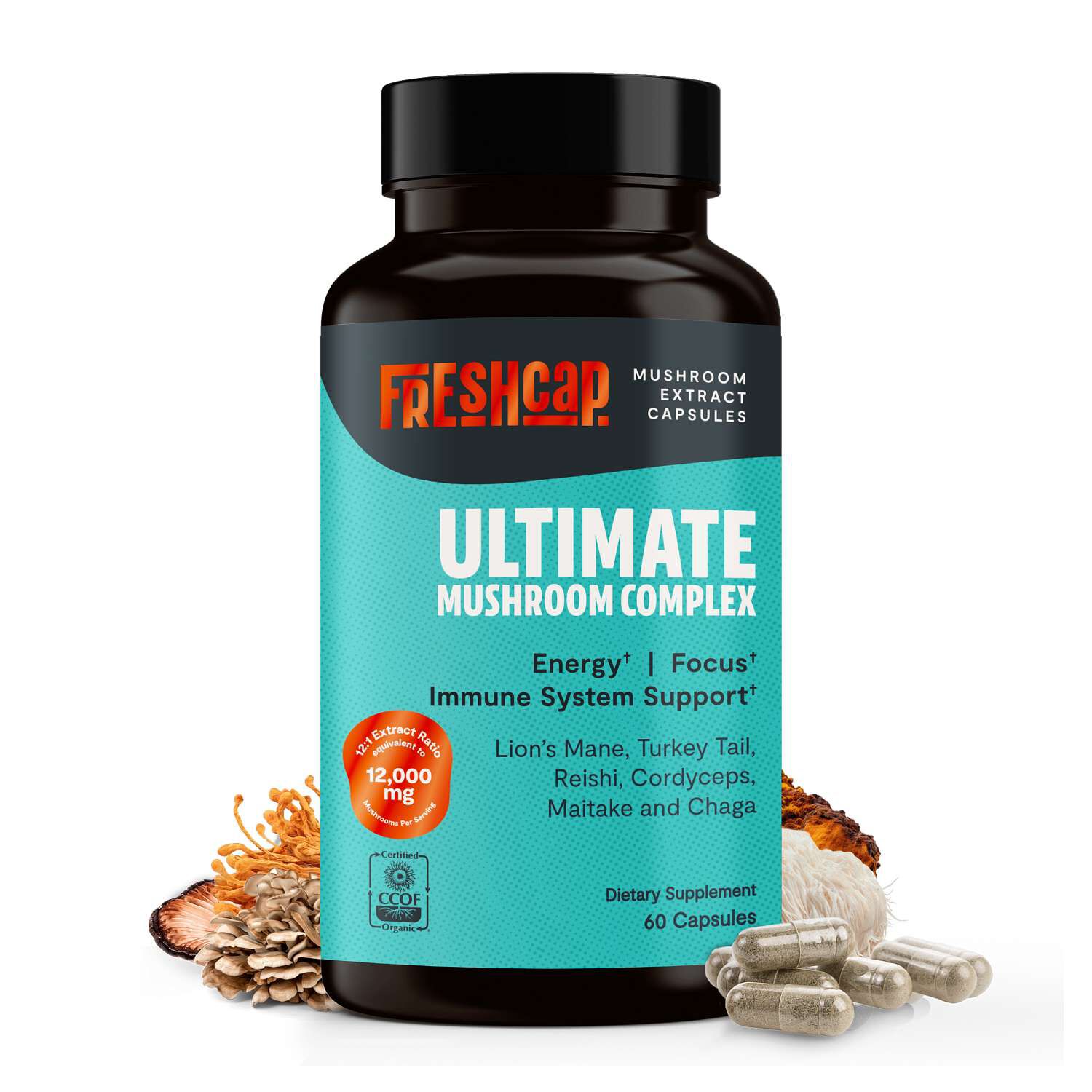
Brain Caplets
(0 Results)
Unlock the potential of peak mental performance with brain caplets, designed to support cognitive function and mental clarity. These innovative supplements may provide the nutrients needed to help maintain focus, memory, and overall brain health. Whether you're tackling a busy workday or studying for exams, brain caplets might be the perfect addition to your daily wellness routine. Explore a variety of options that could fit seamlessly into your lifestyle, offering support for your mental edge.

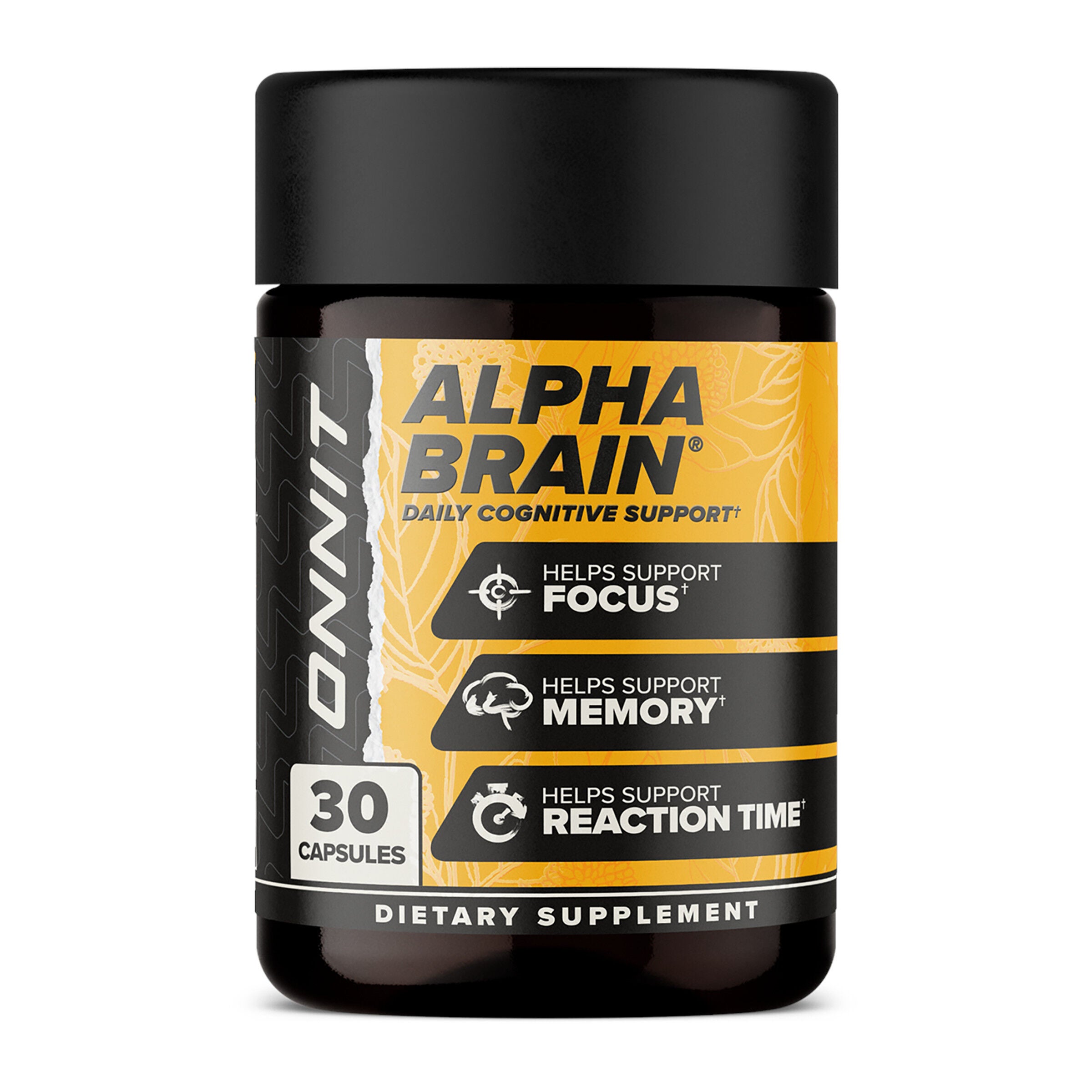
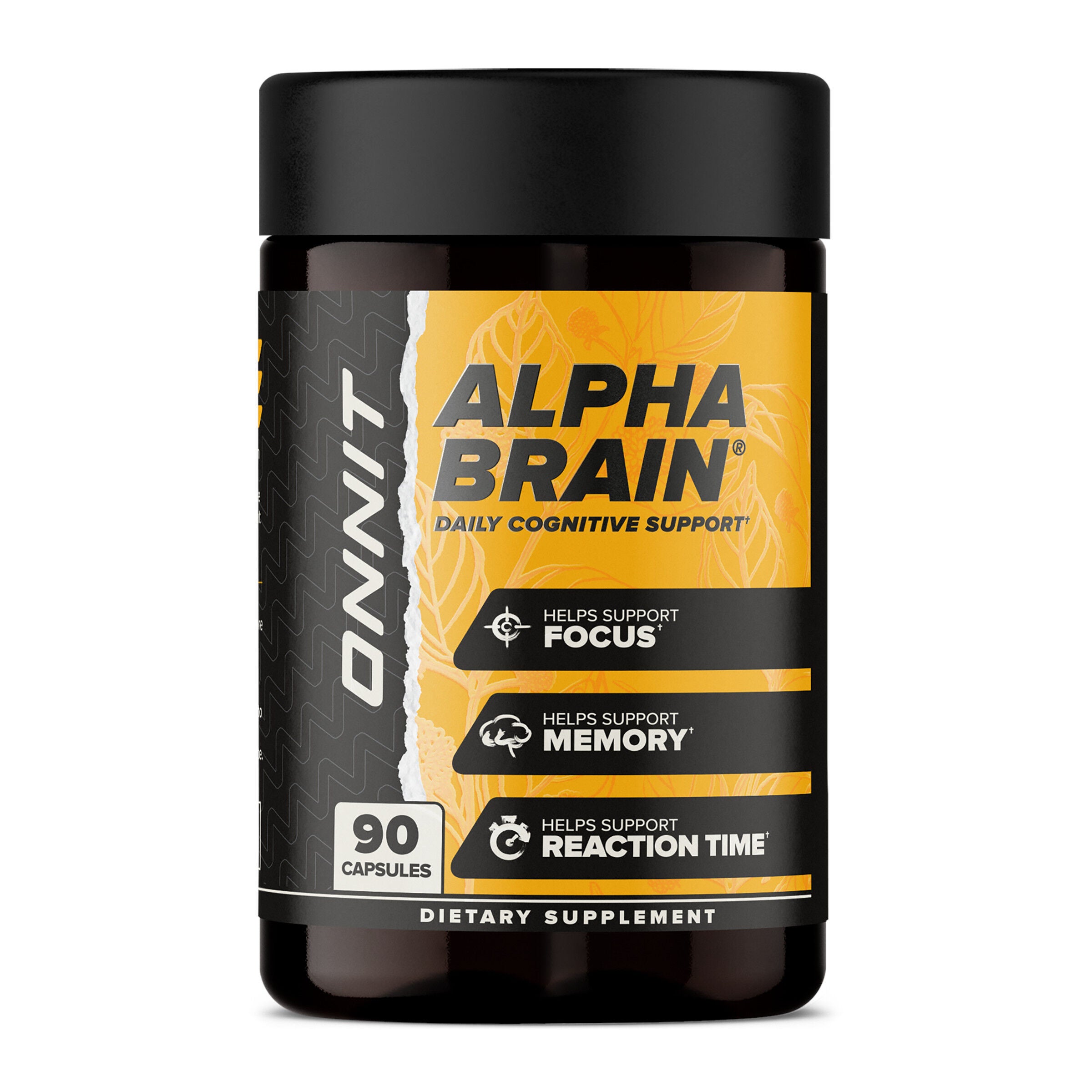
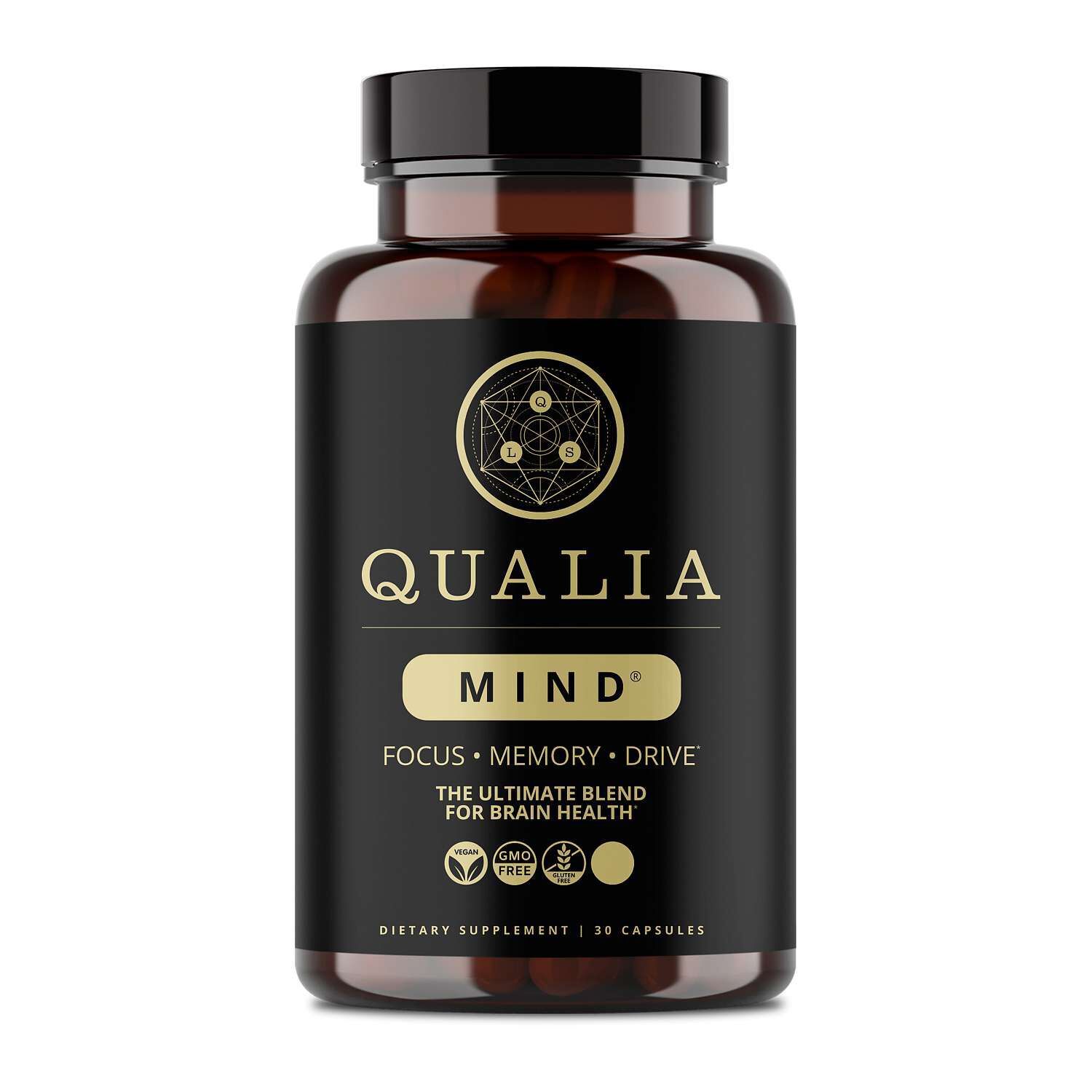

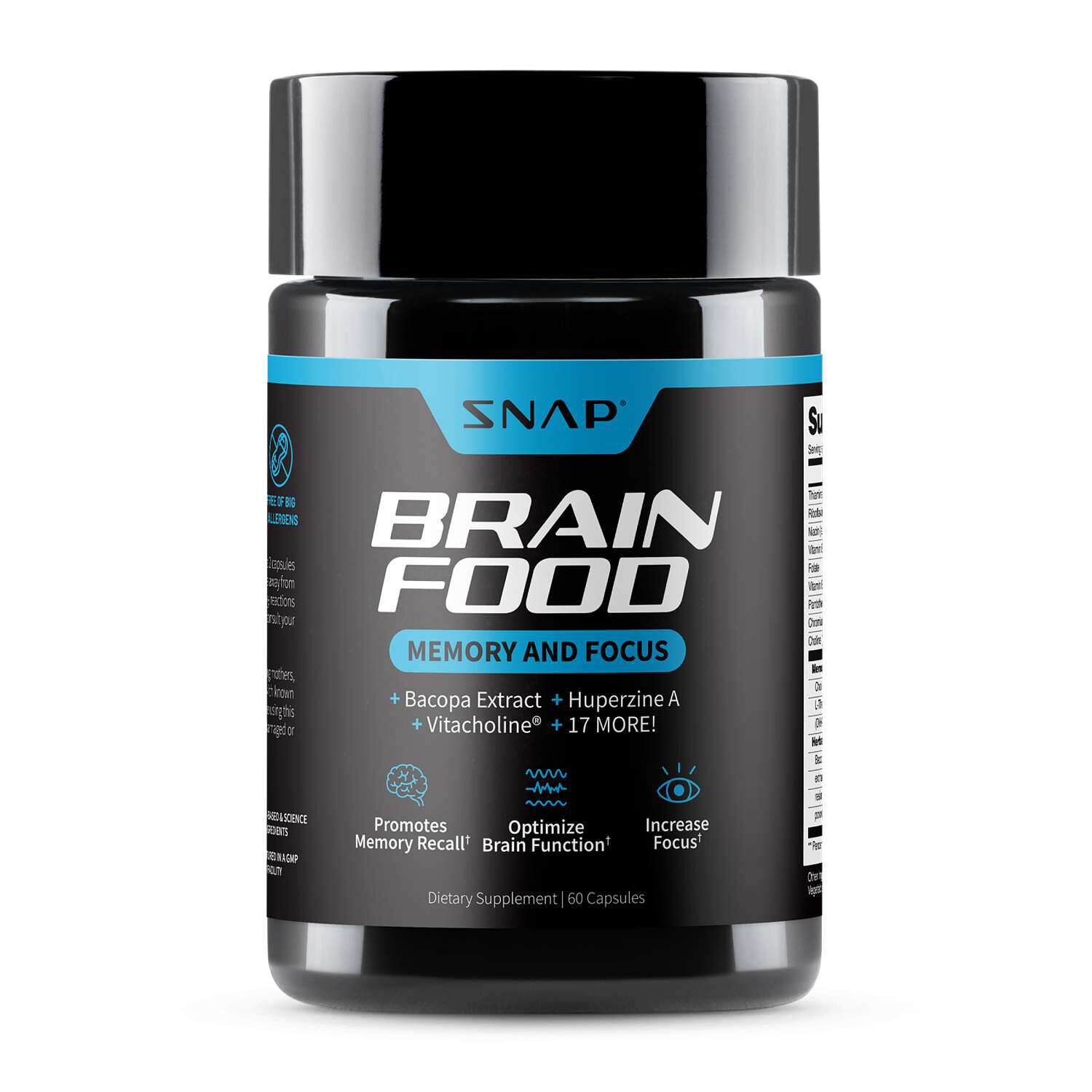
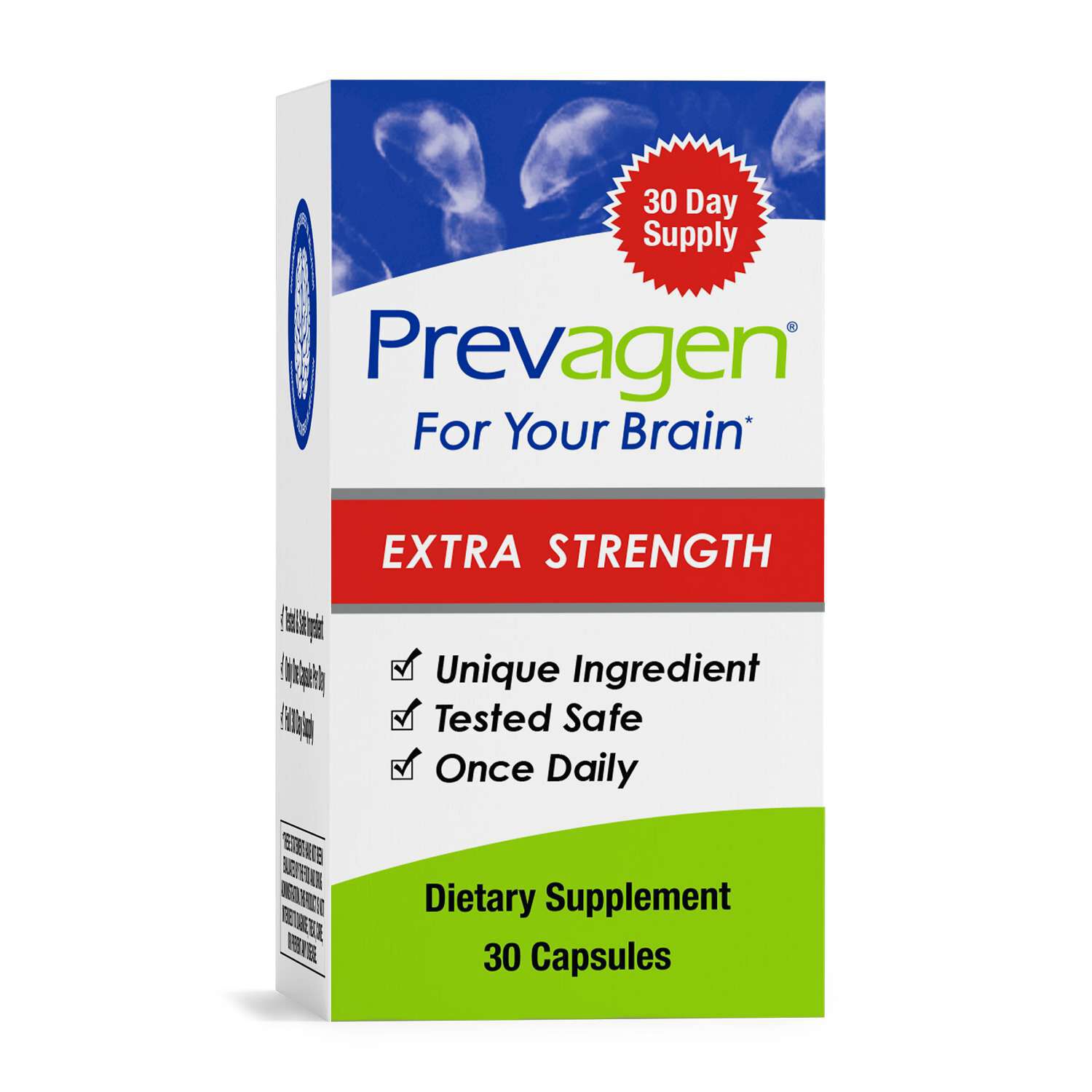
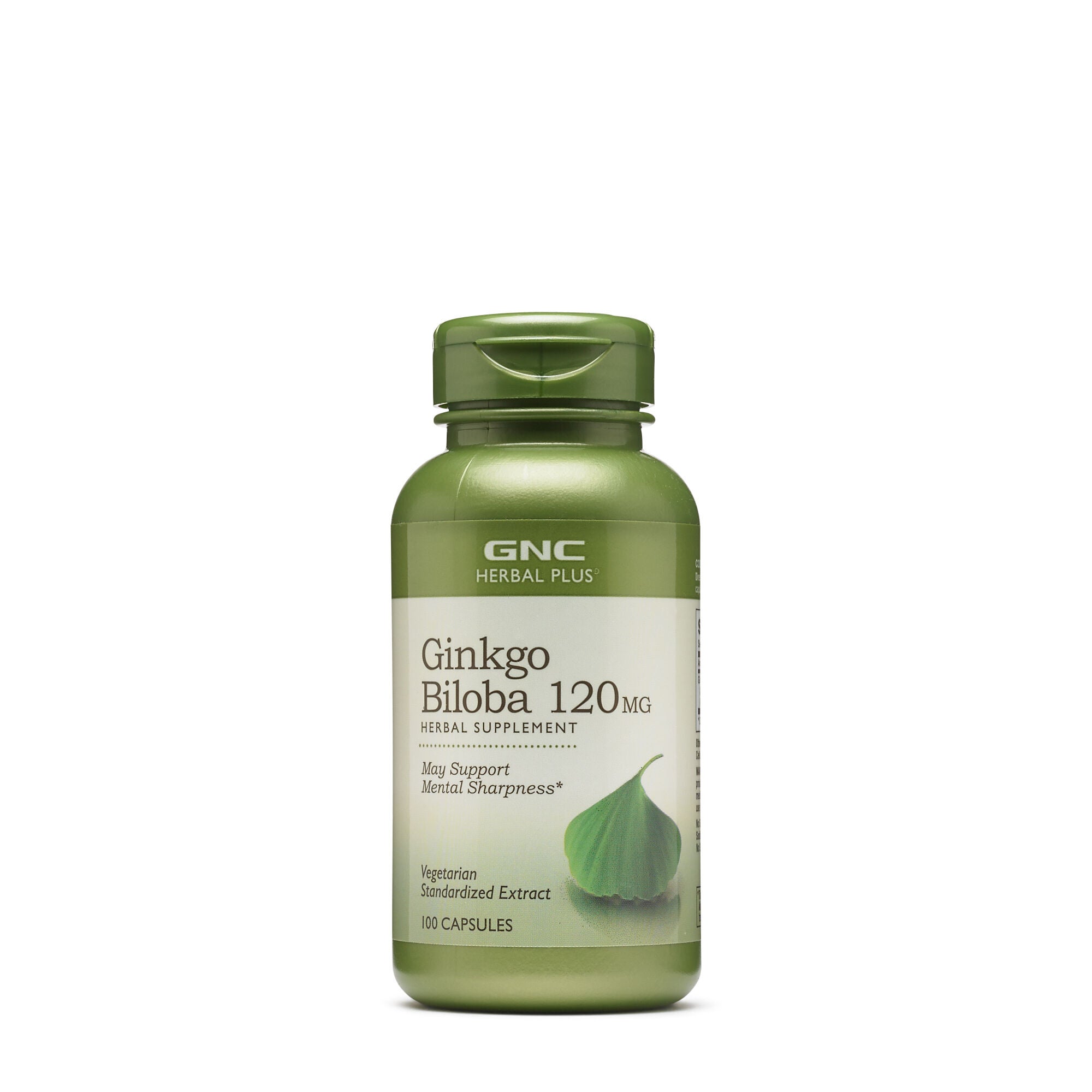

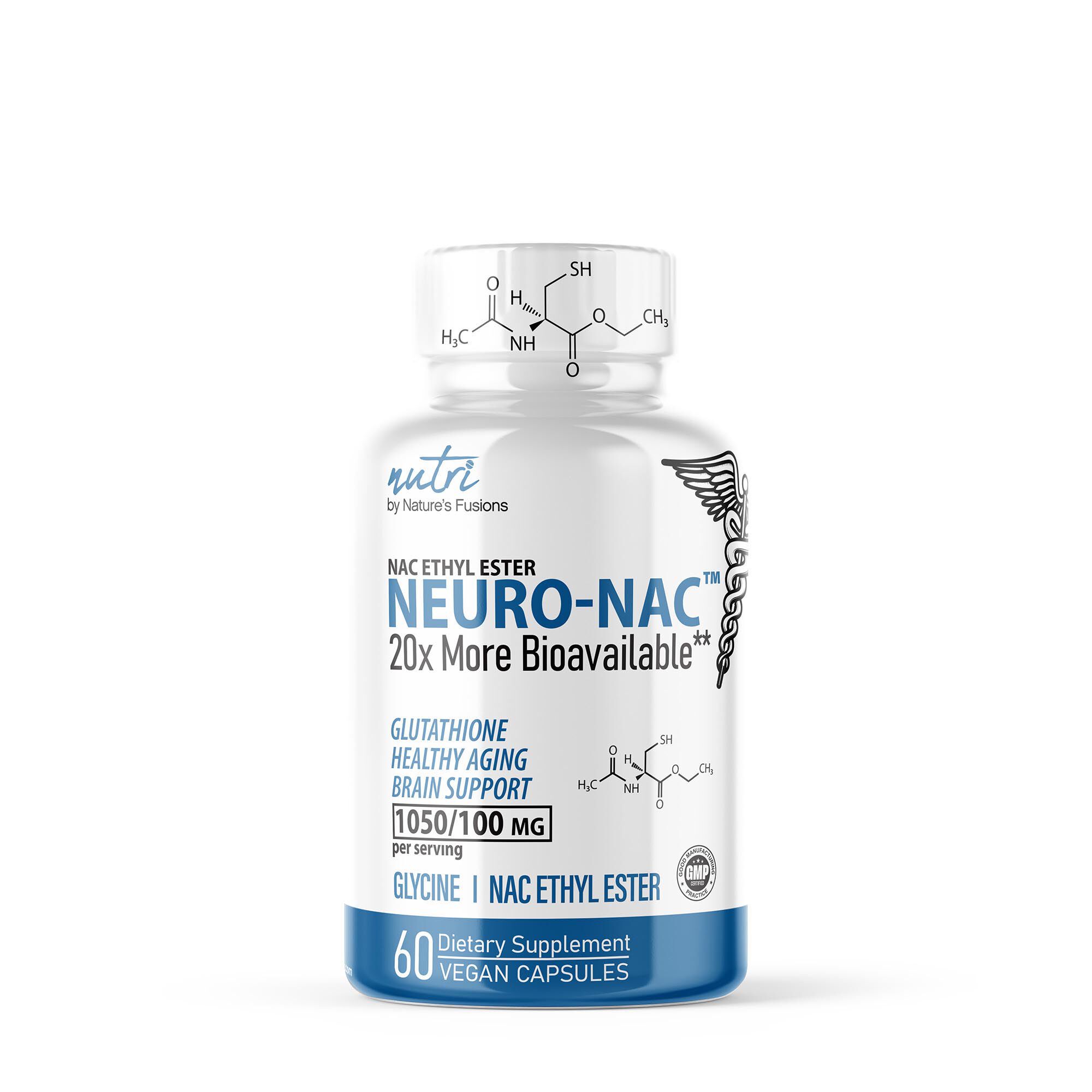

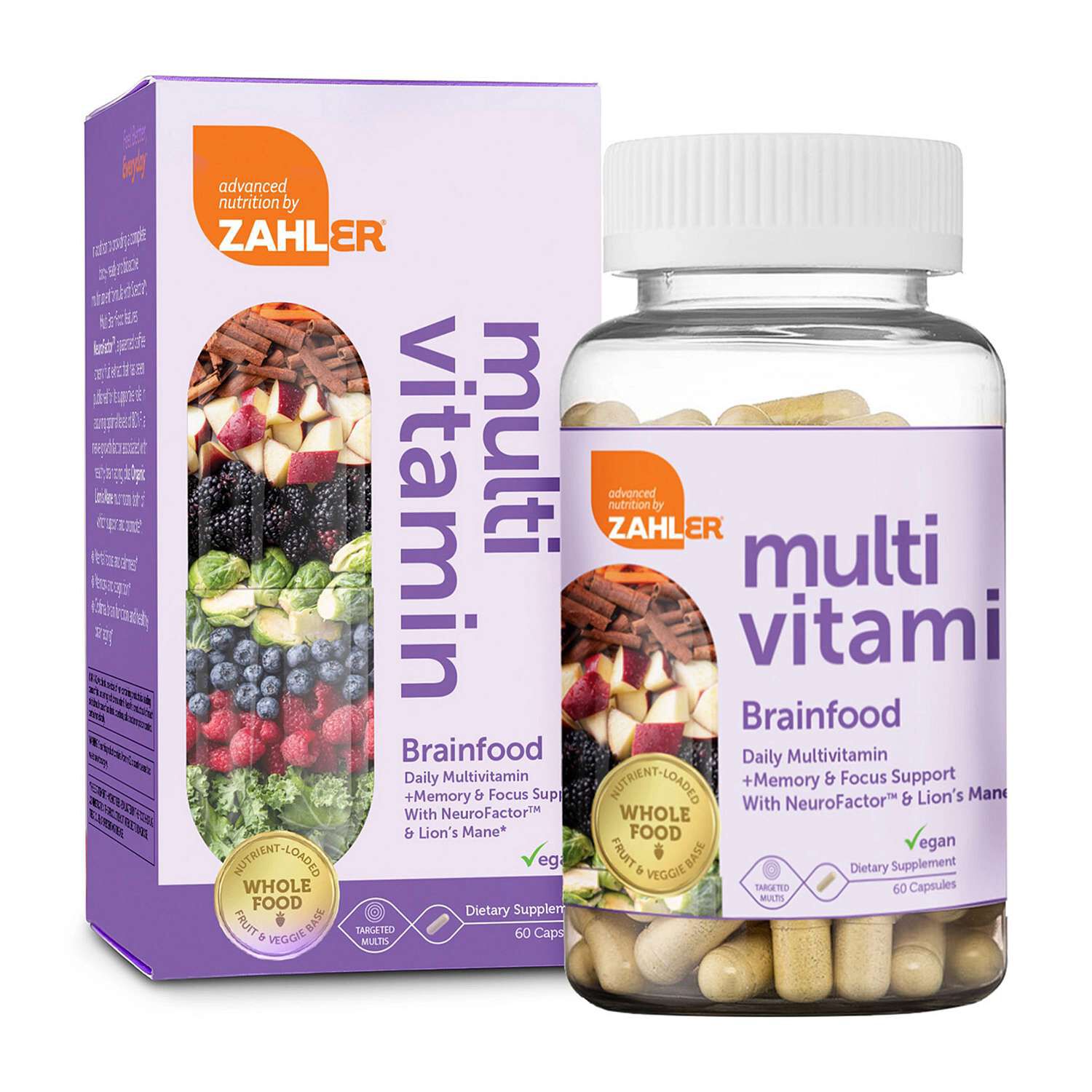
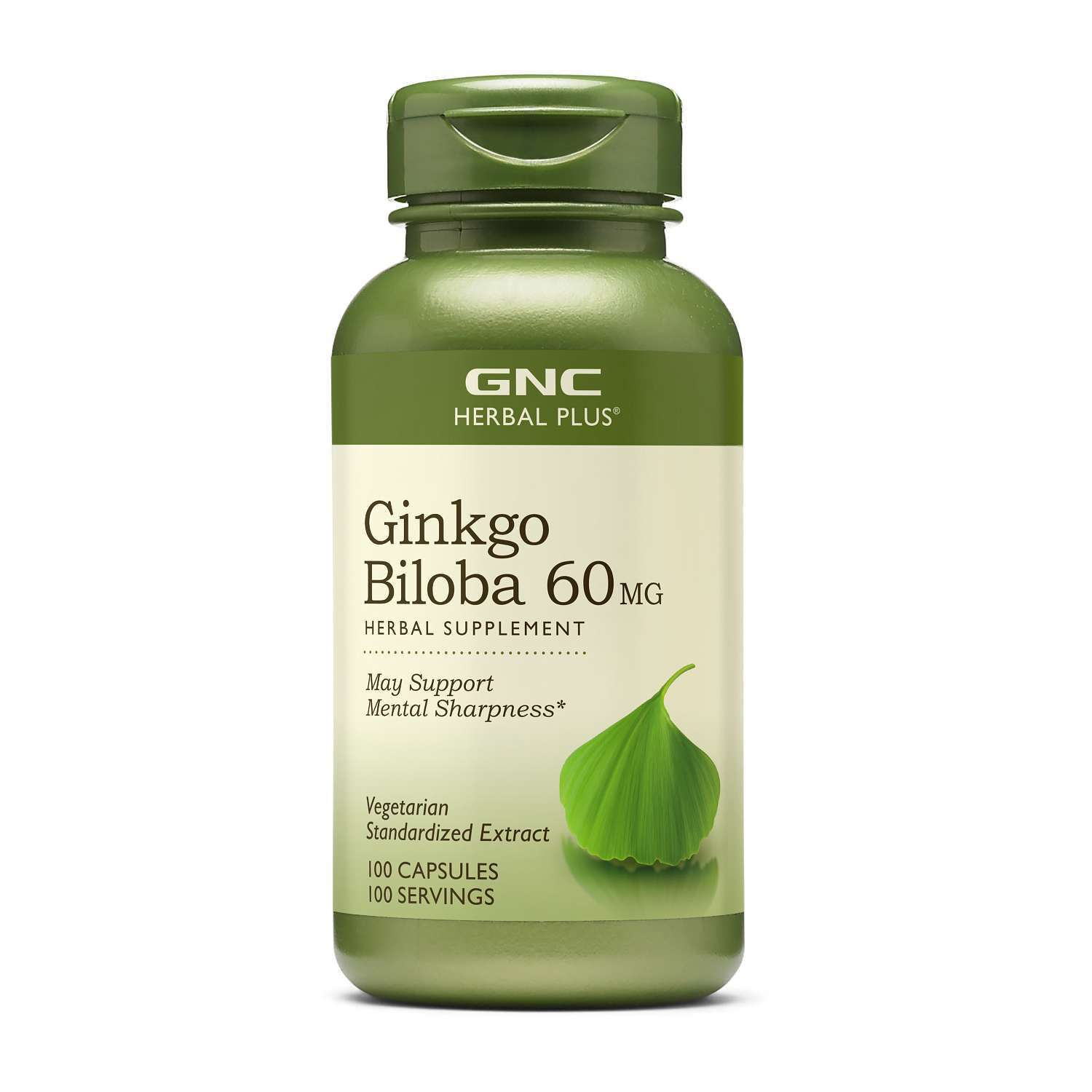
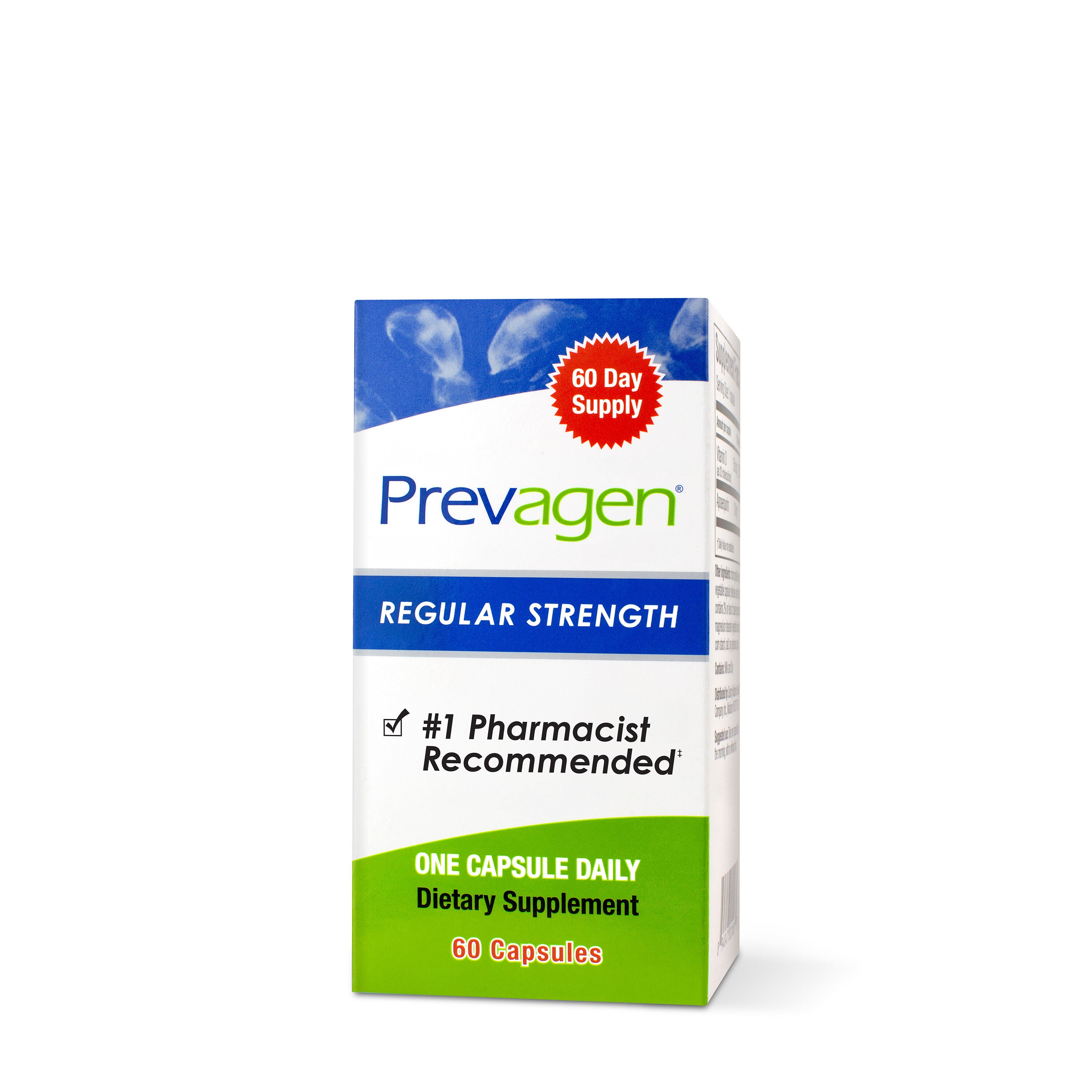
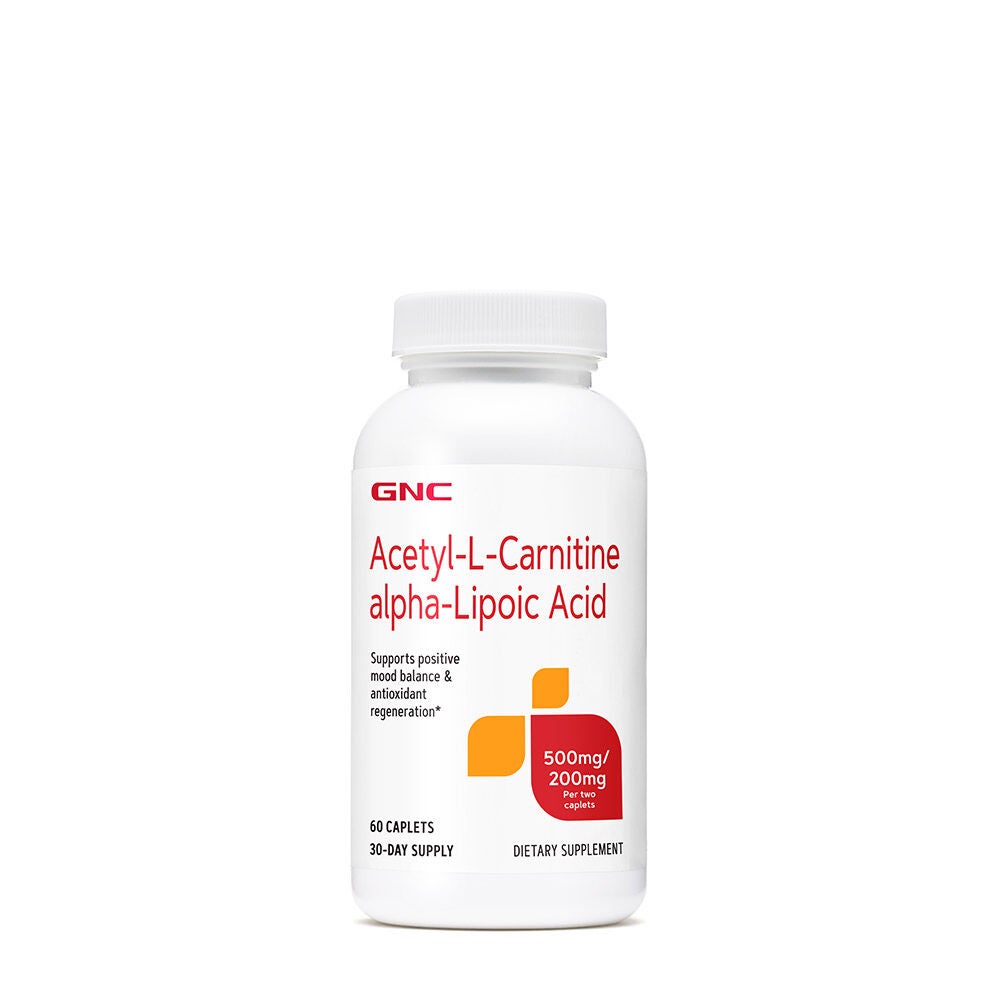

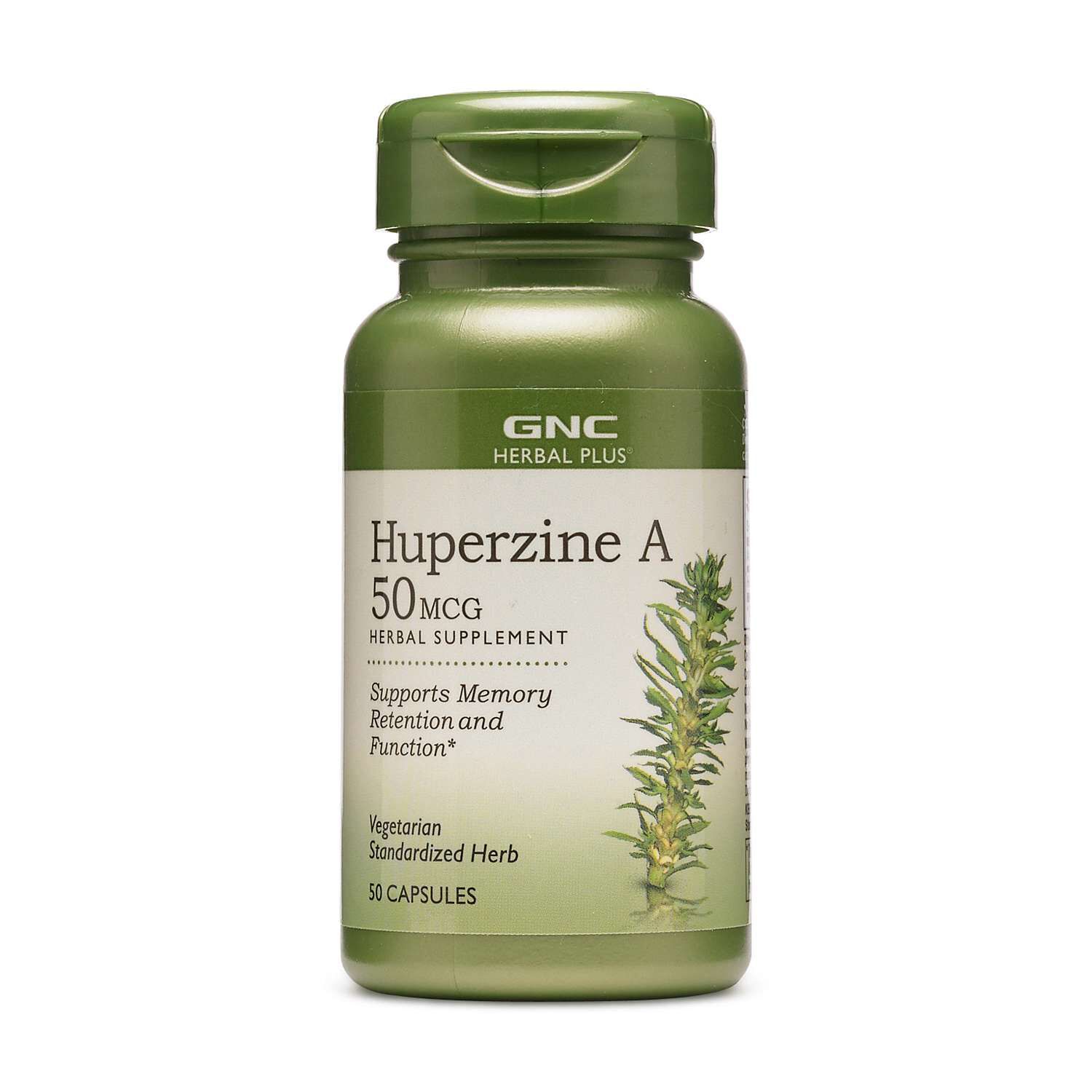


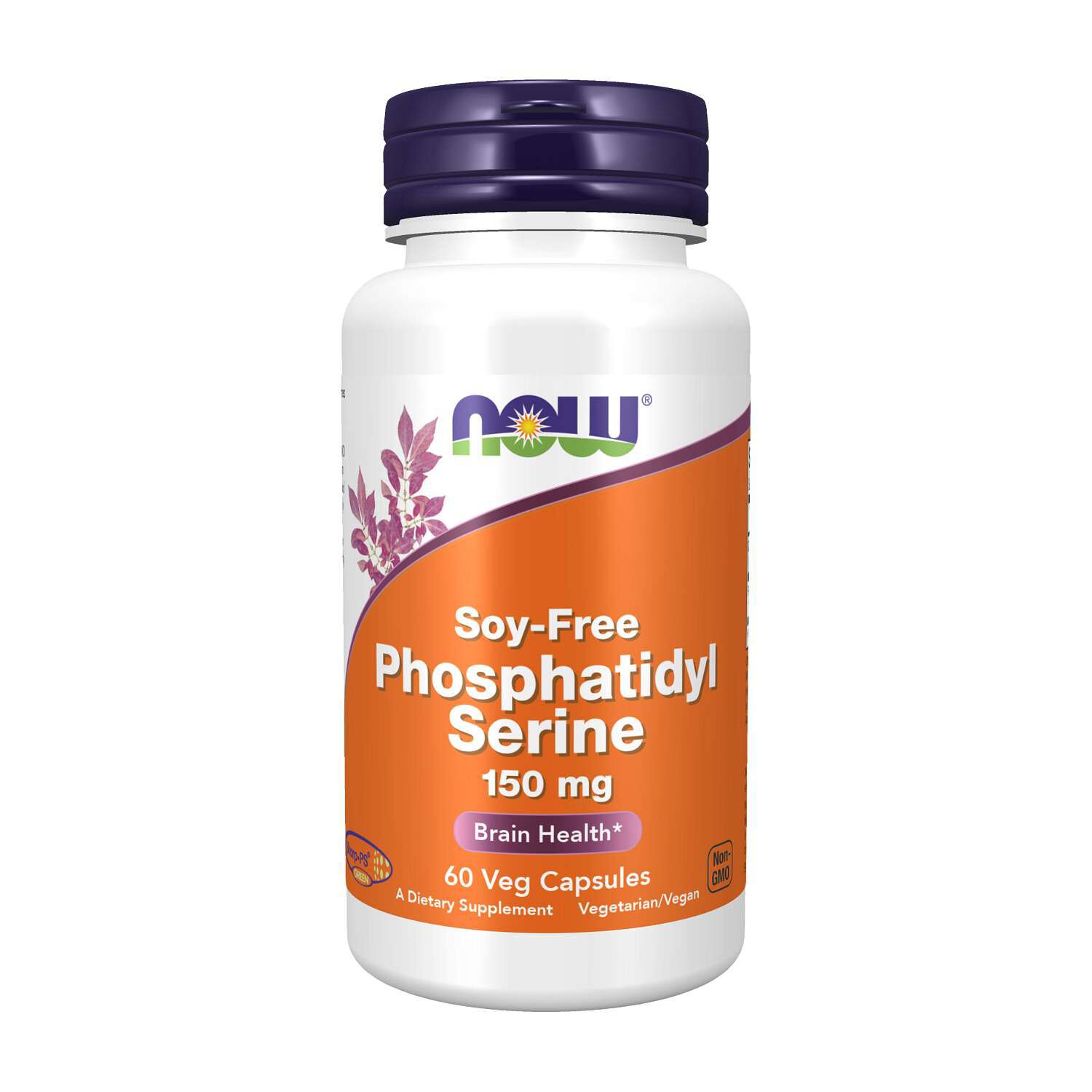


Brain caplets are dietary supplements in a compressed, elongated tablet form, generally intended for adults interested in everyday memory, concentration, and mental focus. The term describes both a supplement category and a physical format, rather than a single ingredient or standardized formula. Two bottles labeled for brain support can contain different nutrients, botanical extracts, serving sizes, and ingredient combinations, making the label more informative than the category name alone. Some formulas include sage extract, phosphatidylserine, vitamins, or minerals, while others bring several ingredient types together. Sage is a botanical ingredient that can appear as an extract, and phosphatidylserine is a phospholipid, a type of fat-containing compound found in cell membranes. Their presence does not make different formulas interchangeable: the amount per serving, source, and accompanying ingredients can vary. Brain caplets may support aspects of everyday cognitive function, but individual experiences can differ, and a formula’s composition matters more than broad language on the front of a bottle. This category often draws interest from adults with reading-heavy workdays, continuing education coursework, or schedules that involve moving between detailed tasks. A quiet morning reviewing documents, an afternoon sorting through a lengthy project, or an evening spent studying gives context to that interest without establishing an expected result. These supplements are not substitutes for sleep, varied meals, or time away from demanding tasks. For shoppers comparing brain caplets, useful distinctions include the number of caplets in a serving, whether the formula includes caffeine, and whether individual ingredient amounts are clearly listed. A straightforward formula may appeal to someone who values a short ingredient list, while a combination formula may appeal to someone comparing several nutrients in one format. Neither approach is inherently better suited to every adult. The most meaningful comparison starts with what is actually in each serving and how that serving fits the intended routine, rather than assuming that a longer ingredient list signals a better experience.
The caplet format has its own practical characteristics. Unlike a capsule, which holds ingredients inside a shell, a caplet is made by compressing ingredients into an oblong solid. Its shape distinguishes it from many round tablets, although actual dimensions, thickness, and surface texture differ across formulas. Some caplets have a coating that may make the surface smoother; others have a more noticeable tablet texture. A product image does not always convey size accurately, so any stated dimensions or format details provide useful context. Materials matter here in a different way than they do for clothing or household goods: the relevant details are the nutrient sources, botanical preparations, binders, coatings, and other ingredients used to form the caplet. The Supplement Facts panel describes the dietary ingredients and their listed amounts, while the other ingredients section identifies components used in manufacturing or finishing the tablet. A mineral mentioned somewhere on the label is not necessarily present as a featured nutrient; its role depends on the ingredient form and where it appears. Dietary preferences also deserve attention because a caplet’s appearance does not establish whether its ingredients are plant-derived or whether it meets a particular dietary standard. Ingredient sourcing and allergen statements offer more useful information than color or shape. Serving size adds another distinction: the amount shown in the Supplement Facts panel may apply to more than one caplet, and the bottle’s caplet count is not the same as its number of servings. Directions can also differ, so matching the serving information to the labeled use helps clarify what a routine would involve. For a comparison with another oral format, Brain Nutrient Capsules provides a related category to consider. Capsules and caplets can contain similar ingredient types, but the format alone does not establish ingredient quality, suitability, or expected effects. Those details remain specific to the formula and its labeling.
Everyday fit is often about the small details that become noticeable after the bottle leaves the shelf. A person who already keeps a simple morning routine may prefer clear serving directions and a bottle that stores neatly alongside other daily-use supplies. Someone who regularly travels between home and an office may place more importance on readable labeling, a secure closure, and packaging that keeps the contents protected during ordinary handling. These are practical considerations rather than measures of cognitive benefit. Brain caplets are typically stored in their original container, with the closure secured and any label-specific storage directions observed. A dry interior cabinet, away from direct sunlight and sources of heat or moisture, is generally a more suitable setting than a steamy bathroom shelf or a car console. Packaging durability matters because the container is part of how the caplets are protected; the tablets themselves are not designed for repeated exposure to damp air or rough handling. Keeping the original label also preserves access to ingredient details, directions, lot information, and the printed date. Bottle size is worth considering in relation to the labeled serving and the storage space available, rather than simply choosing the largest container. For households where several people keep supplements in the same cabinet, clear organization may make bottles and directions easier to distinguish. Personal selection usually matters more than presentation in this category, since dietary preferences, ingredient interests, and comfort with a particular tablet format differ from person to person. Brain caplets are therefore a more personal purchase than a general-purpose wellness gift. Across the category, clear labeling provides a useful foundation for comparing intended use, ingredient amounts, tablet format, and everyday handling. Interest in memory or focus does not point to one universal formula, and a supplement may not produce a noticeable change. A measured view keeps the emphasis on transparent information and realistic expectations, with brain caplets considered as one optional part of an established daily routine rather than a shortcut through a demanding schedule.