Brain Nutrient Capsules
(0 Results)
Unlock the potential of your mind with brain nutrient capsules, designed to support cognitive health and mental performance. These innovative supplements might provide the nutrients your brain needs for optimal function, potentially enhancing focus, memory, and overall mental clarity. Ideal for students, professionals, or anyone looking to maintain peak cognitive abilities, brain nutrient capsules could be a valuable addition to your daily wellness routine. Explore our selection to find the perfect fit for your mental health goals.
-
-
-
-

-
-

-
 Nature's Fusions$54.99
-
-

-

-

-

-
-
-
-

-
-

-

-
-
-

-
-

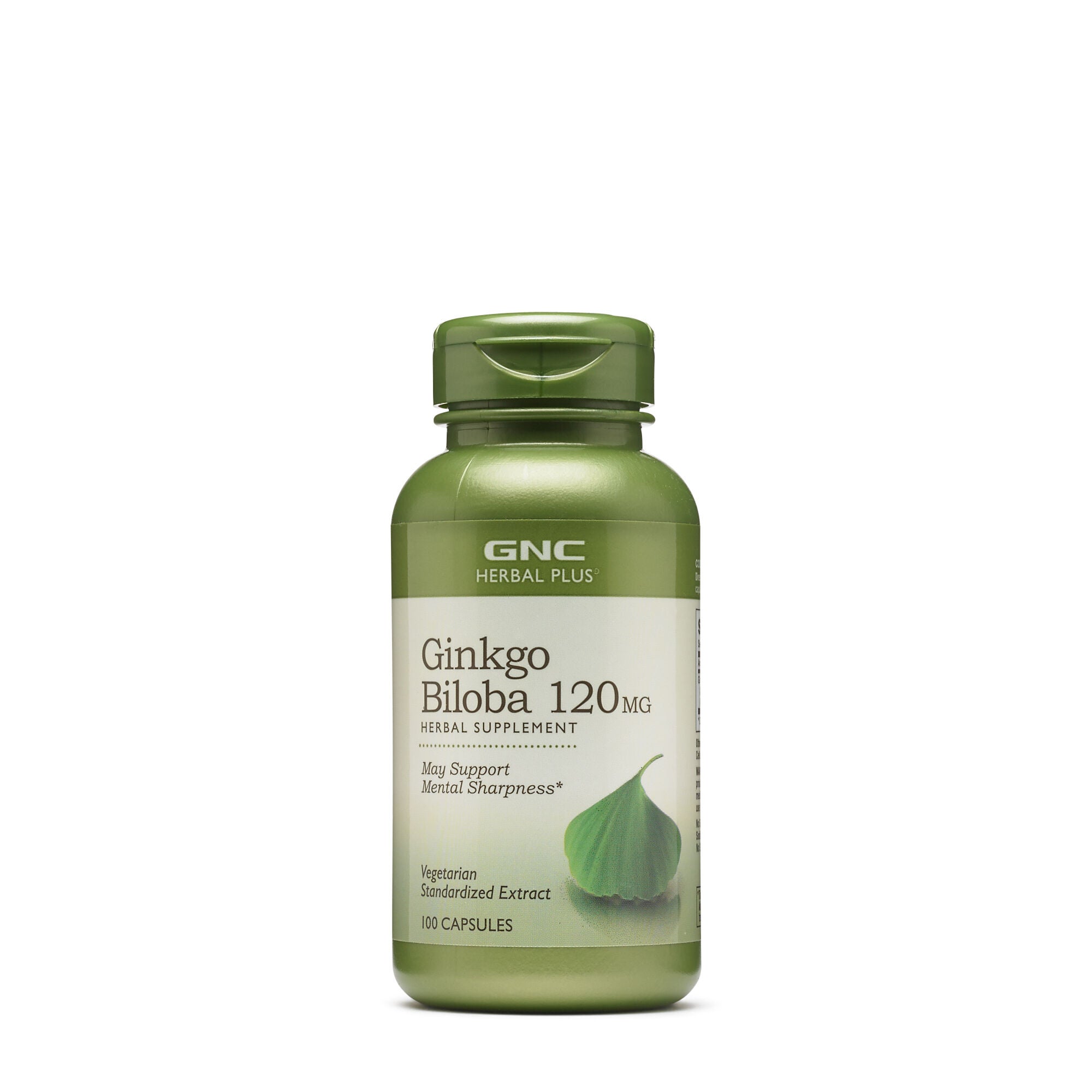
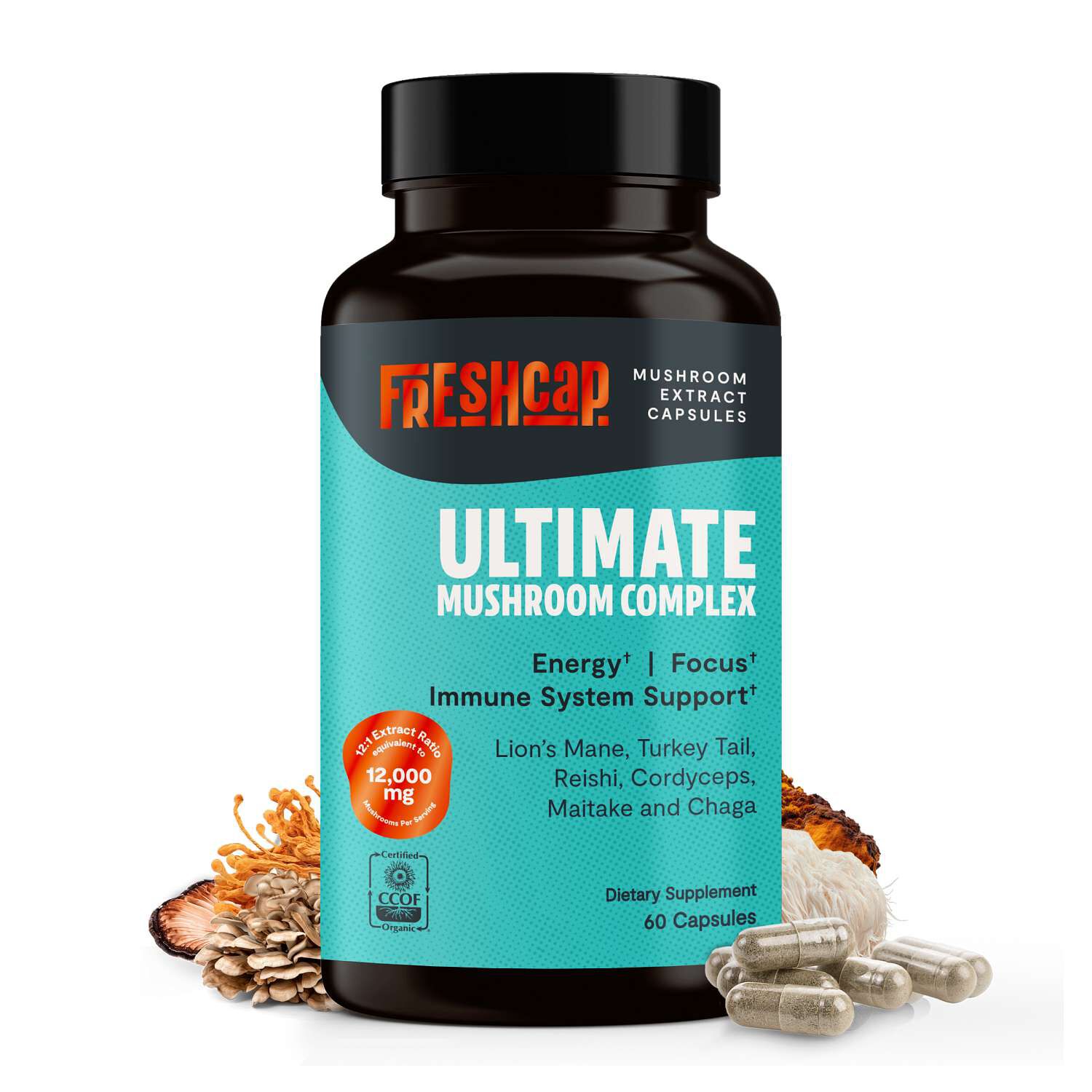
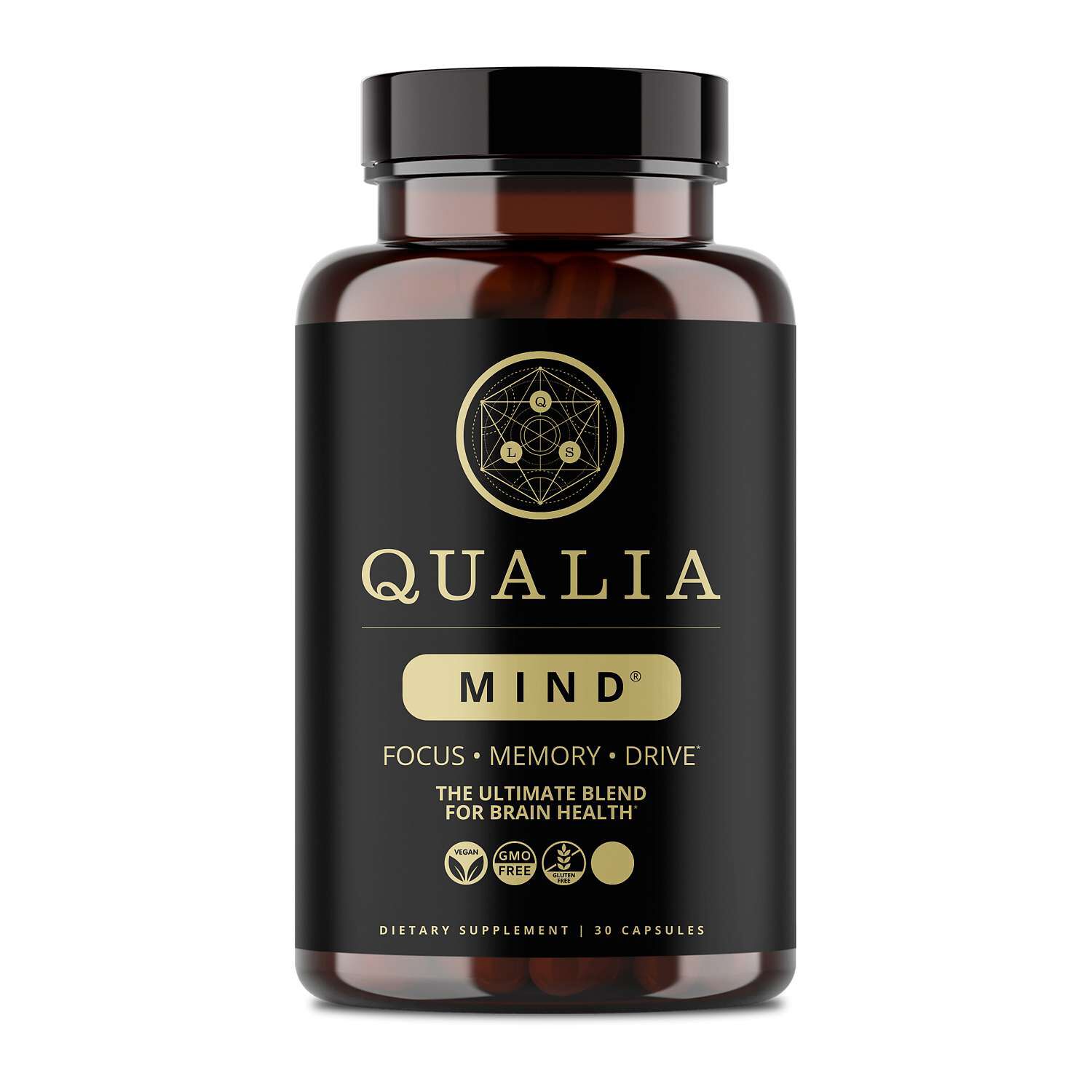
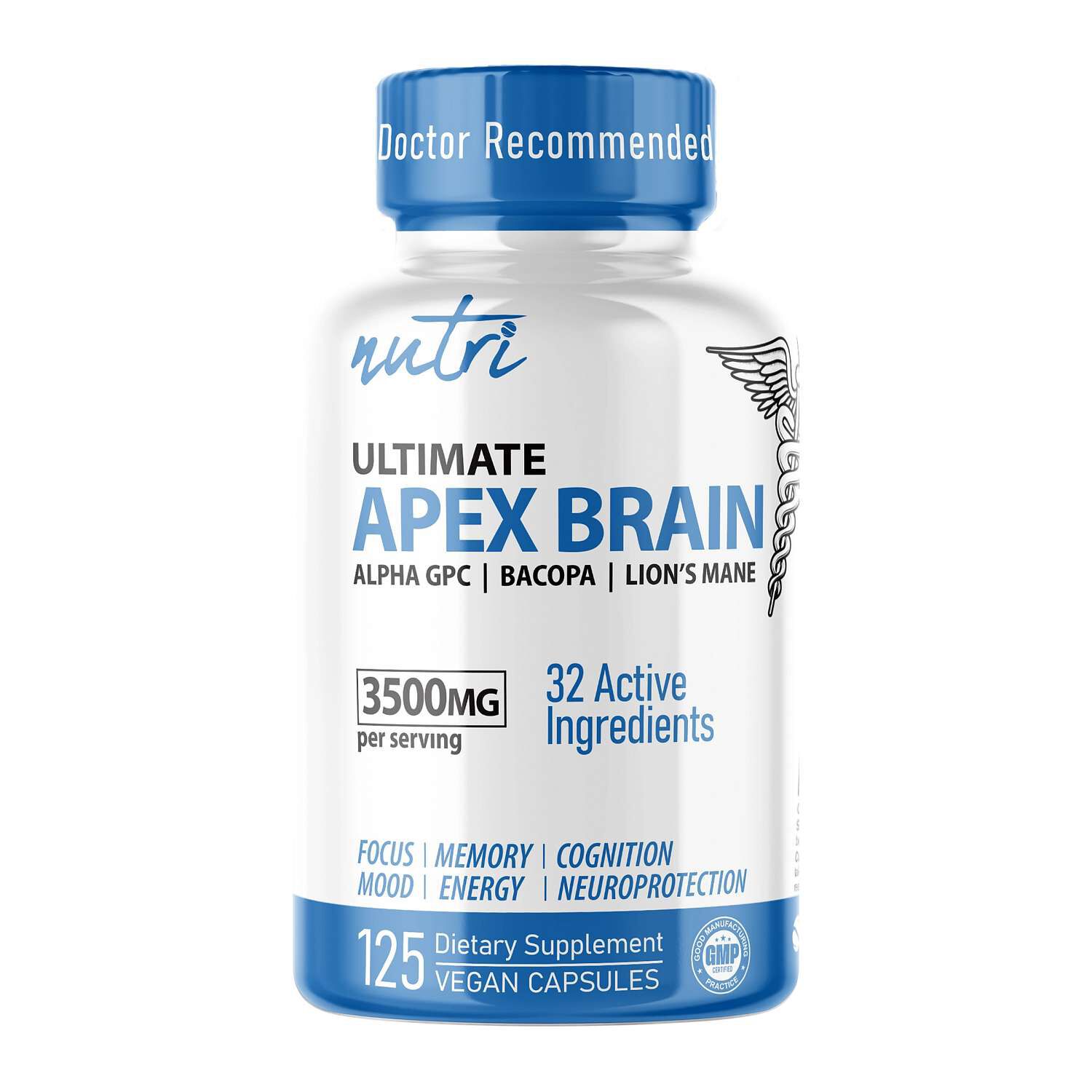
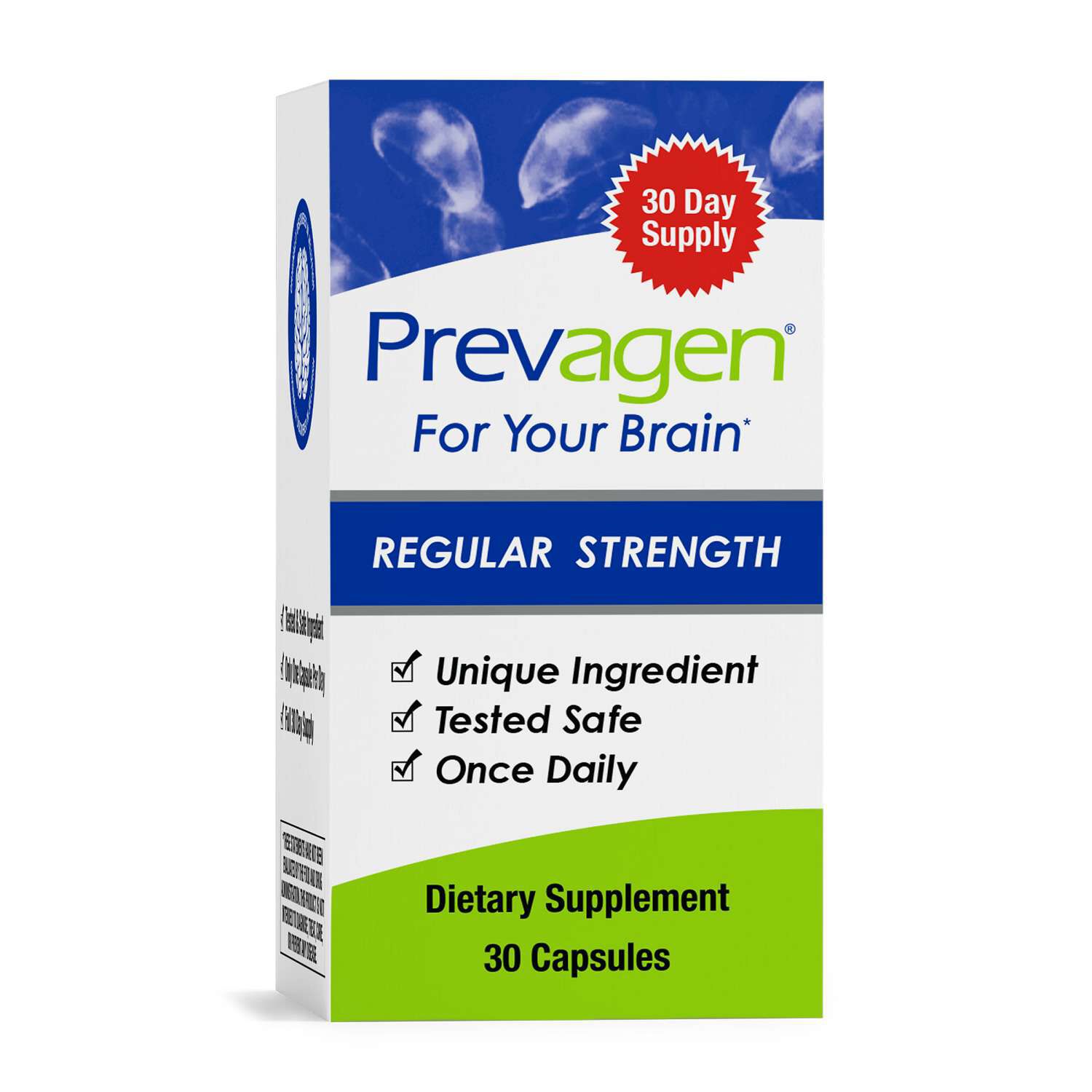
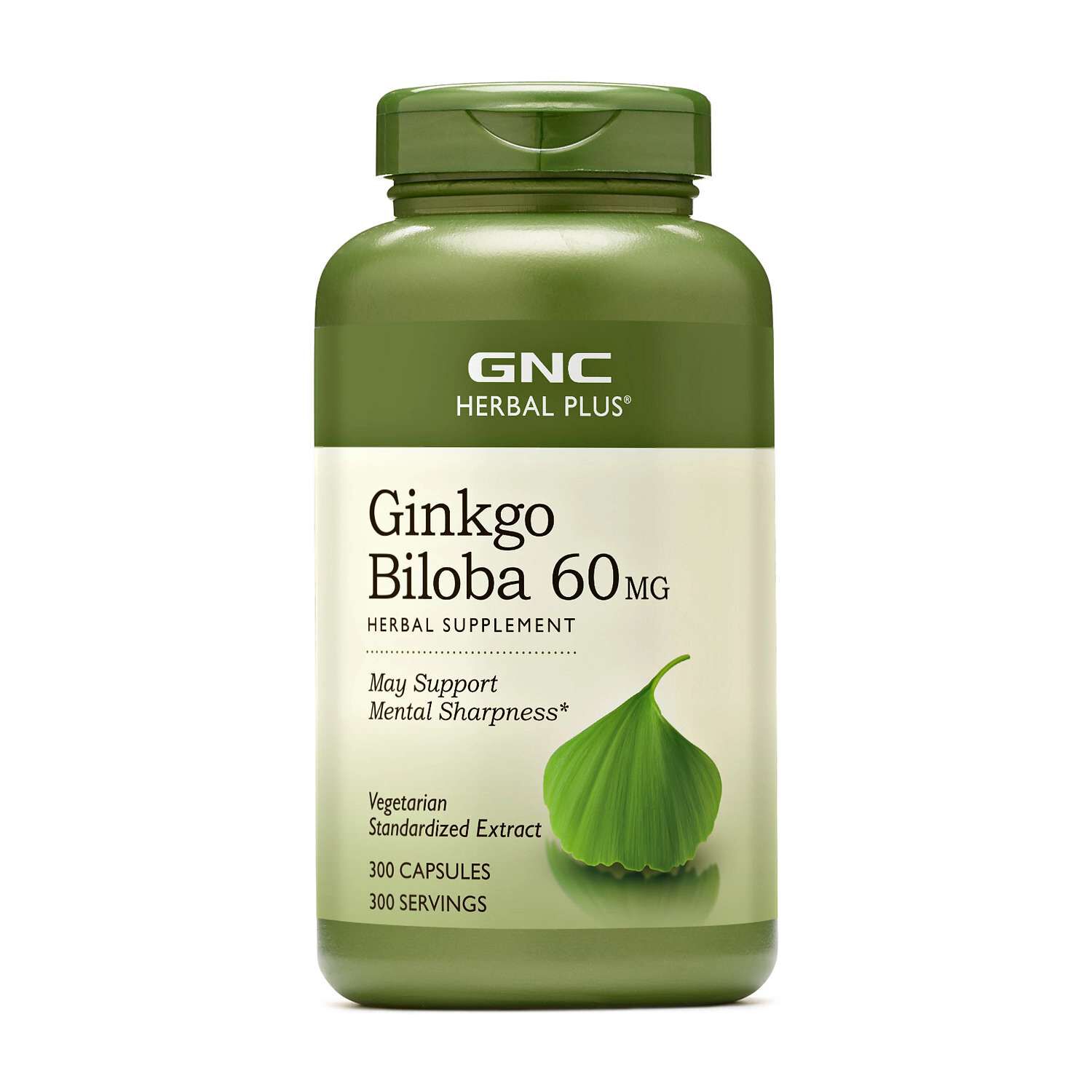
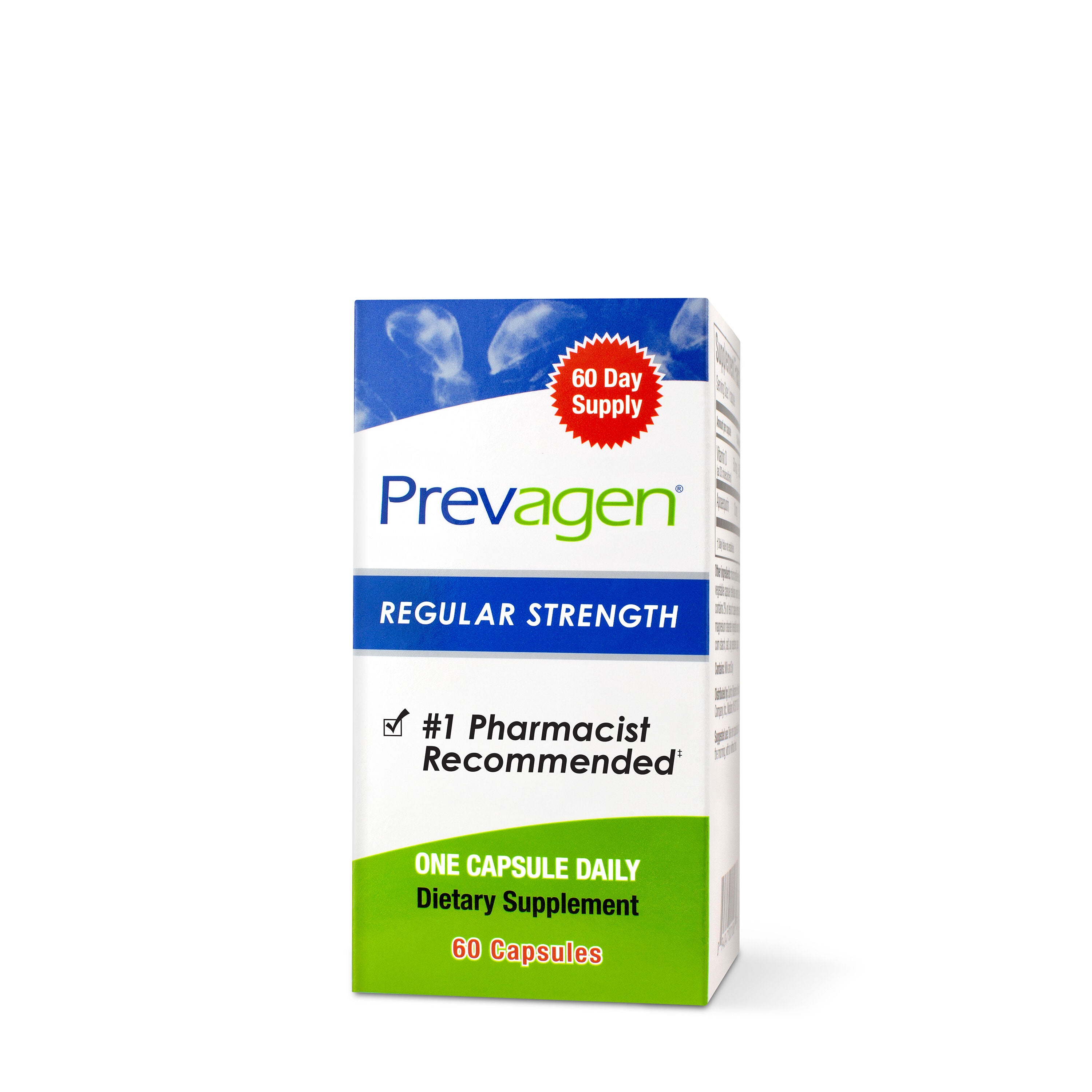
Brain nutrient capsules are dietary supplements formulated with vitamins, minerals, fats, plant-derived ingredients, or other compounds associated with adult cognitive wellness. The category includes single-ingredient formulas and combinations that bring several ingredients together in one serving. Common examples of ingredients in this category include B vitamins, choline, phosphatidylserine, and omega-3 fatty acids, although the contents and amounts vary considerably among formulas. These names describe different substances, not interchangeable approaches to memory or concentration. A vitamin-focused capsule has a different composition from a botanical blend or a formula centered on fatty acids, even when the packaging uses similar language about brain health. Adults exploring this category may be interested in nutritional support alongside demanding work schedules, continuing education, creative projects, or everyday routines. Those interests provide context for shopping, but they do not establish that a supplement will make a noticeable difference in performance. Scientific evidence for brain nutrient capsules is not uniform, and research on commercial combinations is often limited. Results depend on the ingredient, amount studied, length of the research, characteristics of the participants, and outcome measured. Findings about an individual nutrient do not establish the same result for every blend containing it, and a study involving people with inadequate nutrient intake cannot automatically describe the experience of someone with adequate intake. Likewise, a change on a particular research task does not establish a broad benefit across memory, attention, and everyday thinking. Ingredient familiarity, a long formula, and prominent packaging language are not substitutes for evidence about the finished formulation. Brain nutrient capsules may contribute to nutritional intake, but their place is alongside food and everyday habits, not in place of them. A varied eating pattern, regular movement, adequate sleep, and social connection remain meaningful parts of everyday well-being, regardless of whether a capsule becomes part of an adult supplement routine.
The physical details of a capsule matter just as much to the shopping experience as the words on the front of the bottle. Many capsules contain powdered ingredients inside a gelatin or plant-derived shell, while some capsule formats hold oils or other liquid preparations. Gelatin is animal-derived; cellulose-based shells are often used for vegetarian capsule formats. The shell material alone does not describe the origin of every ingredient inside, so dietary preferences involve the whole ingredient list rather than the capsule designation by itself. Other ingredients may include materials used during manufacturing to help powders move through equipment or maintain a consistent fill. These serve a different purpose from the ingredients listed with amounts in the Supplement Facts panel. Capsule dimensions, shell texture, and serving size also influence how a formula might fit a person's preferences. Someone accustomed to a small daily capsule may find a larger format less appealing, while someone who dislikes flavored powders may prefer a capsule without a drink to mix. Capsule size is not a reliable measure of ingredient strength, and a higher capsule count does not necessarily mean more servings. A bottle's capsule count describes the number of capsules inside; the serving count depends on how many capsules make up the labeled serving. This distinction is useful when comparing formulas with different serving sizes. The Supplement Facts panel provides the stated amounts per serving, which may differ from the amount in an individual capsule. Units matter as well: milligrams and micrograms describe different quantities, so the printed numbers cannot be compared on appearance alone. Some formulas list each ingredient with its own amount, while blends may group several ingredients under a shared amount. These labeling differences affect how clearly the composition can be understood. Source descriptions, declared allergens, dietary certifications, and statements about independent testing add context, although a testing statement about identity or composition does not establish a memory or focus benefit.
Intended use is another distinction within brain nutrient capsules. Some formulas are labeled for a daily routine, while others use directions tied to a particular serving schedule. Directions concerning food, water, and serving frequency belong to the individual label rather than to the category as a whole. A familiar ingredient name does not mean that two formulas share the same directions, and combining several supplements can create overlap in vitamins, minerals, or other ingredients. An adult already using a multivitamin, for example, may encounter some of the same nutrients in a brain-focused formula. The relevant comparison is the stated composition across those labels, not simply whether the products have different names. Personal suitability can also depend on age, dietary preferences, other supplements, medications, and individual health circumstances; a category description cannot resolve those questions for every shopper. Adult labeling should not be interpreted as suitability for children, and label cautions remain relevant even when a formula is described as nutritional. For a broader view of formats and ingredient combinations intended for adults, Adult Brain Supplements offers a related category to explore. Practical handling deserves attention, too. Capsules are sensitive to their surroundings, and the original packaging typically carries the directions, lot information, and date needed to identify and manage the contents. A securely closed container stored according to its label may help limit exposure to moisture and light. A bathroom shelf beside a frequently used shower, an unmarked bag tucked into a desk drawer, or a bottle with an unreadable label can make storage and identification less straightforward. Changes in appearance or capsule condition warrant attention rather than assumptions about usability. For adults fitting supplements into a commute, study schedule, or home routine, readable labeling, manageable capsule dimensions, and clear serving information can matter more than elaborate packaging. These practical details help distinguish formulas without treating any ingredient list as proof of a particular cognitive result.