





Daily Brain Supplements
(0 Results)
Explore the world of daily brain supplements and discover how they might support cognitive function and overall mental clarity. These carefully formulated products may offer a range of benefits, from enhancing focus to potentially boosting memory retention. Whether seeking to stay sharp during busy workdays or aiming to maintain mental agility, daily brain supplements could be an excellent addition to your wellness routine. Dive into the options available and find the perfect supplement to complement your lifestyle goals.
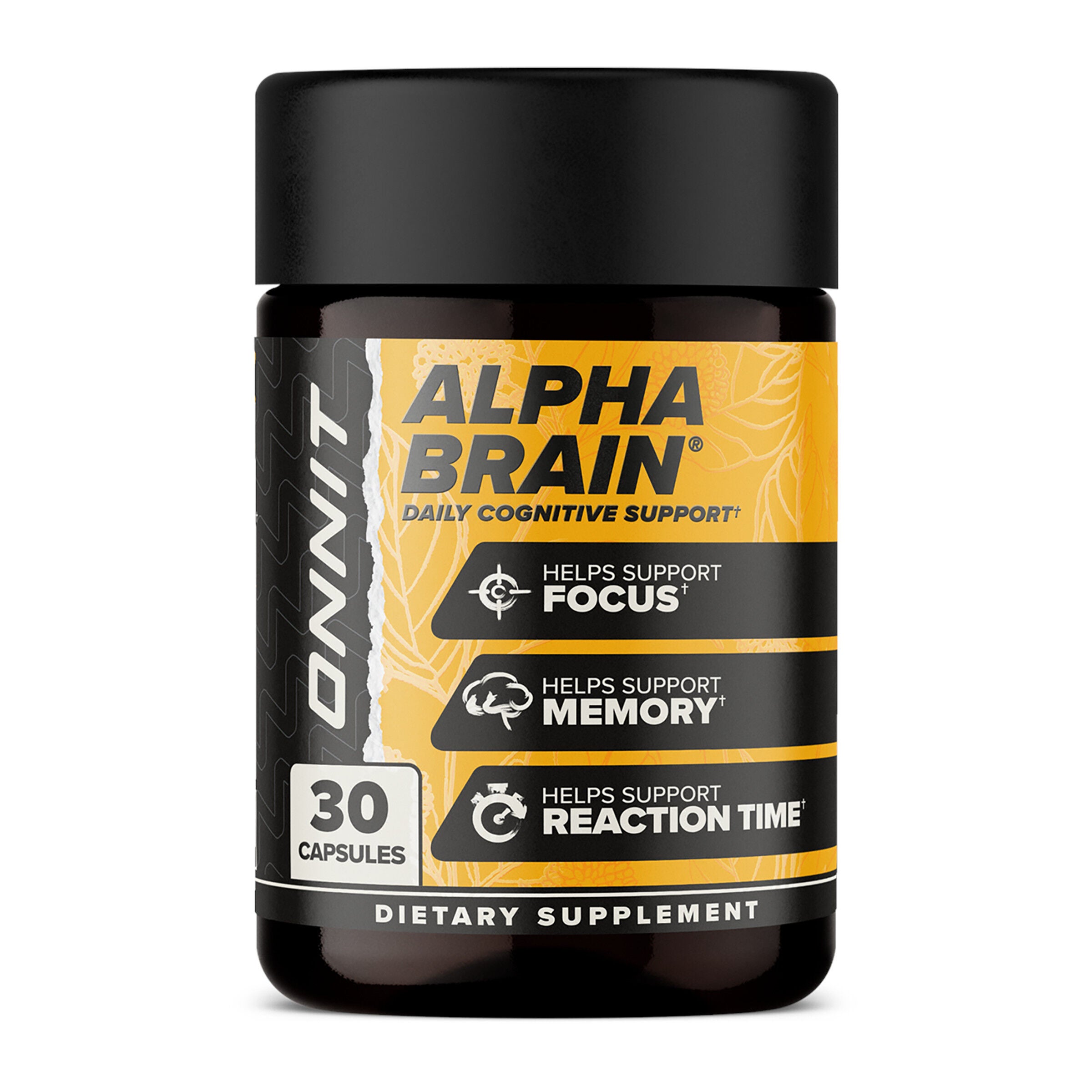
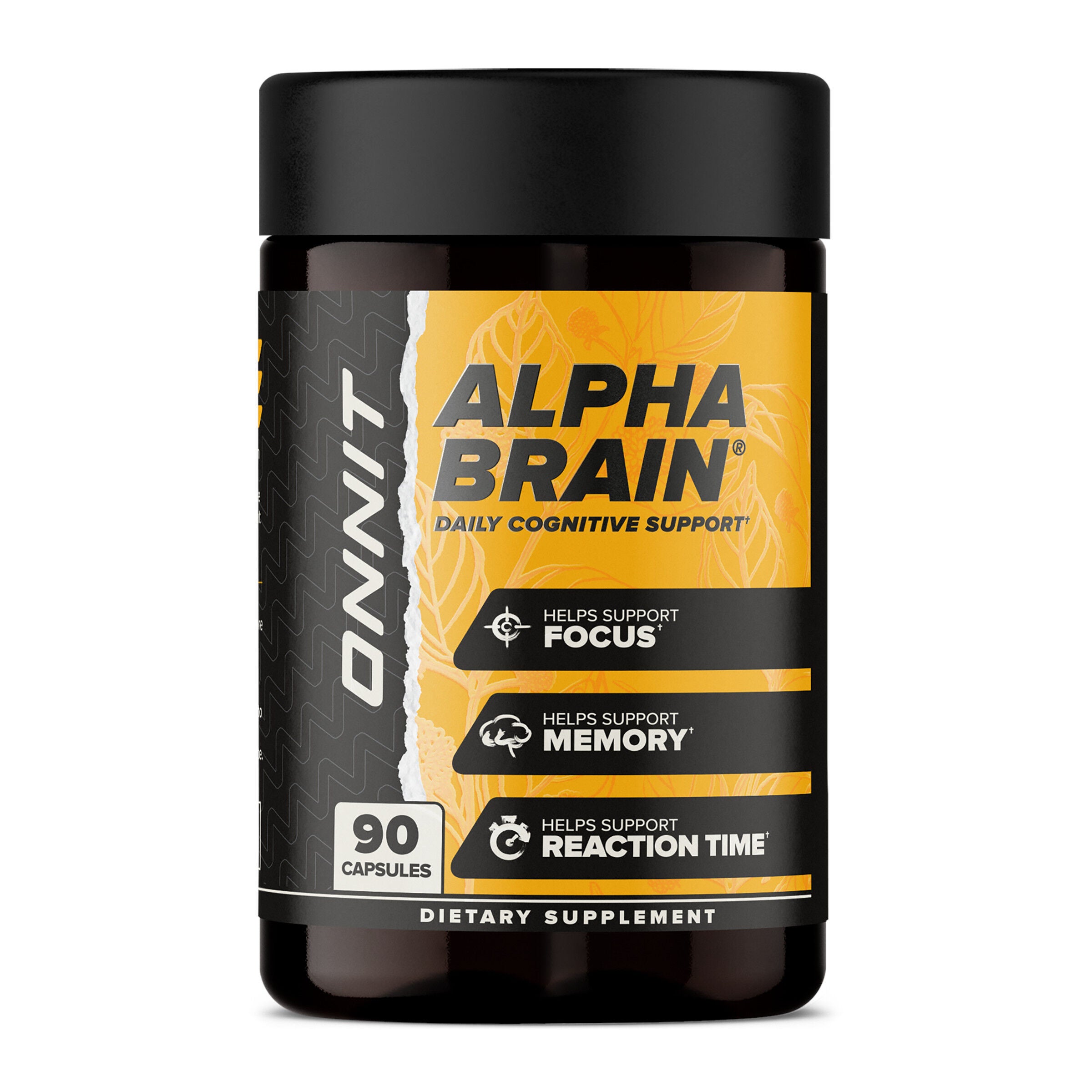
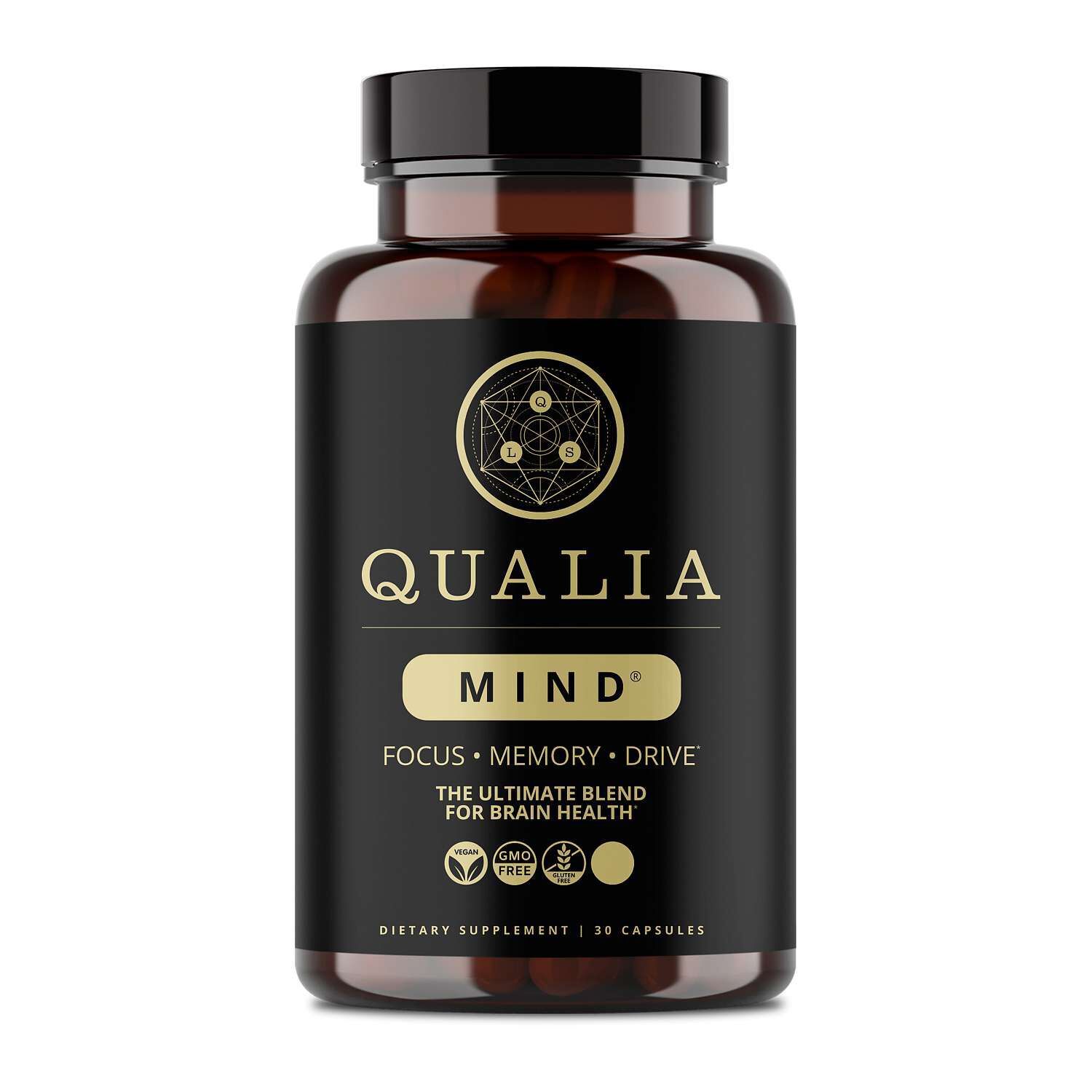
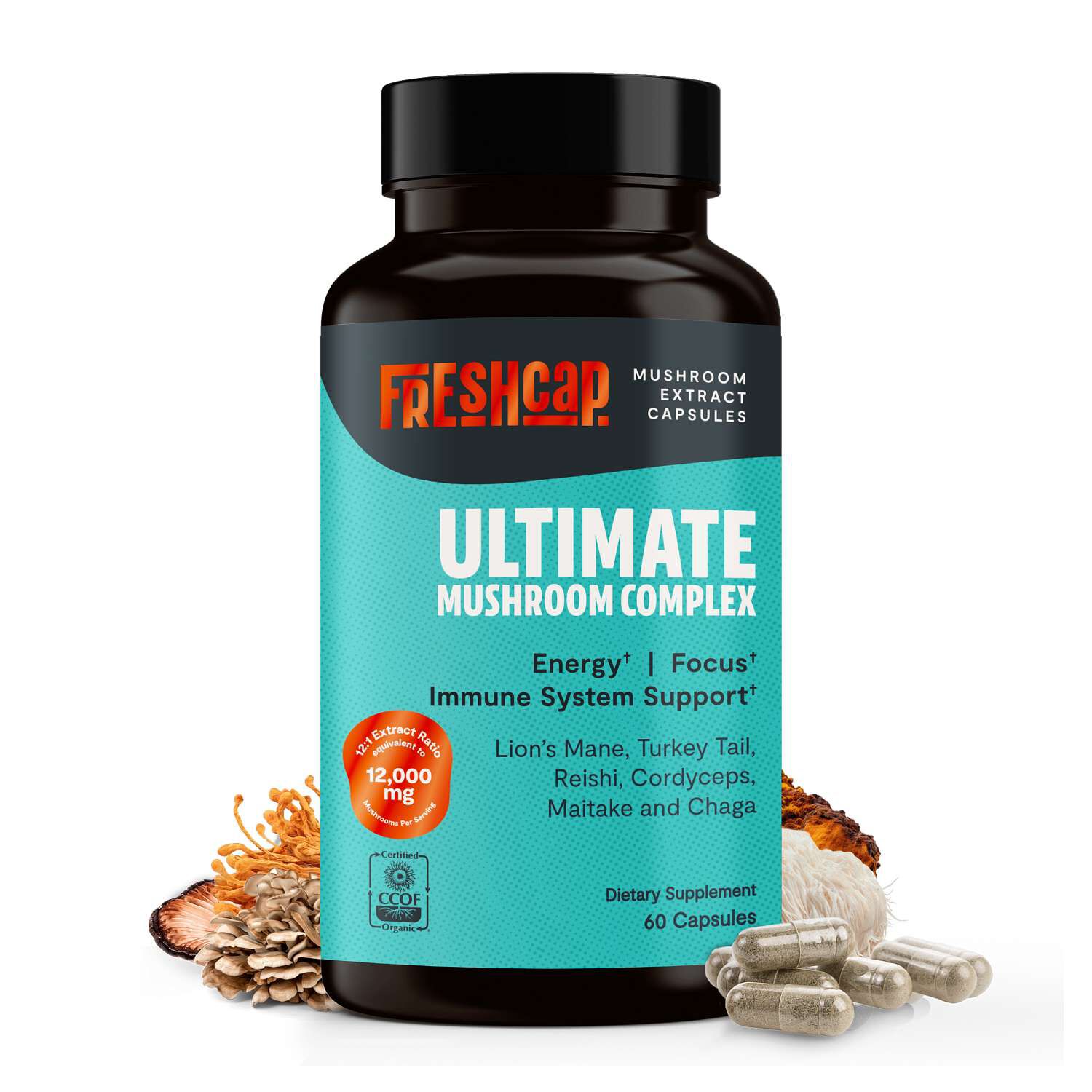
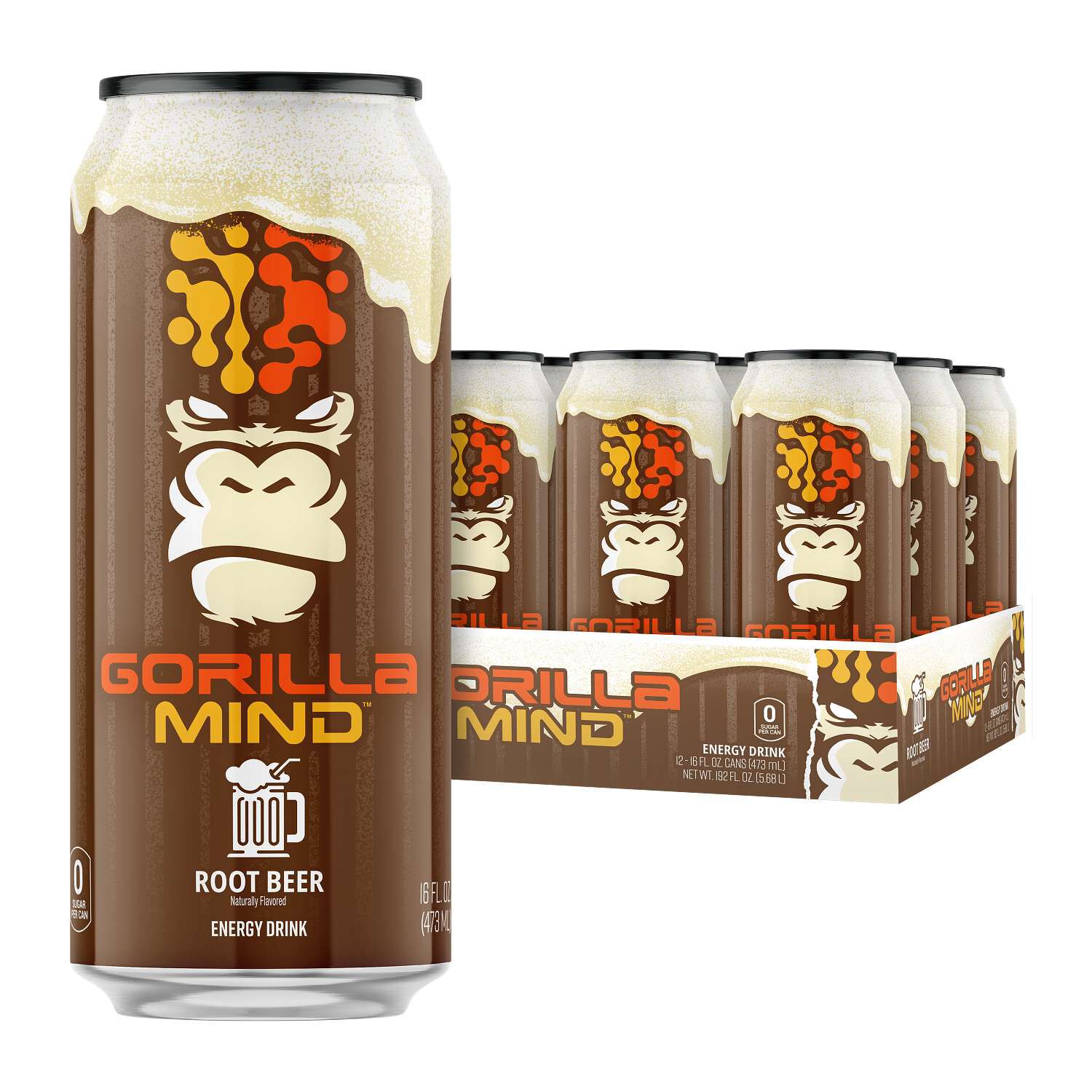

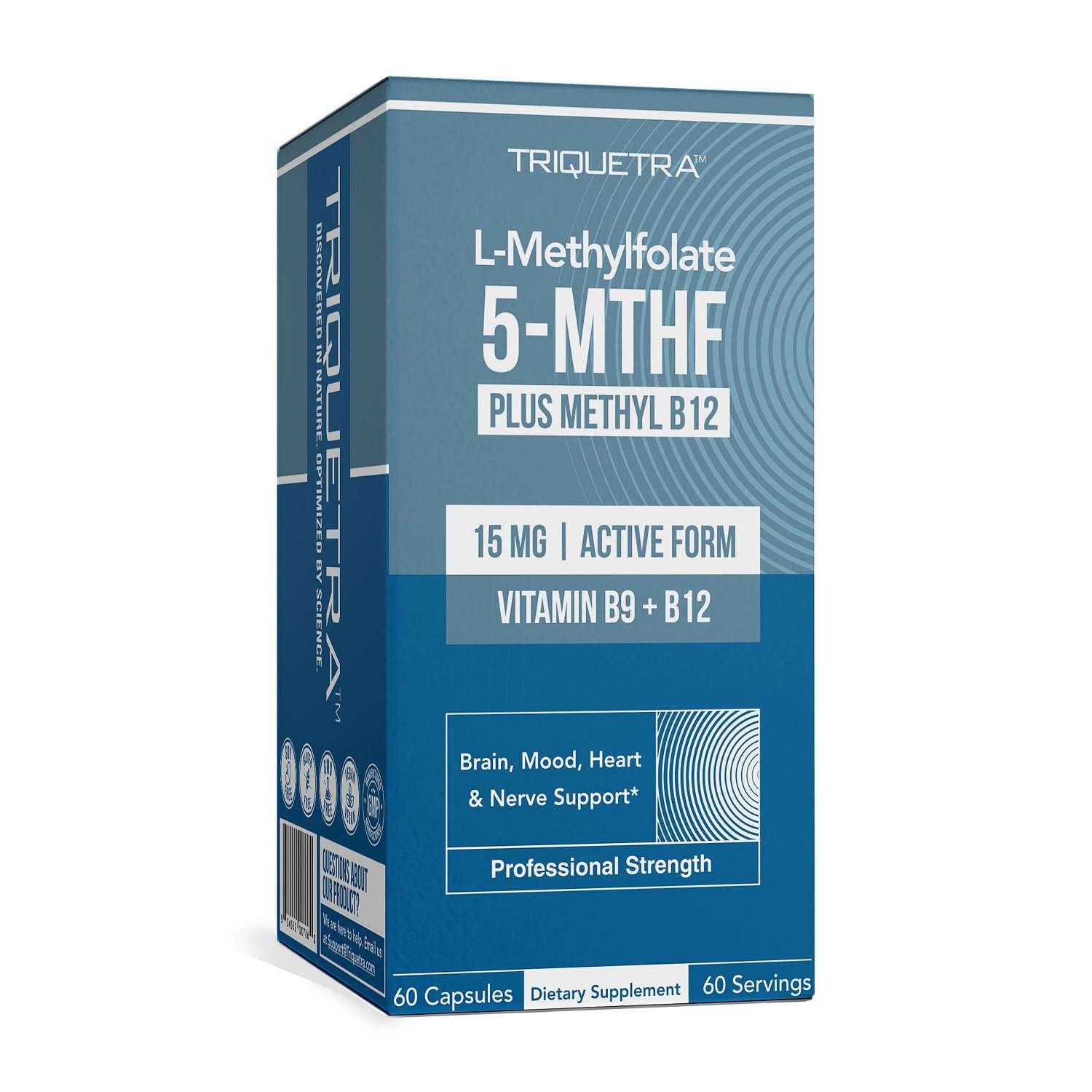

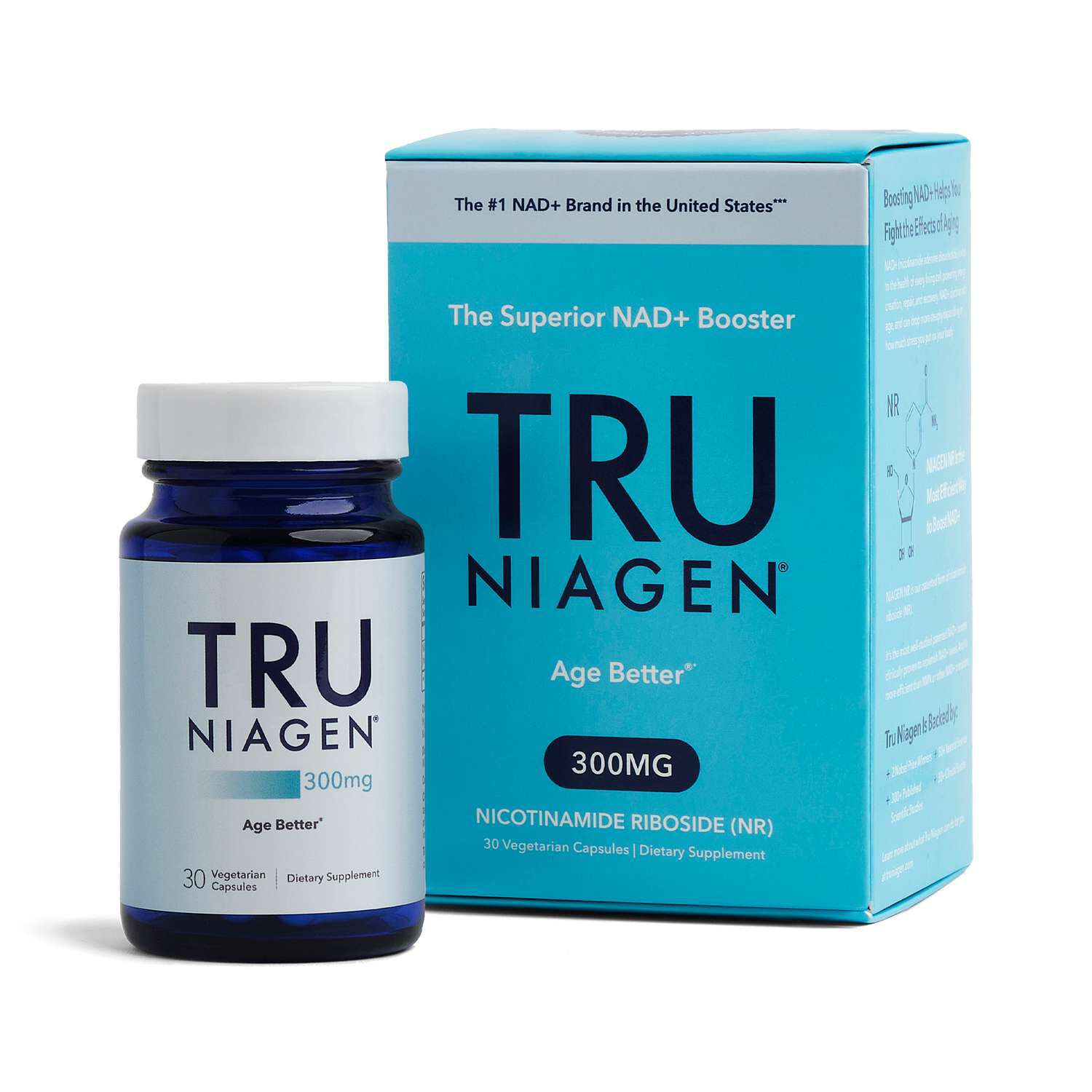


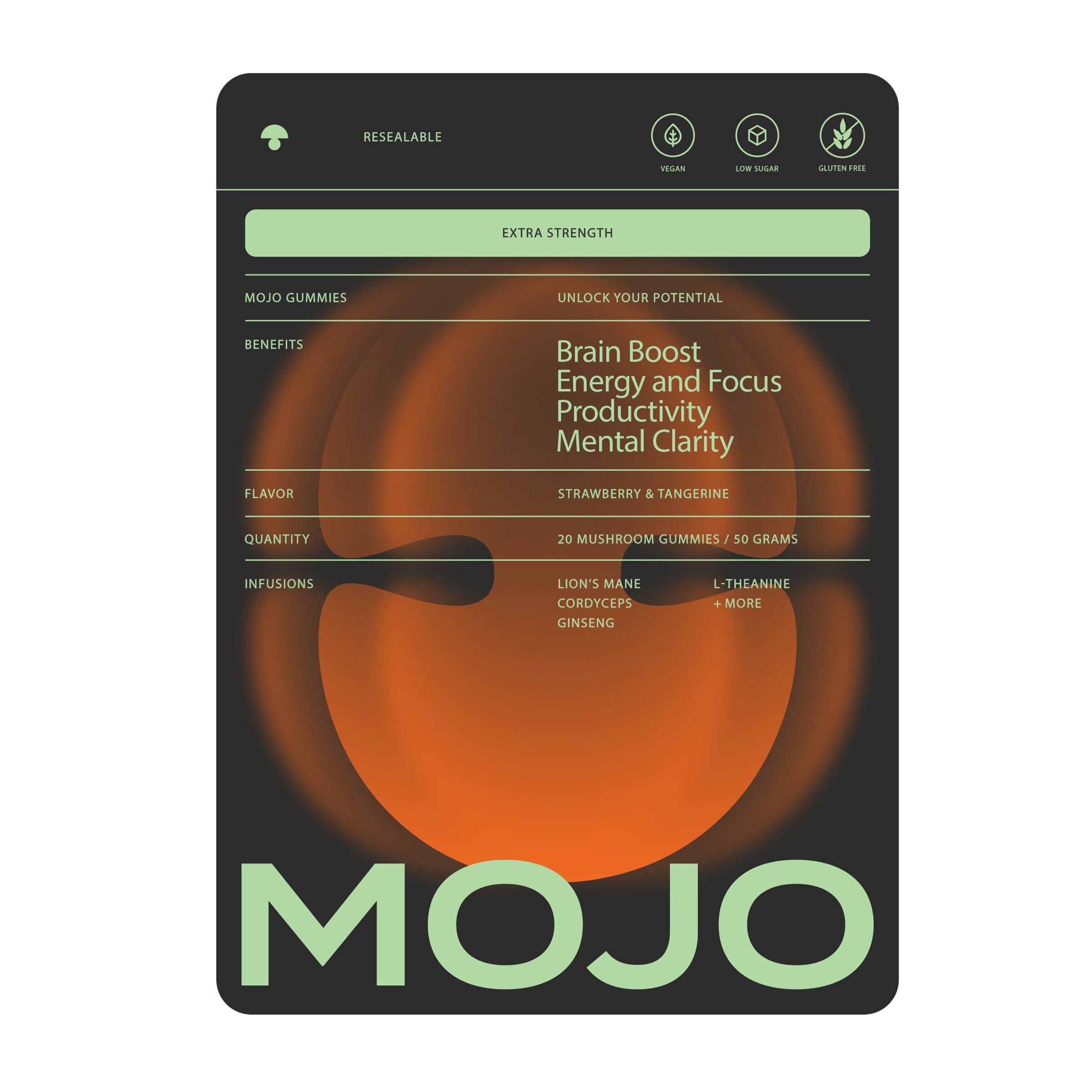
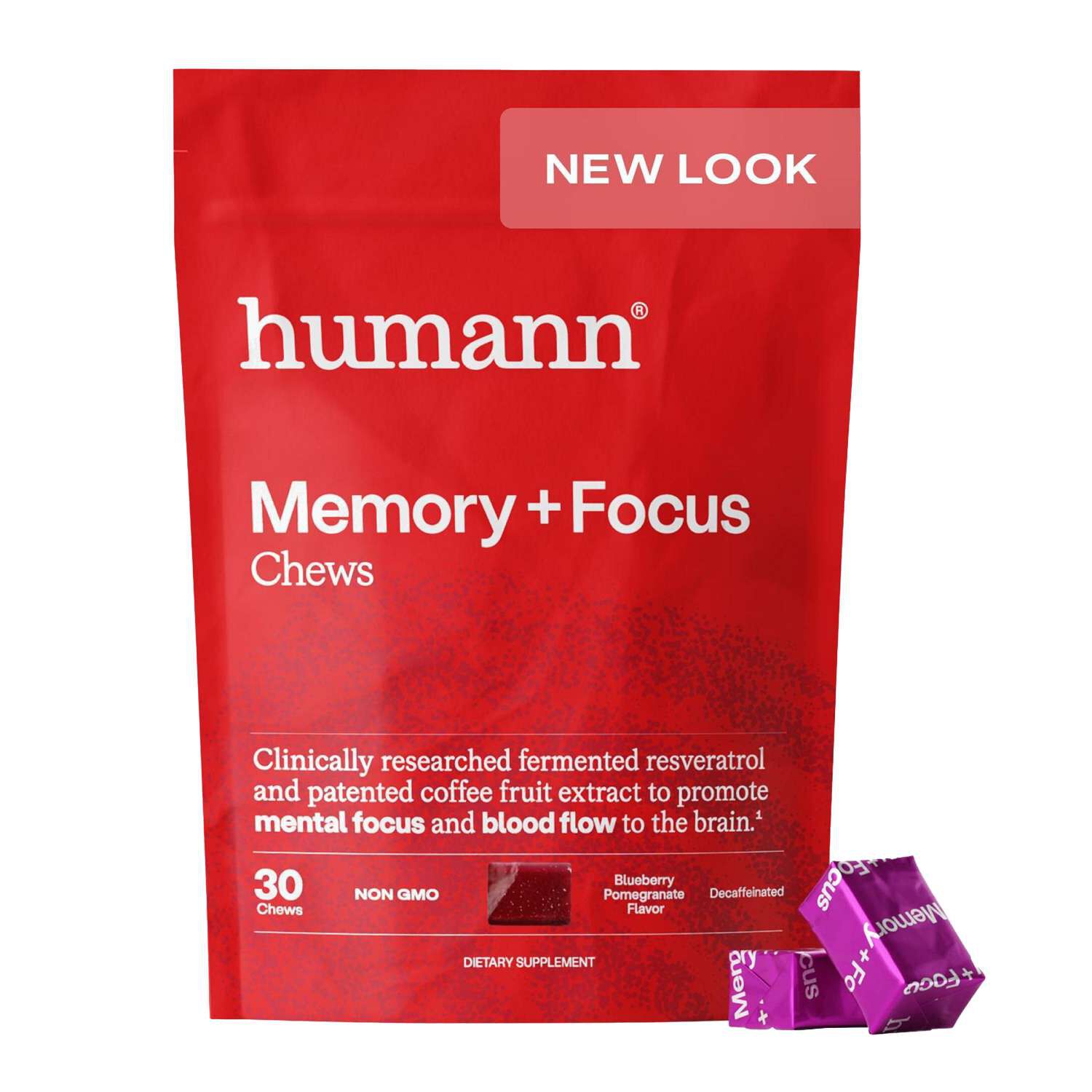



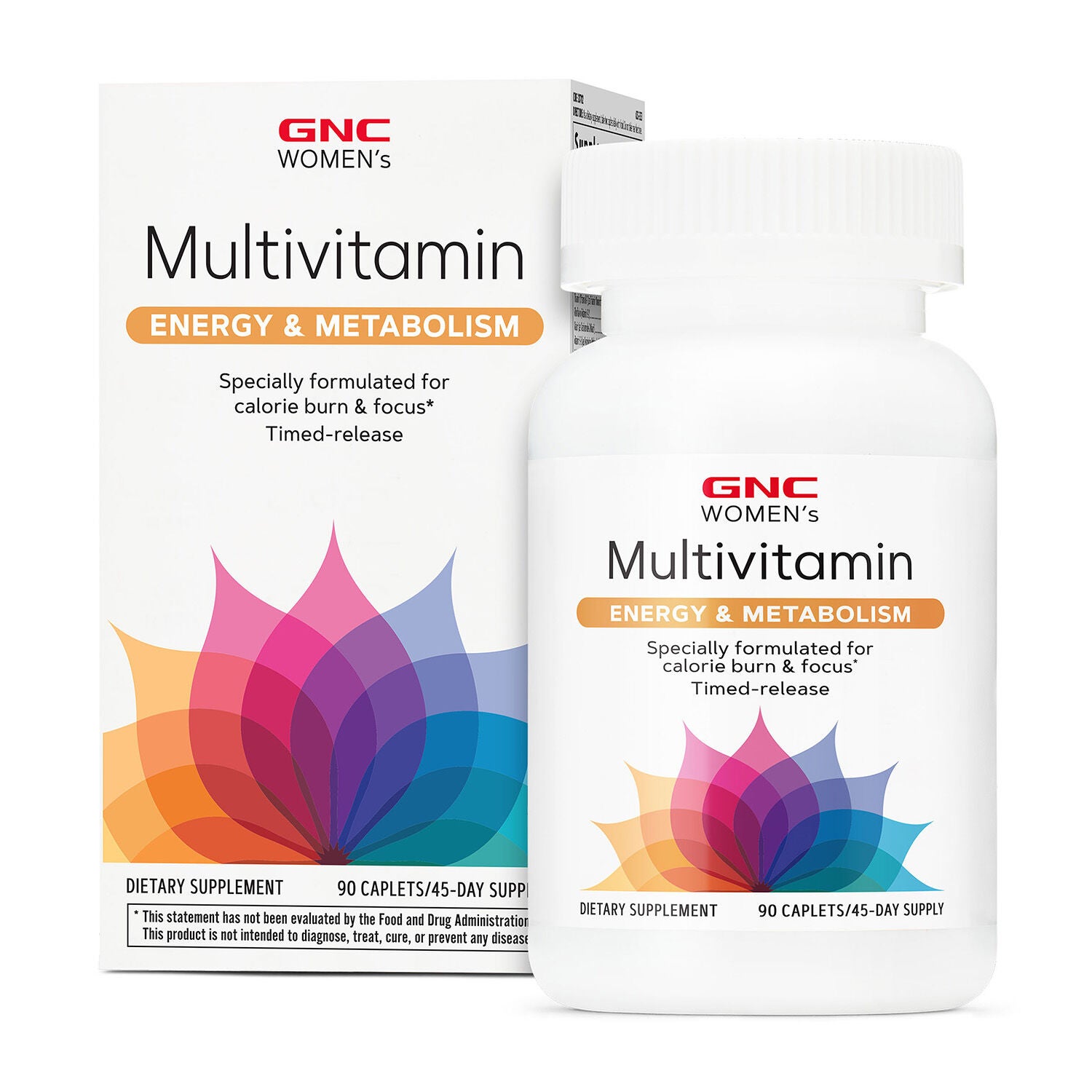
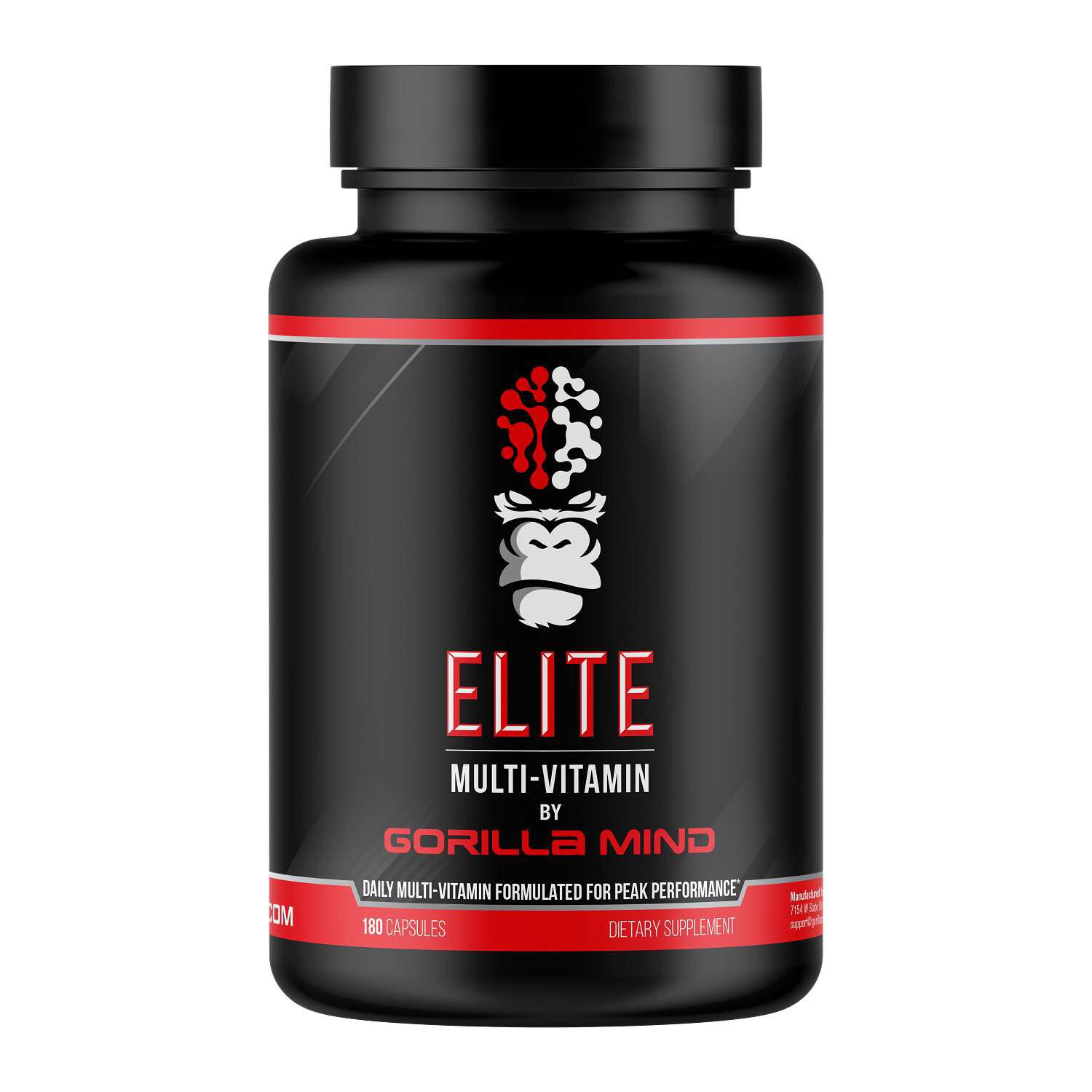
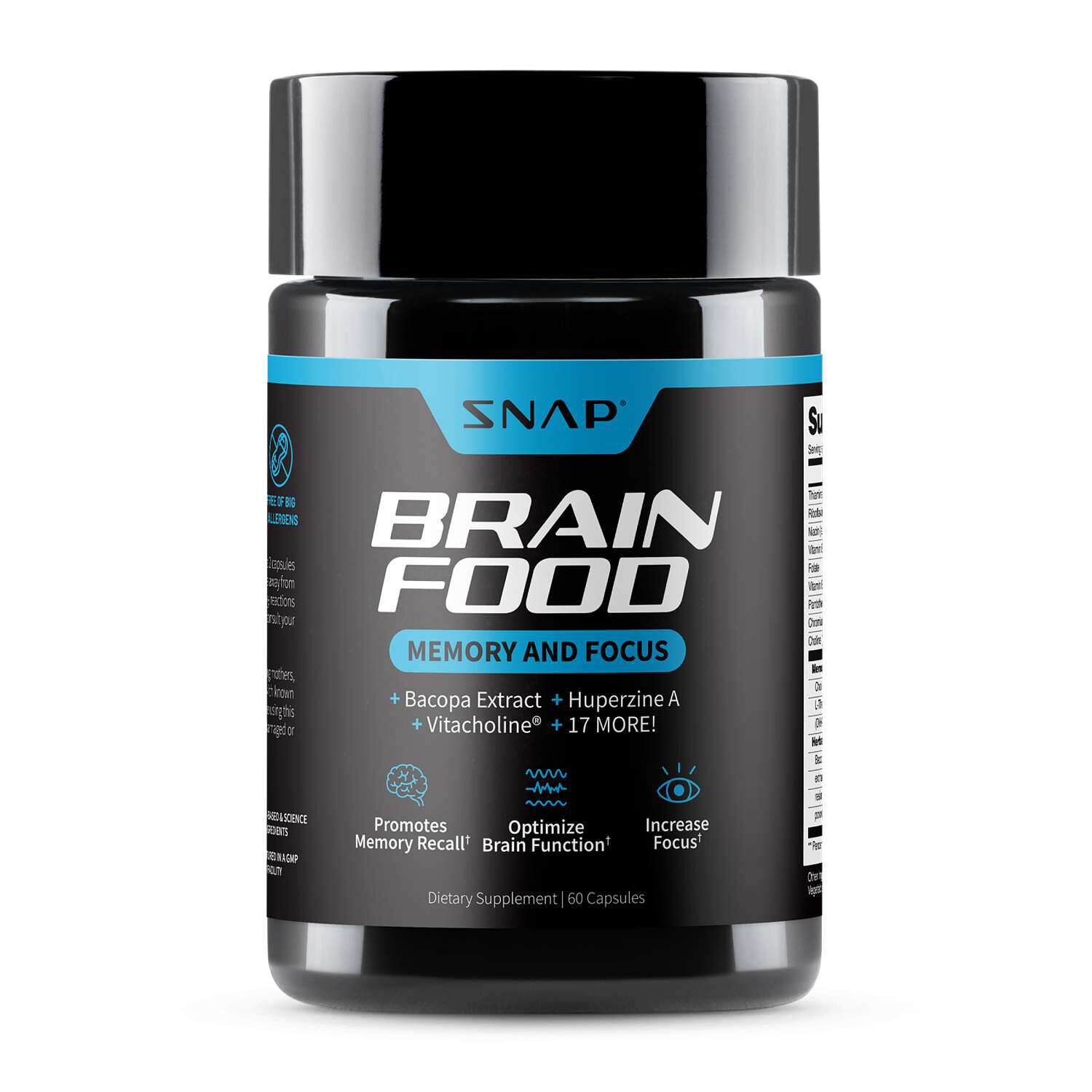
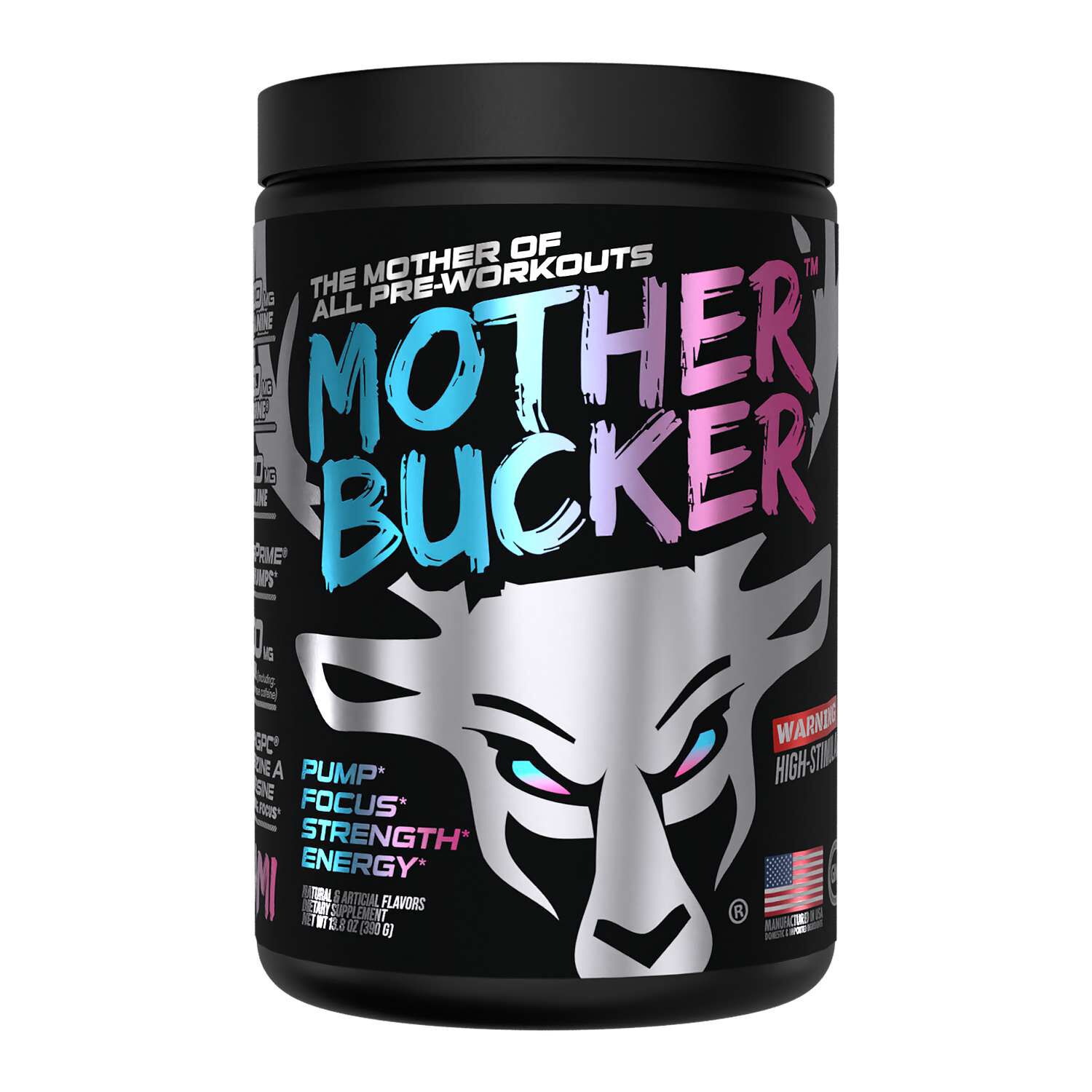



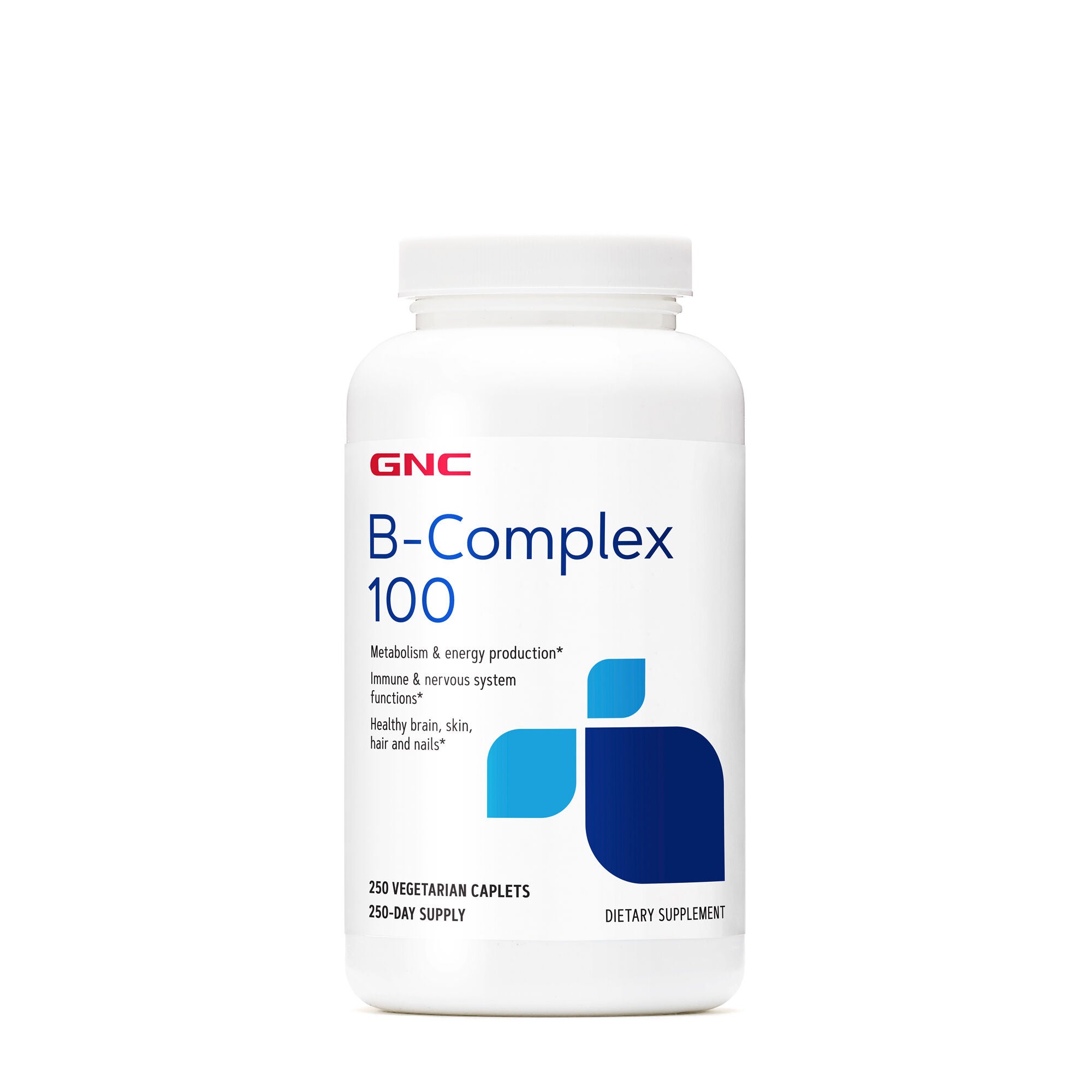
Daily brain supplements are dietary supplements sold in formats such as capsules, tablets, softgels, gummies, and powders, with formulas that may support everyday focus, memory, or mental clarity. The category includes individual nutrients, botanical ingredients, and combinations intended for regular use according to their labels. Common ingredients include B vitamins, omega-3 fatty acids, choline, and plant extracts such as ginkgo biloba. These ingredients are not interchangeable, and a familiar ingredient name alone says little about how one formula compares with another. The amount per serving, the form of an ingredient, and the other ingredients alongside it all help describe what a supplement contains. Evidence also differs by ingredient, formulation, and the people studied. Research on a single nutrient does not establish that every blend containing it will offer the same experience, and findings from a short study do not necessarily describe long-term use. Daily brain supplements may fit into an adult wellness routine, but expectations should remain modest: a supplement is not a substitute for sleep, varied meals, physical activity, or time away from demanding tasks. Someone moving between spreadsheets and afternoon meetings may be interested in a focus-oriented formula, while an adult taking evening courses may prefer a straightforward nutrient supplement with an easy-to-read label. Those shopping around memory or cognitive wellness may place more emphasis on ingredient transparency than on a lengthy blend. These are different shopping priorities, not evidence that one format or ingredient will produce a particular result. In this category, useful comparisons begin with what is actually in the container rather than how ambitious the front-label language sounds. A clearly stated serving size, ingredient amounts, and understandable directions offer a practical foundation for browsing. The word “daily” describes an intended routine; it does not establish that a formula is appropriate for every adult or that taking more will provide a better experience. That distinction matters when comparing a simple formula with a combination containing several active ingredients.
Ingredient details can make daily brain supplements easier to compare without relying on broad descriptions. B-vitamin formulas may include B6, folate, and B12, either on their own or alongside other nutrients. Omega-3 supplements can list EPA and DHA separately, so the amount of oil named on the front of a bottle is not the same information as the amounts of those individual fatty acids. Some omega-3 ingredients come from fish, while others come from algae; the source matters to shoppers with dietary preferences. Botanical formulas introduce another set of details, including the plant species, the part of the plant used, and whether the ingredient is a powder or an extract. An extract ratio and an amount listed in milligrams describe different attributes, so neither number tells the whole story on its own. For those interested in exploring that ingredient direction, Natural Brain Supplements offers a related category to browse alongside broader daily formulas. “Natural” describes a shopping theme rather than proof of quality or suitability. Other ingredients deserve attention, too: capsule shells may contain gelatin or plant-derived materials, gummies may contain added sugars and flavorings, and powders may include sweeteners or ingredients used to help them mix. Dietary statements and allergen information can help distinguish options that otherwise look similar. Formulas containing caffeine are also different from those without it, an important distinction for someone whose day already includes coffee or tea. Transparent labeling makes these comparisons more straightforward. When ingredients appear in a blend with only a combined amount disclosed, the amount of each component may not be apparent. Likewise, a prominent number on the package may refer to a serving made up of several capsules rather than a single capsule. Reading the serving size alongside the ingredient panel keeps those details in context. Quality seals, where present, also warrant a close look at what they cover, such as identity or manufacturing practices; they do not establish a particular outcome for focus or memory.
Format, packaging, and intended use shape how comfortably a supplement fits into everyday life. Capsules and tablets generally require little preparation, but their dimensions and the number in a serving can influence personal preference. Softgels have a different texture and shell composition, while gummies offer a chewable format with taste and texture as part of the experience. Powders involve measuring and mixing, making flavor, suggested liquid volume, and cleanup relevant considerations. A powder stirred into a drink at the kitchen counter presents a different routine from a labeled bottle tucked into a work bag. Someone who travels frequently may value compact packaging and a securely closing lid, while someone with a predictable breakfast routine may care more about a format that is simple to use at home. Container count is worth reading together with serving size because the number of pieces in a bottle does not necessarily equal the number of daily servings. Care and storage matter across formats as well. Package directions specify storage conditions, and exposure to heat or moisture can affect texture and condition. A parked car, a sunny windowsill, or a steamy bathroom can create conditions that differ from those stated on the label. Original packaging keeps ingredient information, directions, and date markings together, which is especially useful when a container moves between home and travel. Packaging integrity and the stated expiration date are more relevant considerations than durability in the usual sense of a reusable household purchase. For adult shoppers, the most practical comparisons bring these physical details together with ingredient transparency and realistic expectations. Daily brain supplements may appeal during busy work seasons, ongoing study, creative projects, or other routines that call for sustained attention, but no shopping label can predict an individual experience. A thoughtful selection centers on clearly described ingredients, a manageable format, and labeled use that fits the intended routine, with supplements kept in perspective as one optional part of everyday wellness.

