Kids Brain Health Supplements
(0 Results)
Kids brain health supplements are designed to support the nutritional needs of growing minds. With a variety of options available, these supplements may offer ingredients that help nurture learning and focus during important stages of development. Explore a selection of kids brain health supplements that could be a helpful addition to your child’s daily routine, making it easier to prioritize wellness as they learn and grow.
-

-

-

-
-

-

-

-

-
 10$17.99
 -
-
-

-
-

-
 $14.99
 -
 $14.99
 -
 $15.99
 -
 $15.99
 -
 $11.99
 -
 $22.99
 -
 $16.99
 -
 $17.99
 -
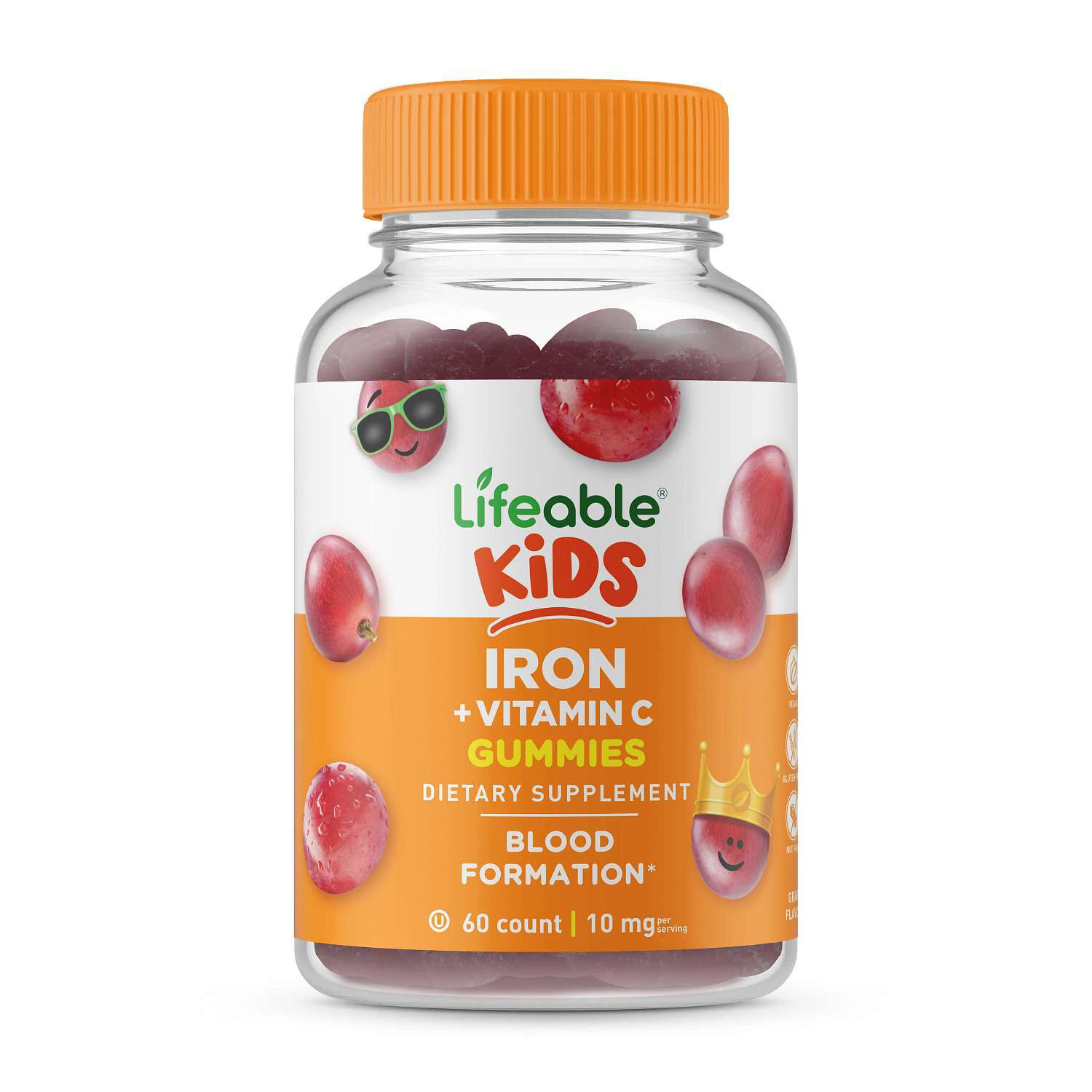 $15.99

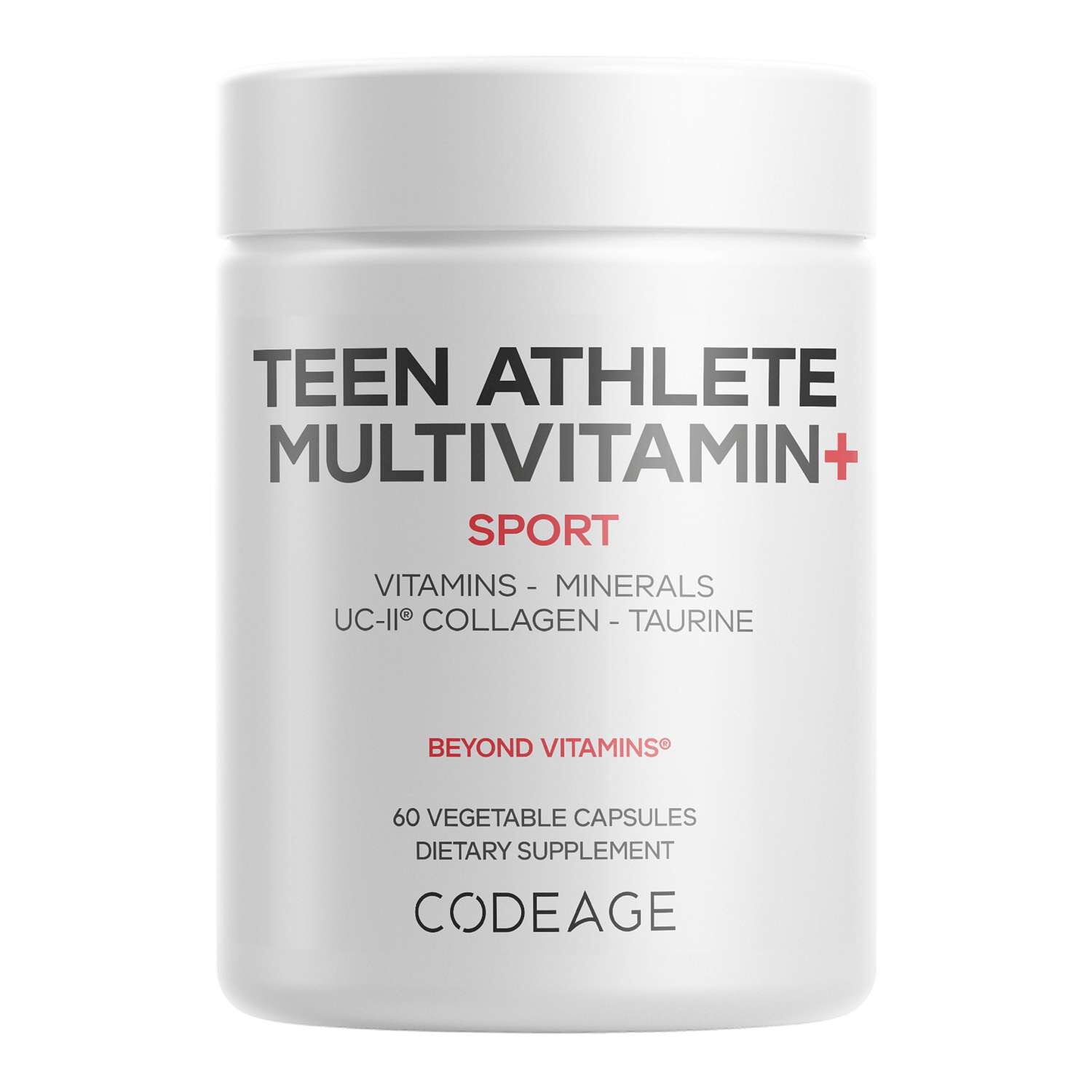
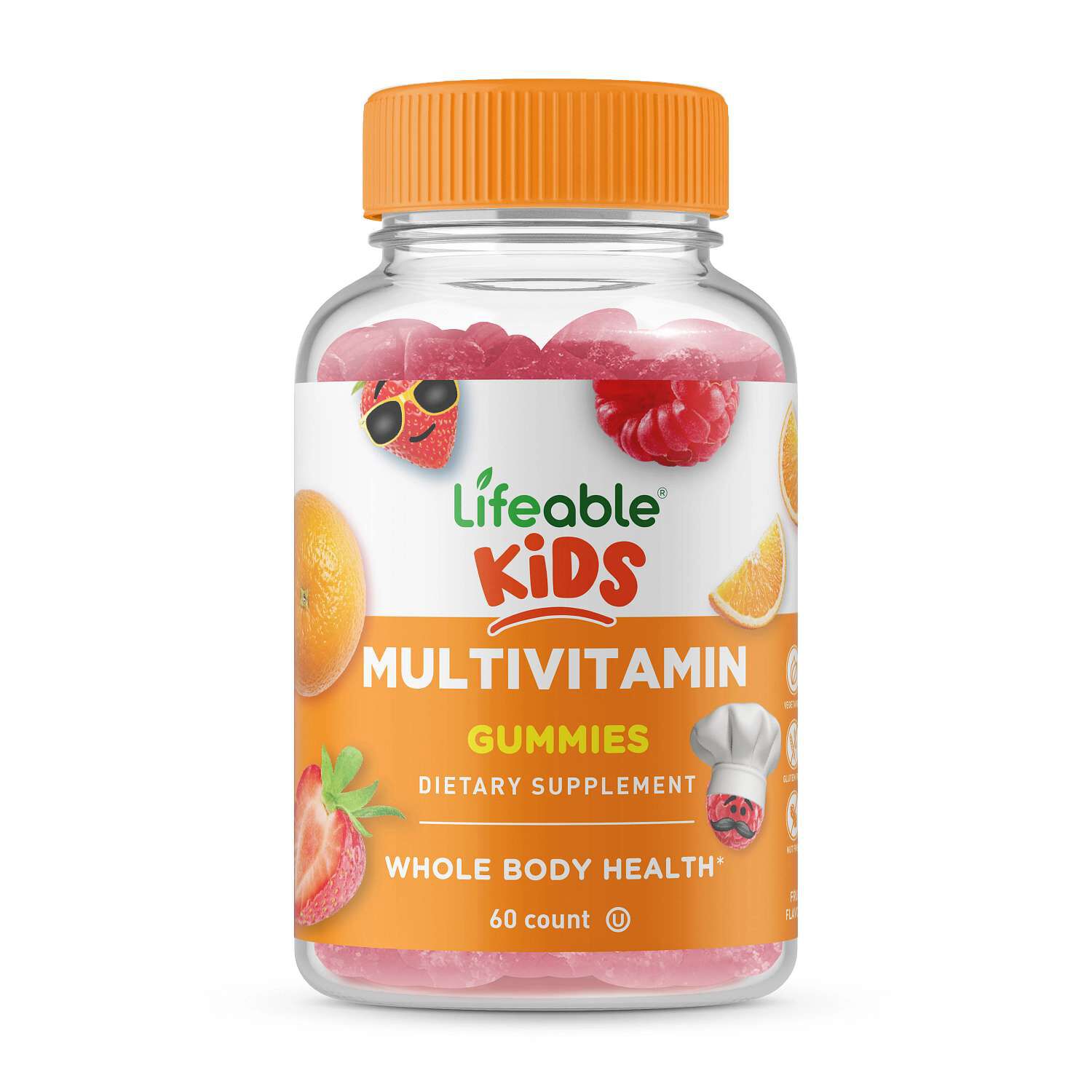
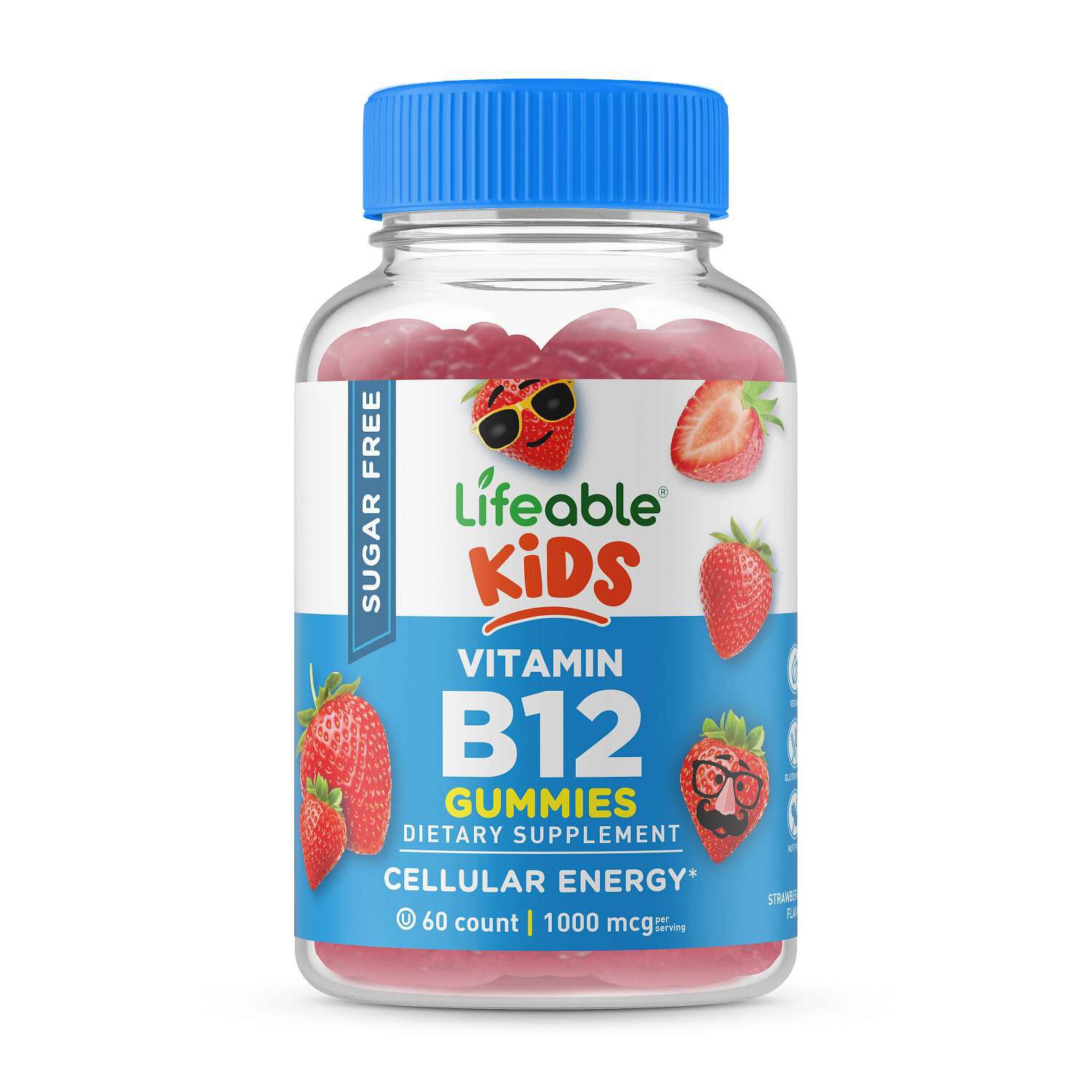
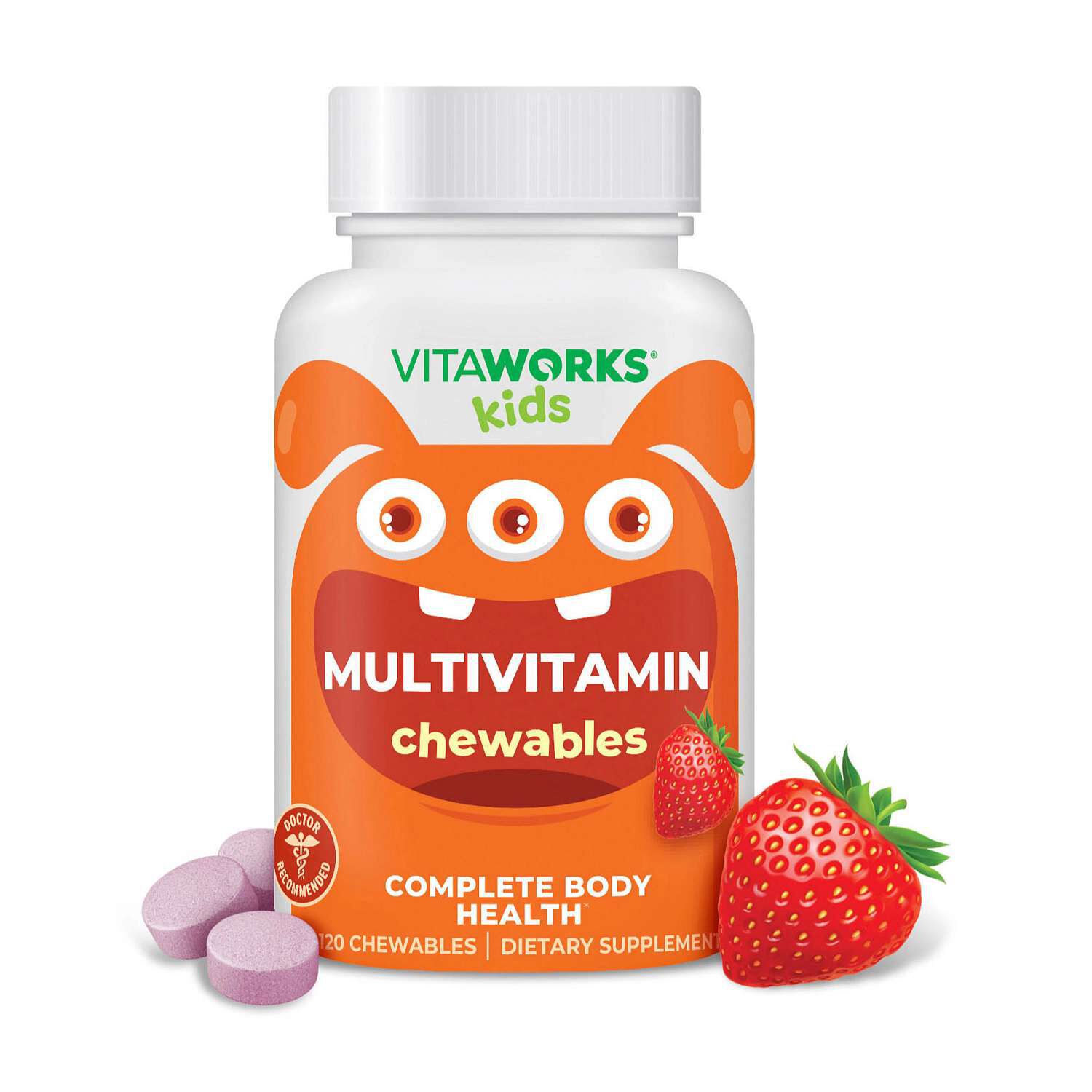
Kids brain health supplements are commonly chosen by families looking for convenient sources of nutrients that may support normal brain development, learning, memory, and nervous-system function. These products may be especially appealing when a child has a narrow food preference, follows a vegetarian eating pattern, avoids fish, or has a busy school-day routine that makes varied meals harder to manage. Common ingredients include omega-3 fatty acids such as DHA and EPA, choline, B vitamins, zinc, and iron. DHA and EPA may support the structure and function of brain-cell membranes, while choline may contribute to normal memory and nervous-system activity. B vitamins may help the body use nutrients for everyday energy, and zinc and iron may support normal cognitive function when included as part of a balanced diet. Many of these nutrients also appear in familiar foods: salmon and sardines provide omega-3s, eggs provide choline, leafy greens and beans provide several vitamins and minerals, and nuts, seeds, berries, and whole grains can add variety to meals. A supplement may serve as a practical addition to a child’s routine, but it works best alongside regular meals, hydration, movement, restful sleep, and time away from screens. Families can browse this selection by considering the child’s age, preferred format, dietary needs, and the nutrients they would like to include. For parents who are also exploring their own wellness routine, Brain Health Supplements For Parents offers a related place to shop.
Choosing a kids brain health supplement starts with the label. Age guidance and serving instructions can vary widely, so look for a formula designed for the child’s specific age group rather than assuming that one children’s product suits every stage. A preschooler may do better with a liquid or a small chewable, while an older child may prefer a gummy, tablet, or softgel that fits easily into a morning routine. Taste and texture matter, too. A product that sits untouched in a cupboard cannot become part of a consistent habit, so families often have better success when children are included in simple choices such as berry, citrus, or unflavored options when available. Parents may also want to review the amount of each nutrient per serving, the suggested number of servings, added sweeteners, artificial colors, common allergens, and whether the formula contains ingredients that do not fit the family’s eating pattern. Fish-based omega-3 products may not suit every household, while plant-based options may offer a different source of omega-3 fats. Some children’s formulas combine several nutrients, whereas others focus on one category, making it easier to compare a broad daily formula with a more targeted option. It is helpful to keep the product in its original container, follow the label, and store it where young children cannot reach it. When a child has a health condition, follows a restricted diet, uses prescribed treatments, or already takes other supplements, parents can ask a pediatrician or another qualified healthcare professional to review the ingredient list before adding something new. This kind of conversation can help families account for age, diet, serving size, and the child’s broader routine without treating a supplement as a replacement for professional care.
These supplements may also make thoughtful gifts for families preparing for a new school season, celebrating a birthday, or putting together a practical care package for a child heading into a busy stretch of classes and activities. A useful gift might include an age-appropriate format, a flavor the child already enjoys, and packaging that is simple for a parent to read and organize. During the cooler months, when indoor schedules can become fuller and outdoor time may be less predictable, a straightforward morning routine may help families stay consistent with everyday wellness habits. Some parents place a child’s supplement beside breakfast dishes, while others keep it with a lunch-packing station or an evening routine; the best approach is usually the one that fits naturally into the household’s rhythm. It can help to frame the supplement as one small part of a colorful plate rather than as a shortcut for school success. A breakfast with eggs and fruit, a lunch with beans or leafy greens, and snacks that include seeds, yogurt, or whole grains can provide a broad mix of nutrients, while a children’s formula may add convenience on days when appetites, schedules, or food preferences change. Families should also keep expectations realistic: over-the-counter brain health supplements may provide nutrients that support normal body functions, but results can differ from child to child, and many specialty blends have limited independent research. Reading the Supplement Facts panel, comparing serving sizes, and choosing products from a retailer with clear labeling can make the shopping process more comfortable. With attention to age, ingredients, dietary preferences, and everyday usability, parents and gift-givers can find options that feel practical, familiar, and easy to include in a child’s routine.

 Chewable Tablets_Front.jpg?sw=305&sh=305&sm=fit "ChildCalm - 60 Chewable Tablets (30 Servings) | GNC")