Natural Brain Supplements
(0 Results)
Enhance your cognitive function and mental clarity with our selection of natural brain supplements. Designed to support brain health and optimize cognitive performance, these supplements are formulated with premium ingredients to help you stay focused, alert, and sharp throughout your day. Whether you're looking to support memory, concentration, or overall brain function, our range of natural brain supplements offers a safe and effective way to nourish your mind and enhance your mental well-being. Unlock your full cognitive potential with these carefully curated supplements that are backed by science and designed to help you perform at your best.
-

-
-
-

-

-

-
-
-
-
-
-
-

-
 $34.99
-
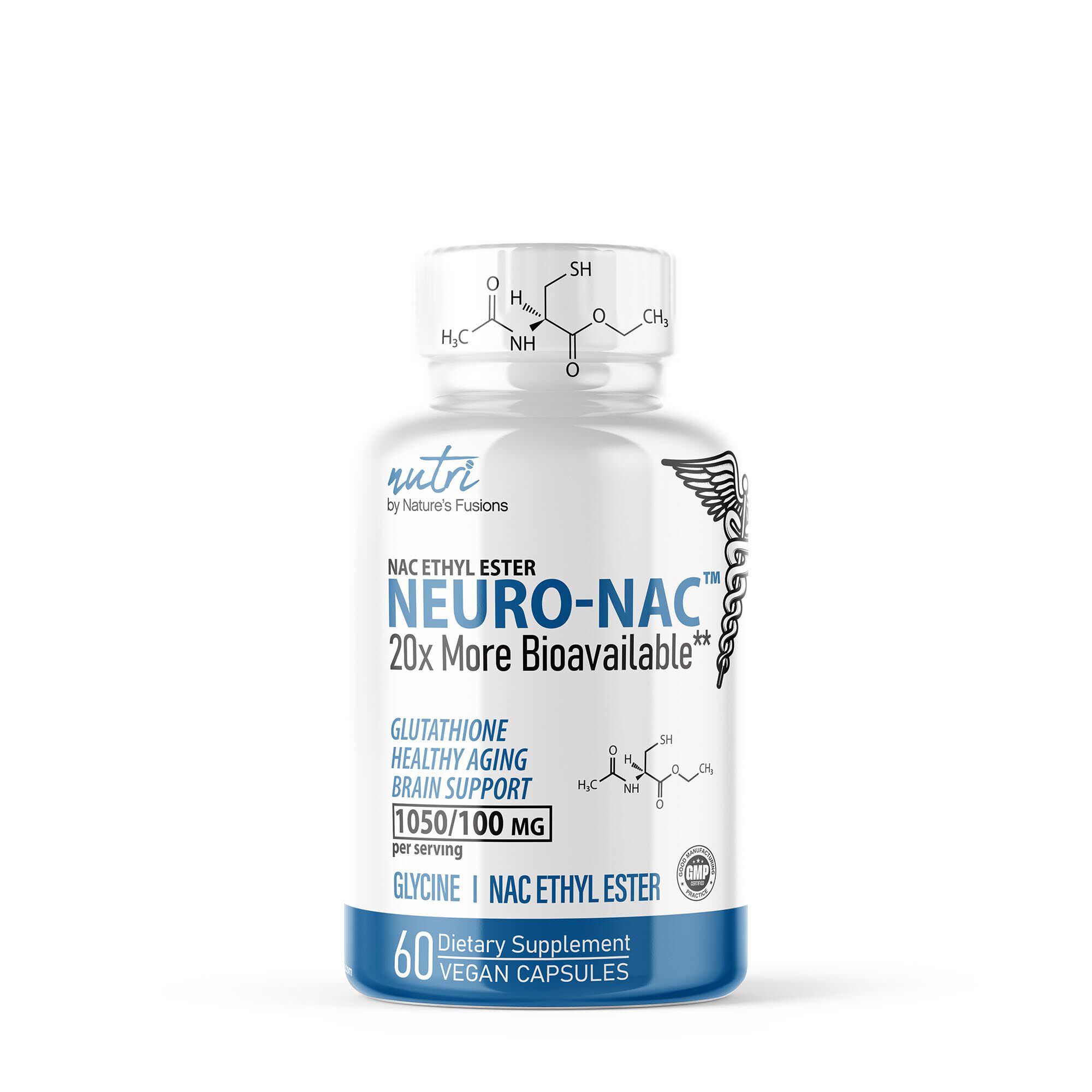
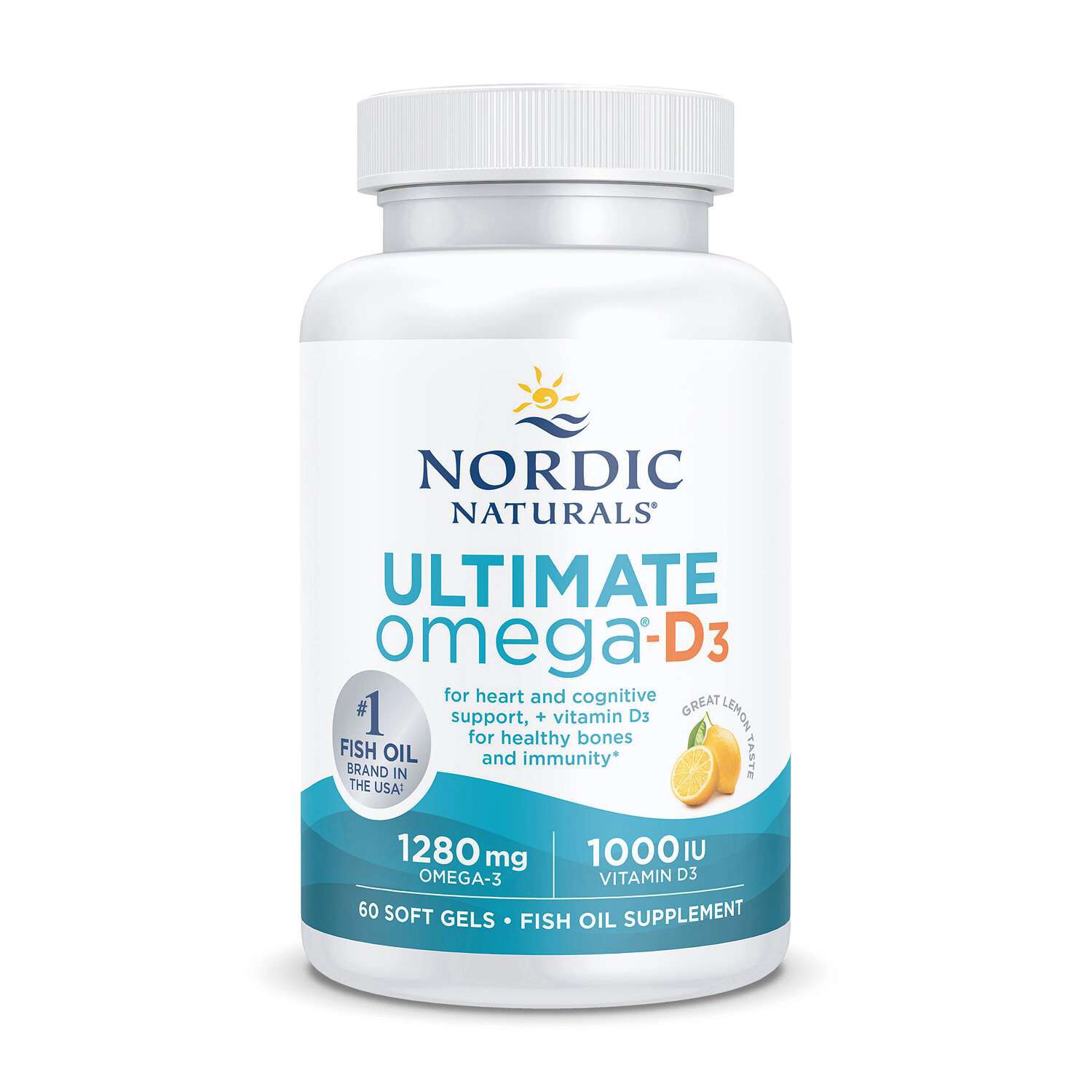
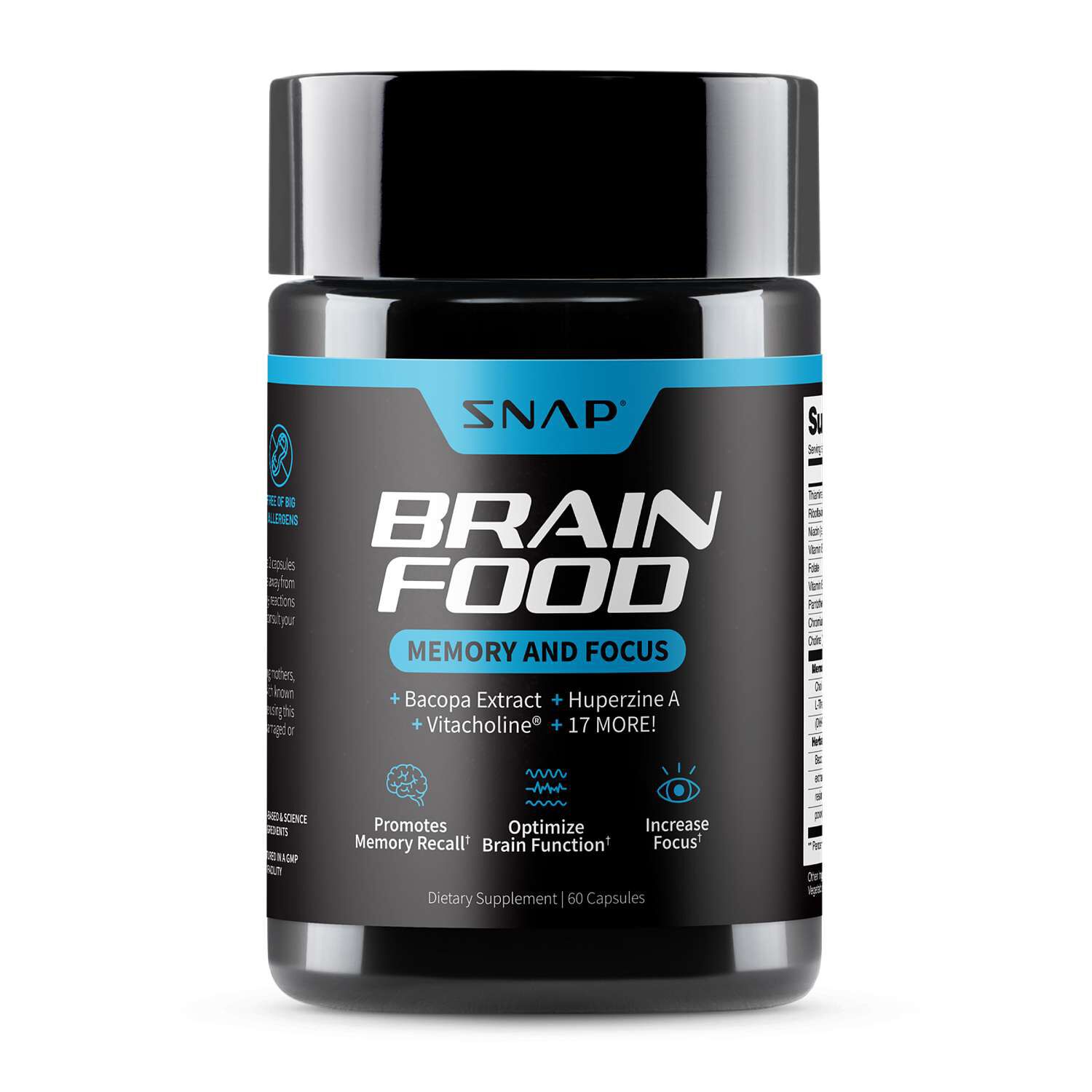
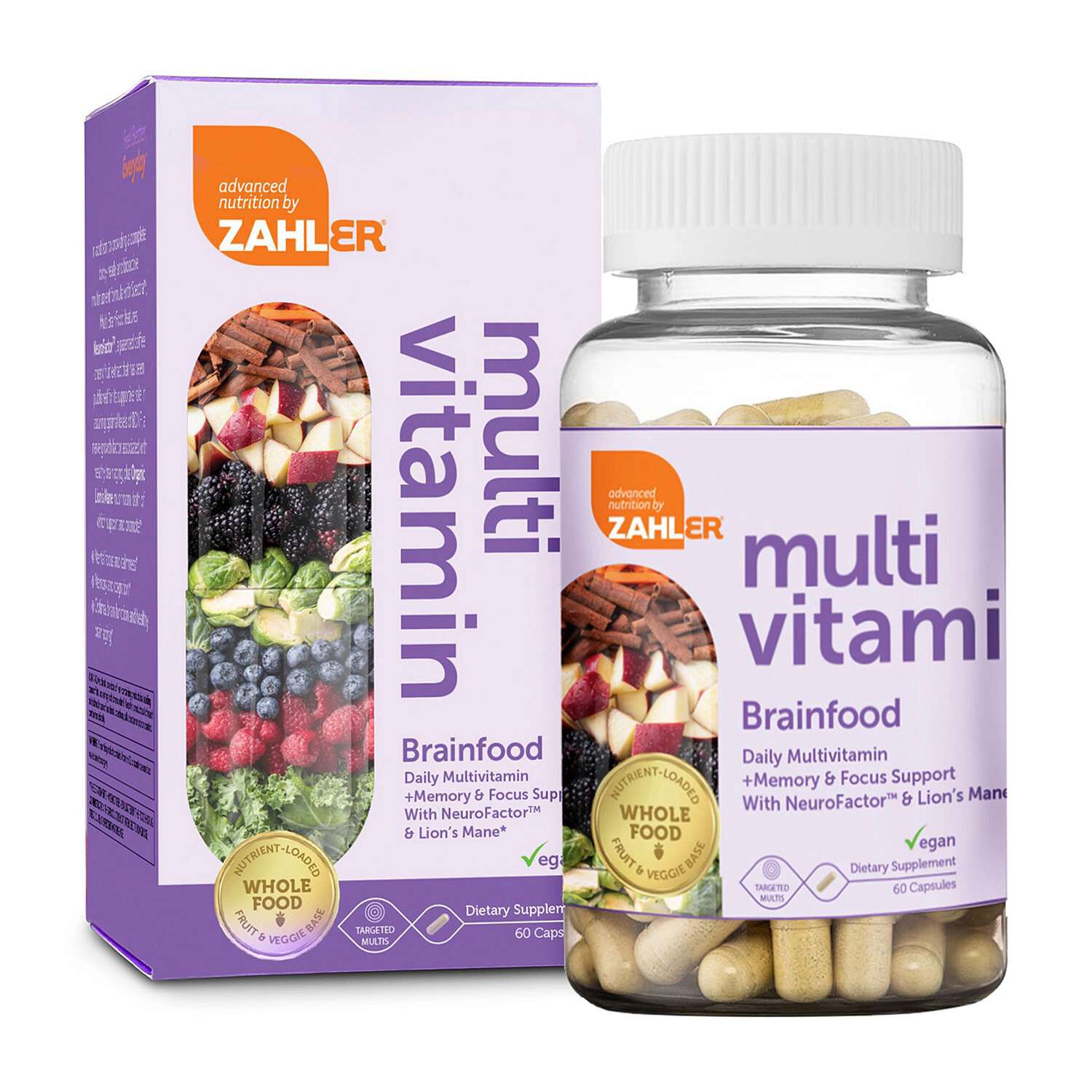
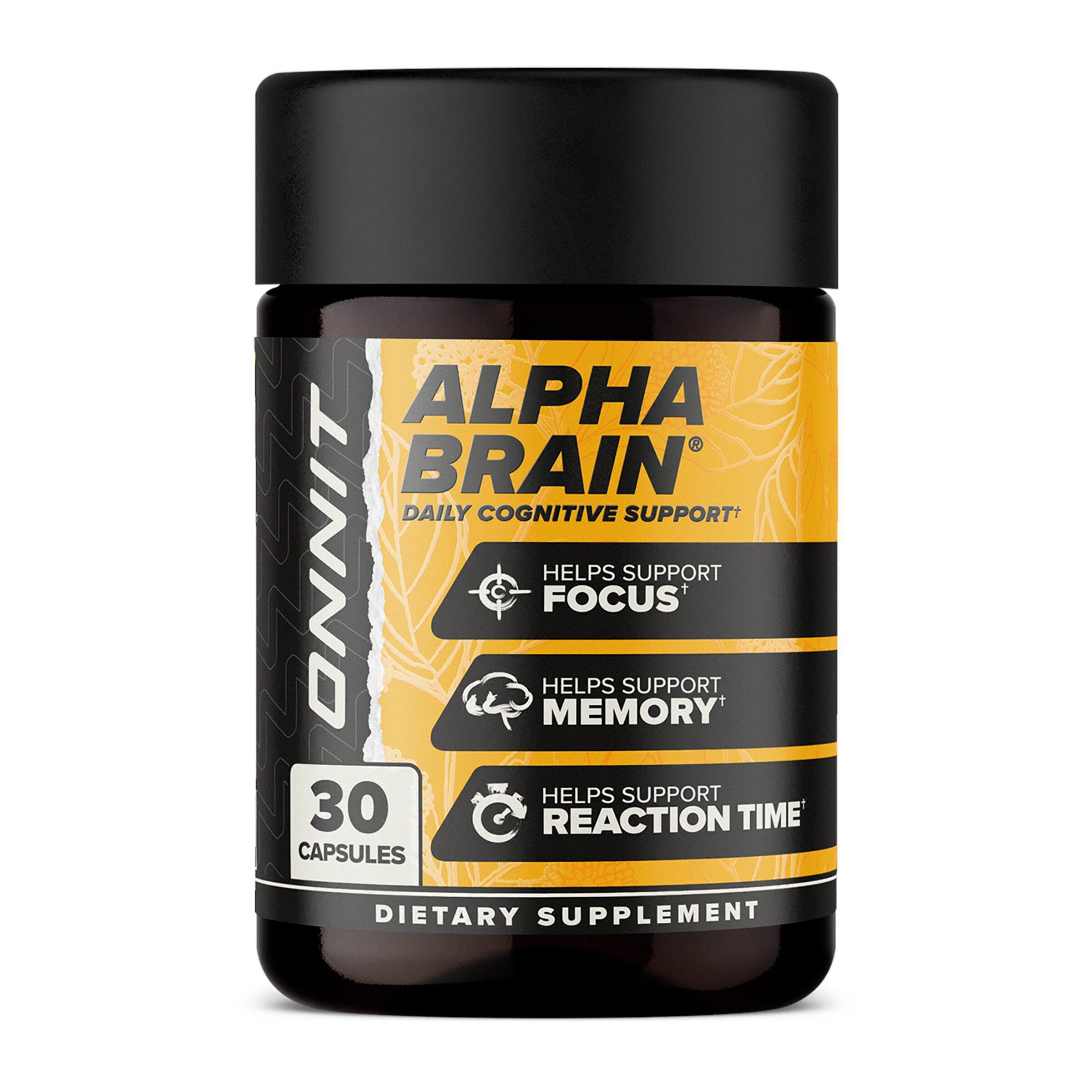
Natural brain supplements are dietary supplements made with nutrients, botanical extracts, or other ingredients associated with everyday cognitive wellness. They may support focus, memory, or mental clarity, depending on the formula and the person using it. The category covers several distinct ingredient groups rather than one standard blend: omega-3 fatty acids, B vitamins, minerals, plant extracts, mushroom ingredients, and compounds such as L-theanine. “Natural” describes an ingredient’s origin or positioning, but it does not establish how a finished supplement will perform, how carefully it was made, or whether it suits a particular person. A plant-derived capsule and a fish-oil softgel can both fit this theme while offering very different compositions. That distinction matters when comparing formulas for a workday filled with detailed reading, an evening spent practicing a language, or a personal wellness routine centered on staying mentally engaged. Some adults prefer a single-ingredient supplement with a clearly stated amount; others favor a blend that brings several ingredients into one serving. Neither format is automatically a better choice. The useful comparison is between the ingredient sources, quantities, serving sizes, and intended uses listed on the labels. Research also needs context: findings about an individual compound do not automatically describe every supplement containing it. The ingredient form, amount studied, length of use, and participants all affect how relevant a study is to a finished formula. A familiar botanical name on the front of a bottle is only the beginning of that comparison. For shoppers browsing natural supplements for focus and memory, the most informative details are often on the Supplement Facts panel and ingredient list. Those details distinguish a straightforward nutrient formula from a multi-ingredient botanical blend without relying on dramatic language or expectations of an immediate change. Supplements belong within the broader context of ordinary routines, including varied meals, regular sleep, movement, and time spent learning, rather than being treated as a substitute for those habits.
Ingredient sourcing gives this category much of its variety. Omega-3 supplements commonly use fish oil or algae-derived oil, and their labels may list DHA and EPA separately. The amount of oil in a serving is not the same as the stated amount of either omega-3, so comparing those entries offers a clearer view of the composition. Algae-derived options may appeal to shoppers who prefer ingredients that do not come from fish, though the capsule material and remaining ingredients still matter for dietary preferences. B-vitamin formulas can include B6, B12, and folate, with labels identifying forms such as methylcobalamin or methylfolate. Different forms are not interchangeable descriptions, and an ingredient name alone does not establish that a formula will offer a noticeable cognitive benefit. Magnesium likewise appears in multiple forms, making the amount of magnesium per serving a more useful point of comparison than the weight of the compound alone. Among other ingredients, L-theanine is an amino acid found in tea, while botanical formulas may feature herbs such as bacopa or ashwagandha. Tea-derived ingredients and added caffeine deserve separate attention because L-theanine content does not describe a formula’s caffeine content. Mushroom supplements may feature lion’s mane, with labels sometimes distinguishing fruiting body material, mycelium, powders, and extracts. Those descriptions identify differences in sourcing and preparation; they are not, by themselves, proof of a particular outcome. For botanical extracts, the plant part used and any stated standardization provide additional detail about what is in each serving. An extract ratio describes a processing relationship, not a universal ranking of quality or usefulness. Where a blend lists one combined amount for several ingredients, the quantity of each component may be less clear than it is in a formula with individually stated amounts. These distinctions make it easier to compare natural brain supplements on their actual contents, whether the preference is for a narrowly focused ingredient list or a broader combination intended for everyday cognitive wellness.
Format and packaging also shape how a supplement fits into everyday life. Capsules offer a familiar option without a drink to prepare, while softgels are common for oil-based ingredients. Tablets vary in size and coating, details worth considering alongside the number required for one labeled serving. Powders involve measuring and mixing but may suit someone who already prepares a beverage as part of a regular routine. Gummies offer a chewable format, with their own serving counts, flavors, sweeteners, and texture considerations. A bottle containing many capsules does not necessarily represent the same number of servings, so the serving-size line helps put package quantities into perspective. The other-ingredients list adds information that the front label may leave out, including capsule shells, colors, flavorings, and ingredients used during manufacturing. Gelatin and plant-derived capsule materials can matter to dietary preferences, just as fish sources, milk ingredients, soy, or other labeled allergens can matter to individual shopping requirements. For someone comparing products for regular use, Daily Brain Supplements offers a related category to explore alongside preferences for ingredient sources and serving formats. Clear storage directions, readable date markings, and secure packaging deserve attention as well. A powder kept near a steamy kitchen workspace has different handling considerations from a sealed capsule bottle stored in its designated cabinet. Following the package’s storage directions and keeping the original label with the contents preserves access to serving information, ingredient details, and handling instructions. Independent testing information, when provided, can add context about identity and manufacturing quality, but it should not be confused with evidence that a supplement will produce a particular cognitive result. Personal preferences matter more than gift presentation in this category, since dietary choices, ingredient familiarity, and serving format vary considerably from one adult to another. Whether the routine involves desk work, creative projects, or continued learning, a thoughtfully compared formula may have a place in everyday wellness. Clear labeling and realistic expectations offer a more grounded basis for that choice than sweeping descriptions of sharper thinking.