

Dietary Brain Supplements
(0 Results)
Looking to support cognitive function and mental clarity? Dietary brain supplements could be the key to enhancing focus, memory, and overall brain health. Packed with a variety of nutrients, these supplements may offer the vital support your brain needs to perform at its best. Explore our range of dietary brain supplements that might help you stay sharp and alert throughout the day.
-
-
-
-

-

-
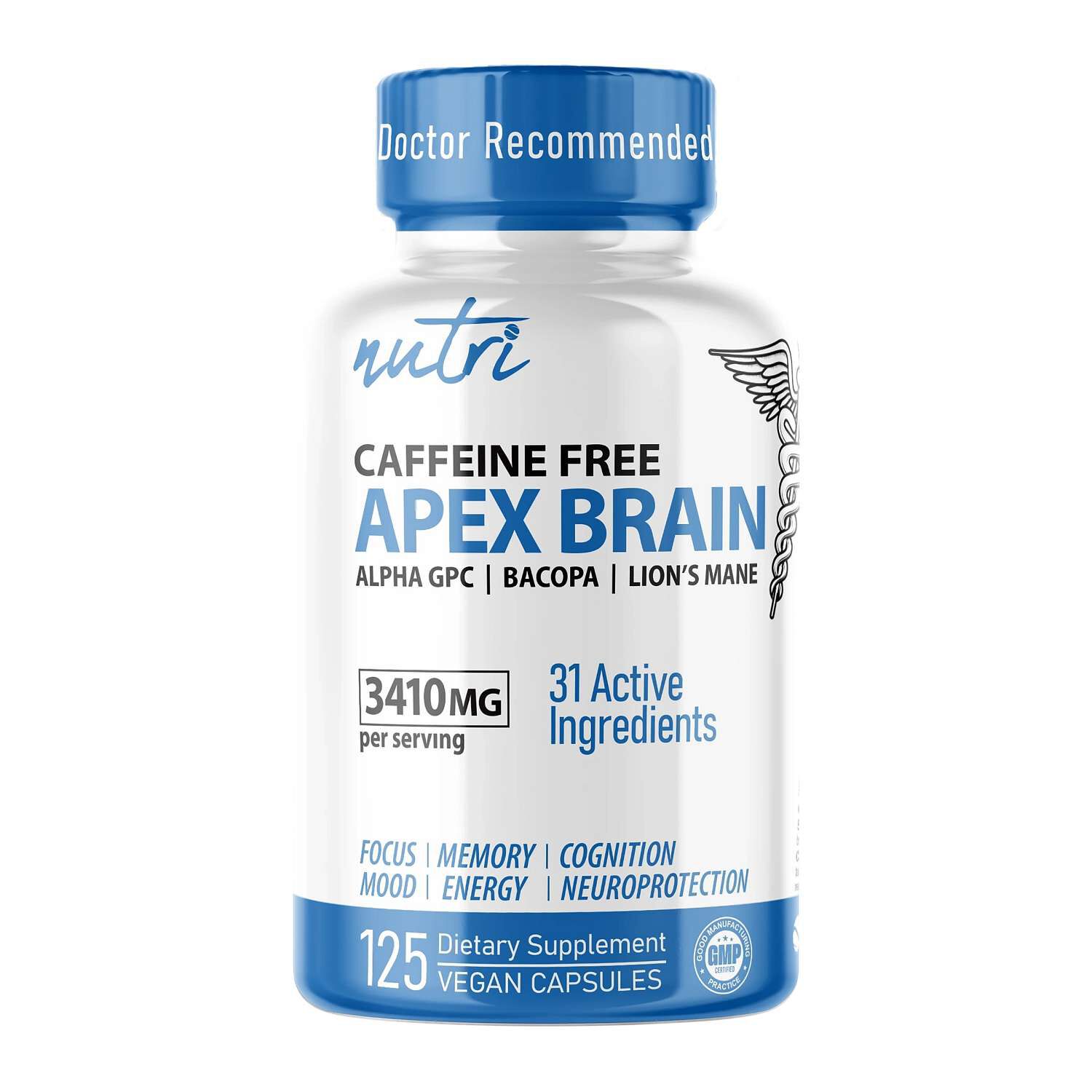 Nature's Fusions$54.99
 -
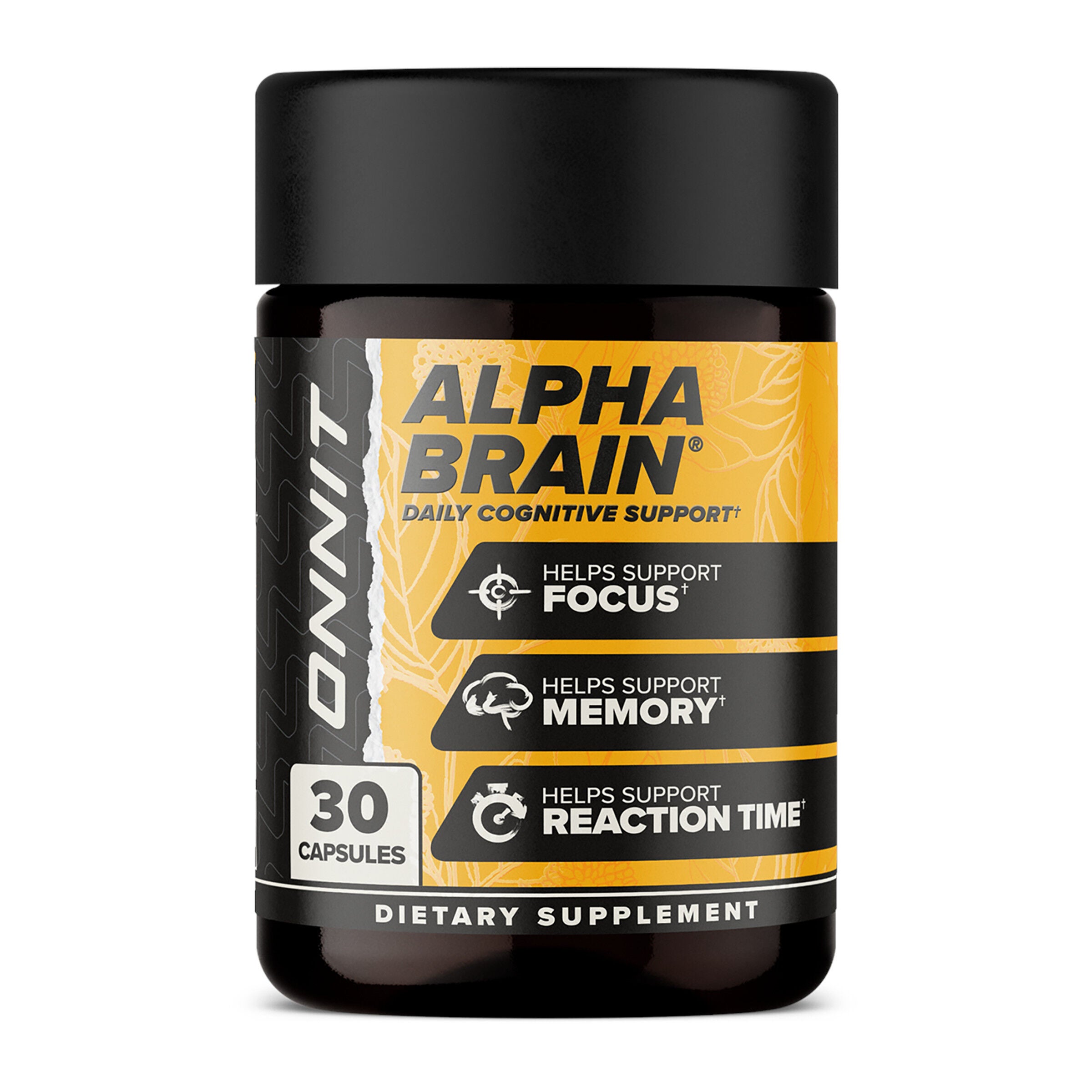
-
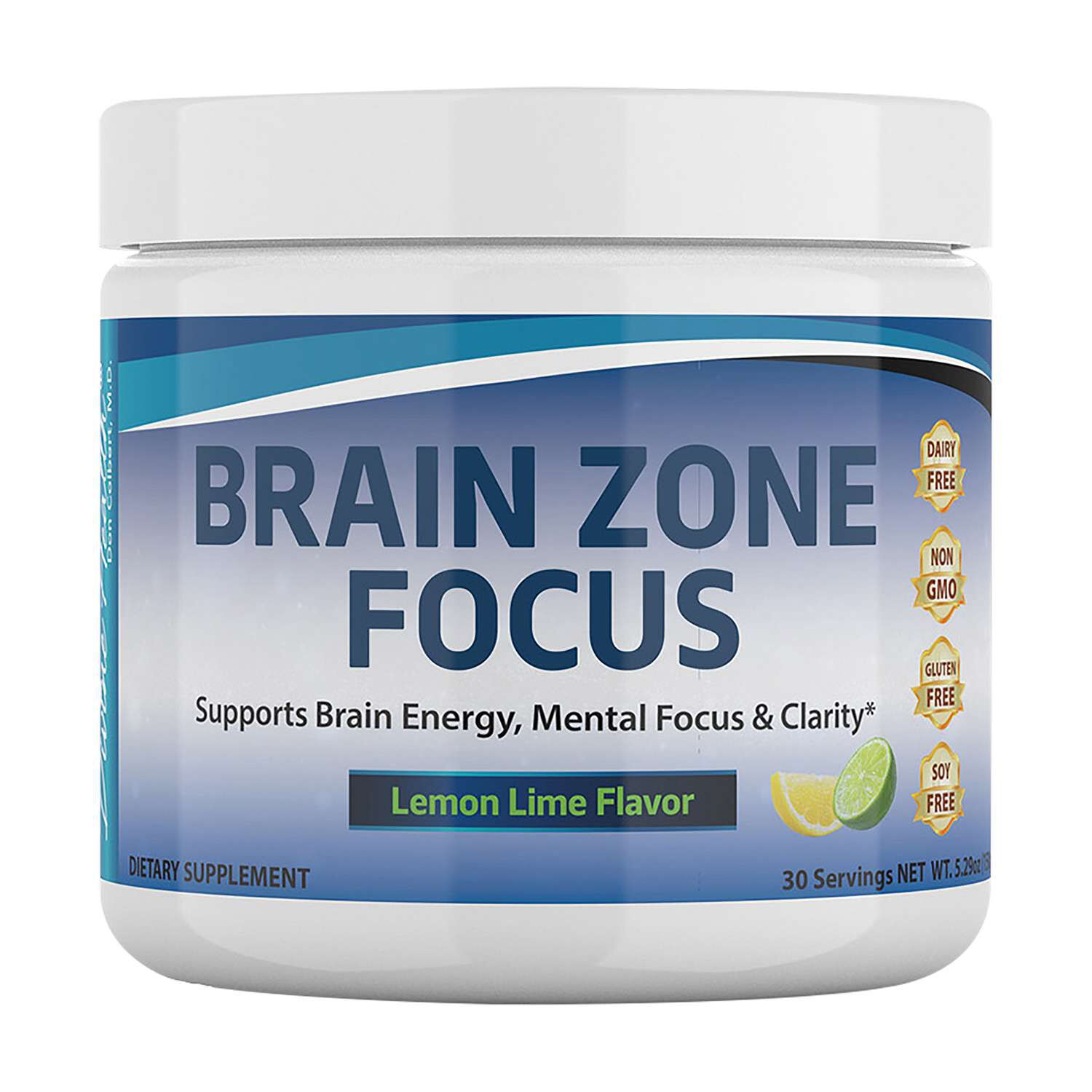 Divine Health$44.99
 -

-
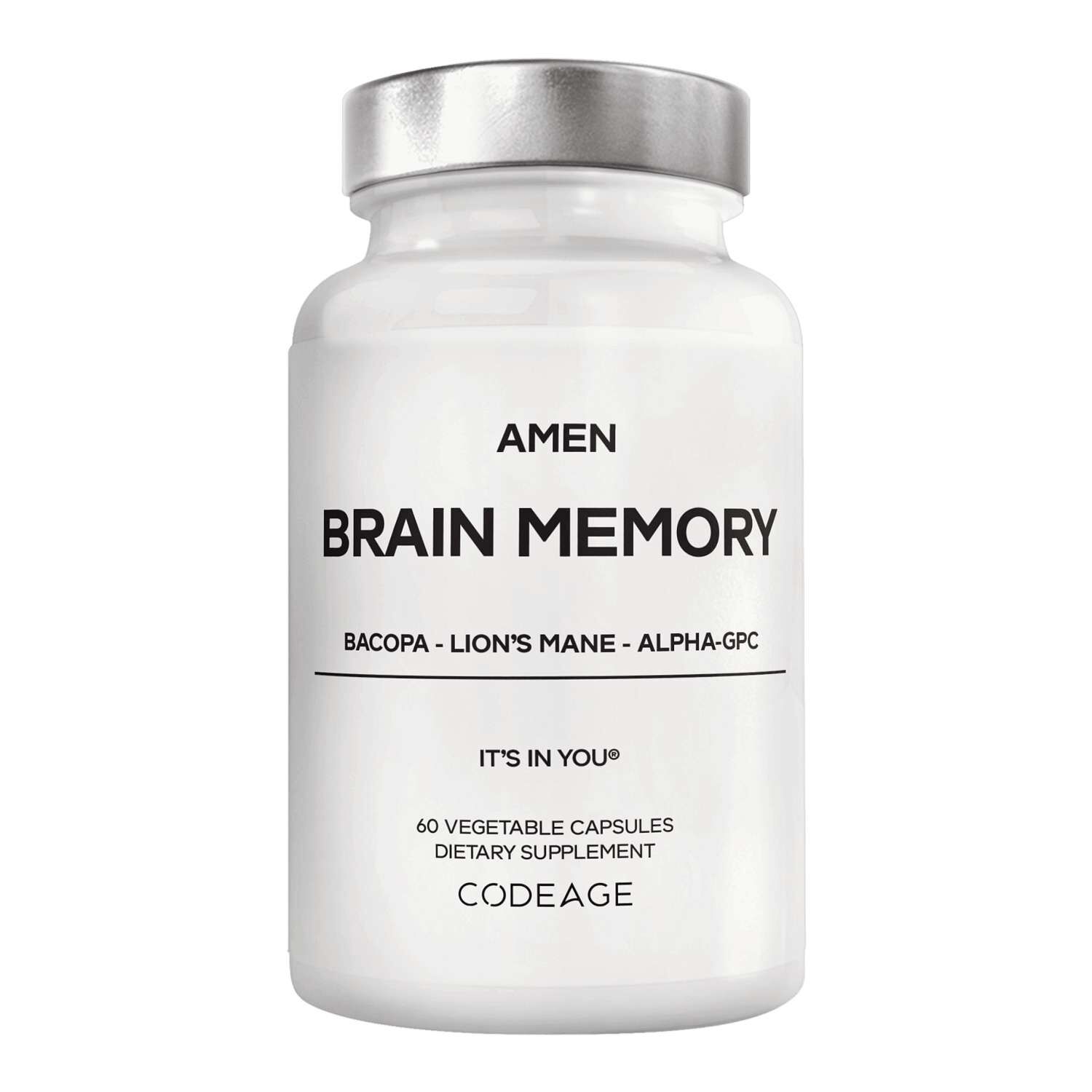
-
-

-
-

-

-
-
-

-

-

-
-
 $34.99
 -
-
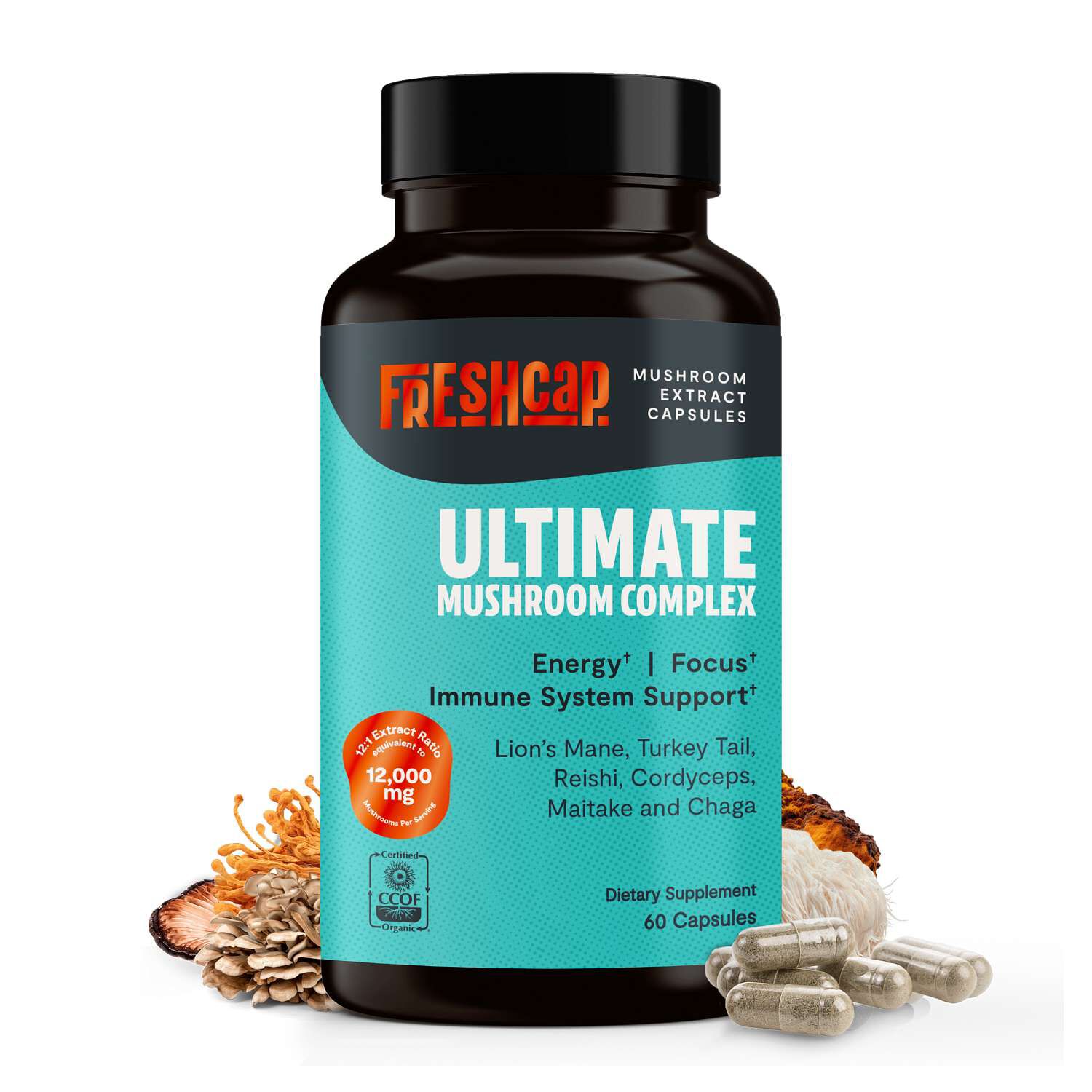
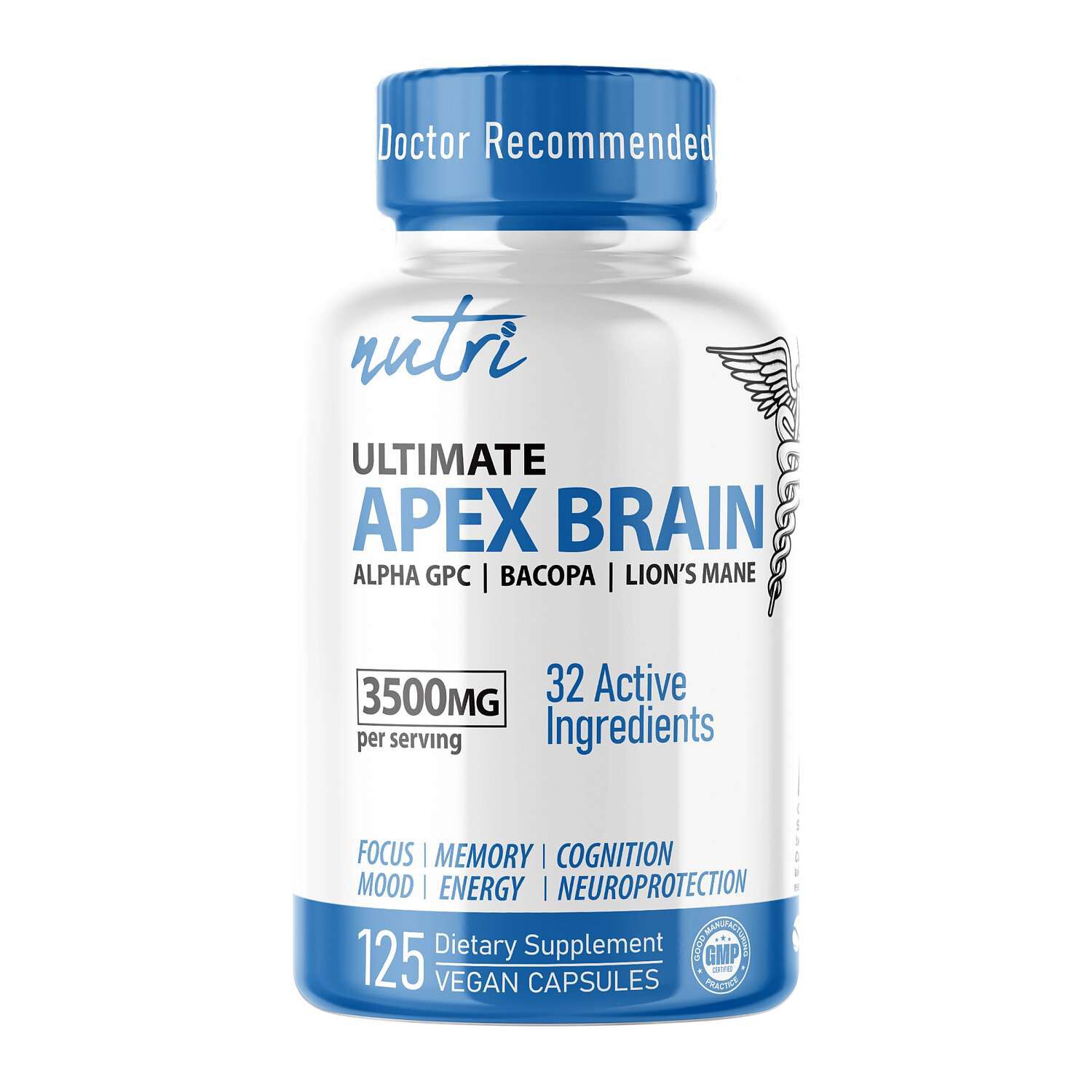
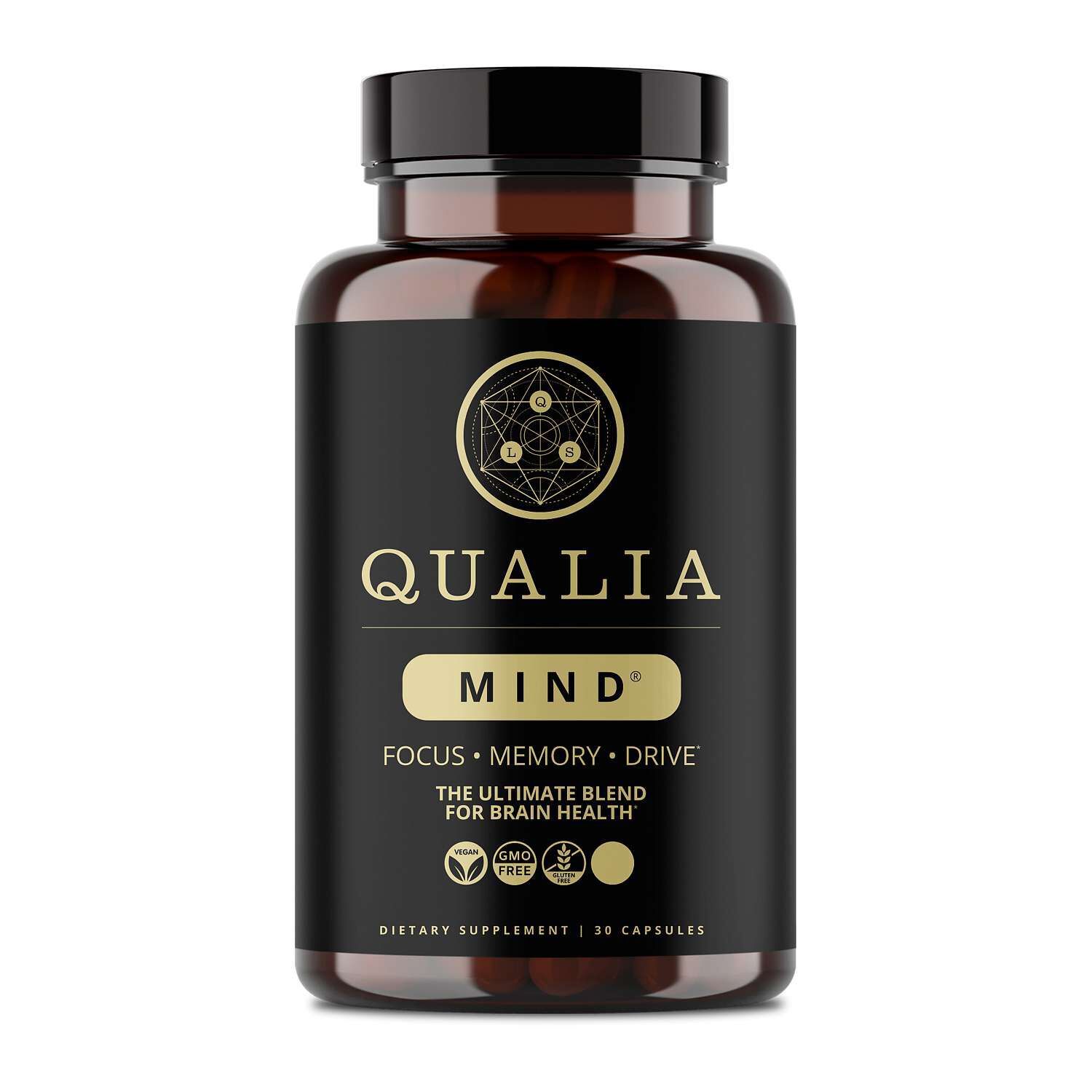
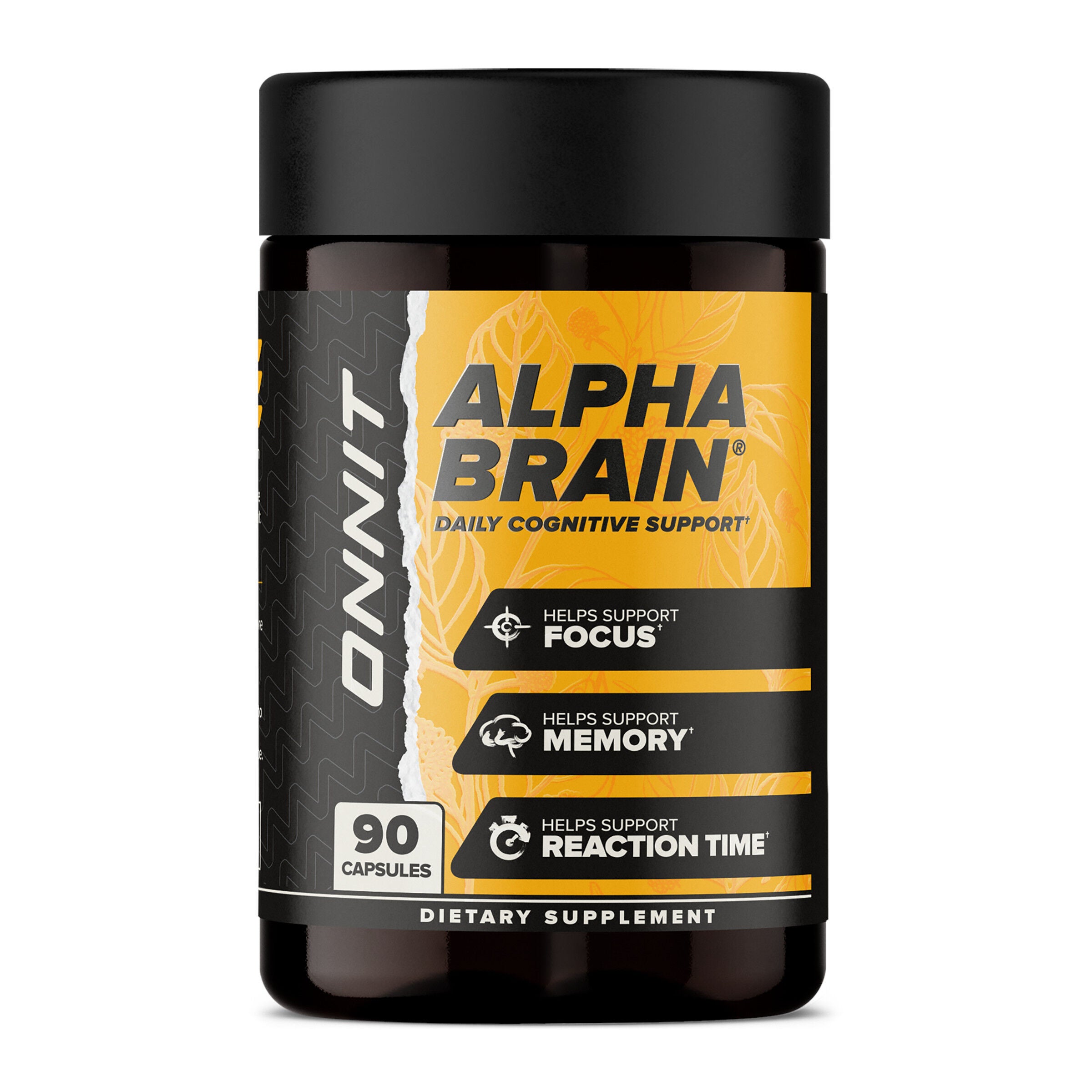
Dietary brain supplements are vitamins, minerals, oils, and botanical preparations offered for shoppers interested in memory, focus, and everyday cognitive wellness. This category includes single-ingredient formulas as well as blends, with capsules, softgels, tablets, gummies, and powders providing different ways to fit a supplement into a routine. Some formulas may support aspects of everyday mental performance, but results can vary by ingredient, amount, and individual circumstances. A category name alone does not establish what a formula may do, and a longer ingredient list does not necessarily make one option more suitable than another. Common ingredients include omega-3 fatty acids, B vitamins, and botanicals such as ginkgo biloba. Omega-3 supplements can come from fish oil or algae, and their labels may identify EPA and DHA separately from the overall amount of oil. That distinction matters when comparing labels: the weight of an oil serving is not the same as the amount of each named fatty acid it contains. B vitamin formulas can feature B6, folate, and B12, either individually or alongside other nutrients. Botanical labels may identify the plant species, the plant part used, and whether the ingredient is an extract. These details describe the contents more precisely than a broad phrase about mental sharpness on the front of a package. Research on one ingredient does not automatically apply to every blend containing it, especially when the serving amount or preparation differs. Evidence also varies according to the people studied and the outcomes measured. An ingredient associated with memory in marketing should not be assumed to produce a noticeable change during a meeting, a reading session, or a busy afternoon. Dietary brain supplements belong within the broader context of food choices and everyday habits, not in place of meals, sleep, or time away from demanding tasks. For an adult comparing options for a desk-based workday or a regular study schedule, the most useful distinctions are often the actual contents, the serving format, and how clearly the package explains its intended use.
The Supplement Facts panel provides a practical starting point for comparing dietary brain supplements without relying on front-label language alone. Serving size deserves particular attention because one serving might mean one softgel, two capsules, several gummies, or a measured portion of powder. A bottle containing sixty capsules does not necessarily represent sixty servings. Amounts shown on the panel generally refer to the stated serving, so comparisons are most meaningful when they use that same basis. Units matter as well: milligrams and micrograms are different measurements, and a large printed number does not by itself indicate a better match. Where a percent Daily Value appears, it describes a nutrient amount relative to an established daily reference; it is not a score for the formula’s potential usefulness. Some ingredients have no established Daily Value. Blends can also differ in transparency, with some panels listing each ingredient’s amount and others listing a combined blend amount. The latter provides less detail for an ingredient-by-ingredient comparison. Beyond the main panel, the other ingredients list can identify capsule materials, flavorings, sweeteners, colors, and ingredients used to hold a tablet together. These details can be relevant to food preferences and dietary restrictions. A capsule shell might contain gelatin or a plant-derived material, while an oil formula can have a fish or algal source. Gummy and powder formats may include added sugars or particular sweeteners, making taste and texture part of the comparison rather than an afterthought. Allergen statements and clearly defined dietary designations add further context. For formulas containing caffeine, a disclosed amount is another useful distinction, particularly for someone who already drinks coffee or tea. More ingredients are not automatically better, and combining formulas can repeat nutrients already present in a multivitamin or another supplement. Quality information is also worth distinguishing from benefit language: independent testing for identity or contaminants addresses different questions from research into a formula’s possible effects. In the United States, the FDA does not approve dietary supplements for safety and effectiveness before they are marketed. Packaging claims, testing statements, and published research therefore serve different purposes and should not be treated as interchangeable evidence.
Format and packaging can make the difference between an option that suits a familiar routine and one that feels cumbersome. Capsules and tablets usually involve little preparation, while softgels are common for oil-based ingredients. Size, shape, coating, and the number of units per serving can all affect the experience of taking them. Gummies involve chewing and have their own flavor and texture, whereas powders require attention to the measured portion and any mixing directions. For someone who leaves home early and returns after a long workday, a format requiring a glass, a scoop, and a mixing step presents a different practical arrangement from a bottle of capsules. Someone who already prepares a drink at home might find that same format more convenient. Neither preference establishes which formula may be more useful; it simply helps separate daily logistics from ingredient considerations. Packaging also carries information about storage, the expiration date, and any handling requirements after opening. Original containers keep those details together with the Supplement Facts panel and any caution statements. Moisture, light exposure, and storage location can matter depending on the formulation, so the package’s stated conditions are more useful than assuming every supplement belongs in the same spot. A bathroom shelf, a kitchen cabinet near a steam source, and a drawer beside a desk offer different storage environments. Closure design and legible labeling are practical features to notice, especially when a container will be opened regularly. Shoppers organizing a recurring routine can also browse daily brain supplements with the same attention to ingredients, serving size, and format. The word “daily” describes a routine-oriented category rather than establishing that every formula is suitable for every adult. Intended age ranges, directions, and caution statements remain specific to the package. A thoughtful comparison brings those details together: what the formula contains, how much appears in a serving, which dietary preferences it accommodates, and what preparation or storage it requires. That approach keeps expectations grounded while making a broad category easier to navigate.