





Whole Food Brain Supplements
(0 Results)
Whole food brain supplements offer a convenient way to support your wellness routine with ingredients sourced from fruits, vegetables, and other nutrient-rich foods. These supplements may fit seamlessly into a balanced lifestyle, providing options for those looking to nourish their mind and body. Explore a variety of whole food brain supplements that could complement your daily regimen as you strive for overall well-being.
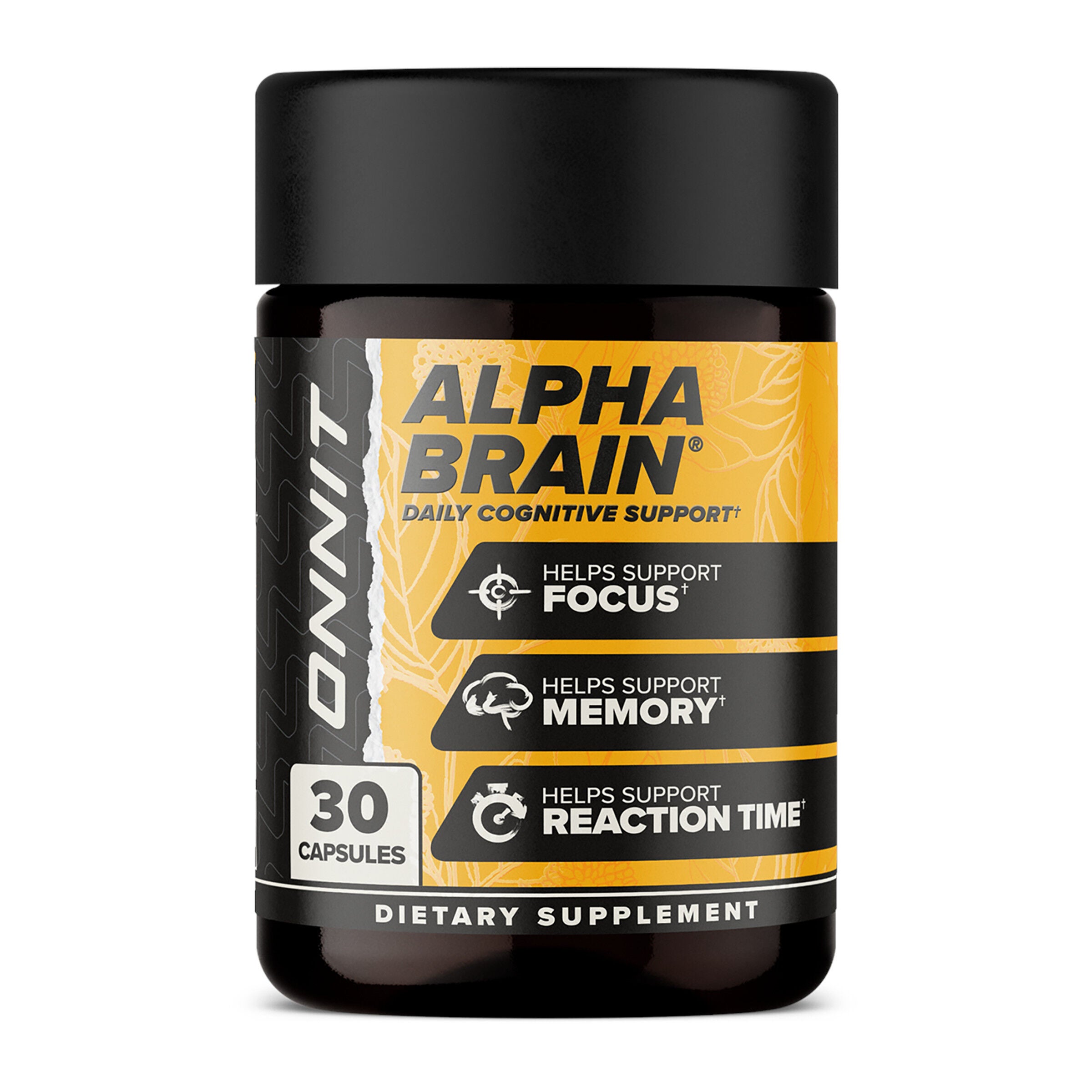
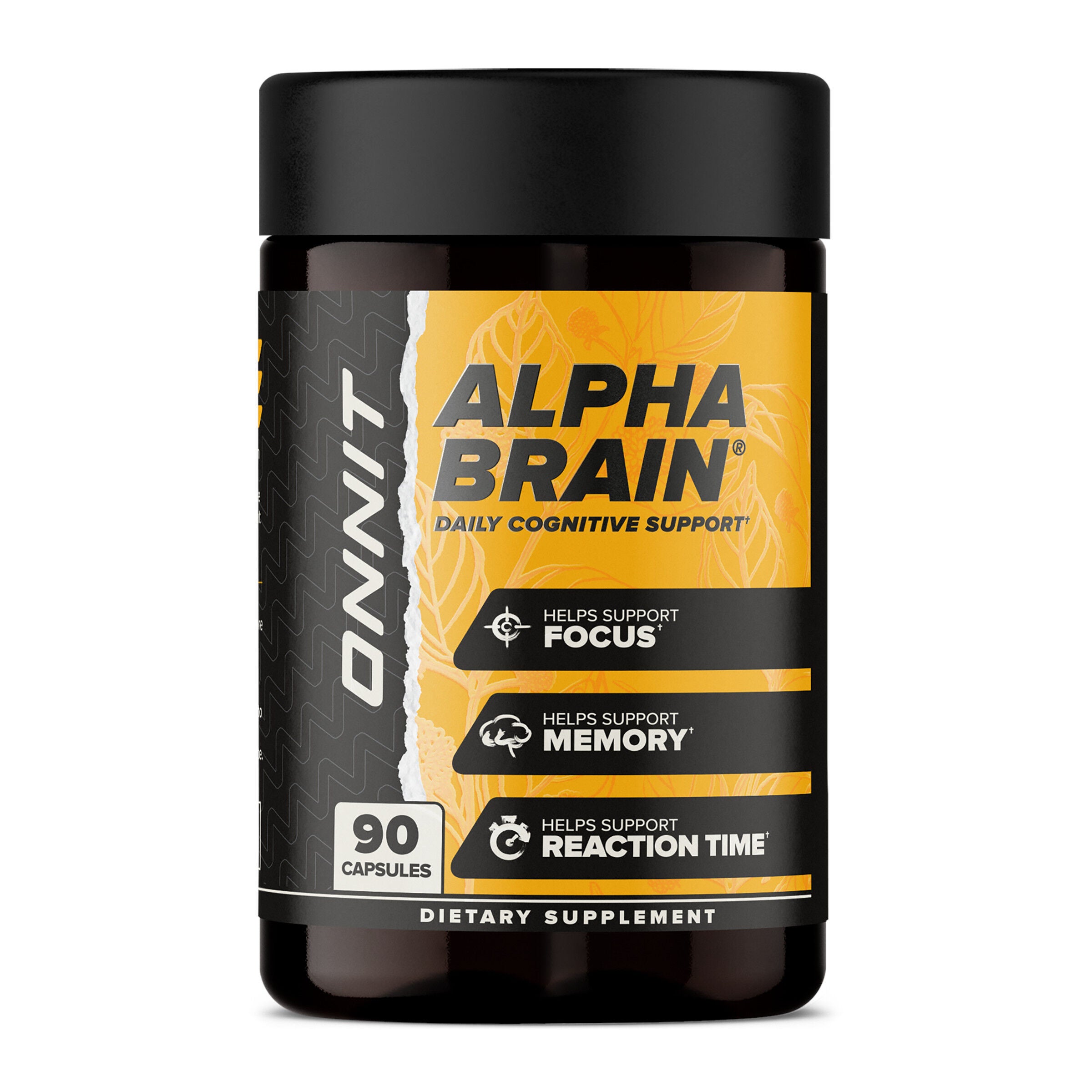
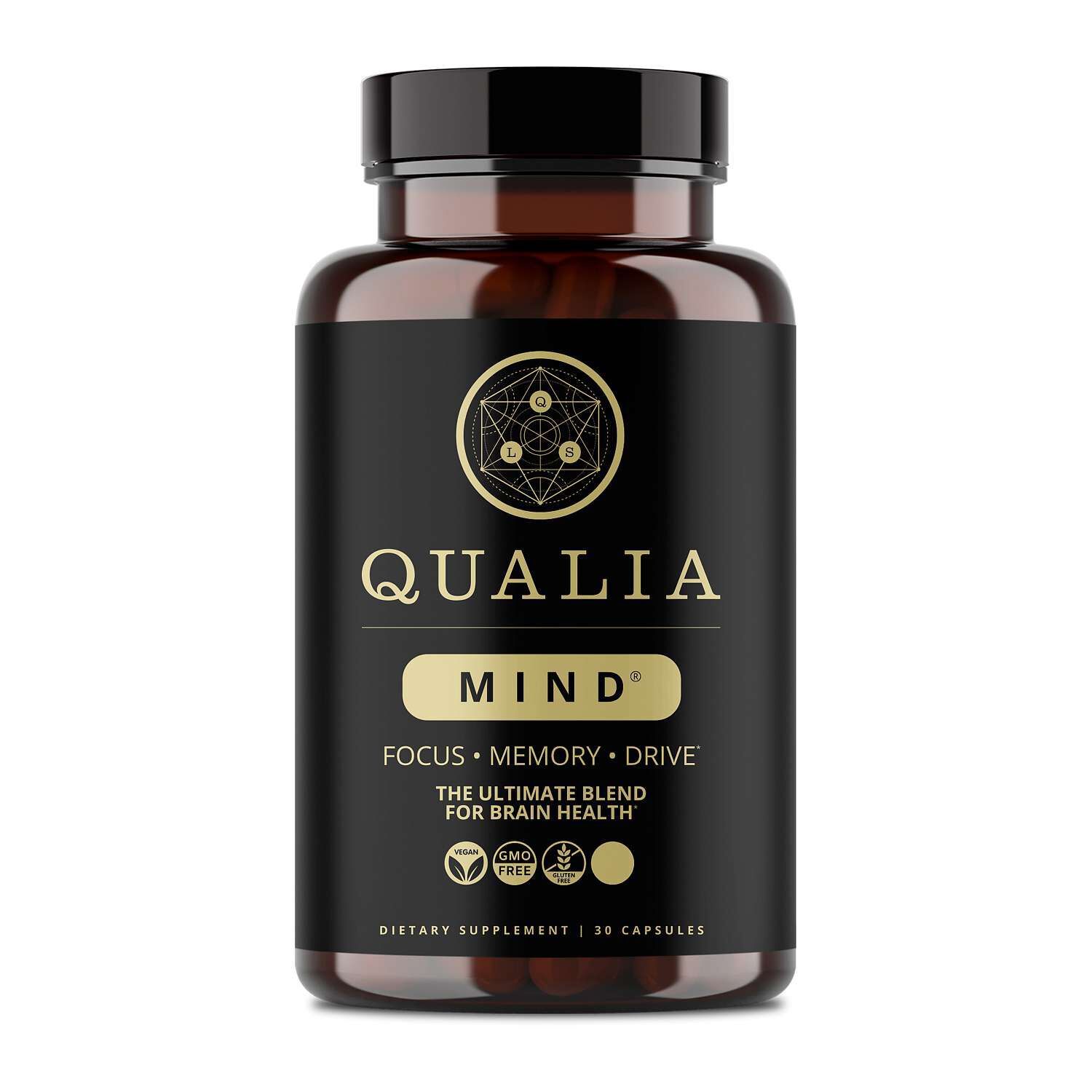
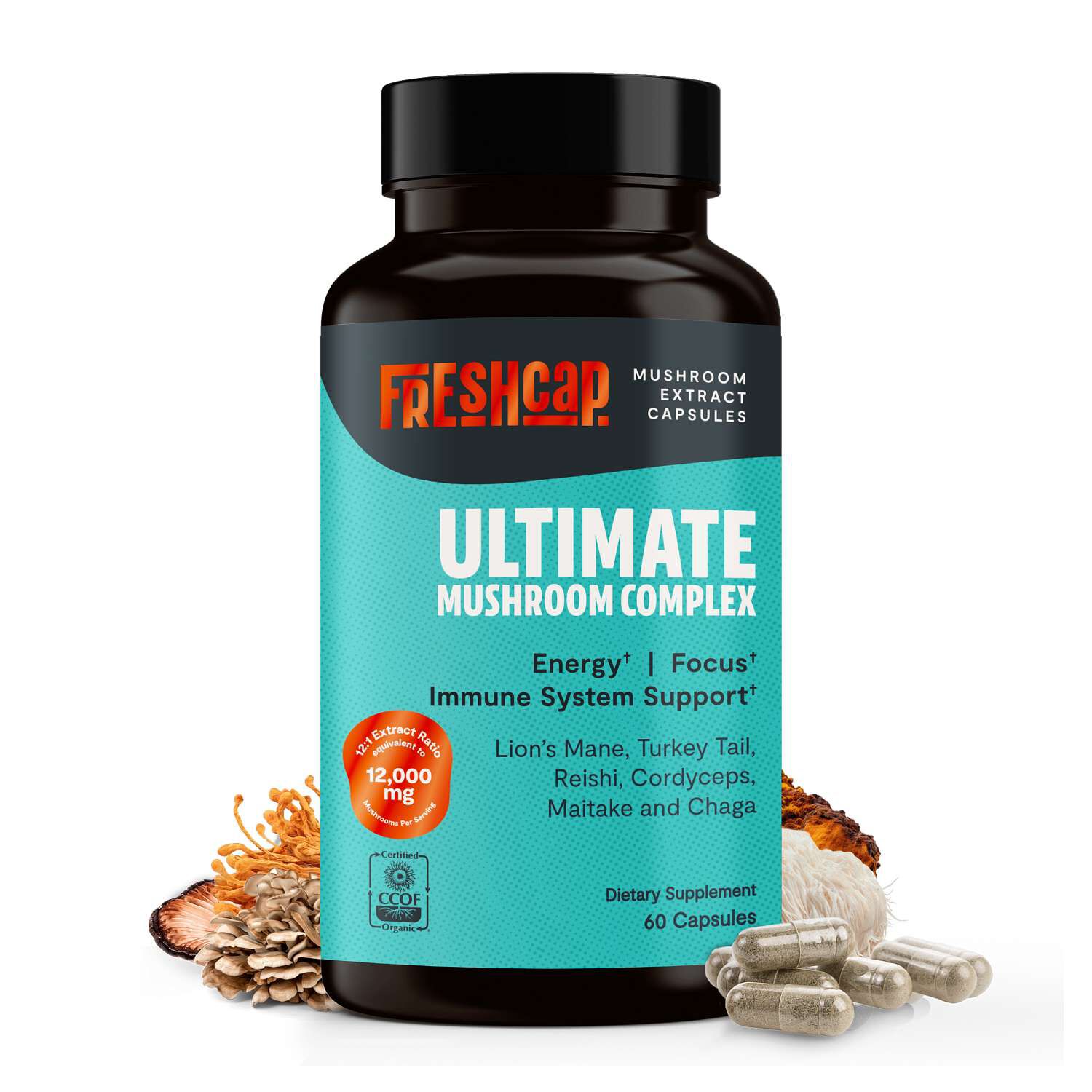


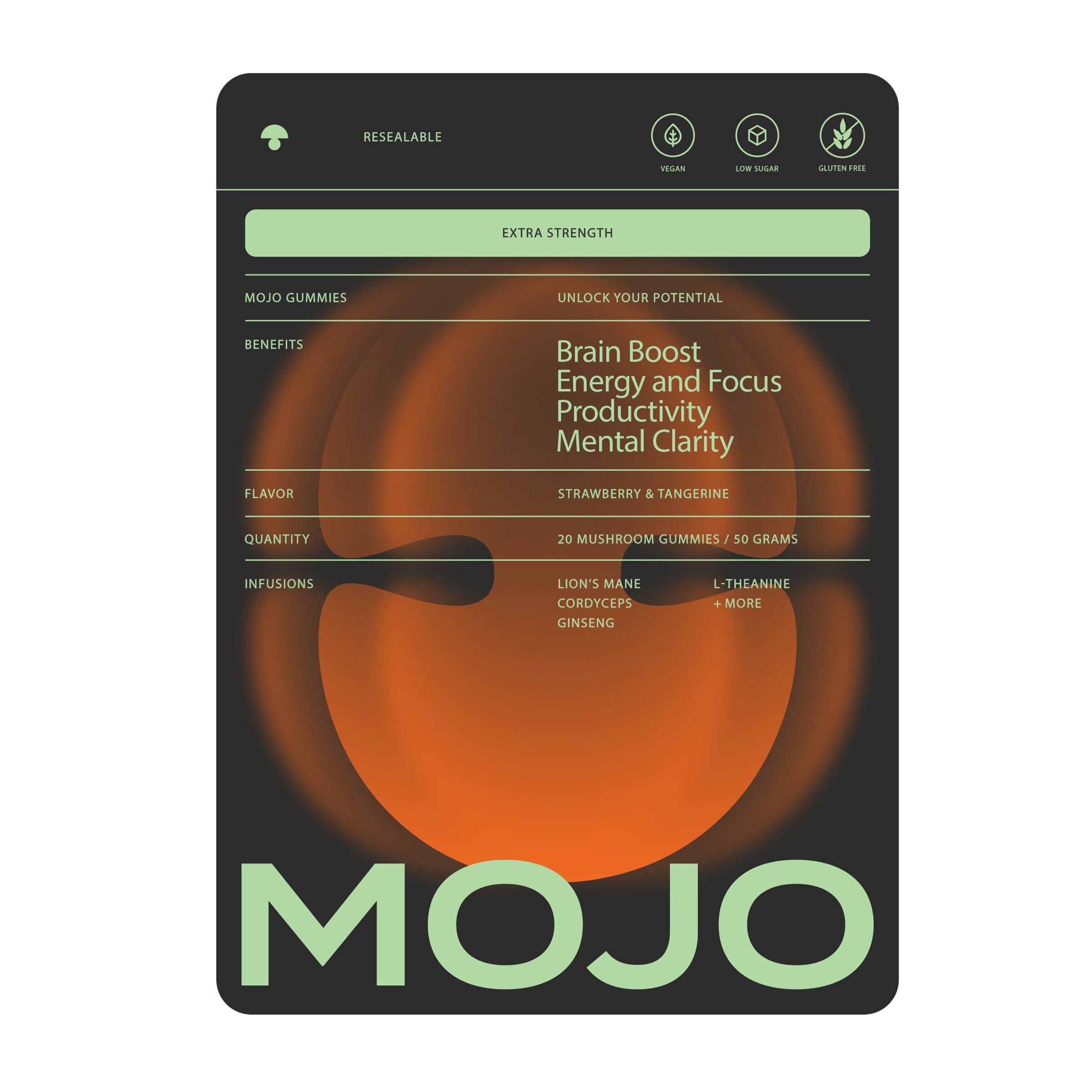
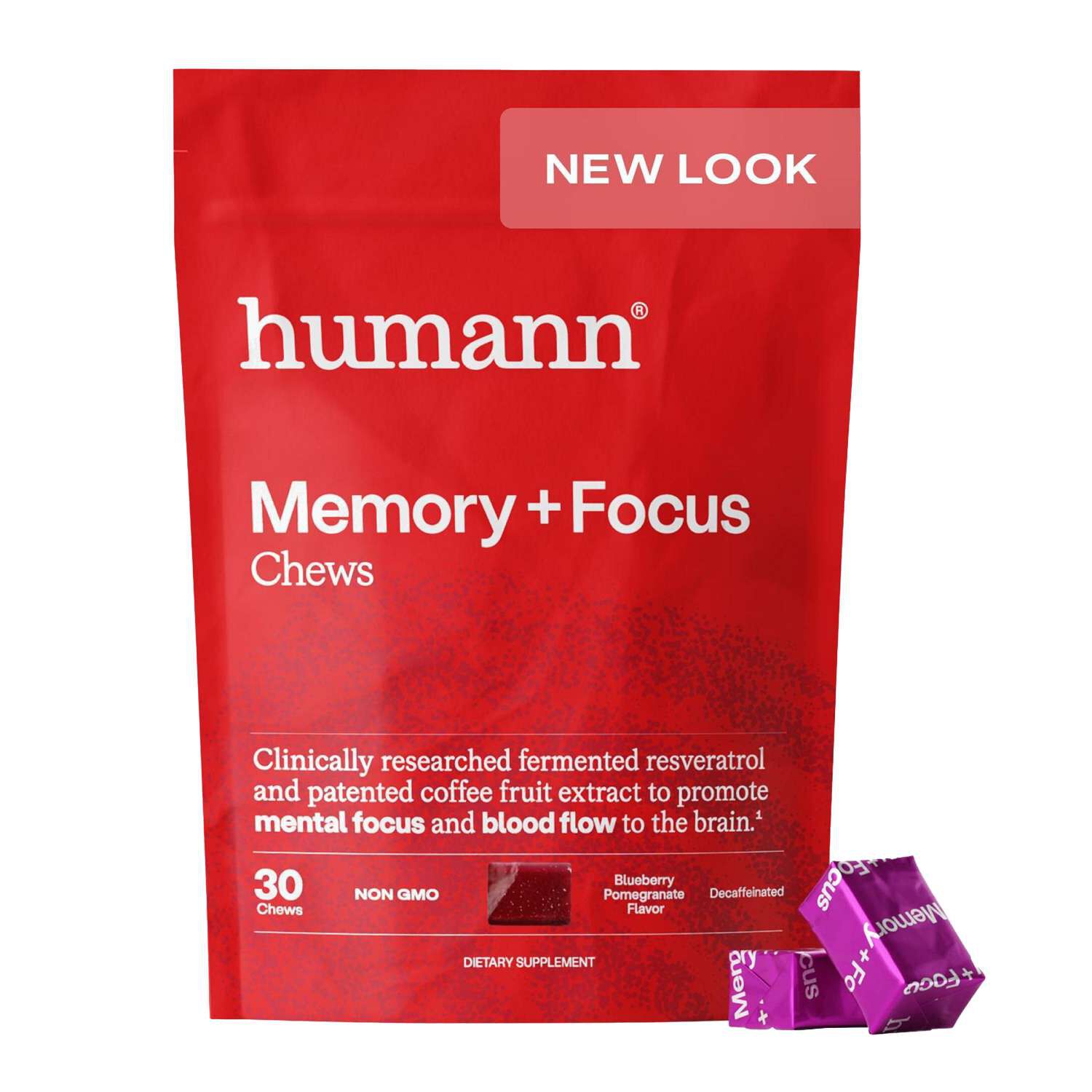
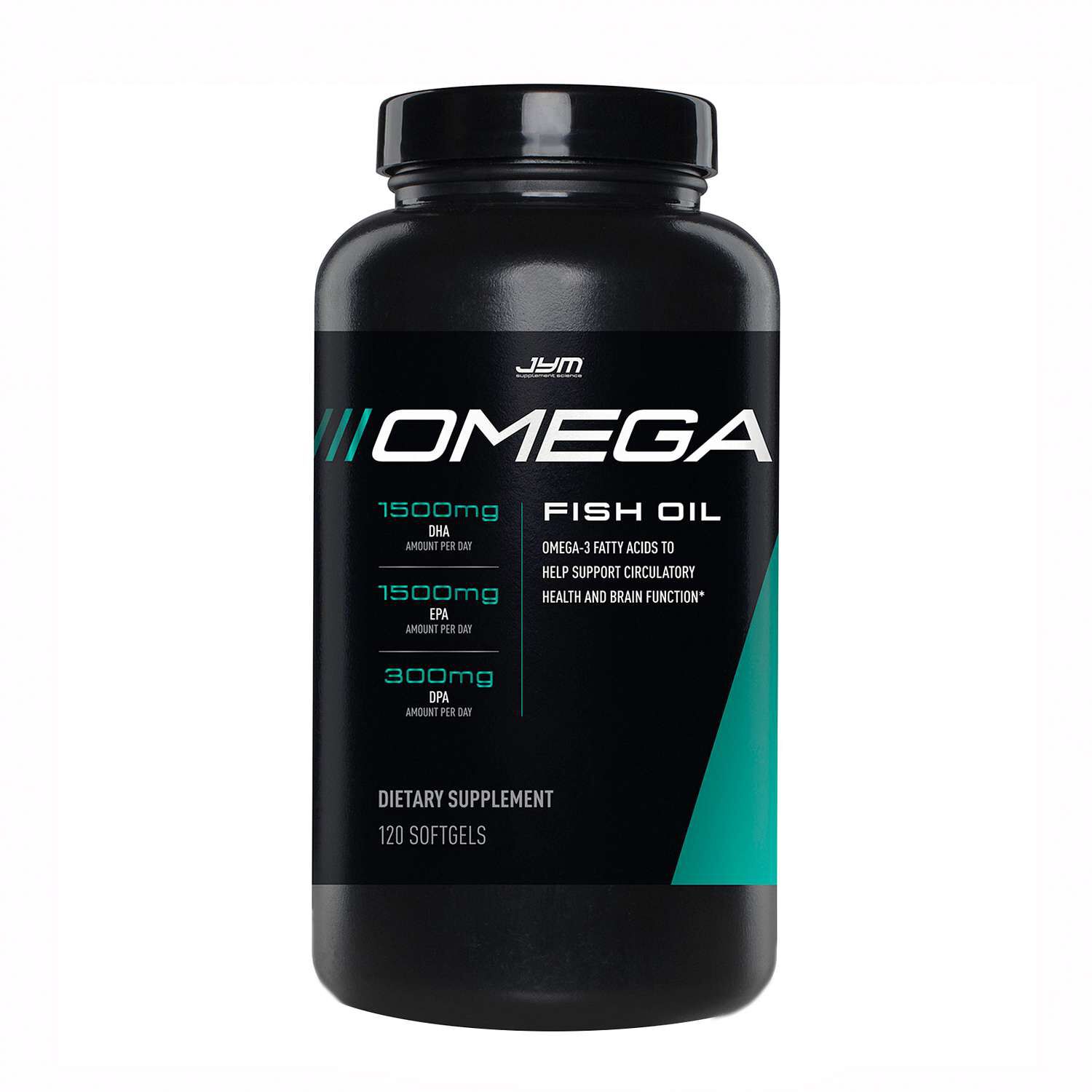

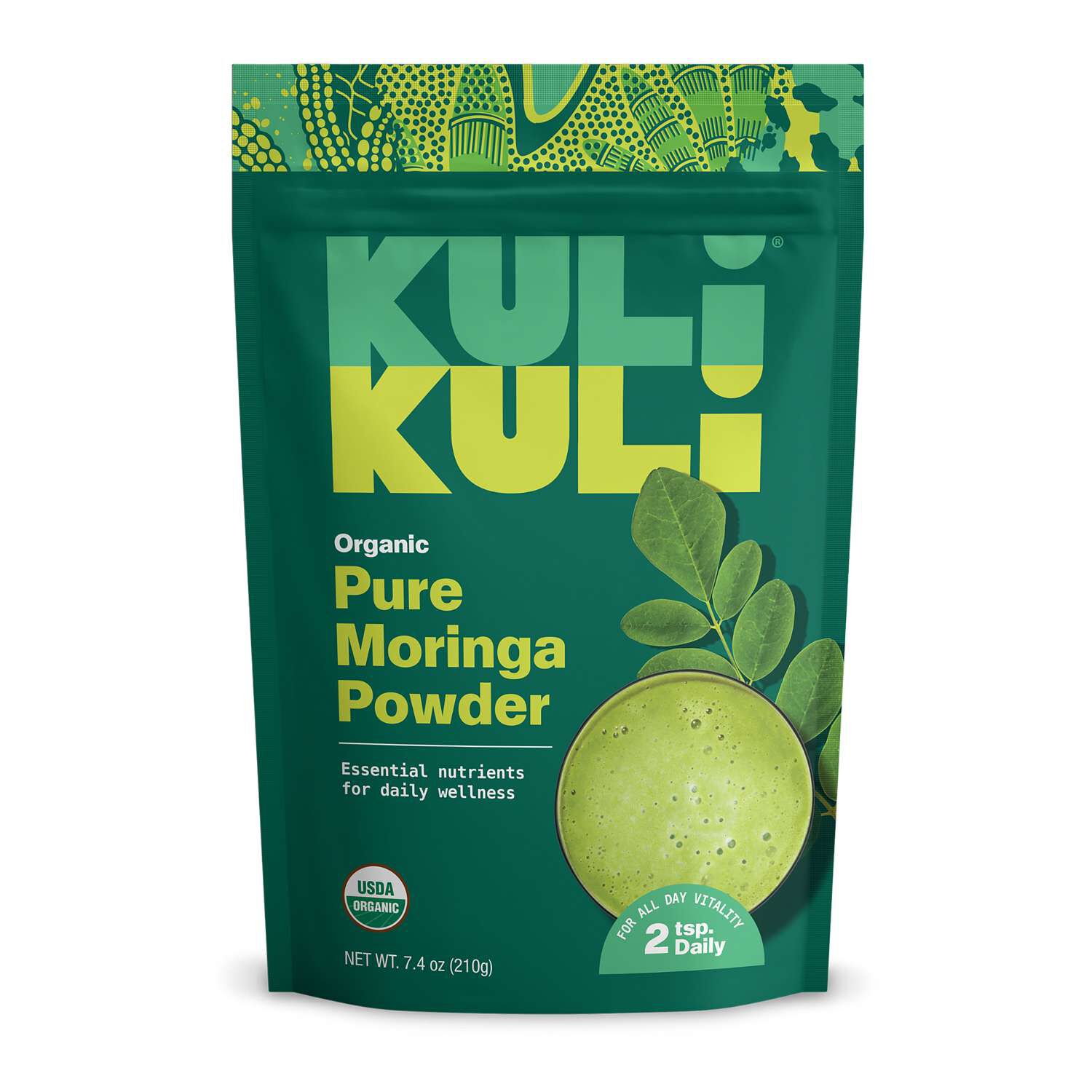
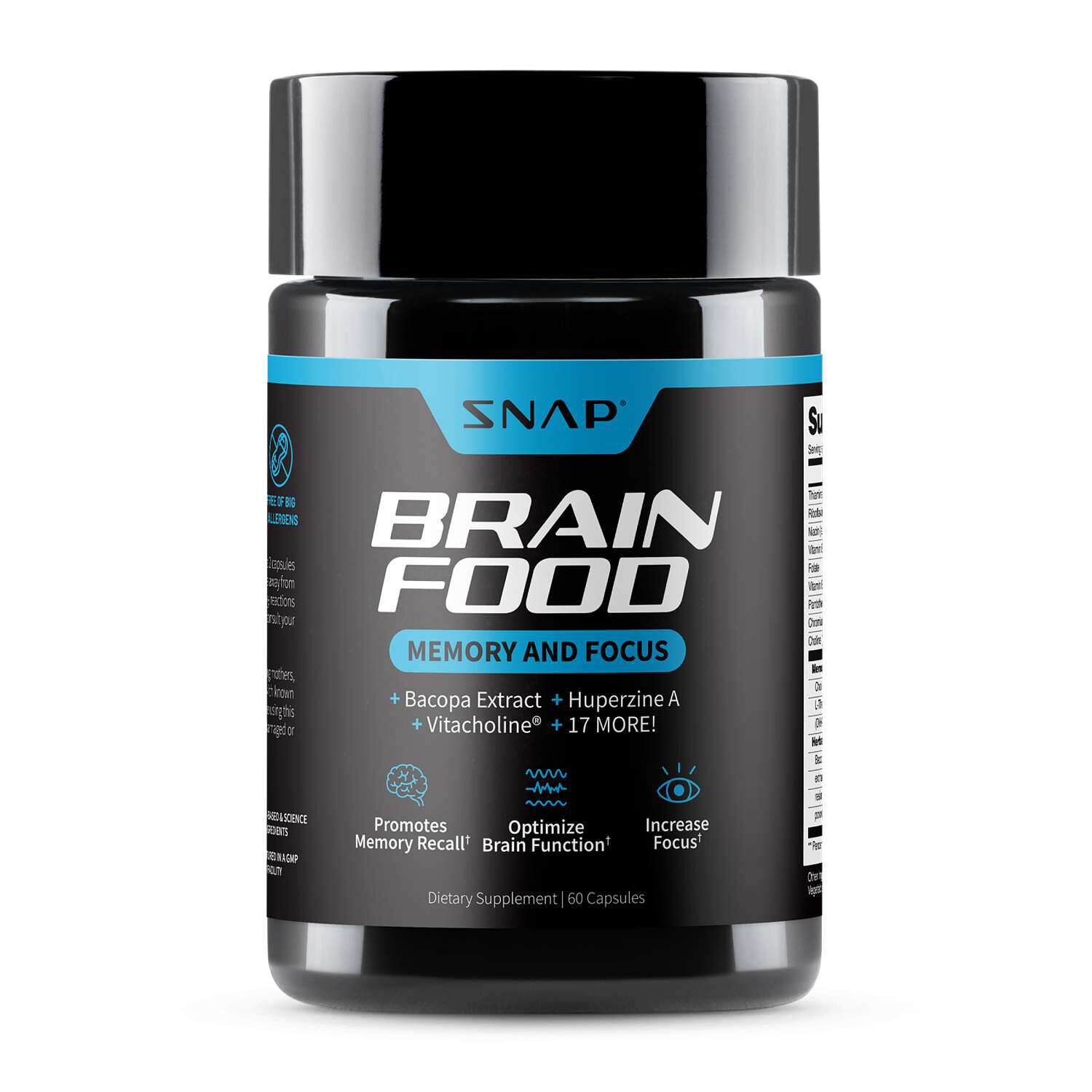

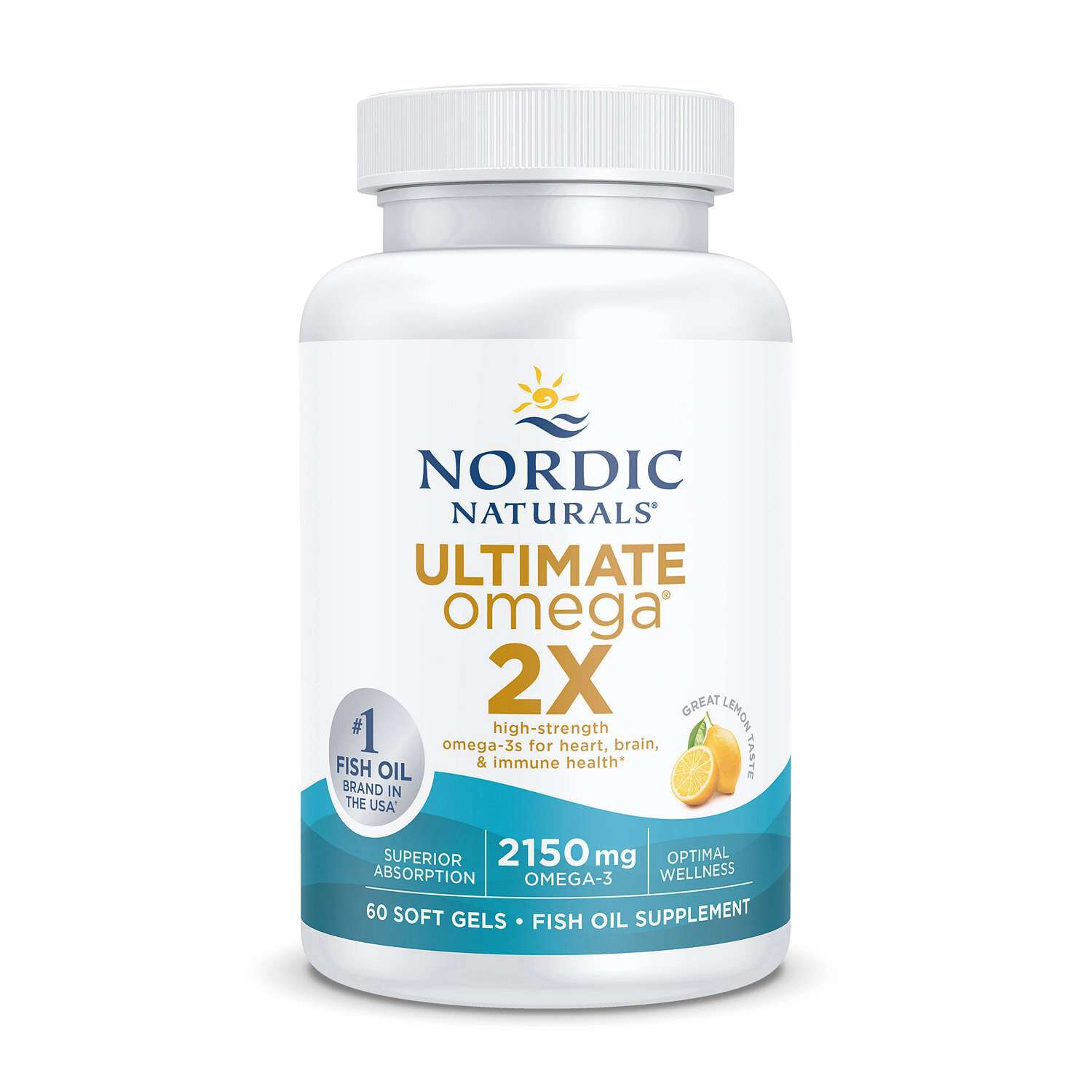

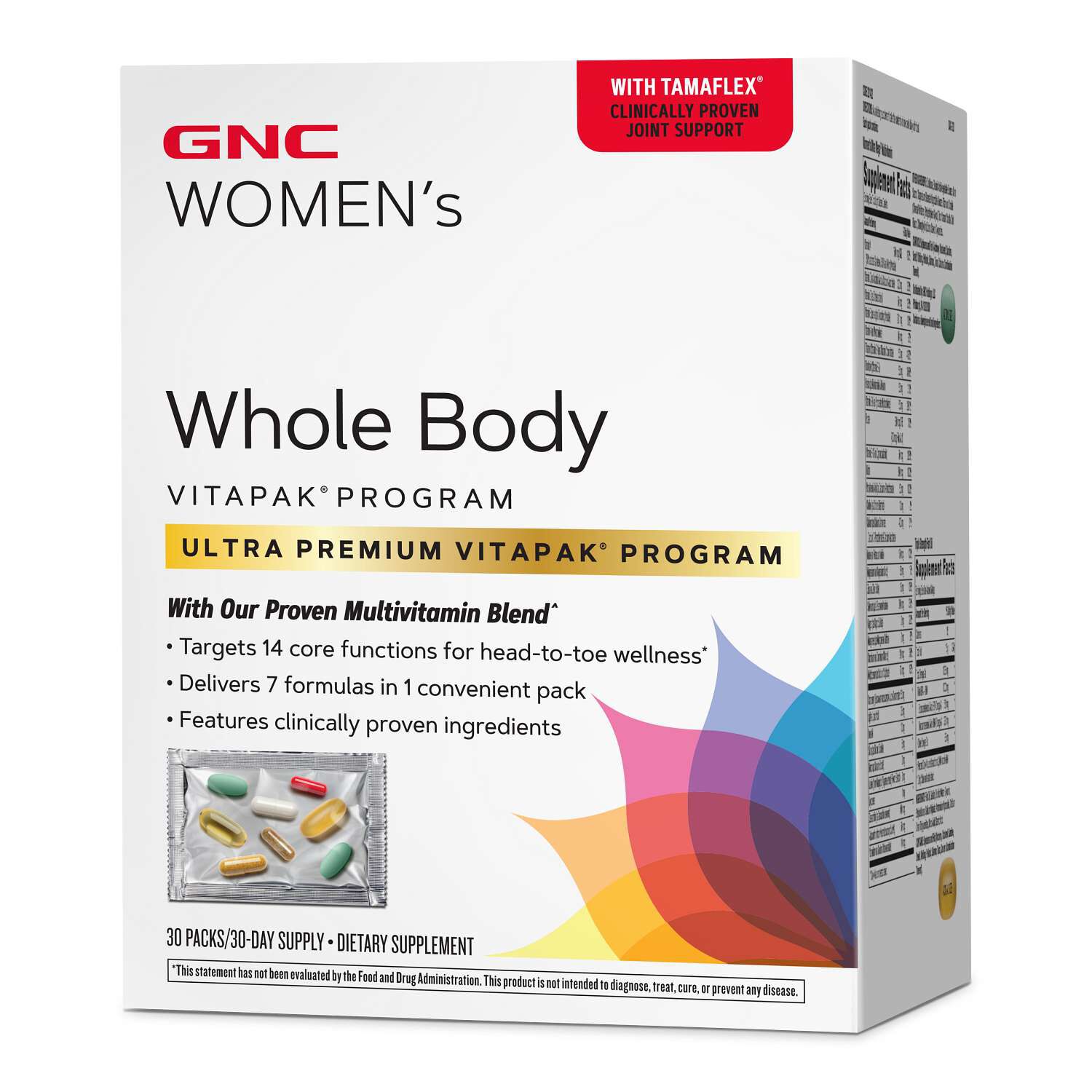




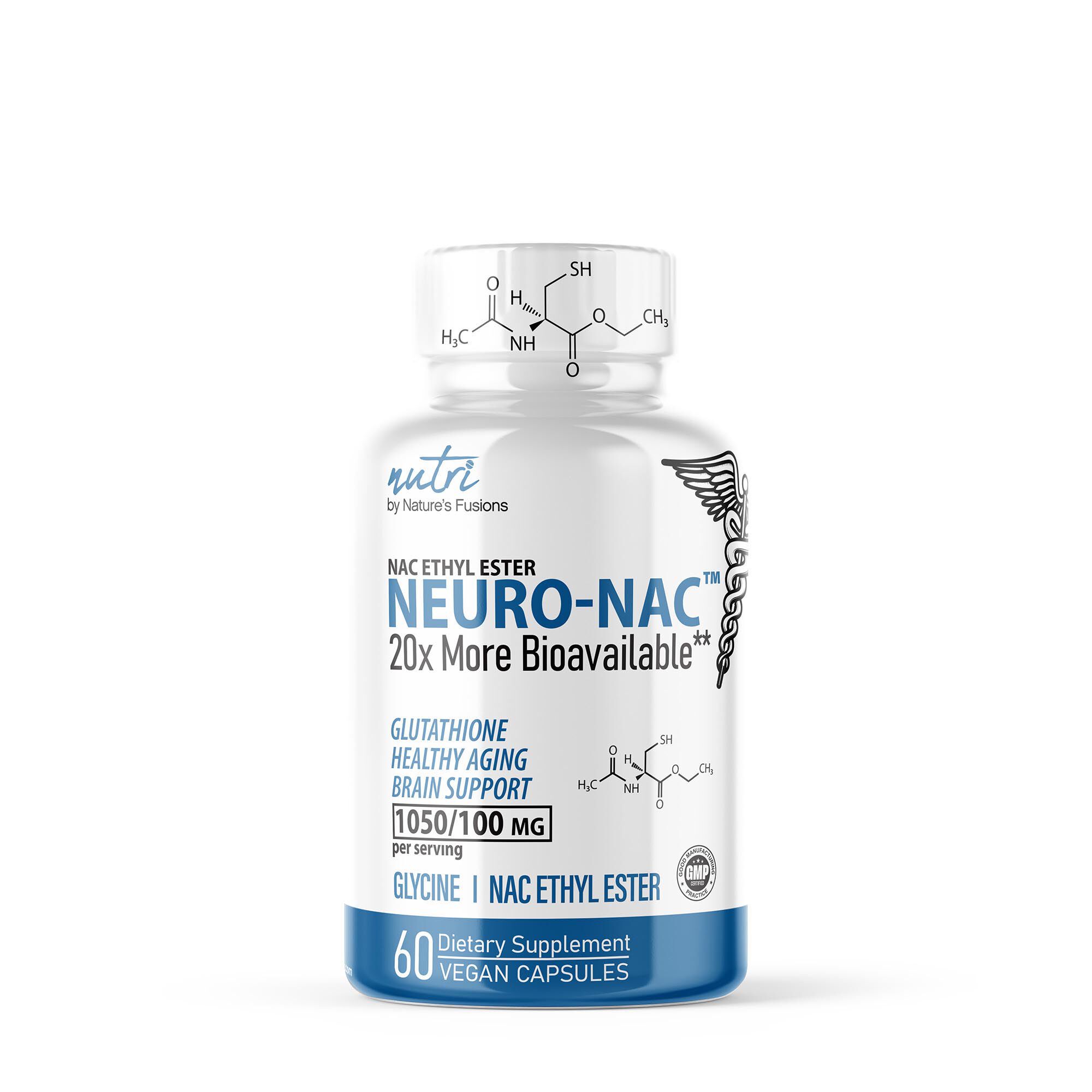
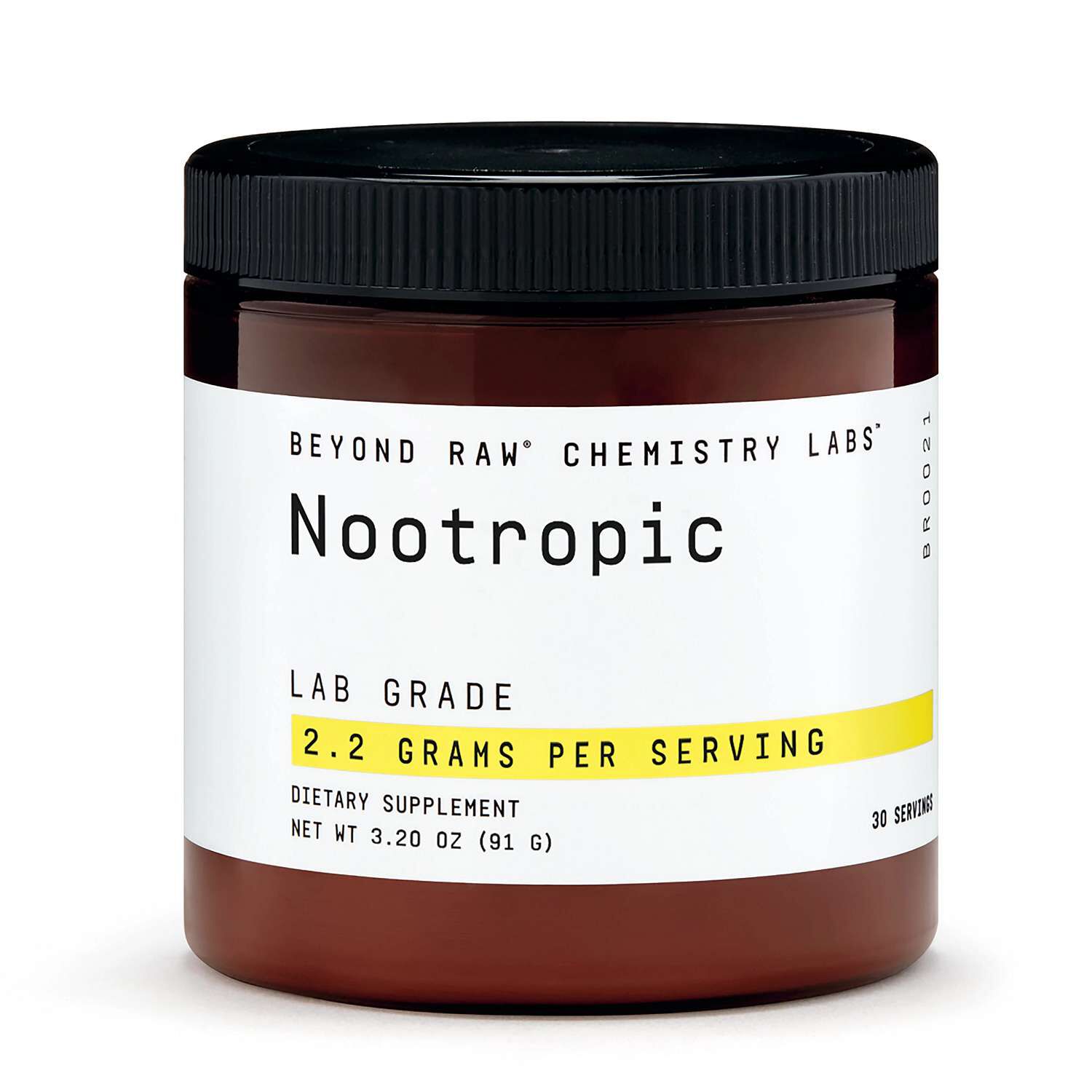

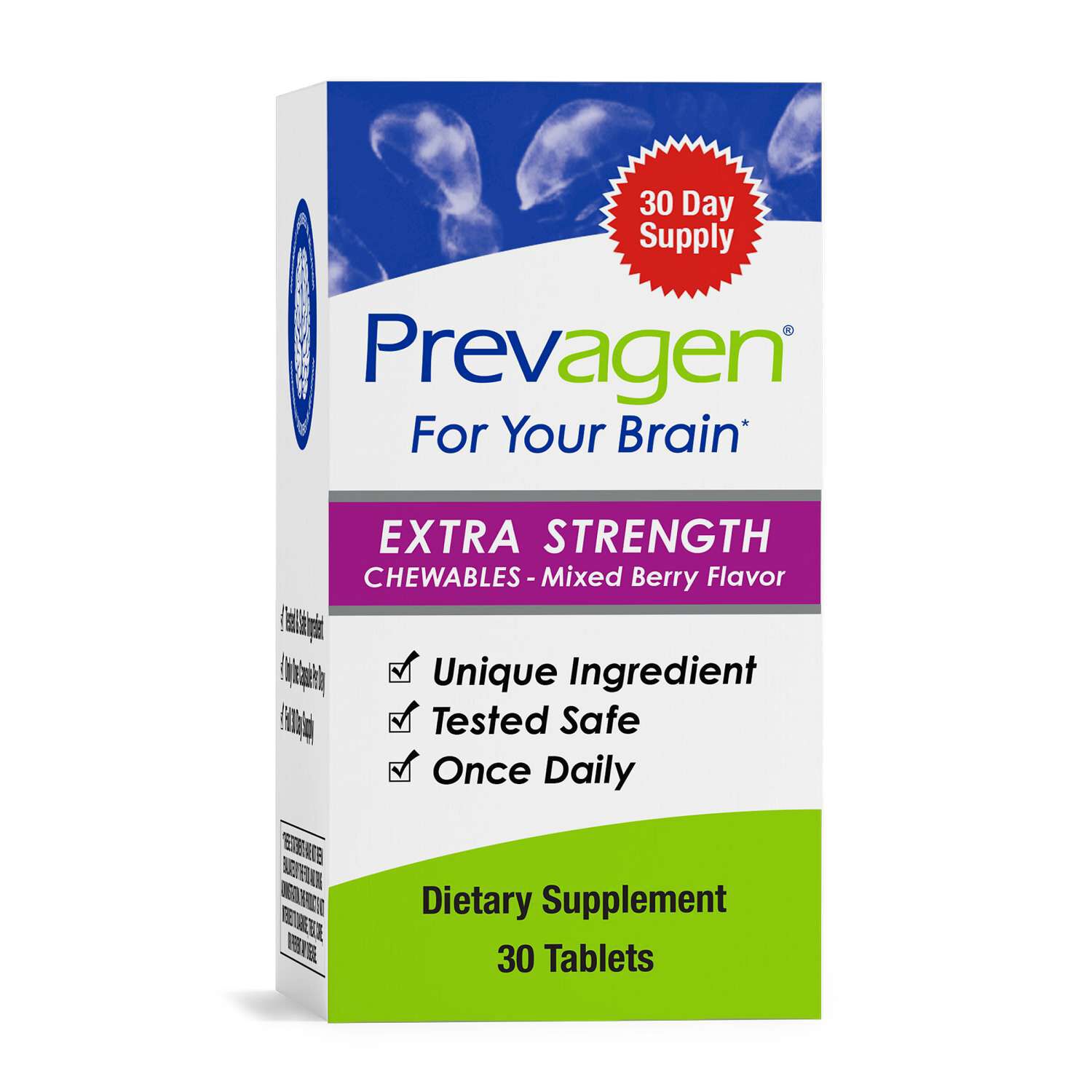
Whole food brain supplements bring together nutrients and botanical ingredients commonly associated with everyday nourishment, including berry extracts, leafy-green compounds, turmeric, mushrooms, walnuts, seeds, and food-based B vitamins. Rather than focusing on a single isolated ingredient, these formulas may appeal to shoppers who prefer a broader blend inspired by the foods found in a varied eating pattern. A capsule or powder can offer a practical way to include familiar ingredients such as blueberry, bilberry, bacopa, turmeric, lion’s mane mushroom, rosemary, or grape seed in a daily routine, although the source and amount of each ingredient can differ widely from one formula to another. Some shoppers choose these products as part of a morning wellness ritual, alongside breakfast and a glass of water; others keep them near a work bag, desk drawer, or kitchen cabinet as a reminder to stay consistent with their supplement routine. These products may suit adults interested in nutrition-focused support for concentration, memory, or mental stamina, but individual experiences can vary, and no supplement can replace a varied diet, restorative sleep, movement, hydration, or time away from screens. The strongest foundation still comes from meals built around colorful produce, beans, whole grains, nuts, seeds, fish, and other nutrient-rich foods. A supplement may complement those habits, while it should not be viewed as a substitute for them.
When comparing whole food brain supplements, start with the ingredient panel rather than the front label. Look for clearly named plant sources, transparent serving information, and a list that makes it easy to understand how much of each ingredient the formula provides. Shoppers who follow a vegetarian or vegan lifestyle may wish to check the capsule material, sourcing statements, and other inactive ingredients. Those avoiding particular allergens can review the label for soy, dairy, gluten, tree nuts, or shared-facility information. Mushroom-based formulas may list a specific species and the part used, while botanical blends may identify roots, leaves, seeds, or standardized extracts. A short ingredient list can be easier to compare, while a broader blend may appeal to someone who prefers several food-based ingredients in one serving. Price, serving size, storage directions, flavor, and the number of servings per container also matter, especially for someone building a routine that will continue through the cooler months. For shoppers exploring a wider selection, Dietary Brain Supplements offers another place to compare formulas by ingredient profile and format. It can also help to consider whether a product fits an existing routine: a once-daily capsule may work well for a person who enjoys a simple breakfast ritual, while a powder may suit someone who already prepares a smoothie with berries, oats, or yogurt. Reading the directions and following the stated serving size can make the experience more consistent.
Whole food brain supplements may also make a thoughtful gift for a student, remote worker, caregiver, traveler, or anyone who enjoys building a daily wellness routine around nutrition. Picture a small care package with a reusable water bottle, a pouch of nuts, a journal, and a food-based supplement selected with the recipient’s preferences in mind. A gift feels more personal when it reflects how someone actually lives: a plant-based shopper may appreciate a clearly labeled vegan formula, while a busy professional may prefer a compact capsule bottle that fits neatly beside a laptop or travel bag. Before giving a supplement, check whether the recipient uses prescription products, has a diagnosed nutrient deficiency, is pregnant or nursing, or follows guidance from a qualified health professional. Certain ingredients may not suit every person, and a pharmacist, physician, or registered dietitian can help review the label when there are questions about compatibility or personal needs. Dietary supplements are not evaluated by the FDA to diagnose, treat, cure, or prevent disease, and research on over-the-counter formulas can vary by ingredient and preparation. For that reason, shoppers may want to keep expectations realistic and choose products with clear labeling, sensible serving directions, and sourcing information they can understand. Used alongside nourishing meals and steady lifestyle habits, a whole food formula could have a place in a personal wellness plan built for busy mornings, focused afternoons, and the changing rhythm of the seasons.
