Adult Brain Supplements
(0 Results)
Unlock the potential of a sharper mind with our range of adult brain supplements. These expertly formulated products might support cognitive function, enhance memory retention, and boost mental clarity. Whether you're looking to maintain focus during hectic workdays or seeking to support overall brain health, these supplements may offer the nutrients your brain craves. Explore options that could aid in promoting mental agility and supporting long-term cognitive well-being. Discover how incorporating these supplements into your daily routine could be a step towards a more focused and vibrant you.

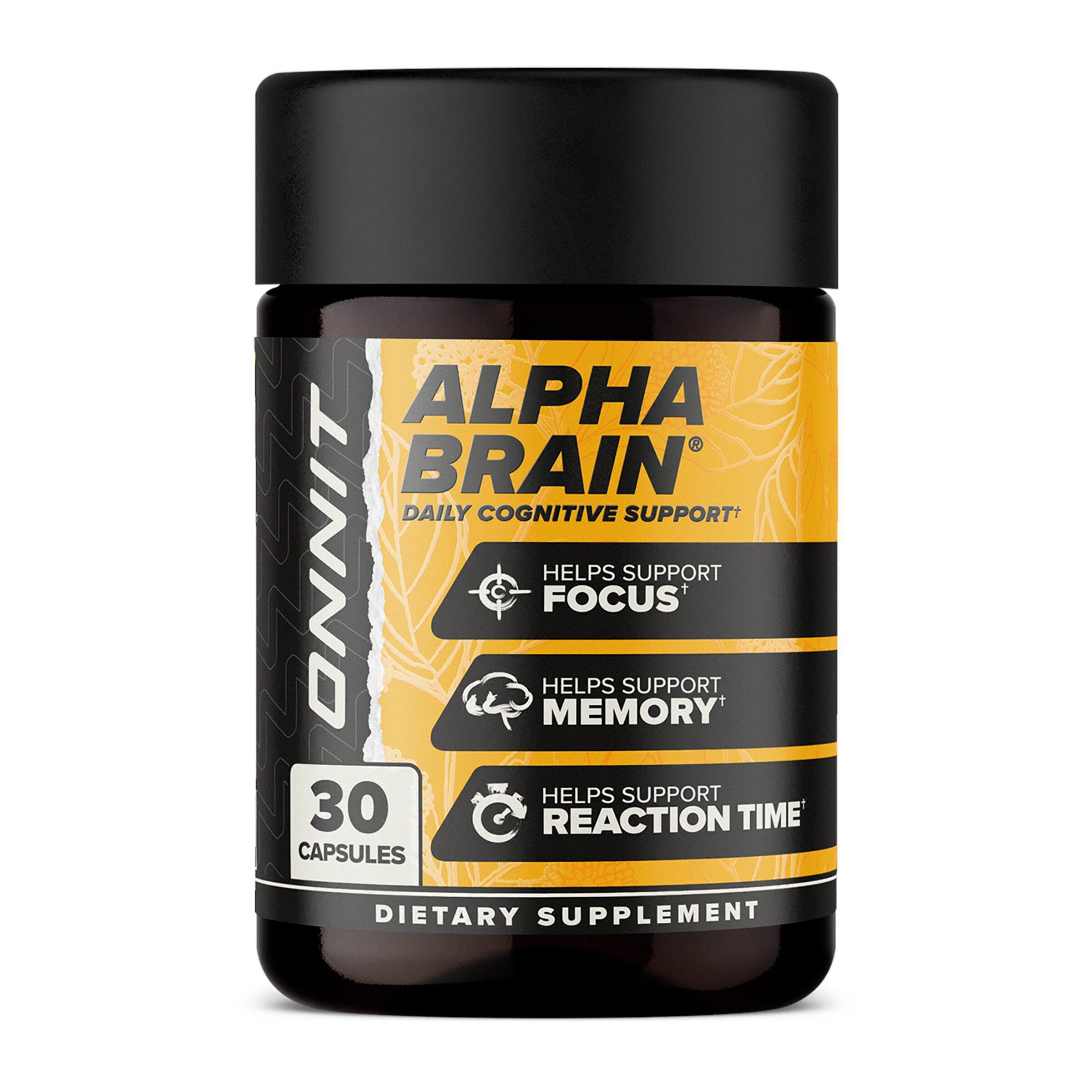
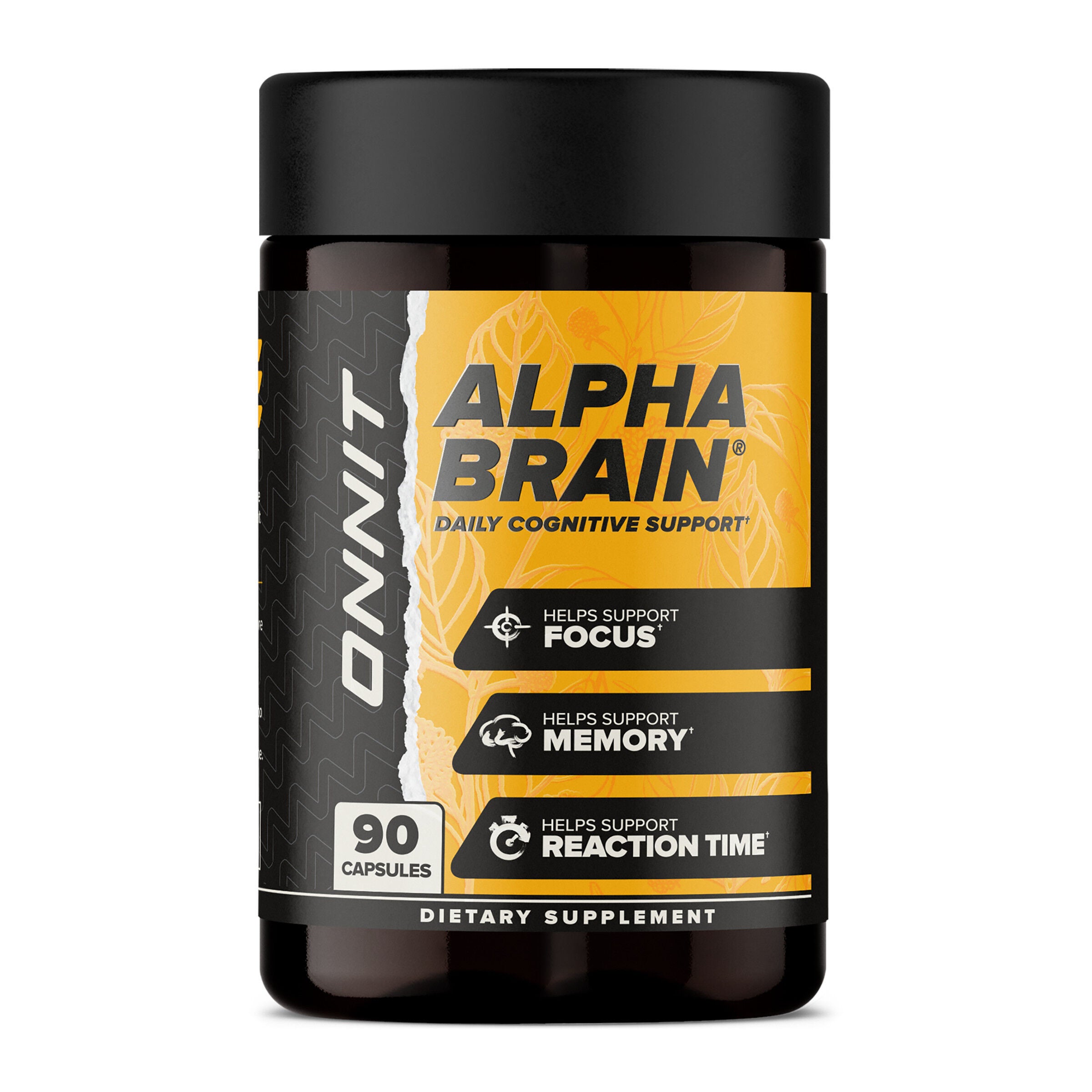

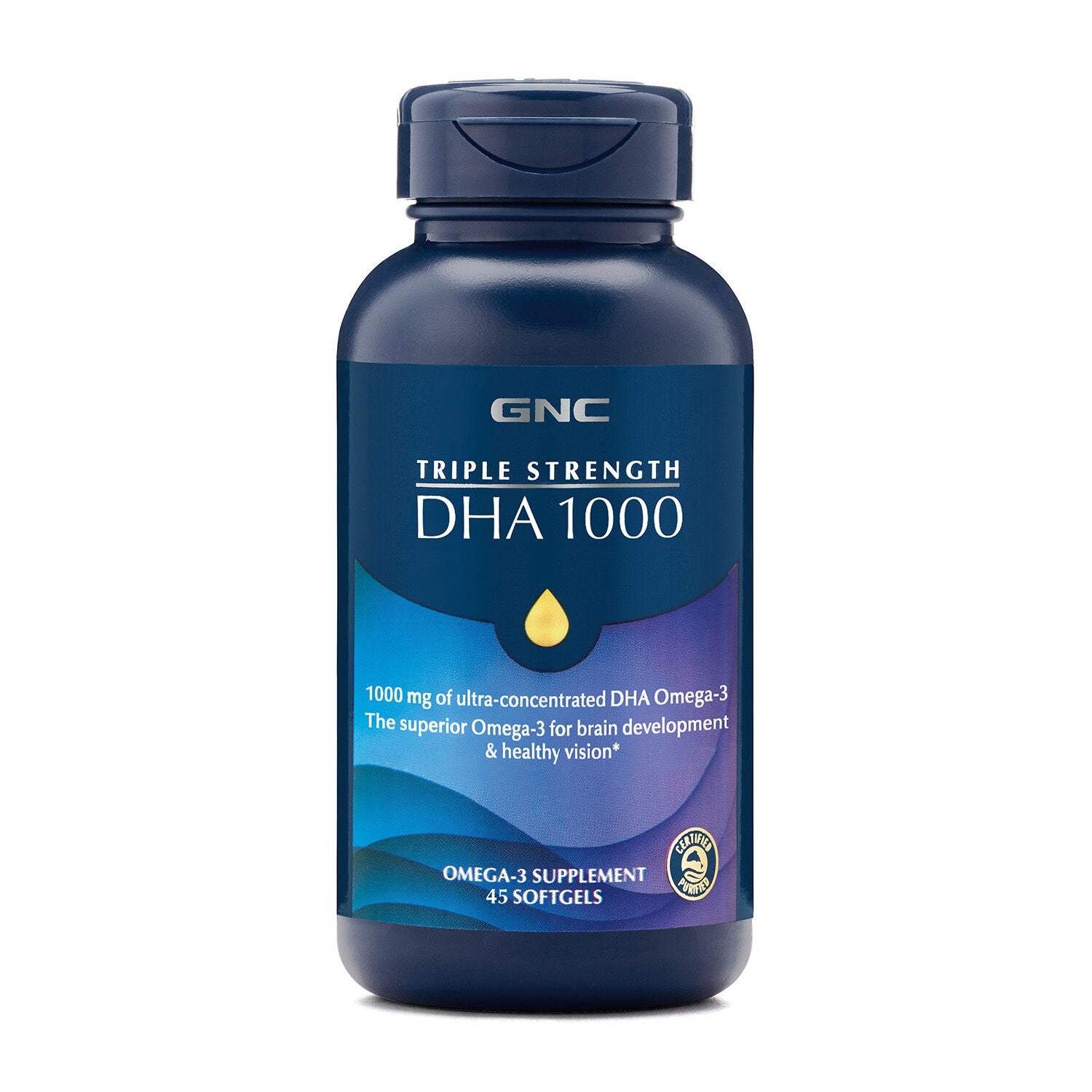
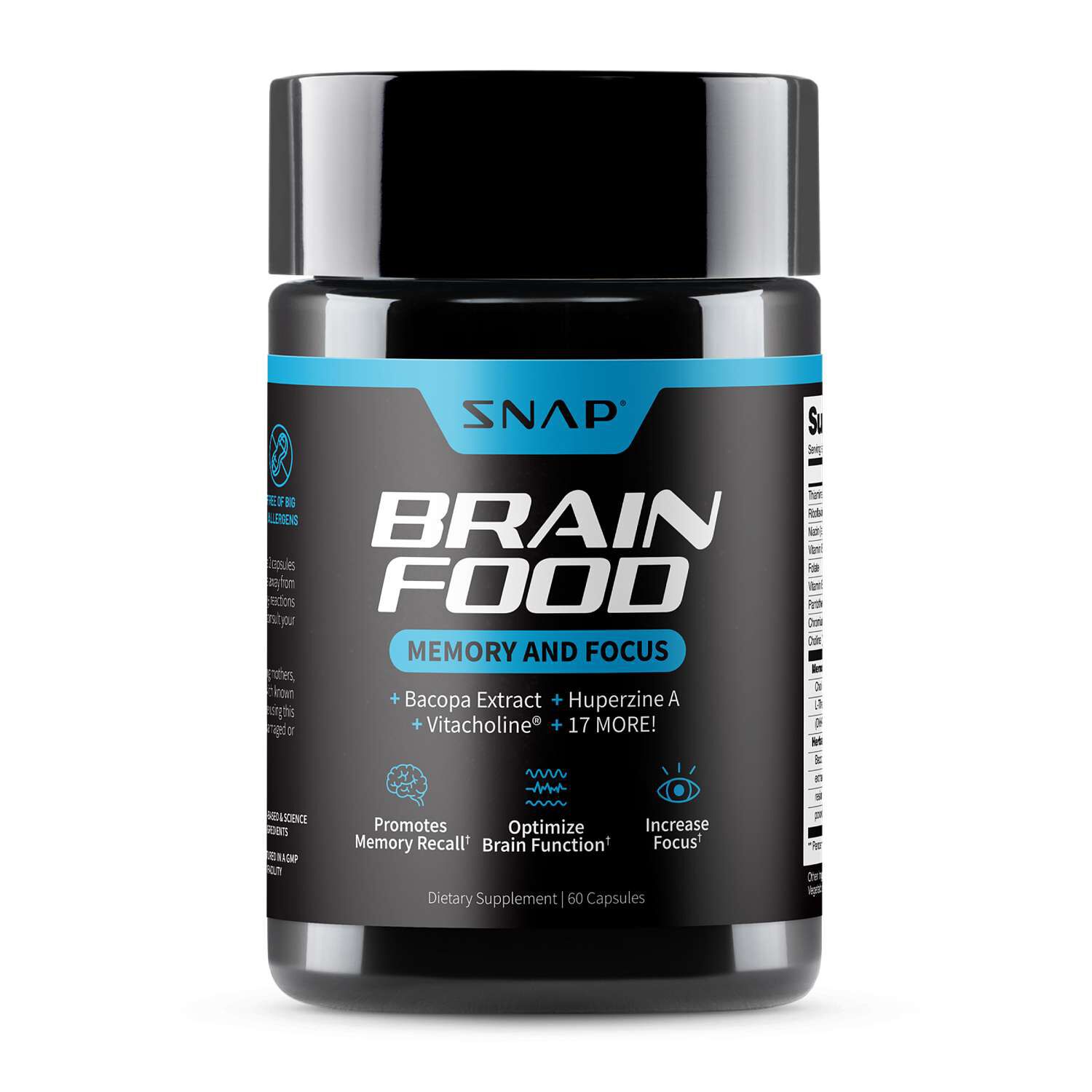

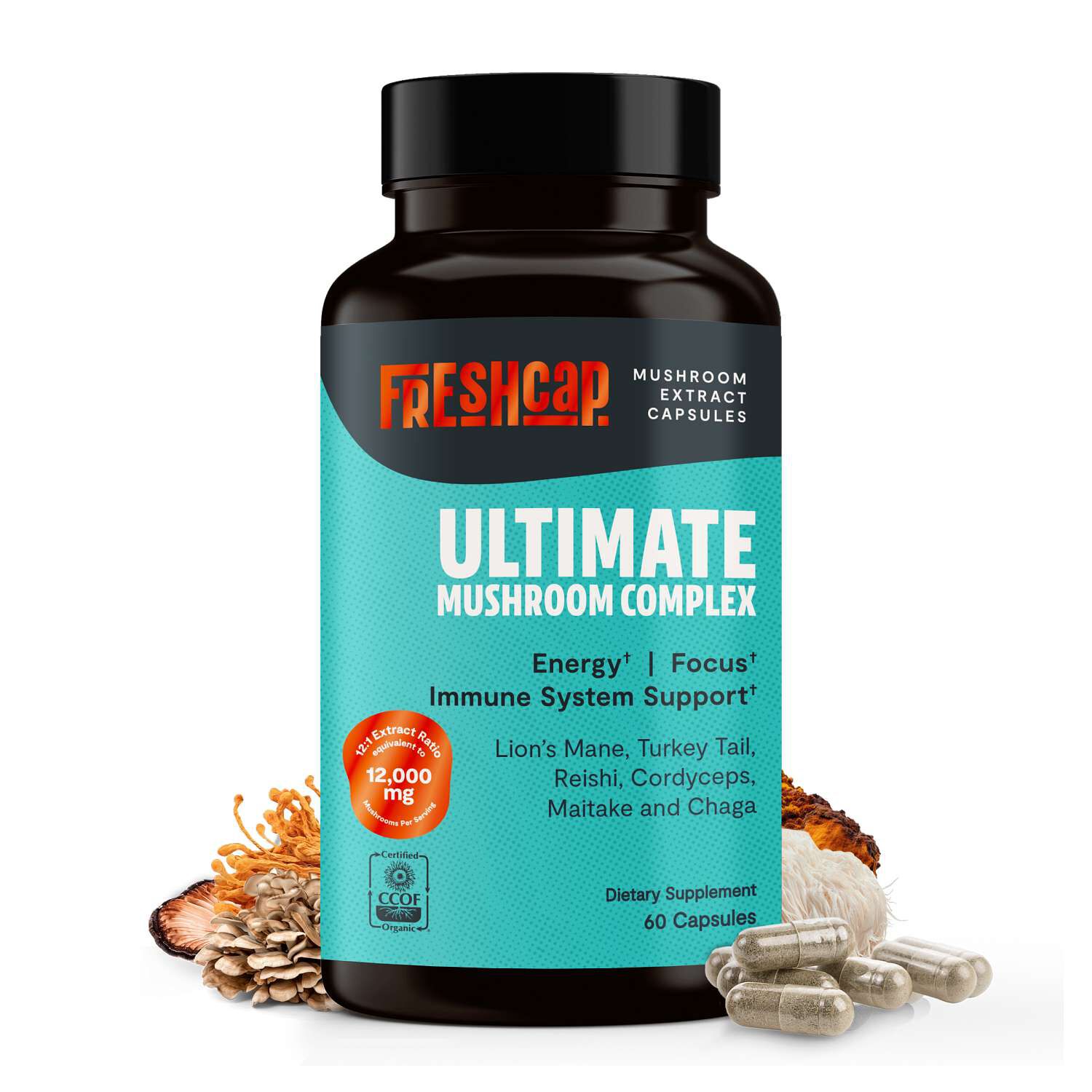


Adult brain supplements bring together vitamins, minerals, fatty acids, and botanical ingredients in formulas marketed around memory, focus, and everyday cognitive wellness. The category includes single-ingredient options and blends, with capsules, tablets, softgels, powders, and gummies offering different ways to fit a supplement into an adult routine. A graduate student settling in with a stack of reading, an office worker moving between meetings, and an older adult who enjoys puzzles may all browse this category, but those routines do not necessarily call for identical formulas. Intended use, ingredient amounts, serving size, and personal preferences provide more meaningful distinctions than ambitious language on the front of a bottle. Brain health is a broad topic, and the evidence behind supplements is narrower than that phrase can suggest. For healthy adults, research does not consistently show that brain supplements improve memory or focus. An ingredient’s role in normal nutrition also does not establish that taking more will produce a noticeable change in mental performance. Research involving a particular formulation or age group cannot automatically be applied to every blend or every adult. Some multivitamin research has focused on older adults, for example, rather than younger people looking for support during a demanding workday. That distinction matters when formulas share similar descriptions but contain different ingredients. Adult brain supplements are nutritional products, not a measure of intelligence or a shortcut to learning. Sleep, varied meals, movement, and social connection remain important parts of everyday well-being, with supplements occupying a separate place in that broader picture. For shoppers, the useful details are often practical: what the formula contains, how much constitutes one serving, and whether its format suits an established routine. A clearly described nutrient formula and a complex botanical blend belong to the same broad category, but their contents, preparation, and intended use can differ substantially.
B vitamins, including B6, B12, and folate, appear in some adult brain supplement formulas, either individually or within a broader vitamin and mineral blend. Their presence on a label identifies the nutrients included; it does not, by itself, demonstrate a memory or concentration benefit. Vitamin D also appears in some formulas, while omega-3 options introduce a different set of label details. Fish-derived oils and algae-derived oils have distinct sources, and the amounts of EPA and DHA are separate from the overall oil quantity listed on a package. Those individual amounts provide a clearer picture of composition than a large number displayed without context. Botanical formulas may contain ingredients such as ginkgo biloba, ginseng, or lion’s mane mushroom. With these ingredients, the species, plant or mushroom part, preparation method, and amount per serving help describe what is actually included. An extract is not necessarily interchangeable with an equal weight of unprocessed botanical material, and a blend containing several ingredients is not automatically more useful than a simpler formula. Shoppers interested in botanical ingredients can also explore Natural Brain Supplements while comparing the specific contents behind the category name. Naturally sourced ingredients still deserve the same attention to labeling and suitability as other supplement ingredients. Formulas can also differ in whether they include caffeine, making that detail relevant to someone whose routine already includes coffee, tea, or other caffeinated beverages. A proprietary blend may list its combined ingredient weight without identifying the amount of every component, whereas other labels provide individual quantities. Neither a lengthy ingredient list nor scientific-sounding terminology establishes how a formula will perform. The most informative descriptions separate ingredient identity from expectations, making room for the fact that research findings vary by formulation, study population, and outcome measured. This is especially important in a category where similar names can appear on products with very different compositions.
Format is another distinction that becomes more noticeable in everyday use. Capsules and tablets offer premeasured portions, while softgels are common for oil-based ingredients. Gummies bring flavor and a chewable texture, along with other considerations such as sweeteners, added sugars, and serving size. Powders involve measuring and mixing, so preparation directions, flavor, and the suggested mixing liquid become part of the experience. Someone who keeps a simple breakfast routine may prefer a different format from someone who carries supplements between home and work. Dietary preferences matter as well: capsule shells can contain gelatin or plant-derived materials, and fish, soy, or other ingredients may appear in either the main formula or the supporting ingredients. The Supplement Facts panel and other ingredient list serve different purposes, with one describing declared nutrients and supplement ingredients and the other identifying components such as capsule materials, flavors, and binders. Container count also differs from serving count; a bottle holding 60 capsules contains 30 servings when the labeled serving is two capsules. Packaging and care deserve attention because supplements spend much of their useful life in storage. A secure closure, legible label, and clear expiration date are practical features, while the package directions describe appropriate storage conditions. A bathroom cabinet exposed to shower moisture or a bag left in direct sunlight presents different conditions from a dry cupboard. Keeping the original packaging preserves access to directions, ingredient information, and lot details. Independent testing or certification marks, when present, may address particular quality criteria, but their meaning depends on the testing program and should not be confused with evidence of a memory benefit. Adult labeling, serving directions, and any package cautions remain part of a formula’s intended use. Together, these details make the category easier to compare on concrete terms: ingredient transparency, format, dietary fit, packaging, and the practical demands of a consistent routine, rather than expectations based only on a product name.