Brain Health Supplements For Parents
(0 Results)
Brain health supplements for parents are designed to support your busy lifestyle and evolving wellness needs. Whether you're looking to stay sharp at work, keep up with your kids, or simply maintain focus throughout the day, these supplements could be a convenient addition to your daily routine. Explore options that may help you prioritize cognitive wellness and feel ready to take on whatever parenthood brings your way.
-
-

-

-
-

-

-
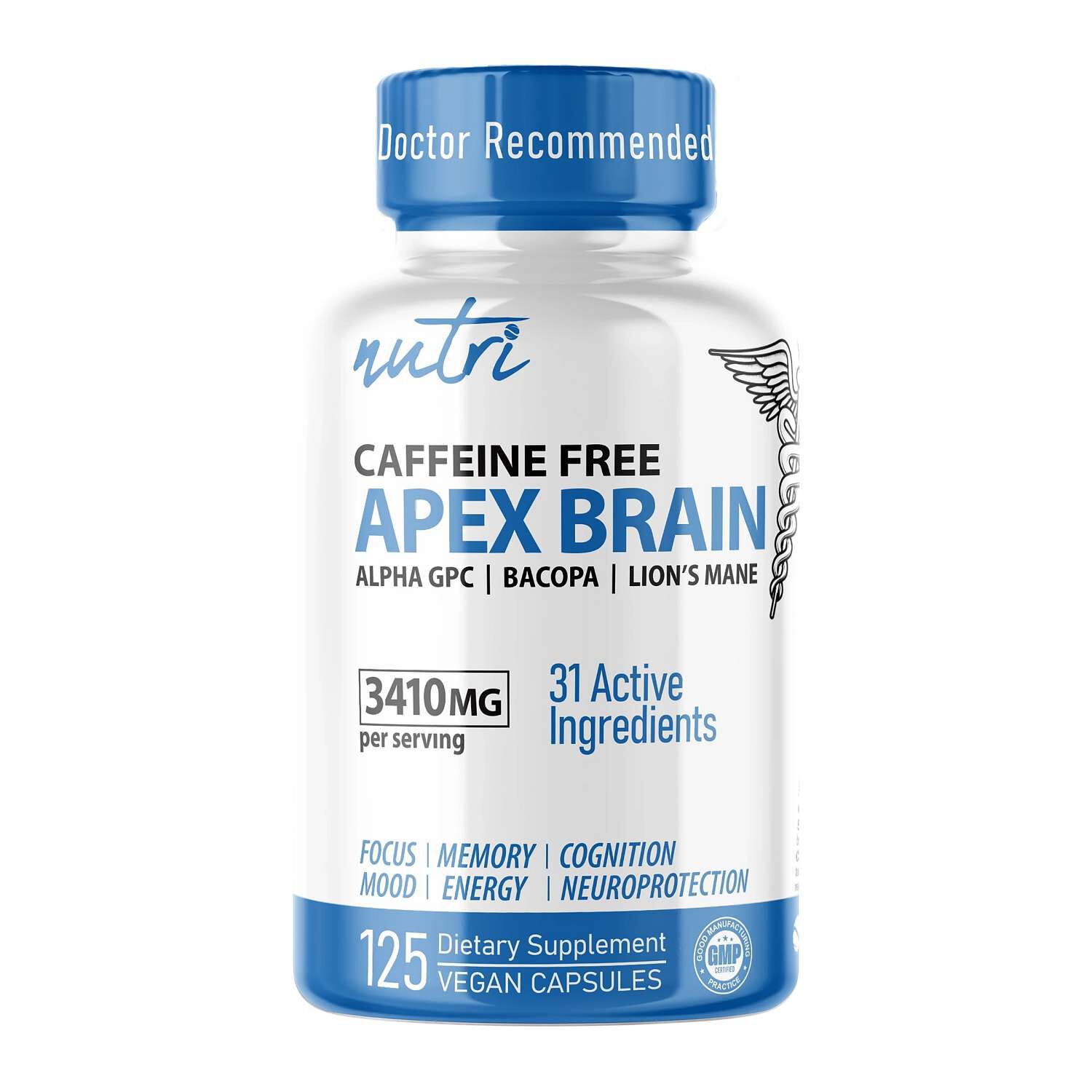 Nature's Fusions$54.99
-

-
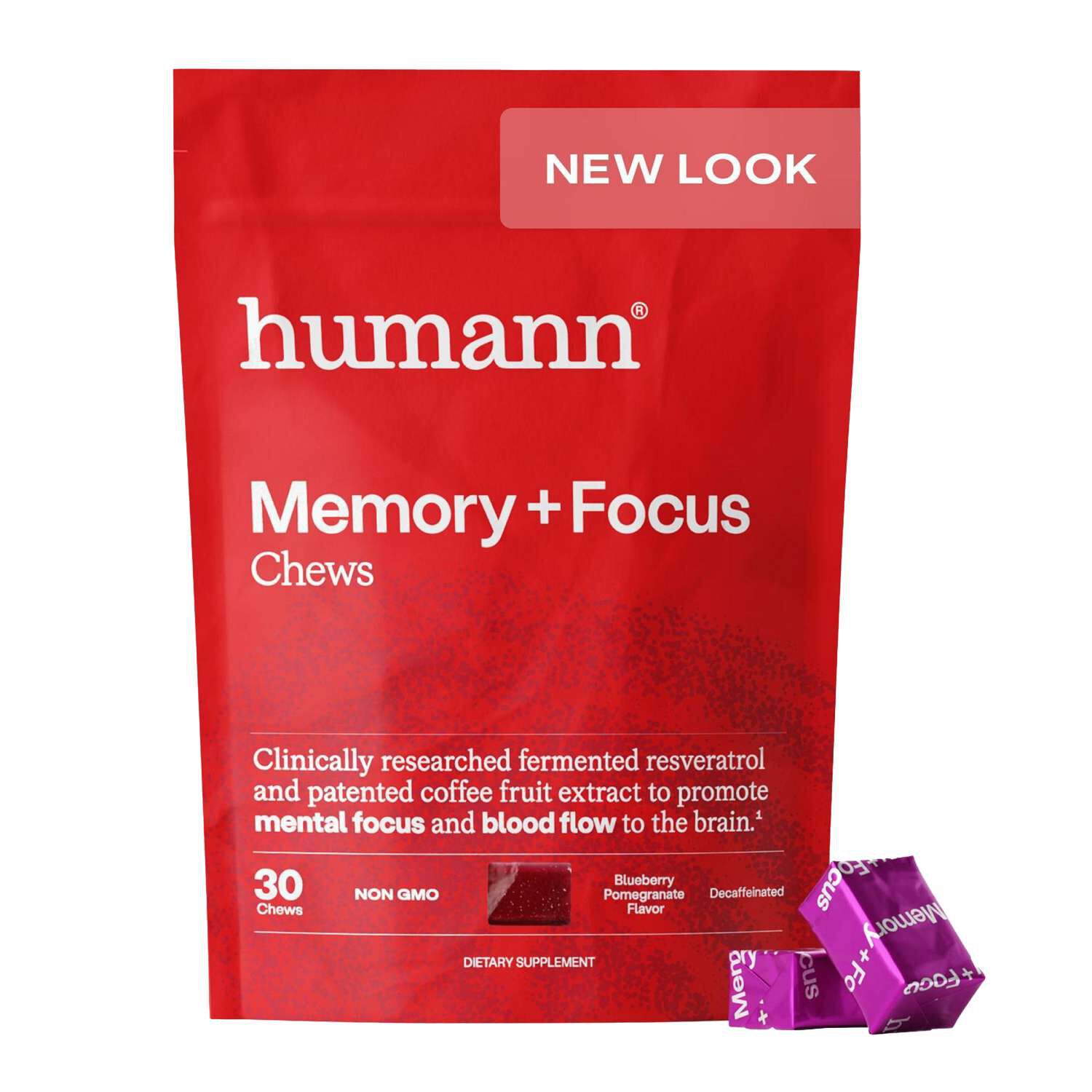
-
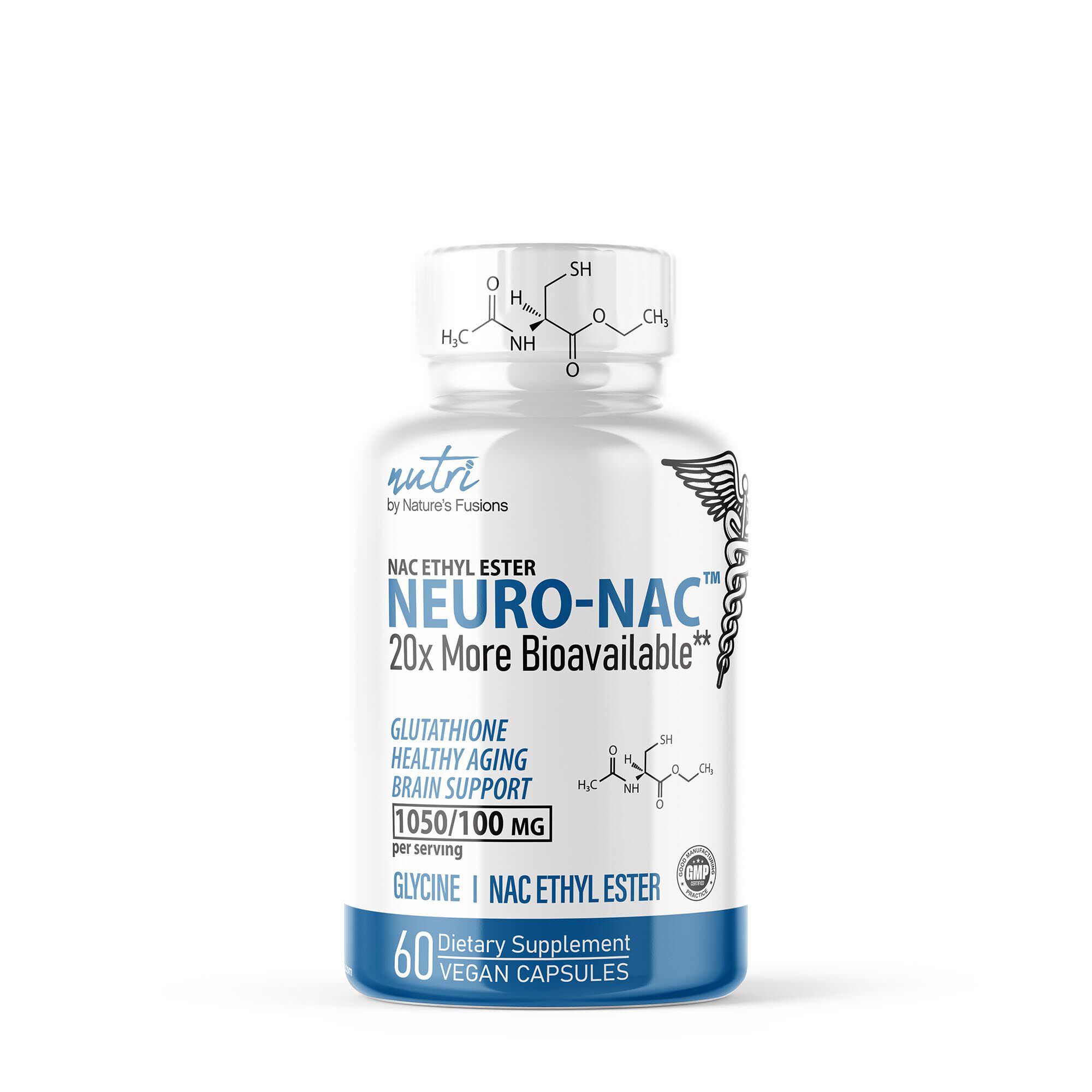
-

-

-

-
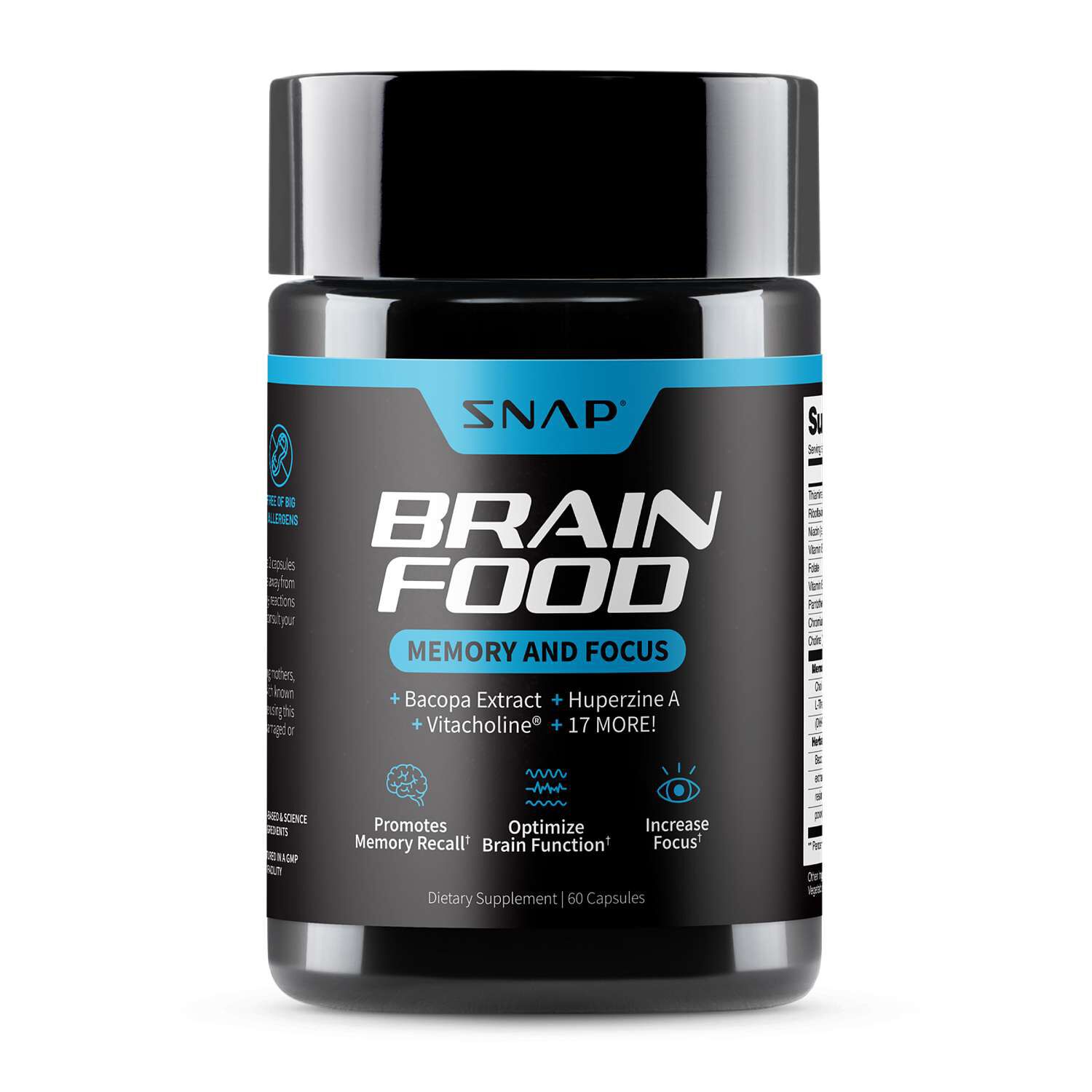
-
 $34.99
-
-
-
-

-
-

-
-
-
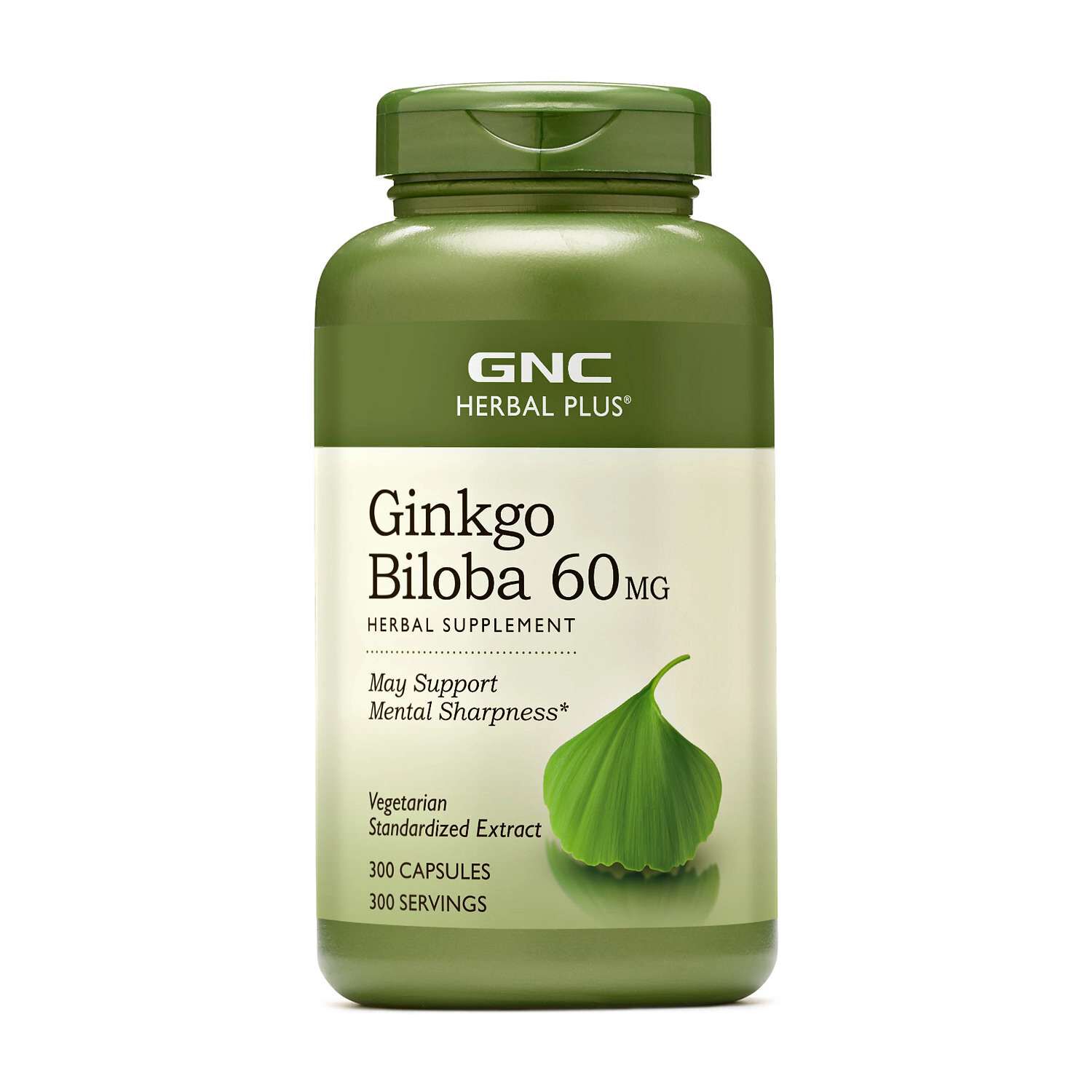
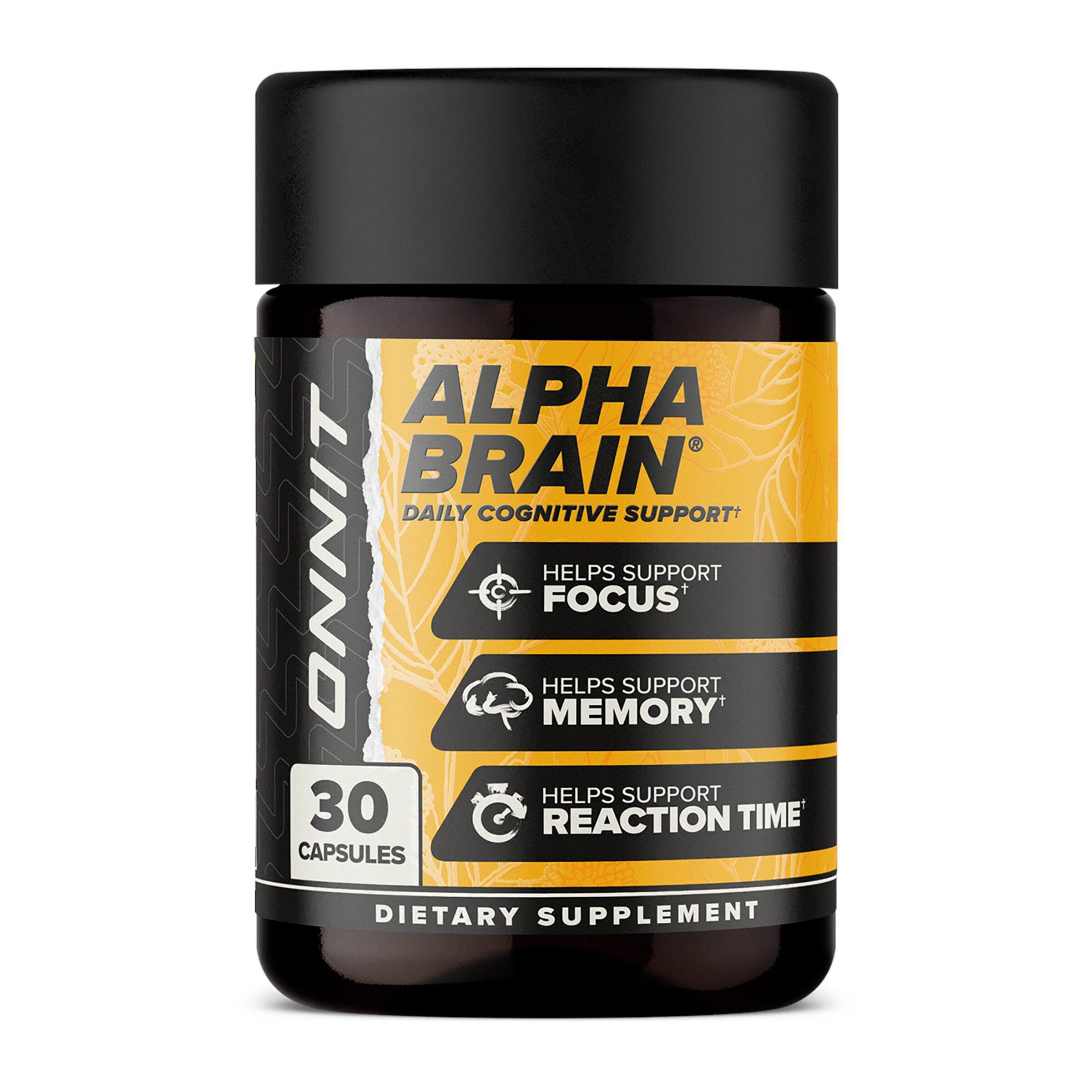
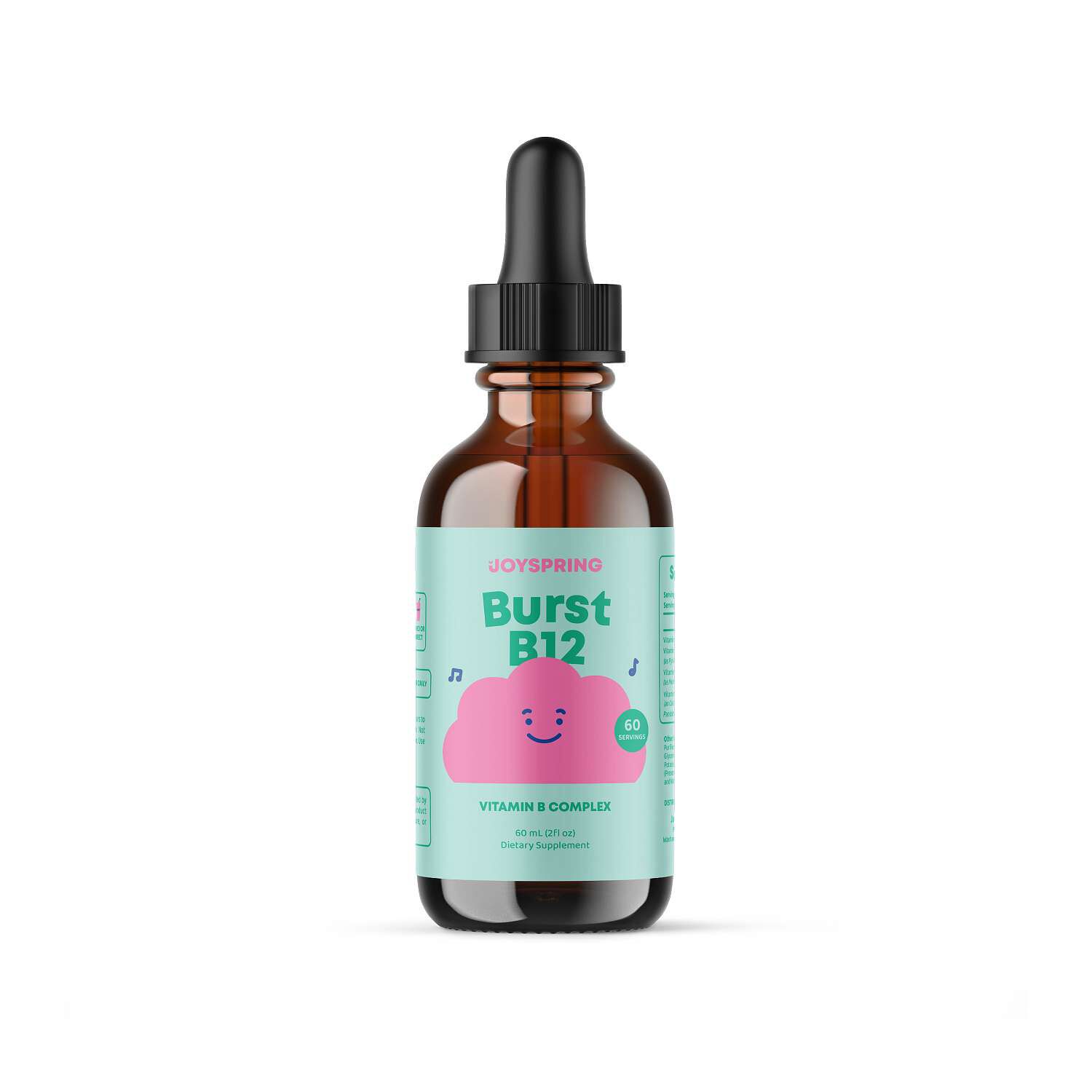
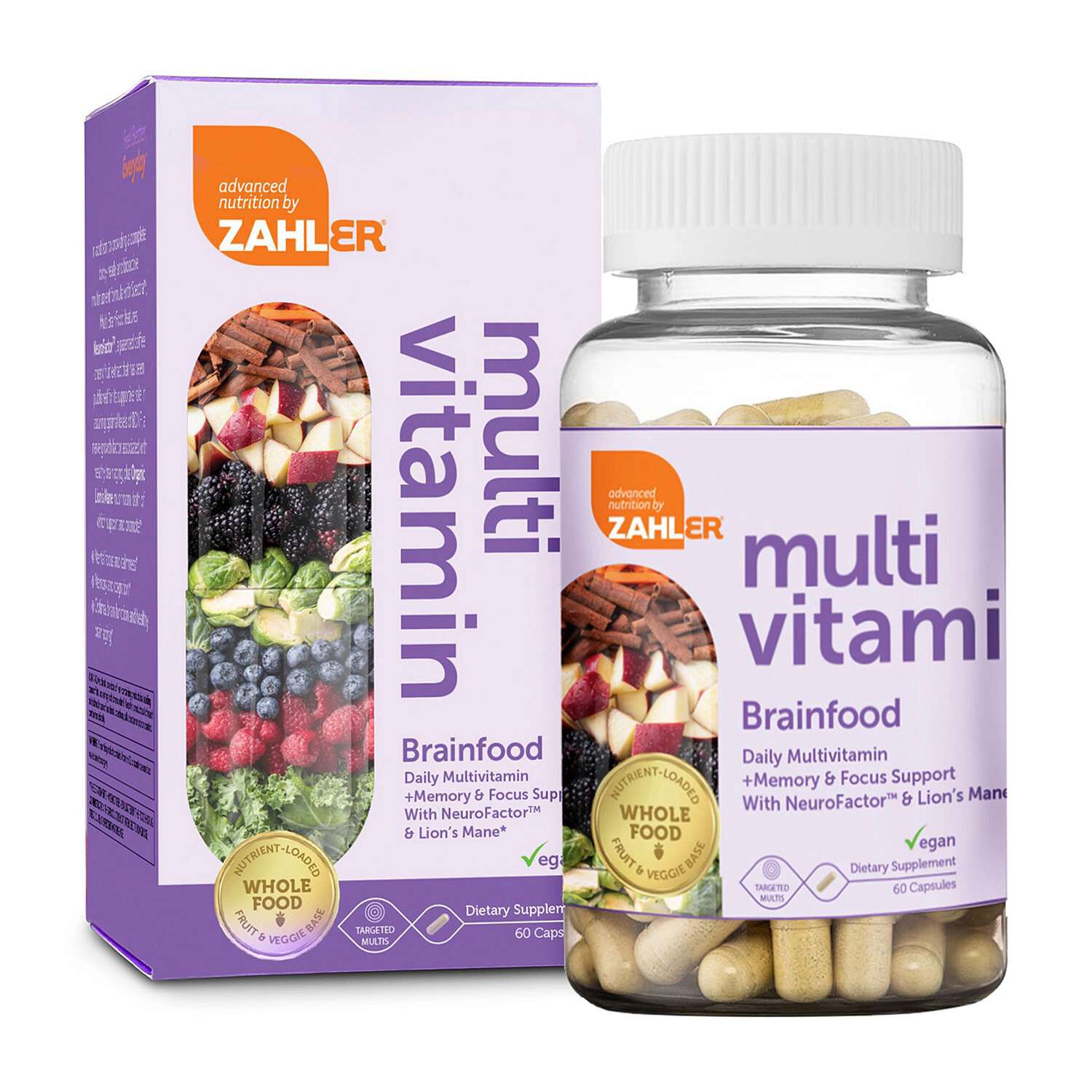
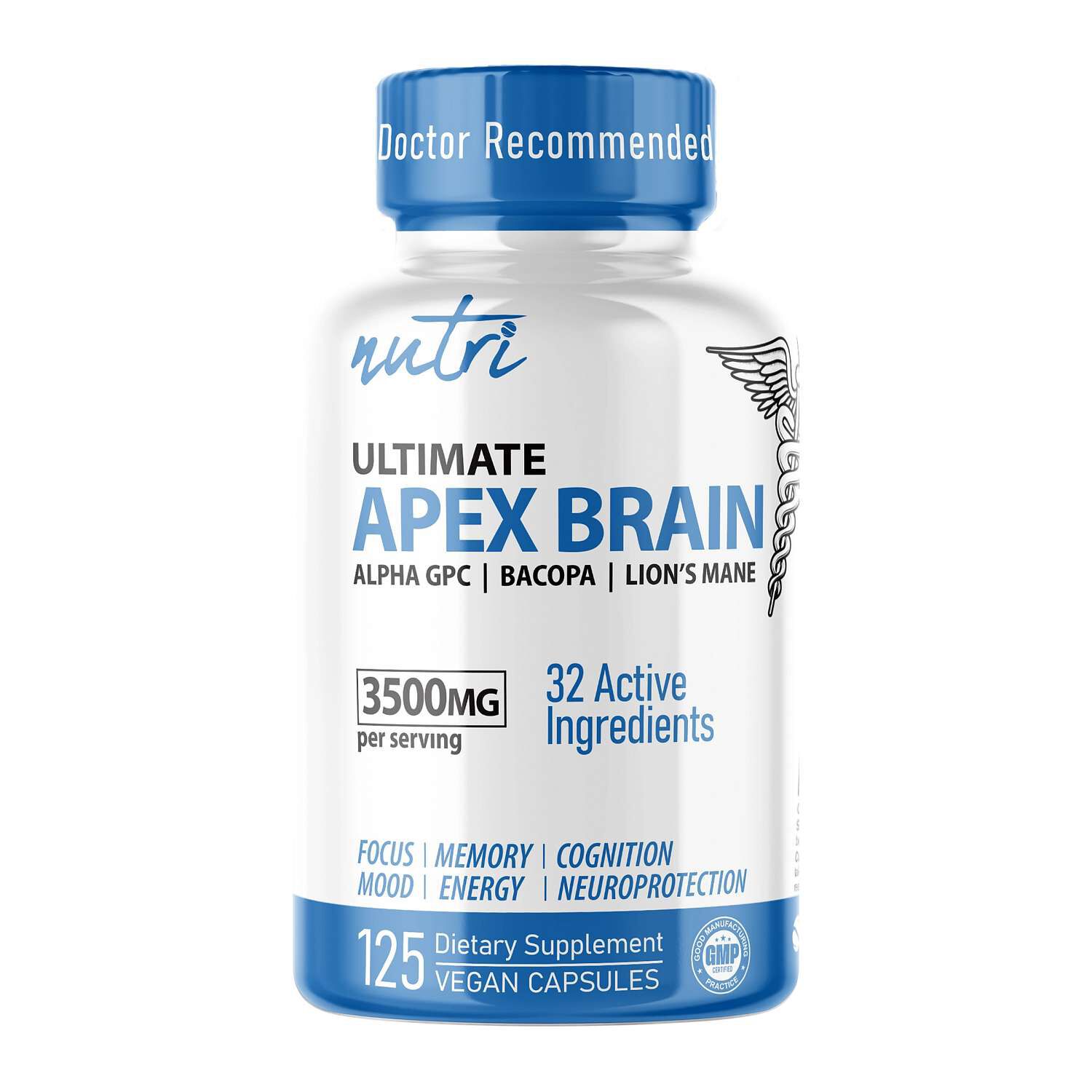
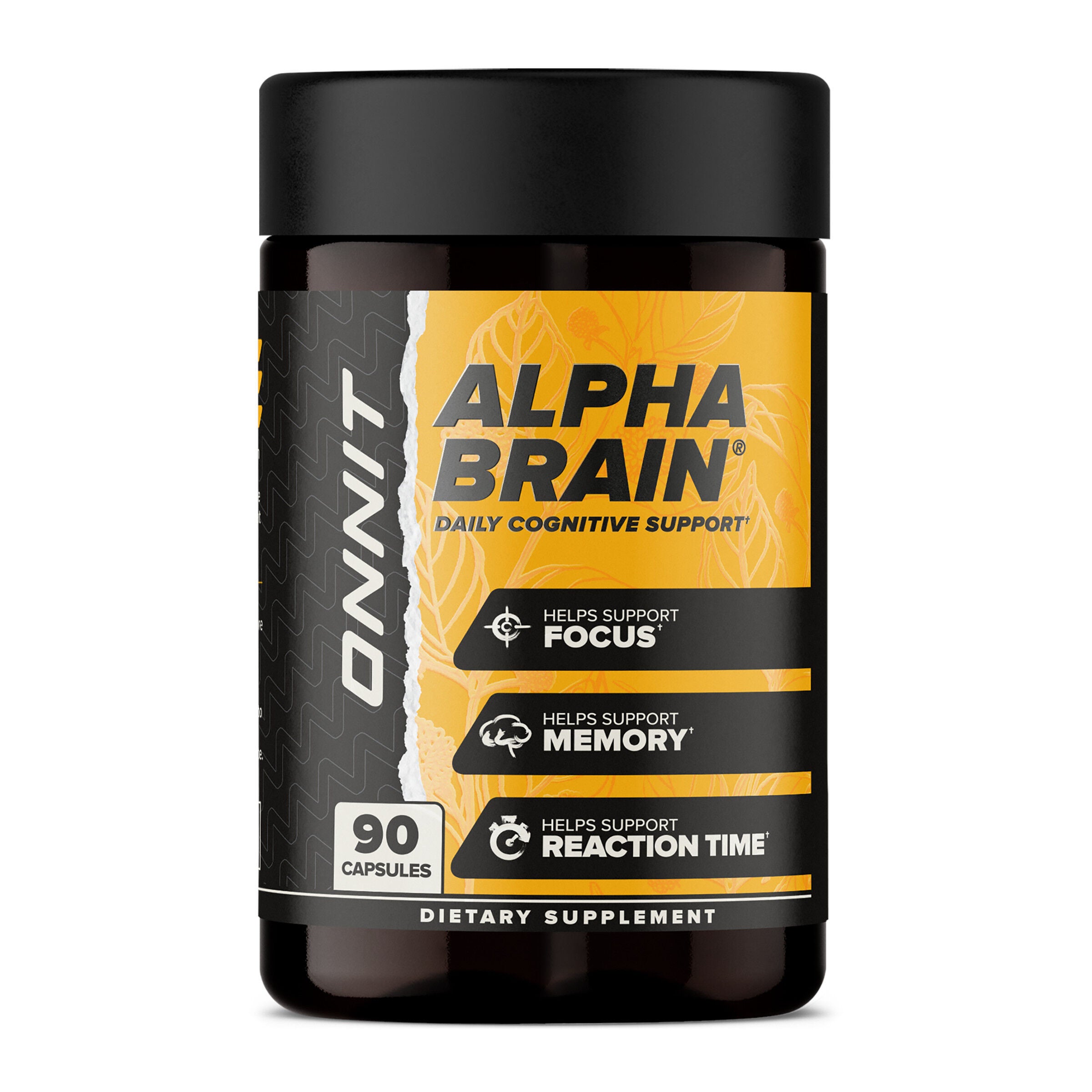
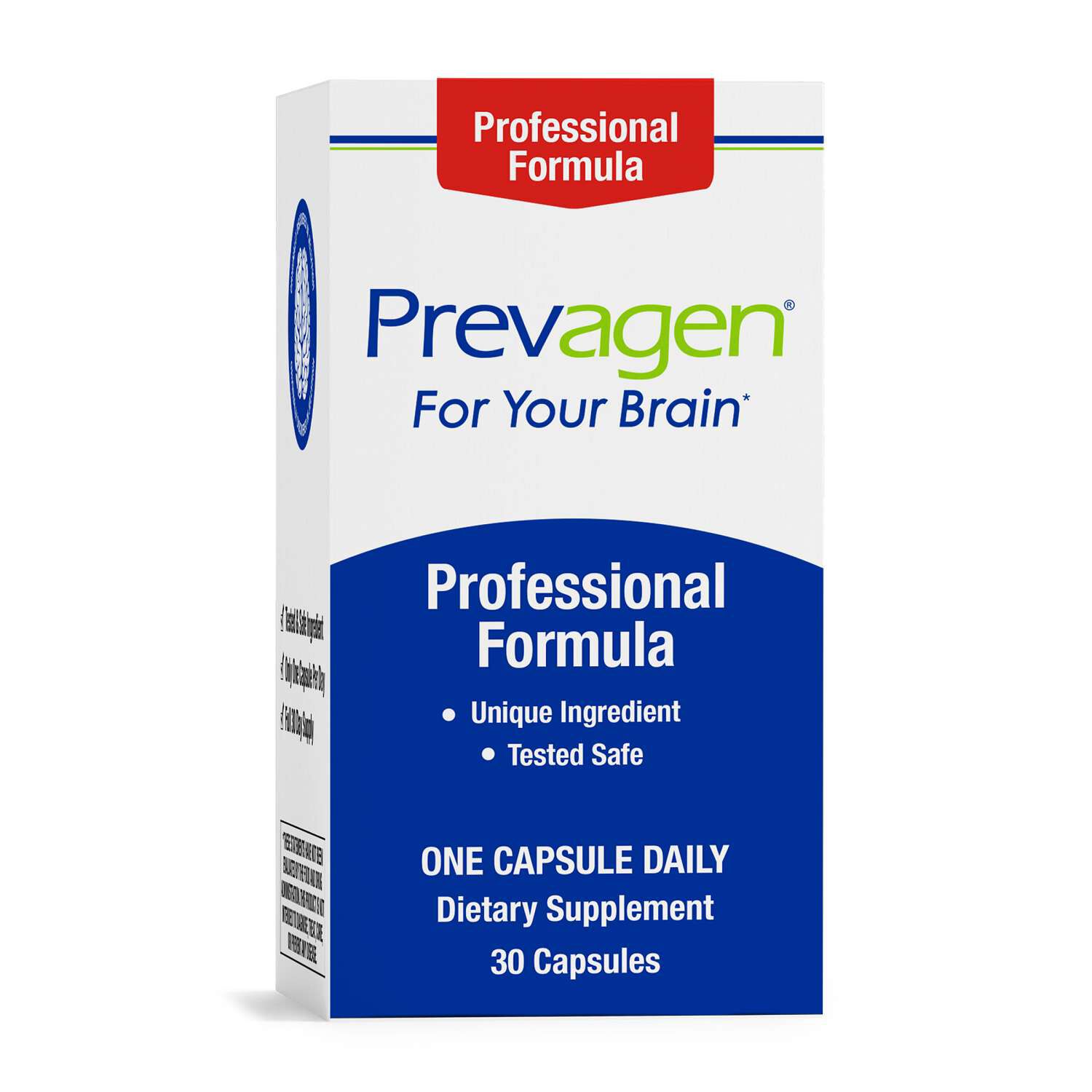
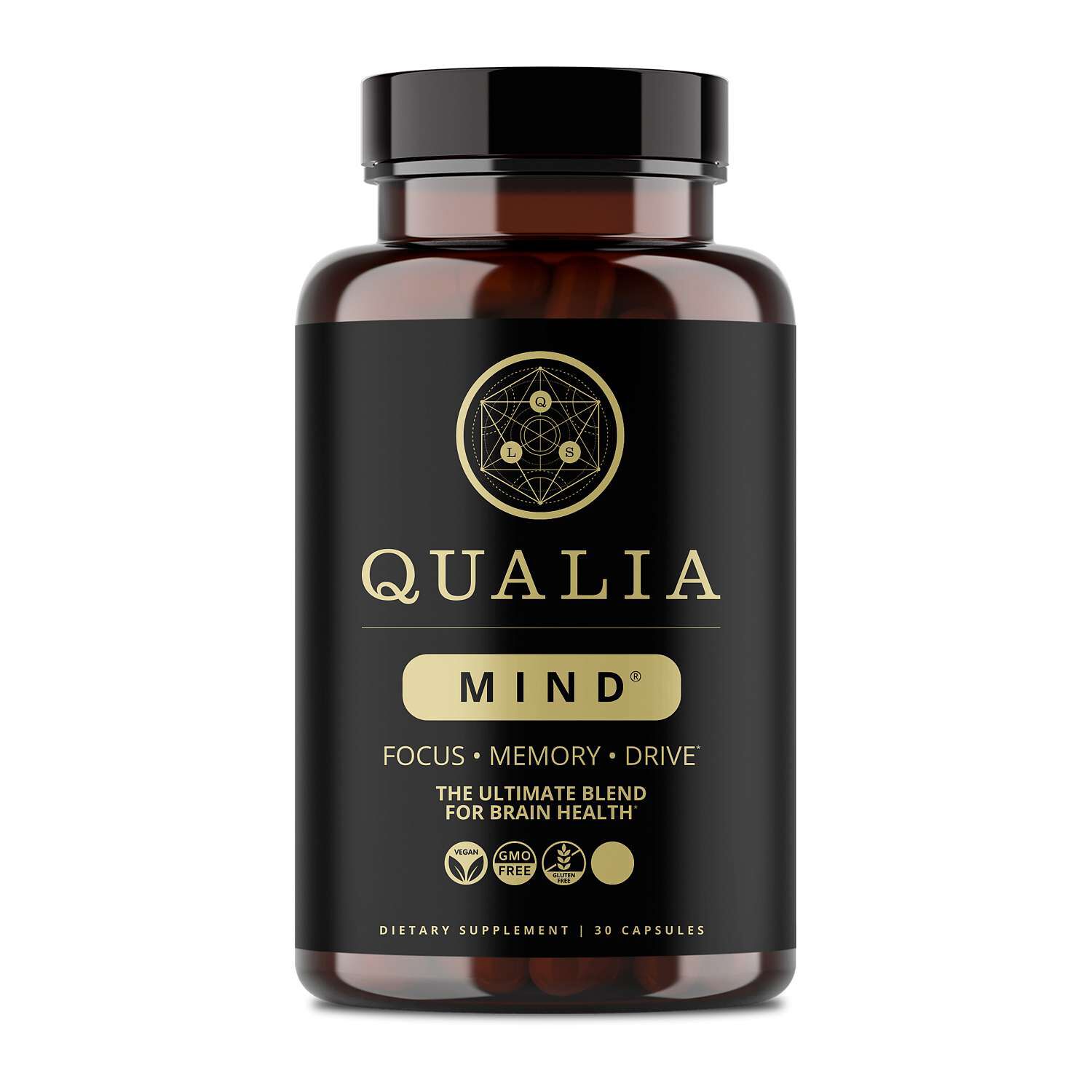
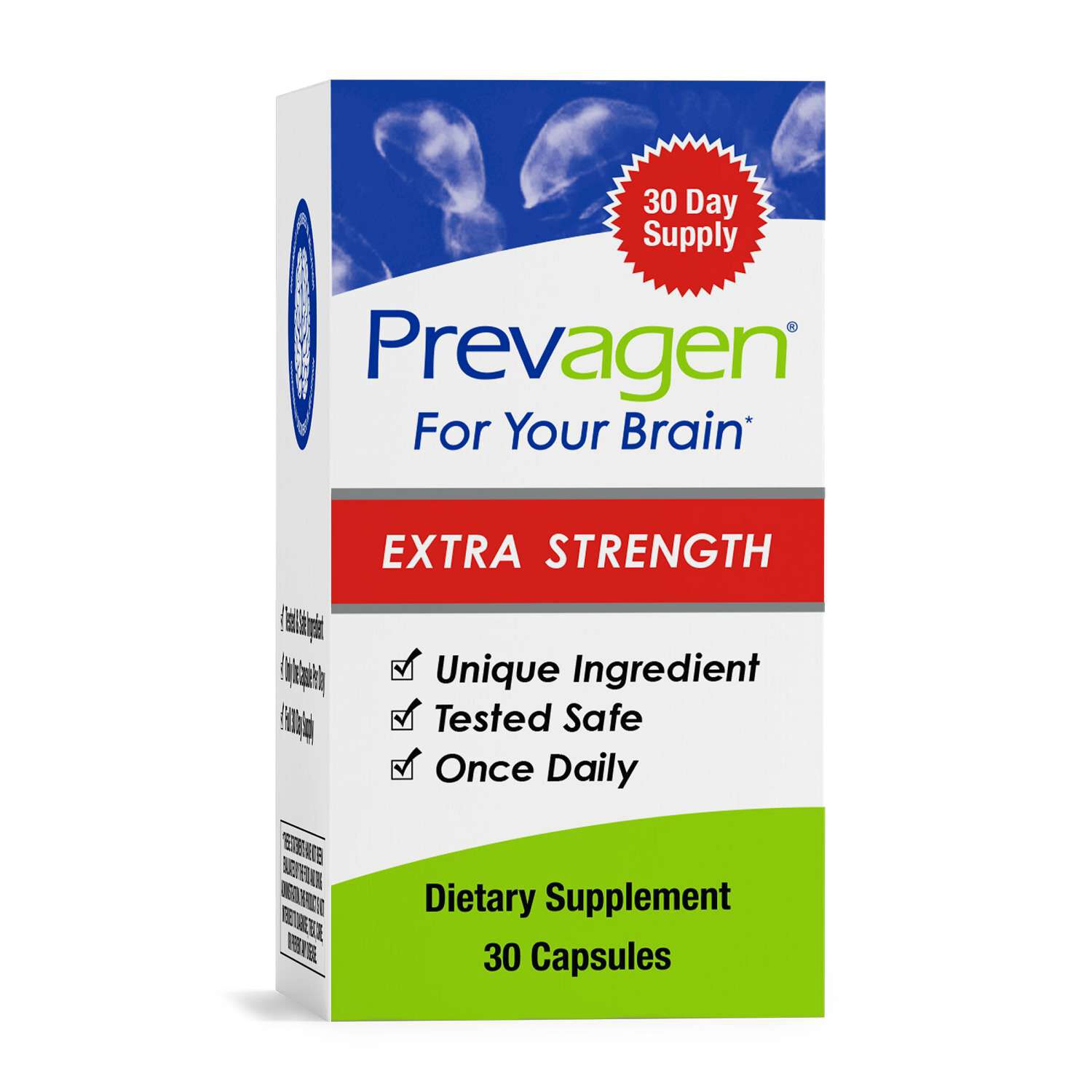
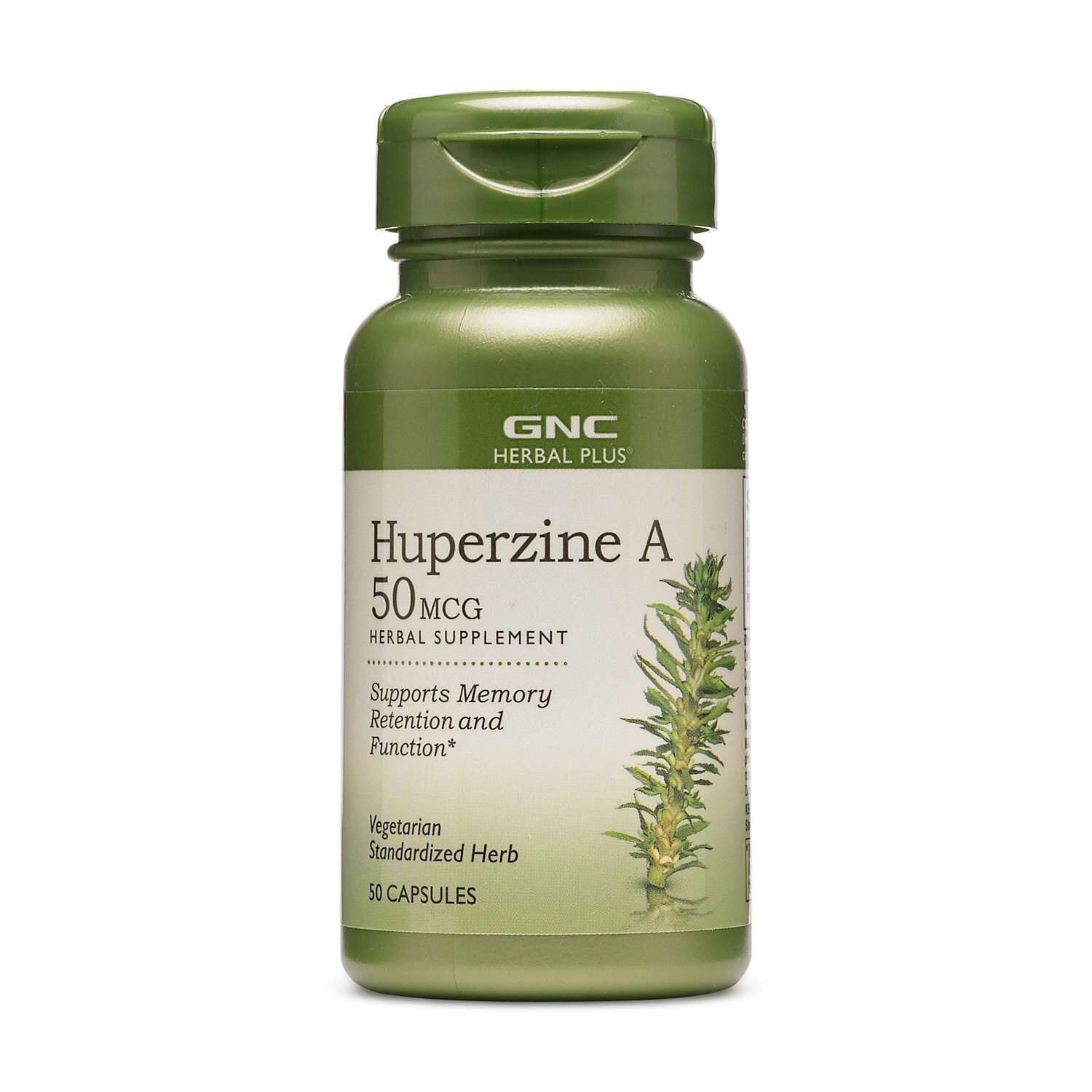
Brain health supplements for parents are adult dietary supplements selected with everyday focus, memory, and demanding routines in mind. The appeal is easy to understand: a parent might move from packing lunches to a morning meeting, then return to permission slips, appointment calendars, and homework at the kitchen table. Products in this category may support normal cognitive function, but their ingredients, serving sizes, and intended uses vary. Common ingredients associated with adult brain health supplements include omega-3 fatty acids, B vitamins, magnesium, choline, and botanical or mushroom ingredients. An omega-3 supplement typically identifies the amounts of EPA and DHA, while a B-complex formula lists individual B vitamins rather than a single ingredient amount. Magnesium products identify a particular form of the mineral, and botanical formulas may identify a plant species, plant part, and extract amount. These details make a more useful starting point for comparison than a broad description on the front of a bottle. Some parents prefer a focused formula with one main ingredient; others look for a blend that brings several ingredients into a single serving. Neither approach is automatically a better match for every routine. A parent who already uses a daily multivitamin has a different starting point from someone comparing an individual omega-3 supplement with a multi-ingredient cognitive formula. Looking at the ingredient list alongside other supplements makes overlapping ingredients easier to spot without assuming that a longer list means a better product. The intended audience matters, too: brain health supplements for parents are adult products, not family-wide formulas simply because the household shares meals and schedules. Their place is within an adult wellness routine that also makes room for varied meals, rest, and everyday movement. They are not a substitute for those habits, and an ingredient’s presence alone does not establish what someone will notice from taking it.
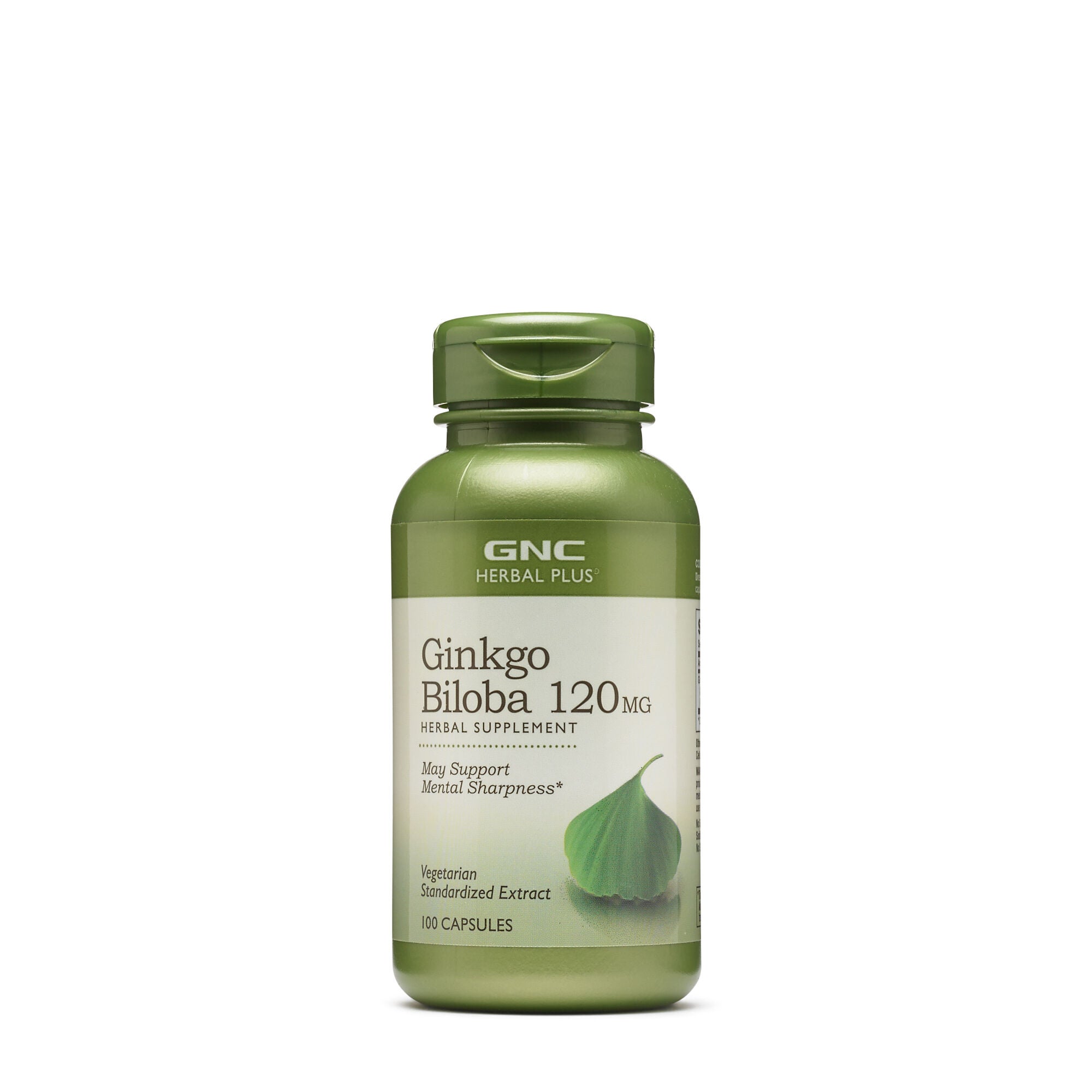
The differences among ingredients deserve a closer look when comparing brain health supplements for parents. Fish oil and algae-derived oil are two sources of omega-3s, and DHA-containing options may support normal brain function. The amount of oil listed on a package is not necessarily the same as the amount of DHA or EPA, so those individual entries provide useful context. Source information also matters to shoppers with dietary preferences: an algae-derived oil and a fish-derived oil are different ingredients, and the softgel shell has its own material list. B-complex supplements commonly include B6, B12, and folate, with the amount and form of each shown on the Supplement Facts panel. These nutrients may support normal energy metabolism, a different purpose from the experience associated with a caffeinated beverage. Magnesium is another ingredient shoppers may encounter, sometimes in a standalone formula and sometimes alongside other nutrients. Its presence does not make every magnesium product interchangeable with a supplement labeled for cognitive support; the full formula and stated use still matter. Choline may appear in adult cognitive formulas, while mushroom and botanical options can include ingredients such as lion’s mane or ashwagandha. These are distinct ingredients rather than alternate names for the same type of support, and research on one ingredient or preparation does not automatically apply to a different blend. For botanical and mushroom products, the species, part used, preparation, and listed quantity help describe what is actually in the serving. Some focus-oriented formulas also contain caffeine. A clear caffeine amount is especially relevant to someone whose day already includes coffee, tea, or another caffeinated drink. Label transparency can make these comparisons less cumbersome: individually listed ingredient amounts provide different information from a blend that names several ingredients but provides only one combined quantity. Testing statements and certifications are worth reading for their specific scope, whether they concern ingredient identity, manufacturing practices, or another defined attribute. Such information may help shoppers assess product quality, but it does not establish a particular cognitive outcome. A thoughtfully presented label distinguishes the contents of the bottle from expectations about the experience of using it.
Format, packaging, and storage are practical parts of choosing an adult supplement, especially in a household where the counter already holds lunch containers, school papers, and tomorrow’s grocery list. Capsules and softgels offer premeasured units, although one labeled serving may require more than one. Gummies offer a chewable format with their own flavors, textures, sweeteners, and serving counts. Powders and liquids involve measuring and may come with mixing or storage directions that require more attention than a capsule bottle. The right fit is partly about those everyday details: a formula intended for mixing into a drink requires a different routine from one packaged in individual servings. For capsules and softgels, shell materials may include gelatin or plant-derived alternatives. For flavored formats, the other ingredients section can clarify the sources of sweetness, color, and flavor, while allergen information provides another important point of comparison. A vegetarian ingredient source does not necessarily describe every component of the finished supplement, so the full label matters more than assumptions based on the main ingredient. Packaging also deserves attention beyond its appearance. A clearly printed expiration date, readable directions, and an intact seal provide practical information before use. Storage requirements vary by formula; the package directions govern whether a product belongs in a dry cabinet or needs refrigeration after opening. Keeping supplements in their original labeled containers preserves access to ingredient information and directions, and storing adult supplements out of children’s reach is particularly important for formats that resemble candy. Parents shopping for different members of the household can explore Kids Brain Health Supplements as a separate category rather than treating an adult formula as suitable for a child. As a gift for a partner or another parent, supplements call for familiarity with the recipient’s preferences and existing routine; a personal wellness product is not a one-size-fits-all gesture. For individual shoppers, the most meaningful comparison brings together the ingredient source, clearly stated amounts, intended adult use, preferred format, and handling requirements. Those concrete details keep the focus on a supplement’s actual characteristics and how it might fit into daily life, rather than on sweeping expectations about what a busy parent should accomplish.