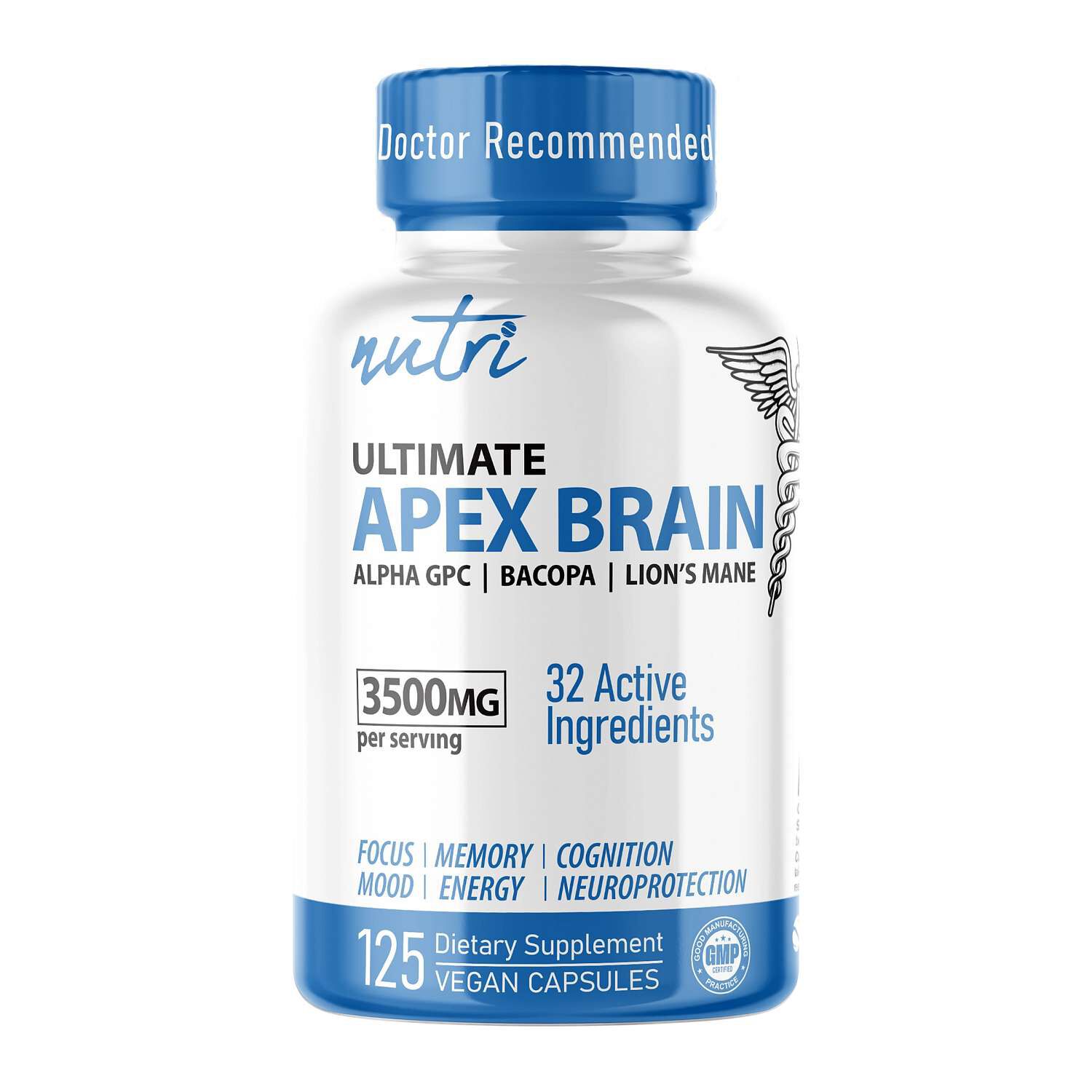
Brain Health Supplements For Seniors
(0 Results)
Exploring ways to support cognitive function and mental clarity becomes increasingly important with age, and brain health supplements for seniors could offer a valuable addition to a wellness routine. These supplements are thoughtfully designed to provide key nutrients that might support memory, focus, and overall brain vitality. Whether aiming to maintain sharpness or simply promote a healthy mind, seniors may find these products an excellent choice for their brain health journey. Discover options that might help nurture your cognitive well-being and support an active lifestyle as you age gracefully.
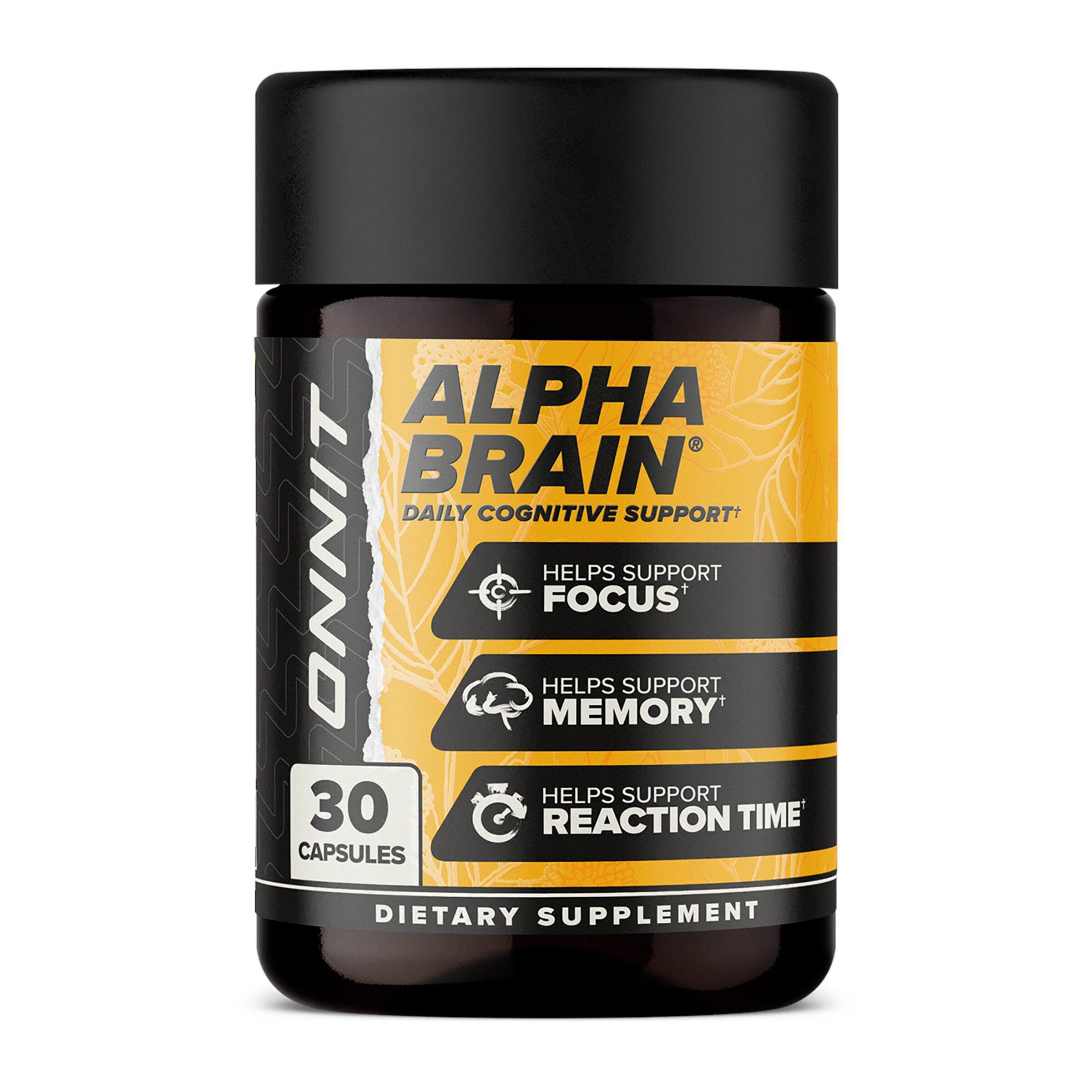
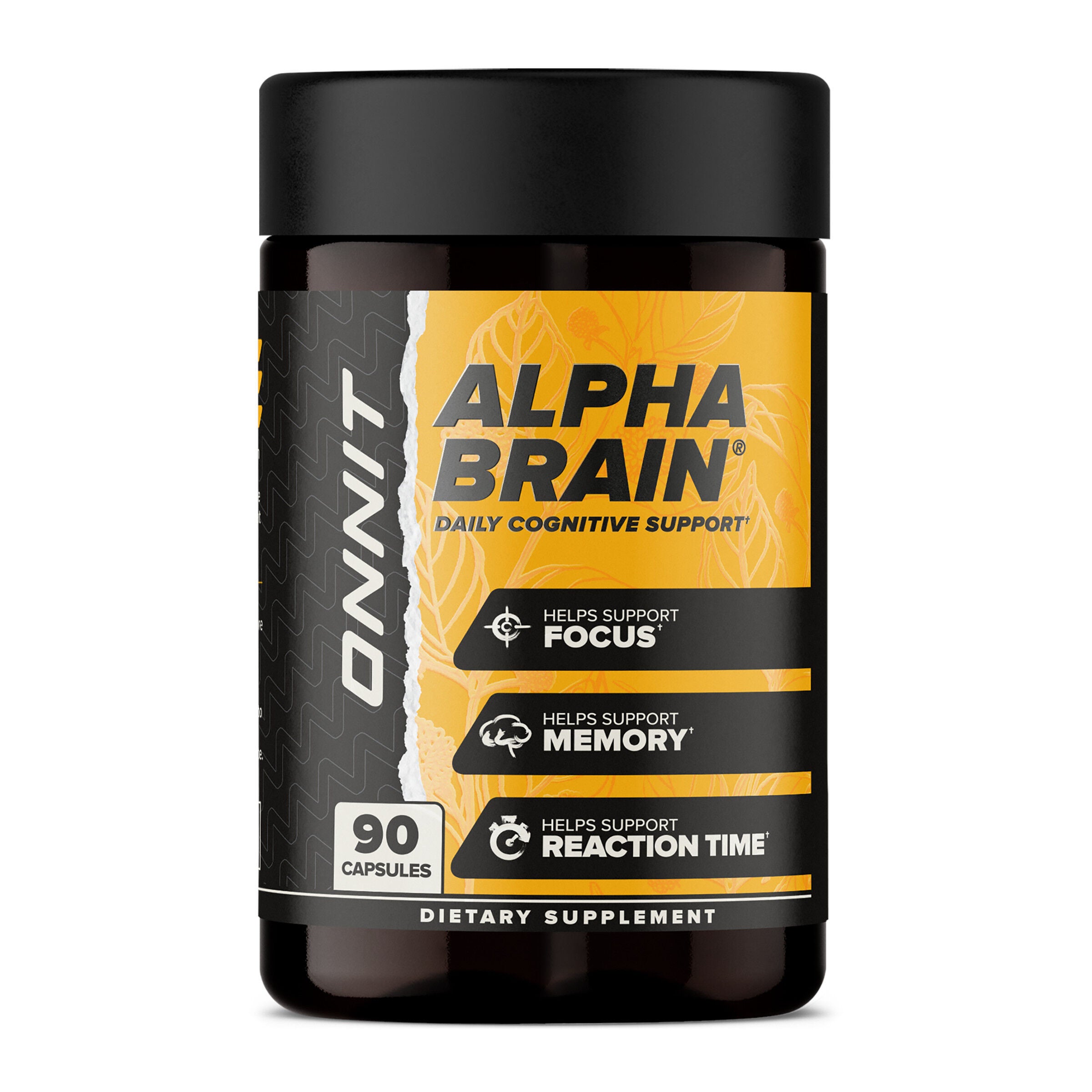
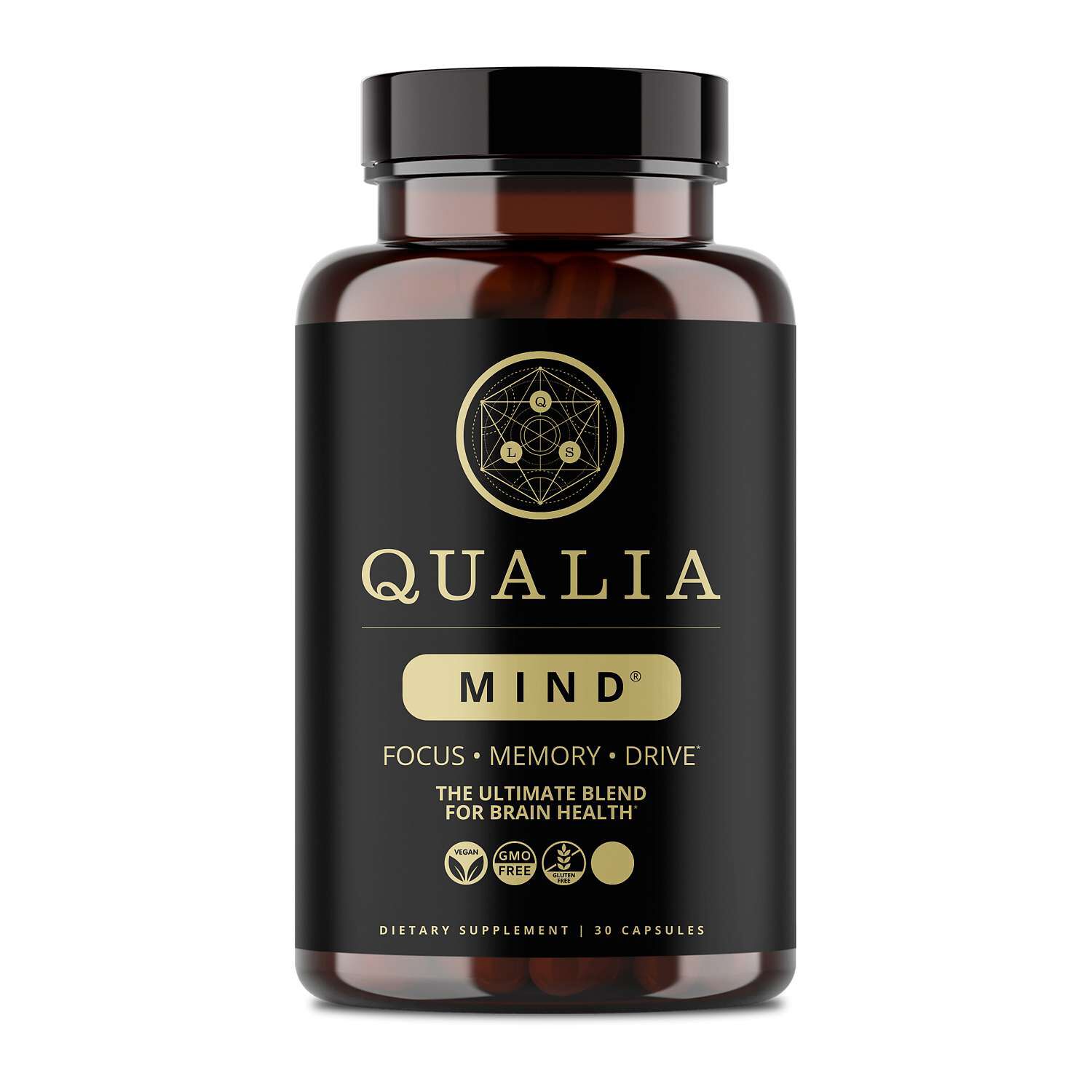
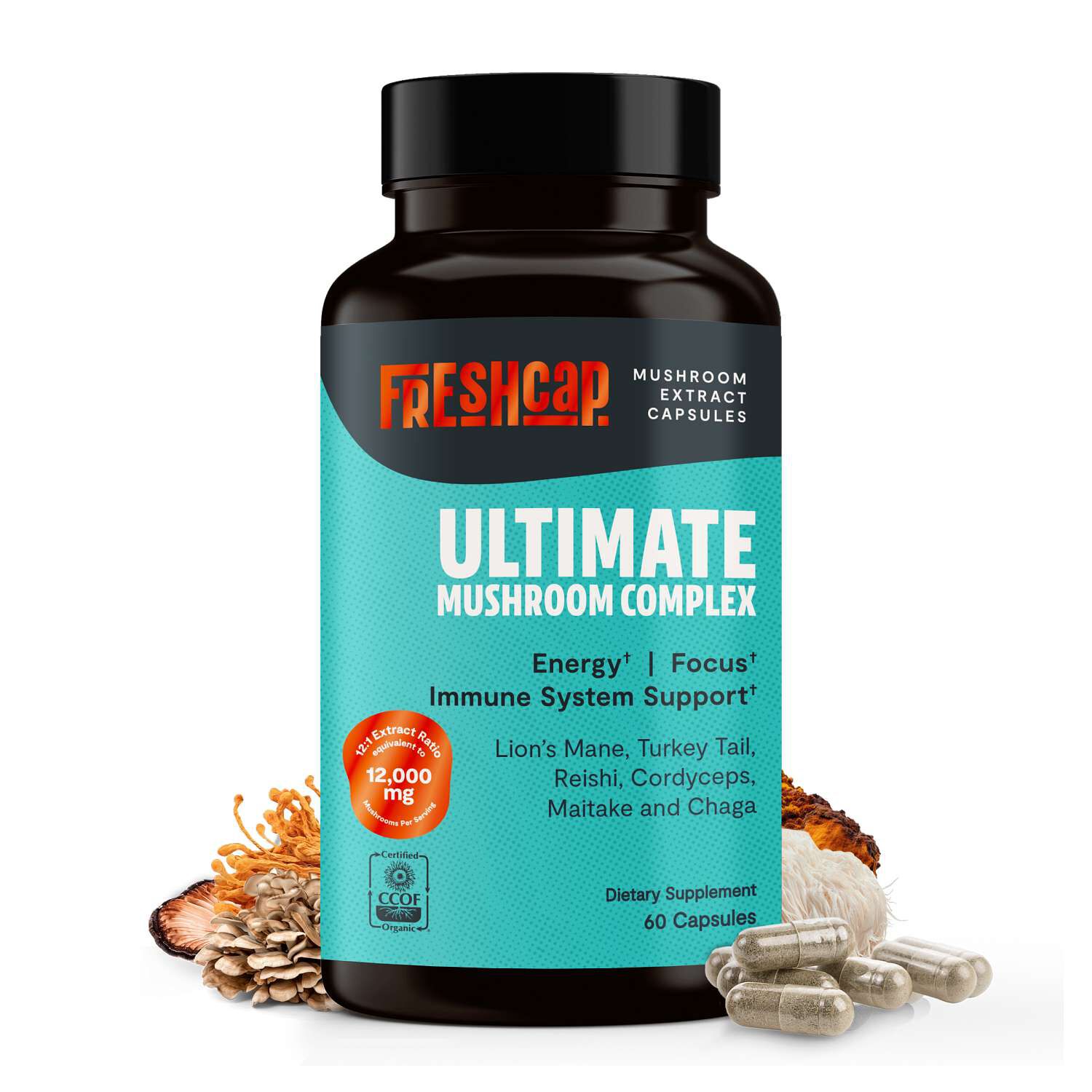
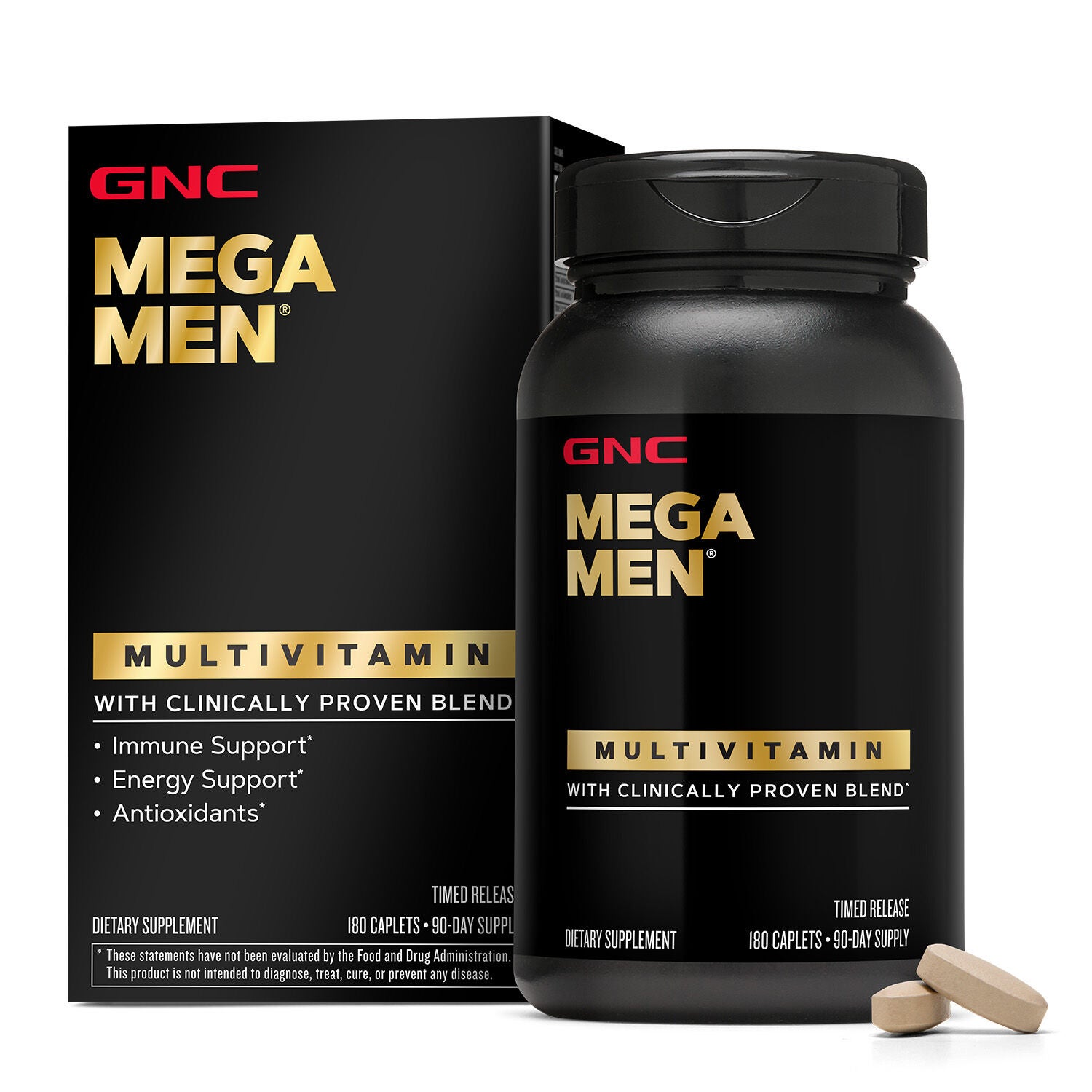

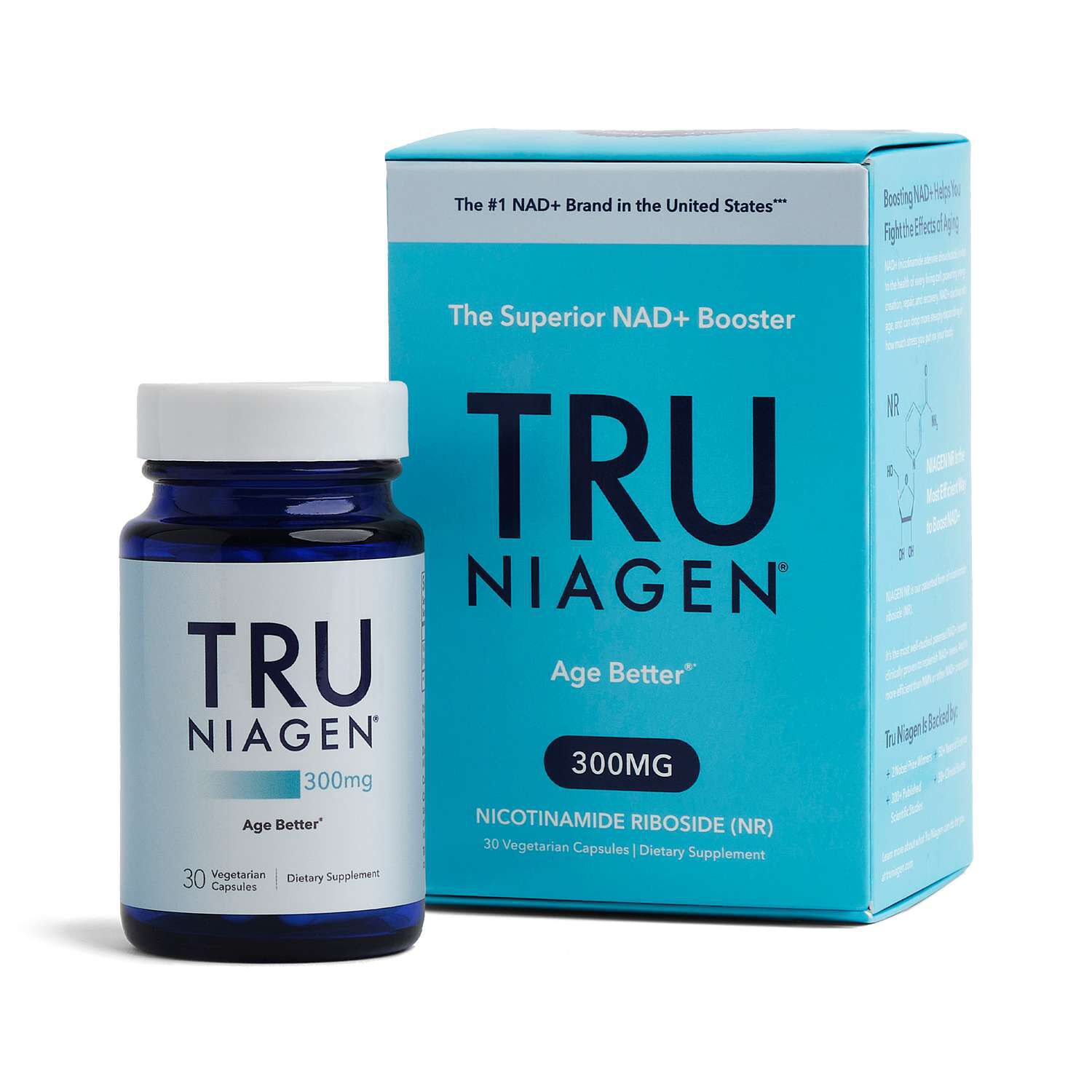

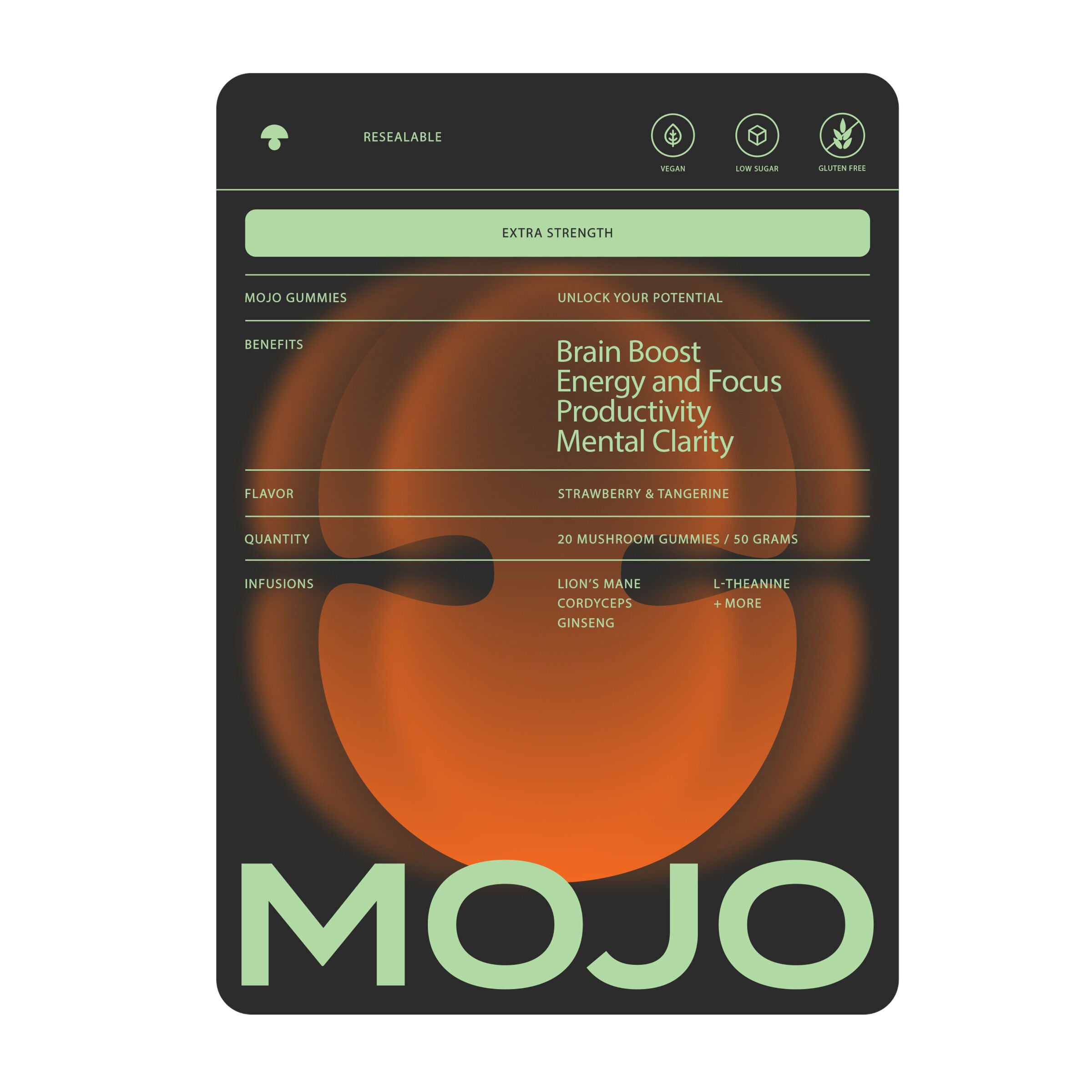
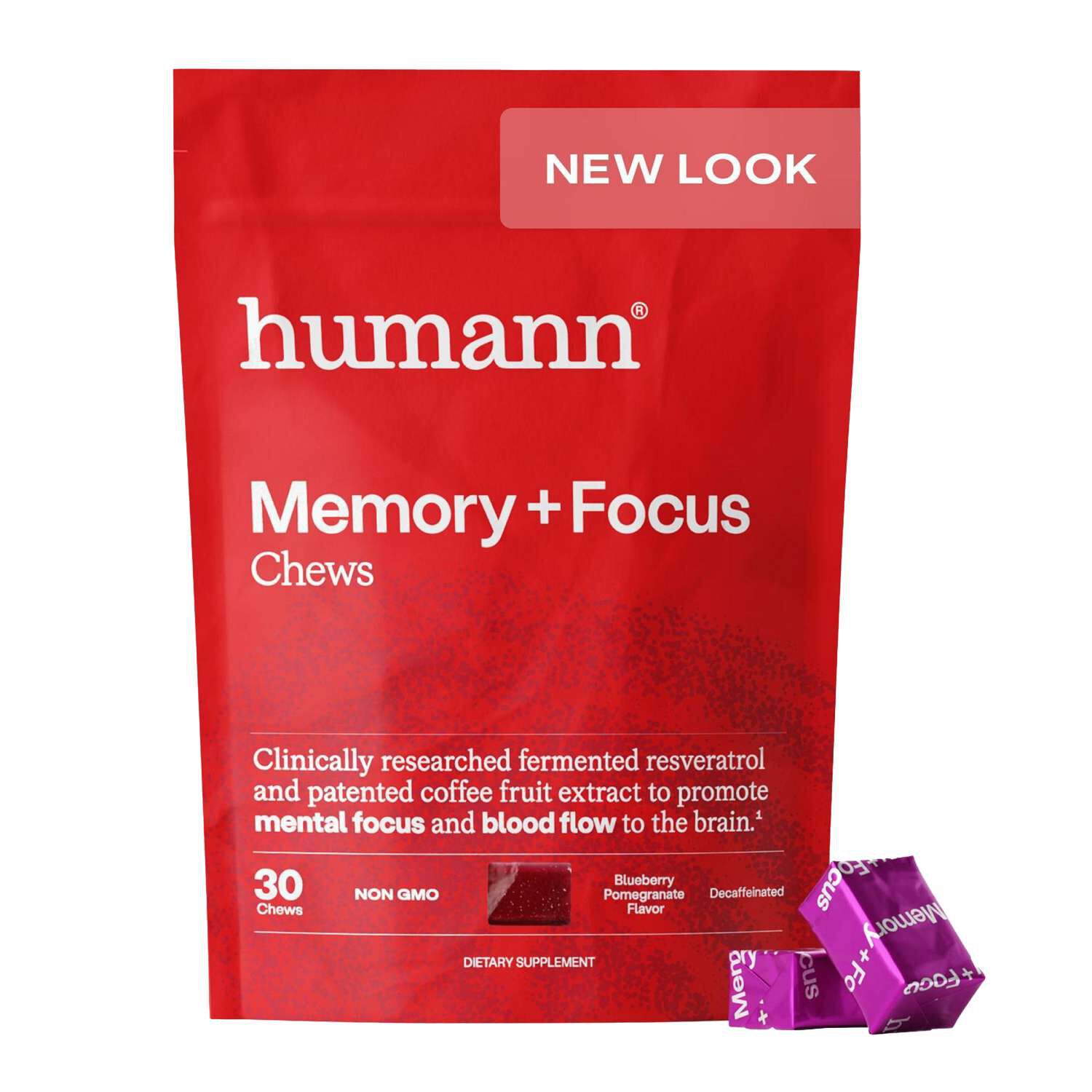
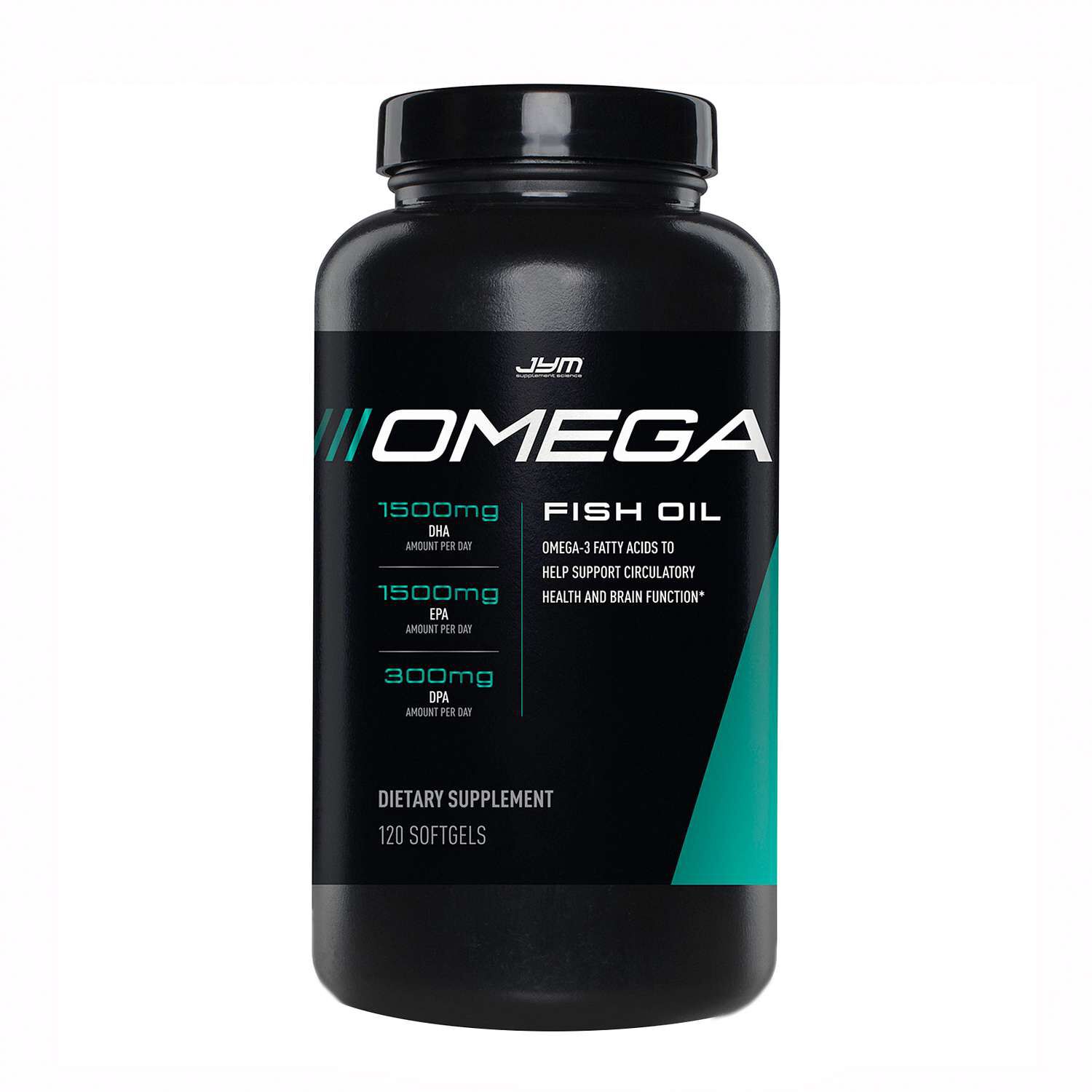

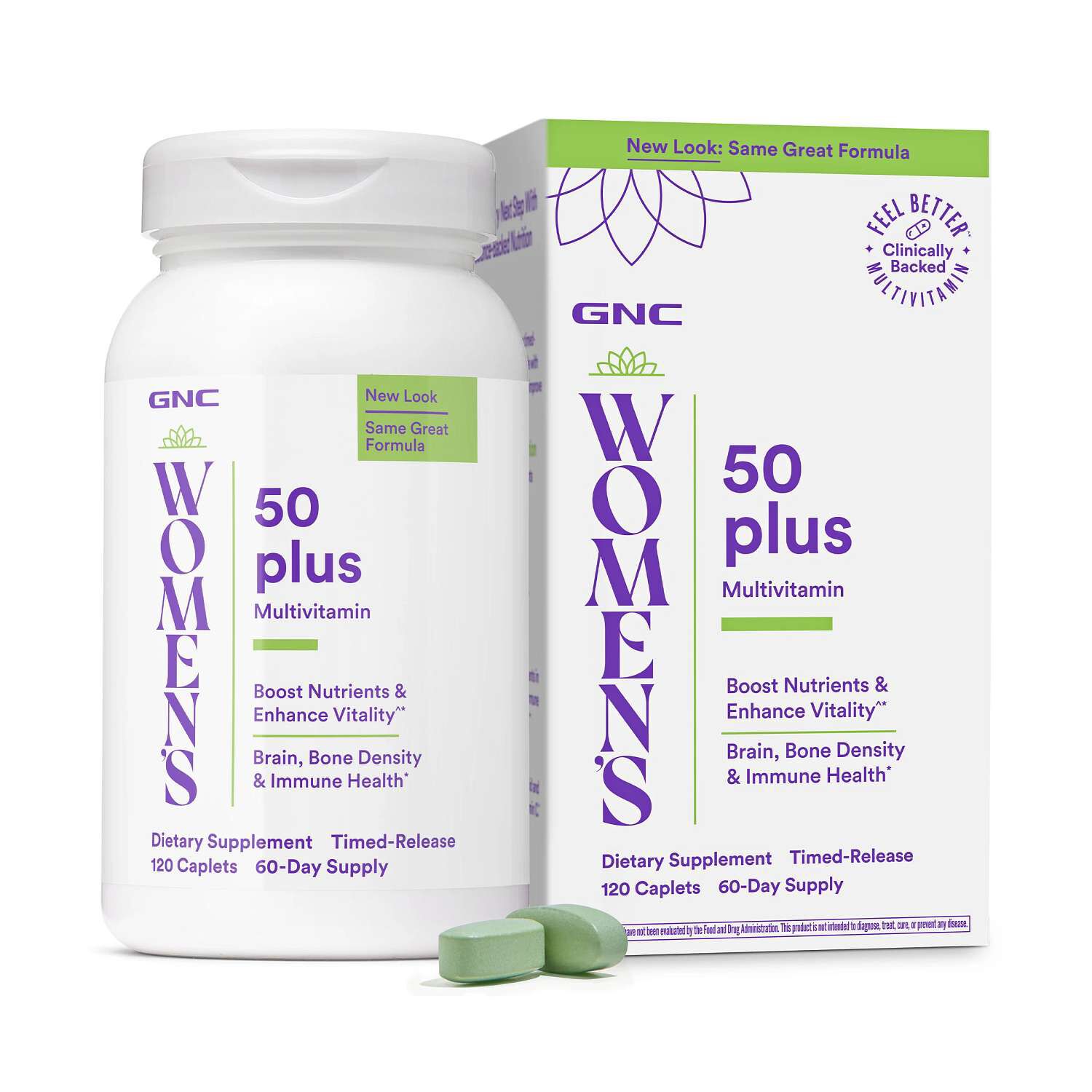
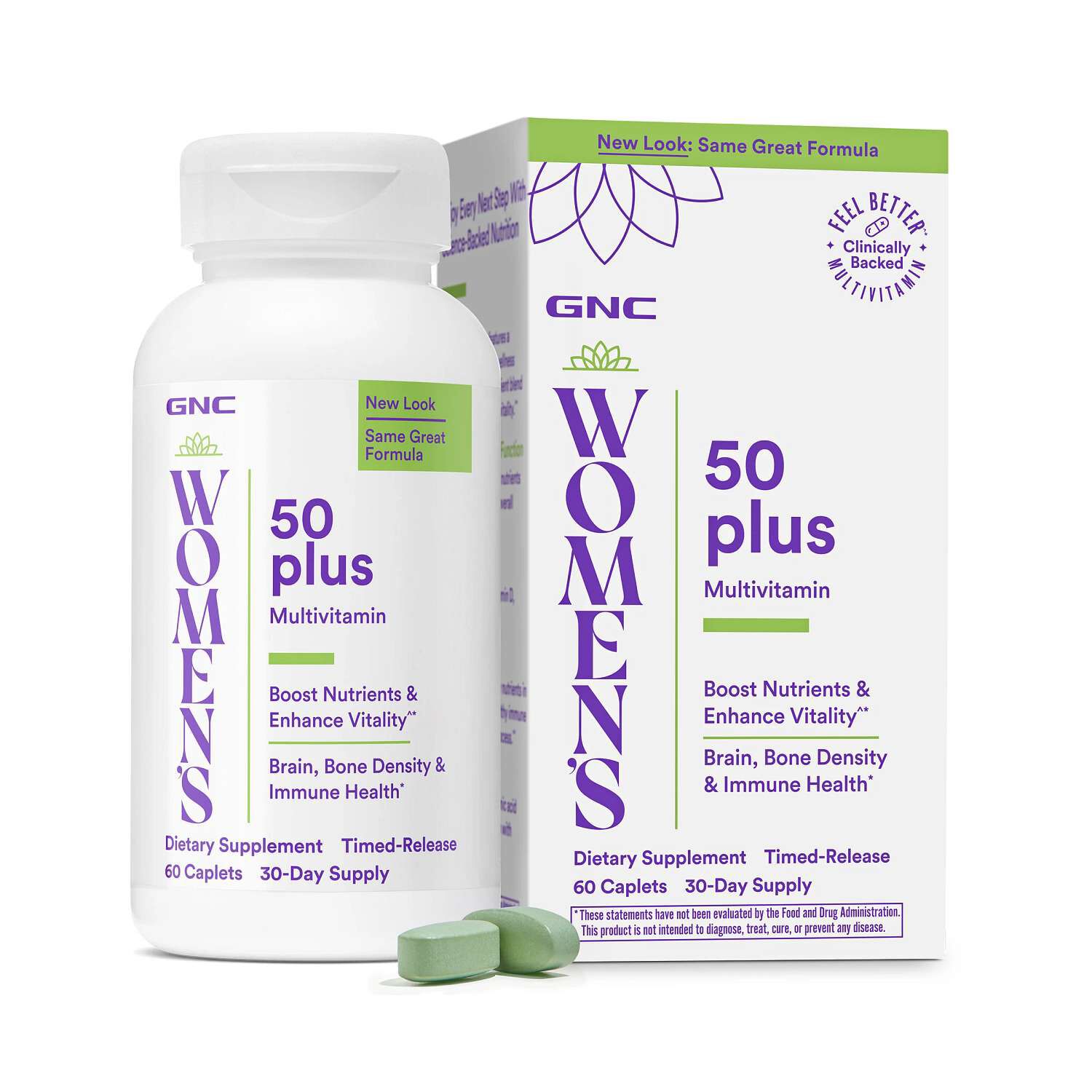
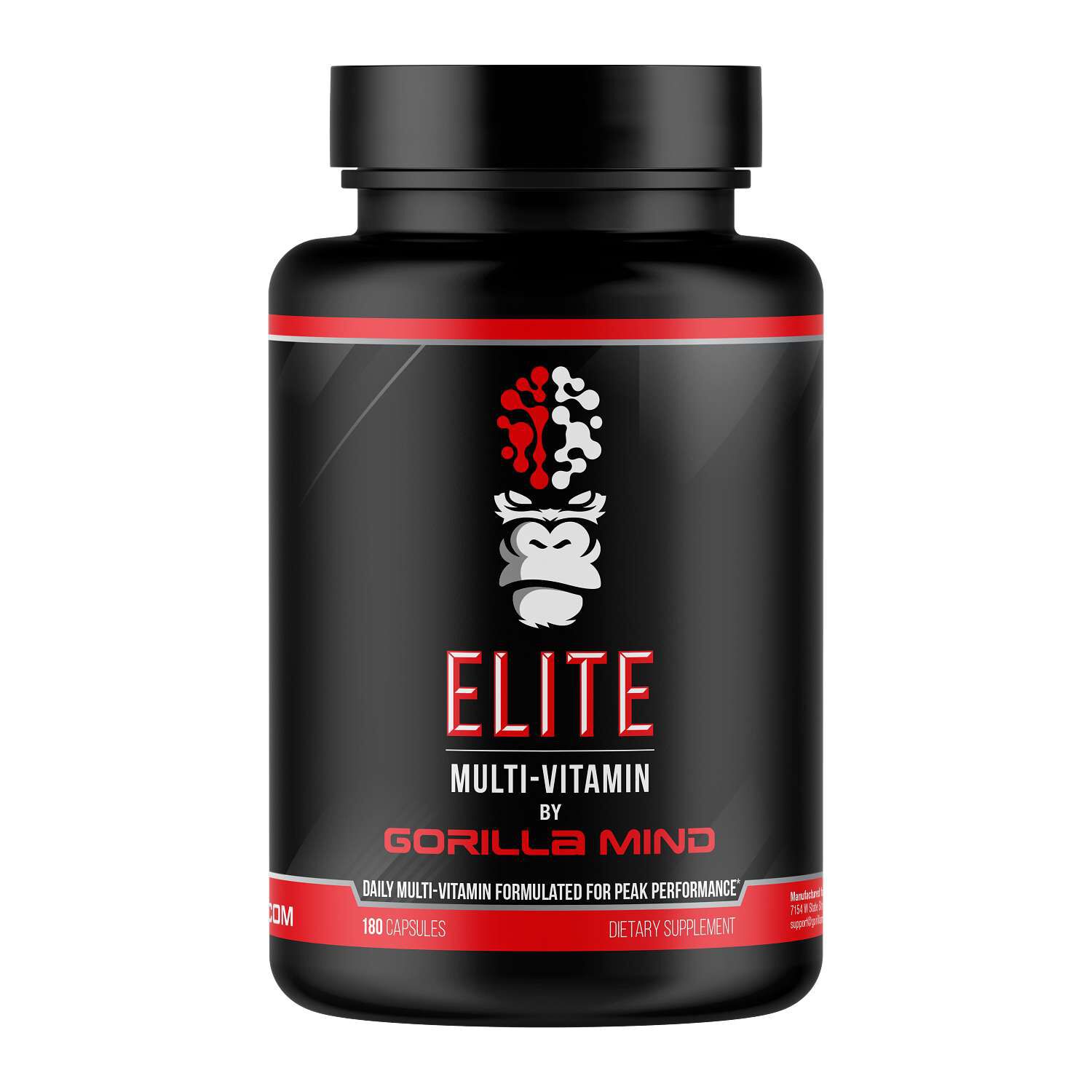
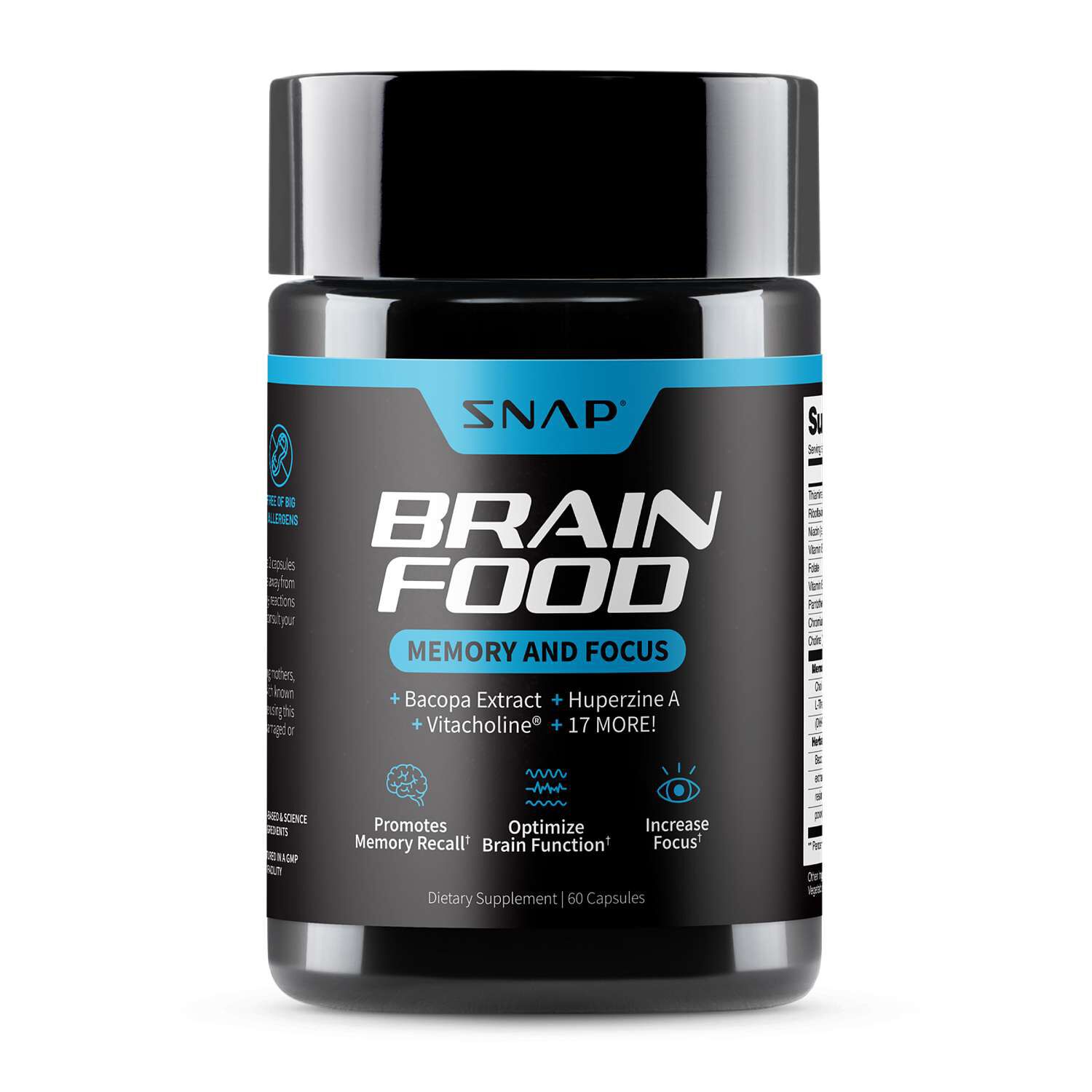

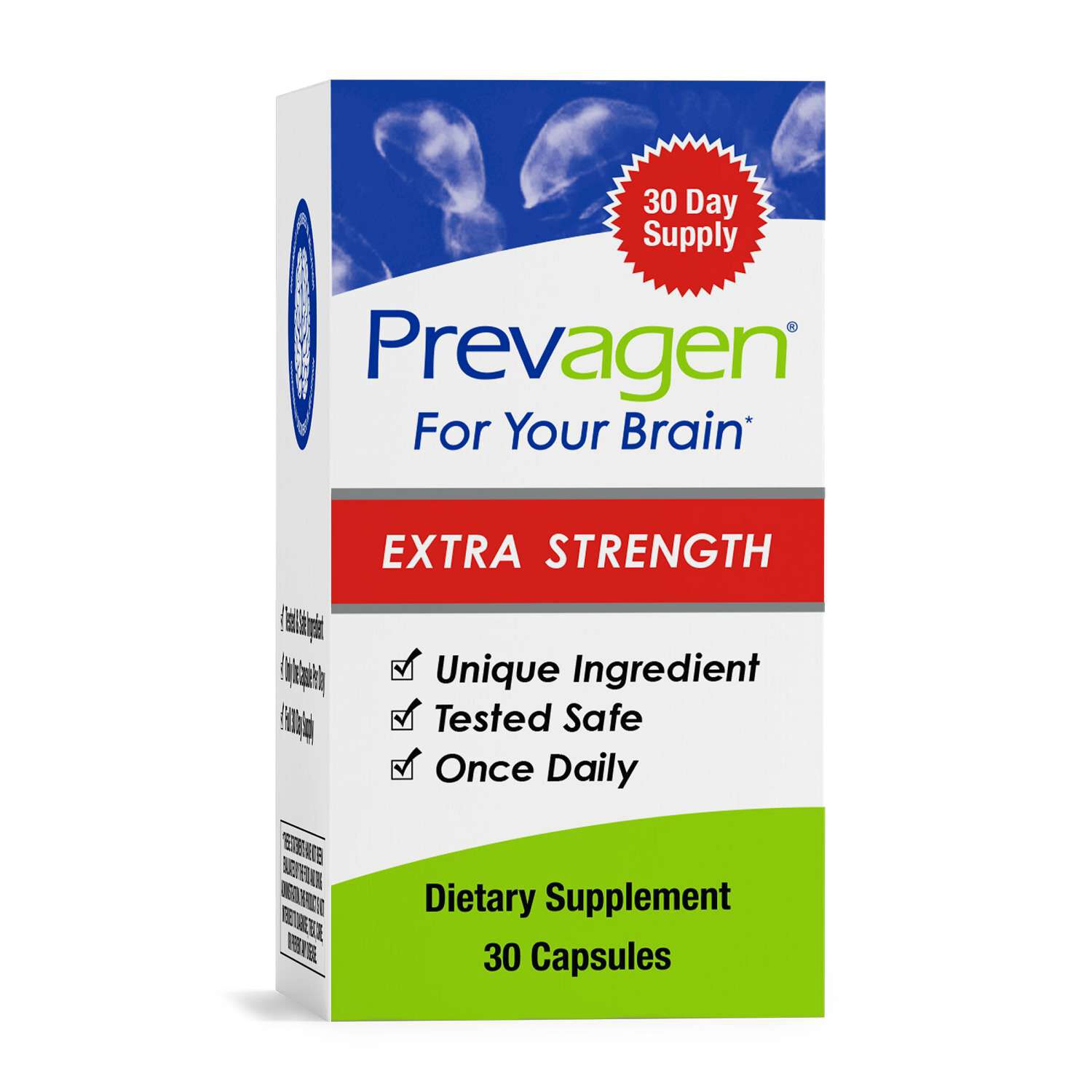
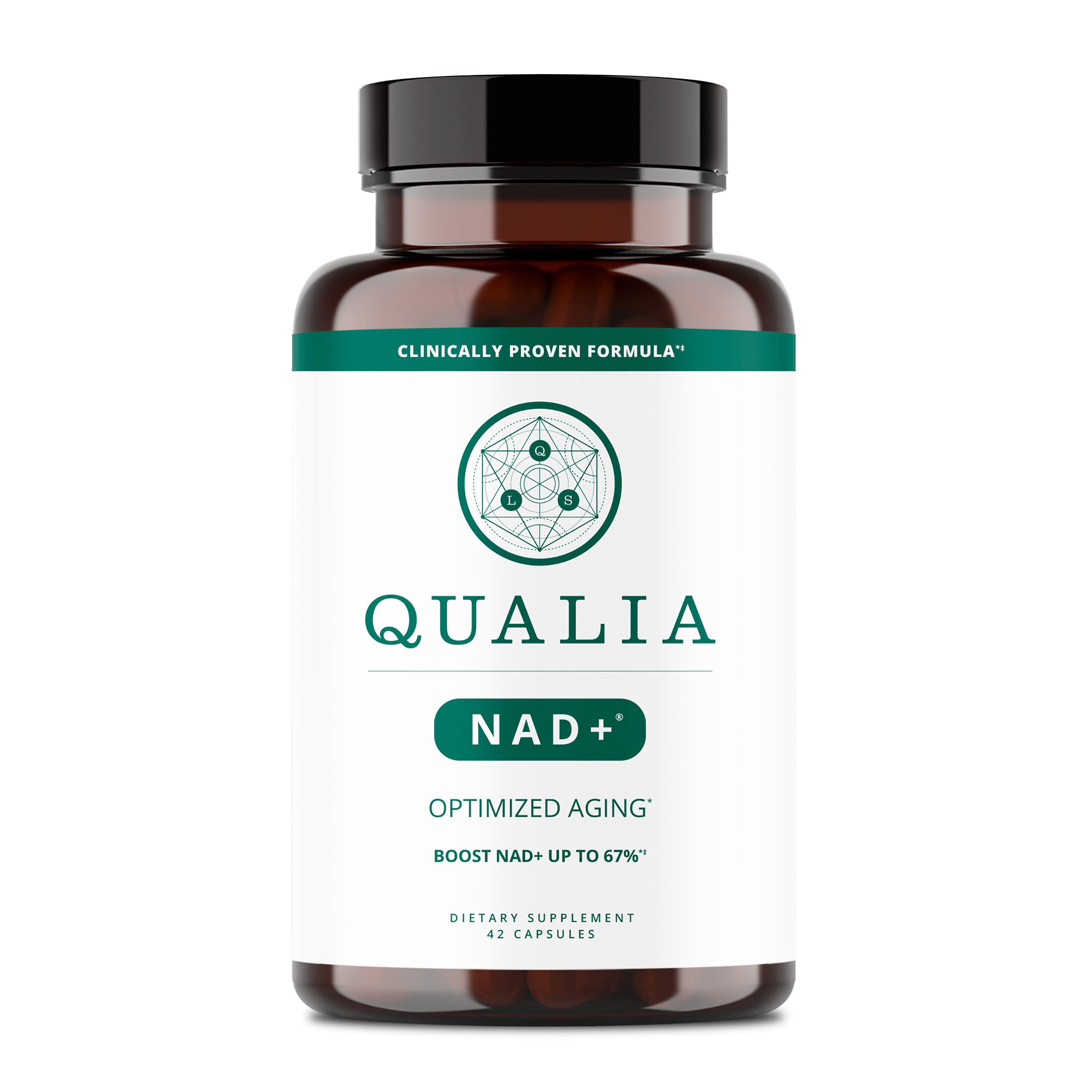
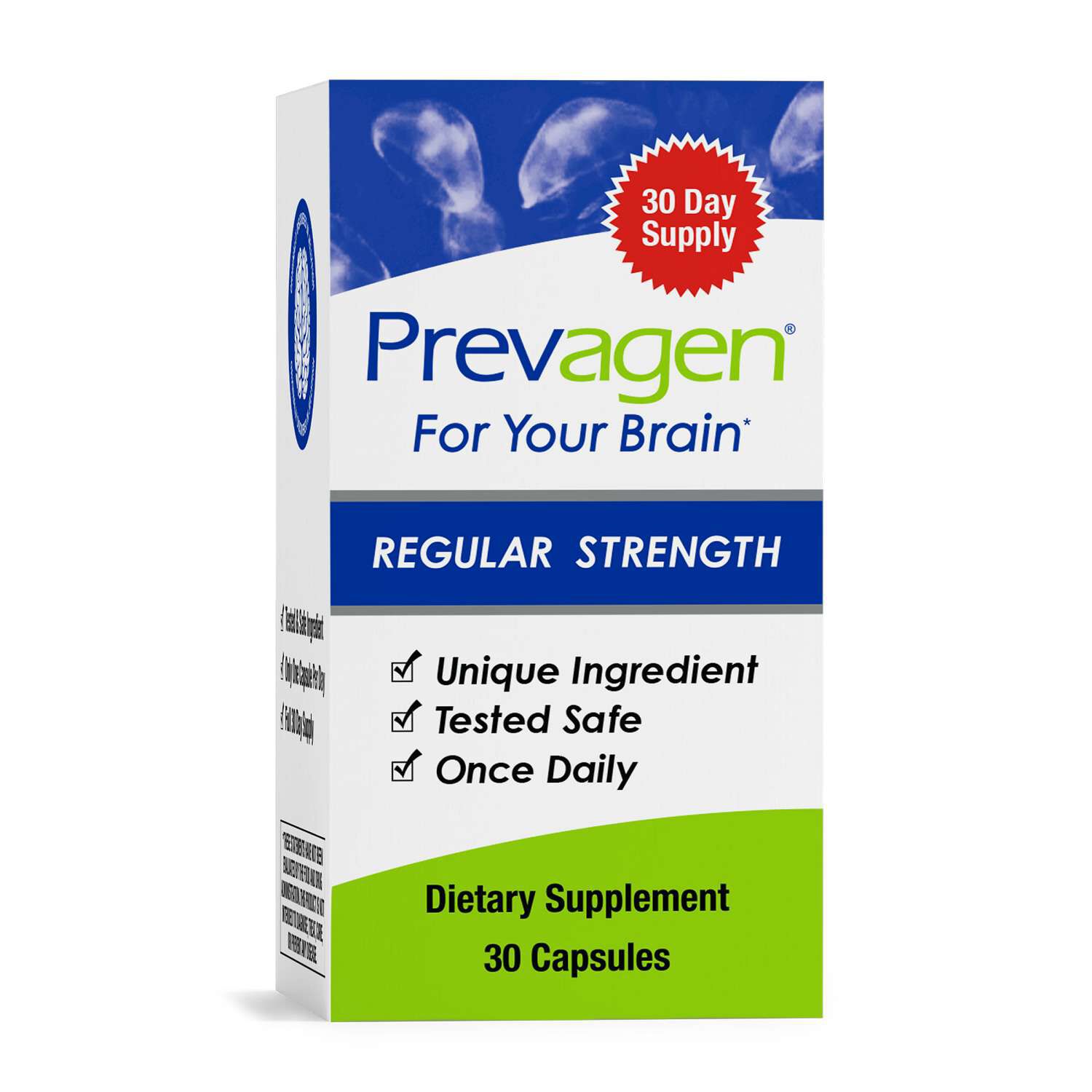
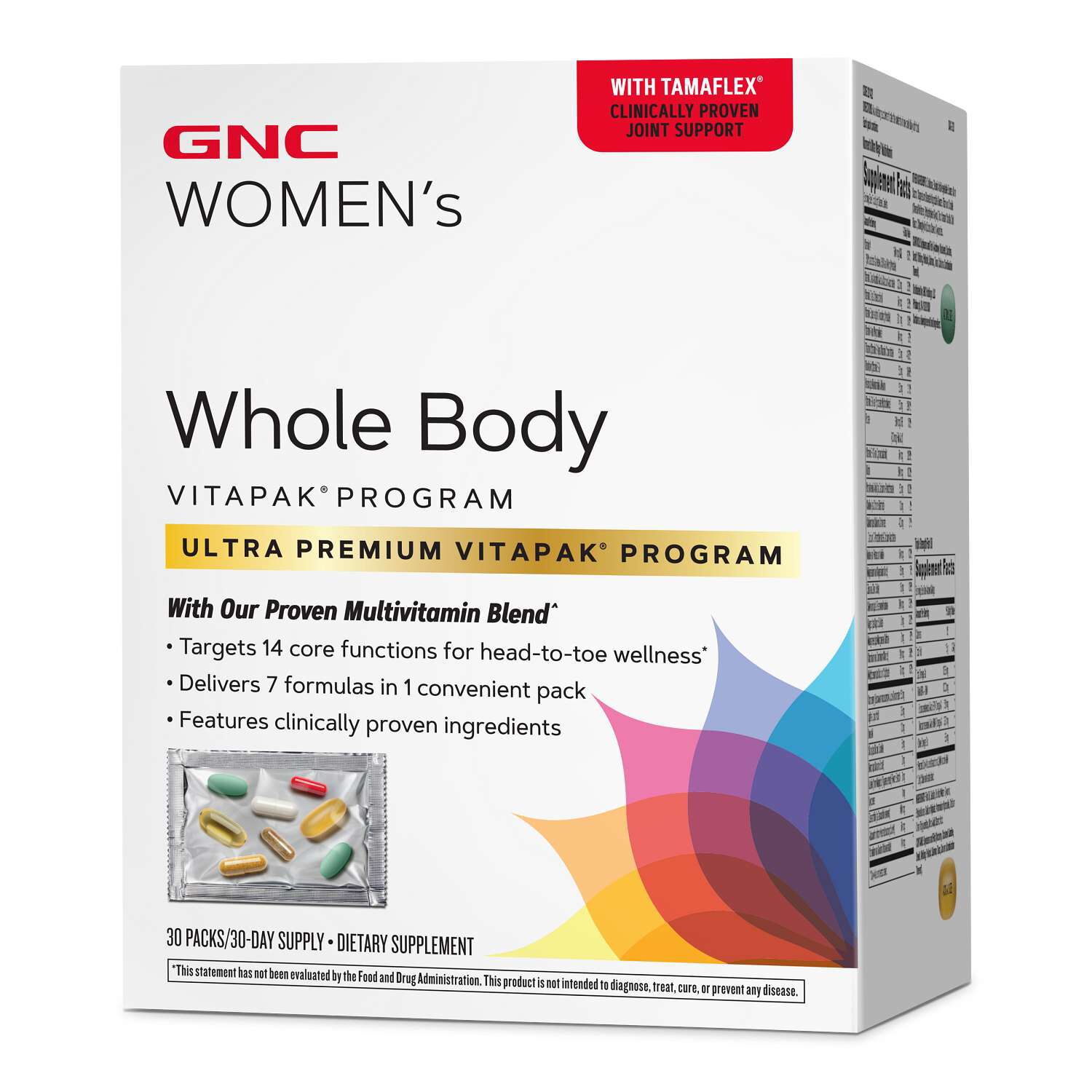


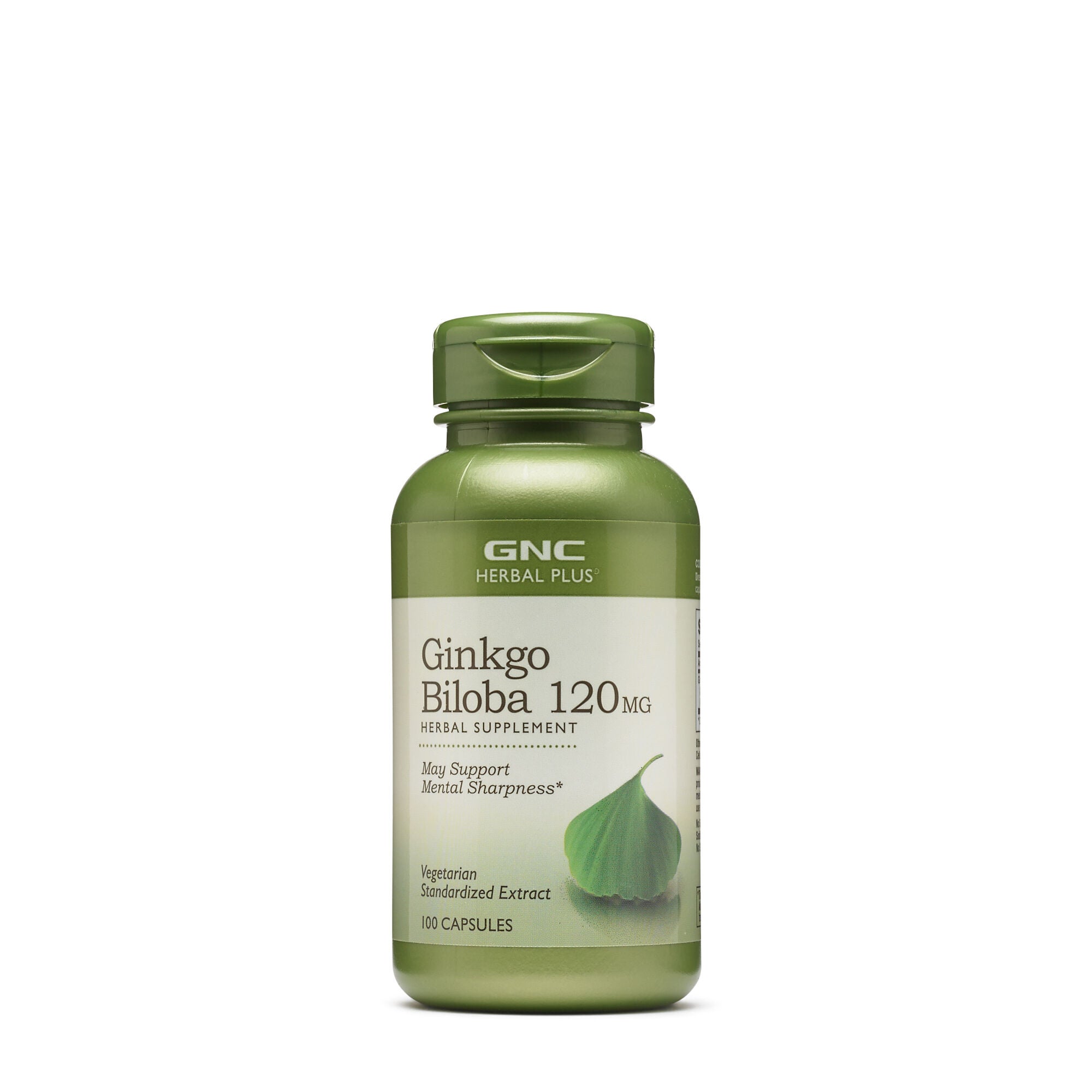
Brain health supplements for seniors bring together dietary supplements marketed around an interest in memory, focus, and cognitive well-being in older adulthood. The category can include multivitamins, individual nutrients, fatty acid formulas, and botanical blends, but those formats are not interchangeable. Their ingredients, serving amounts, preparation methods, and intended use can differ substantially, even when the front labels use similar language. For someone browsing with a familiar daily routine in mind—reading the newspaper, keeping up with a book club, or spending time on a favorite hobby—the most useful product information is often the least flashy: a readable ingredient panel, an understandable serving size, and a clear description of what the formula contains. Research on supplements and memory in older adults is mixed, and findings about one ingredient or study population do not automatically apply to every formula in this category. A label mentioning brain health is not, by itself, evidence of a measurable cognitive benefit. Dietary supplements are also not approved by the FDA for effectiveness before sale. That distinction matters when comparing scientific language, ingredient descriptions, and marketing statements. B vitamins, vitamin D, and omega-3 fatty acids are familiar names in this area, while botanical ingredients represent another group of formulas with different compositions and research backgrounds. The presence of a recognizable ingredient does not establish how a particular product will perform for an individual. Brain health supplements are not treatments for memory concerns, and they are not substitutes for a varied eating pattern. Meals featuring vegetables, beans, nuts, fish, and other nutrient-containing foods provide a broader nutritional context than an isolated supplement. Within a product listing, the clearest comparisons stay grounded in documented characteristics rather than expectations about a particular outcome. Ingredients, format, serving information, and sourcing offer concrete distinctions that shoppers can evaluate without treating a category name as a statement about results. That perspective keeps the focus on what is in the package and how it is presented.
The physical format of a supplement is an important part of its everyday practicality. Tablets, capsules, softgels, chewables, liquids, and powders have different textures, packaging needs, and serving measurements. A capsule formula and a liquid formula may contain similar ingredients while requiring quite different routines: one has a stated capsule count per serving, while the other uses a measured volume. Powders introduce considerations such as scoop size, mixing instructions, flavor, and the amount of liquid specified on the label. Chewable formats have their own taste and texture characteristics, along with sweeteners and other ingredients that contribute to the finished formulation. Serving size deserves particular attention when comparing packages, because the amount printed for an ingredient may refer to several tablets or capsules rather than one. The number of servings per container is therefore a different piece of information from the number of pieces inside. Beyond format, ingredient origin can matter to dietary preferences. Capsule shells may contain gelatin or plant-derived materials, and oil-based formulas may use fish-derived or algae-derived ingredients. The Supplement Facts panel identifies listed nutrients and their amounts, while the other-ingredients section describes components such as capsule materials, flavorings, and binders. These details can make two otherwise similar-looking formulas distinct. Packaging also shapes the experience of using and storing a supplement. Legible print, a clearly marked serving amount, an identifiable expiration date, and understandable storage directions are practical features for older adults who prefer straightforward labeling. Some containers use individual compartments or packets; others hold multiple servings in a single bottle. Original packaging preserves the connection between the contents and the ingredient, lot, and expiration information printed on the label. Storage requirements vary, particularly for liquids and oil-based formulas, so the package directions remain the relevant reference for handling. Exposure to moisture, heat, or light can affect product condition, depending on the formulation. Durability in this category is less about a rugged exterior and more about maintaining appropriate storage conditions, keeping the closure secure, and retaining readable product information throughout the intended period of use.
Comparing senior brain health supplements also involves looking at how clearly a formula communicates its composition. A label that lists individual ingredient amounts offers a different degree of detail from one that groups several ingredients within a proprietary blend. Botanical names, plant parts, and extract descriptions can distinguish preparations that might otherwise appear alike. With fatty acid formulas, the amount of oil and the amounts of particular fatty acids are separate measurements, so similar package descriptions do not necessarily indicate matching compositions. Multivitamins introduce another consideration: they contain multiple nutrients, which makes their ingredient panels different from those of single-nutrient formulas. These are distinctions about formulation, not evidence that a longer ingredient list or a larger serving is better. Quality testing language also needs context. A statement about testing for ingredient identity or specified manufacturing criteria addresses those subjects; it does not establish a memory-related outcome. Transparent labeling can make a product easier to understand, but no package description can account for an individual’s full dietary pattern, health history, or existing routine. For older adults who already use supplements, organization and familiarity may be as important to the shopping experience as format. A clearly labeled bottle with a simple serving description may fit an established household system more readily than a preparation with several measuring steps. For relatives browsing on someone else’s behalf, known preferences—such as capsules versus liquids, plant-derived materials, or an unflavored preparation—provide more useful context than assumptions based on age alone. Supplements are personal purchases, and their fit as gifts depends on the recipient’s preferences rather than the occasion. Family members exploring a related category can also browse Brain Health Supplements For Parents for another family-focused selection. Across these categories, the most meaningful product differences remain the ones supported by the label: what the formula contains, how a serving is defined, what materials are used, and how the package describes intended use and storage. Those details provide a grounded basis for browsing without assigning an expected cognitive result to any individual formula.