

Brain Health Supplements For Memory Loss
(0 Results)
Brain health supplements for memory loss could offer support for those looking to maintain mental clarity and cognitive function as they age. With a variety of ingredients that may help nourish the mind, these supplements are designed for individuals seeking options to support their overall brain wellness. Explore a wide selection of brain health supplements for memory loss that might fit into your daily routine, so you can stay focused on what matters most.
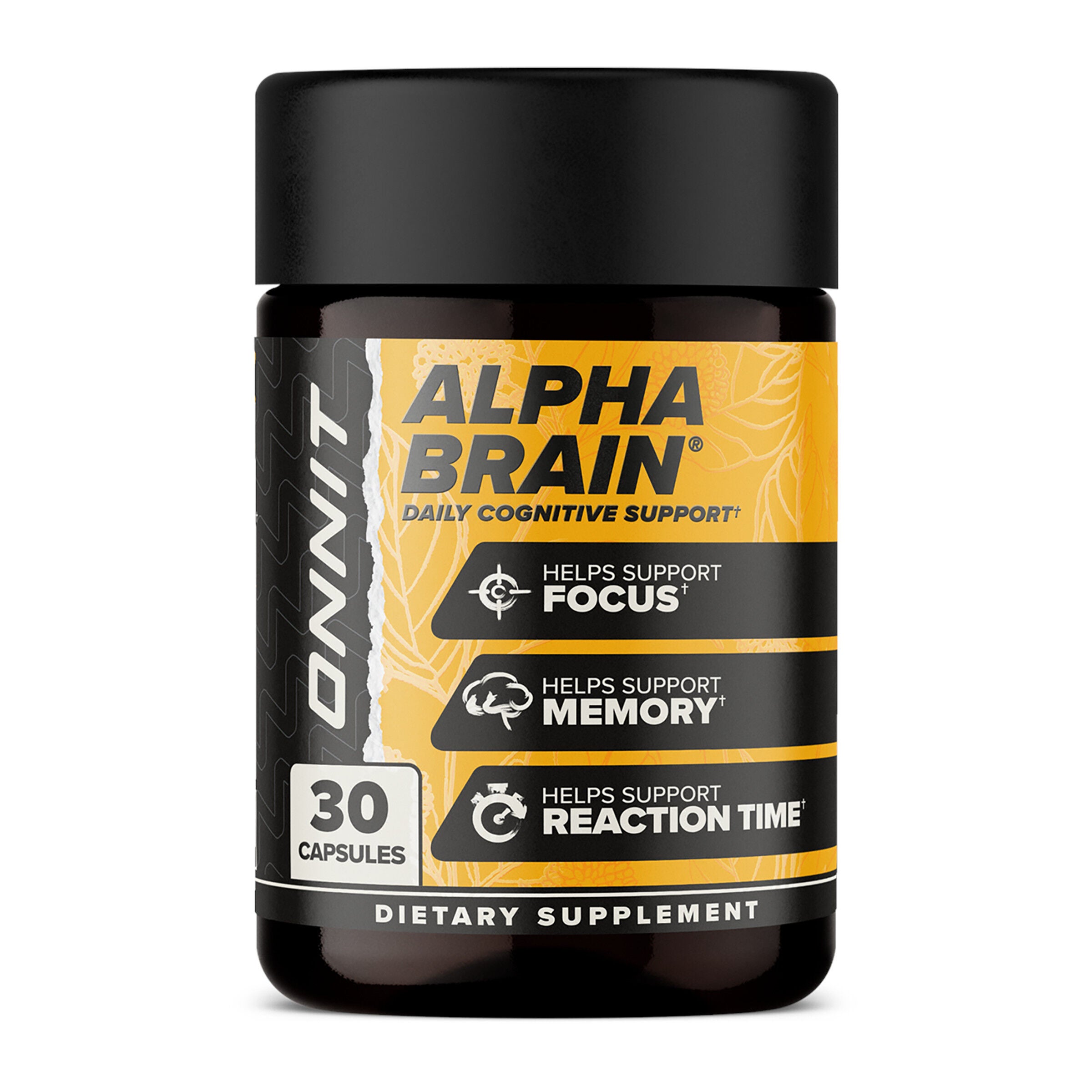
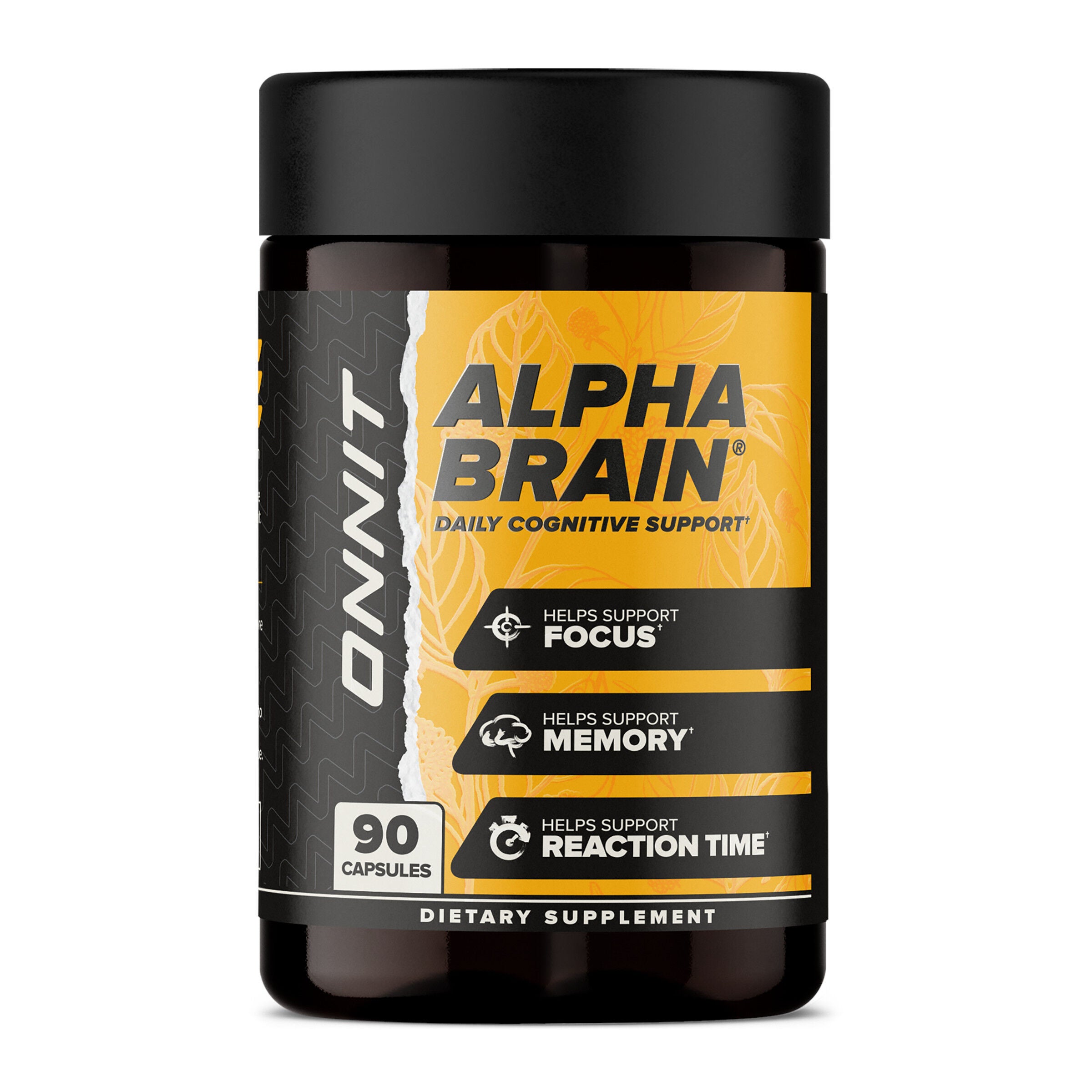
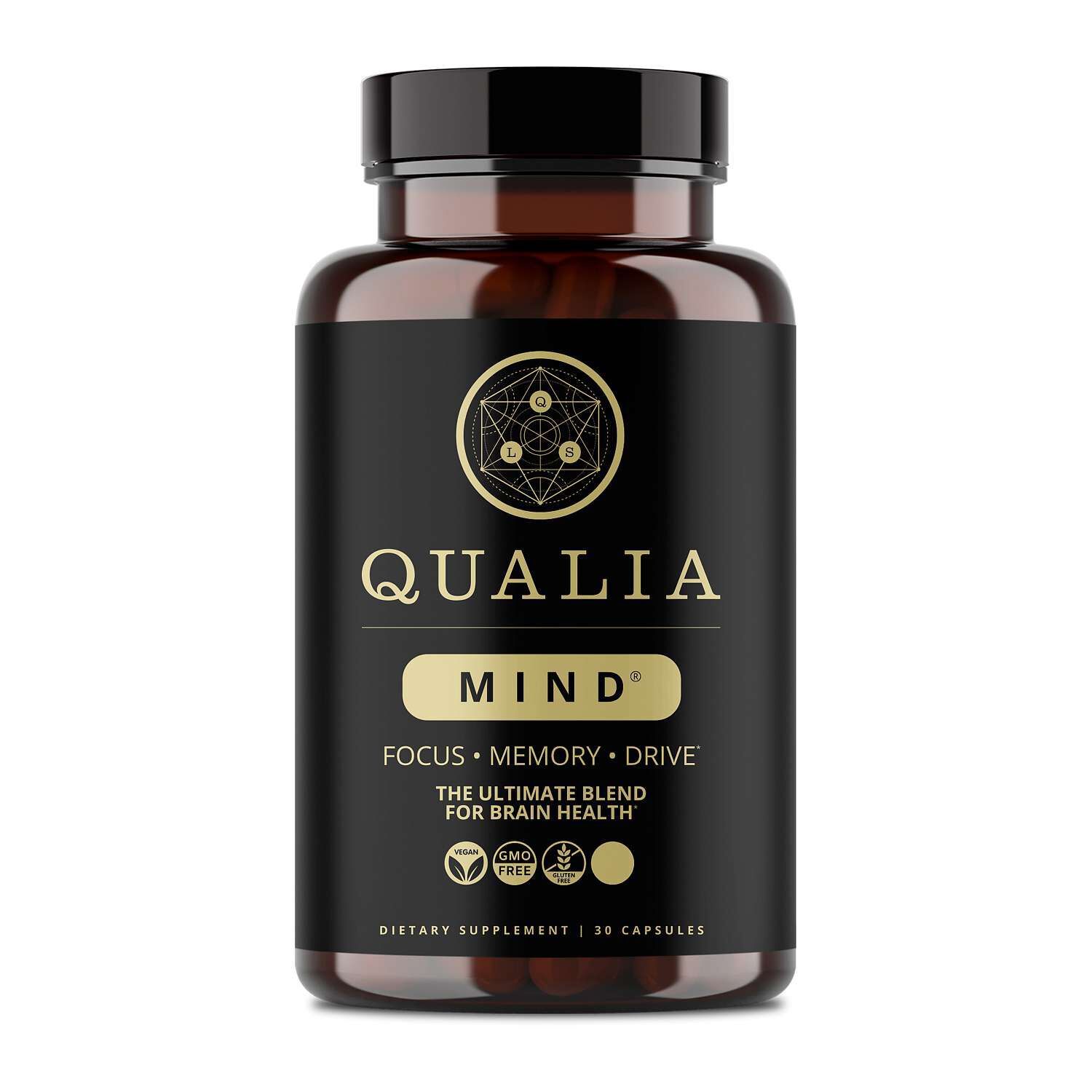


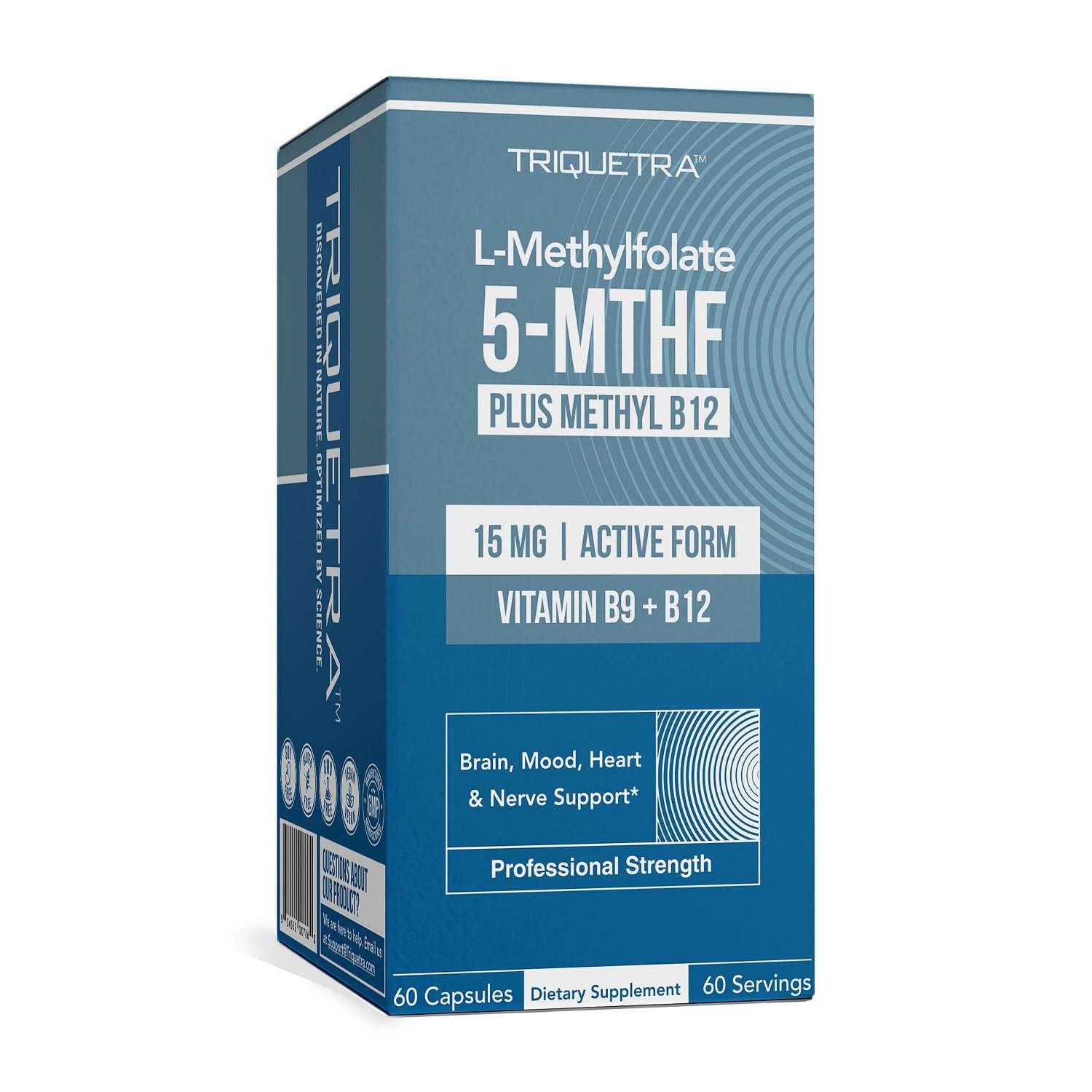

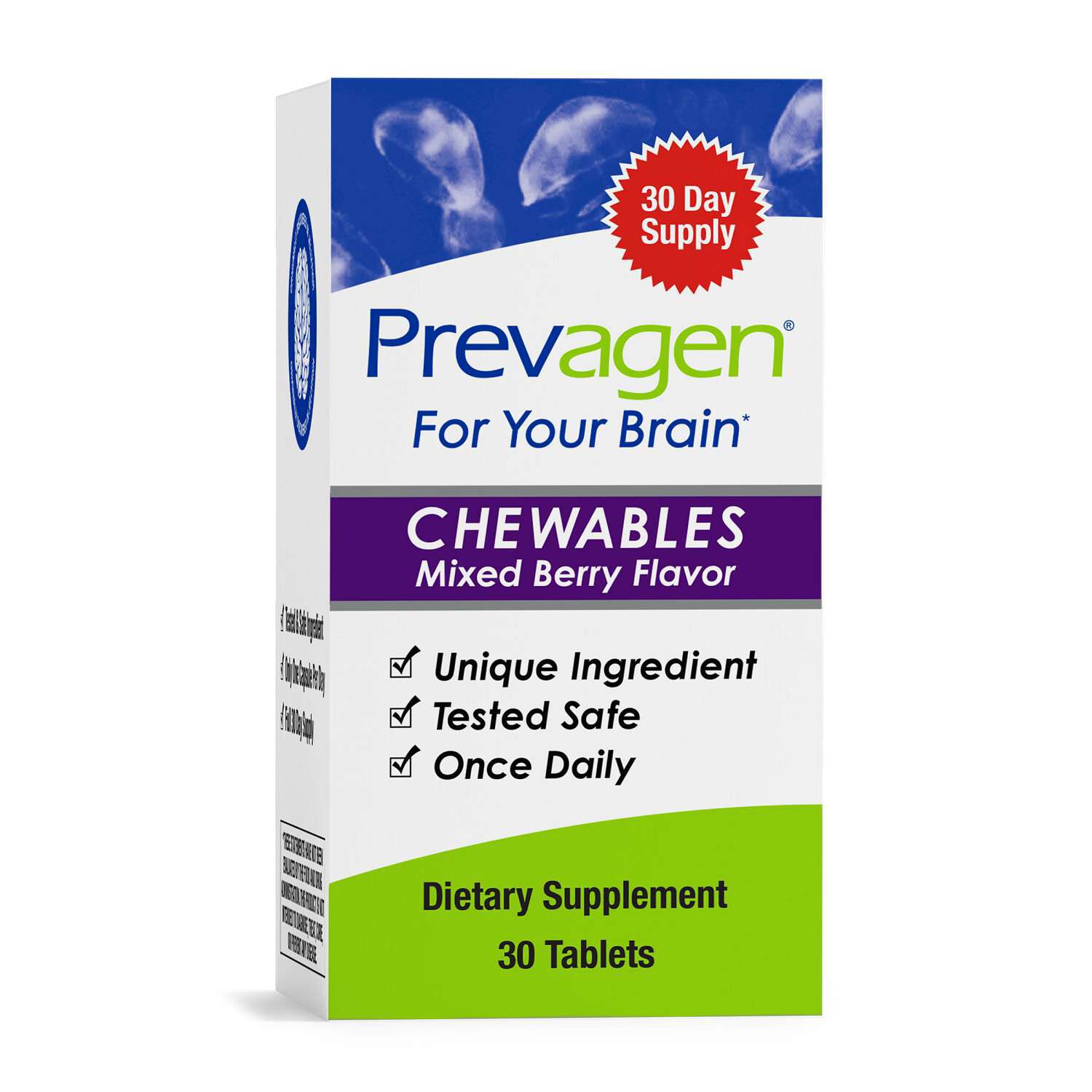
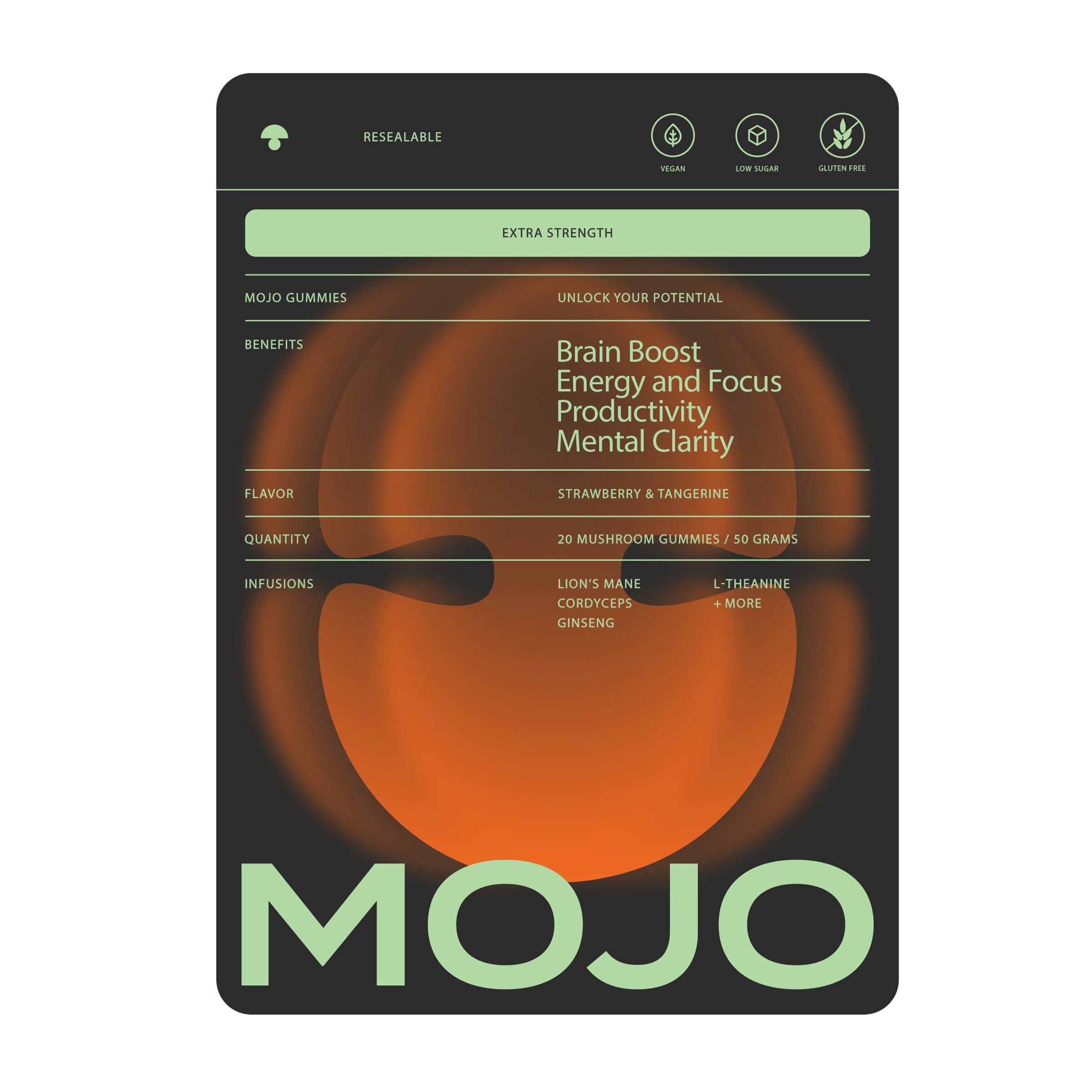
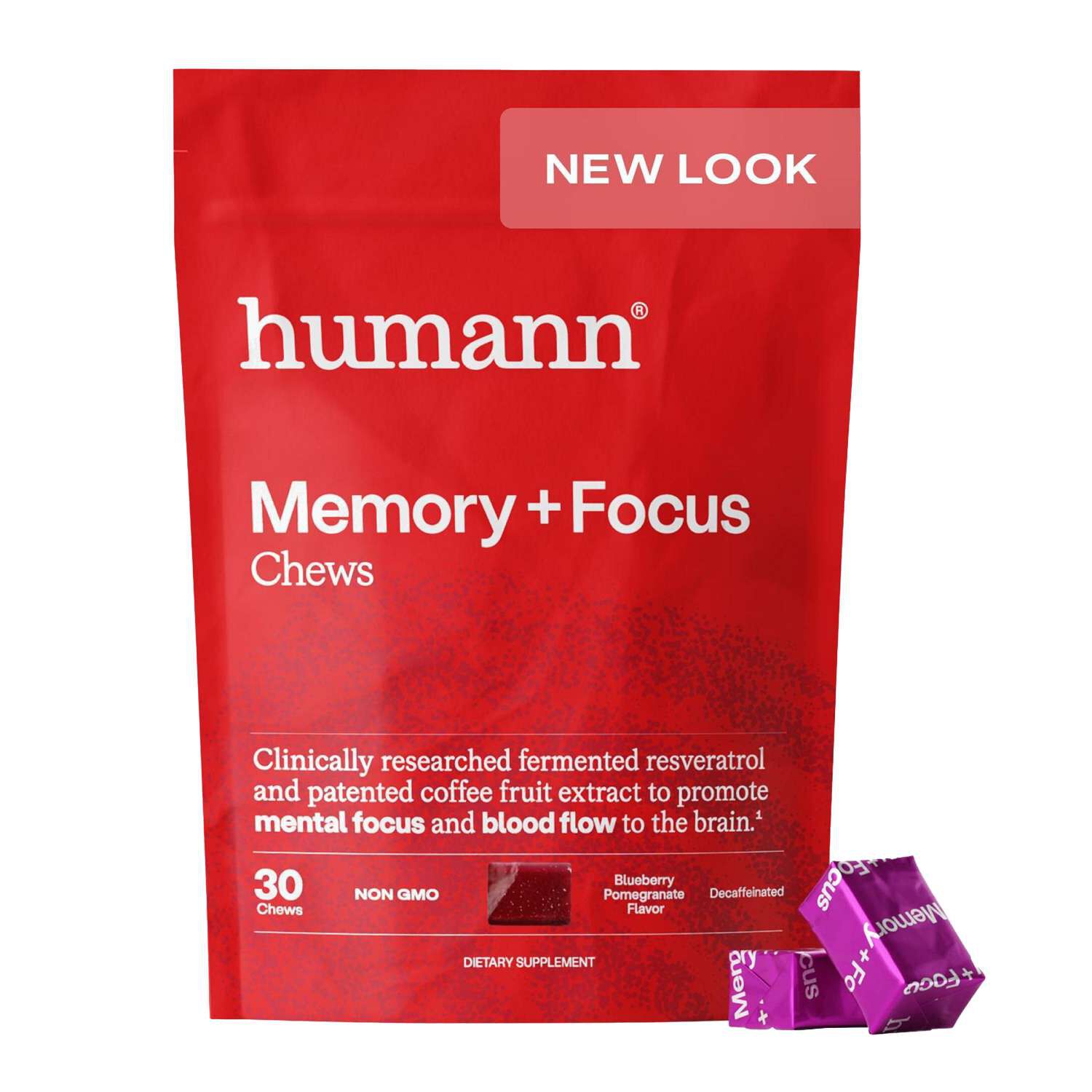


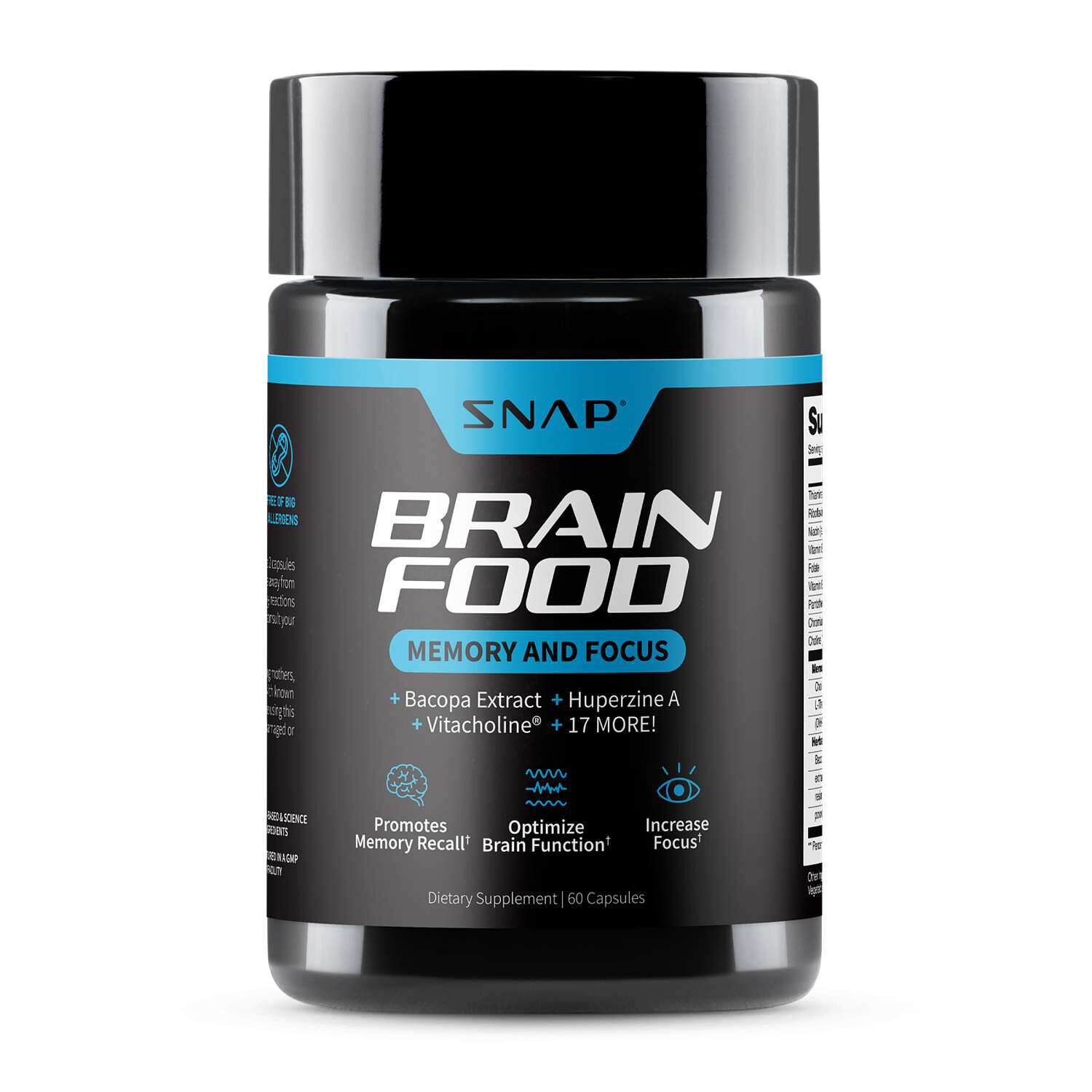

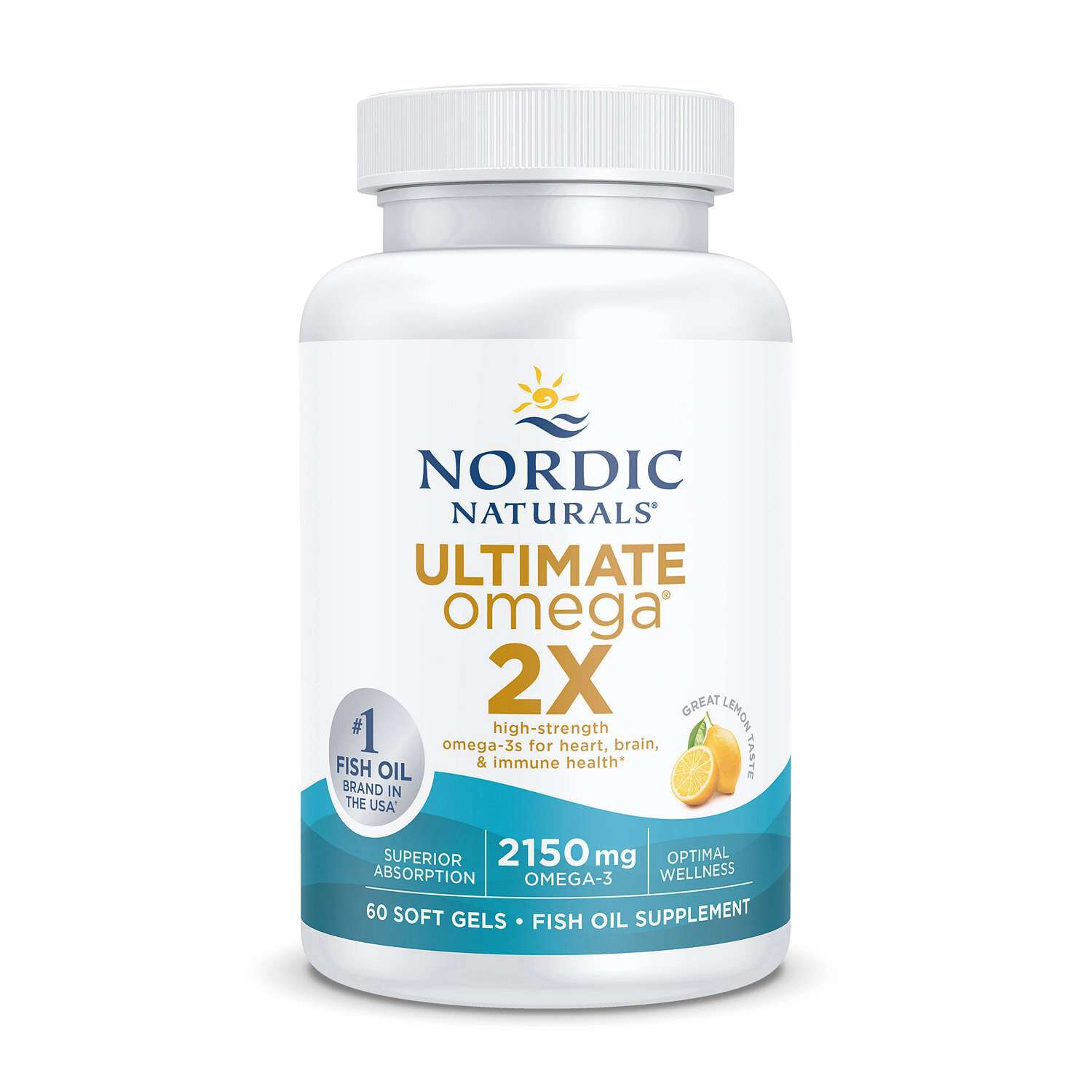
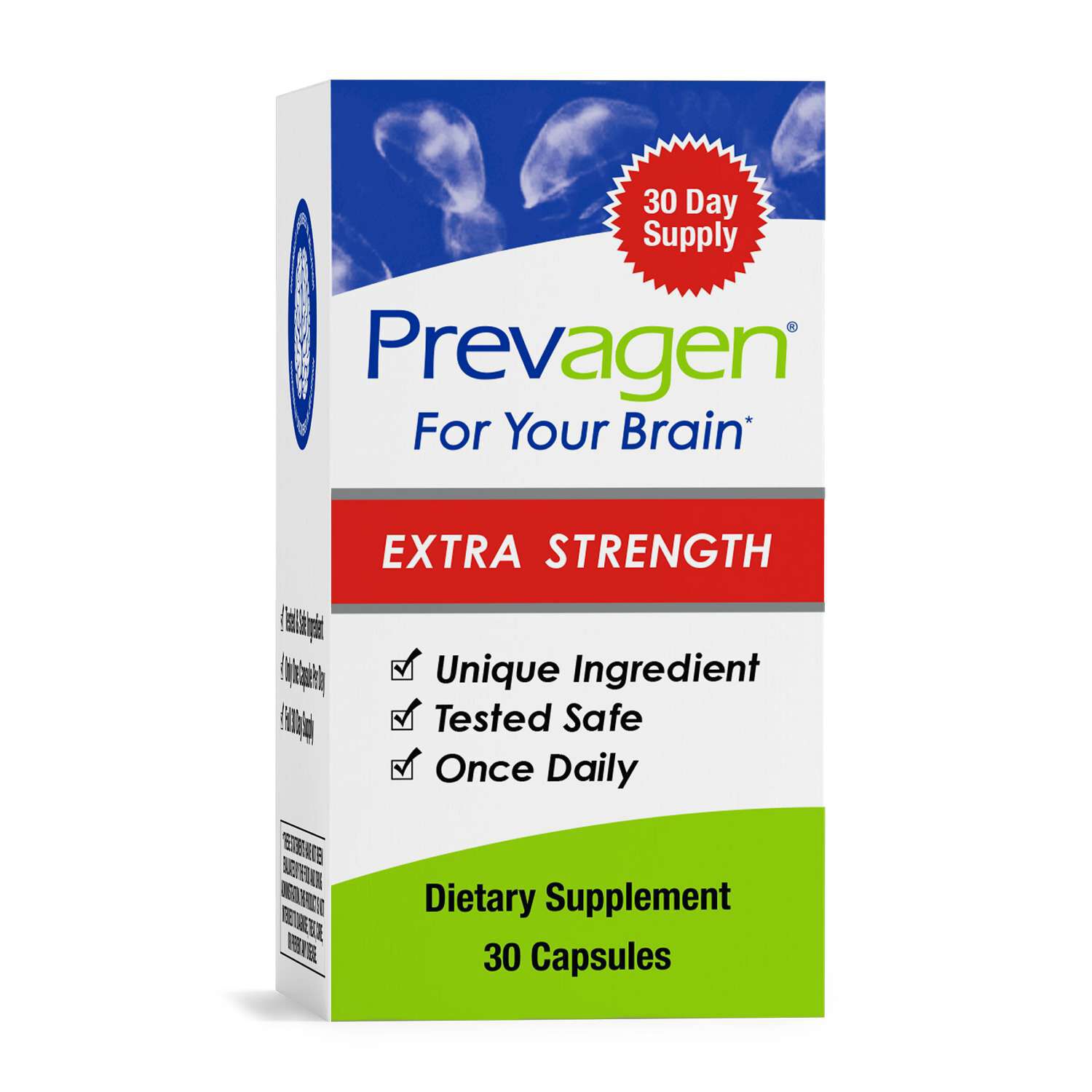

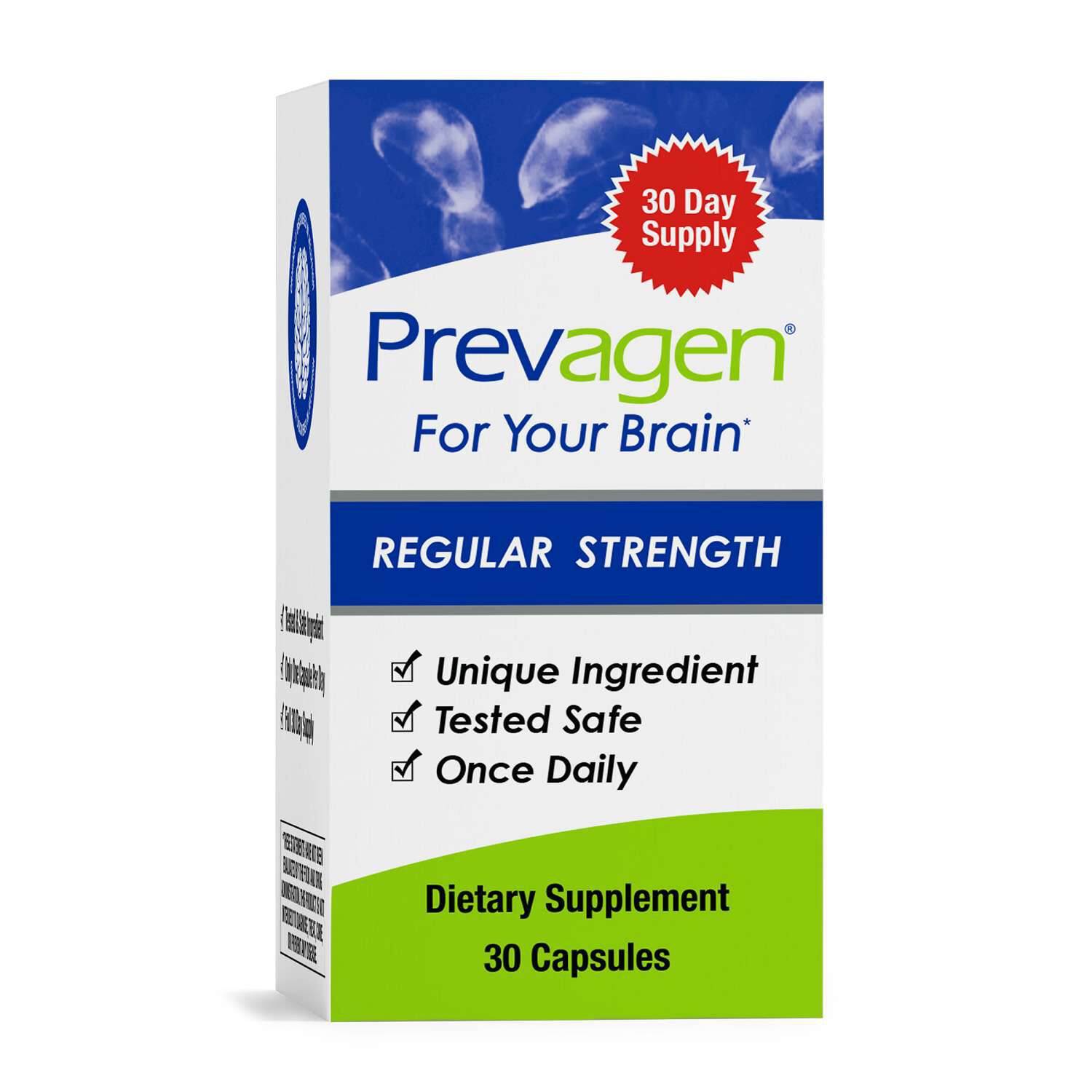
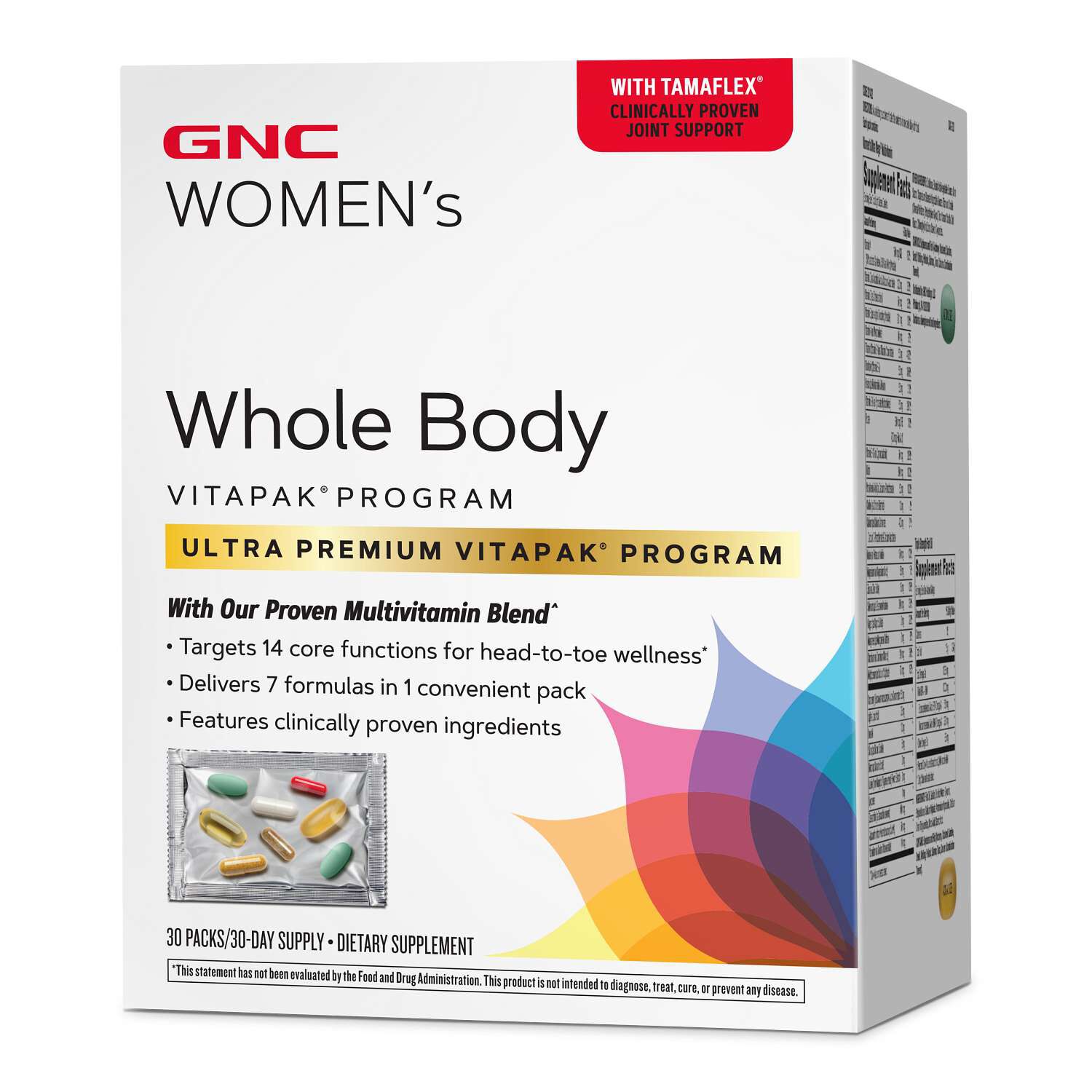
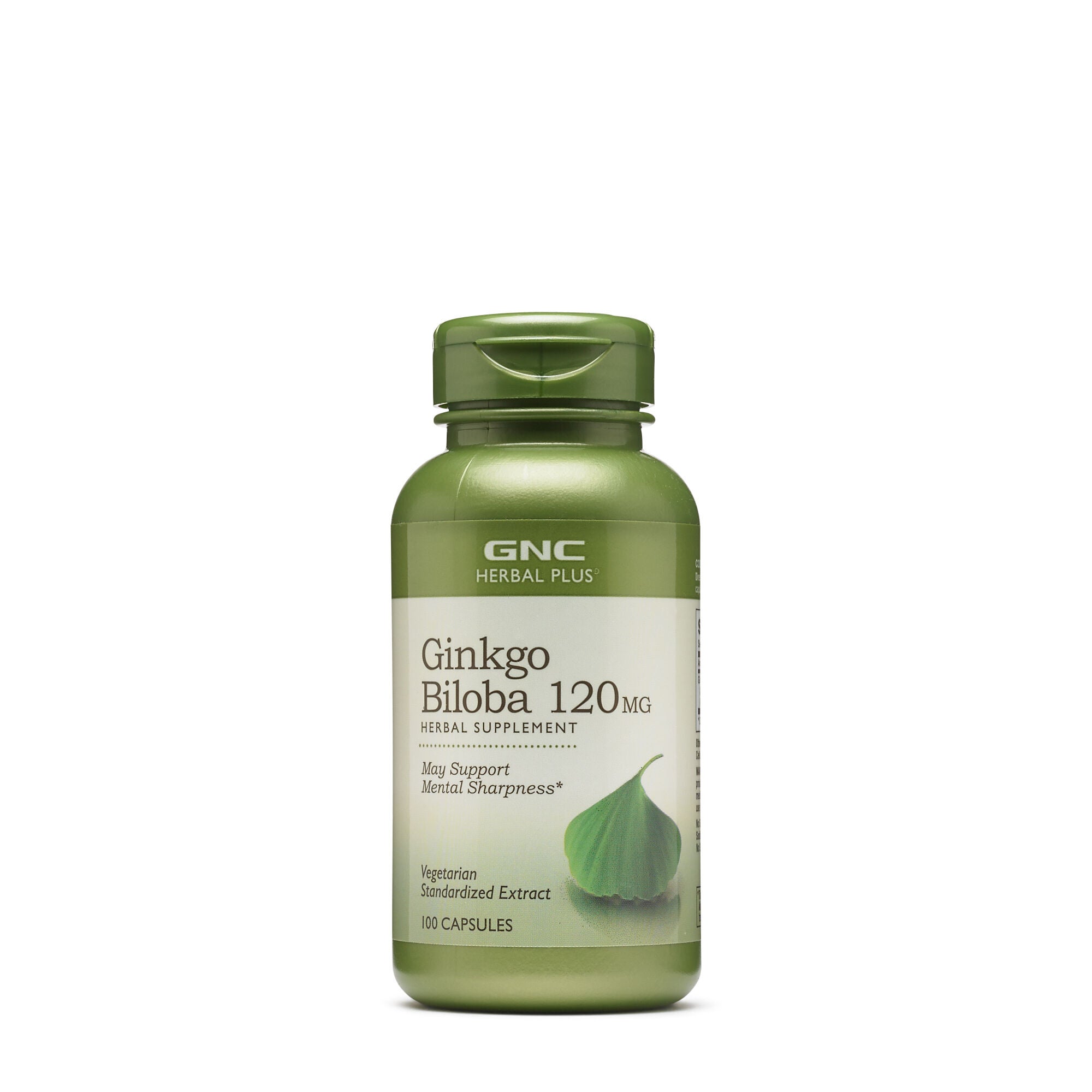
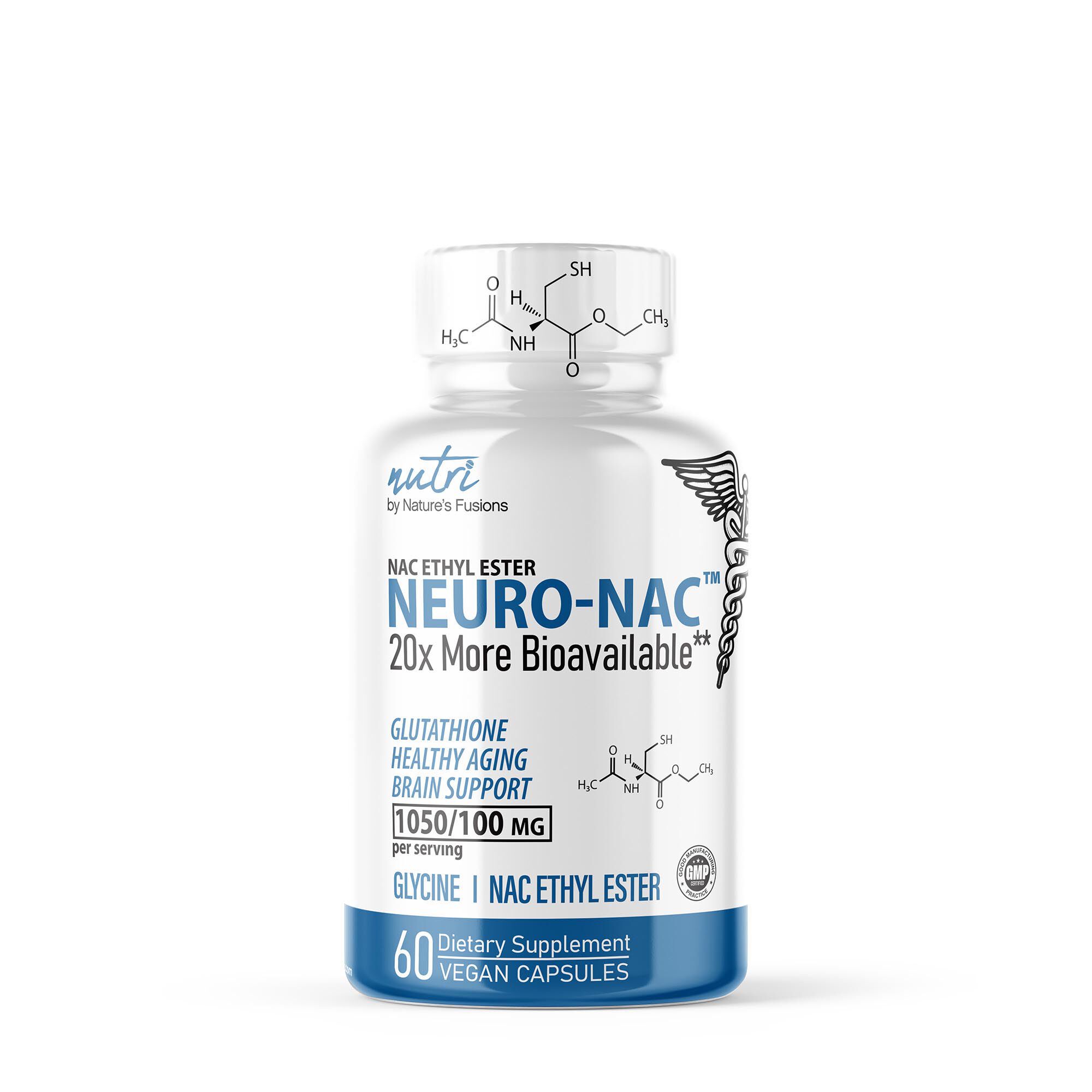

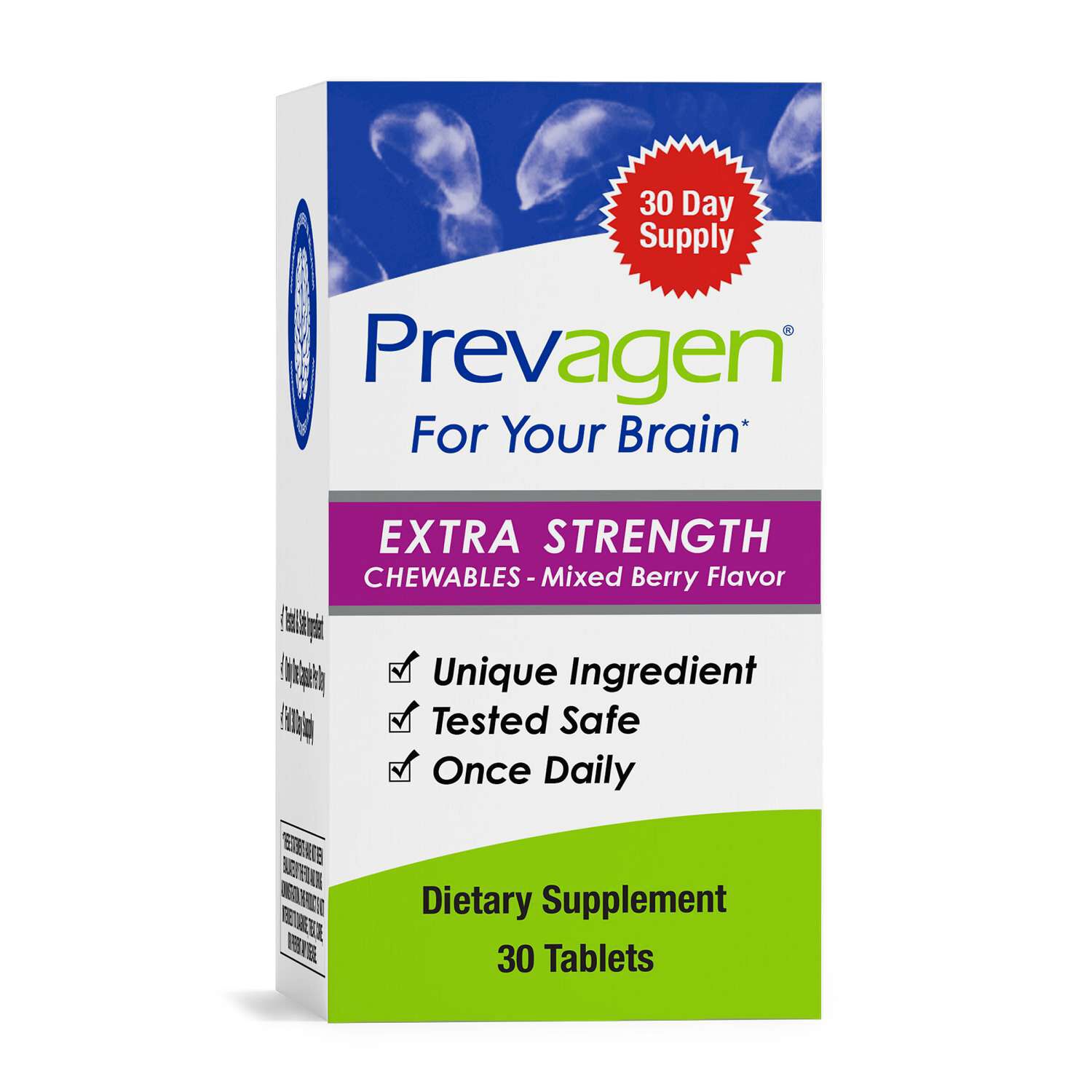
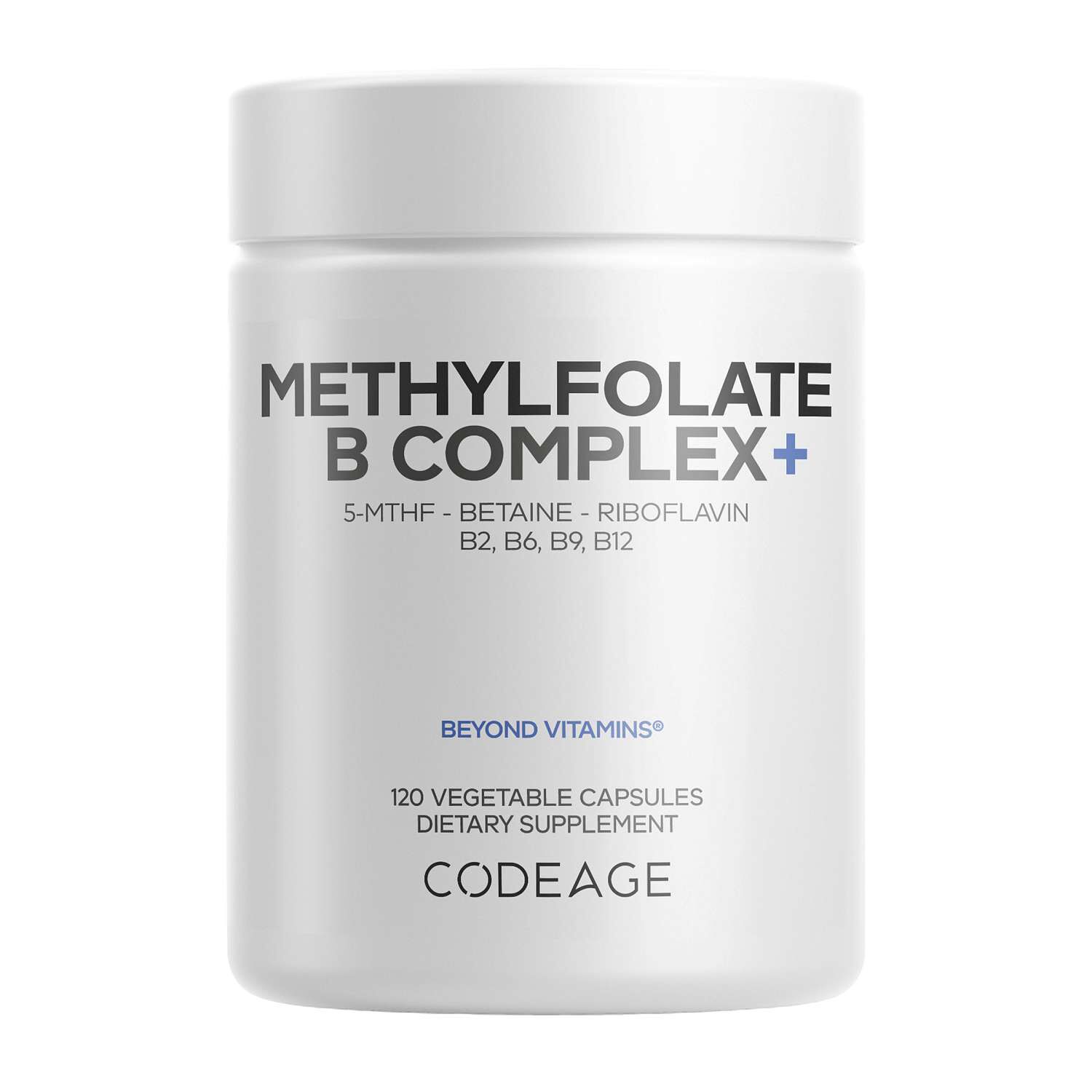
Brain health supplements for memory loss may offer a convenient way to add selected nutrients to a daily wellness routine, especially for adults who want to pay closer attention to nutrition during the cooler months and throughout the year. Products in this category may include B vitamins such as vitamin B6, vitamin B12, and folate; vitamin D; omega-3 fatty acids; and phosphatidylserine. Each ingredient has a different nutritional role, and individual results may vary based on diet, age, lifestyle, and existing nutrient intake. B vitamins may help maintain normal nerve function, while vitamin D may support general wellness when dietary intake is limited. Omega-3 fatty acids may contribute to the structure of cell membranes, and phosphatidylserine may support normal brain cell function. These supplements are not intended to cure memory loss or reverse changes in recall, and they may be most useful as part of a broader routine that includes nourishing foods, regular movement, restful sleep, and ongoing mental engagement. A varied eating pattern with leafy greens, colorful produce, beans, nuts, seeds, whole grains, and seafood may provide a wide range of nutrients that isolated supplements cannot replicate. Before choosing a formula, shoppers may want to review the Supplement Facts panel, serving size, ingredient amounts, allergen information, and any directions for use. It may also help to consider whether a one-a-day capsule, softgel, powder, liquid, or chewable format fits naturally into the person’s routine. Someone who already takes several vitamins may prefer a focused formula that avoids unnecessary duplication, while another shopper may appreciate a broader combination for added convenience. People with dietary restrictions may want to look for vegetarian, vegan, fish-free, or gelatin-free options when available. Those who take prescription products or manage an ongoing health concern should speak with a qualified healthcare professional before adding a new supplement, since ingredients may not be appropriate for everyone. A professional may also help determine whether a nutrient shortfall is present and whether a particular product fits the individual’s needs. New, persistent, or worsening memory changes deserve personal attention from a healthcare professional, particularly when they affect everyday activities, communication, or familiar routines.
These products may suit adults who want to organize their nutrition around memory wellness, family members looking for a thoughtful addition to a care package, or gift-givers seeking a practical wellness item for a parent, grandparent, partner, or friend. A supplement can feel especially considerate when paired with a simple routine: placing the bottle beside a morning beverage, keeping a weekly organizer in a visible spot, or taking it with a meal according to the label. A dependable habit may be easier to maintain than an ambitious plan, much like leaving a favorite book on the bedside table makes it more likely to be opened. During late summer, a portable format may fit easily into a travel bag or desk drawer; as the weather cools, a clearly labeled container may make daily routines feel more settled at home. Shoppers comparing brain health supplements for memory loss may also explore the selection of Brain Health Supplements For Mental Performance when their goals include focus, alertness, or staying engaged with work, reading, hobbies, and everyday tasks. It is useful to approach all such products with realistic expectations: supplements may complement a balanced lifestyle, but they may not replace meals, sleep, physical activity, social connection, or professional guidance. Gentle movement, learning a new skill, reading, music, puzzles, and meaningful conversations may help keep a daily routine varied and engaging. Sleep may also support the body’s natural overnight restoration processes, while hydration and regular meals may help maintain steady energy for ordinary activities. For a gift, consider the recipient’s preferred format, dietary preferences, schedule, and familiarity with supplements rather than choosing solely by package appearance. A product with clear directions and a manageable serving size may be easier to use consistently. When memory concerns are new or noticeably different, a healthcare professional may help identify possible contributing factors and determine an appropriate next step. Careful product selection, honest expectations, and a routine that feels comfortable may make brain wellness supplements a practical part of a broader approach to everyday wellbeing.