





Brain Health Supplements For Long Term Memory
(0 Results)
Unlock the potential of a sharper mind with brain health supplements for long term memory. These supplements might support cognitive function and may help maintain mental clarity as you navigate through daily challenges. Whether you're looking to stay focused at work or keep your mind agile as you age, these products could be a valuable addition to your wellness routine. Explore a range of options that might nurture your brain health, encouraging optimal performance and potentially enhancing your memory over time.
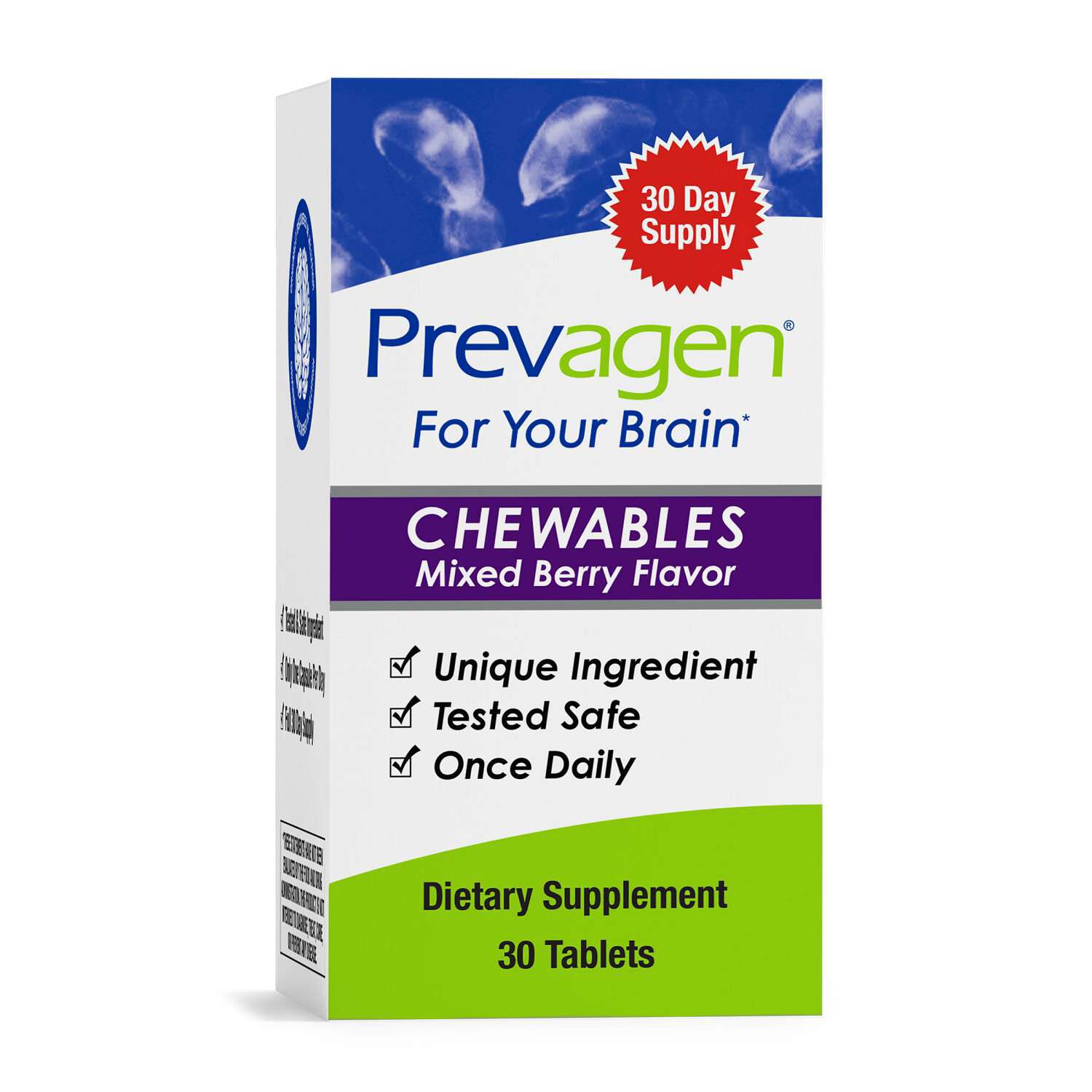
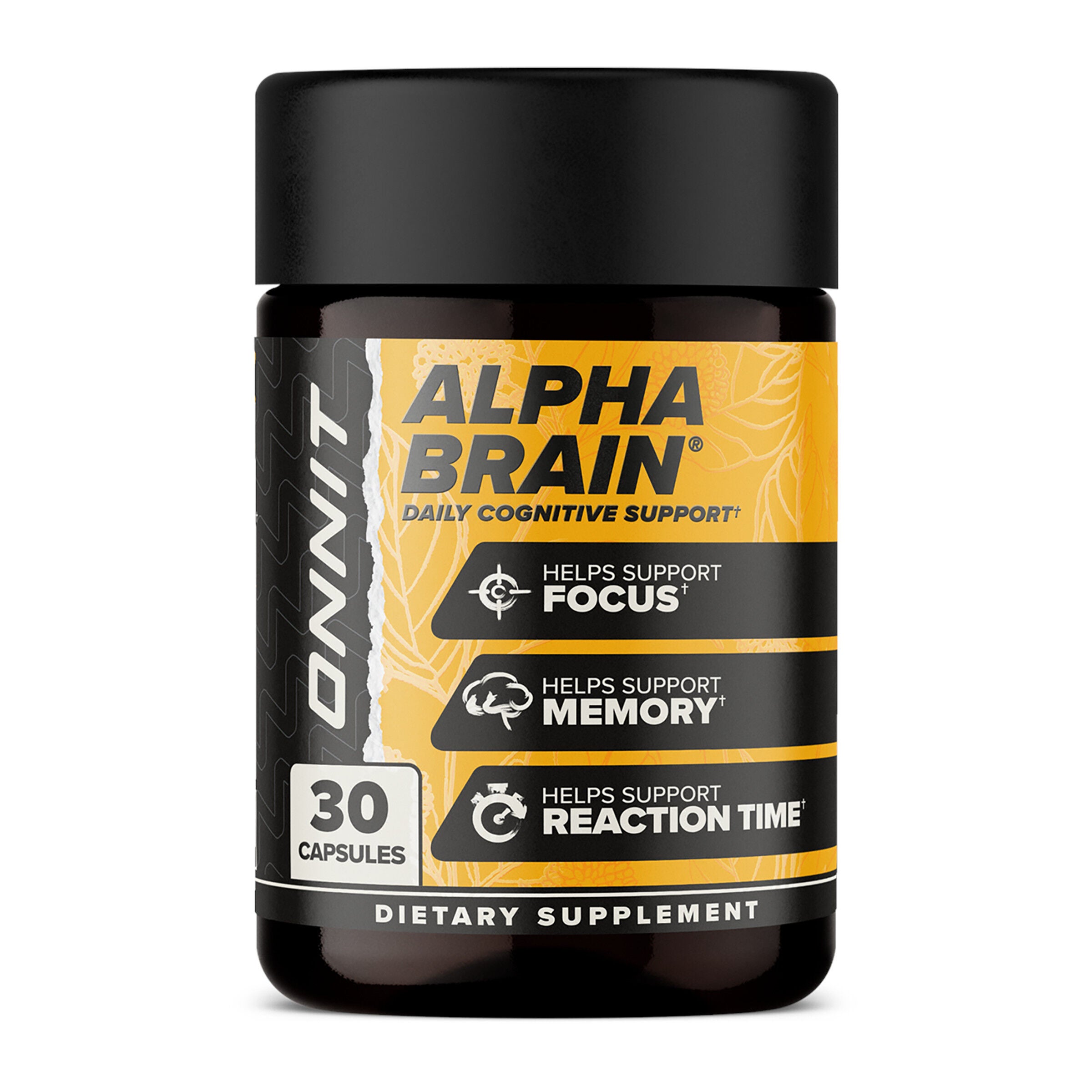
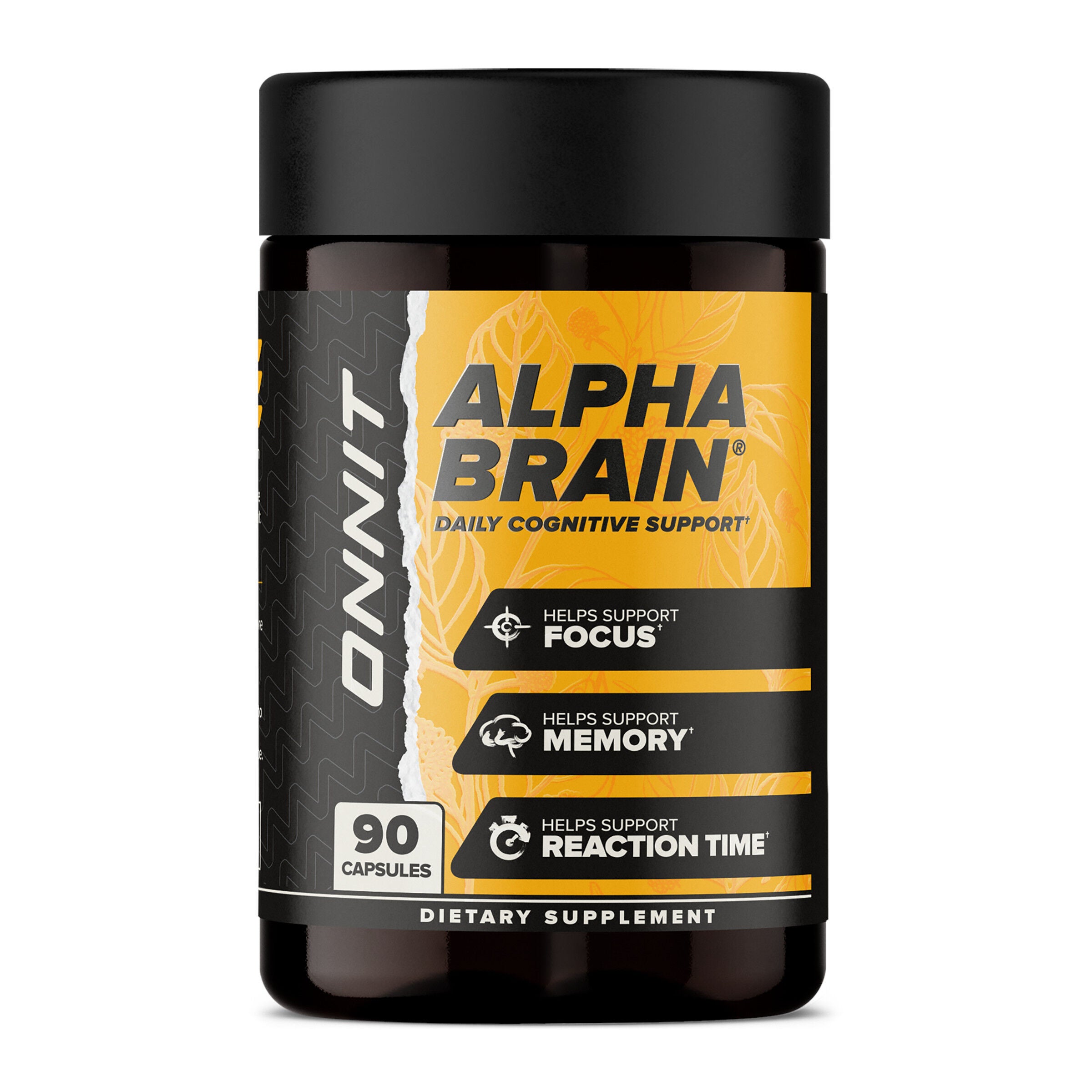
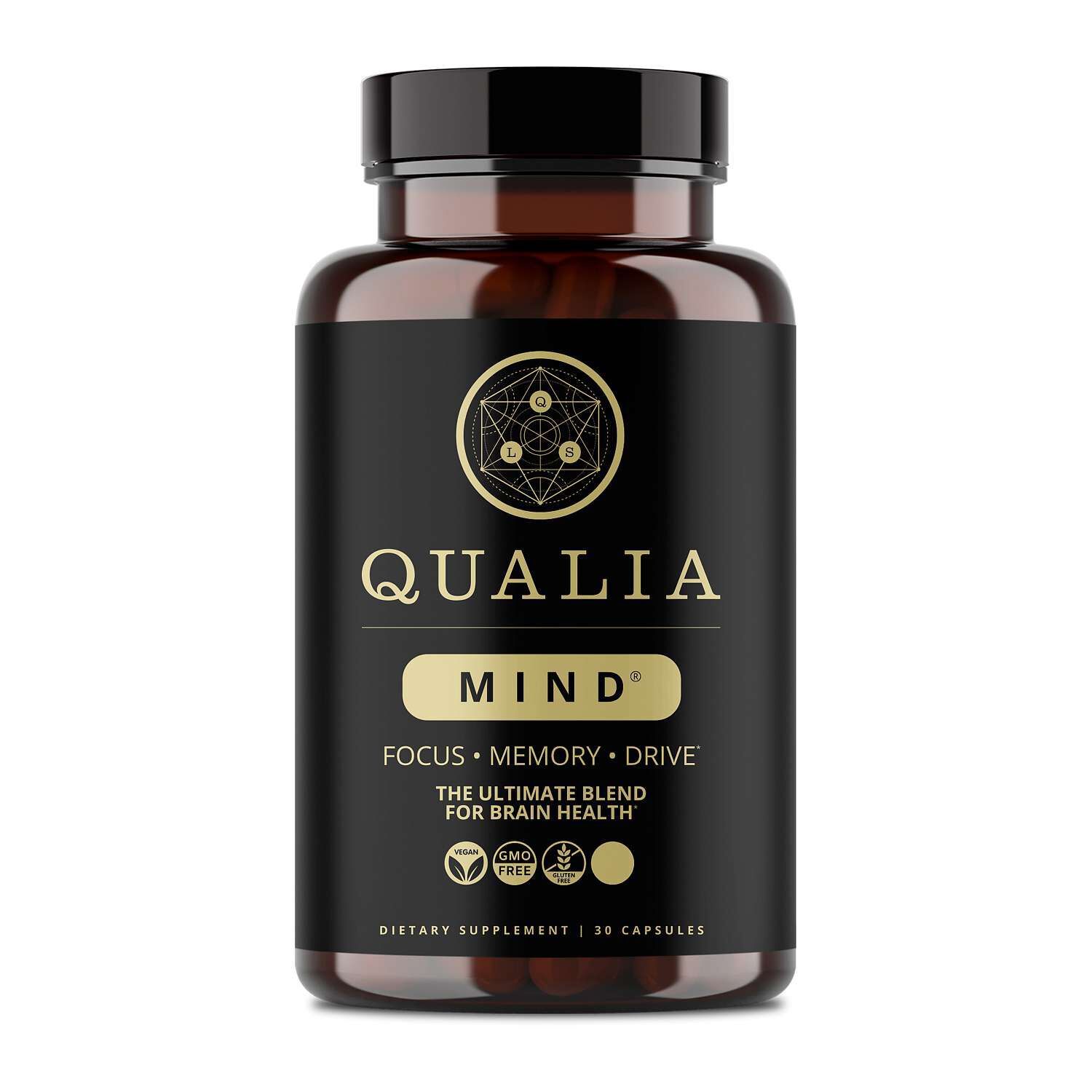


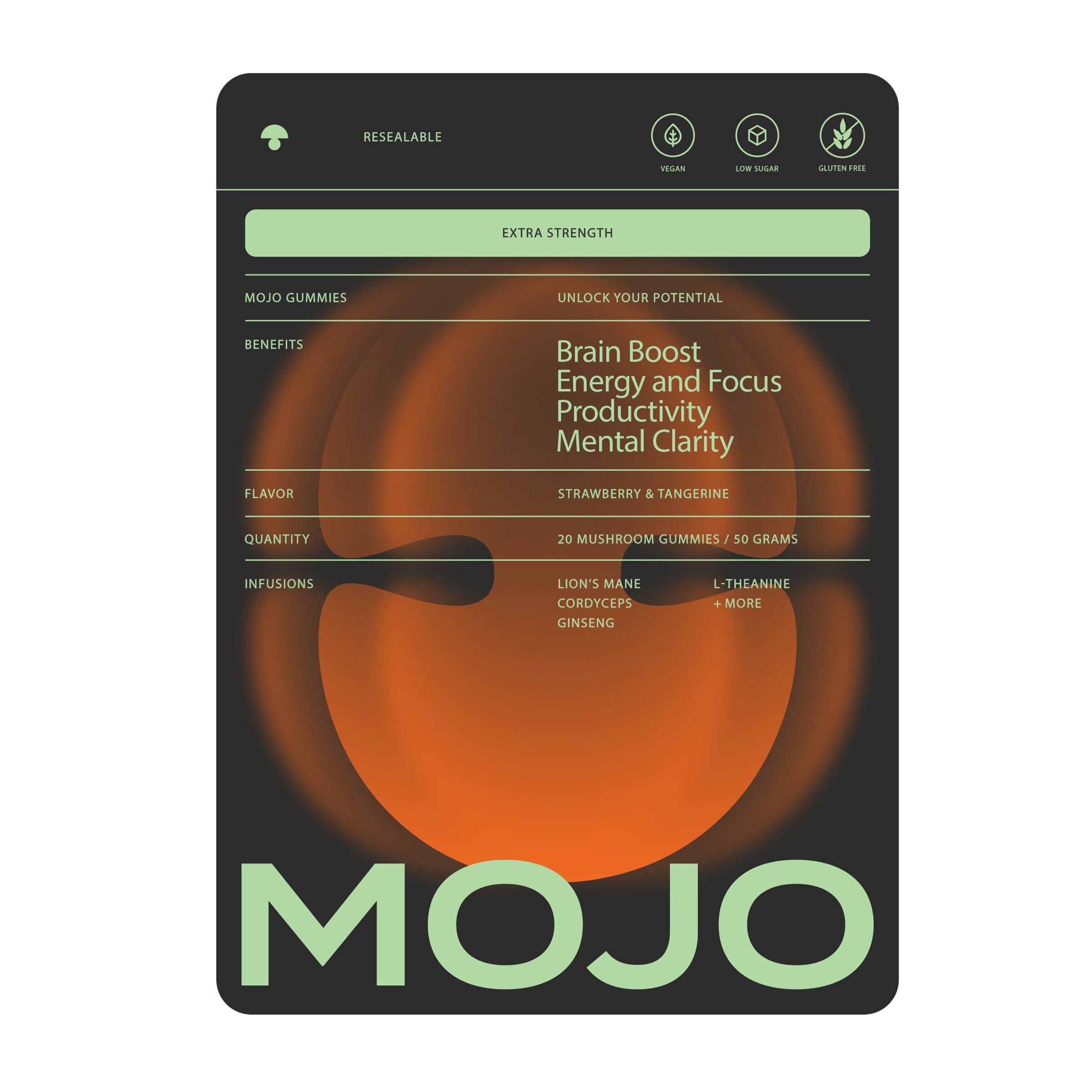
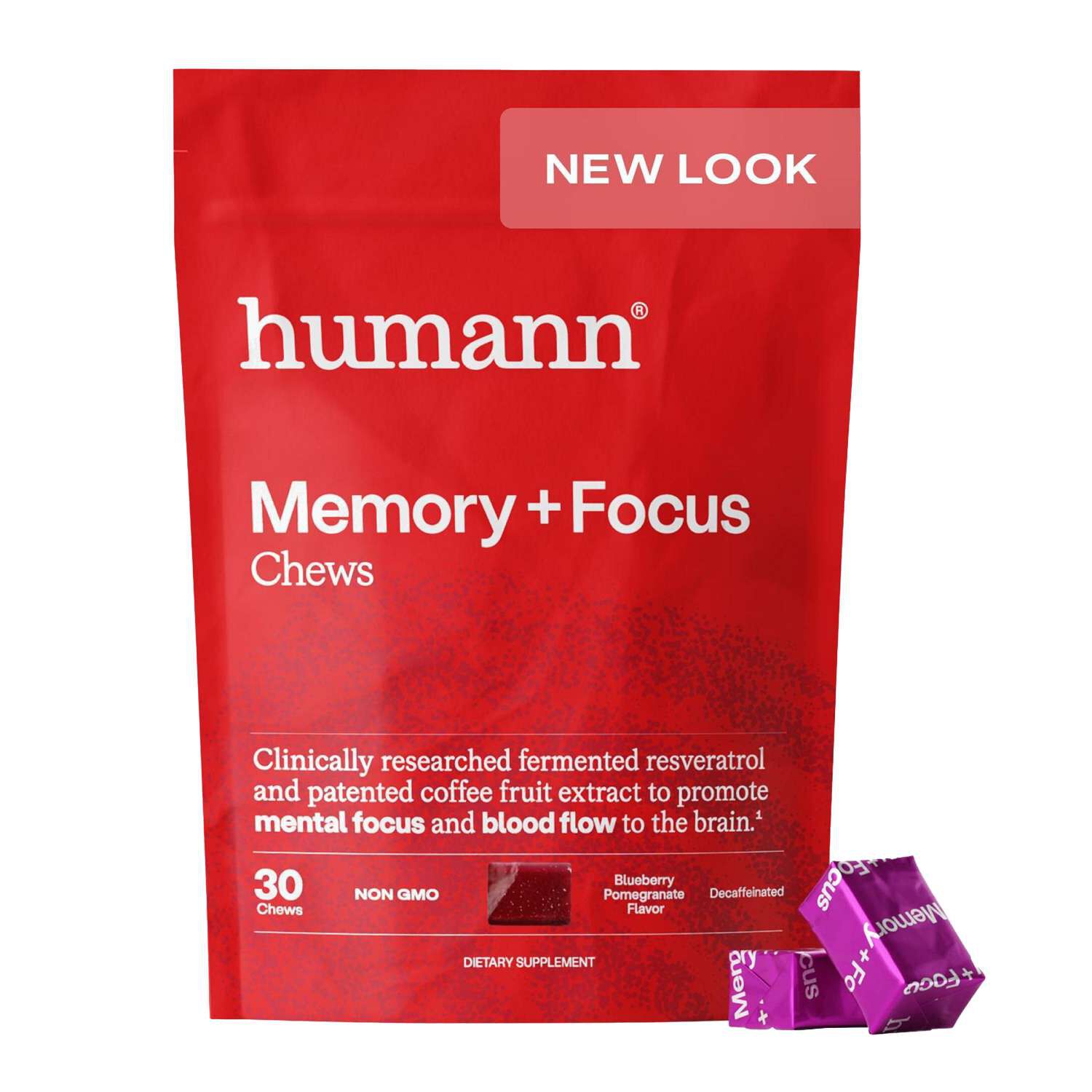
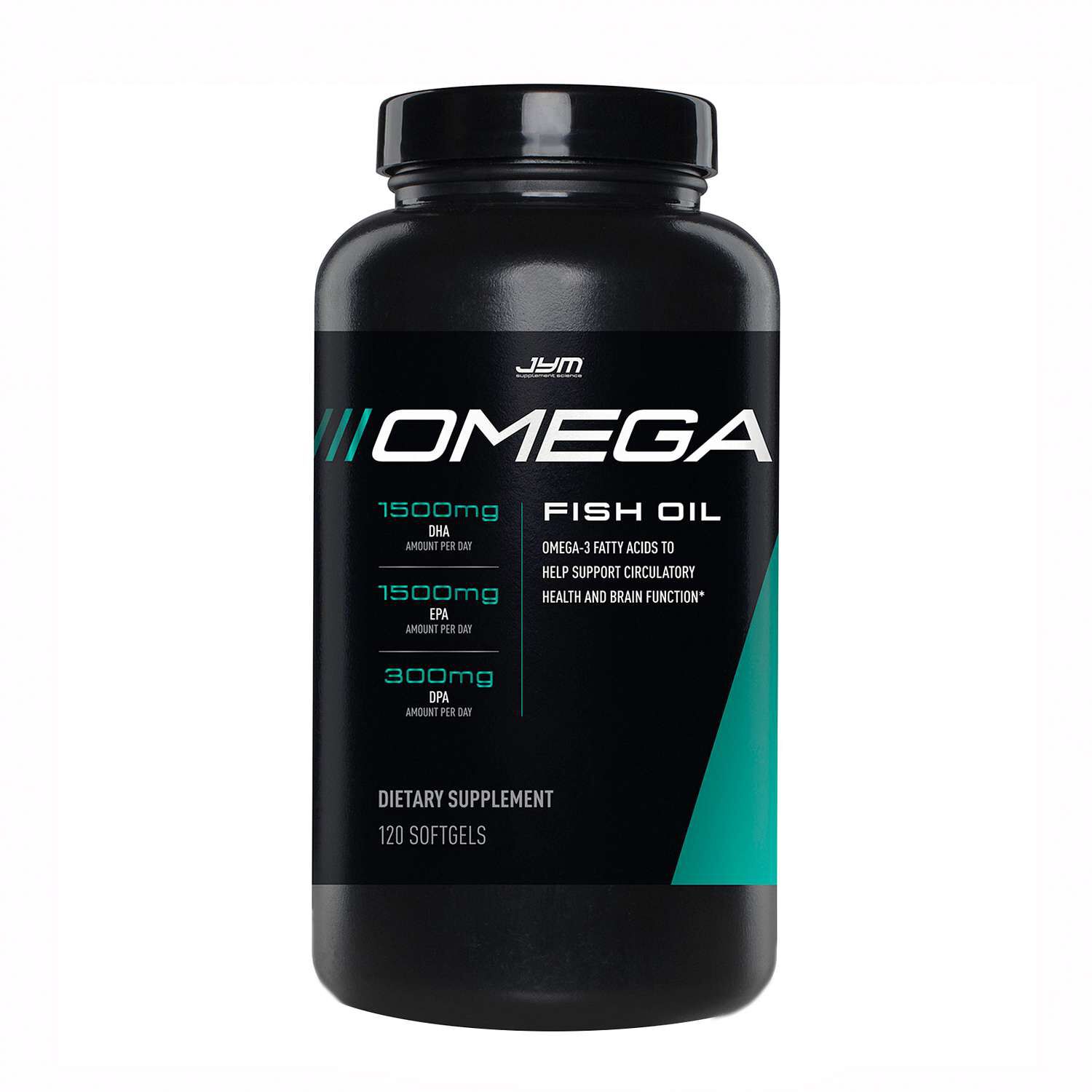

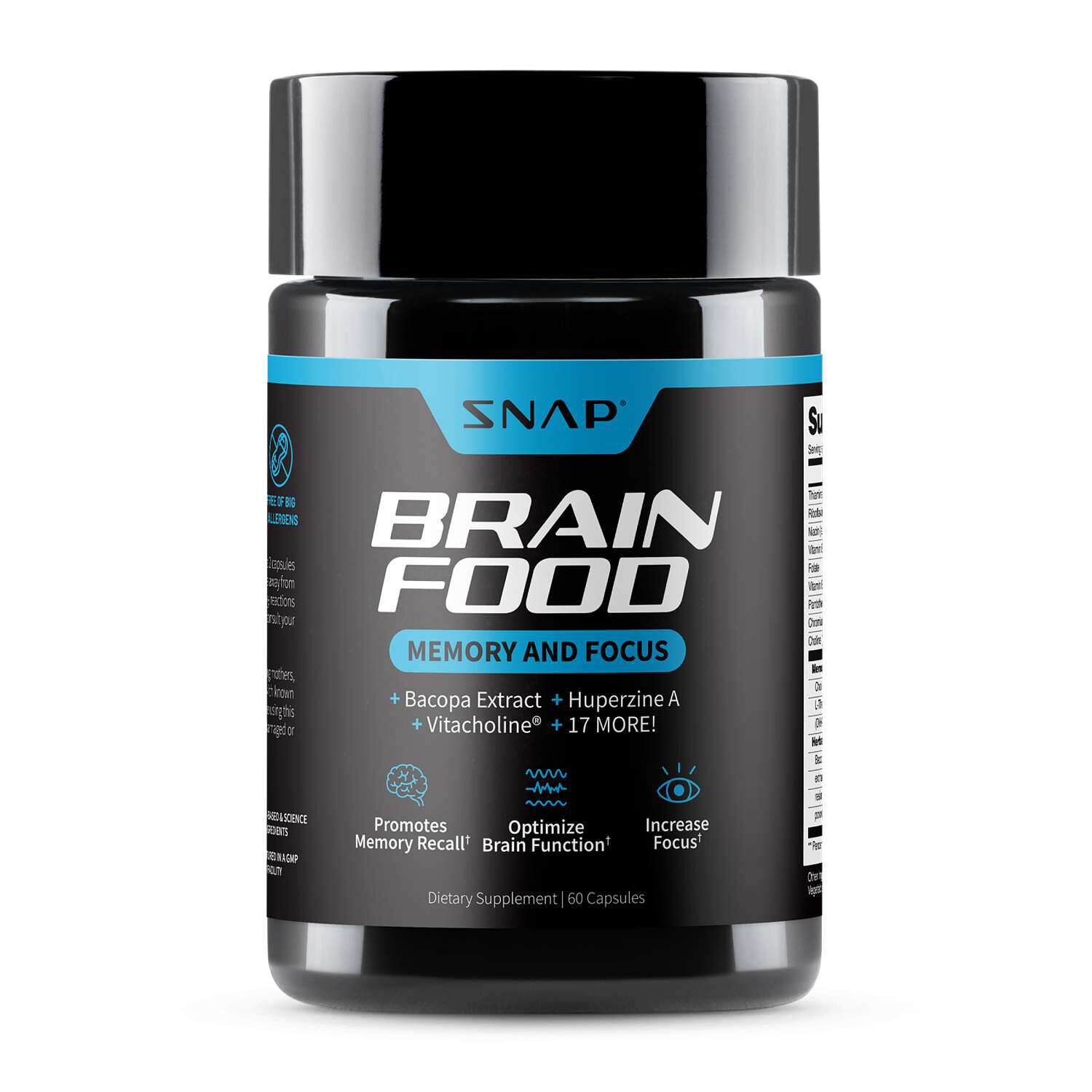
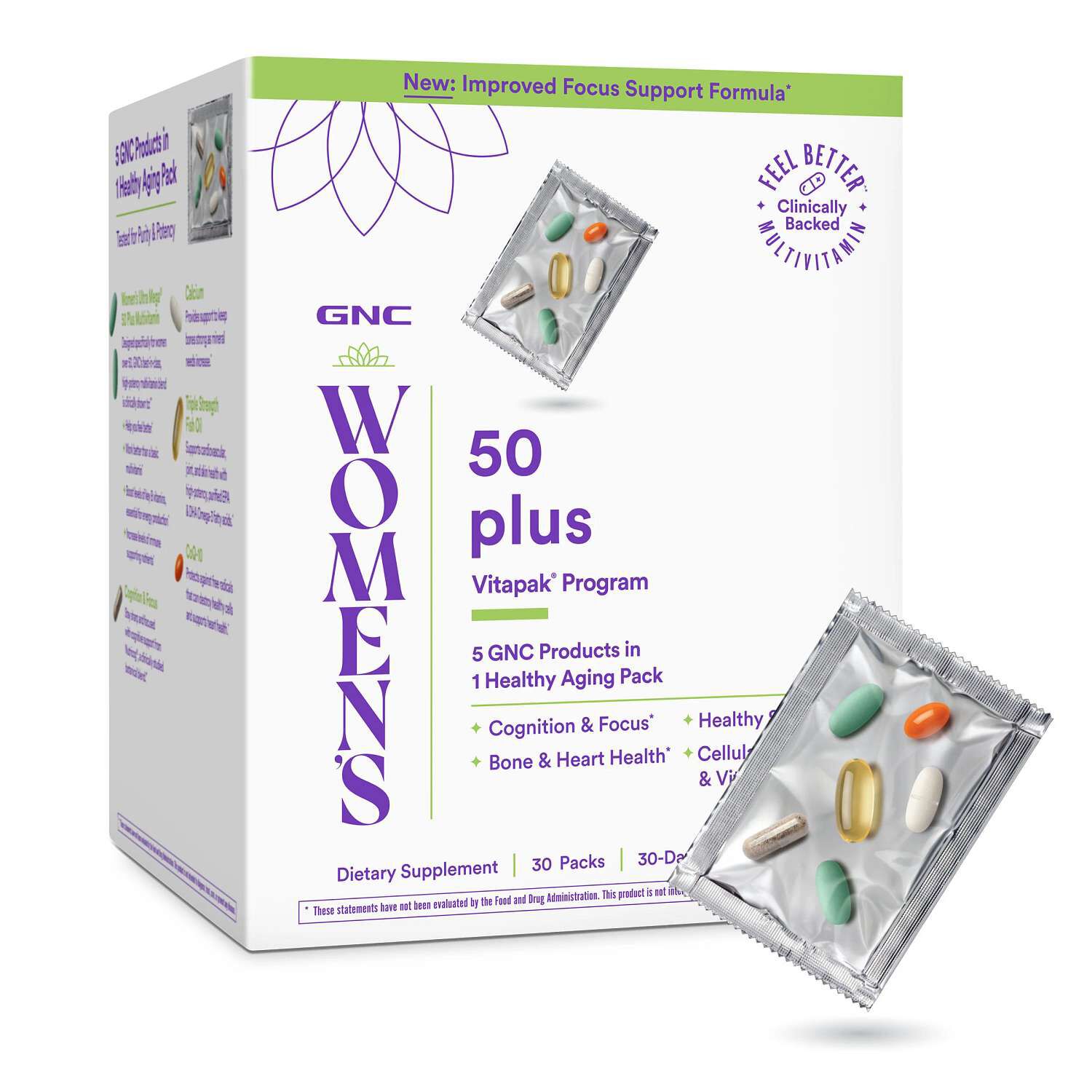
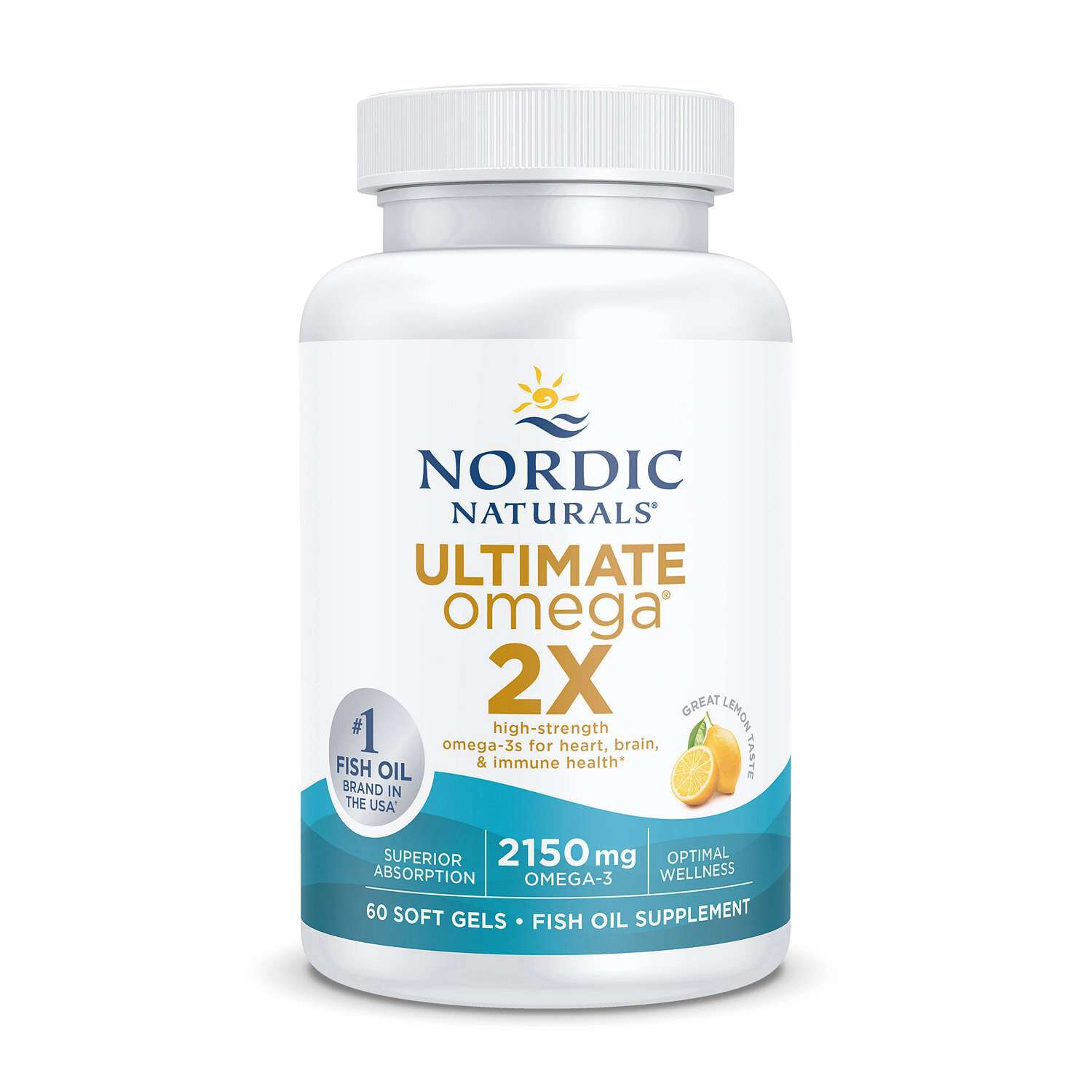
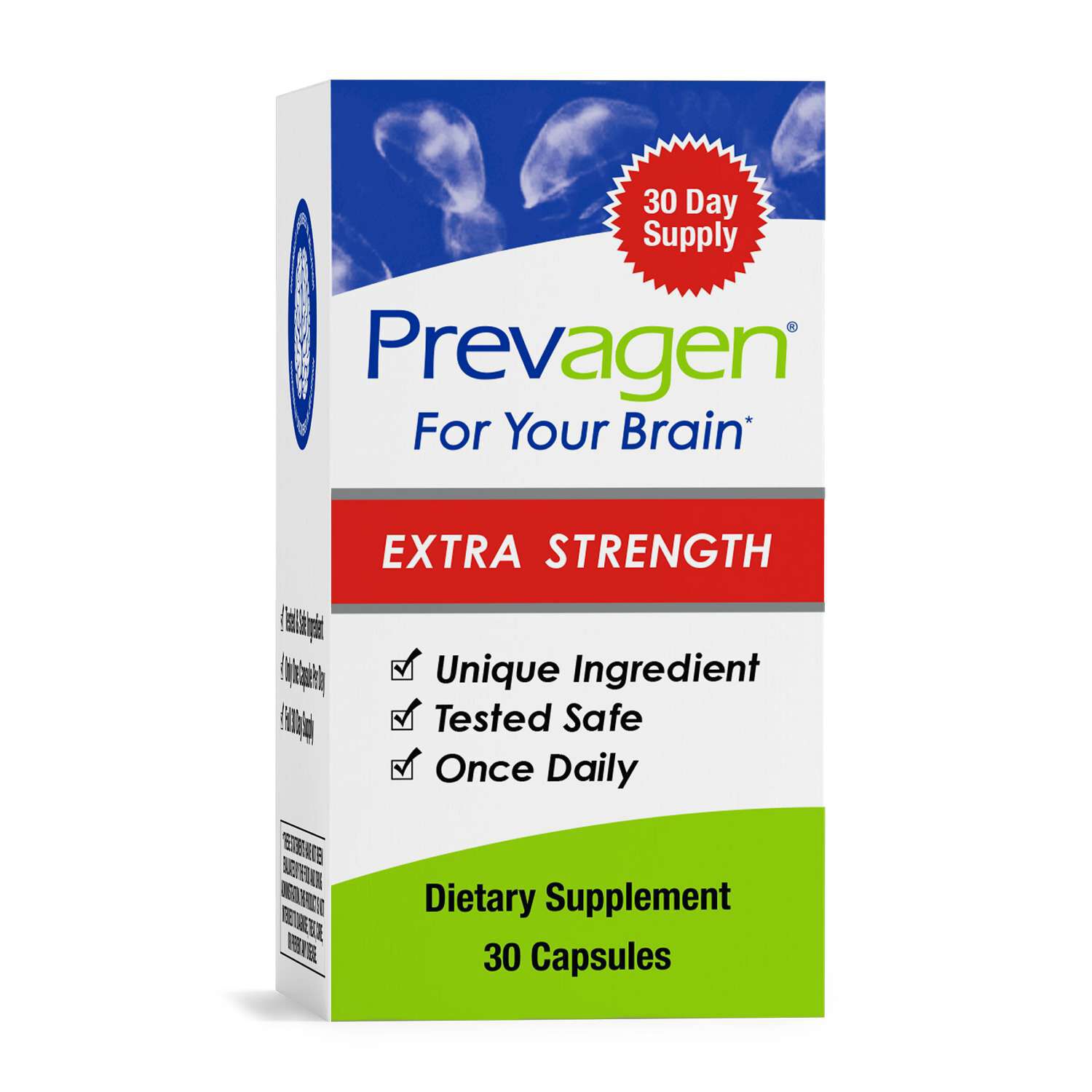

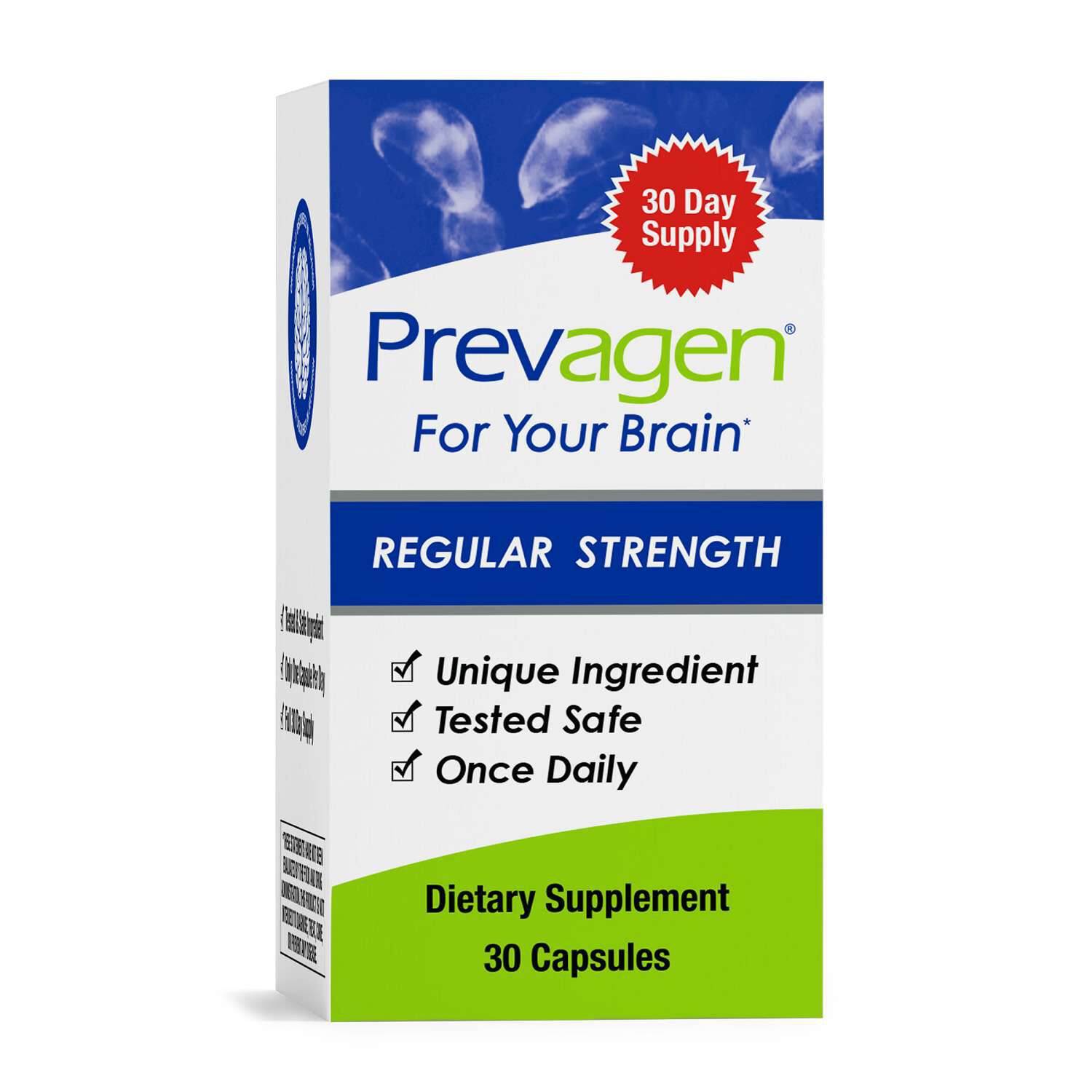
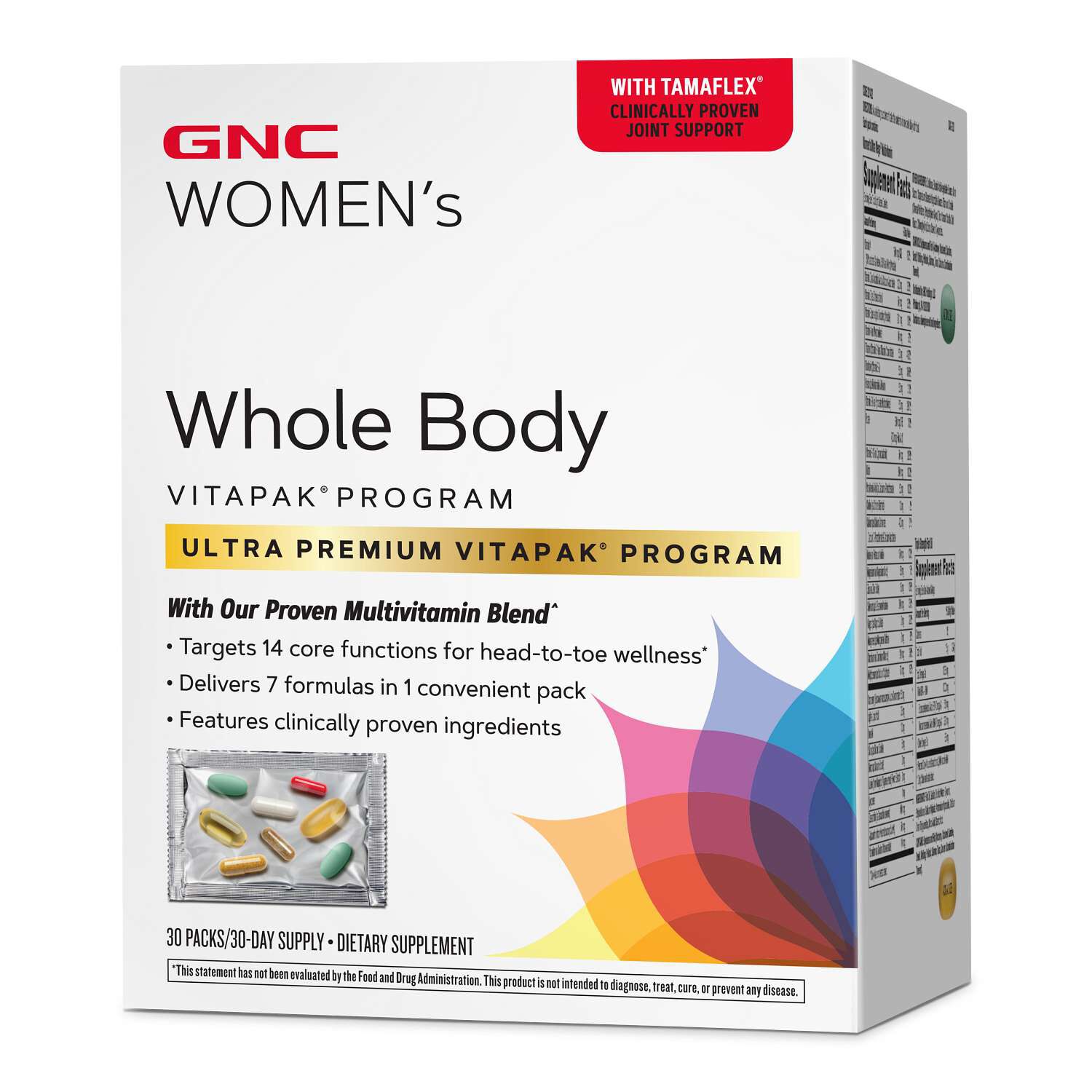

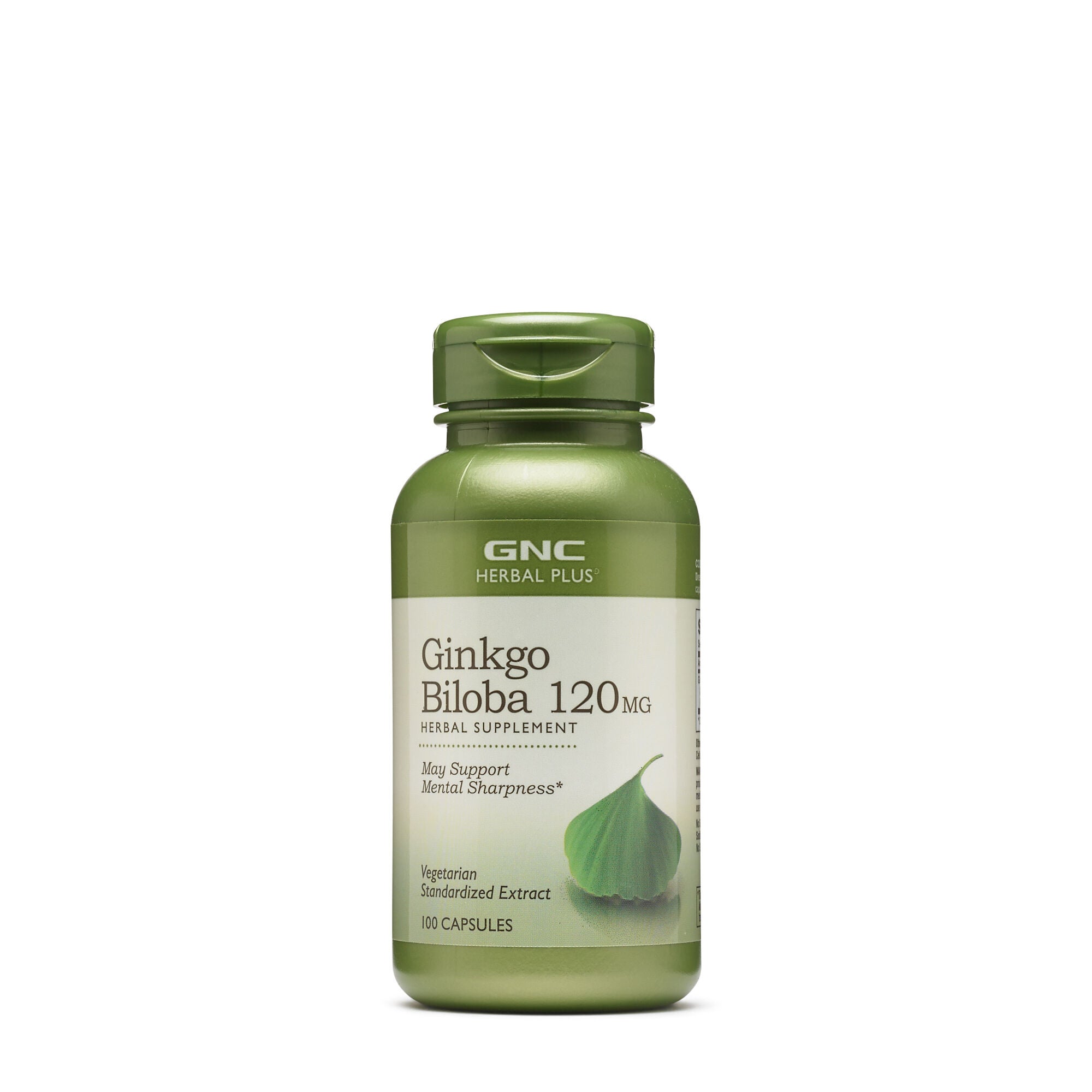
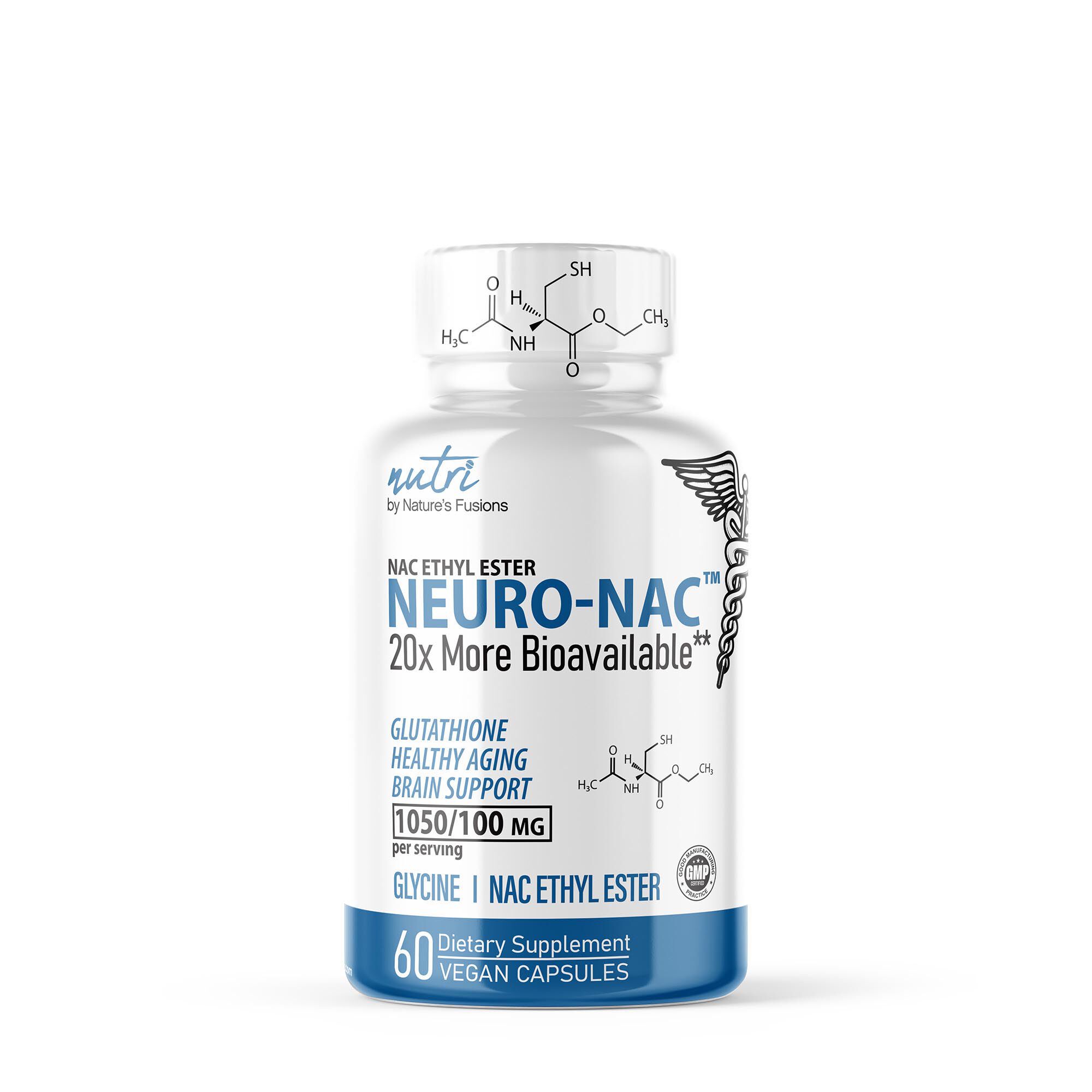
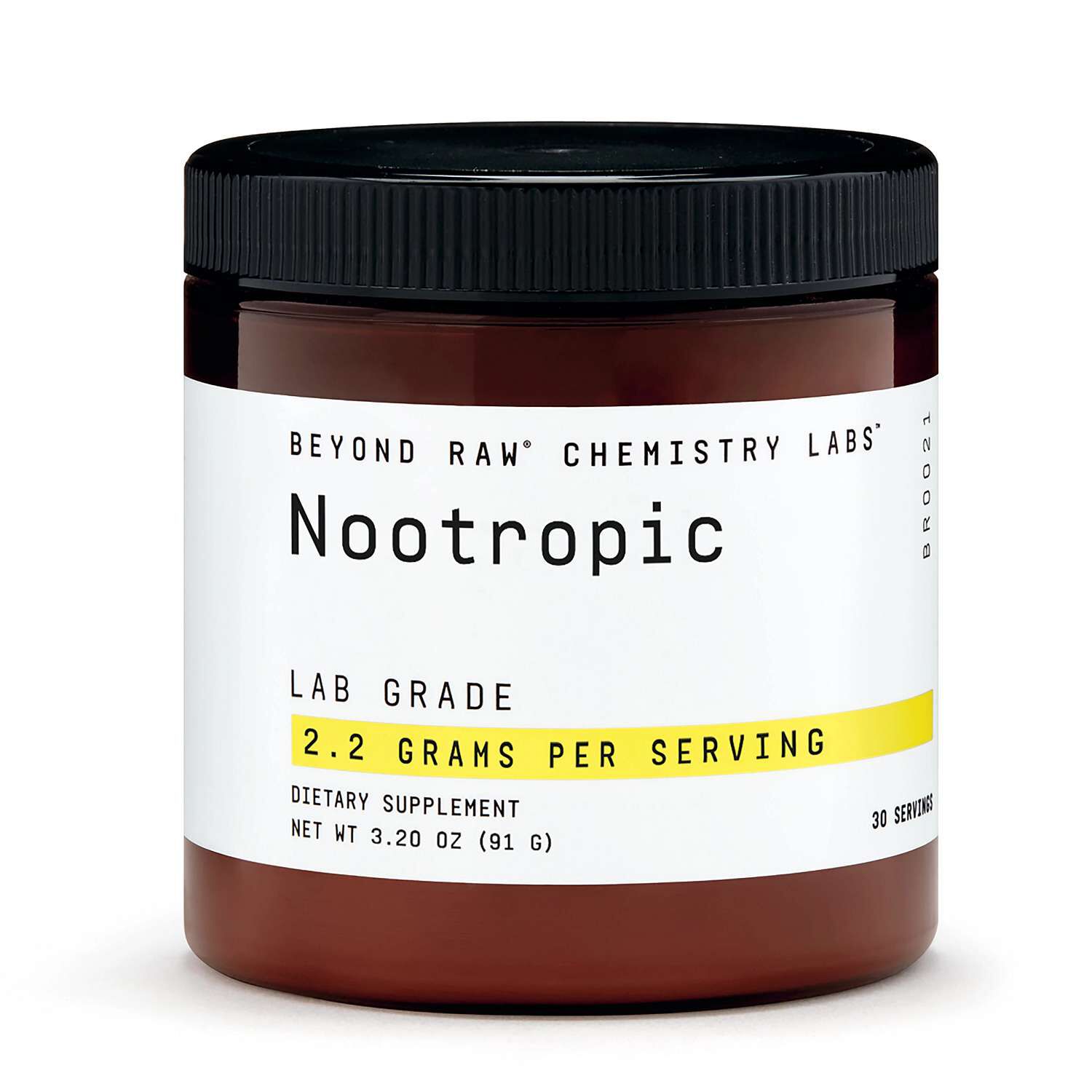

Brain health supplements for long-term memory are dietary supplements marketed for cognitive wellness, with formulas that can include vitamins, fatty acids, plant ingredients, or combinations of these ingredients. Long-term memory refers to information retained beyond the immediate moment, from familiar names and learned skills to experiences recalled years later. It is different from the temporary concentration needed to finish a spreadsheet or follow a conversation, and that distinction matters when comparing supplement descriptions. A formula positioned for focus is not necessarily supported by research on lasting recall. Evidence that over-the-counter brain health supplements improve long-term memory in otherwise healthy adults is limited, and research on an individual ingredient does not establish that every formula containing it will deliver the same results. These products are not established ways to prevent age-related cognitive decline. For shoppers, this makes clear labeling and realistic expectations more useful than ambitious language on the front of a bottle. Common ingredients in this category include omega-3 fatty acids, phosphatidylserine, and B vitamins such as B6, folate, and B12. Omega-3 ingredients often come from fish or algae, while phosphatidylserine ingredients can come from sources such as soy or sunflower. B vitamins appear in both single-nutrient formulas and blends containing several nutrients. Their presence alone does not establish a memory benefit, and a larger amount on the label is not automatically a better match for a shopper’s goals. Research involving people with a nutrient shortfall also cannot be assumed to apply to people whose nutritional needs are already met. Adults browsing this category might be thinking about a demanding work schedule, returning to a familiar hobby, or maintaining a thoughtful wellness routine as they age. Those are understandable reasons to compare products, but the most useful starting point is understanding what a supplement contains, what it is intended for, and how closely the available evidence relates to that intended use.
The practical differences between brain health supplements often become clearest in the Supplement Facts panel, ingredient list, and directions. Capsules, tablets, softgels, gummies, and powders offer different ways to incorporate a product into a daily routine. A compact bottle of capsules might fit neatly into a breakfast cabinet, while a flavored powder involves measuring and mixing with the liquid specified on its label. Gummies introduce considerations such as flavor, texture, sweeteners, and the number required per serving. Softgels may use gelatin, and capsule shells can be made with animal-derived or plant-derived materials, so the outer format deserves attention alongside the ingredients inside. Dietary preferences and ingredient sourcing can narrow the comparison further: a shopper who avoids fish may be interested in an algae-derived omega-3 option, while someone who avoids soy may look closely at the source of phosphatidylserine. The label, rather than the appearance of the bottle, provides the relevant details. Serving size is another important distinction. An amount shown per serving might represent several capsules rather than one, and two bottles with similar names can have quite different directions. Some blends list individual ingredient amounts; others group ingredients together without showing the amount of each component. That difference affects how much a shopper can learn from the package. Flavorings, colors, sugars, and other ingredients also belong in the comparison, particularly when a product would become part of a familiar food or beverage ritual. Storage is part of product suitability, too. Labels can specify temperature, moisture, light, or refrigeration requirements, and a sunny windowsill or warm car may not match those conditions. A container that closes securely and has a legible date is more relevant here than the kind of durability expected from reusable equipment. Independent quality testing can provide information about characteristics such as ingredient identity or contaminants within the testing program’s scope, but it does not establish that a supplement improves memory. In the United States, dietary supplements do not receive FDA approval for safety and effectiveness before sale. Clear packaging and testing information are useful comparison points, not substitutes for evidence about the finished formula.
A good match also depends on the person using the supplement and the kind of routine the product would join. An adult who prefers a short ingredient list may approach this category differently from someone comparing blends with several nutrients and botanical ingredients. Someone who already uses a multivitamin may notice repeated ingredients, making the full labels more informative than the product names alone. A morning routine at the kitchen table, a lunch bag packed for the office, and a cupboard shared by several adults each bring different practical considerations, including serving format, readable directions, and clearly identified packaging. For an older adult, bottle handling and label readability can matter just as much as whether a product comes as a tablet or softgel. The related collection of Brain Health Supplements For Seniors offers a more age-focused way to browse, although an age-oriented name does not by itself establish suitability or effectiveness. Supplements are also personal choices rather than universal gifts; knowing someone’s preferred format is not the same as knowing whether an ingredient fits their circumstances. Questions about individual suitability, combinations with medications, or a change in memory belong in a conversation with a qualified healthcare professional rather than a product description. Within the shopping experience, meaningful distinctions remain straightforward: ingredient sources, clearly stated amounts, serving directions, dietary compatibility, and the quality information a manufacturer makes accessible. Research deserves the same attention to detail. A small, short study examining attention is not equivalent to a longer study examining memory, and findings about one ingredient cannot simply be transferred to a blend with different amounts. Even cautious language about possible support should not be read as evidence of a lasting result. Supplements are best understood in the broader context of everyday nutrition and wellness, not as replacements for varied meals, regular movement, sleep, or social connection. Comparing this category with that perspective keeps the emphasis on transparent product information and manageable routines, while recognizing that long-term memory is more complex than any single ingredient or bottle.
