





Brain Health Support Supplements For Busy Adults
(0 Results)
Brain health supplements for busy adults offer a convenient way to support your wellness routine while navigating a packed schedule. Whether you’re juggling work, family, or personal goals, these supplements may help you prioritize your mental performance and focus. Explore options designed with the needs of active lifestyles in mind, so you can feel confident as you take on each day.
-
-
-
-
-
-
-

-

-

-
-

-

-
-

-

-
-

-
-
-
-

-

-
 185$24.99
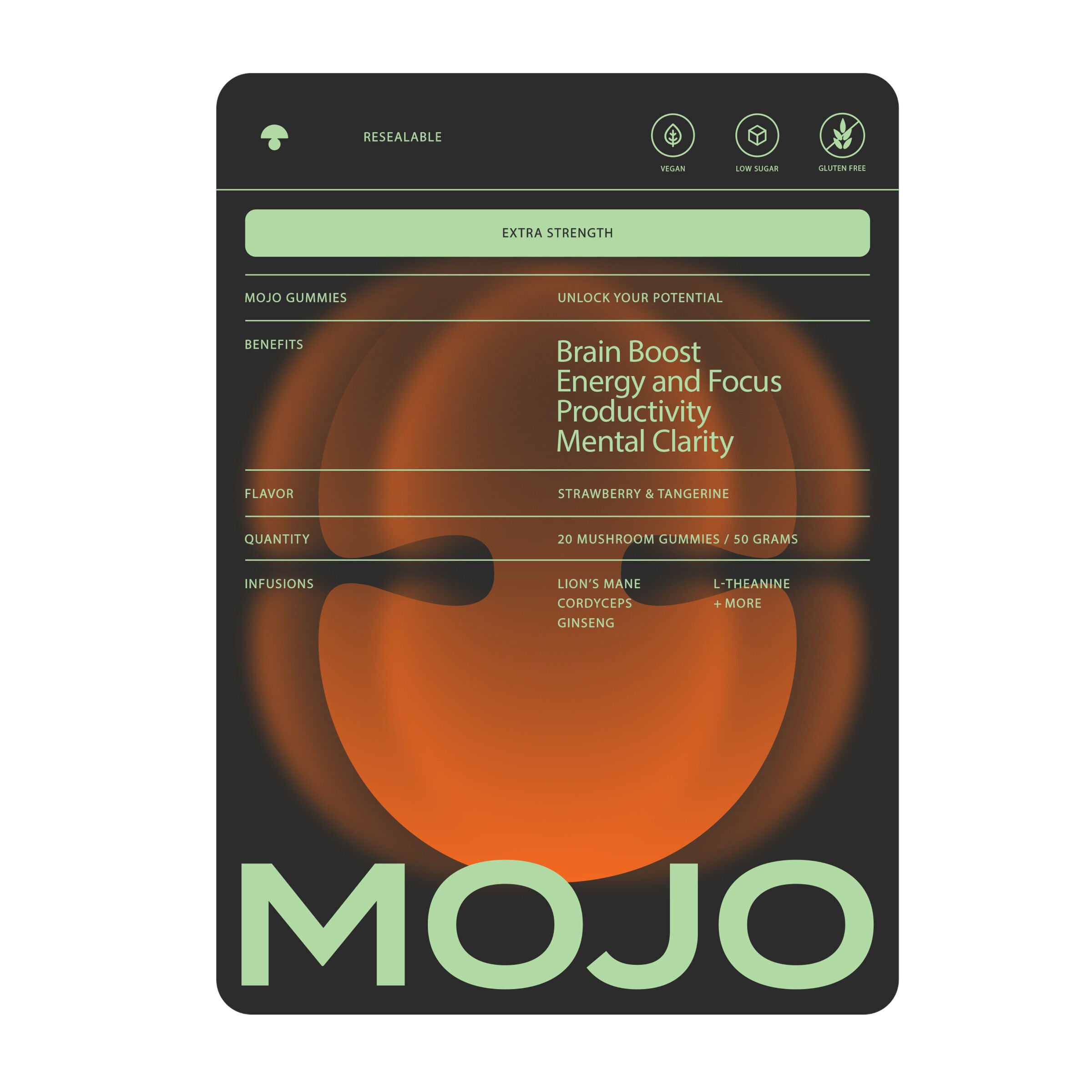
Busy schedules often mean moving from a morning commute to a packed calendar, then shifting attention again for family responsibilities, evening coursework, or personal projects. Brain health support supplements for busy adults may support everyday focus, memory, and mental clarity alongside balanced meals, regular movement, and adequate rest. This category includes several ingredient families, each with different sources, serving formats, and intended uses. Omega-3 supplements commonly contain EPA and DHA from fish oil or DHA from algal oil. These fatty acids are components of cell membranes, and omega-3 formulas may support normal brain function. Algal sources offer an alternative for shoppers who prefer ingredients that do not come from fish, though the full formula still matters when checking dietary suitability. L-theanine, an amino acid found in tea, may support a calm, attentive mindset during ordinary daily activities. Some formulas pair it with caffeine, while others leave caffeine out, an important distinction for adults whose routines already include coffee or tea. B-complex supplements contain combinations of B vitamins that may support normal energy metabolism and nervous system function. Magnesium appears in several forms, including magnesium L-threonate, and may support normal nervous system function. Citicoline is another ingredient found in brain health formulas and provides a source of choline, a nutrient involved in cell structure and communication. Depending on the formulation, citicoline may support everyday attention and memory. Single-ingredient options make it easier to see the amount of one featured nutrient, while combination formulas bring several ingredients into one serving. Neither approach is automatically a better match for every adult. The meaningful differences are in the ingredient amounts, serving directions, dietary considerations, and how comfortably a format fits into an ordinary day. A clear label offers more useful context than language suggesting a dramatic change in performance.
The format deserves as much attention as the ingredient list, especially when a supplement needs to fit around early departures, shared workspaces, or meals away from home. Capsules and tablets offer measured servings without mixing, although their dimensions and the number required per serving vary. A bottle containing several dozen capsules does not necessarily provide the same number of daily servings, so the Supplement Facts panel is a useful reference. Softgels are common for oil-based ingredients such as omega-3s; their shells may contain gelatin or other materials that matter to shoppers with vegetarian or vegan preferences. Gummies provide a chewable format and may contain added sugars, flavorings, colors, or ingredients used to create their texture. Powders offer another experience, with flavor, mixing directions, and the amount of liquid affecting how they fit into a meal or beverage routine. A flavored powder might suit breakfast at home, while capsules might be more practical for someone who leaves before the kitchen gets busy. Liquids have their own measuring and storage requirements, and some bottles call for refrigeration after opening. Ingredient sourcing also deserves a close look. Fish-derived oils, algal oils, plant extracts, and capsule materials are distinct considerations rather than interchangeable label details. Statements about fish, soy, milk, or other ingredients matter for shoppers with dietary restrictions, and a plant-derived featured ingredient does not establish that every part of a formula is vegan. For storage and care, the package directions are the best reference for the specific format. Tight closures, intact seals, readable labels, and attention to the stated storage conditions all belong in the comparison. A bottle left in a car or a powder container exposed to moisture faces different conditions from one stored as directed. Travel packaging, secure lids, and clearly marked serving information are practical details worth noticing.
Intended use provides another way to compare brain health supplements without treating every demanding day as the same experience. An adult balancing remote meetings and detailed paperwork may be interested in everyday concentration, while someone taking evening classes may be thinking about memory and sustained attention during study sessions. A caregiver juggling appointments, household planning, and a job may place more importance on a straightforward serving routine than on a formula with a long ingredient list. These are different shopping contexts, not reasons to expect the same outcome from every supplement. Caffeine content, ingredient amounts, serving frequency, and overlapping nutrients all deserve attention when comparing formulas with the rest of a daily routine. A combination formula may contain B vitamins that also appear in a multivitamin, for example, while an attention-focused formula may include caffeine alongside ingredients listed elsewhere on the label. Reading the full Supplement Facts panel and ingredient list gives a clearer picture than relying on the front of the package alone. Transparent amounts are particularly useful when comparing a single-ingredient supplement with a blend containing several components. Directions also distinguish products intended for daily use from those labeled for a different schedule; assumptions based on capsule size or package appearance are not a reliable substitute. For adults shopping with an older family member in mind, Brain Health Supplements For Seniors offers a more age-focused collection to explore. Across adult age groups, personal preferences remain important: an unflavored capsule, a chewable serving, or a powder mixed at breakfast each creates a different daily experience. A supplement may support aspects of normal cognitive function, but it is not a substitute for sleep, meals, or time away from demanding tasks. The most practical comparison brings the details together: what the formula contains, how much is in a serving, which dietary preferences it accommodates, and what its directions require. That context keeps the focus on everyday suitability rather than an expectation of instant productivity.
Best Sellers
Related Pages

Top Collections
- Zinc Supplements | Top Brands at Great Prices | GNC
- Cortisol Supplements
- Joint Mobility Supplement Packs
- NAD+ Supplement Tablets
- Best Brand of Magnesium Glycinate
- Top Rated Collagen | Shop Customer Favorites | GNC
- Iron Supplements
- Peptide Supplements
- Protein Powders For Muscle Growth Support
- Vitamins That Help Support Weight Gain