





Brain Health Supplements For Teachers
(0 Results)
Brain health supplements for teachers are designed to support those who face the daily demands of lesson planning, classroom management, and continuous learning. With a focus on ingredients that may help nourish the mind, these supplements could be a valuable addition to your wellness routine. Explore options that might help you stay sharp and energized throughout the school day, so you can continue making a positive impact in your students’ lives.
-
-
-
-
-

-

-
-

-

-

-
-

-
-

-
-

-

-

-

-

-
 1$19.99
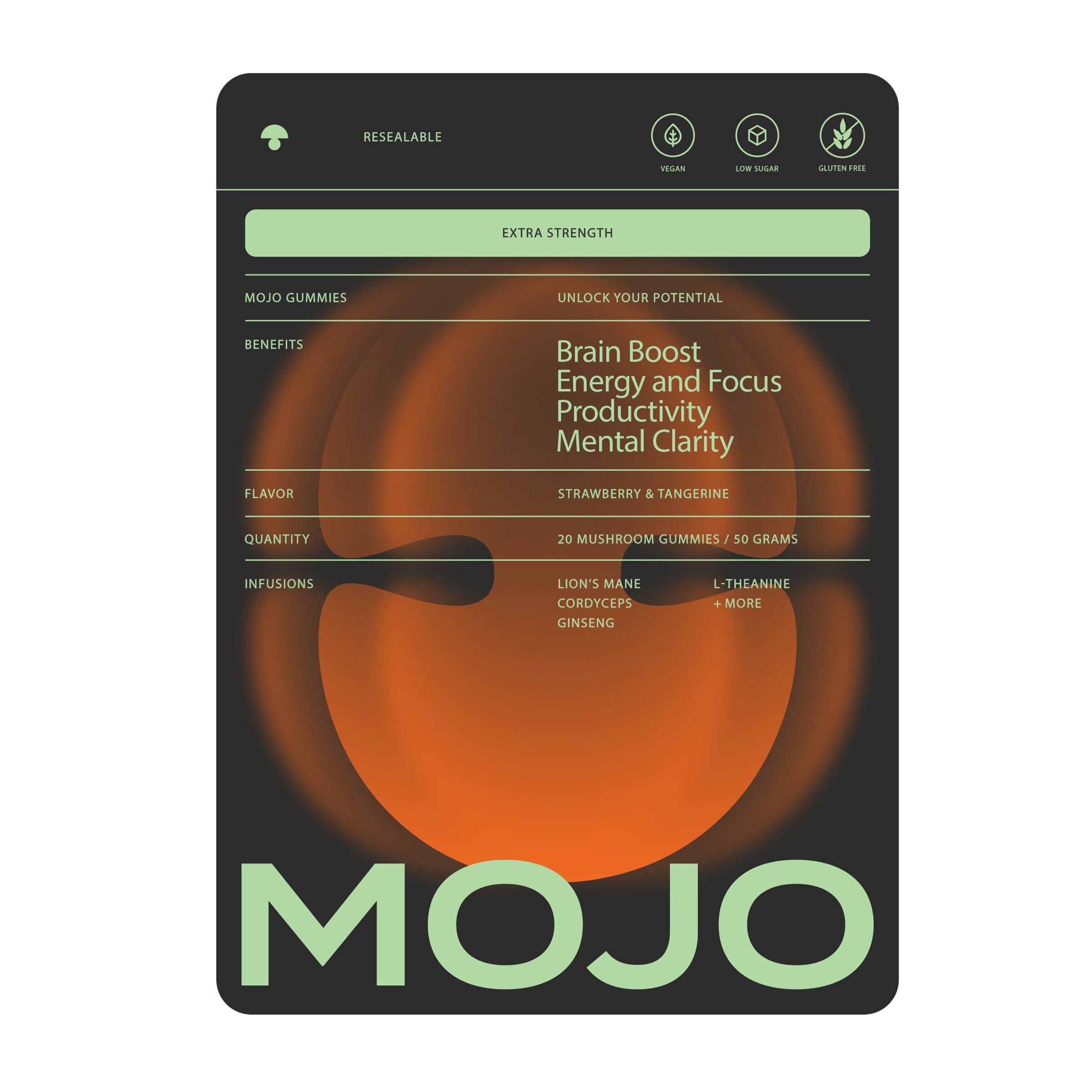


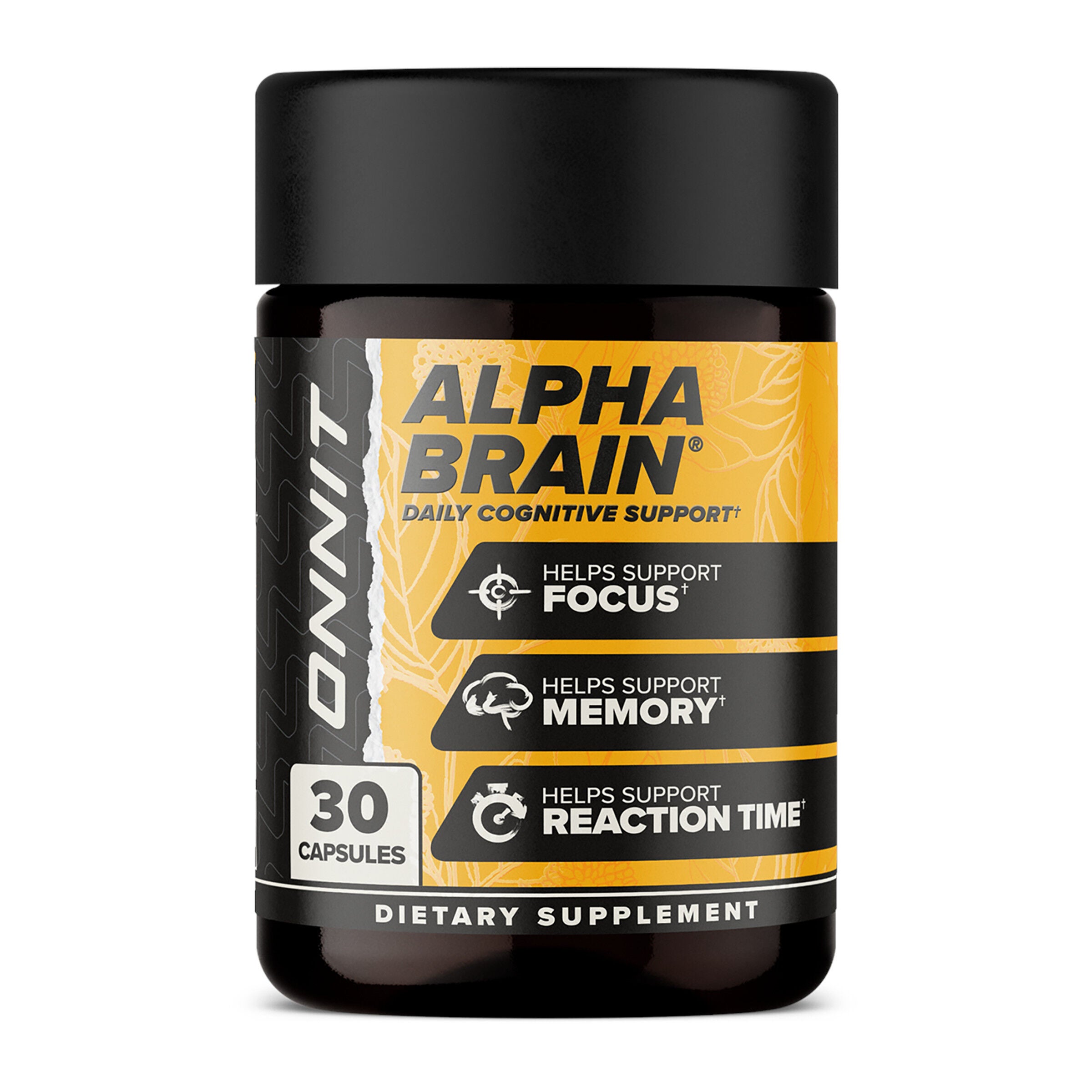
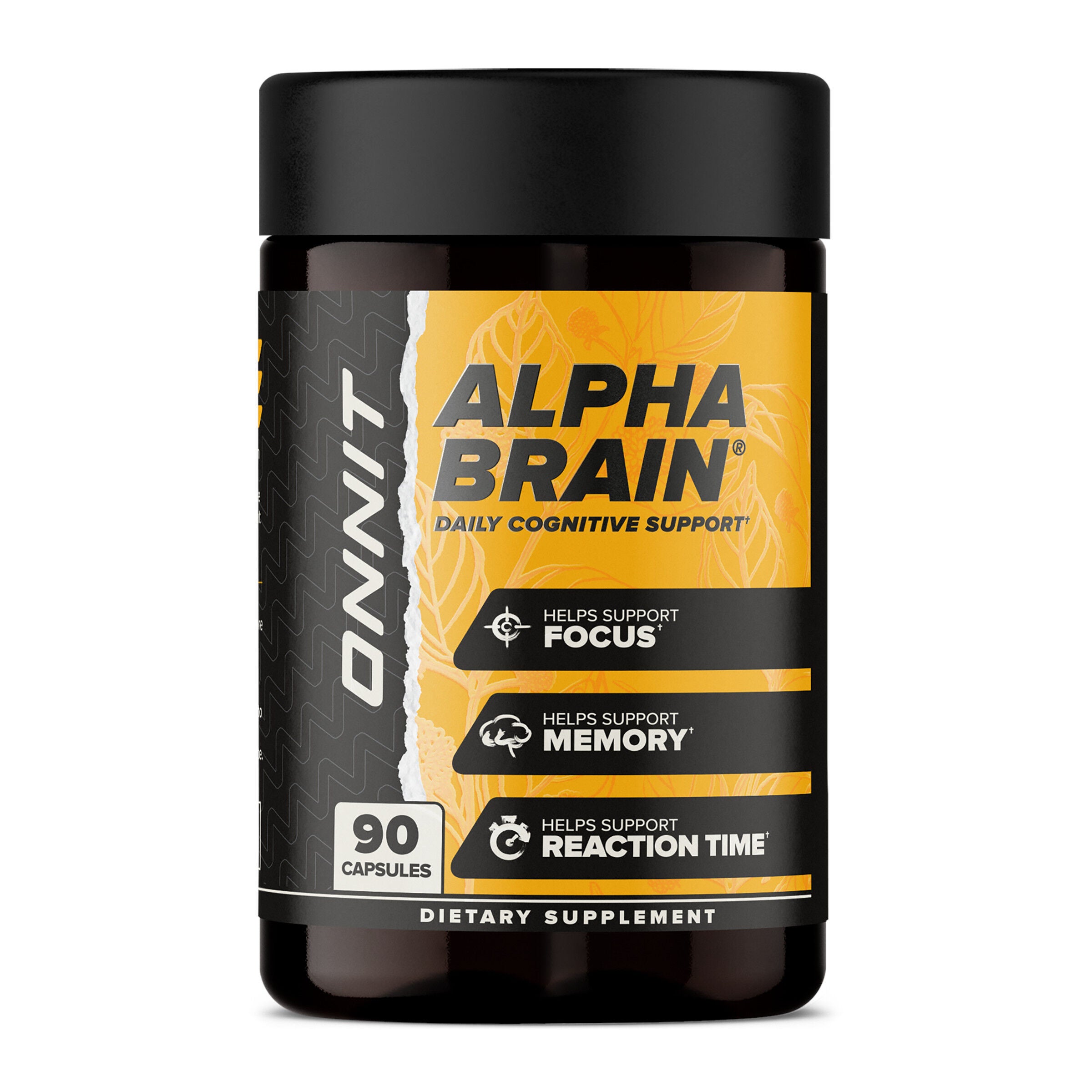
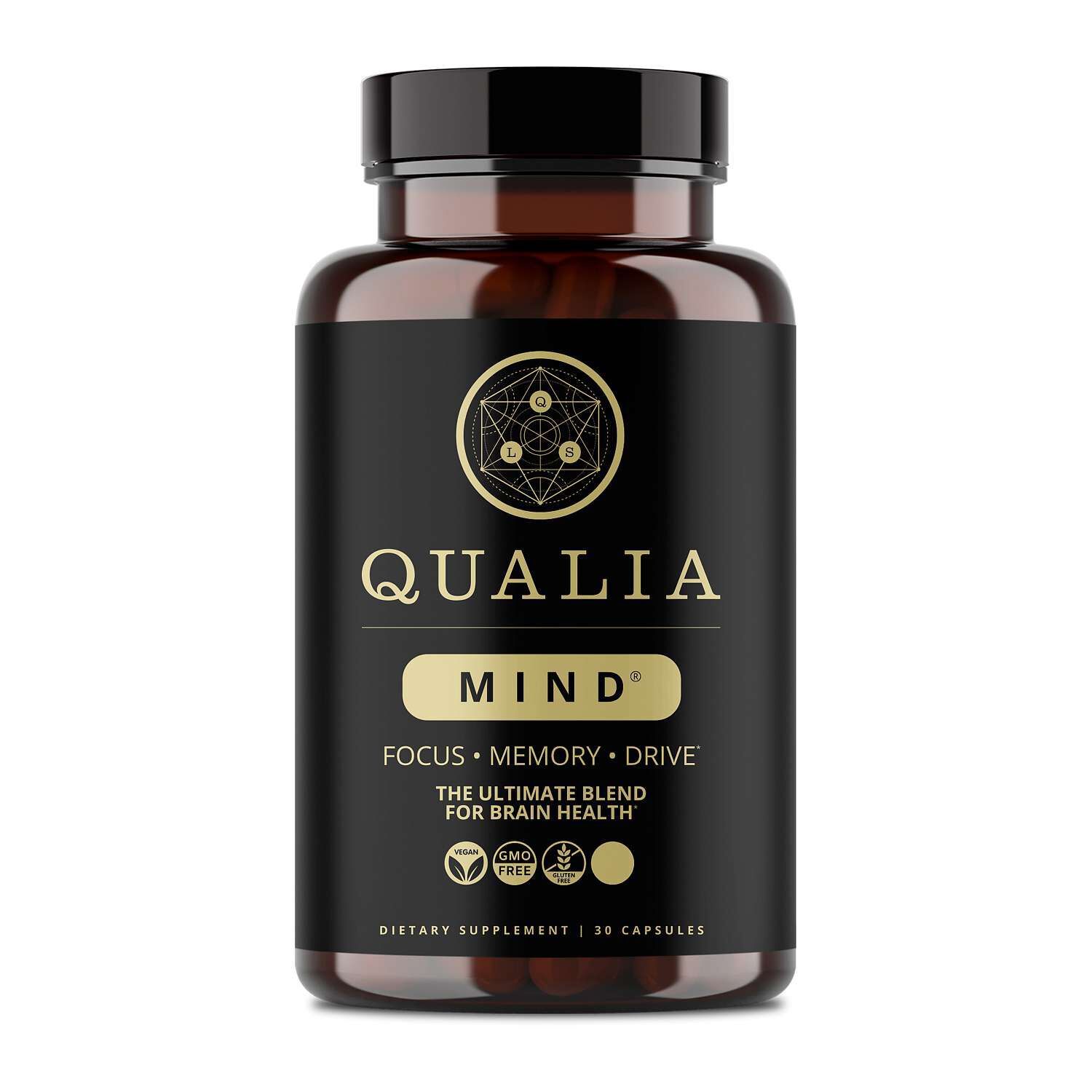
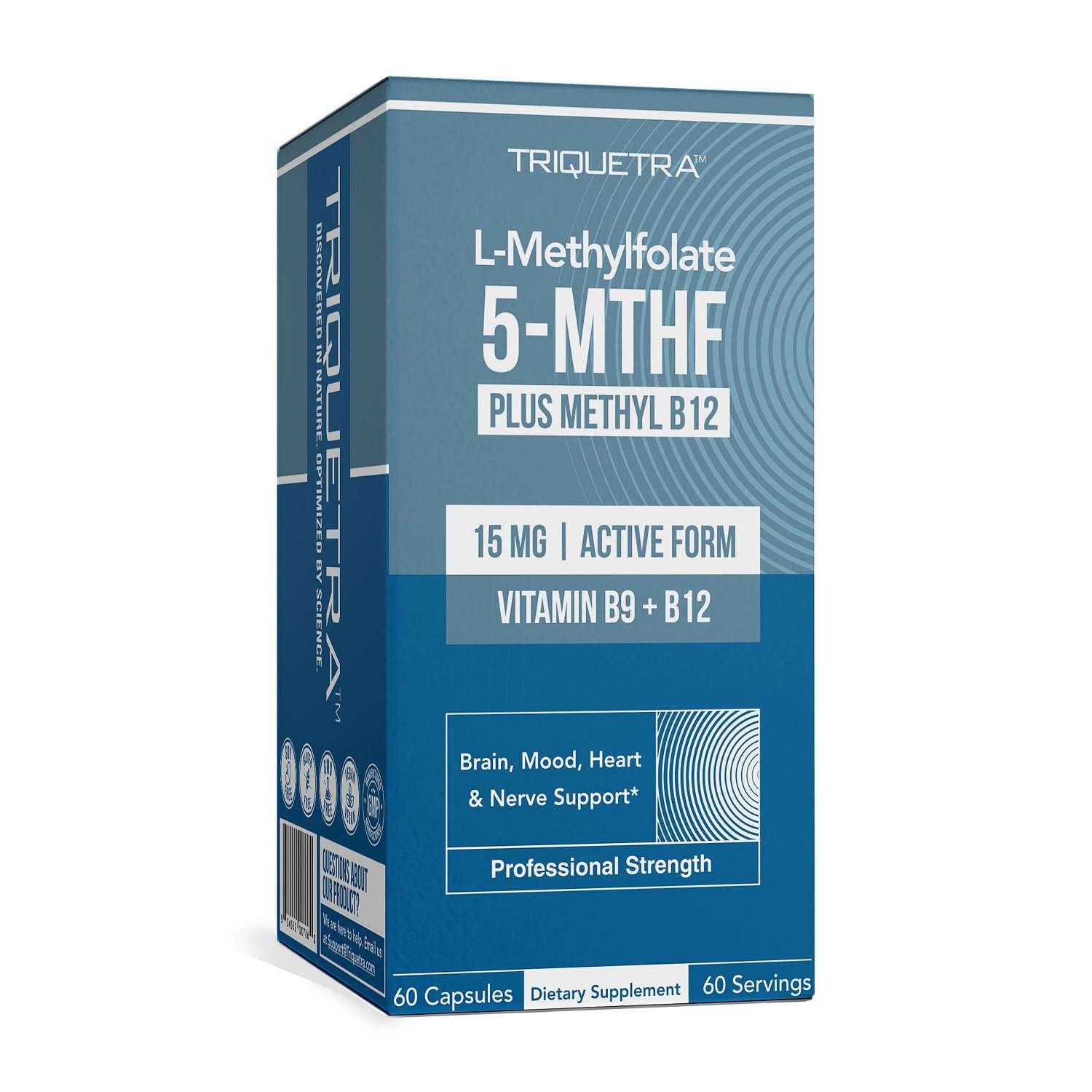
Teachers spend much of the school day moving between different kinds of mental work: presenting a lesson, keeping track of classroom details, responding to student needs, reviewing assignments and preparing for the next morning. During the warmer part of the year, that routine may include setting up a new classroom or returning to a familiar one, while cooler months often bring conferences, grading periods and long evenings at the kitchen table. Brain health supplements for teachers may fit into a thoughtful wellness routine for educators who want convenient nutritional support alongside regular meals, restful sleep, movement and time away from screens. B vitamins, including B6, B12 and folate, may support normal nerve function and energy metabolism. Omega-3 fatty acids, commonly found in fish oil supplements, may contribute to the structure of cell membranes and support general brain and heart wellness. Magnesium may play a role in normal nerve signaling and muscle function, while a daily multivitamin may help provide a broad range of nutrients when meals do not always follow a predictable schedule. These products are not intended to replace balanced food choices or professional care, and results may vary from person to person. Research on over-the-counter formulas marketed for focus and memory remains mixed, particularly when no nutritional shortfall is present, so a measured approach may be helpful. Teachers might use these supplements as part of a morning routine with breakfast, keep a preferred format in a desk drawer for convenience or take them with an evening meal when that fits their personal schedule and the product label. Anyone who is pregnant, managing a health condition, taking prescription products or considering a new supplement routine could speak with a qualified healthcare professional before making a change.
Choosing a brain health supplement may begin with the basics: the ingredient list, serving information, dietary preferences, product form and the habits that will make regular use practical. Some educators prefer capsules, while others may choose softgels, gummies, powders or drink mixes that fit more naturally into a busy school day. Omega-3 shoppers may compare the amount of fish oil and the types of fatty acids listed on the label, along with flavor, storage instructions and sourcing details. When considering B vitamins or magnesium, checking the form and amount per serving may help shoppers select an option that matches their routine without adding unnecessary overlap to other products. A multivitamin may appeal to teachers who want a broader nutrient blend, while a single-nutrient formula may suit someone who is already focused on a particular dietary preference. Clear labeling, easy-to-follow serving directions and reputable manufacturing practices may make a product easier to evaluate. Dietary needs also matter: vegetarian, vegan, gluten-conscious and allergen-aware shoppers may want to review every ingredient, including the capsule material, flavoring and other inactive components. These supplements may make considerate gifts for new teachers, mentors, school counselors, tutors, education students or administrators who spend long hours preparing materials and supporting others. A small wellness gift could accompany a handwritten note, a classroom supply contribution or a quiet invitation to take a real break during the school day. For older educators and family members, shoppers may also explore Brain Health Supplements For Seniors when looking for options organized around another stage of life. No supplement can take the place of nourishing meals, hydration, enjoyable physical activity, restorative sleep and meaningful downtime, all of which may help support steady mental stamina over the course of a demanding term. A practical routine might include a protein-rich breakfast, a packed lunch with colorful produce, a short walk between responsibilities and a consistent bedtime, with supplements considered as one optional part of that broader pattern. As classrooms settle into new rhythms and the school year moves through changing weather, selecting a product that fits personal preferences, dietary needs and everyday habits may make it easier to use consistently and thoughtfully.


