

Memory Support Supplements For Teachers
(0 Results)
Balancing lesson plans, grading, and classroom activities can be demanding for educators, making focus and mental clarity essential throughout the school day. Memory support supplements for teachers are formulated to fit into busy routines, offering ingredients that may help support cognitive function. Explore a variety of options designed for those who want to prioritize their well-being while navigating the challenges of teaching.
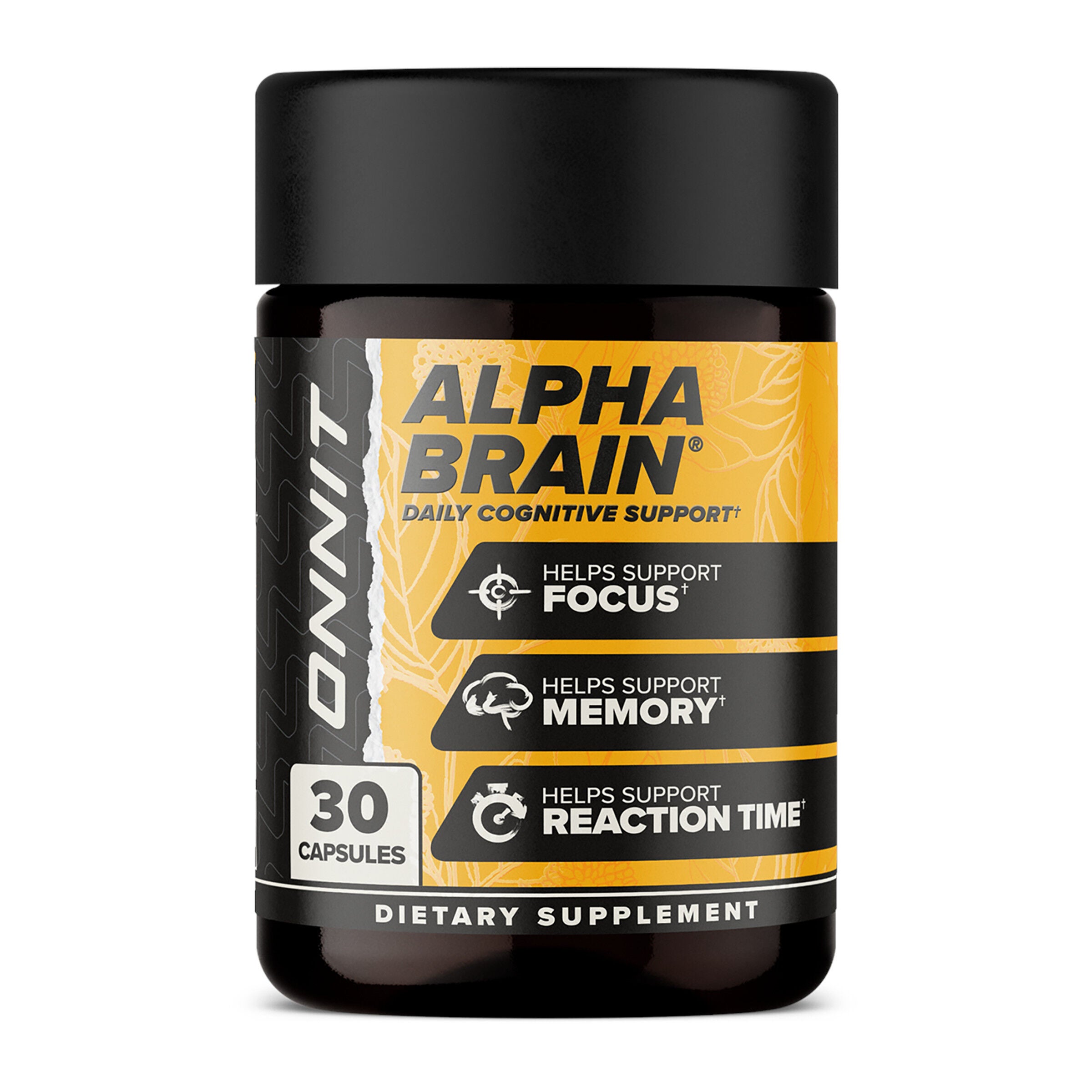
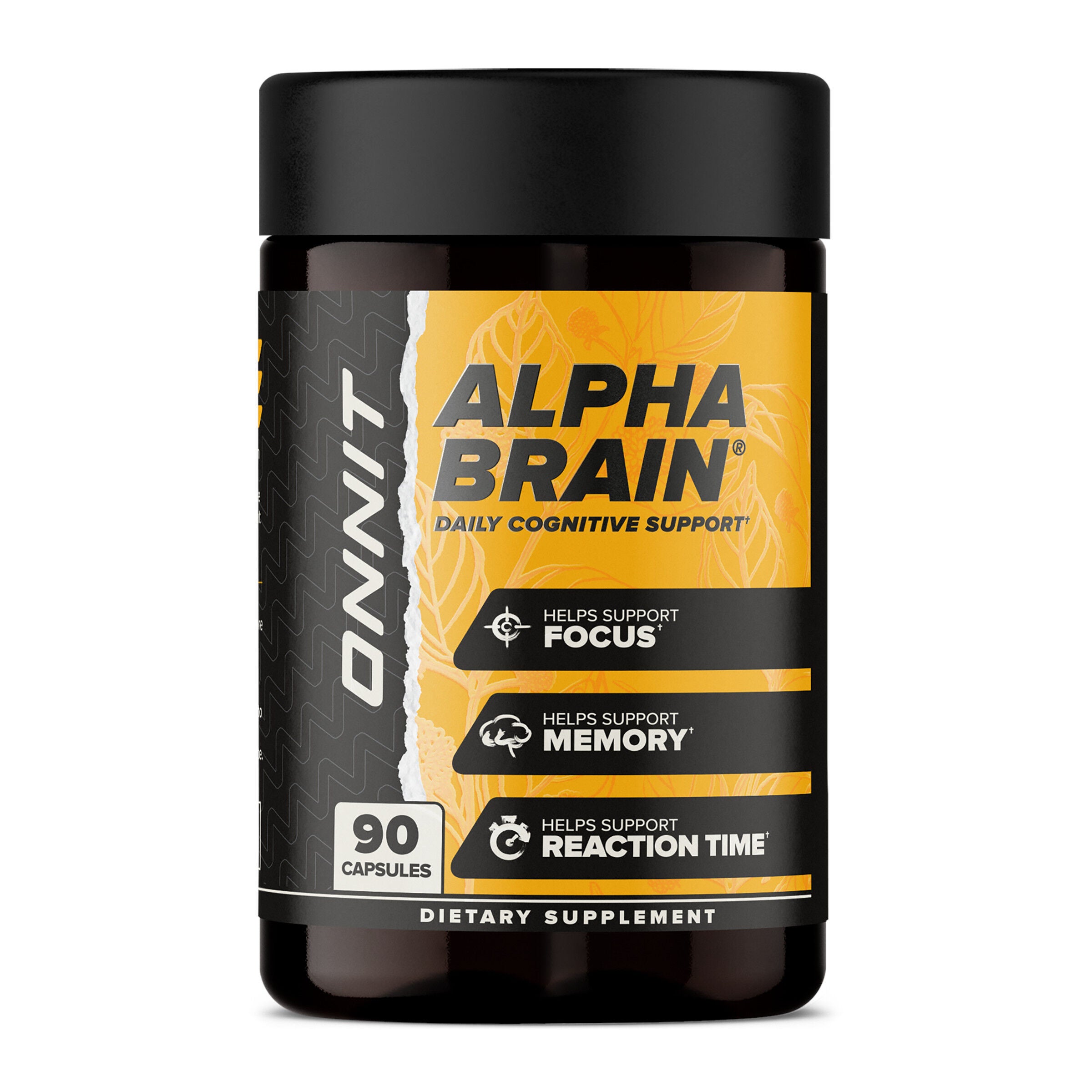
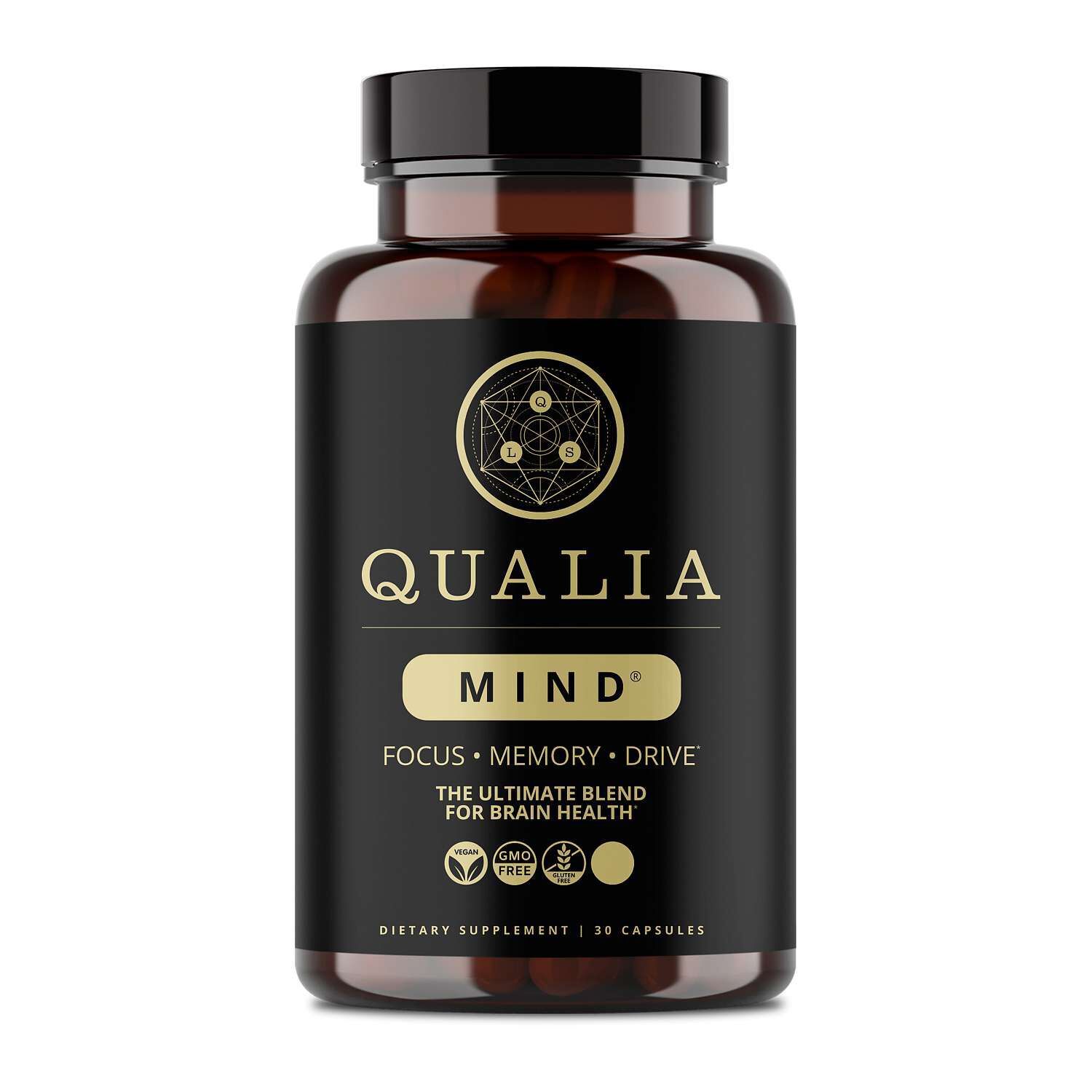




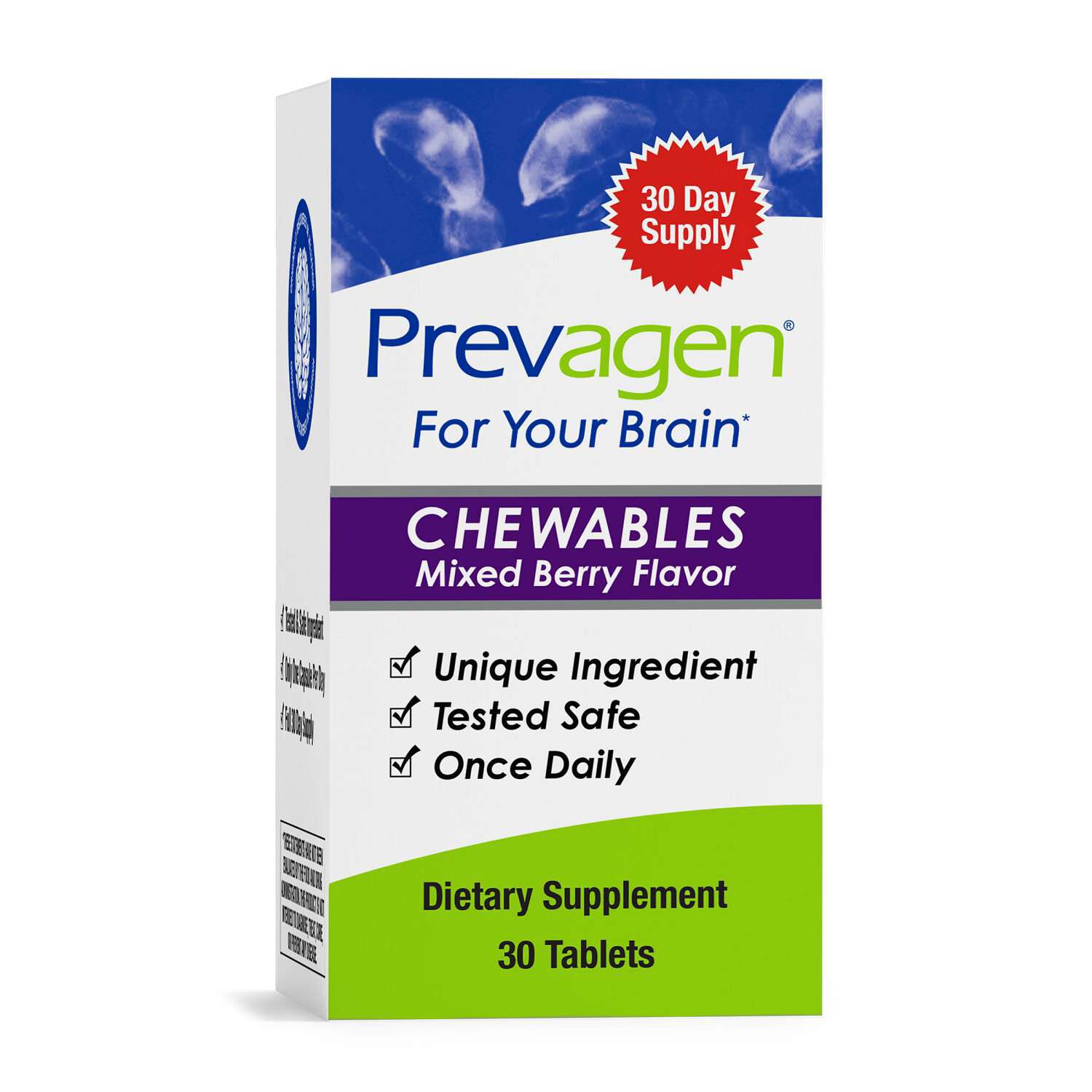
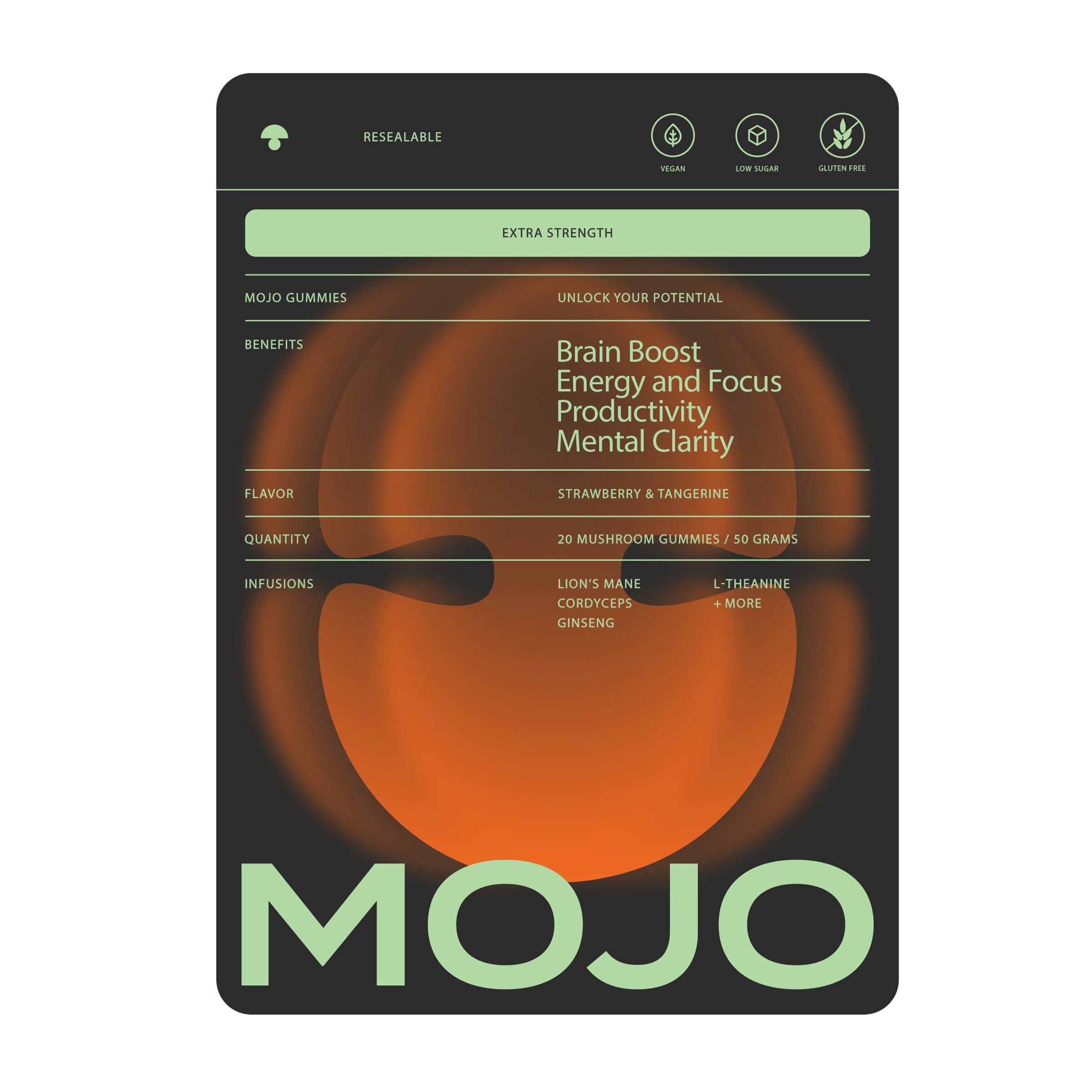
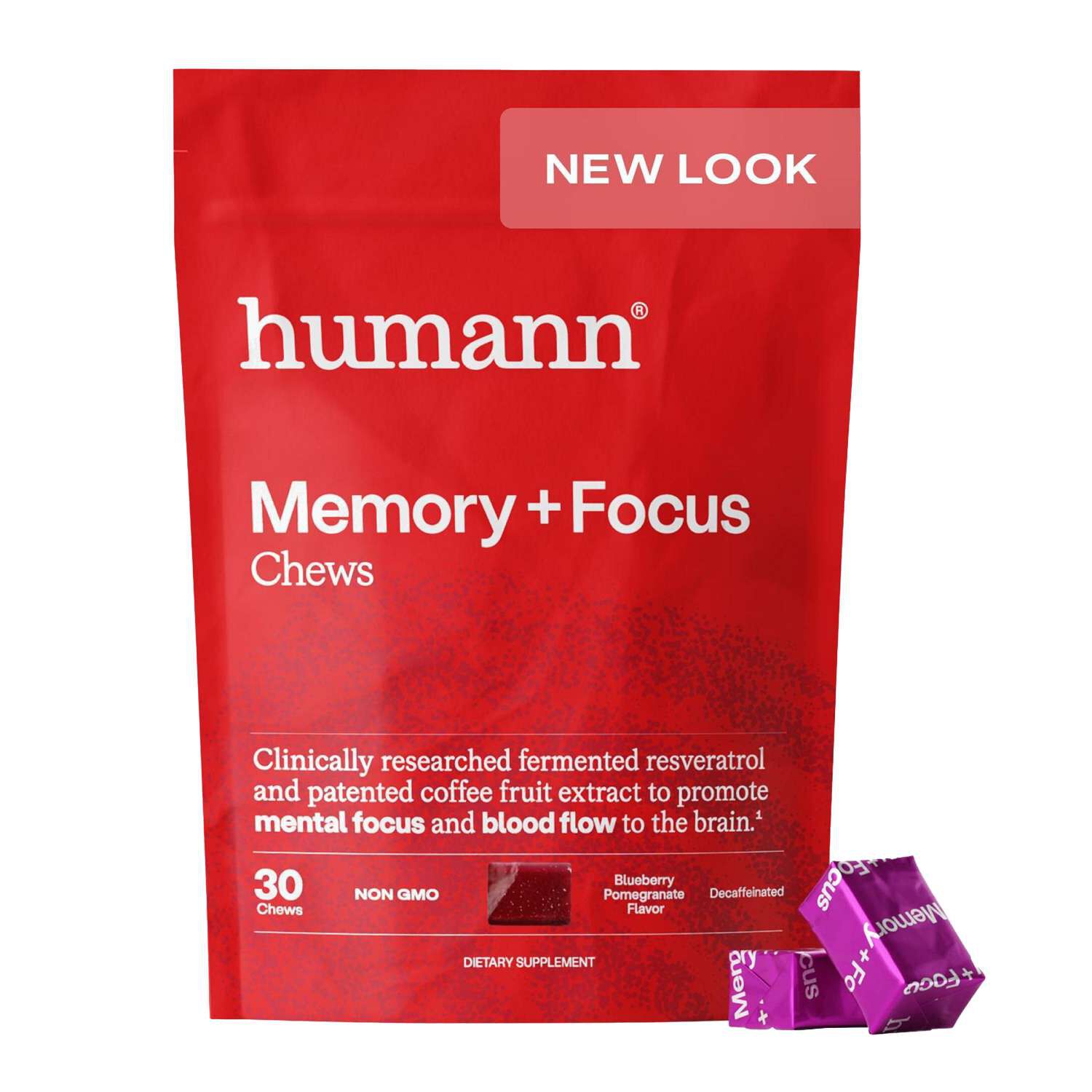
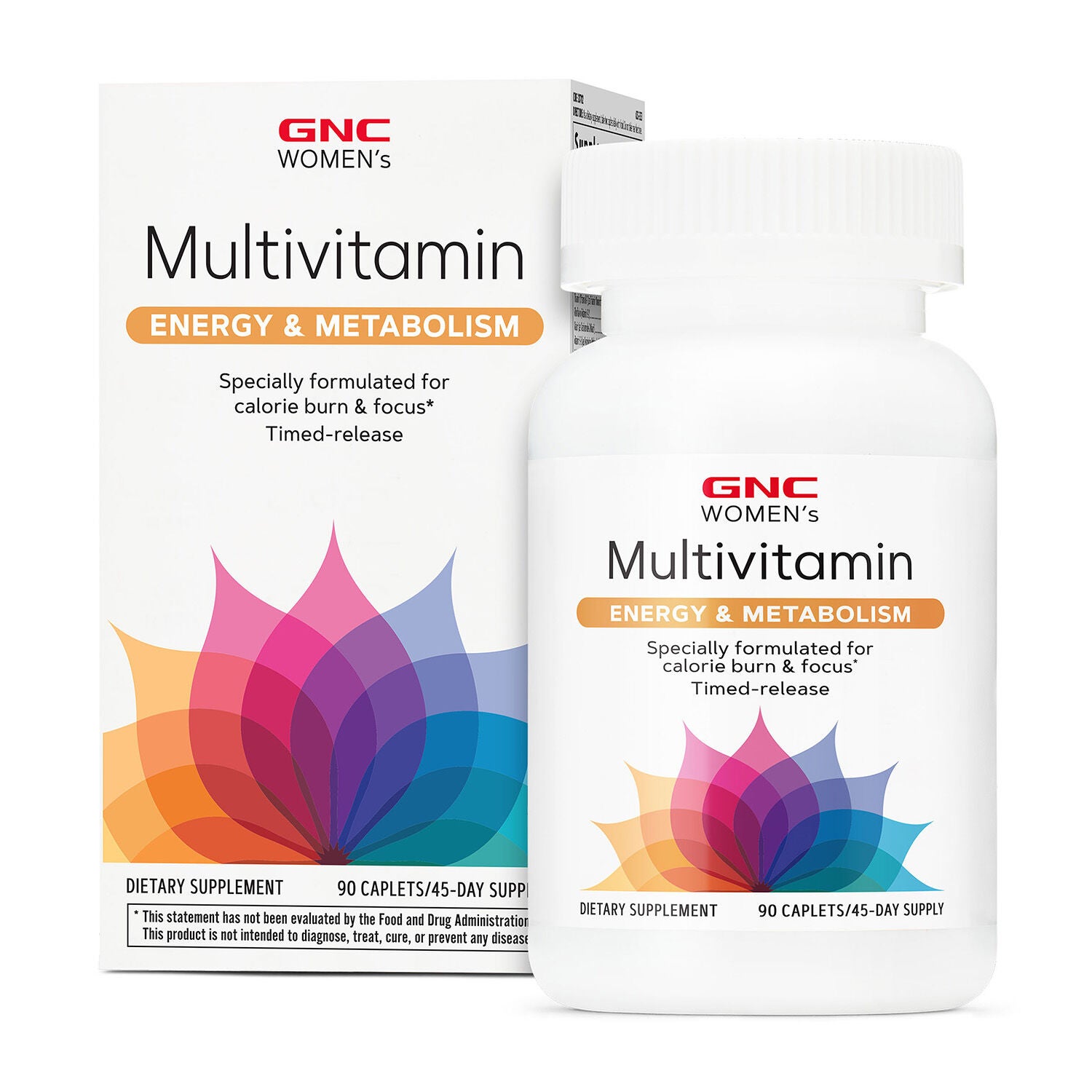

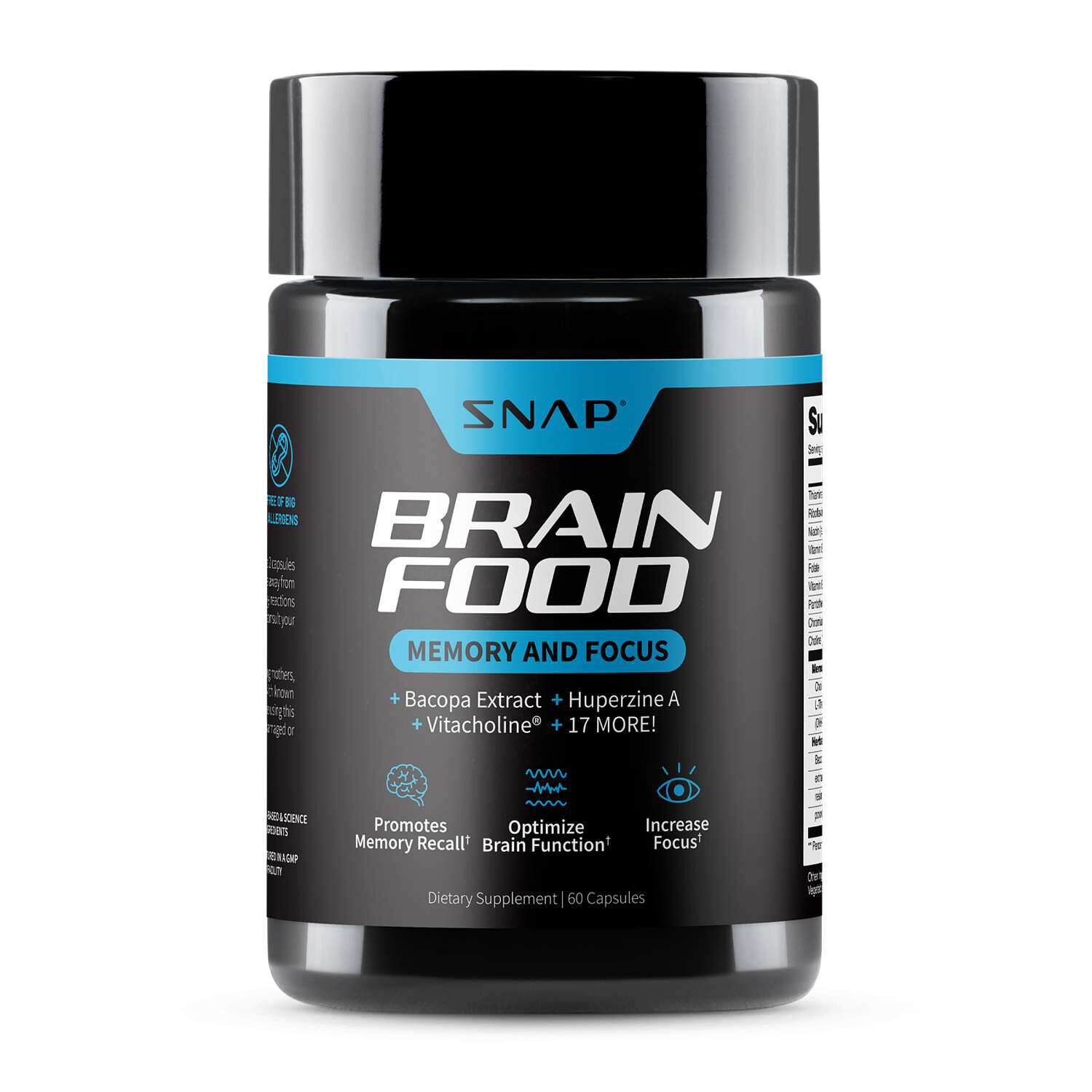
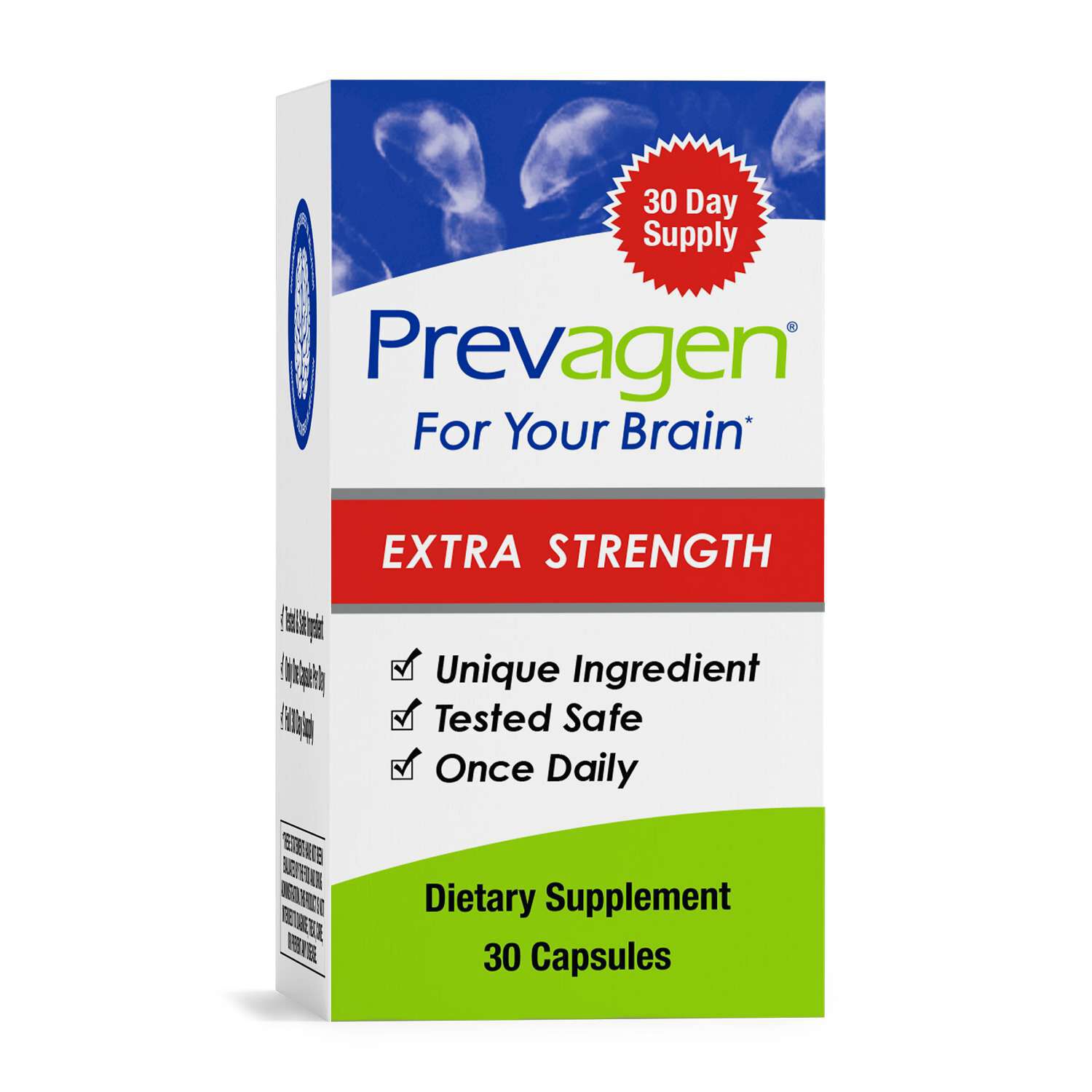
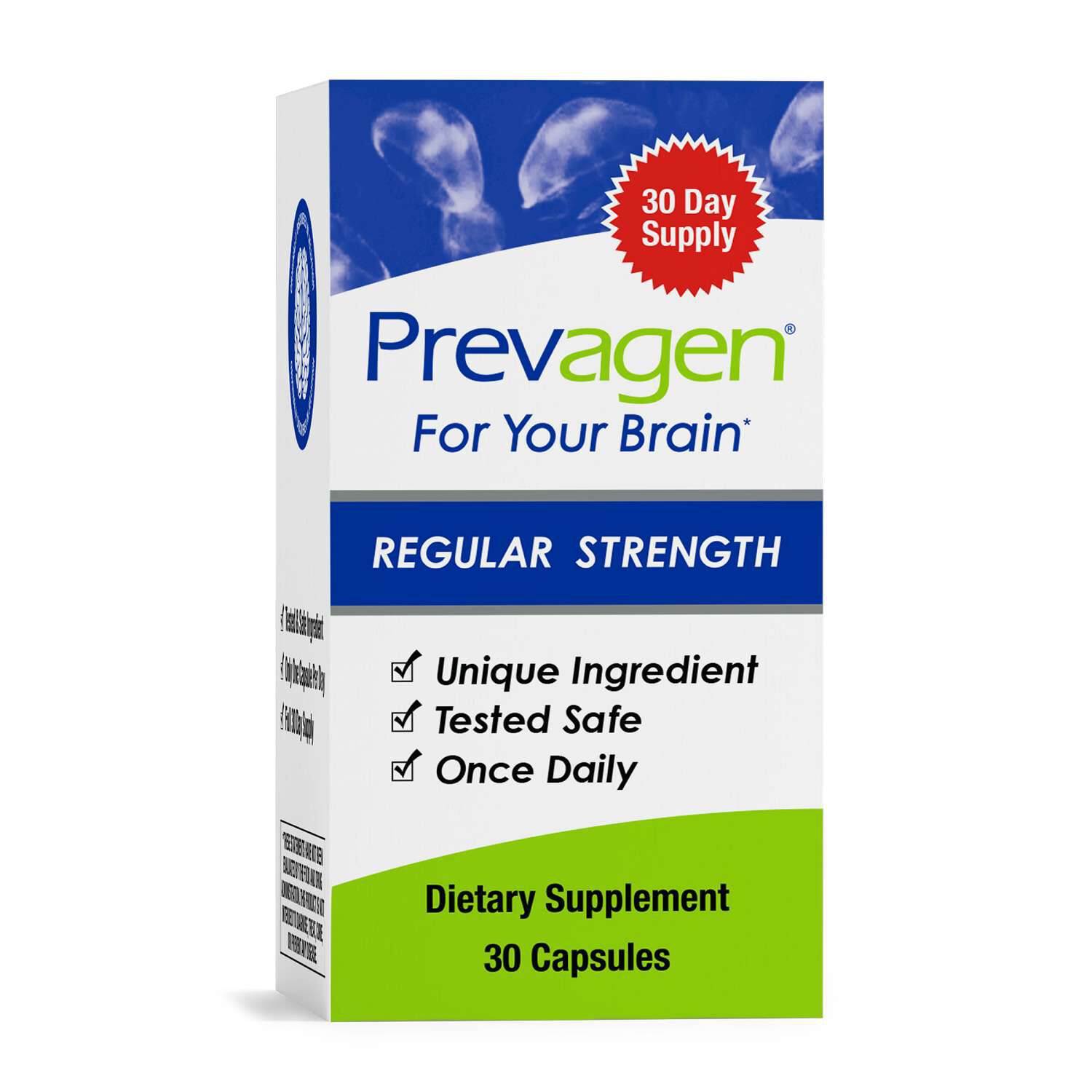
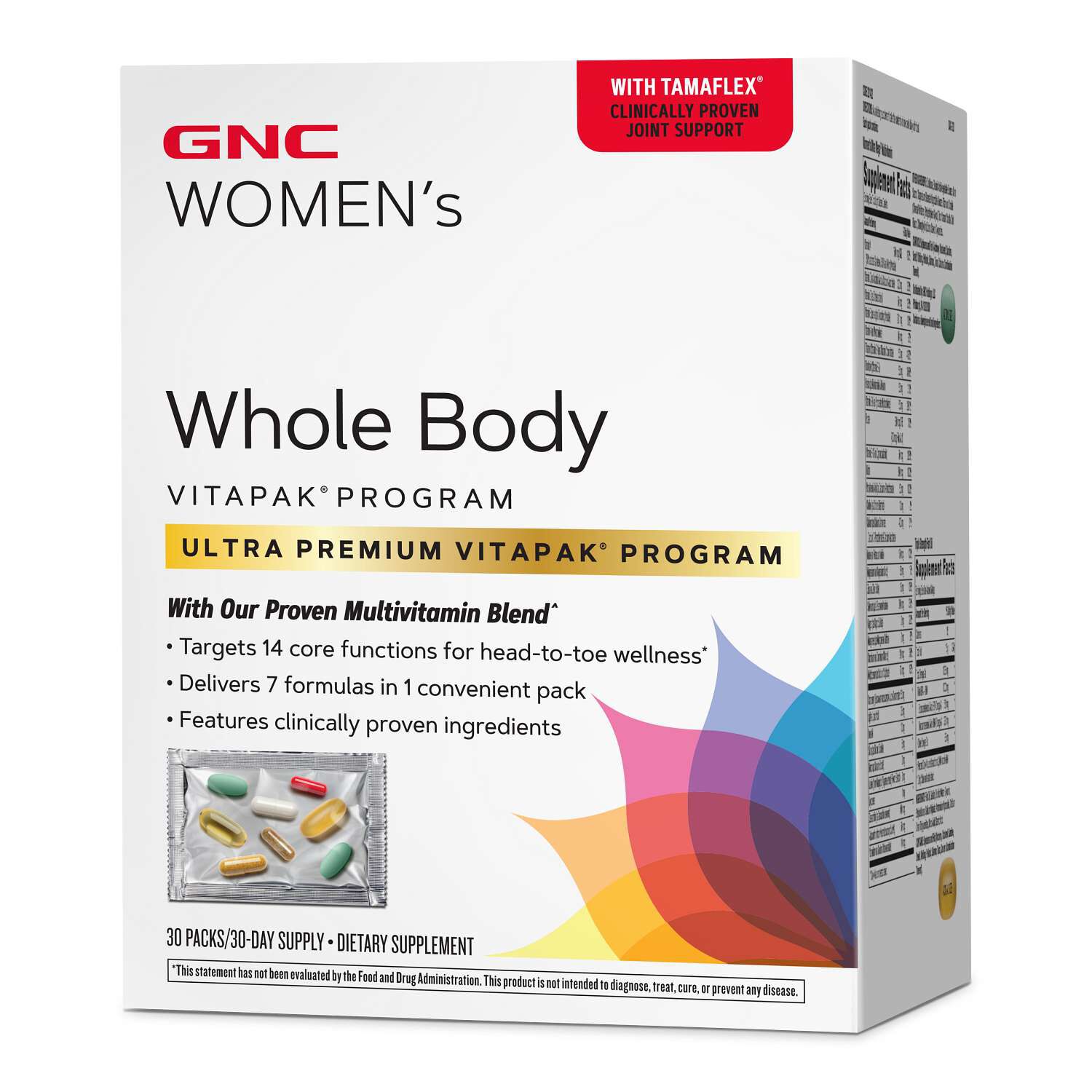
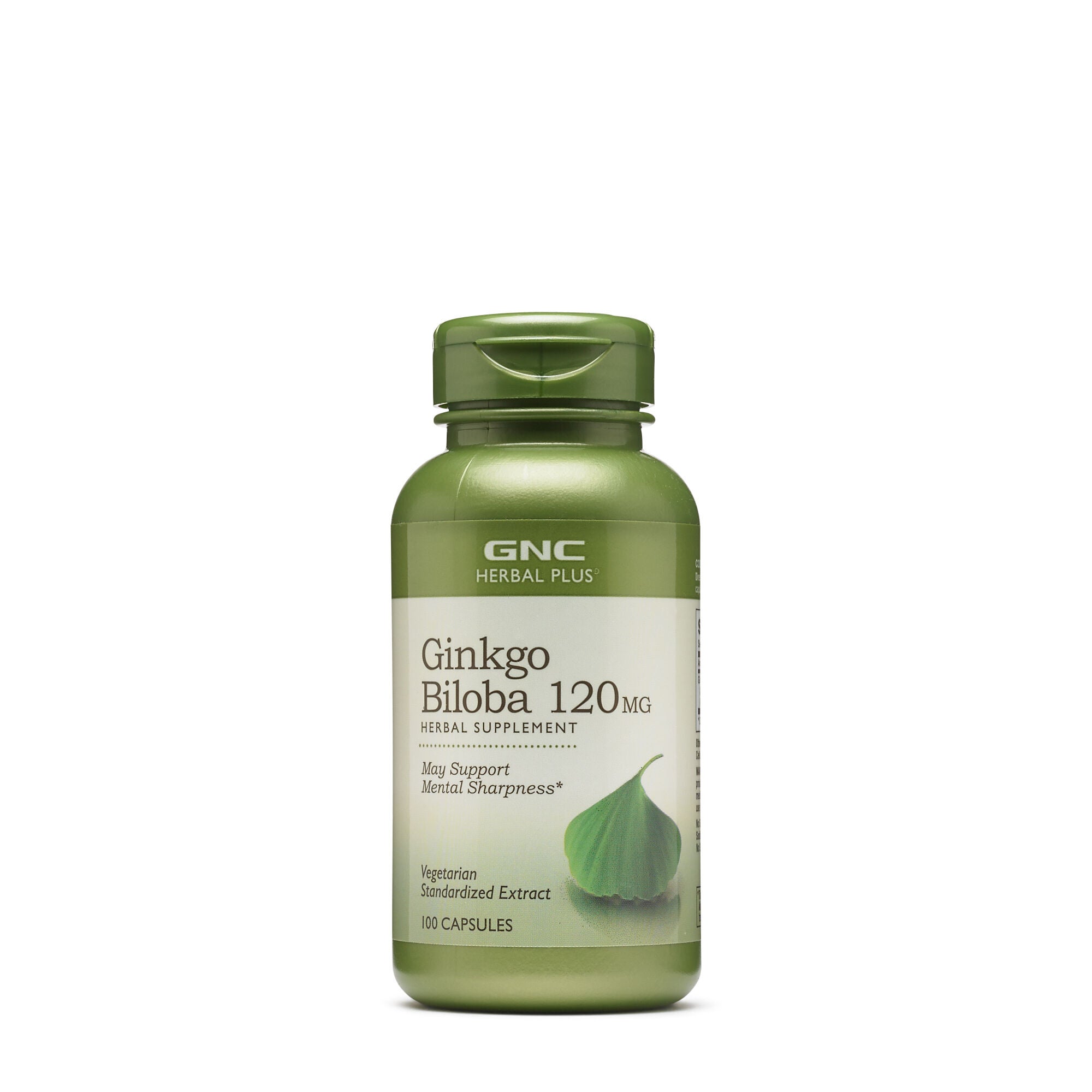


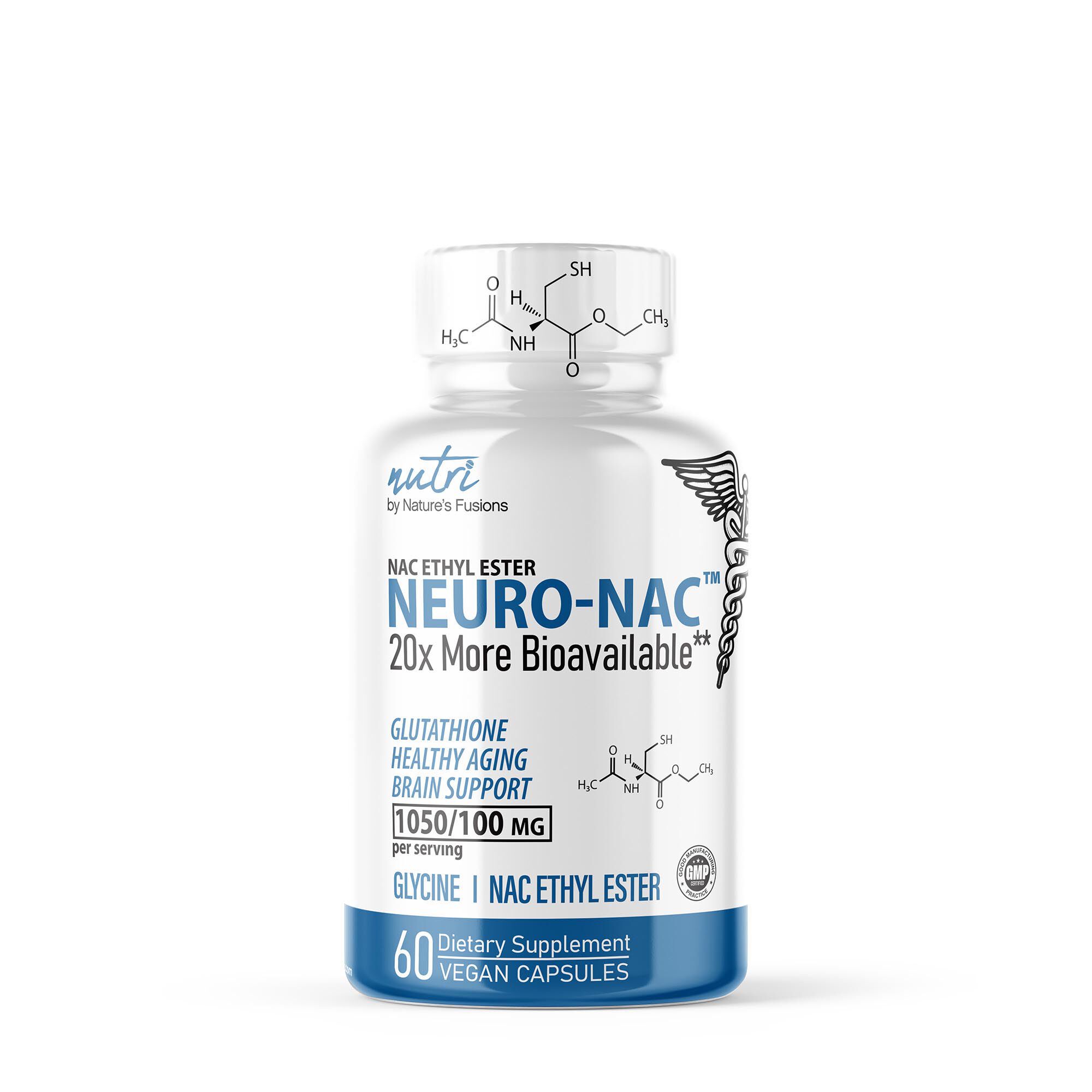

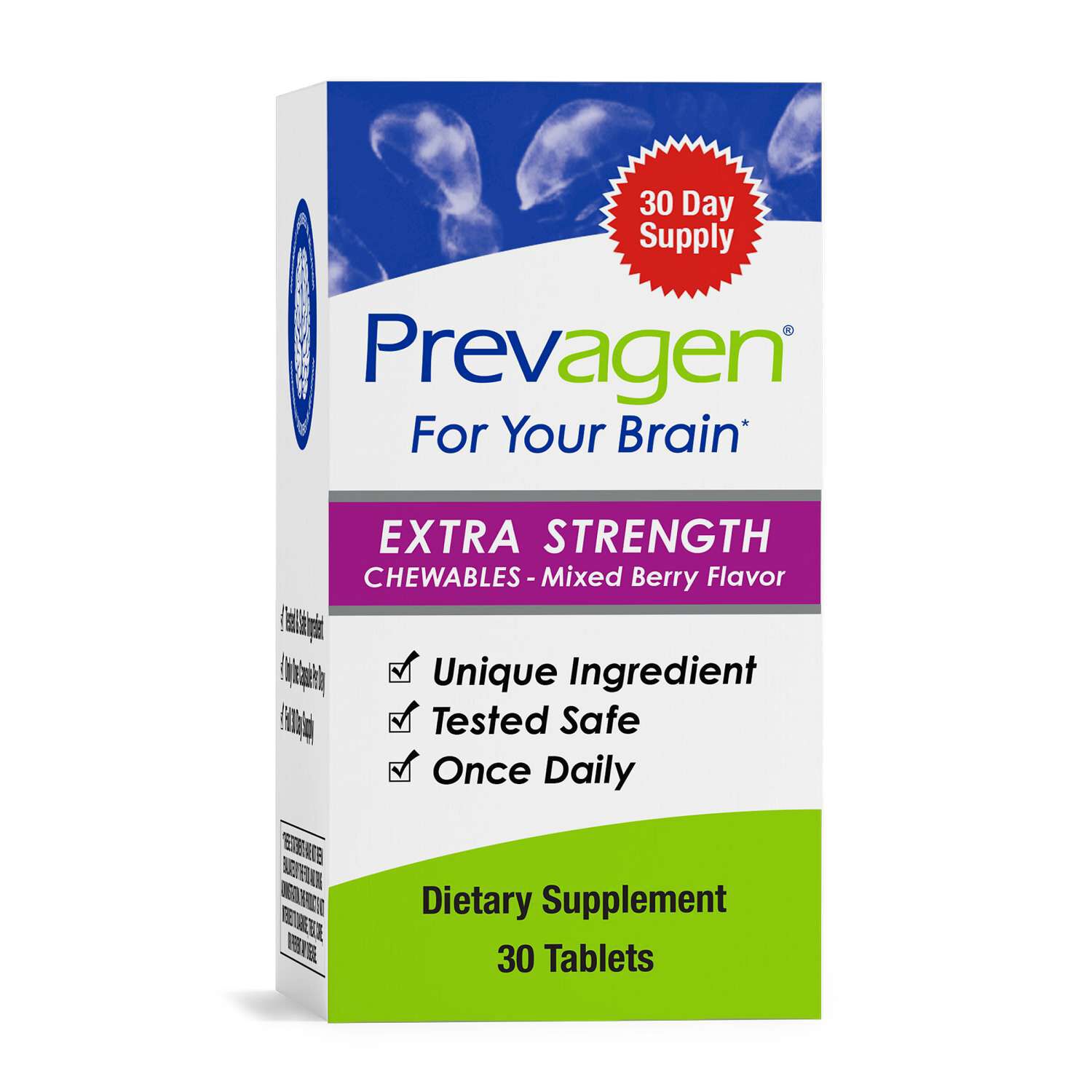

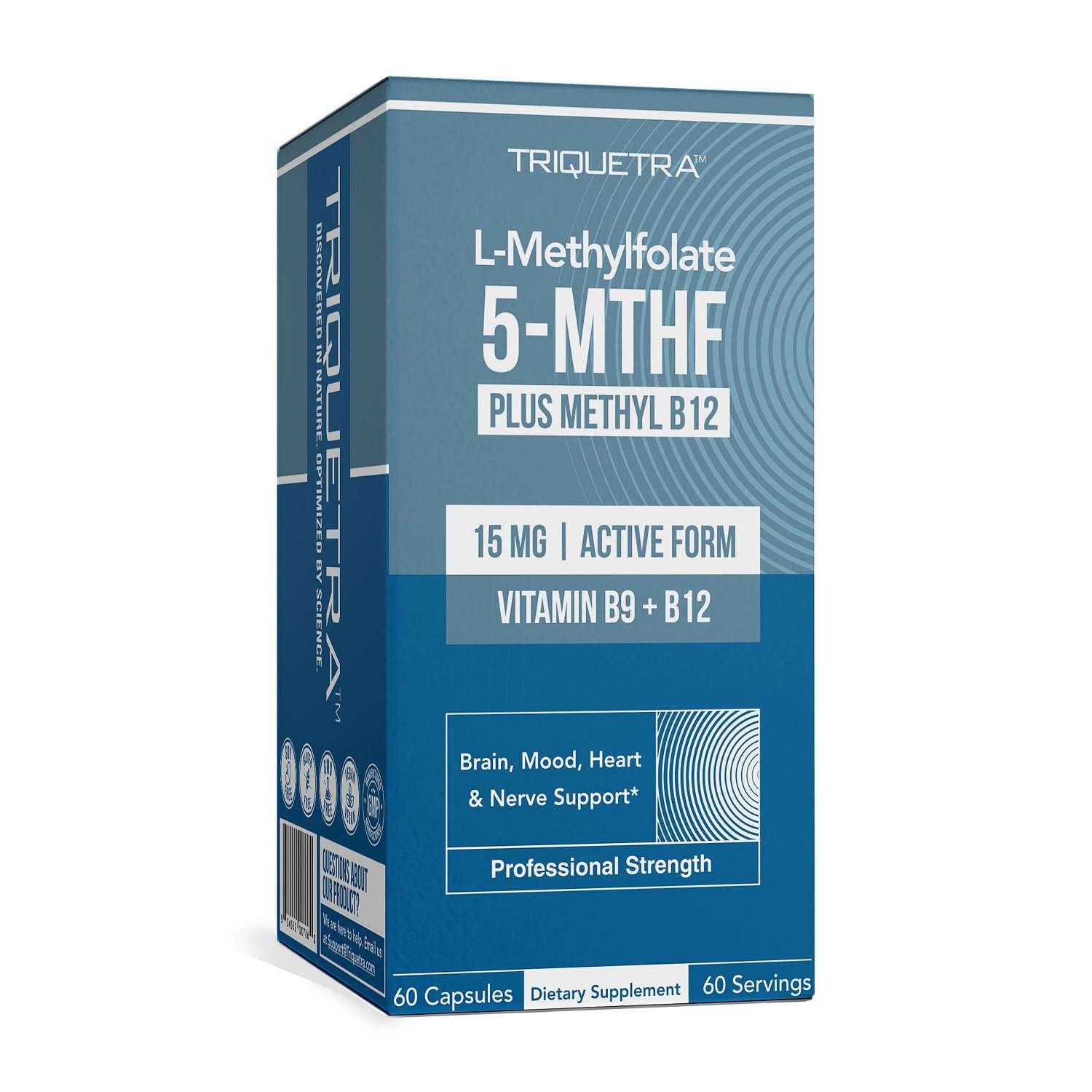
Teachers move through days that demand steady attention from the first bell to the final stack of papers. A morning lesson may call for quick recall, a hallway conversation may require careful listening, and an afternoon of grading can place even more demands on an already full schedule. Memory support supplements are often selected by educators who want to add nutritional support to an everyday routine, whether they are preparing lesson plans, learning new classroom technology, or keeping track of names, schedules, and activities. The products on this page may suit teachers seeking options associated with memory, focus, and mental clarity, while individual preferences can vary widely. Some shoppers look for a straightforward multivitamin format, while others prefer a formula centered on one nutrient or a small group of ingredients. Omega-3 fatty acids, including EPA and DHA, are commonly found in products selected for brain and nervous system support, and they may help maintain normal cell structure and communication. B vitamins such as B6, folate, and B12 are also frequently considered because they may support normal energy metabolism and nervous system function. Vitamin D may be included in a broader daily formula, particularly for people whose routines keep them indoors for much of the day. Mushroom ingredients such as lion’s mane are another option that some adults choose for daily mental sharpness, while phosphatidylserine may appeal to shoppers looking for a nutrient associated with memory and attention support. These ingredients are not interchangeable, and a longer ingredient list does not necessarily make a product a better match. Reading the Supplement Facts panel can help shoppers compare serving size, amounts per serving, additional nutrients, and the number of capsules, tablets, softgels, or chewables required each day.
A teacher’s schedule can make convenience especially important. A product that fits naturally beside breakfast, a desk drawer, or an after-school routine may be easier to use consistently than one that requires several steps. Capsules and softgels may work well for shoppers who already follow a daily supplement routine, while chewables or powders may appeal to those who prefer a different format. Flavor, texture, storage, and serving size can all shape the experience, particularly during long school days when there may be little time between classes. Shoppers may also compare formulas by dietary preferences, allergen information, added sweeteners, and whether the product contains ingredients they already receive from other supplements or fortified foods. Checking the label for overlapping nutrients may help avoid taking more than intended. Anyone managing a health condition, taking prescription products, preparing for a procedure, or considering supplements for a child or teenager could speak with a qualified healthcare professional before beginning a new routine. A professional may help identify whether a nutrient is appropriate and whether a basic evaluation could clarify a dietary need. This consideration can be useful for ingredients such as vitamin D or B12, since a supplement may be more relevant when intake is limited or a deficiency has been identified. Herbal ingredients can also deserve careful review because they may not suit every person or every prescription routine. Keeping the product container available during a professional conversation may make it easier to review the full ingredient panel, serving instructions, and suggested use. Supplements should remain part of a broader approach that may include regular meals, adequate hydration, movement, and a consistent sleep schedule. No product takes the place of those daily foundations, and supplements may offer nutritional support rather than a substitute for professional care.
Memory support supplements can be a thoughtful gift for educators, especially during the transition from the relaxed pace of summer into a busier school rhythm or during the cooler months when lesson planning, conferences, and extracurricular commitments fill the calendar. They may also suit student teachers, tutors, school administrators, education students, and other active adults whose work depends on organization and sustained attention. A gift recipient’s preferences matter, so a shopper may want to consider whether that person favors a simple one-a-day formula, a targeted nutrient, a vegetarian or vegan option, or a format that travels easily from home to the classroom. Packaging that fits neatly in a work bag can be useful for an educator who moves between classrooms, while a larger bottle may work better for someone who prefers keeping supplements at home. Teachers who spend much of the day speaking may also appreciate products that do not require complicated preparation during a short planning period. For shoppers comparing this collection with options intended for a broader range of routines, Memory Support Supplements For Active Adults offers another place to browse. As with any nutritional product, following the label directions and considering personal dietary needs can help guide a suitable choice. A practical selection may be the one that aligns with the teacher’s routine, ingredient preferences, and comfort with the format, making it easier to incorporate into the familiar pattern of preparing coffee, packing materials, and getting ready for another day of learning.