





Memory Support Supplements For Professionals
(0 Results)
Memory support supplements for professionals are designed for those who want to stay sharp and focused throughout their busy workdays. Whether you’re tackling challenging projects, managing multiple tasks, or striving for peak productivity, these supplements may help you maintain your mental edge. Explore a range of options that could fit seamlessly into your daily routine and support your professional goals.
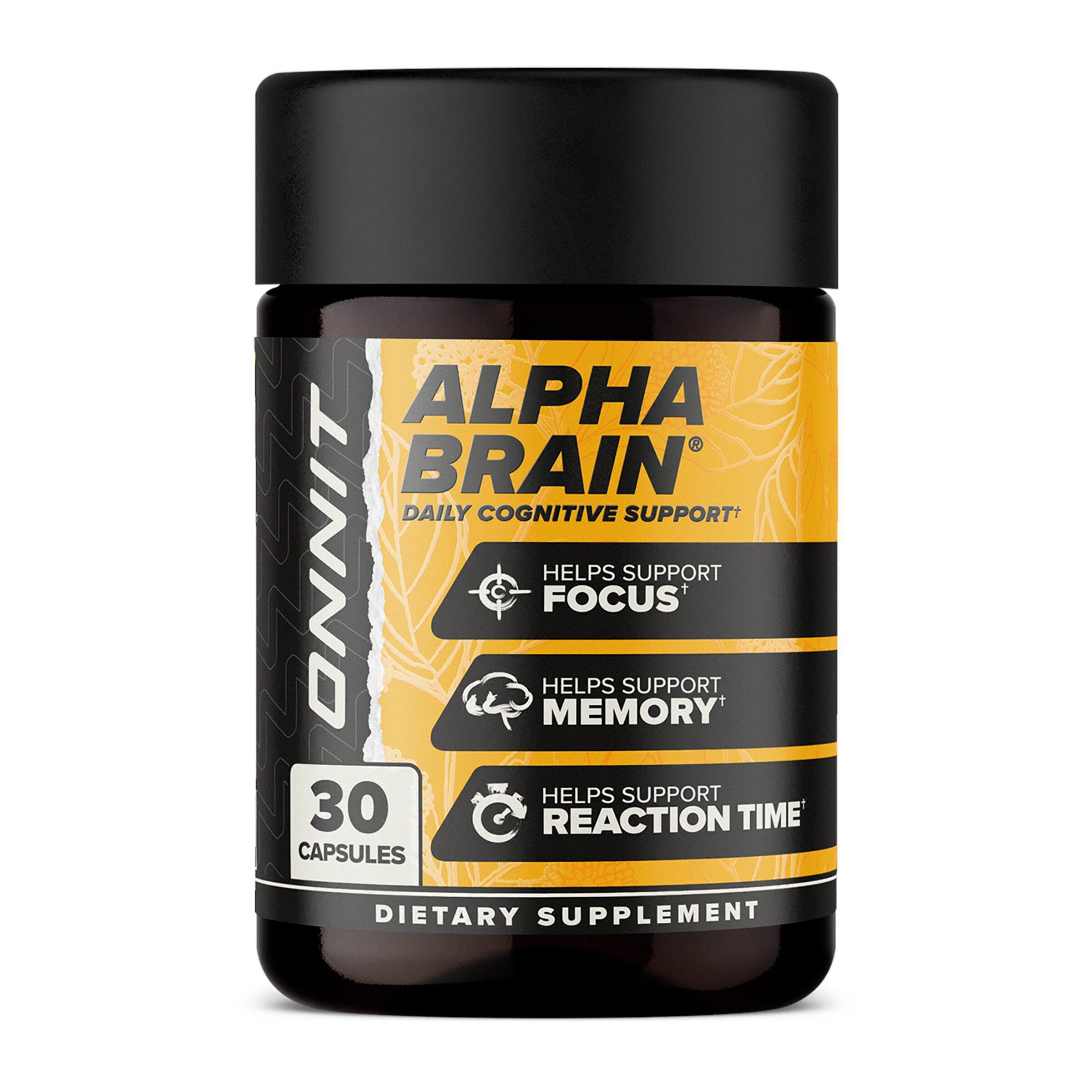
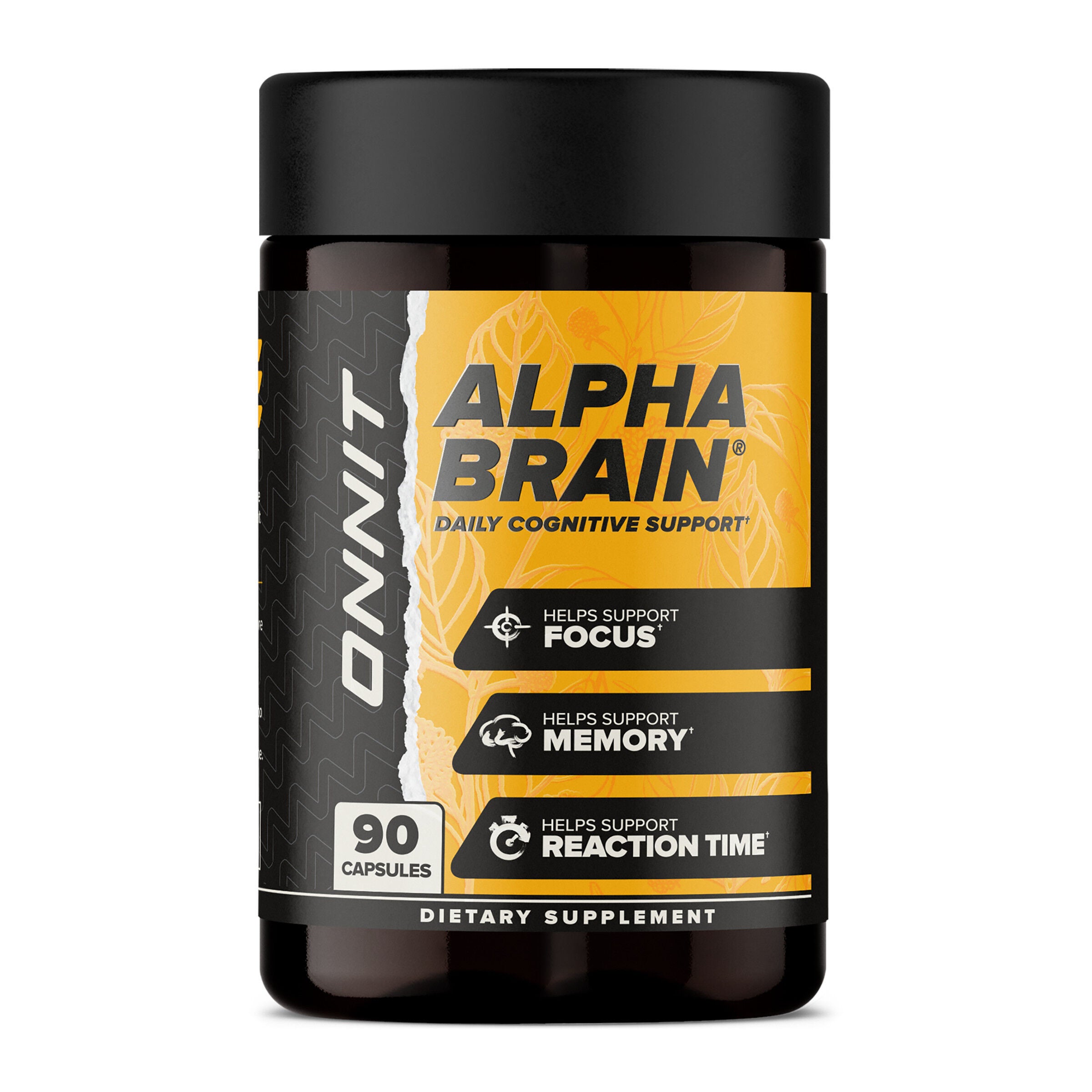
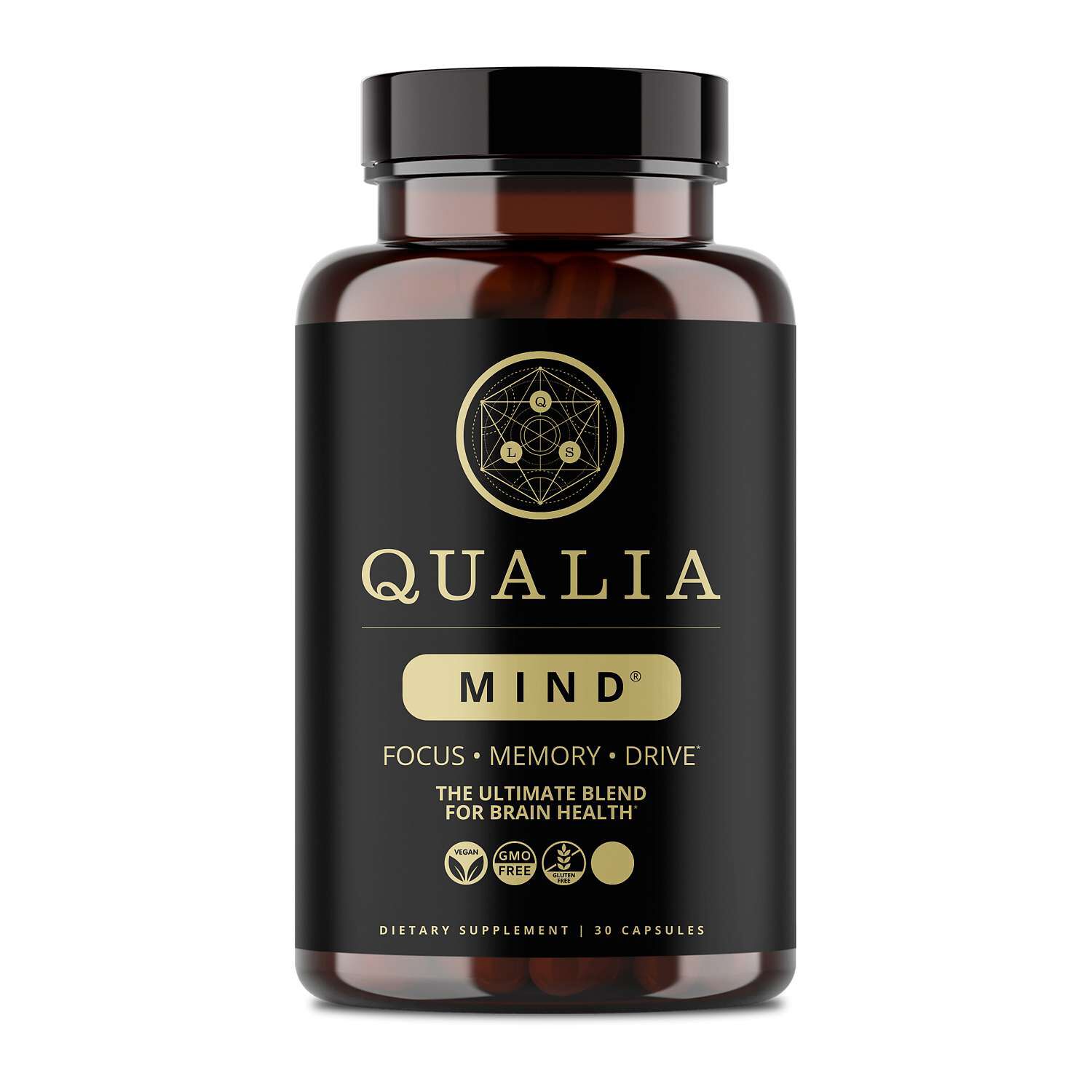



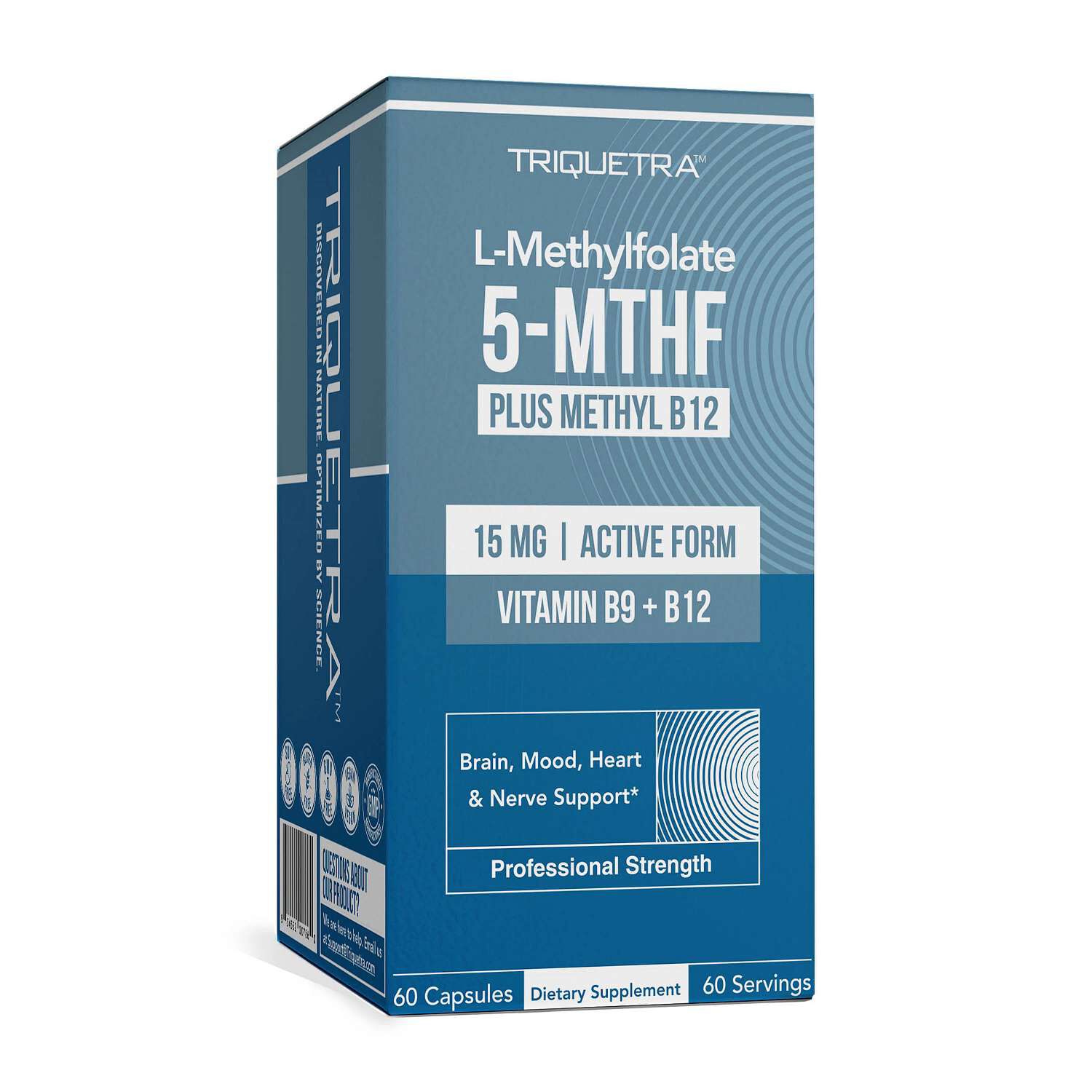


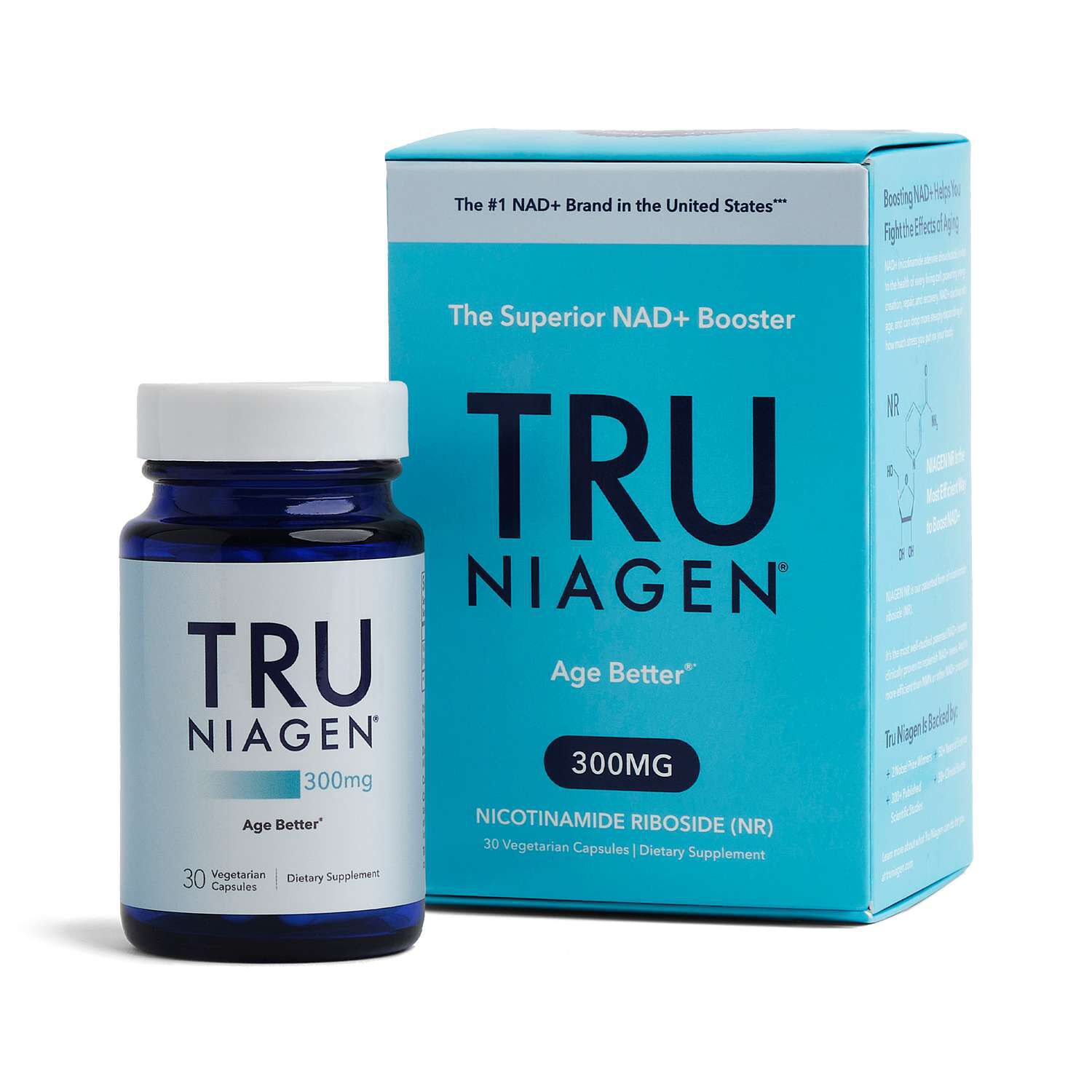
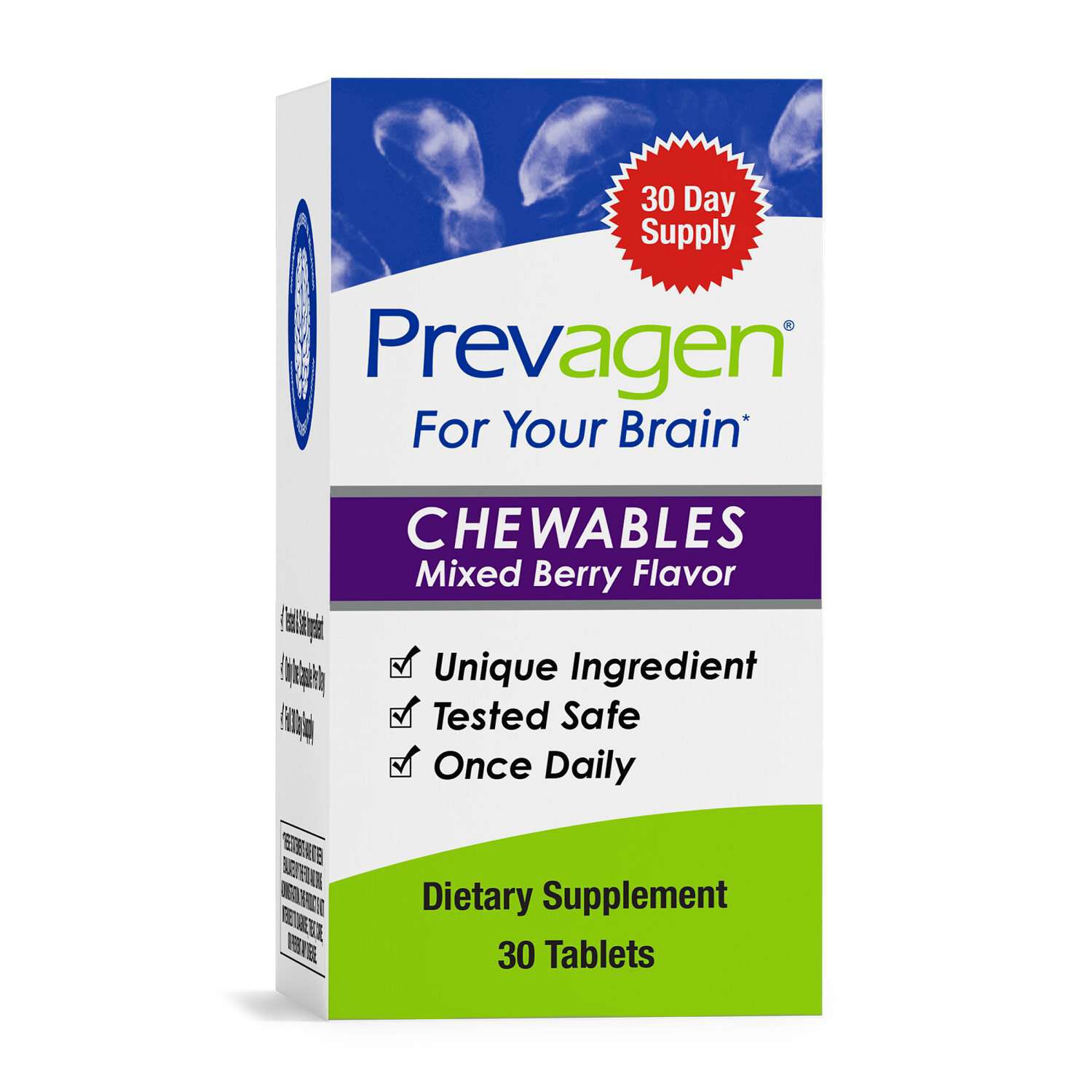
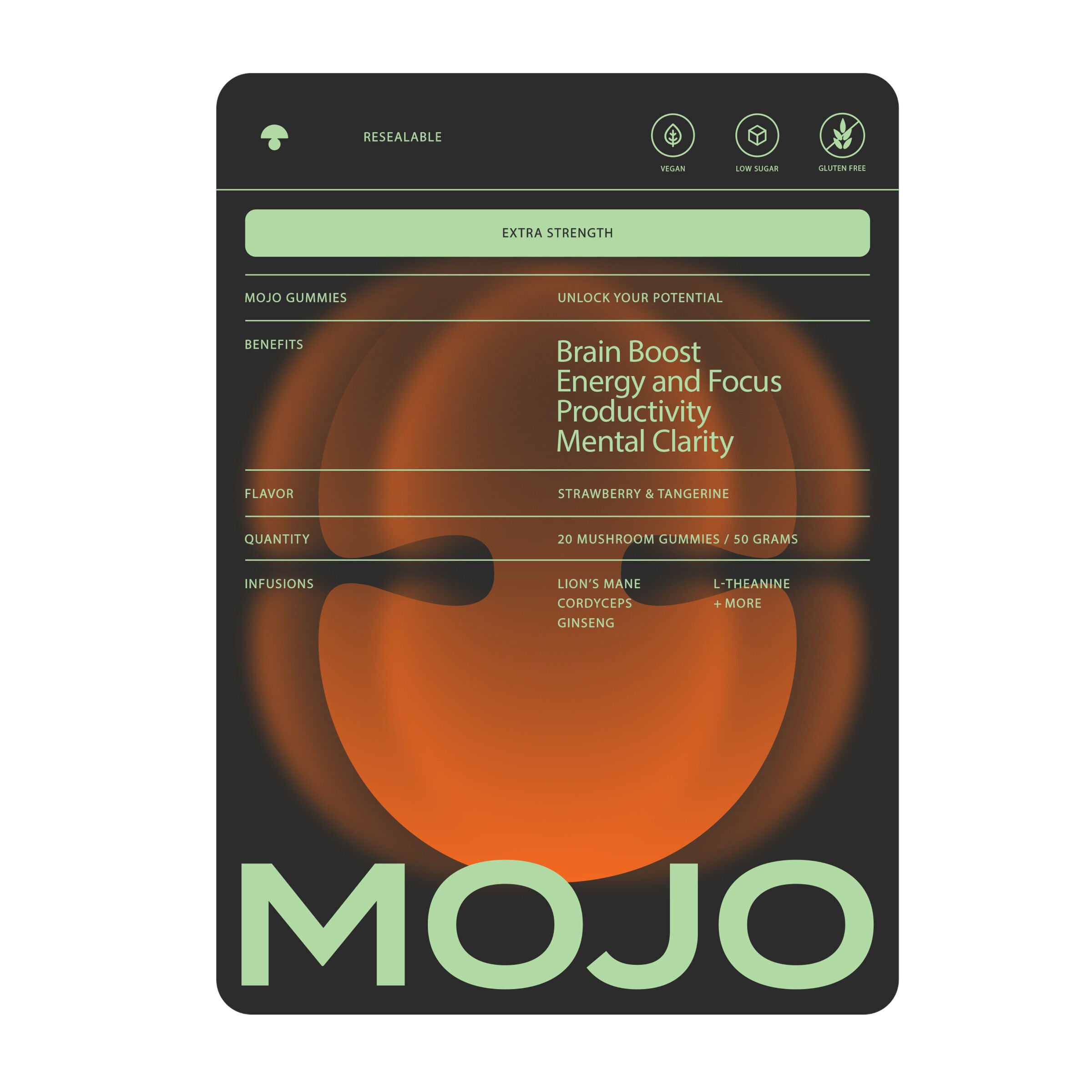
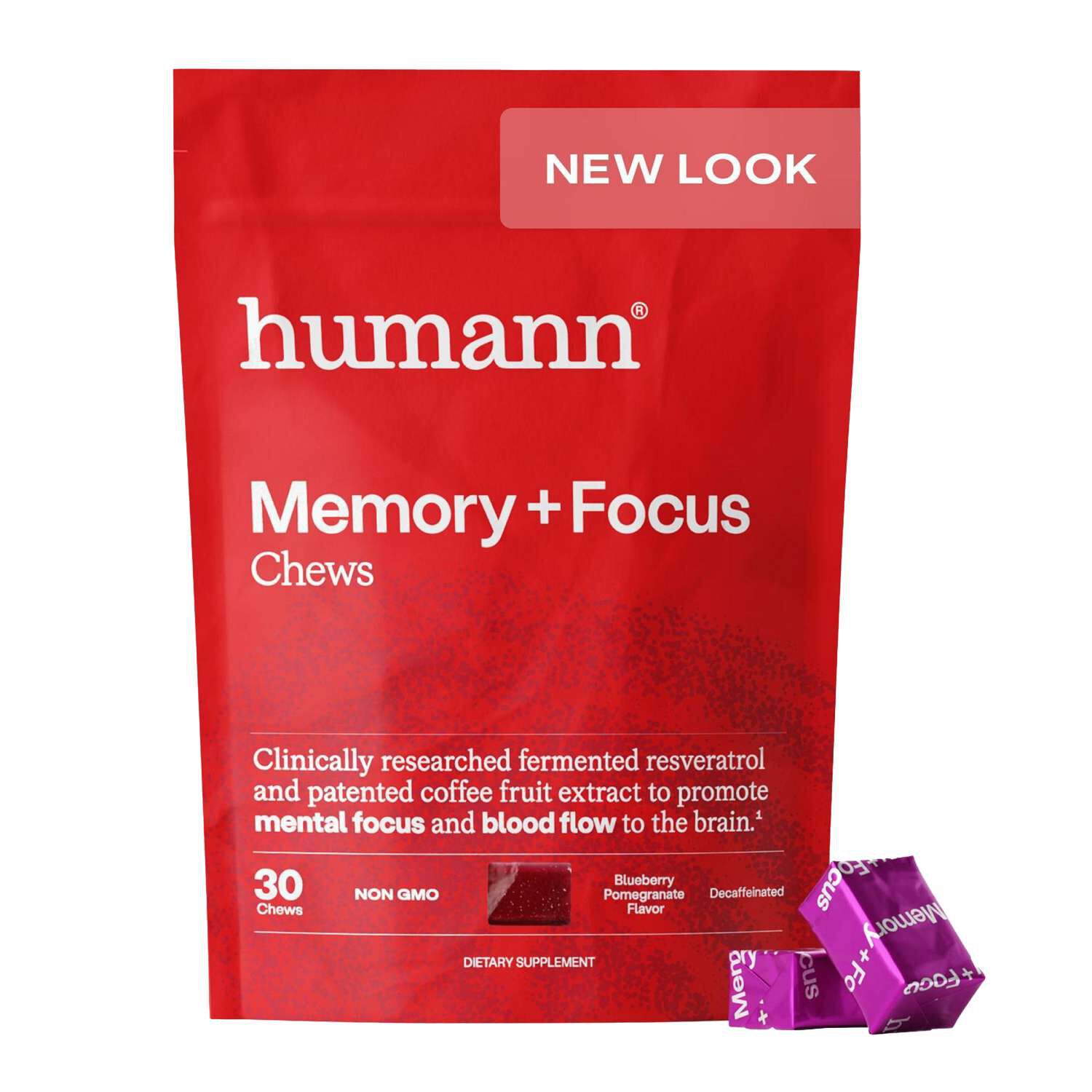

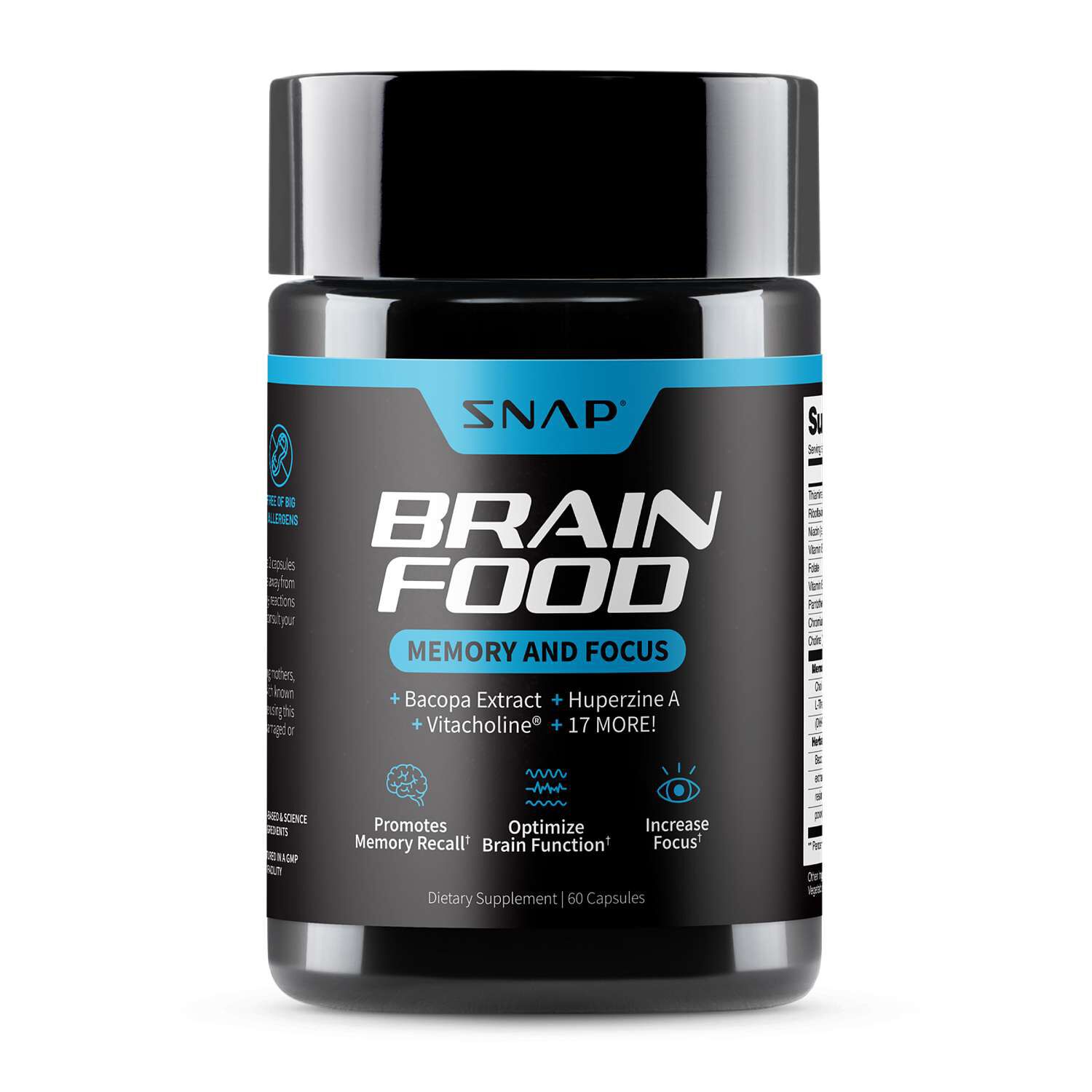

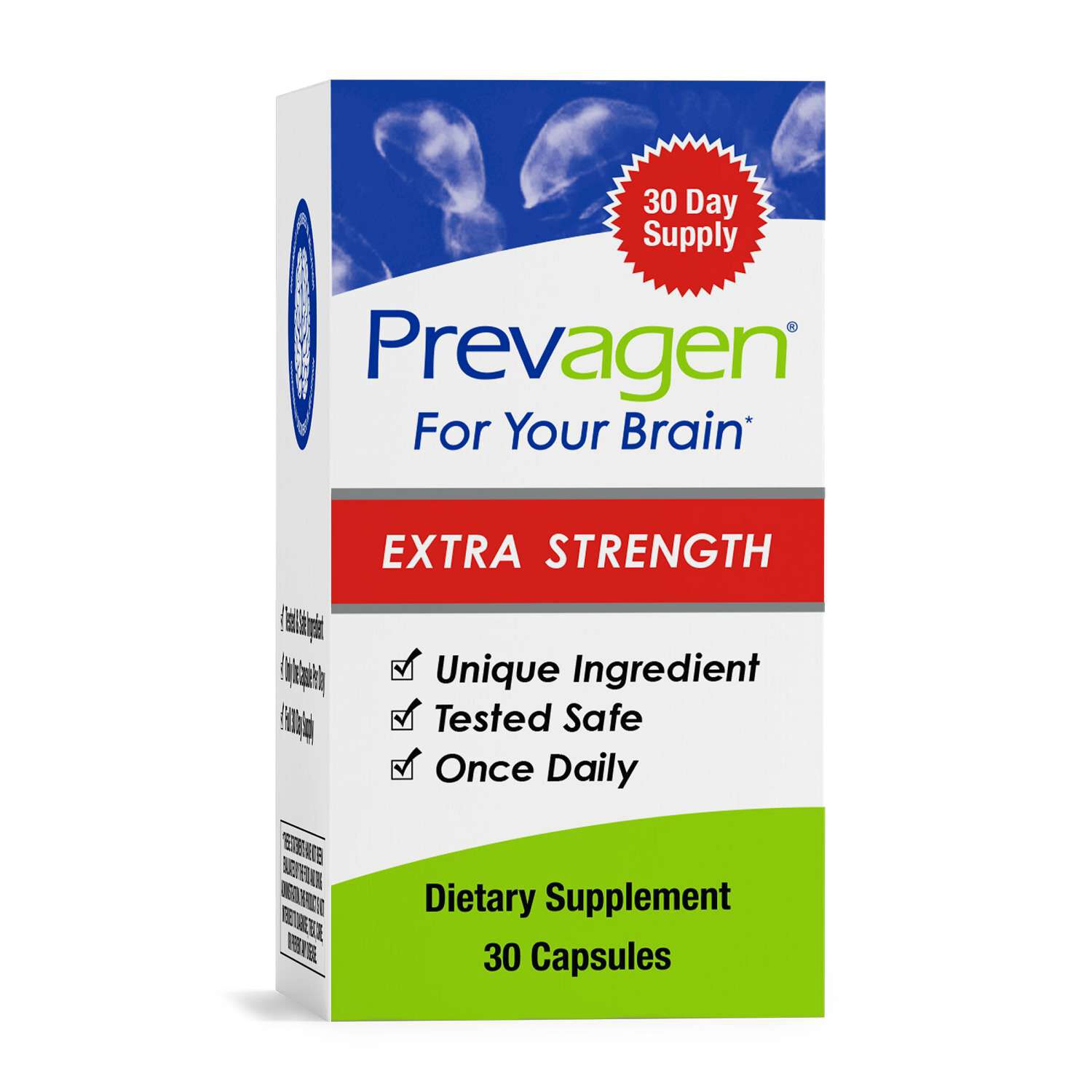

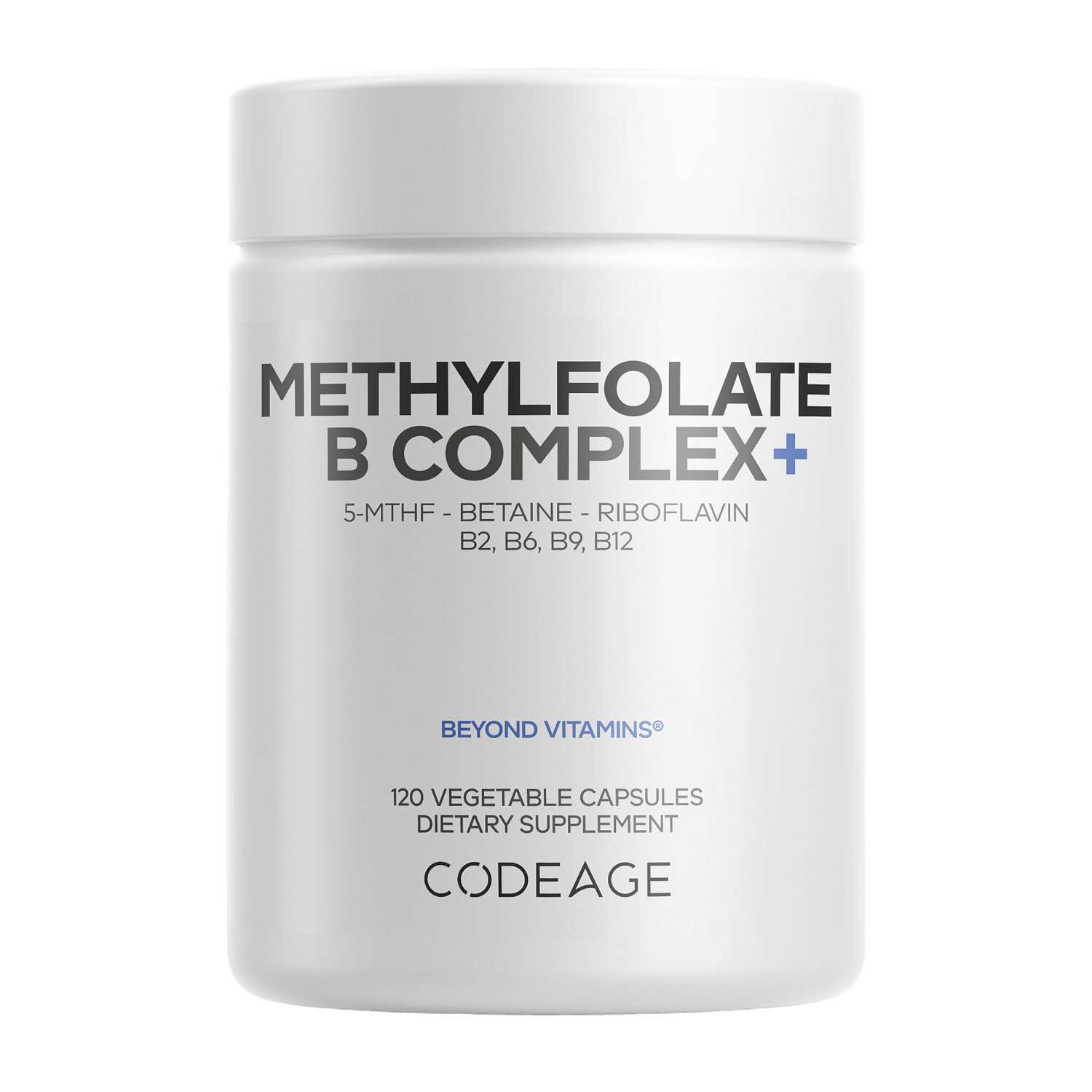
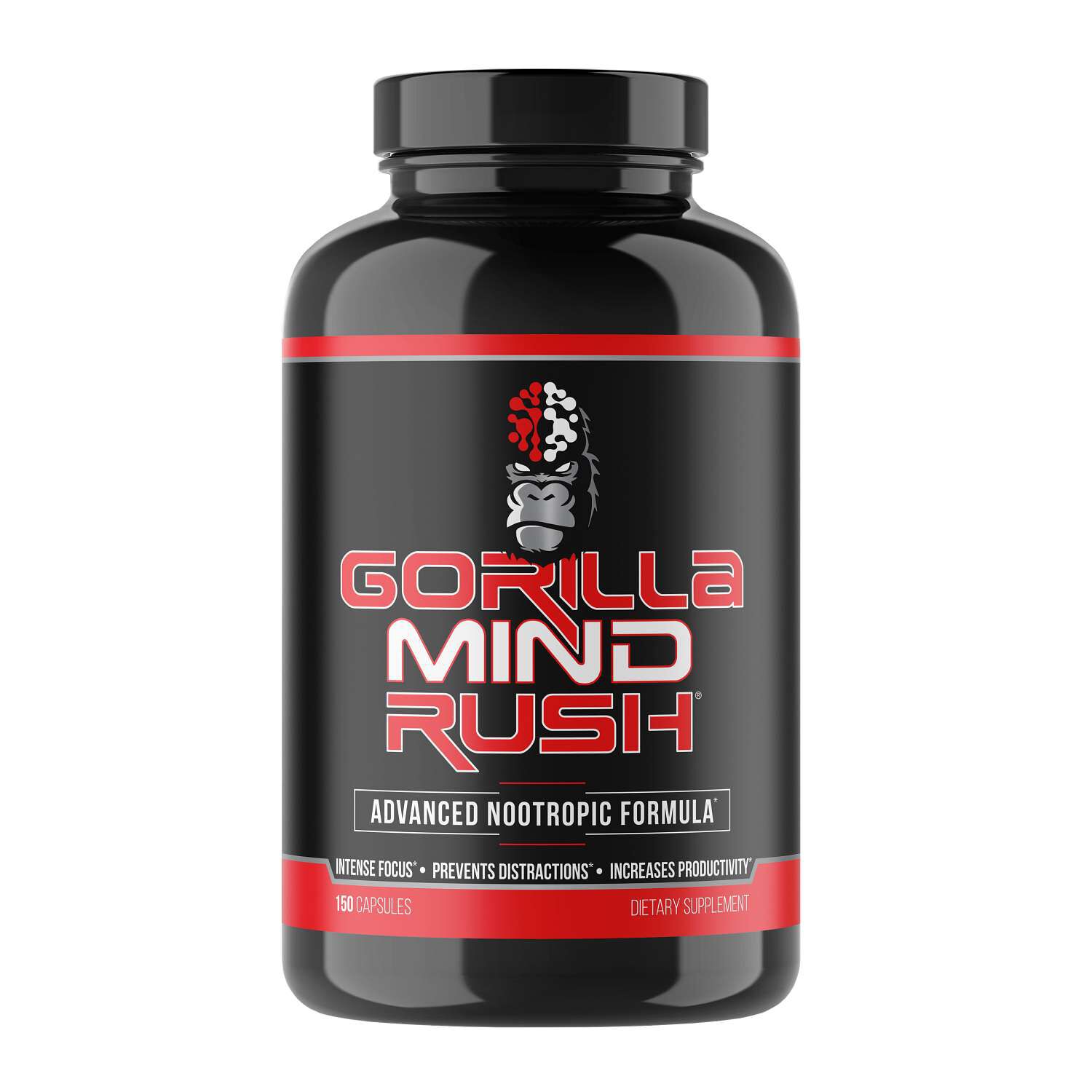
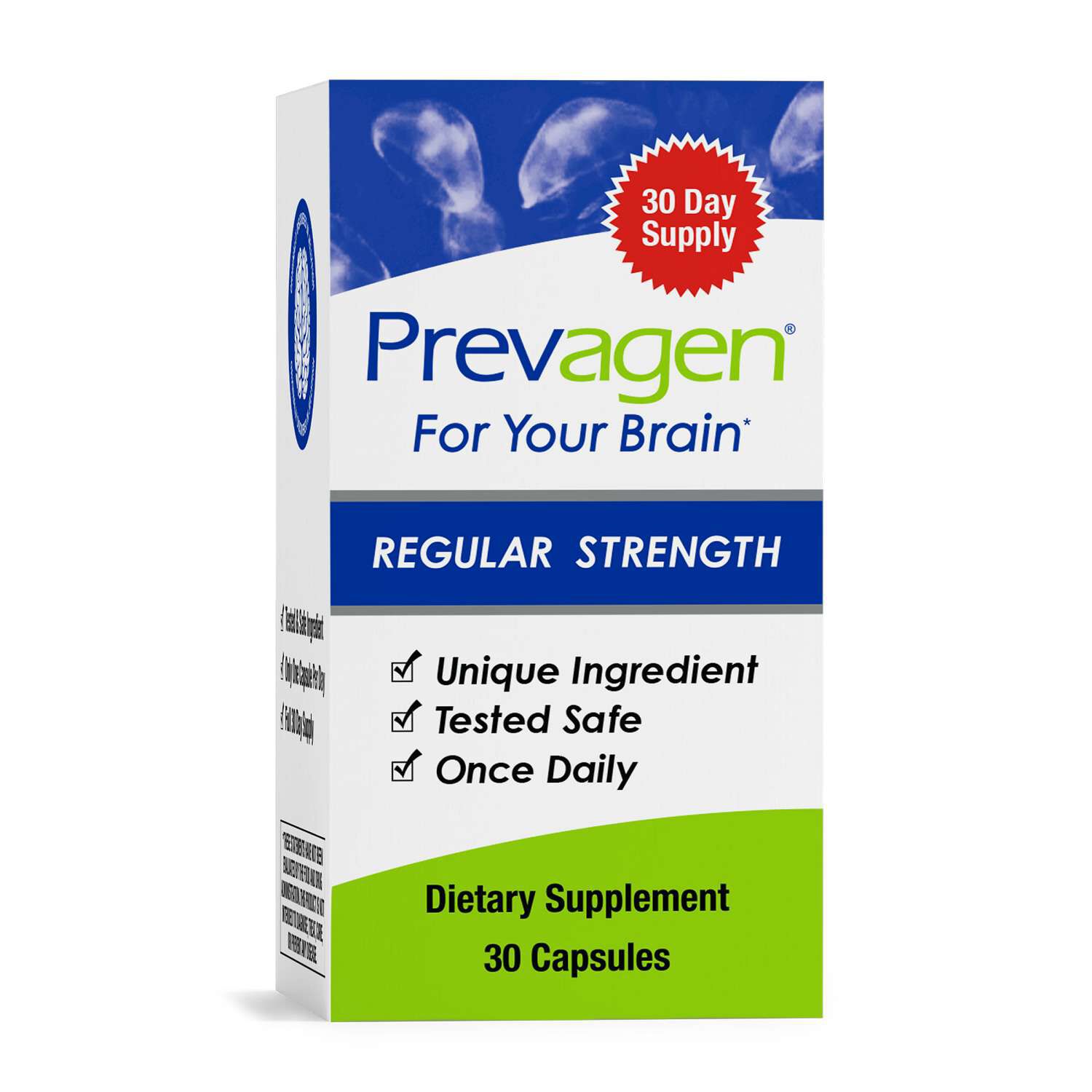
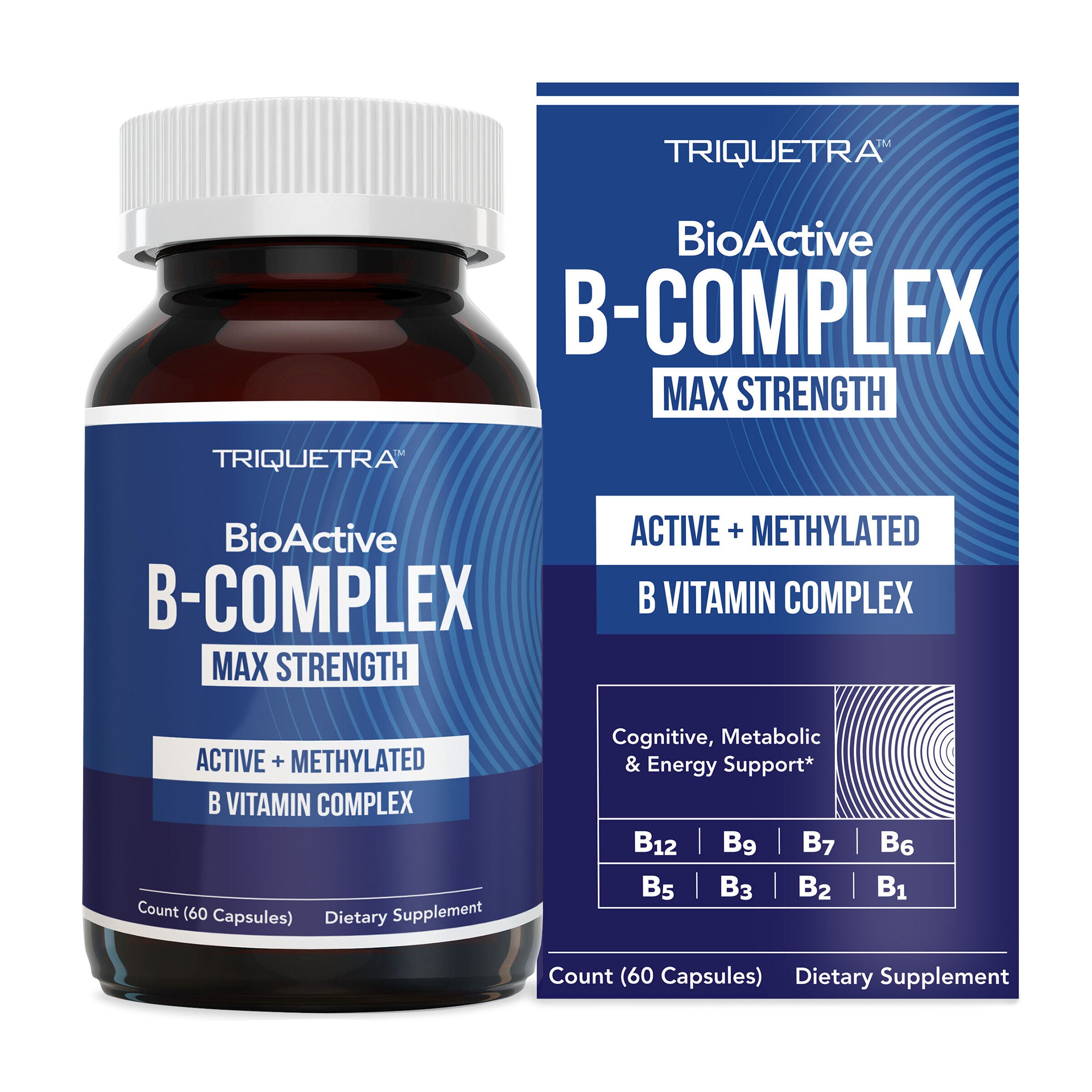
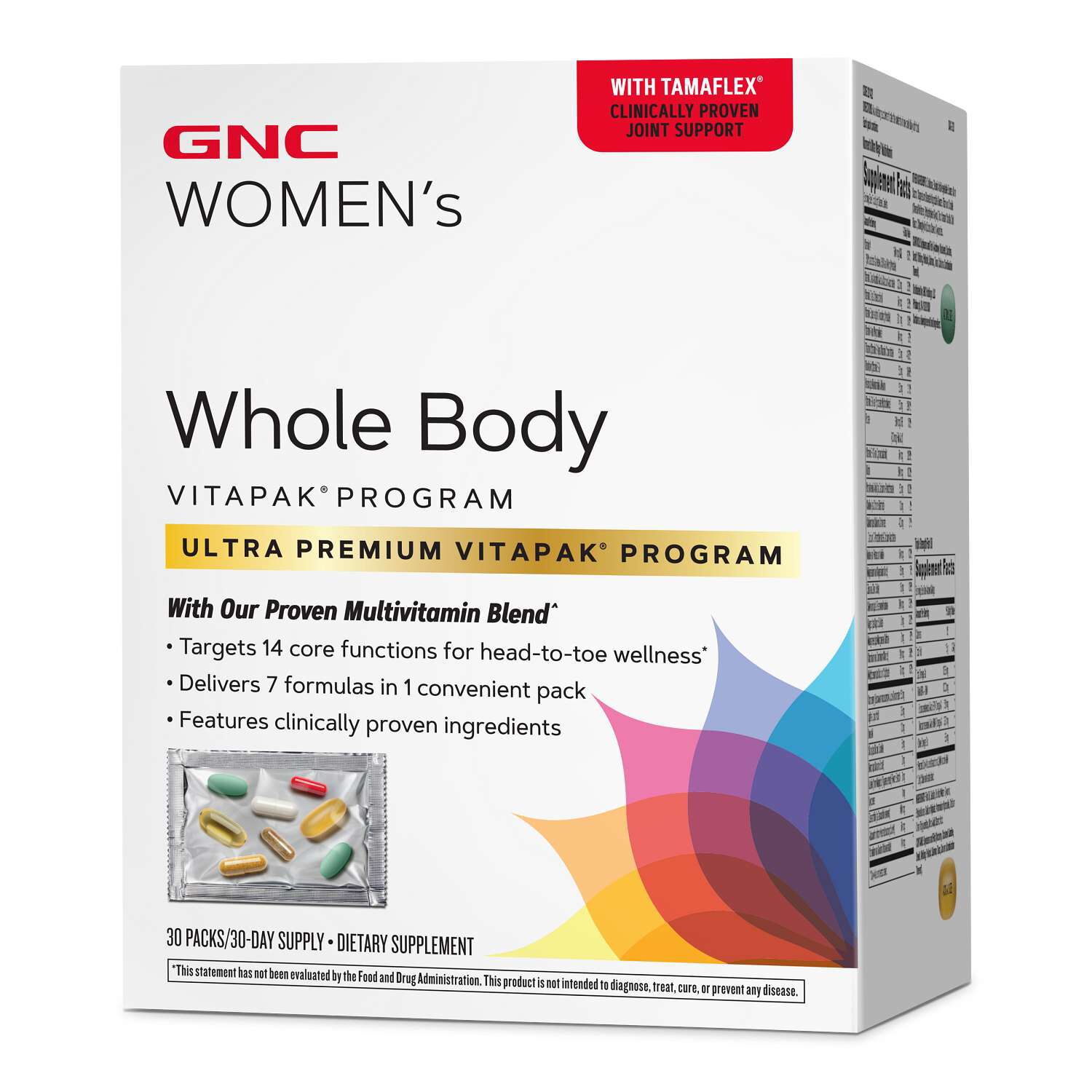
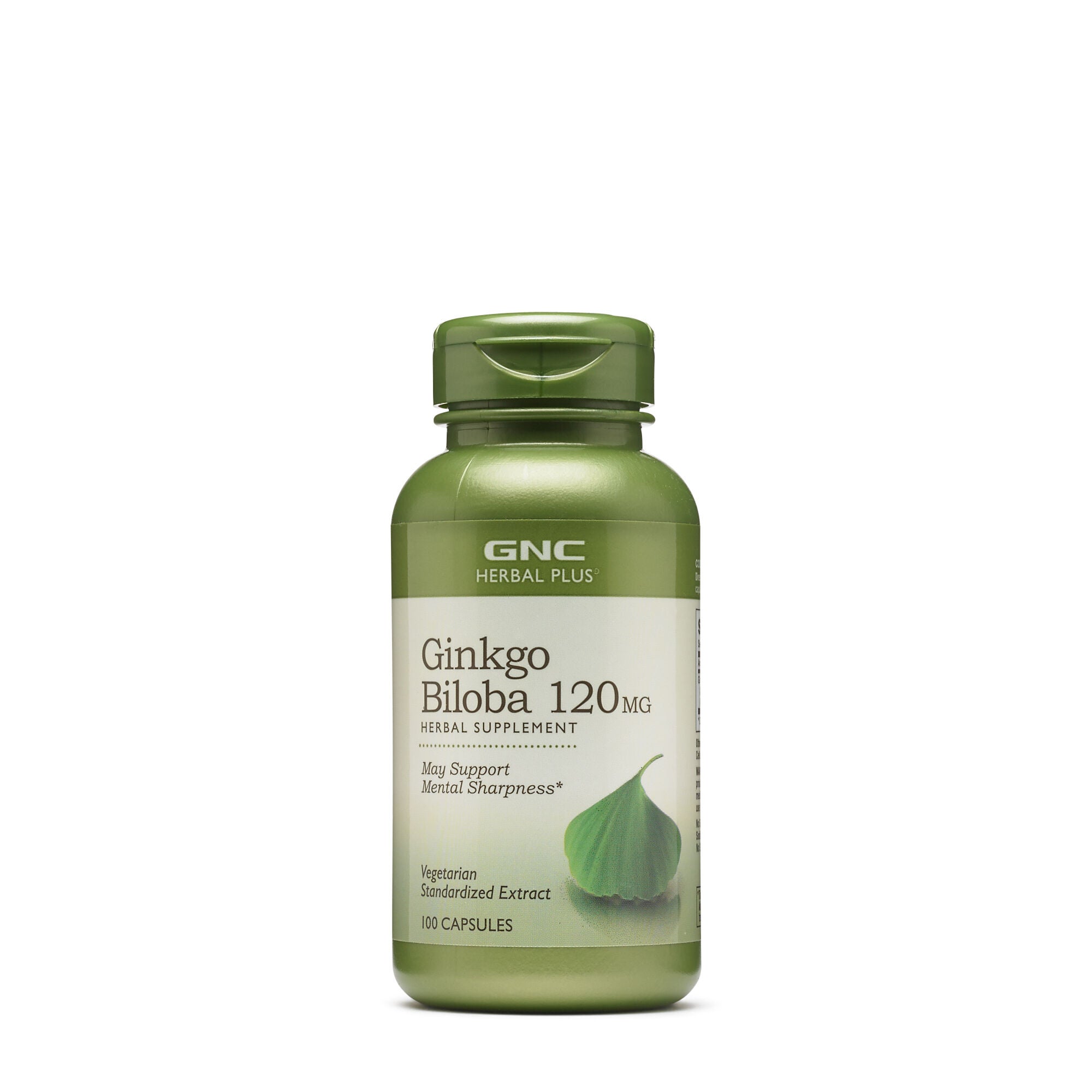
Memory support supplements for professionals are dietary supplements intended for adults who want to include cognitive wellness in an everyday routine. Depending on their ingredients, these formulas may support everyday memory, focus, or mental performance, although individual experiences can differ. The category has relevance across many work settings: an analyst moving between spreadsheets and presentations, a teacher preparing lesson plans, a project manager tracking overlapping deadlines, or a designer reviewing feedback before a client meeting. These situations make convenience and clear labeling important alongside the ingredients themselves. A meaningful comparison includes the ingredient list, the amount provided per serving, the serving size, and the format. Some formulas combine several nutrients or botanicals, while others center on a single ingredient. Neither approach is automatically better suited to a demanding schedule; the useful distinctions are what the formula contains and how comfortably its intended use fits an established routine. Capsules may appeal to someone who prefers a familiar format, while chewables offer a different texture and serving experience. Powders involve additional considerations, including whether a serving requires measuring, mixing, or access to a beverage container. A desk drawer, a commuter bag, and a home kitchen create different practical needs, so packaging and preparation deserve attention alongside the formula. Memory support should not be confused with a particular sensation of alertness, either. Some formulas contain caffeine, while others do not, and that distinction belongs in any comparison of options for the workday. Supplements may complement a broader wellness routine, but they do not replace meals, sleep, or the organizational tools used to manage professional responsibilities. Clear meeting notes, a realistic calendar, and an established evening routine remain separate parts of that picture. The most useful category descriptions distinguish between intended support and a specific outcome rather than suggesting that a supplement can make every demanding task easier.
Ingredient selection gives memory support formulas much of their variety. Vitamin B12, folate, vitamin D, and zinc appear in some cognitive wellness formulas, while others feature ingredients such as L-theanine, ashwagandha, lion’s mane mushroom, or omega-3 fatty acids. These ingredients are not interchangeable, and their presence alone does not establish how a finished formula may affect an individual. L-theanine is an amino acid found in tea, ashwagandha is a botanical, and lion’s mane is a mushroom; those distinctions matter when comparing ingredient sources and dietary preferences. Omega-3 ingredients may come from fish or algae, making the source relevant to shoppers who follow particular eating patterns. Botanical labels may identify a plant part, an extract, or an amount of selected naturally occurring compounds. Mushroom labels may distinguish between fruiting bodies and mycelium. Such details describe what is in the container, rather than establishing that one option will produce a particular result. Research findings also need context: a study involving one ingredient preparation or serving amount does not automatically describe every formula bearing that ingredient’s name. For this reason, memory support supplements are better understood through their actual composition than through broad claims about productivity. The Supplement Facts panel provides a common reference for comparing serving amounts, while the other ingredients list identifies components such as capsule materials, flavors, sweeteners, and binding agents. A capsule made with gelatin differs from one made with plant-derived materials, and a flavored chewable has a different ingredient profile from an unflavored capsule. Allergen statements and dietary designations add another layer of useful information. Third-party testing information, when provided, can offer context about the characteristics evaluated, such as ingredient identity or certain contaminants. The scope of testing matters, however; a testing seal is not evidence that every user will notice a memory-related change. Transparent labeling makes these distinctions easier to understand without turning a long ingredient list, a large serving amount, or an unfamiliar botanical name into a shortcut for judging suitability.
Everyday practicality becomes especially noticeable when a supplement routine moves between home and work. A bottle that stays in a kitchen cabinet presents different storage considerations from a container carried through a commute or packed for a business trip. Original packaging keeps the ingredient information, serving directions, lot information, and expiration date together, while the label supplies the relevant storage conditions. Moisture, direct sunlight, and excessive heat are common packaging considerations, so a place beside a steamy kettle or on a sunlit dashboard is different from a designated storage space. Container size and closure style also influence how conveniently a formula fits into a bag or cabinet. For powders, a scoop and mixing vessel become part of the routine; for chewables, flavor and texture may influence format preferences. Serving count deserves a separate look from capsule count because one labeled serving may contain more than one capsule or chewable. Similar attention applies when comparing a standalone ingredient with a blend: overlapping ingredients can make two otherwise different formulas less distinct than their front labels suggest. Professionals considering adjacent categories can also explore Brain Support Supplements For Professionals for a broader view of formulas positioned around cognitive wellness. The distinction between memory support and broader brain support is often a matter of the formula’s ingredients and stated purpose, rather than a sharp boundary between categories. Intended use, ingredient transparency, dietary preferences, and realistic expectations remain useful points of comparison across both. A thoughtful selection is not defined by the longest ingredient list or the most ambitious description. It reflects a clear understanding of the format, serving information, and role the supplement may play within an existing routine. For a professional balancing concentrated desk work, conversations, and changing assignments, those practical details help make the category more understandable without treating a supplement as a substitute for preparation, rest, or the habits that structure the day.
Best Sellers
Related Pages
Top Collections
- Zinc Supplements | Top Brands at Great Prices | GNC
- Cortisol Supplements
- NAD+ Supplement Tablets
- Top Rated Collagen | Shop Customer Favorites | GNC
- Best Brand of Magnesium Glycinate
- Peptide Supplements
- Vitamins That Help Support Weight Gain
- Protein Powders For Muscle Growth Support
- Vitamins For Hair Loss
- Peptide Supplements for Muscle Growth