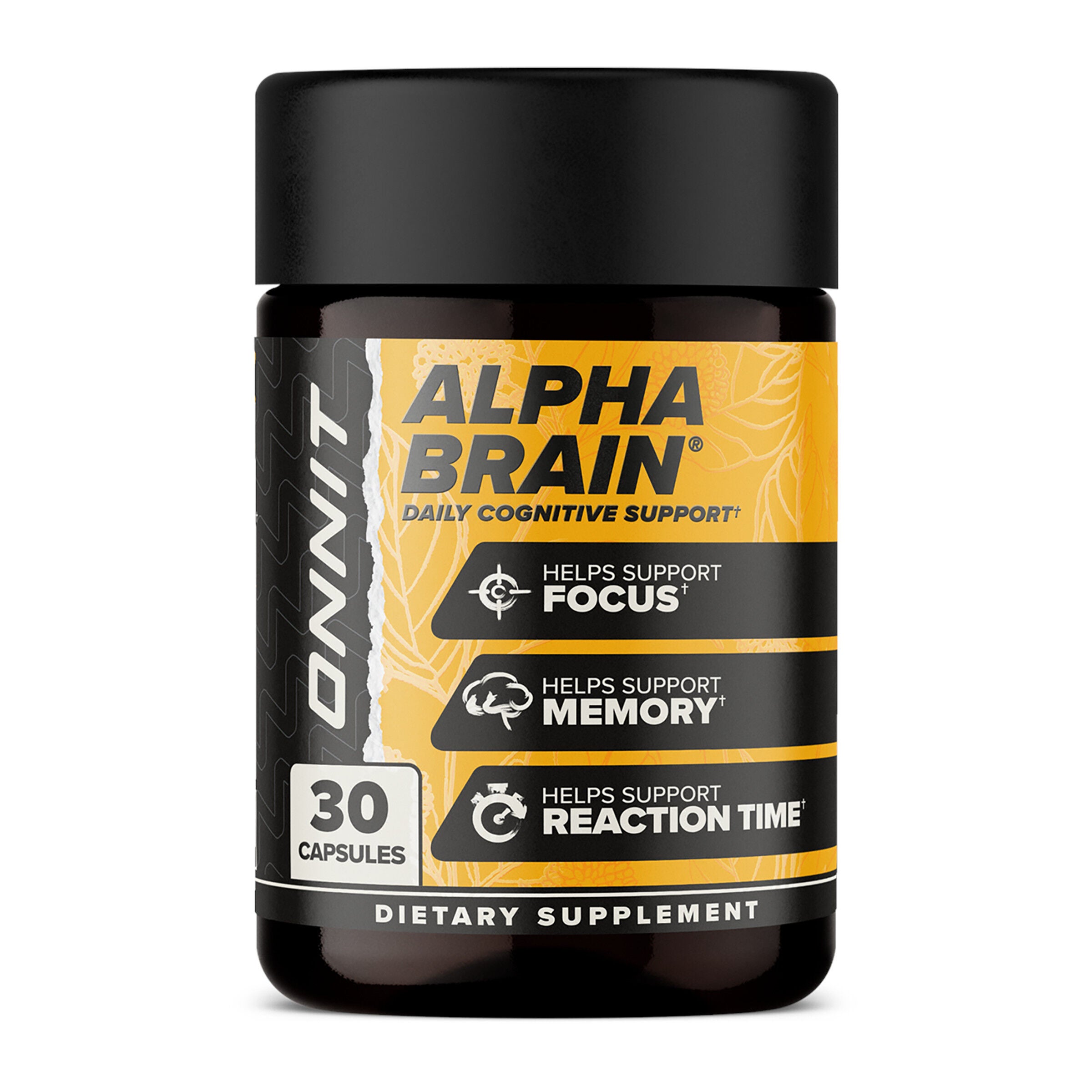
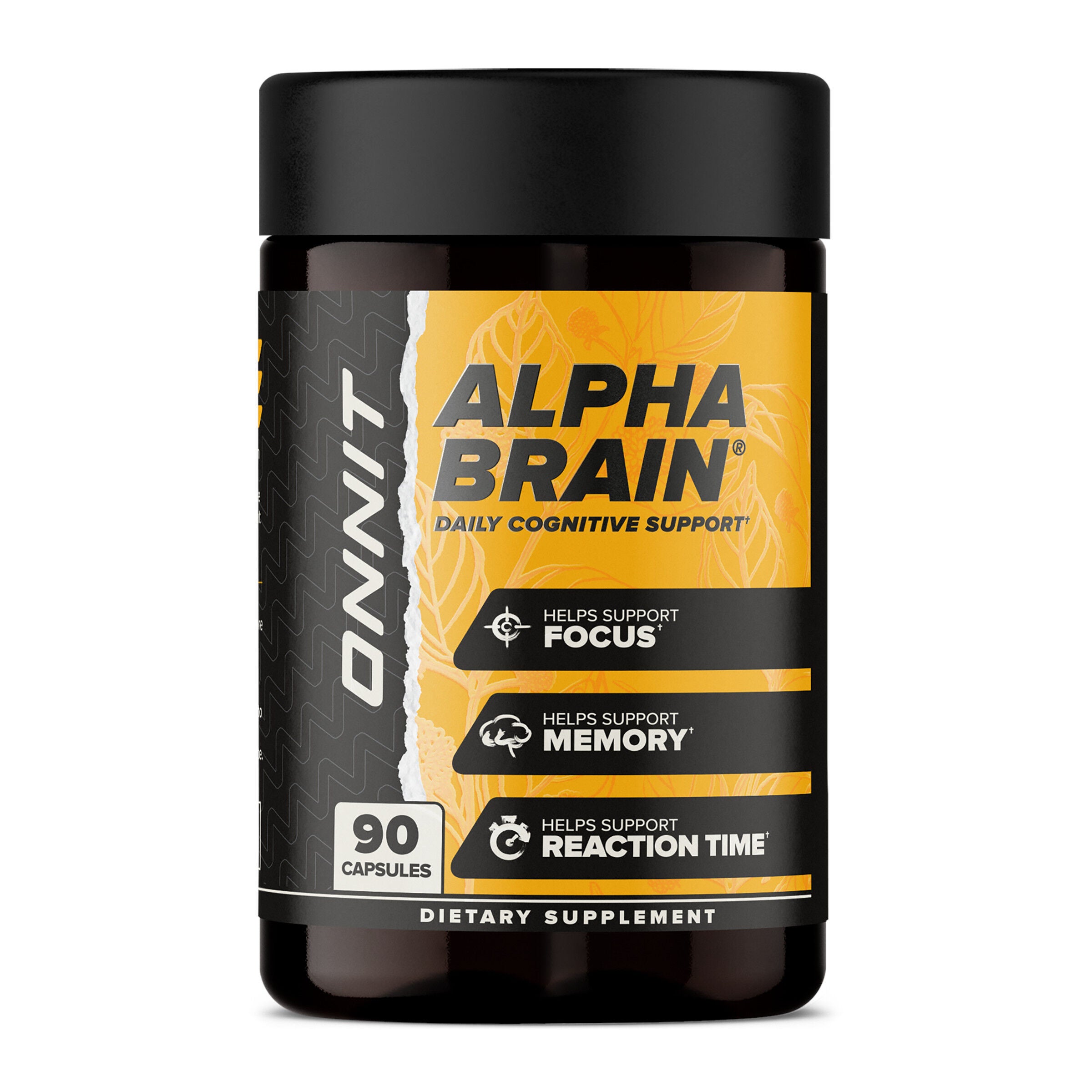
Brain Support Supplements For Professionals
(0 Results)
Brain support supplements for professionals are designed to fit seamlessly into a busy lifestyle, offering a convenient way to support your wellness routine. Whether you’re managing a packed schedule, tackling complex projects, or striving for peak productivity, these supplements may help you feel ready for whatever the workday brings. Explore options that could complement your daily habits and help you stay at your best, no matter how demanding your professional life gets.
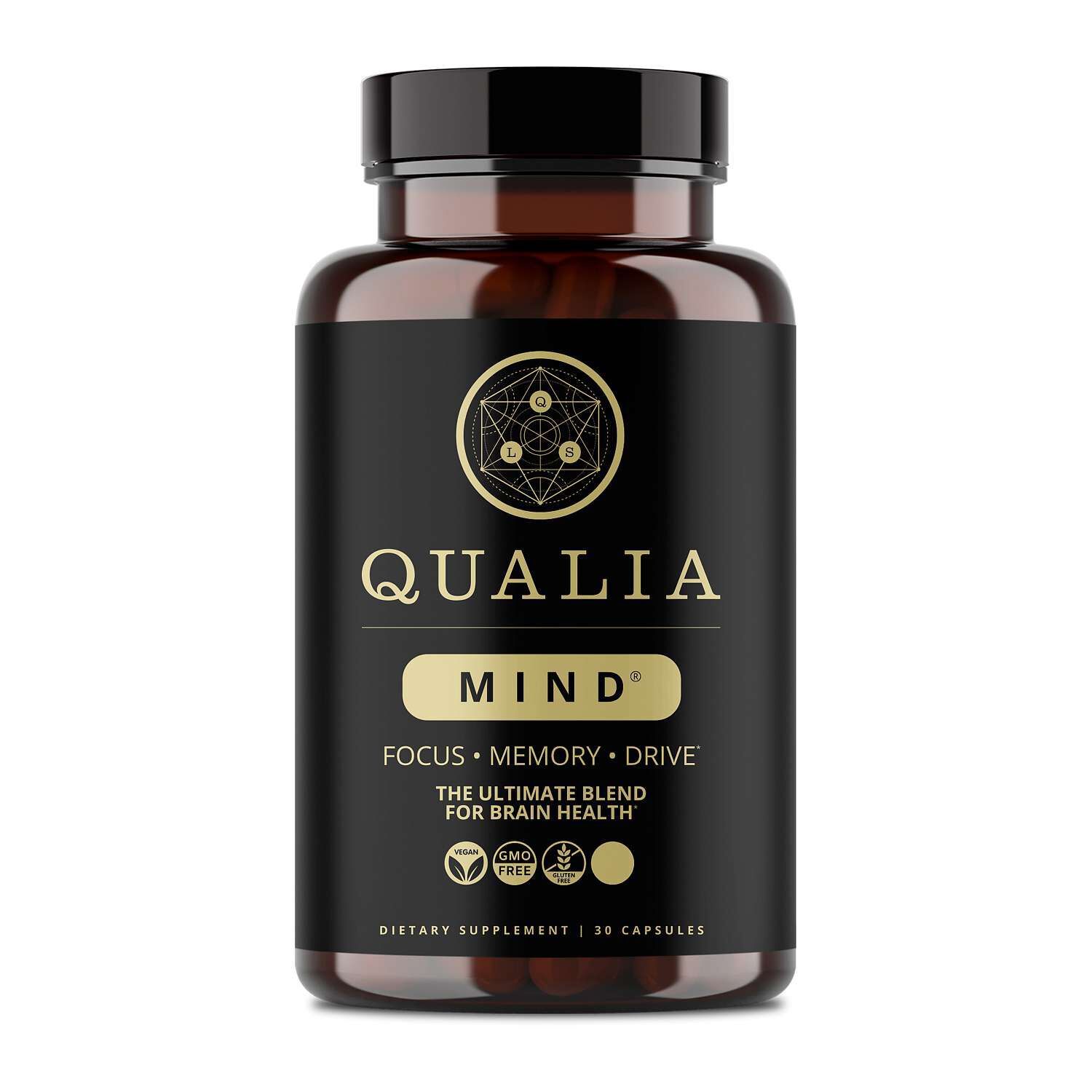

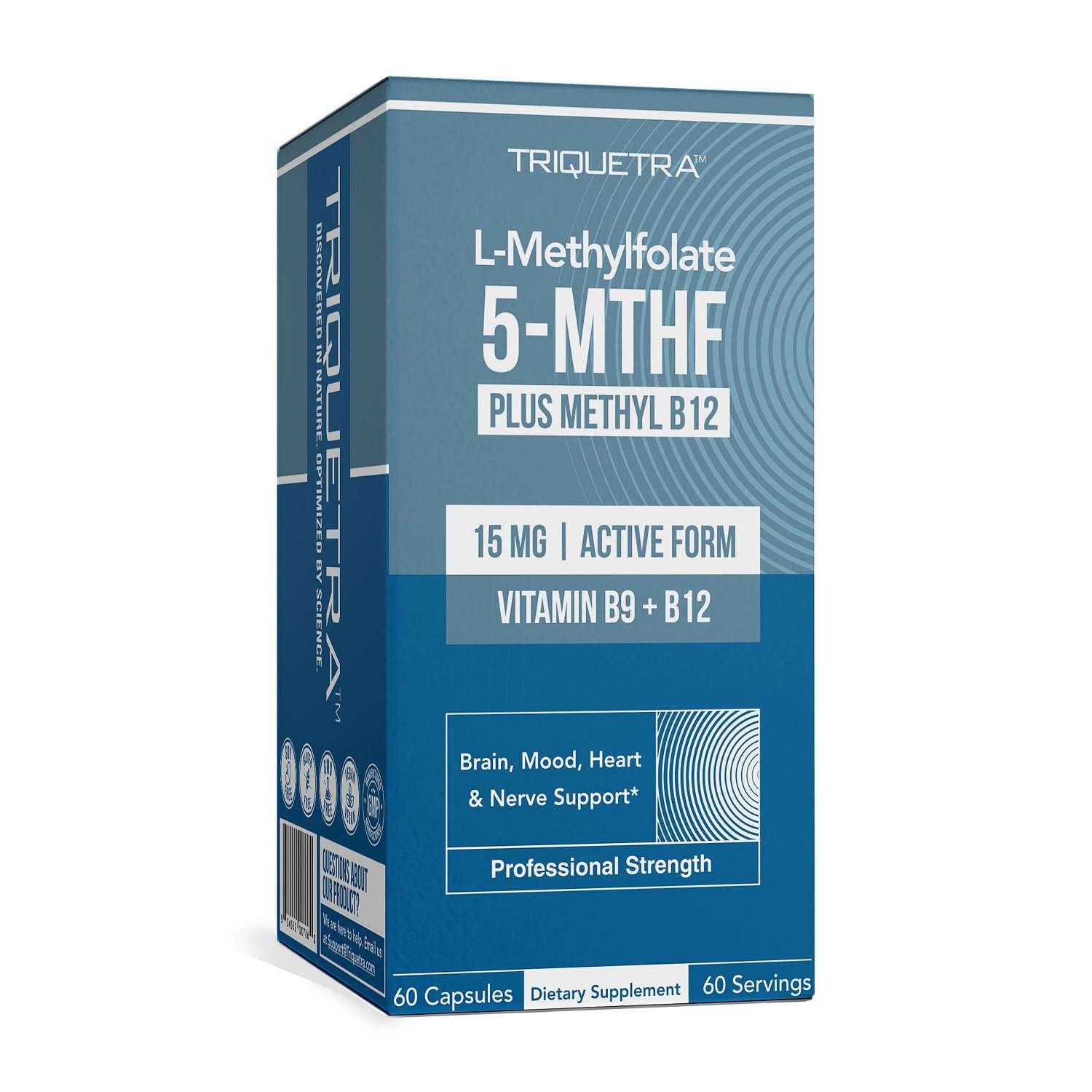

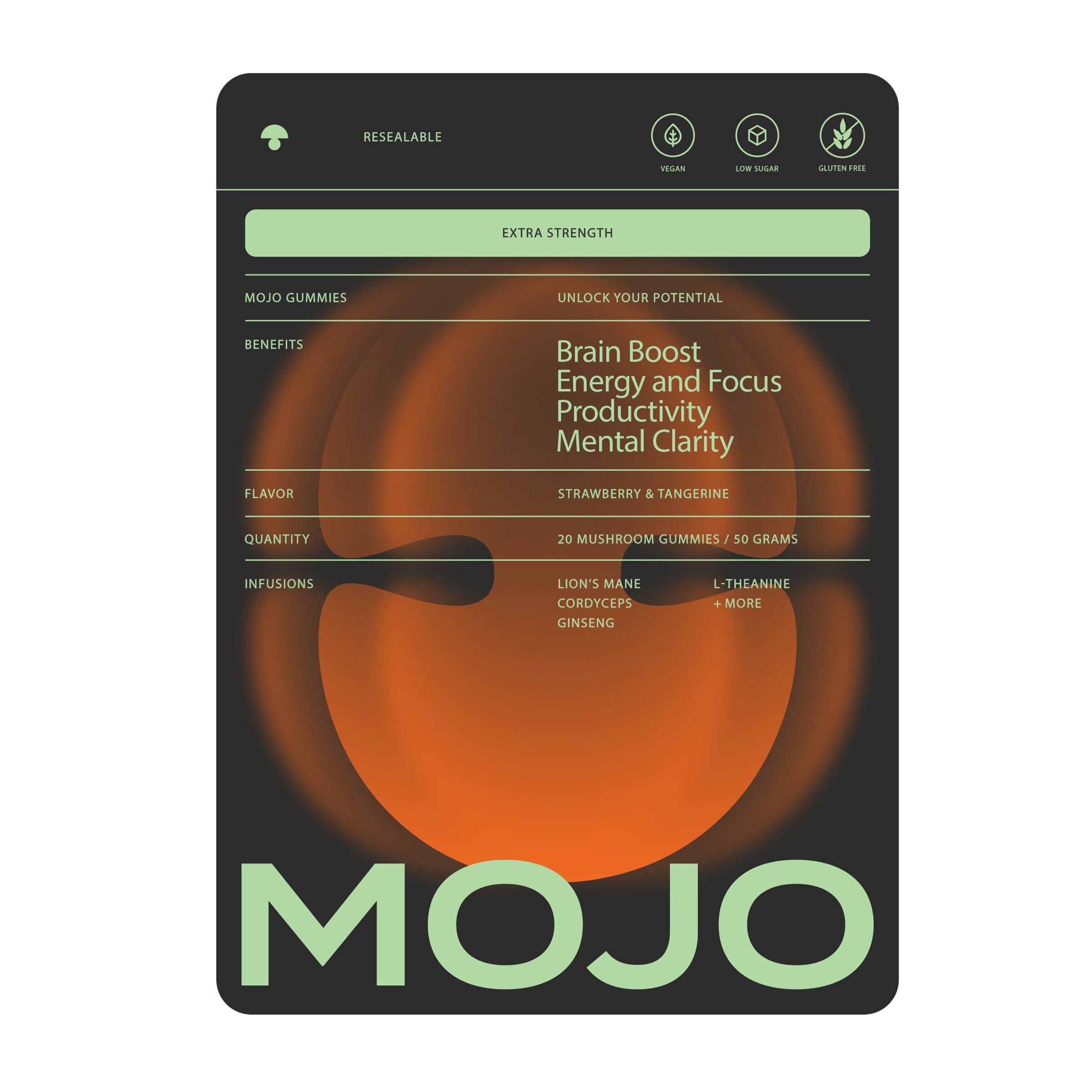






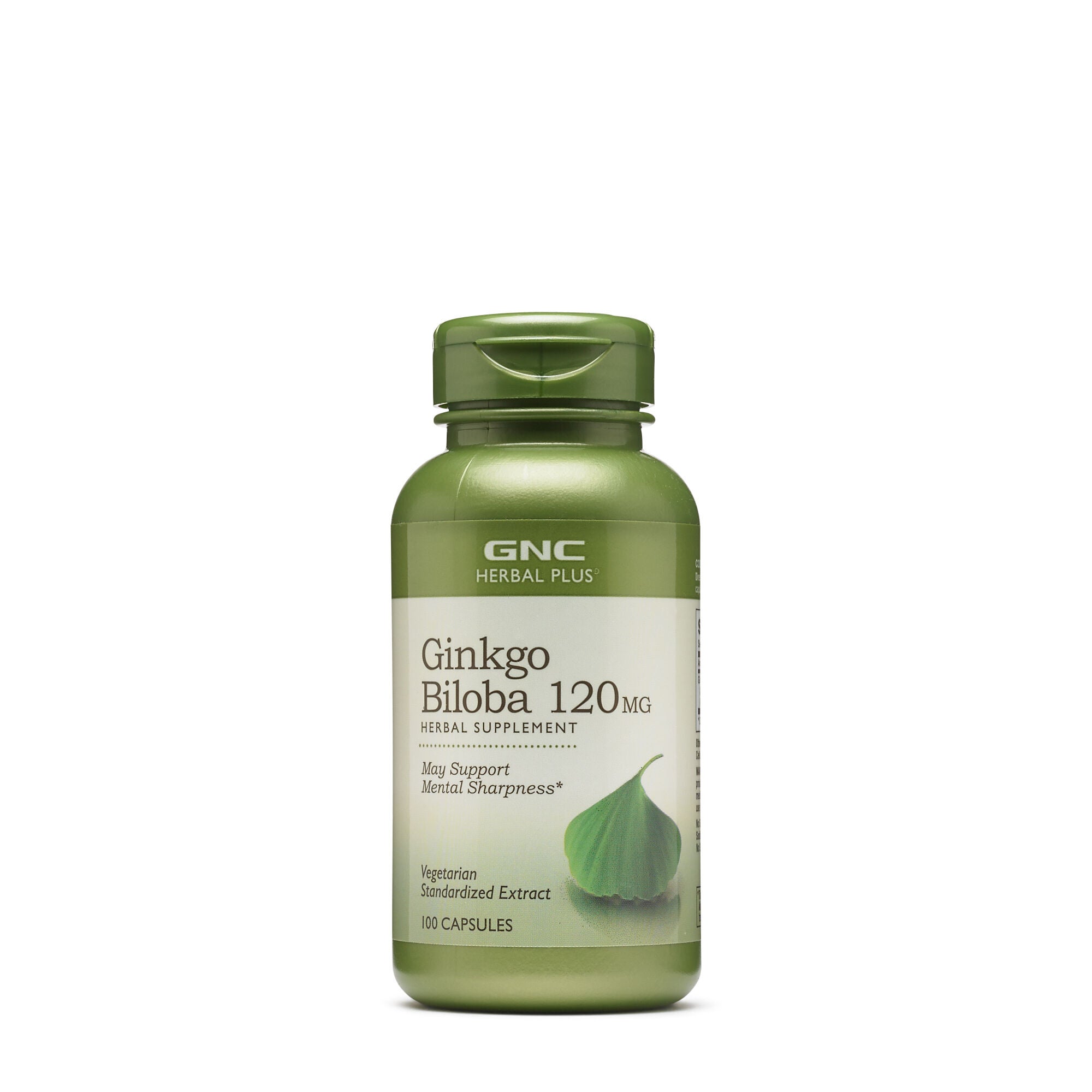
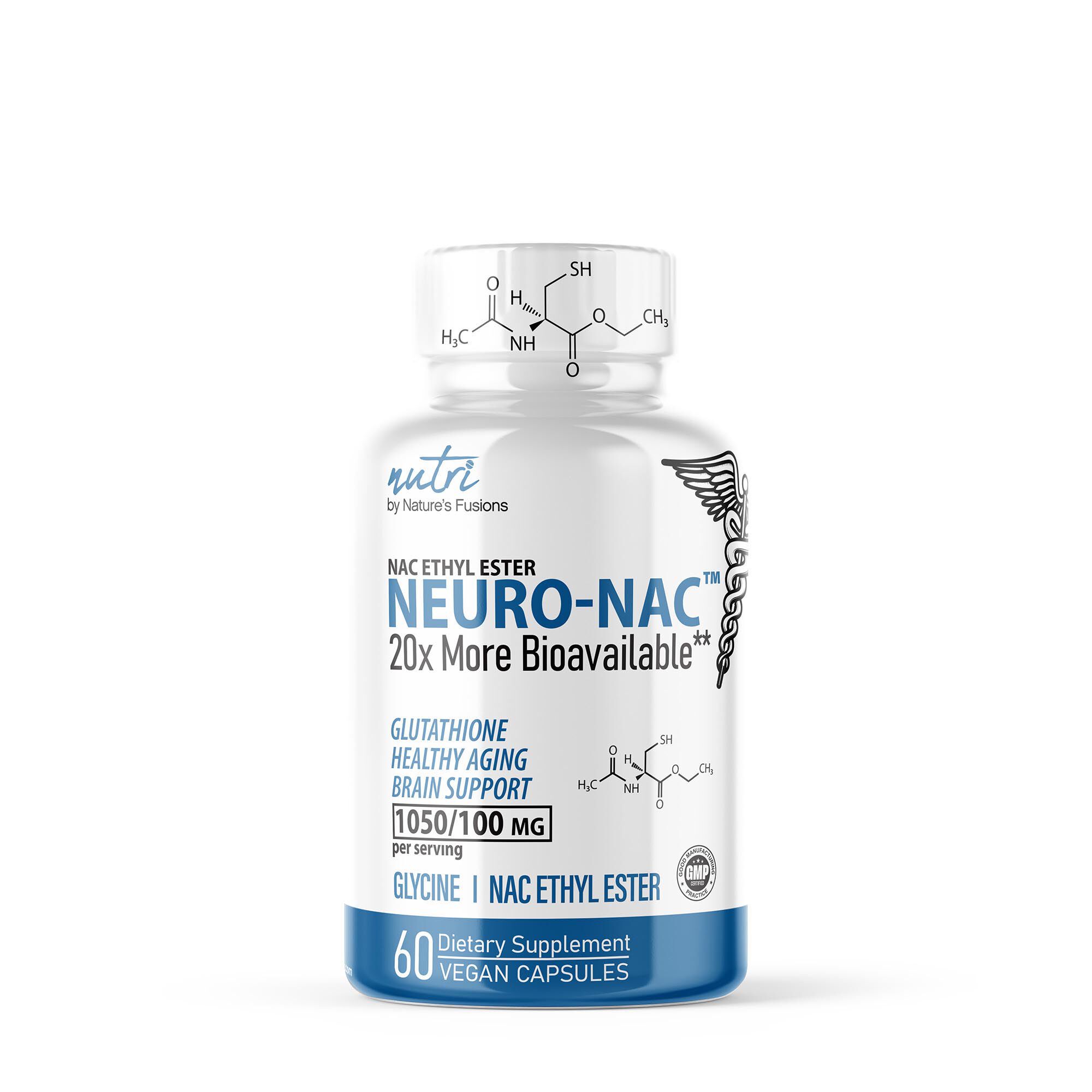








Brain support supplements for professionals may fit routines built around long meetings, detailed projects, travel, presentations, and busy stretches when concentration matters. People often browse this category when they want additional support for focus, memory, calm alertness, or general cognitive wellness alongside everyday habits. A desk-based professional may keep a supplement near a morning beverage, while someone moving between offices or working irregular hours may prefer a simple format that travels easily in a bag. These products could also suit a thoughtful gift for a colleague, manager, graduate, entrepreneur, or friend beginning a demanding role, particularly when paired with a note encouraging balanced meals, regular movement, and restorative sleep. Common ingredients in this category include L-theanine, omega-3 fatty acids such as EPA and DHA, B vitamins, adaptogenic herbs such as ashwagandha, and lion’s mane mushroom. L-theanine may be selected by people looking for a calmer approach to daytime focus, especially when caffeine is part of their routine. Omega-3 supplements may appeal to shoppers whose eating patterns include limited seafood, although food sources such as fish can also be an important part of a varied eating plan. B-vitamin formulas may be considered by people reviewing their overall nutrition, while herbal and mushroom-based blends could appeal to those who prefer botanical ingredients. The experience of every supplement can differ from person to person, and research findings may be mixed, particularly for formulas marketed around memory or workplace performance. A carefully chosen product may complement a personal routine, but it should not be viewed as a substitute for sleep, nourishing food, movement, hydration, or time away from a screen.
Choosing among brain support supplements may become easier when shoppers begin with the format, ingredient list, serving directions, and purpose that best match their day. Capsules can suit a consistent morning routine, powders may work well for people who already prepare a shake or beverage, and softgels could be convenient for those who prefer a ready-to-take option. A professional who spends most of the day in meetings may value a compact container and a straightforward serving size, while a frequent traveler may look for packaging that fits neatly into a toiletry kit or work bag. Reading the Supplement Facts panel can provide useful context about the ingredients included, the amount per serving, additional blends, and directions for use. It may also be helpful to compare formulas by their primary ingredient rather than relying on broad front-label language. Some blends pair L-theanine with caffeine, which could suit one person’s schedule but may not fit another person’s beverage habits or sensitivity to stimulants. Others combine several botanicals, vitamins, or mushroom ingredients, making it worth noting every component before adding a new formula to an established routine. Shoppers managing a prescribed regimen, pregnancy, an ongoing health concern, food sensitivities, or a specialized diet may wish to speak with a qualified healthcare professional before using a supplement. This is also a sensible step for anyone considering several products at once, since overlapping ingredients may appear across multivitamins, energy formulas, and brain-focused blends. For a broader look at options by age and format, explore Adult Brain Supplements.
The most practical approach may be to treat these products as one part of a workday foundation rather than a shortcut to sharper performance. A morning that begins with a balanced meal, water, and a few minutes of movement could set a more comfortable rhythm before the first calendar alert. During long desk sessions, brief walks, stretching, daylight, and regular breaks may support a routine that feels more sustainable than relying on a single product. Sleep also deserves attention, since late-night screen time, changing travel schedules, and unfinished work can make the next day feel demanding before it begins. Professionals may choose to introduce one new supplement at a time and keep simple notes about timing, serving directions, caffeine intake, and how the routine fits into the day; this could make it easier to identify personal preferences without changing several variables together. During the warmer part of the year and into the cooler months, changing commutes, travel plans, school schedules, and heavier project calendars may all influence how a person organizes meals, rest, and supplement use. A colleague working toward a major presentation might appreciate a thoughtfully selected formula alongside a reusable water bottle or nourishing snack, while a new graduate entering a first office role may value a simple daily routine that feels easy to maintain. Because individual needs and responses vary, product labels and professional guidance can provide useful direction. With realistic expectations and steady lifestyle habits, brain support supplements may have a place in a personalized routine for professionals seeking support for focus, memory, calm, and everyday cognitive wellness.