Caffeine Alternatives
(0 Results)
Discover a wide range of caffeine alternatives designed for those seeking options beyond traditional caffeinated beverages. Whether you’re looking to shake up your daily routine or simply explore new ways to stay energized, these choices offer something for everyone. Explore caffeine alternatives that may fit your lifestyle and preferences, and find new favorites to support your day-to-day activities.



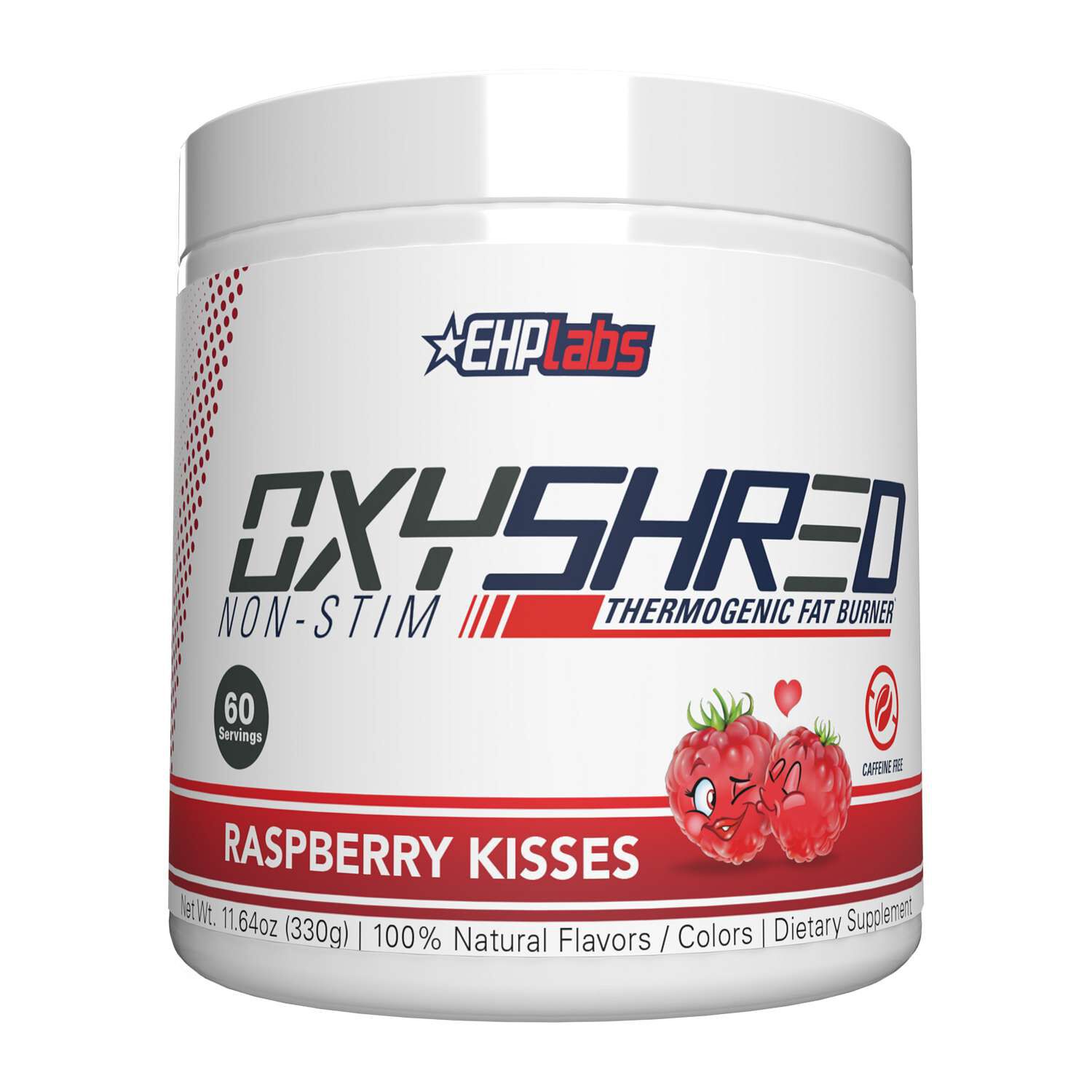


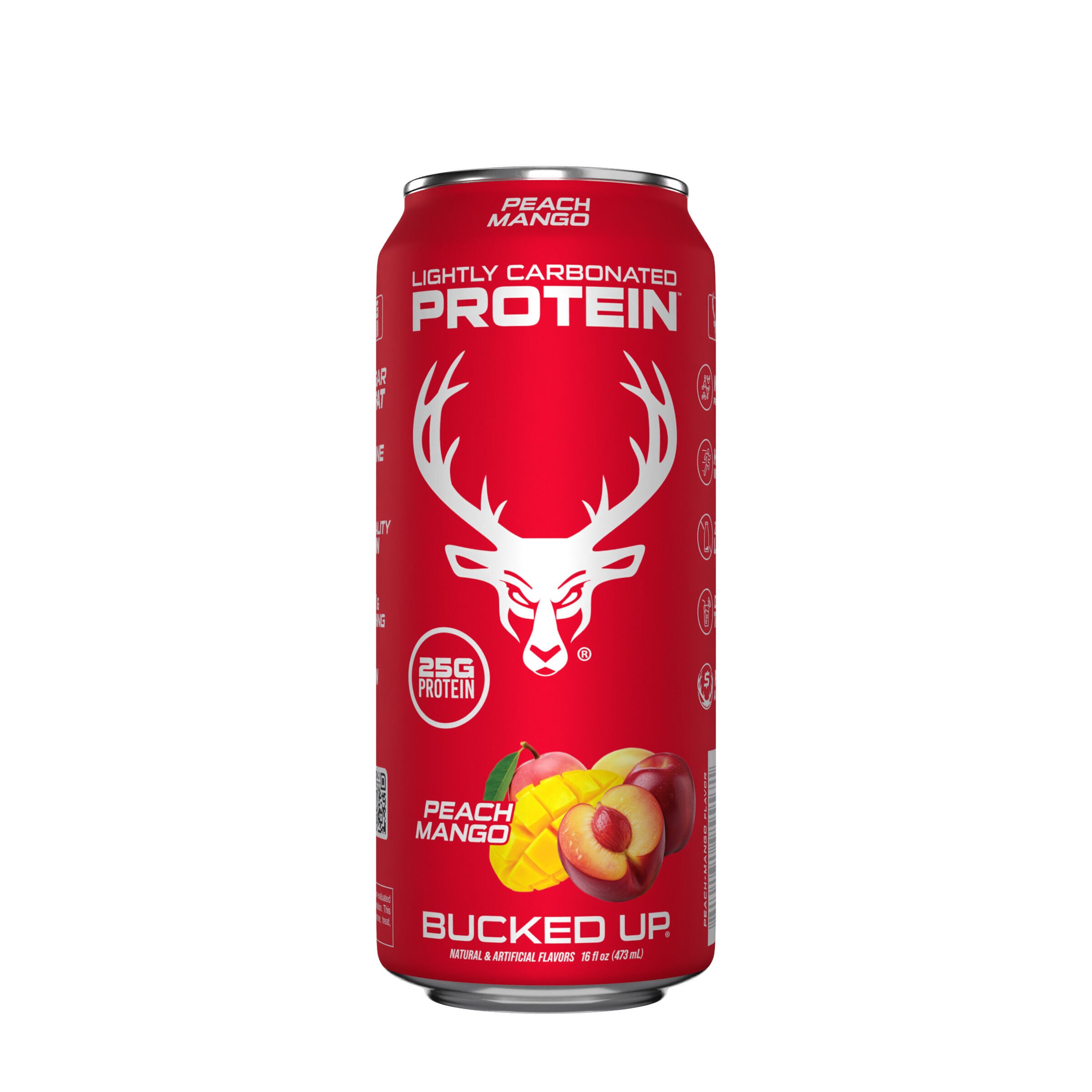
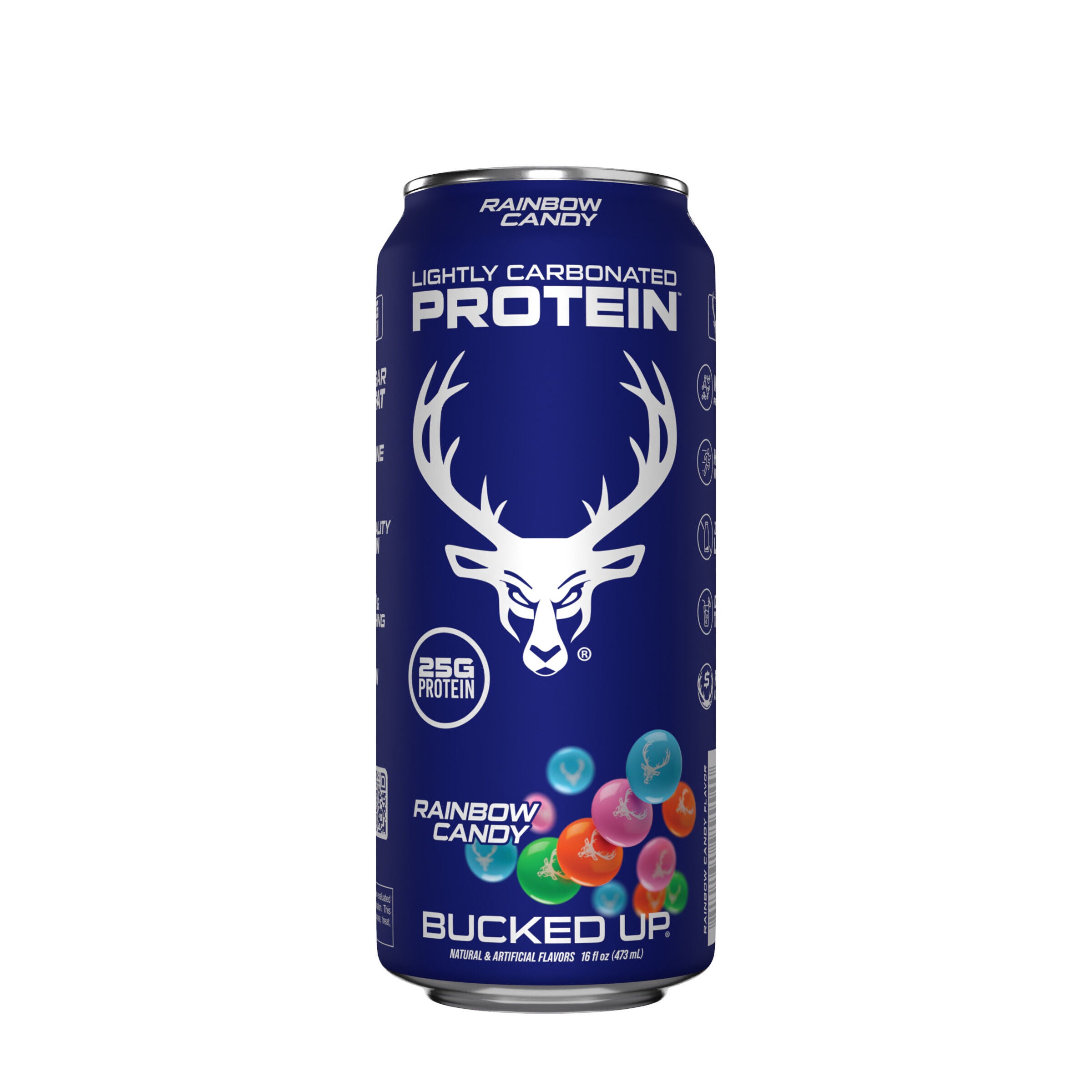


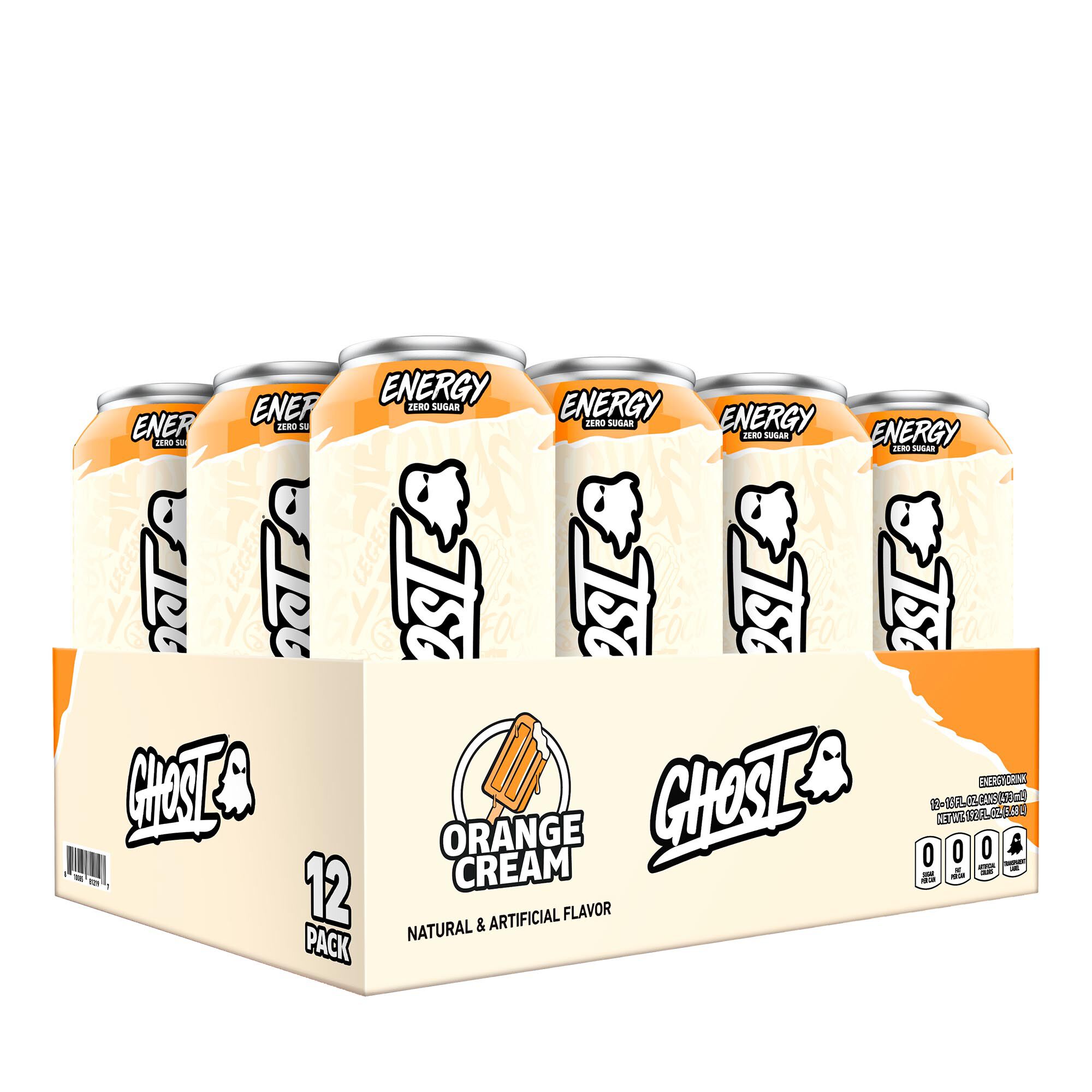
Caffeine alternatives include beverages, drink mixes, and supplements chosen for routines that do not center on coffee, energy drinks, or other caffeinated options. The most useful distinction is between replacing caffeine itself and replacing the experience of a favorite drink. A roasted root beverage may suit someone who enjoys a dark, earthy cup with breakfast, while a peppermint or rooibos infusion offers a different flavor altogether. Chicory root is commonly roasted and brewed for its rich, slightly bitter character, making it a familiar starting point for people who enjoy coffee’s taste and preparation ritual. Rooibos has a rounded, woody flavor, peppermint brings a bright aroma, and ginger adds a warming bite. These ingredients do not naturally contain caffeine, although blends can include other ingredients that do. A mug of roasted chicory with milk, a cinnamon-scented herbal infusion, or a chilled fruit infusion each creates a distinct drinking experience rather than an imitation of every aspect of coffee. During the cooler months, the warmth of the cup and the aroma rising from it can be just as much a part of the routine as the beverage inside. Decaffeinated coffee is another option for those who want a familiar flavor, but it generally retains a small amount of caffeine. Green tea, matcha, yerba mate, and yaupon naturally contain caffeine, so they are not interchangeable with beverages made solely from ingredients that contain none. The amount in a prepared drink varies with the ingredient, portion, and brewing method; switching from coffee to tea does not automatically mean choosing less caffeine. For shoppers comparing these categories with Caffeine Products, the ingredient list and any declared caffeine amount offer a more meaningful distinction than the color of the packaging or a botanical name. That distinction matters whether the intended use is a breakfast beverage, a desk-side drink, or something warm to sip after dinner.
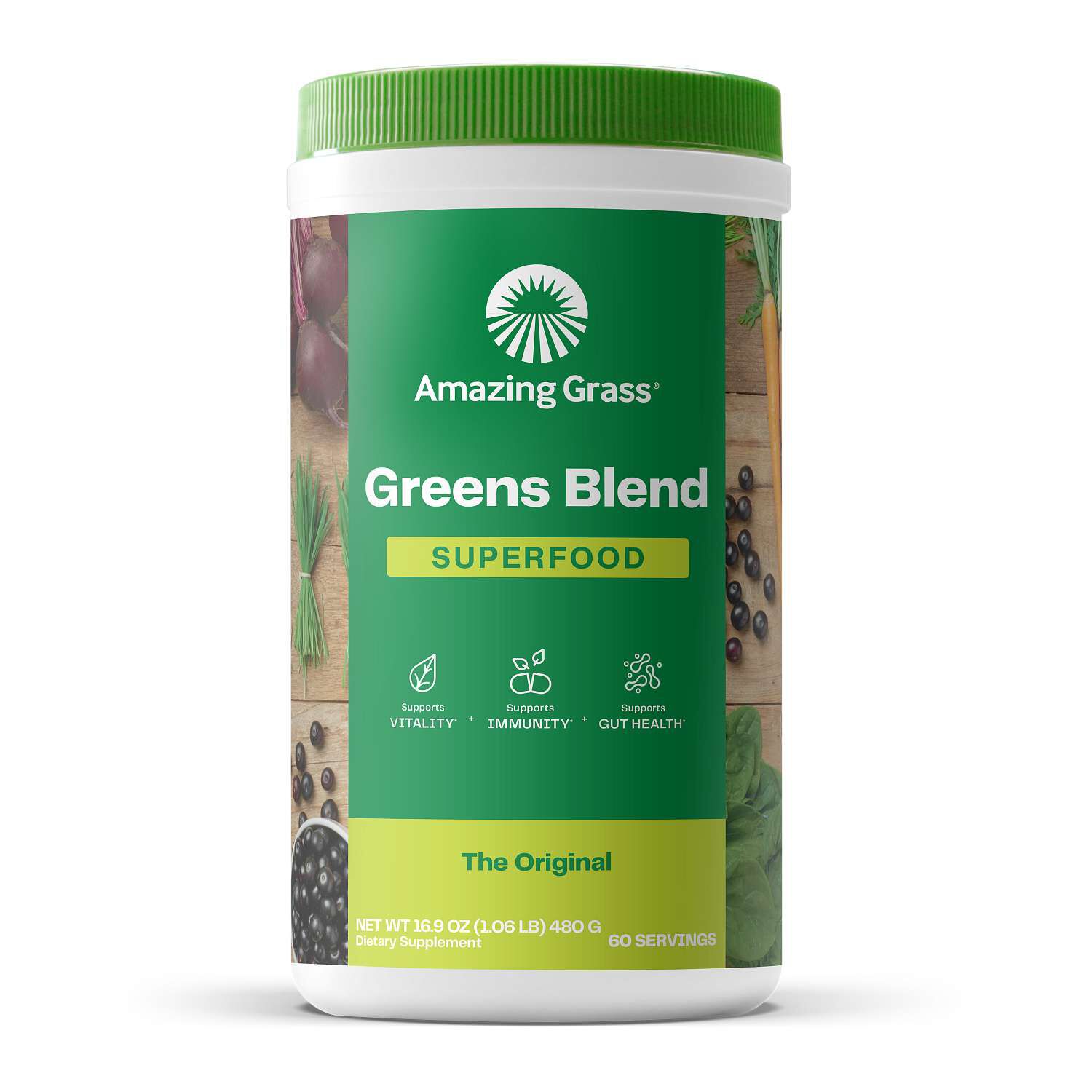
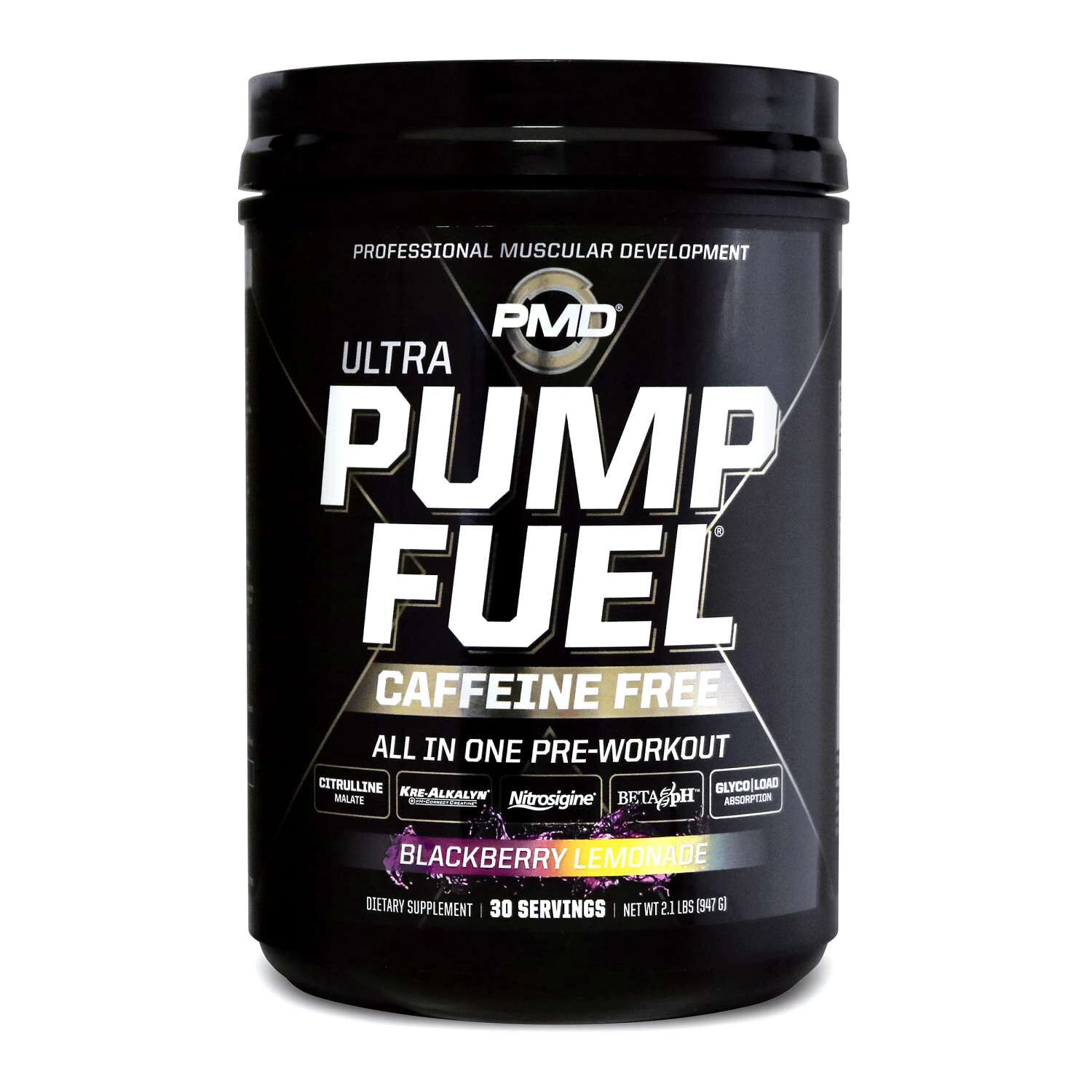
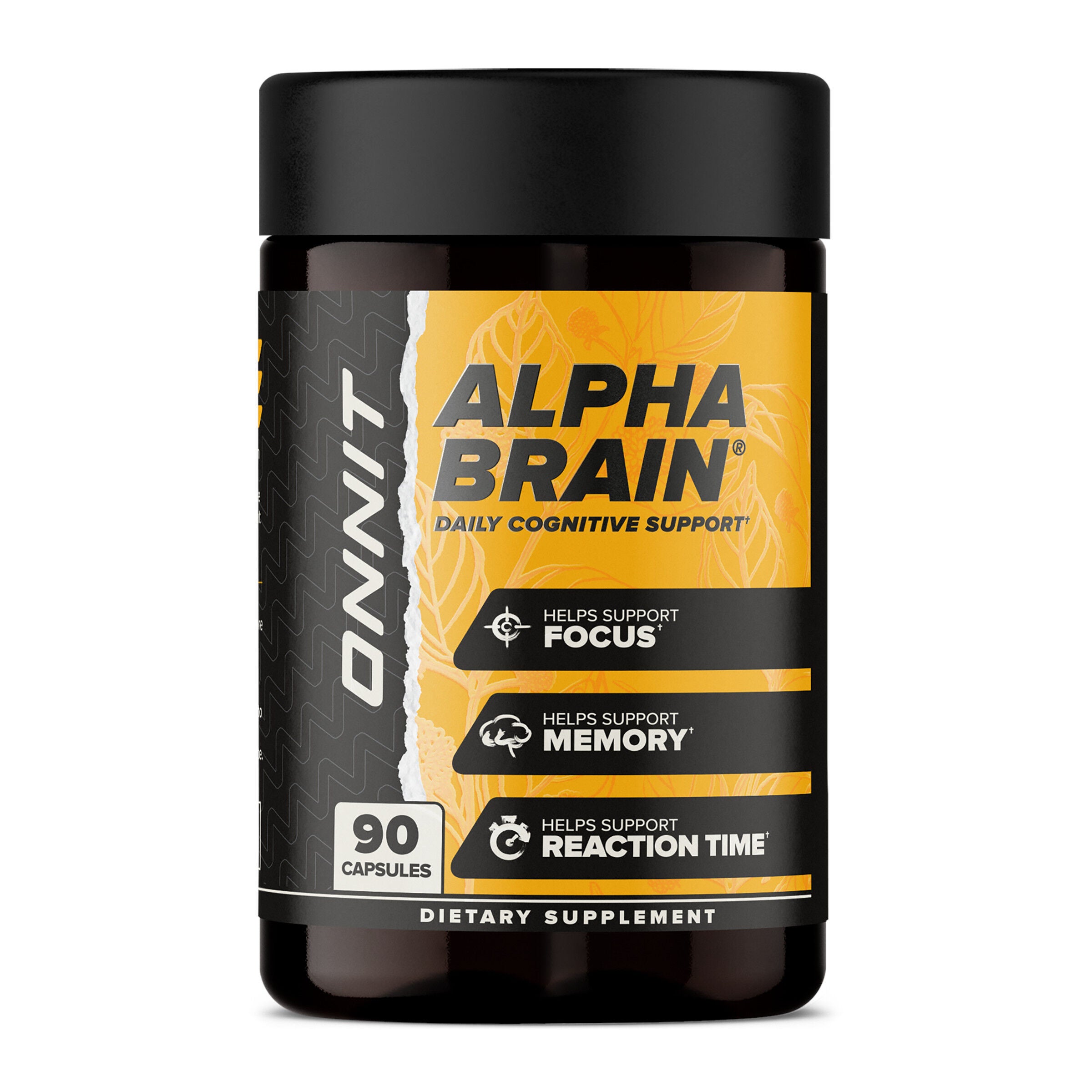
Beyond brewed beverages, caffeine alternatives can include powders and other supplement formats that fit into an existing food or drink routine. Their purpose and composition vary considerably, and a powder intended for a smoothie is not necessarily a substitute for either coffee or a meal. Maca, for example, is a root commonly sold in powdered form, with an earthy, malty flavor that pairs with cocoa, oats, and nut butter. Its place in a morning routine may be as much about taste and preparation as anything else. Botanical supplements containing ingredients such as ginseng or rhodiola belong to a different category from herbal tea, even when both use plant ingredients. Capsules, concentrated extracts, and brewed roots can differ in serving size, preparation, and ingredient concentration. A botanical name alone does not establish how a formula compares with another, and the presence of an herb does not establish that the finished blend contains no caffeine. Likewise, a mushroom-based coffee blend may still use coffee as its main ingredient. The full formula matters more than a single ingredient highlighted on the front. Protein powders and electrolyte drink mixes sometimes enter the same shopping conversation because they offer another way to prepare a beverage, but they have different nutritional roles and should not be treated as equivalent replacements for caffeine. Protein content, carbohydrate content, sodium, sweeteners, and serving size provide concrete points of comparison without assuming a particular effect. Someone replacing a flavored afternoon latte might care most about a creamy texture and a cocoa or vanilla profile; someone packing a beverage for a commute might prefer a powder that mixes with cold water. Neither preference calls for an elaborate routine. A format that works with a shaker bottle, an ordinary mug, or the blender already on the counter is often a more practical match than one requiring extra preparation. Unflavored powders also deserve attention to taste, since unflavored does not necessarily mean tasteless.
Choosing among caffeine alternatives involves the same everyday details that determine whether any pantry purchase earns a lasting place in the kitchen: flavor, ingredients, preparation, portion size, and storage. A roasted beverage may call for steeping or filtering, while an instant mix may dissolve directly into hot water. Some powders disperse easily with a spoon; others may leave sediment or need a shaker or blender for a smoother texture. Preparation directions clarify those differences before the first serving. For an office kitchen with only a kettle, a simple steeping format may fit better than a blend intended for a blender. At home, someone who enjoys a slower breakfast might welcome the familiar process of measuring, brewing, and adding milk. Sweetness is another useful comparison. Unsweetened preparations allow room for personal preference, while flavored mixes may contain sugar, sugar alcohols, or other sweeteners that affect both taste and mouthfeel. Milk ingredients, soy, and other labeled allergens also matter when selecting a formula for a shared household. Where a serving contains several scoops, comparing the stated serving rather than the scoop alone gives a clearer picture of the nutrition information. Packaging influences convenience as well: individual packets are easy to tuck into a work bag, while a resealable pouch or tub may suit a regular kitchen routine. Storage directions and date markings are relevant to flavor and product quality, especially for powders exposed repeatedly to kitchen moisture. A dry measuring utensil and a securely closed container may help keep a mix in better condition between uses; prepared beverages need handling according to their labels and any added perishable ingredients. For a gift, familiar flavors and clearly listed ingredients are generally easier to match to the recipient than a concentrated botanical formula selected without knowing their preferences. A person who treasures an evening mug may appreciate the sensory ritual, while someone moving away from a sweet coffee drink may prefer a mix with a similar texture. The strongest match is not necessarily the closest imitation of coffee, but an option whose caffeine content, flavor, format, and intended use align with the routine it is meant to join.