





Natural Caffeine
(0 Results)
Natural caffeine may offer a refreshing way to support your active lifestyle. Sourced from plant-based ingredients, natural caffeine could provide an energizing option for those seeking an alternative to traditional sources. Explore a variety of natural caffeine products that may fit seamlessly into your daily routine, whether you’re looking to stay alert during busy days or fuel your next workout. Discover how natural caffeine might help you feel ready to take on whatever comes your way.

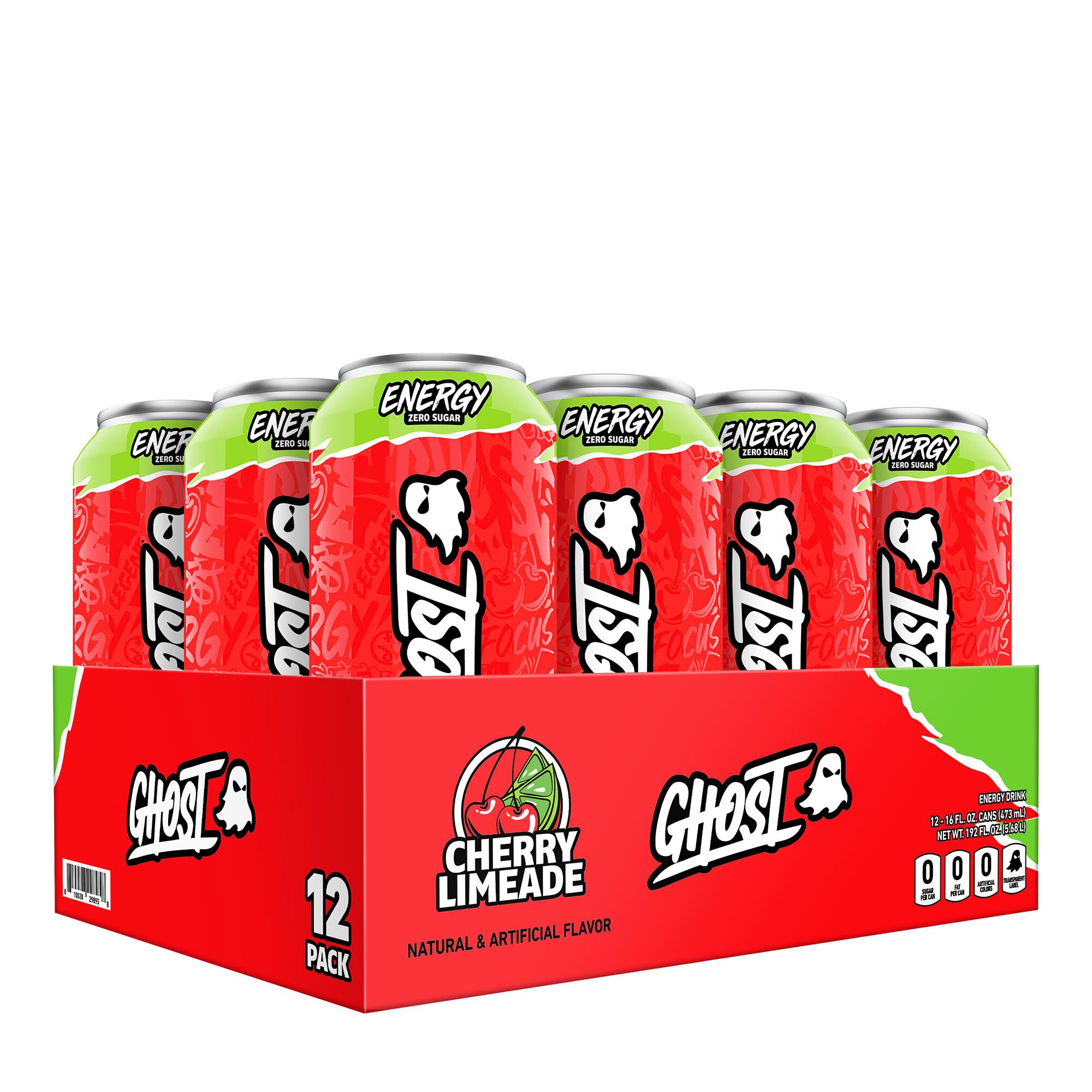


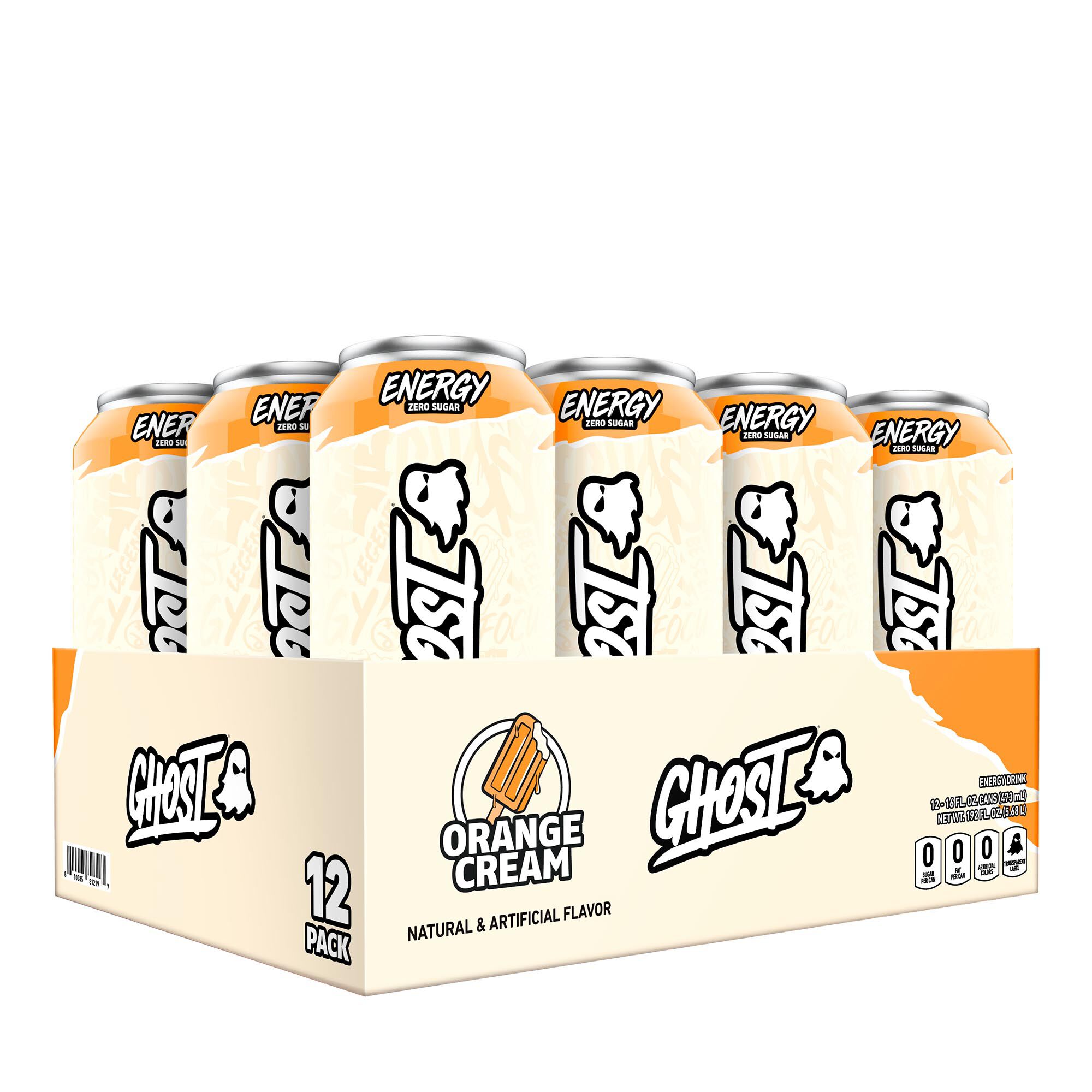


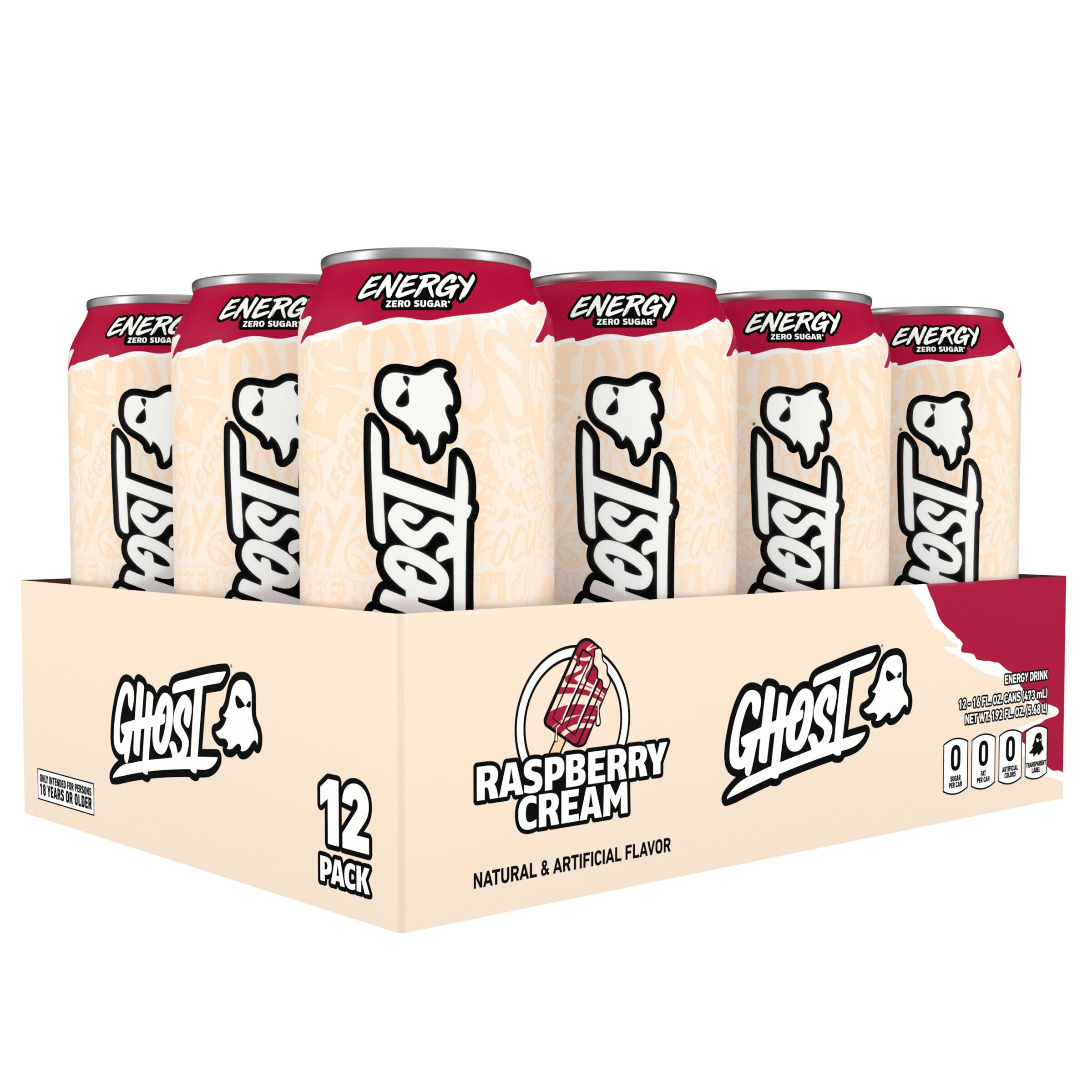
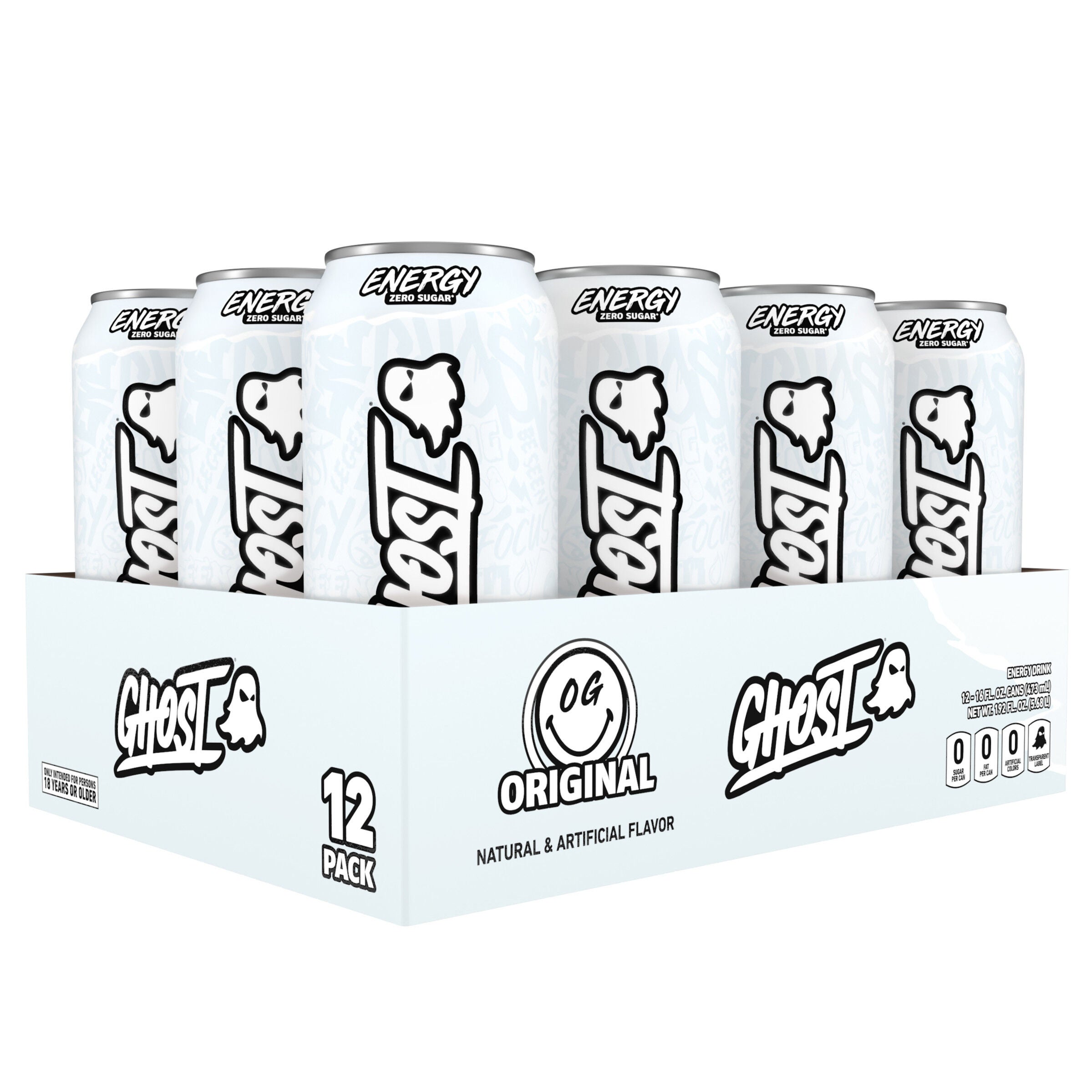


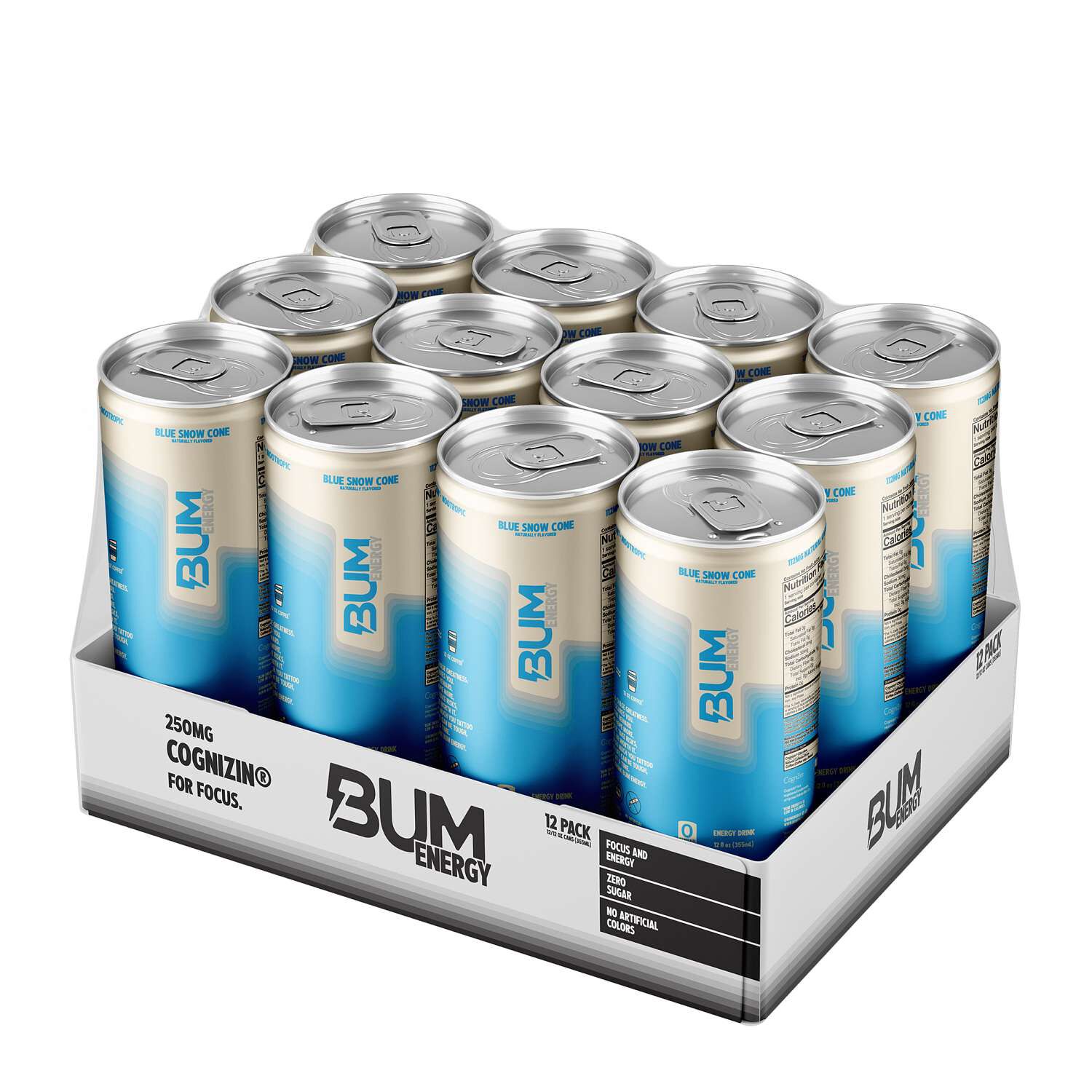
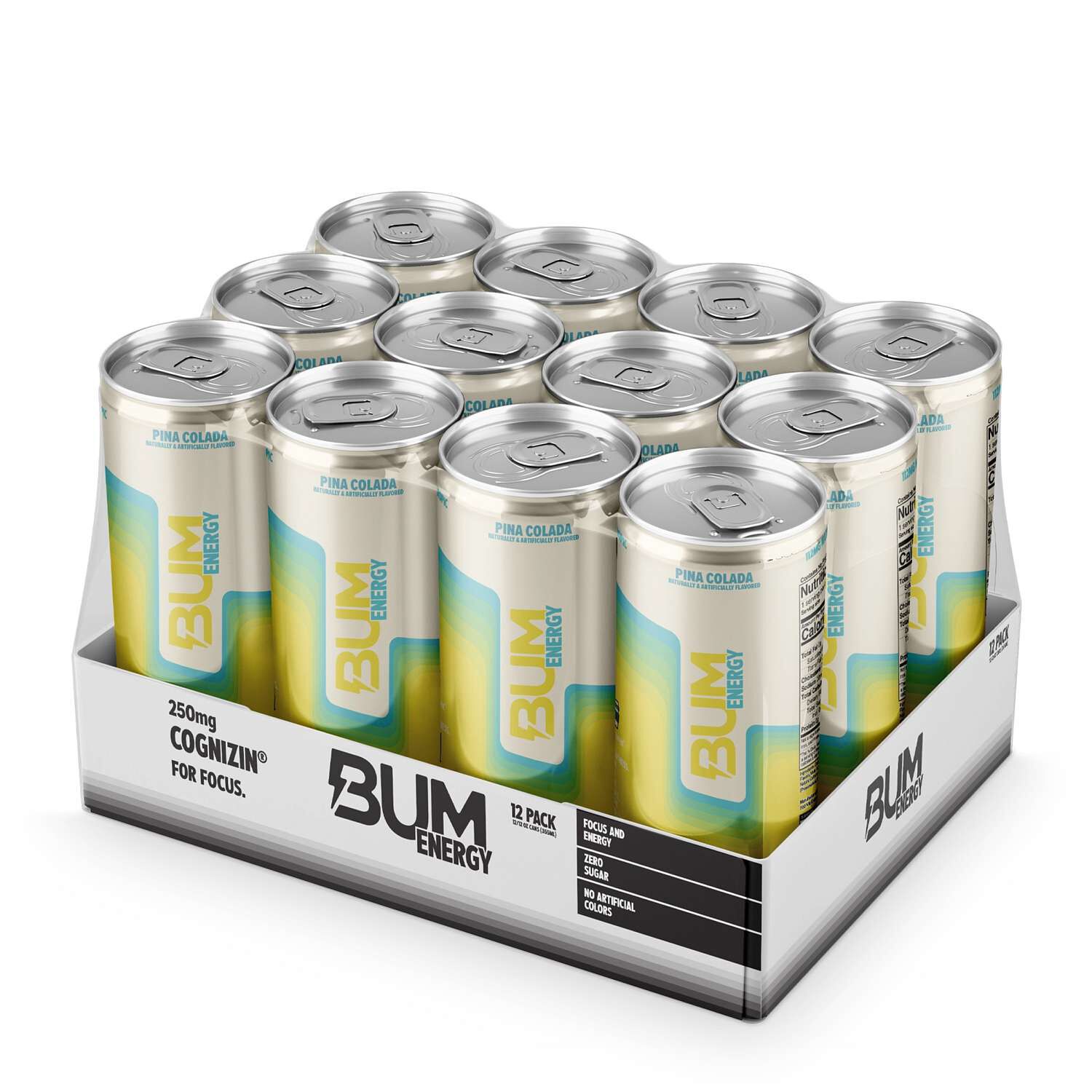

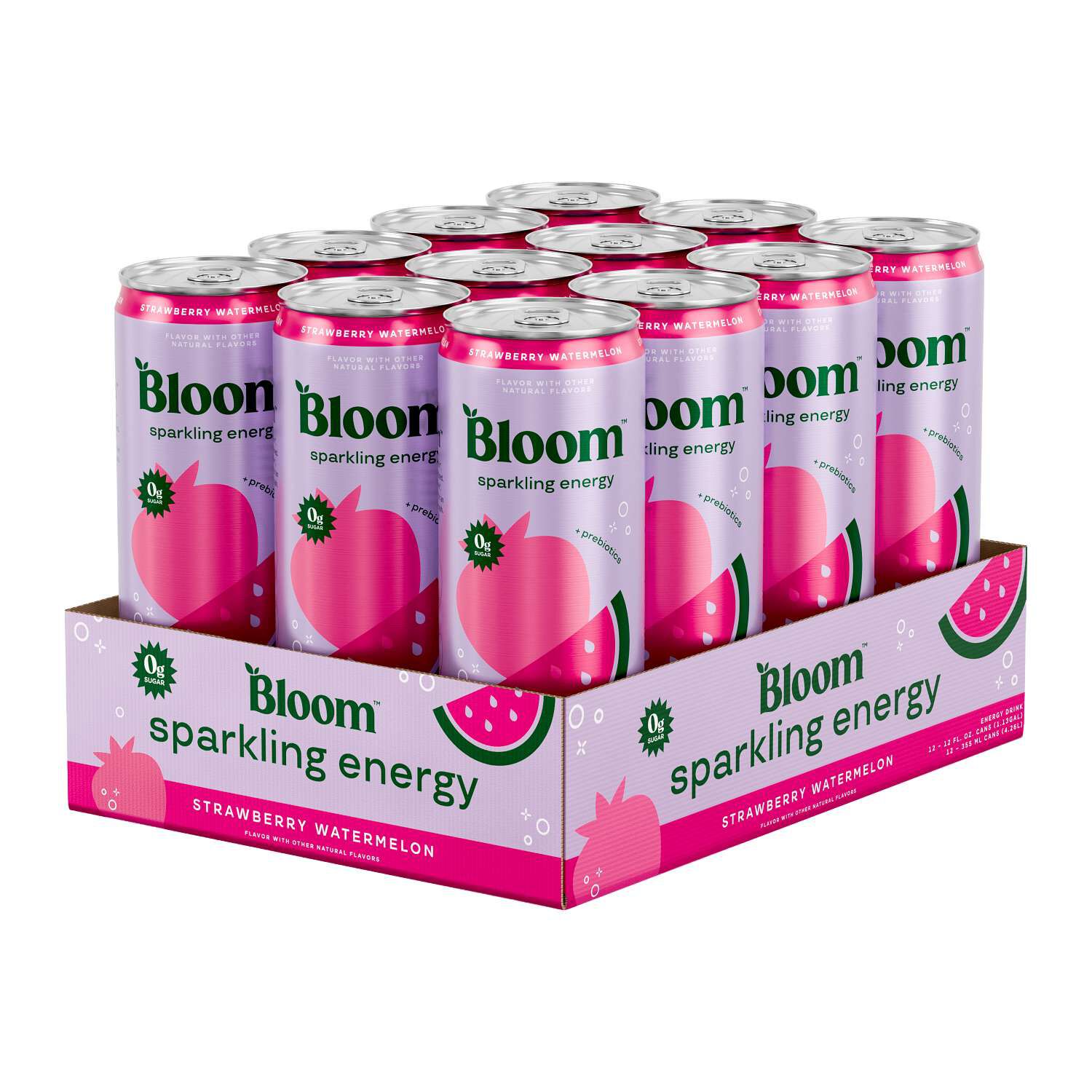
Natural caffeine is caffeine obtained from plants rather than produced synthetically. Common sources include coffee beans, tea leaves, guarana seeds, yerba mate leaves, and guayusa leaves. Cacao also contains caffeine, although the presence of cocoa or chocolate flavor does not establish how much caffeine a serving contains. In supplements and beverages, these botanical ingredients can appear as extracts, brewed ingredients, or other prepared forms. Green coffee bean extract, for example, comes from unroasted coffee beans, while green tea extract comes from tea leaves. The caffeine molecule itself is chemically identical whether its origin is botanical or synthetic; the distinction describes its source, not a different kind of caffeine. For shoppers comparing natural caffeine supplements, that makes both the ingredient list and the stated caffeine amount useful points of reference. A plant name on the front of a package tells only part of the story. The label may identify the particular botanical, the amount of an extract, and the caffeine supplied per serving, but those measurements are not interchangeable. A larger quantity of tea extract does not necessarily mean more caffeine than a smaller quantity of another botanical extract. Likewise, the word natural does not automatically describe the sweeteners, flavors, colors, or other ingredients in a formula. Some selections center on a single botanical source, while others combine several sources with additional ingredients. Coffee, tea, guarana, and yerba mate also have different flavor characteristics when used in beverages, so their appeal can extend beyond the origin of the caffeine. The clearest comparison comes from considering the source, serving size, caffeine quantity, and surrounding formula together. That approach keeps the category grounded in what the label actually describes rather than assumptions about a familiar leaf, seed, or bean pictured on the package.
Natural caffeine comes in several formats, with practical differences that matter during an ordinary day. Capsules and tablets offer a measured supplement format without the flavor or preparation involved in a beverage. Drink mixes involve water and a shaker or glass, while ready-to-drink formats arrive with the liquid portion already prepared. For someone who enjoys sipping a beverage with breakfast, taste, sweetness, and serving volume may carry as much weight as the botanical source. Someone packing a small work bag might instead compare package dimensions, portability, and whether preparation requires extra equipment. Neither format tells the whole story about the formula. A fruity drink mix can contain caffeine from tea, and a coffee-derived caffeine ingredient does not necessarily give a finished beverage the taste of brewed coffee. Flavor descriptions, ingredient lists, and preparation directions help set more accurate expectations. For a closer look at this botanical category, Plant Based Caffeine Supplements brings the source-based distinction into focus. Plant-derived caffeine and an entirely plant-based formula are separate considerations: a botanical caffeine source does not establish the origin of a capsule shell or every other ingredient. Shoppers with dietary preferences can look for clear labeling that addresses the finished formula, not just its featured extract. Sweeteners, added sugars, flavoring ingredients, and other components also deserve attention when comparing beverage formats. Some blends include vitamins, amino acids, or additional botanicals, making the full ingredient list more informative than a short description on the front panel. Serving information is equally relevant. A scoop, capsule, bottle, and container are different units, and a package can hold more than one serving. Comparing caffeine in milligrams per labeled serving provides a more consistent reference than comparing container size or the weight of a botanical extract alone. Preparation instructions also clarify the intended amount of liquid and the number of portions represented by the package.
The intended use of natural caffeine products often centers on familiar adult routines: getting ready for a morning commute, settling into desk work, or preparing for a planned workout. Caffeine may support alertness, but botanical origin alone does not establish how a particular person might experience a serving. Preferences, familiarity with caffeine, and the other caffeinated beverages or supplements in a daily routine all provide relevant context. A mug of coffee at breakfast, tea with lunch, and a caffeine-containing workout formula are different formats that can share the same ingredient. Considering those sources together gives a clearer picture than viewing each package in isolation. The best-fitting format is also a practical matter. A powder that requires mixing has different preparation needs from a capsule, and a large beverage container takes up different space from a compact supplement bottle. For repeated use, readable serving information, a secure closure, and packaging that suits the intended setting are worth considering. Storage and handling matter as well. Original containers retain ingredient details, serving directions, and date markings, while tightly closed packaging may help limit moisture exposure. Powders belong with the measuring tool specified for the formula, and any storage instructions on the label take priority over assumptions about where supplements usually belong. A shared kitchen shelf, an office drawer, and a gym bag each present different handling considerations, particularly when containers are opened frequently or carried alongside other belongings. Gift selection calls for similar attention to the recipient’s established preferences. For an adult who already chooses caffeinated beverages or supplements, familiar flavors, a preferred format, and clearly labeled ingredients provide more useful direction than an unfamiliar botanical name alone. Natural caffeine is a broad category rather than a single recipe or experience. Looking closely at sourcing, serving information, formula details, preparation, and packaging makes it easier to distinguish between options that may look similar at first glance and to choose a format suited to its intended place in an everyday routine.
Best Sellers
-
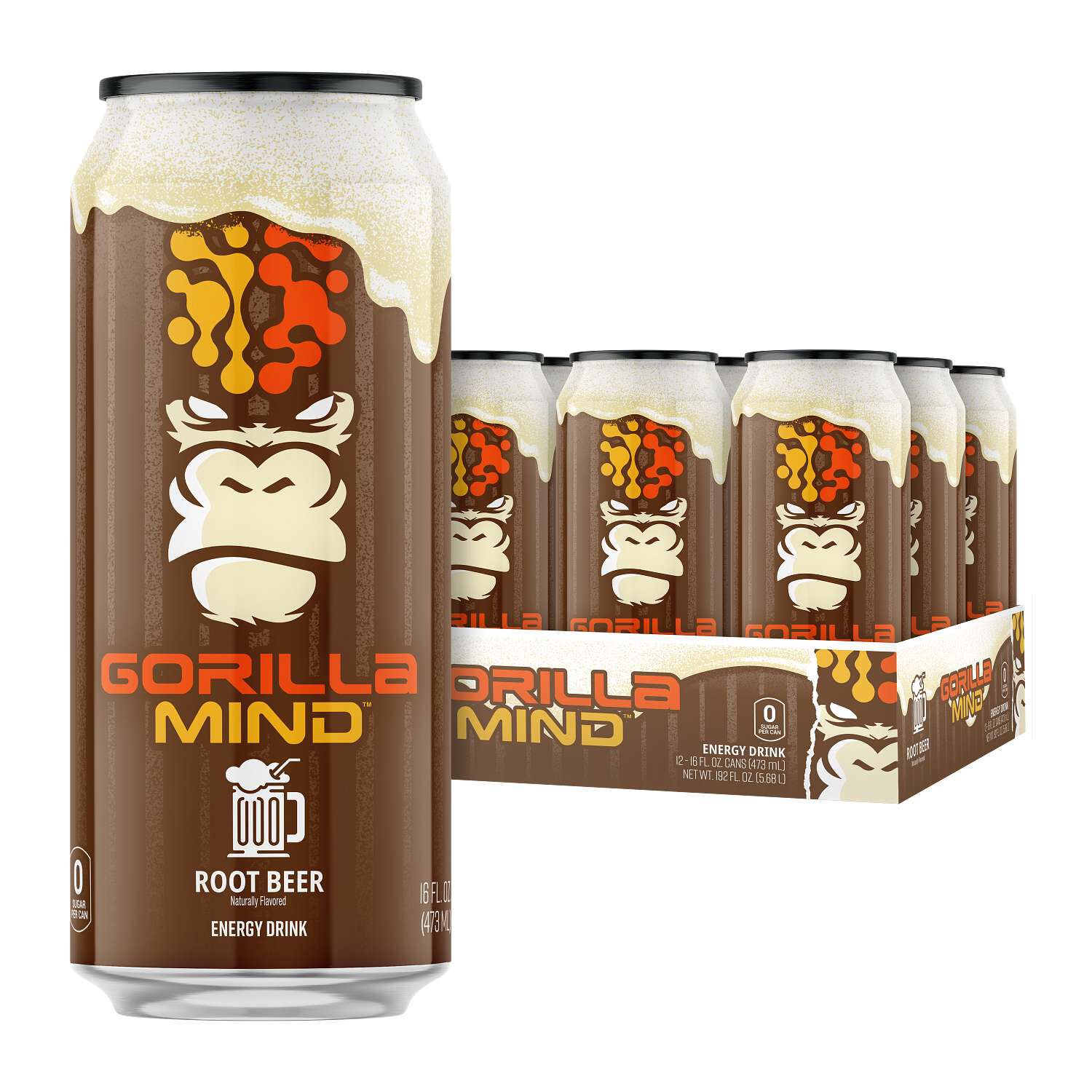 Gorilla Mind
-
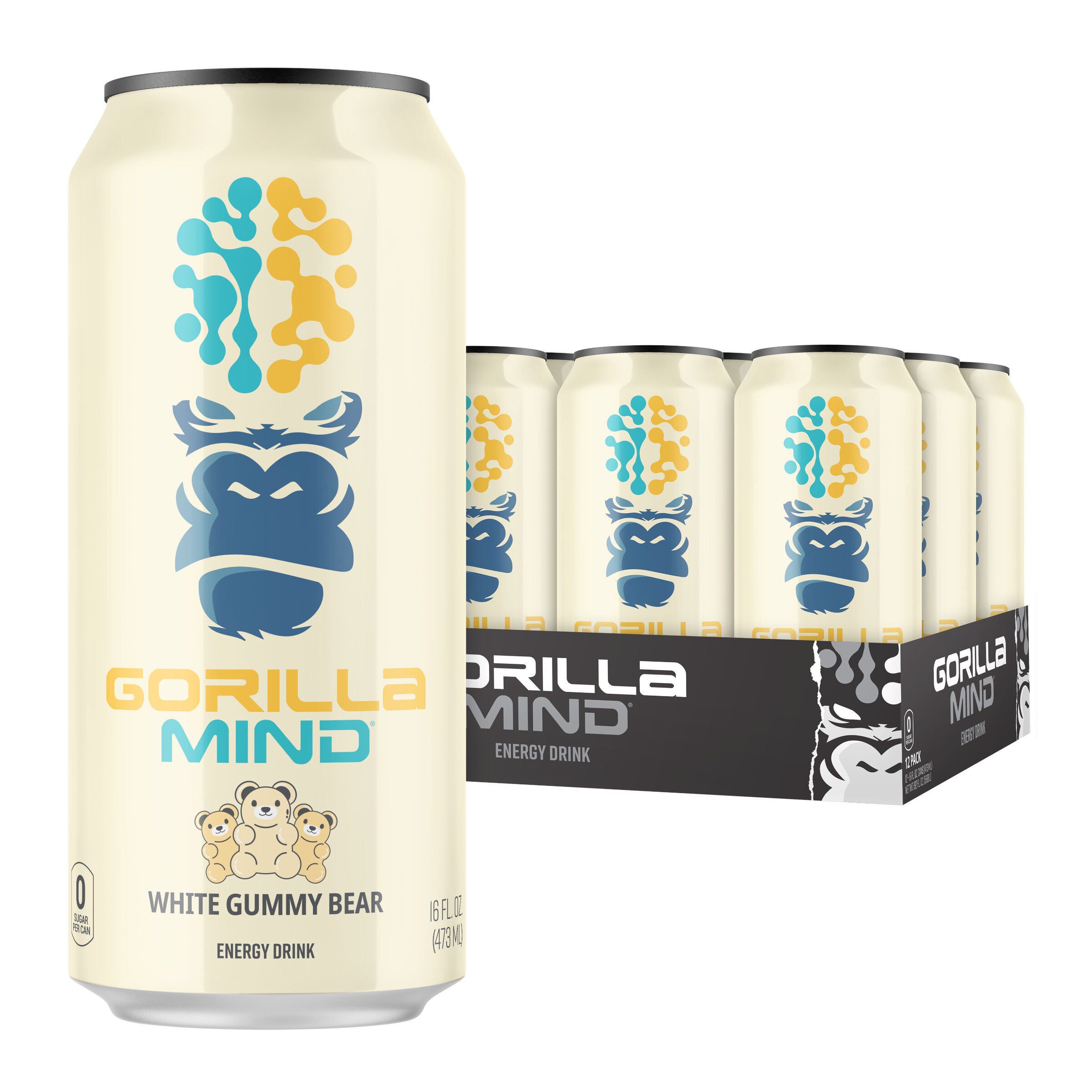 Gorilla Mind
-
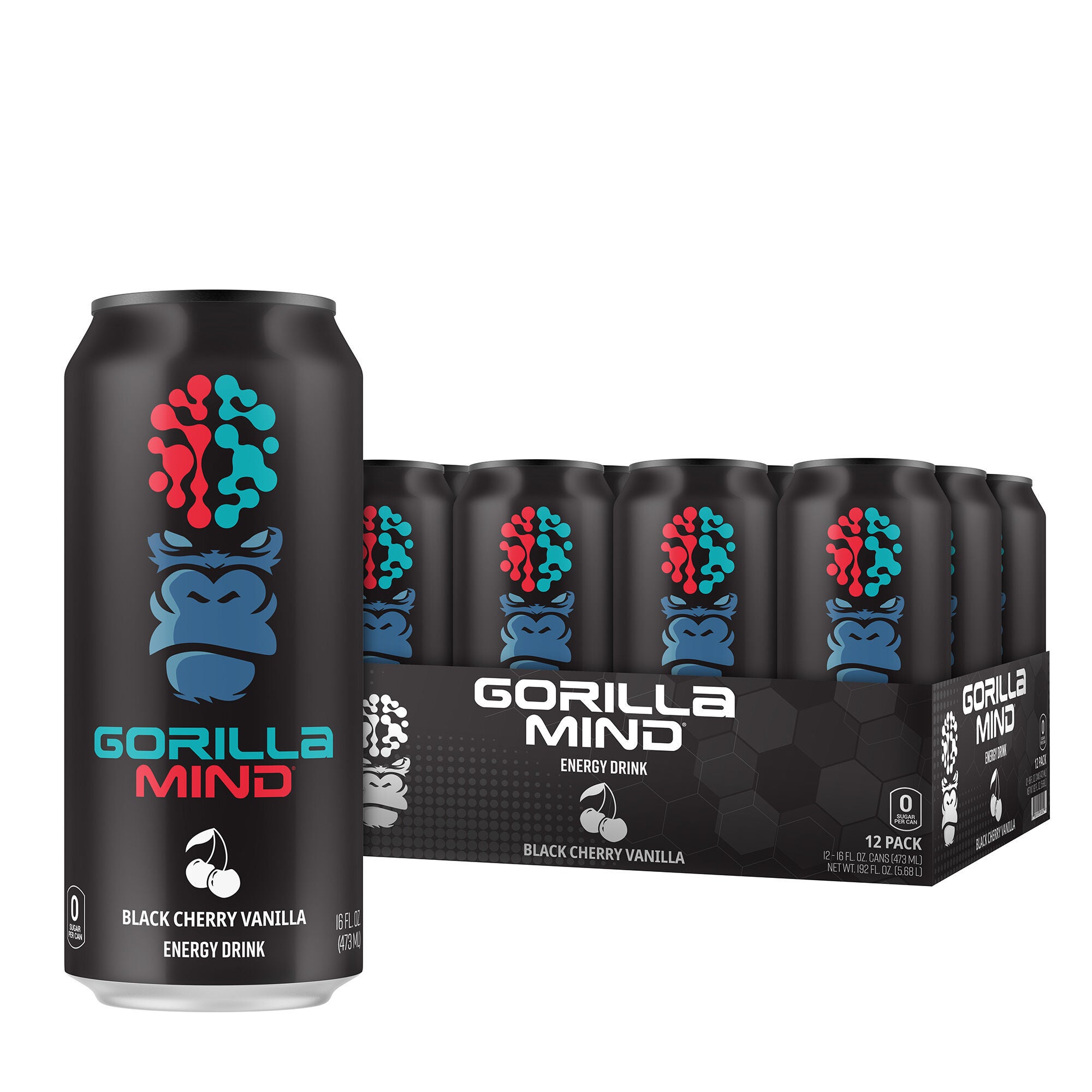
 Gorilla Mind
Related Pages


Top Collections
- Joint Mobility Supplement Packs
- Daily Collagen Supplements | Top Brands & Deals | GNC
- GLP 1 Support For Adults
- Zinc Supplements | Top Brands at Great Prices | GNC
- Supplements For Yoga Joint Flexibility
- Supplements For Balance
- Capsule Supplements For Energy And Stamina
- Adult Mobility Supplements
- Chronic Fatigue Supplements
- Vitamins For Hair Loss