Preworkout Drinks With Natural Caffeine
(0 Results)
Preworkout drinks with natural caffeine offer a convenient way to support your fitness routine. Featuring naturally sourced caffeine, these beverages could provide an energizing boost before hitting the gym or starting your favorite workout. Explore a variety of options that fit seamlessly into your active lifestyle and help you prepare for every training session.






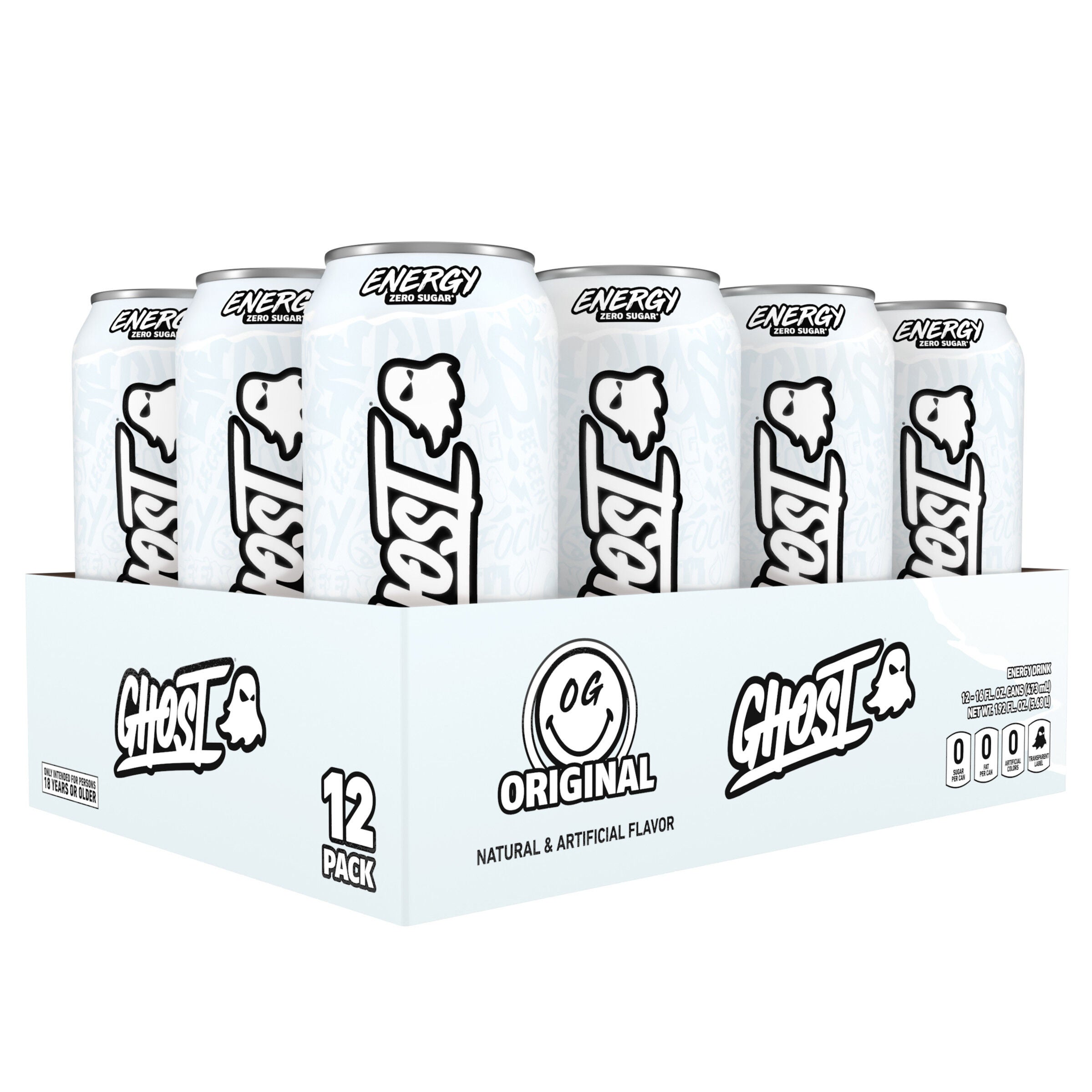


Preworkout drinks with natural caffeine are beverages formulated for use before exercise, with caffeine sourced from plants such as coffee beans, tea leaves, or guarana. The defining detail is the source of the caffeine, not whether the drink tastes like coffee or tea. A citrus beverage can contain coffee-derived caffeine, while a berry blend can use a tea extract without having a distinctly tea-like flavor. Ingredient lists provide the clearest starting point for understanding those differences: some identify the plant source directly, while others pair a caffeine listing with information elsewhere on the label. Natural caffeine is the same caffeine molecule found in other caffeinated beverages, so a plant origin alone does not establish a gentler experience or a longer-lasting effect. Caffeine may support alertness during a workout, but individual experiences can differ, and the amount per serving matters more than botanical imagery on the package. For adults who already include caffeinated beverages in their routines, this category offers a way to compare plant-sourced caffeine in formats intended for the gym, a training session, or an active outing. A compact drink might suit someone heading from the office to the weight room, while a larger beverage might appeal to someone who prefers a longer sipping experience before getting started. Neither package size nor flavor intensity indicates caffeine content. A small bottle can contain more caffeine than a larger can, making the stated milligrams and number of servings useful details to compare side by side. The term “natural” also describes only part of the formulation unless the label says otherwise. It does not automatically mean that every flavor, color, or sweetener comes from a plant, or that a drink contains no added sugar. Understanding those distinctions keeps the focus on what is actually in the beverage rather than on a broad impression created by its name, color, or packaging.
The everyday appeal of a preworkout drink often comes down to how it fits into an established routine. Ready-to-drink cans and bottles require no measuring or mixing, which makes them a practical format for a gym bag packed before work or a refrigerator kept organized for busy mornings. Powdered drink mixes, when included in this category, require water and a suitable container but offer a different approach to preparation and storage. Their directions specify the serving size and water amount; using more water changes the concentration and flavor, not the caffeine amount in the measured portion. Container style deserves attention, too. A resealable bottle allows for closure between sips, while a standard can remains open once the tab is lifted. For transport, an intact seal and a container that sits securely in a bag’s beverage pocket are useful details. Package directions govern storage, refrigeration after opening, and the period for use after preparation. A parked car or a damp gym locker is not a substitute for the storage conditions stated on the label. Taste and texture can be just as important to the routine as portability. Carbonated drinks have a sparkling character, while still drinks lack that fizz; neither format establishes caffeine strength. Tart citrus, sweet berry, and tropical fruit profiles offer different drinking experiences, and botanical extracts can contribute bitterness or a lingering finish depending on the formulation. Sweeteners also shape the aftertaste, so a familiar flavor name does not mean two beverages will taste alike. Someone who enjoys crisp, lightly sweet drinks may prefer a different profile from someone who likes a richer fruit flavor. During cooler weather, the same practical details still apply, whether the drink comes along for an indoor cycling class or sits beside a packed bag before an early gym visit. A preferred format is one that matches preparation time, storage access, and taste without requiring the rest of the day to revolve around it.
Beyond caffeine source and beverage format, the rest of the label helps distinguish preworkout drinks that otherwise look similar. Some formulations contain amino acids, electrolytes, vitamins, or other ingredients alongside caffeine, while others have a shorter ingredient list. Those additions do not make two drinks interchangeable, and a long list does not by itself establish suitability for a particular workout. Ingredient amounts, serving instructions, and the stated purpose of the formulation provide more context than the number of ingredients on the front of the package. For example, an adult shopping for a drink before a short strength session may prioritize a compact format and a clearly disclosed caffeine amount, while someone packing for a scheduled studio class may focus on a resealable bottle and a familiar flavor. These are practical preferences rather than evidence that a beverage is necessary for the activity. Added sugar, calories, sweetener type, and labeled dietary attributes are further points of comparison. Plant-sourced caffeine does not automatically make the entire drink vegan, and fruit imagery does not establish the presence of fruit juice. Explicit label statements are more useful than assumptions, especially when shopping around ingredient preferences. If independent testing is important, a named certification and its stated scope provide more information than a general quality statement. Serving information also deserves a close look when a container holds more than one portion or when several ingredients contribute caffeine. Coffee, tea, and other caffeinated beverages elsewhere in a routine remain relevant to that comparison; choosing a botanical source does not change the fact that the beverage contains caffeine. For a broader view of beverage formats and formulations, Pre Workout Energy Drinks offers a related category to explore alongside a preference for plant-derived caffeine. Within this category, the most meaningful distinctions remain straightforward: an identifiable caffeine source, a clearly stated amount per serving, ingredients that match personal preferences, and packaging suited to the intended use. Together, those details offer a more grounded picture of a preworkout drink than flavor names or bold package graphics alone.
Best Sellers
-
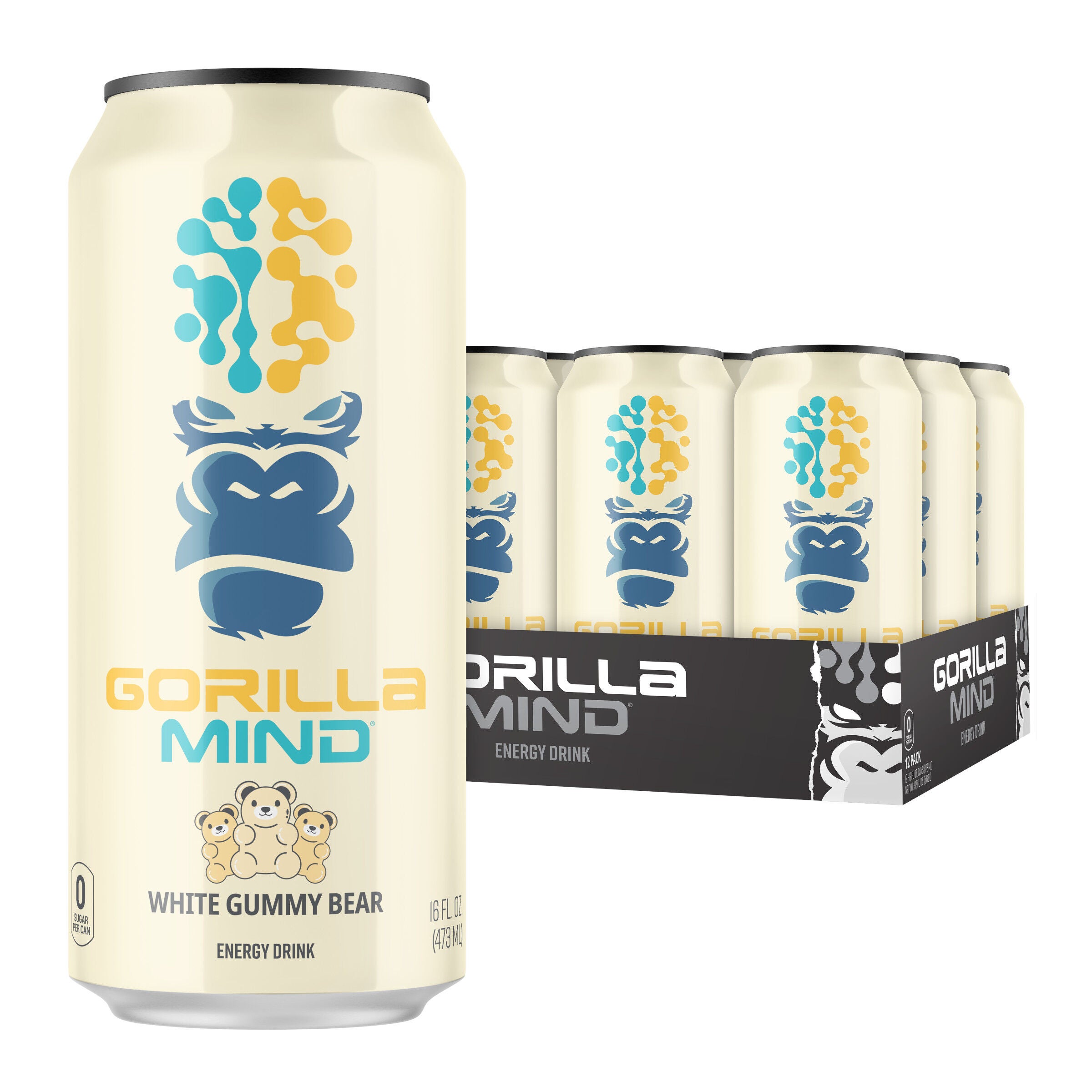 Gorilla Mind
 -
 Gorilla Mind
 -
 Gorilla Mind