Low Caffeine Pre Workouts
(0 Results)
For those seeking an energized workout without the jitters, low caffeine pre-workouts might be the perfect solution. These carefully formulated supplements could offer a balanced boost to your exercise routine, helping you stay focused and motivated. Ideal for both early risers and night owls, low caffeine options may provide sustained energy without interfering with sleep patterns. Whether you're new to fitness or a seasoned athlete, finding the right pre-workout can potentially enhance your performance and support your wellness goals. Explore a range of products that might align with your lifestyle and help you power through every session with confidence.

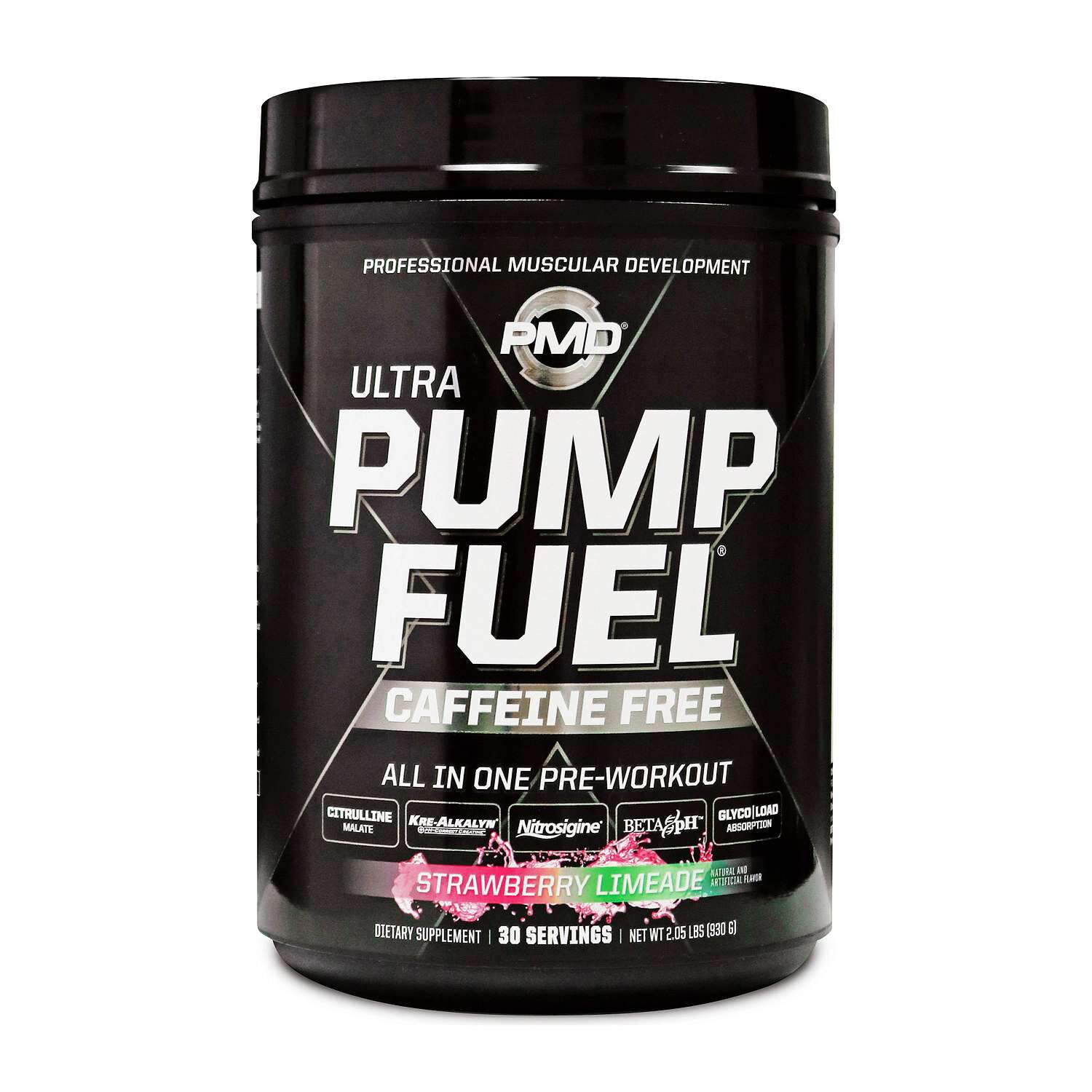

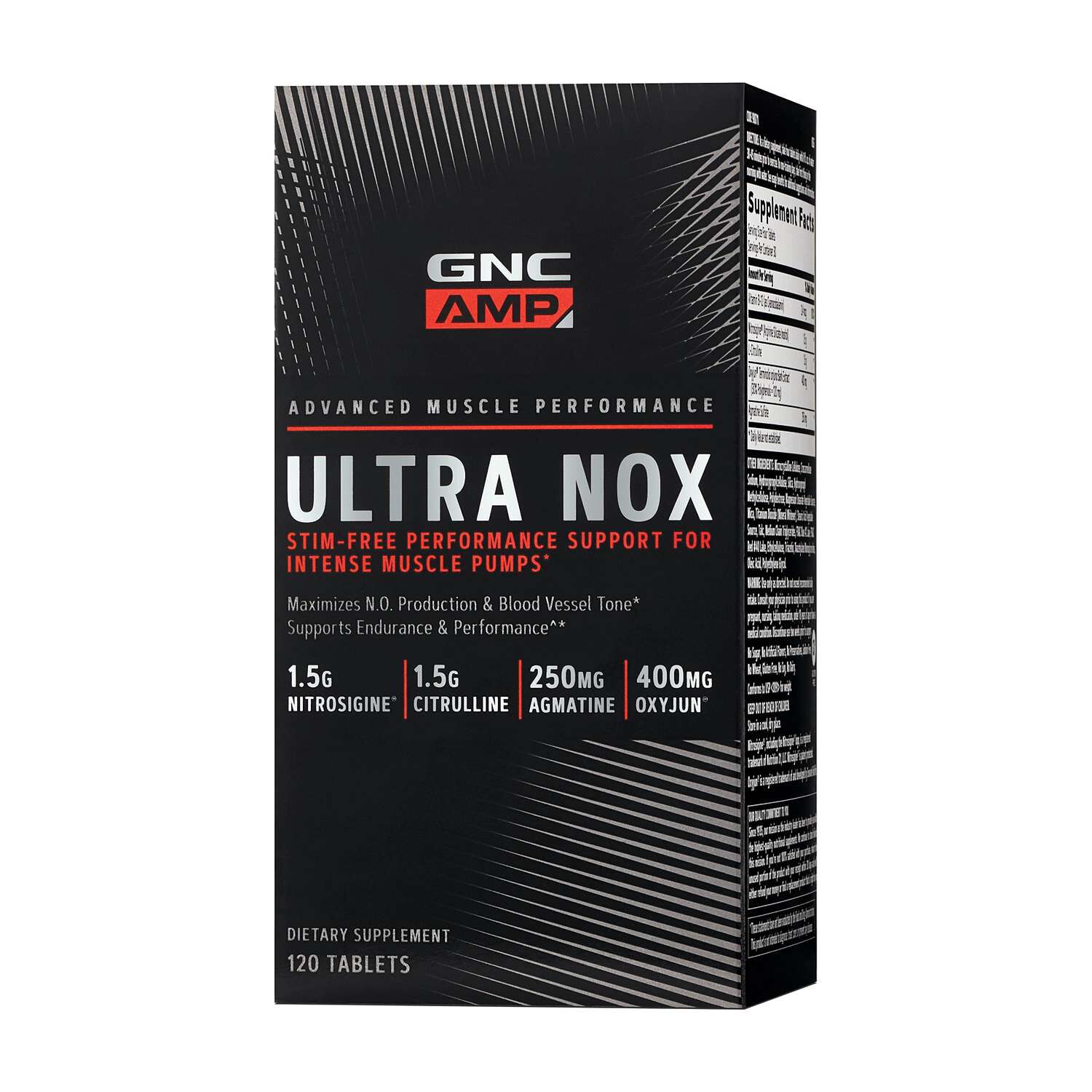


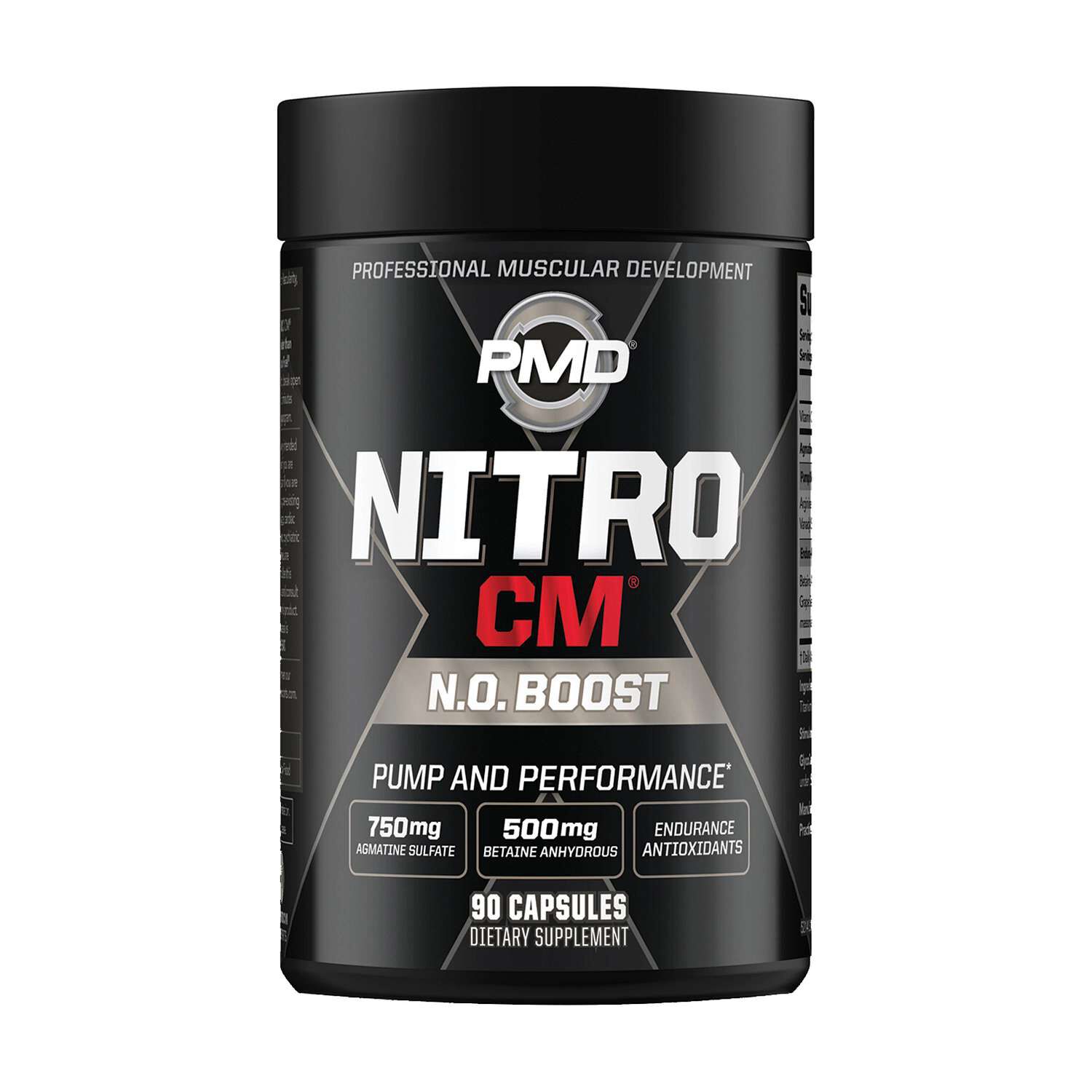
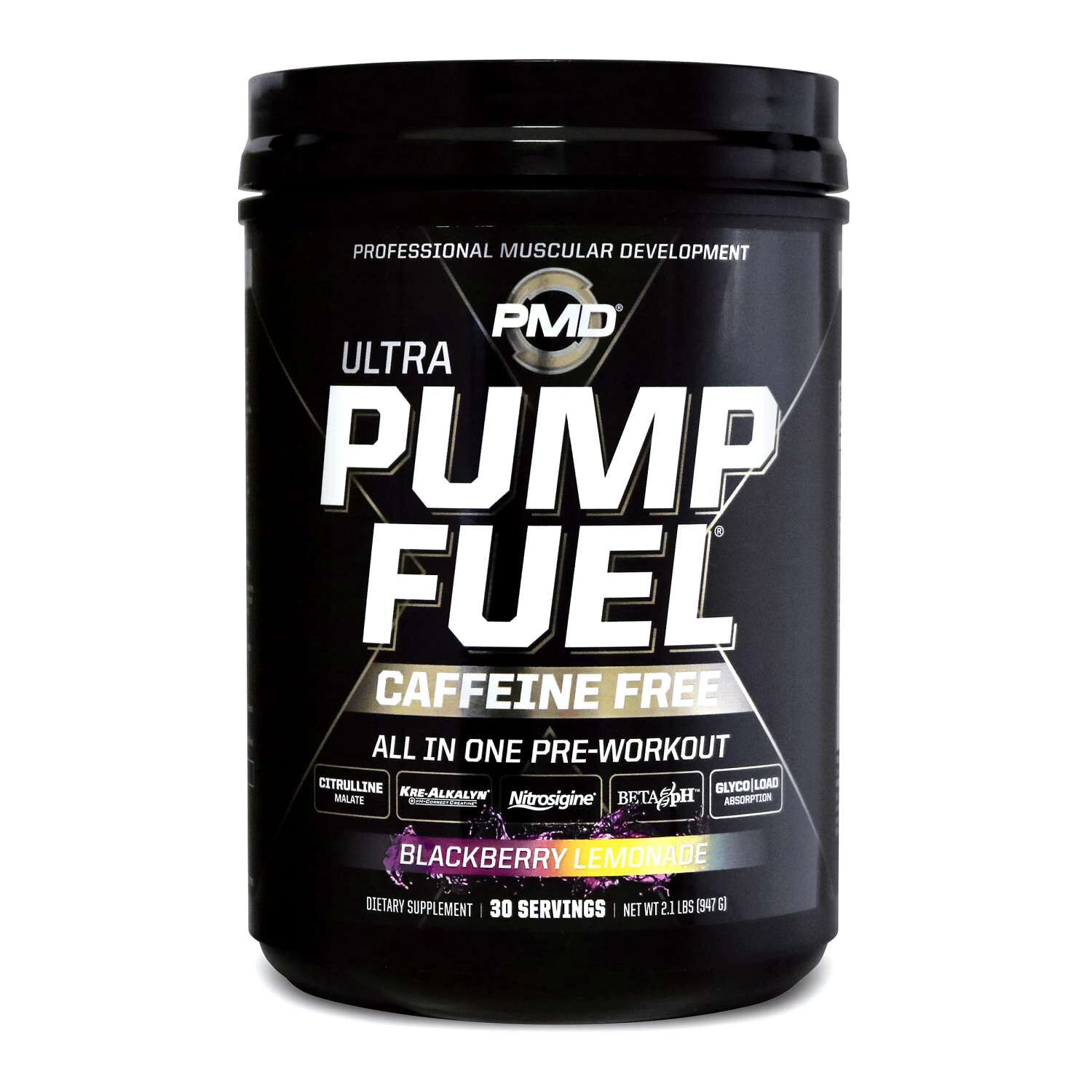
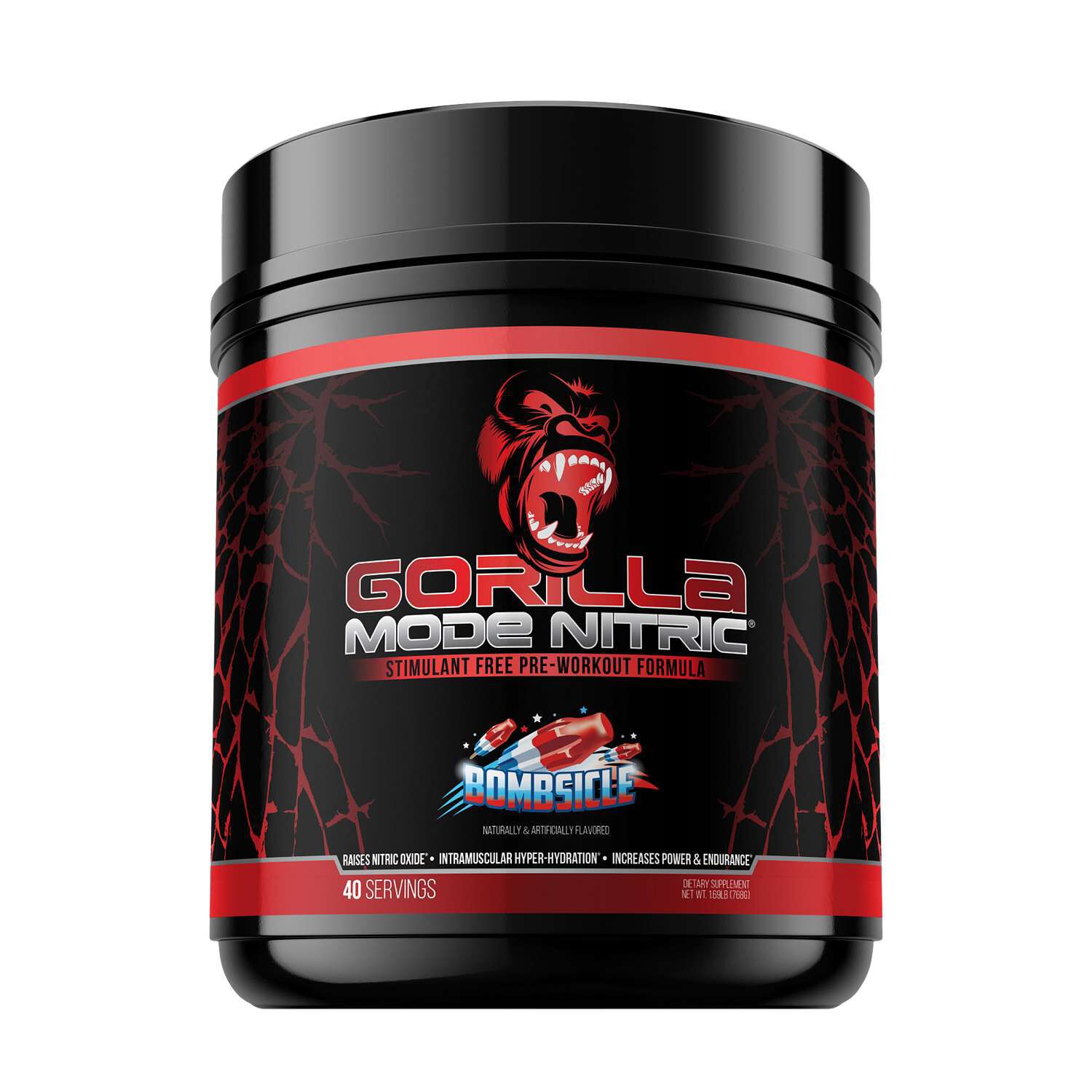
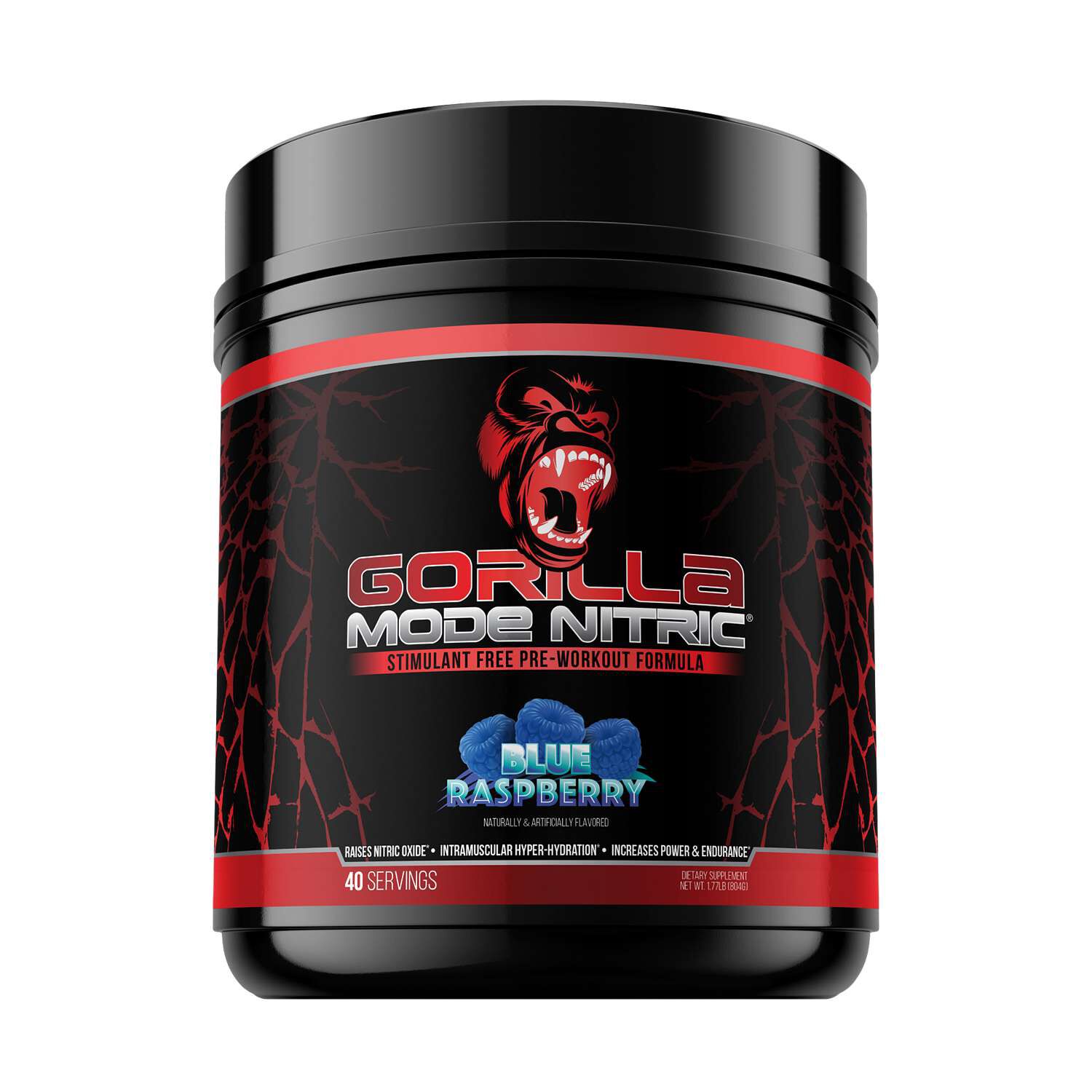
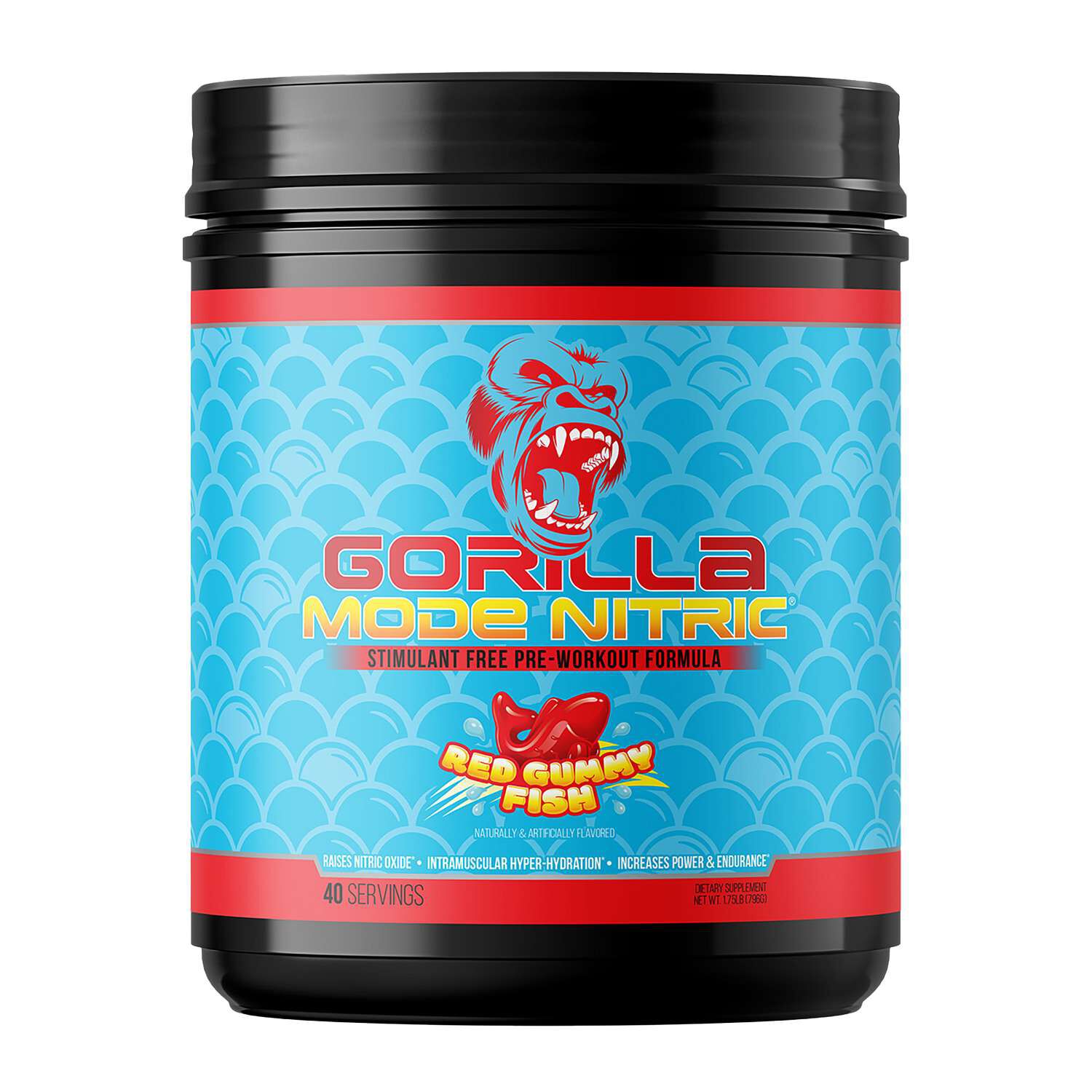
Low caffeine pre-workouts may suit people who want a measured lift before training without making their routine feel overly intense. These formulas typically contain a smaller serving of caffeine than high-stimulant options, while some contain no caffeine at all, making them a practical choice for early evening sessions, lighter training days, or anyone who prefers to be selective about their daily intake. A modest amount may help create a more alert, ready-to-train mindset, though individual responses can vary based on body size, food intake, sleep habits, and regular caffeine use. Many shoppers choose these products for the balance they may offer: enough stimulation to help mark the beginning of a workout, with a gentler profile that could fit more comfortably into a busy day. An afternoon gym visit after work, for example, may call for something different from a sunrise training session, especially when winding down later matters. Some people may prefer around 100 to 175 milligrams per serving, while others may look for a no-caffeine formula built around ingredients such as beta-alanine, L-citrulline, creatine, L-theanine, or L-tyrosine. These ingredients may complement a pre-workout routine in different ways, but they are not interchangeable, and a formula’s ingredient list deserves a close look. Beta-alanine may create a temporary tingling sensation for some users, while citrulline may be selected by shoppers seeking a formula associated with workout pumps. Creatine is often chosen as part of a broader training and nutrition plan, and focus-oriented ingredients may appeal to people who value a calm, attentive start. Since serving sizes differ from one product to another, comparing the amount of caffeine per serving, the suggested serving size, and the number of servings per container can make shopping easier. It is also worth checking whether a product includes added sugar, artificial sweeteners, common allergens, or ingredients that do not fit a vegan or vegetarian routine. Flavor matters, too: a bright fruit flavor may feel refreshing before a warm-weather outdoor session, while a smooth citrus or berry profile could be easy to enjoy during cooler months. For anyone sensitive to caffeine or new to pre-workout formulas, beginning with less than the suggested serving may be worth considering, provided the product label allows it. Read the label carefully, account for caffeine from coffee, tea, energy drinks, and other supplements, and consider speaking with a qualified healthcare professional when managing a health condition, taking medication, or navigating a specific dietary concern.
When choosing among low caffeine pre-workouts, think about the way the product needs to fit into real life rather than focusing only on a single ingredient. A powder that mixes quickly in a shaker may work well for someone heading straight from the office to the gym, while a compact container may be convenient for a locker, travel bag, or weekend training setup. Shoppers who train outdoors may appreciate a formula that dissolves easily in cool water, and people who sip slowly may want to pay attention to serving instructions and flavor strength. A low-stimulant option may also be a thoughtful gift for a friend beginning a structured fitness routine, a family member who enjoys morning walks and strength sessions, or a training partner who prefers not to use high-caffeine formulas. Pairing the product with a shaker bottle, gym towel, or storage container could make the gift feel personal without assuming a particular workout style. For those comparing related categories, Low Carb Pre Workout Powders may be worth browsing when carbohydrate content is part of the purchase decision. Ingredient transparency can help narrow the selection: look for clearly listed amounts rather than a broad blend that groups several ingredients together without individual details. Check the label for serving guidance, storage directions, flavor additives, sweeteners, and any statements about allergens. Caffeine timing is another practical consideration. A product used before a morning workout may fit differently into a daily schedule than one taken before a late-day lifting session, and a no-caffeine option could be appealing when training close to bedtime. Pre-workout powders are intended to accompany sound habits, so hydration, a suitable meal or snack, warm-up time, and recovery planning remain meaningful parts of the experience. Some users may like taking a powder with water before a brisk walk, a cycle through the park, a home strength circuit, or a demanding gym session; others may prefer it only on days when motivation feels harder to find. Keeping notes on serving size, time of use, flavor, and how the routine feels may help shoppers identify a pattern that suits them. Low caffeine pre-workouts offer a range of approaches, from lightly caffeinated blends to formulas with no caffeine, allowing each person to choose according to training time, taste preferences, ingredient priorities, and comfort with stimulants.