Non Creatine Pre-Workouts
(0 Results)
Non creatine pre-workouts offer a versatile option for those looking to support their exercise routine without the addition of creatine. Whether you're aiming to power through intense training sessions or simply want a boost before hitting the gym, these formulas may help you get more from your workouts. Explore a range of non creatine pre-workouts designed to fit your fitness goals and preferences.
-

-
-

-

-

-
-
-

-
-

-

-
-
-
-
-

-

-

-

-
 $99.99


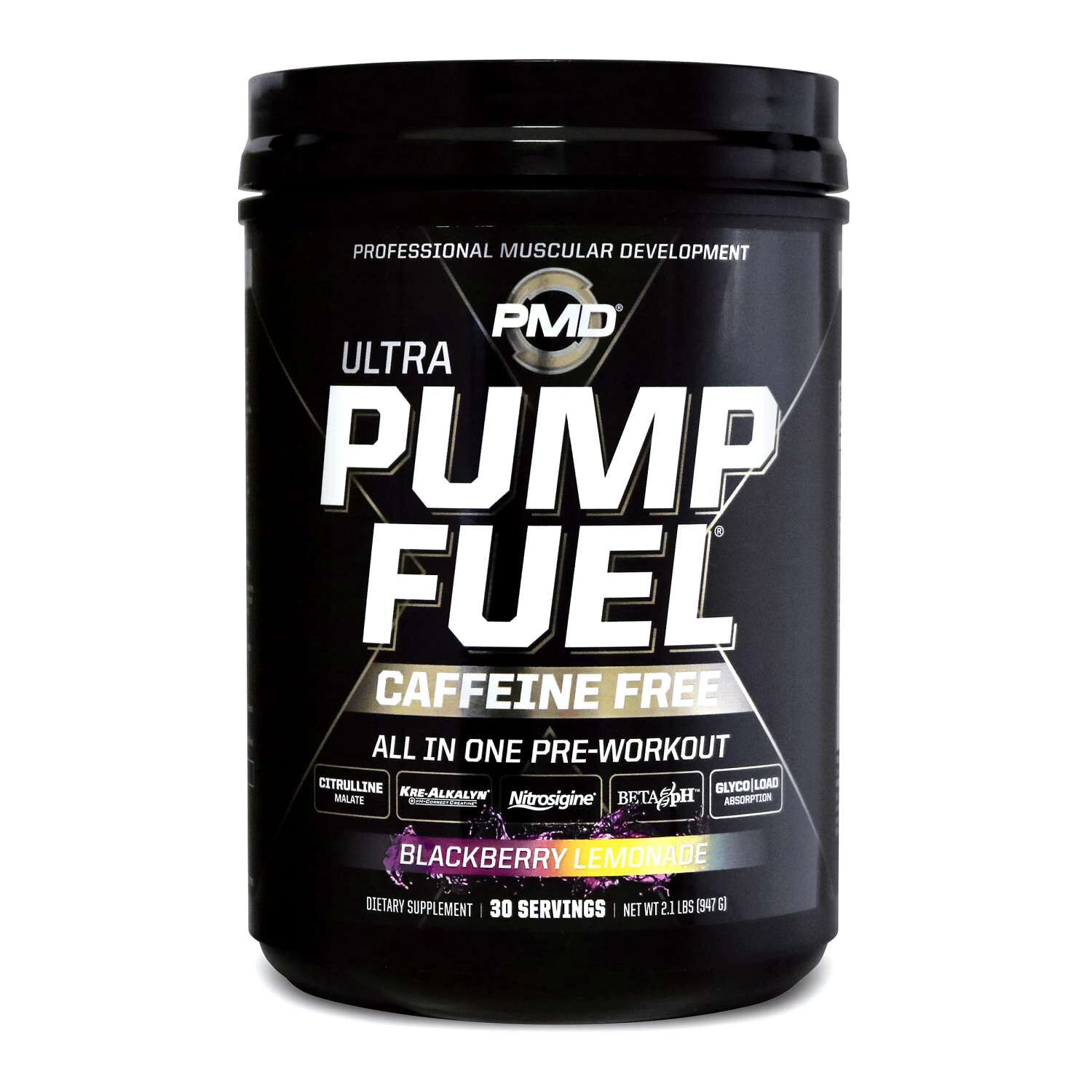
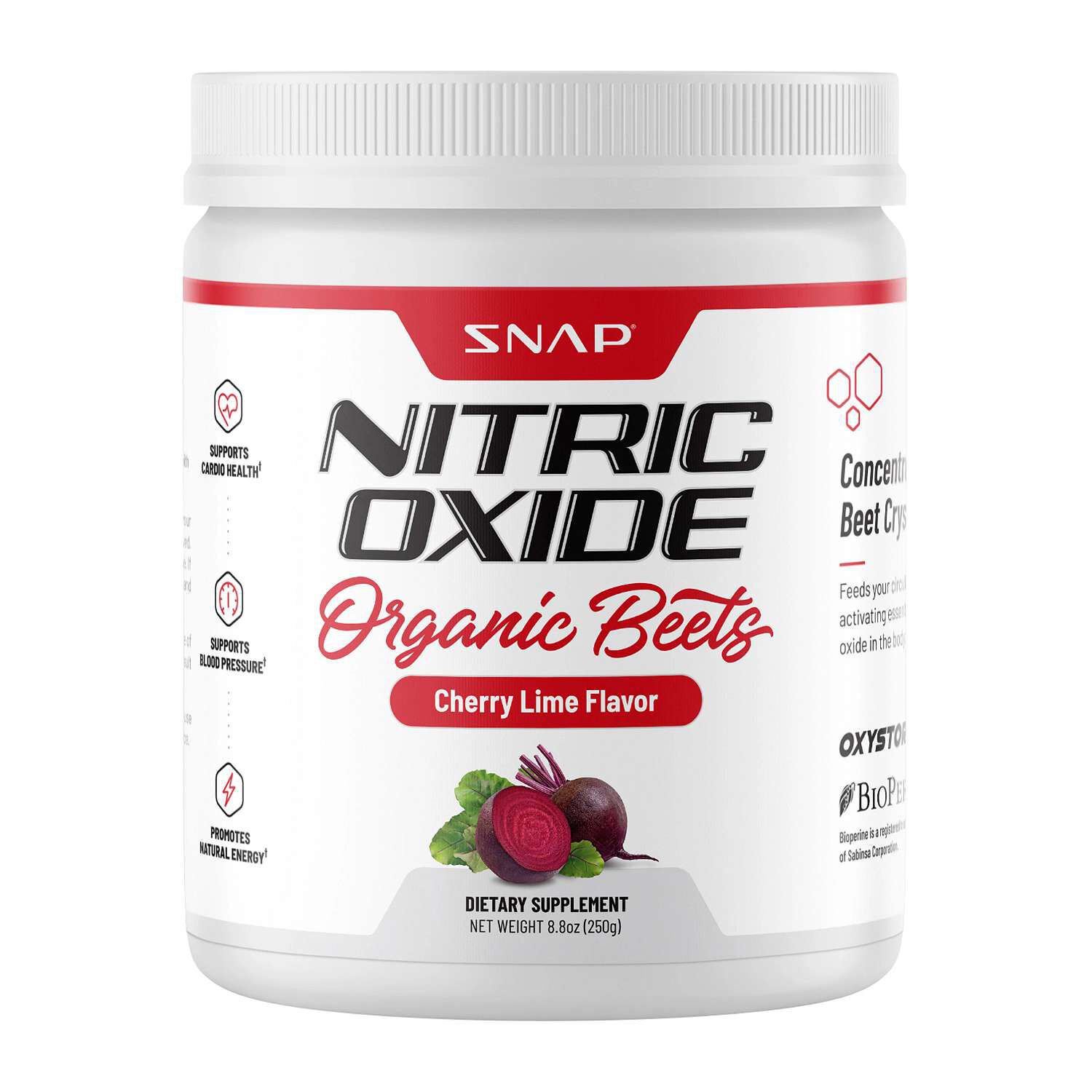
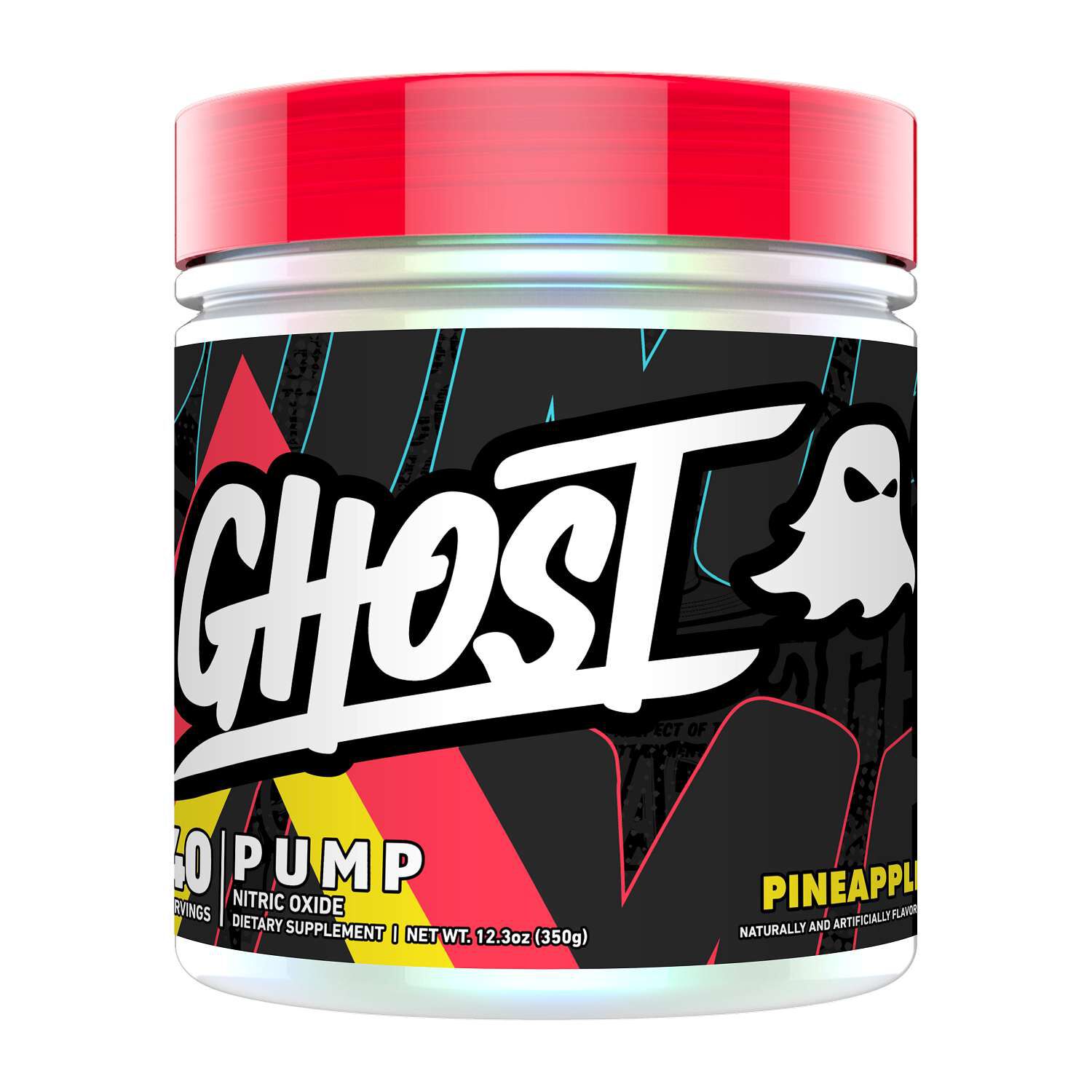
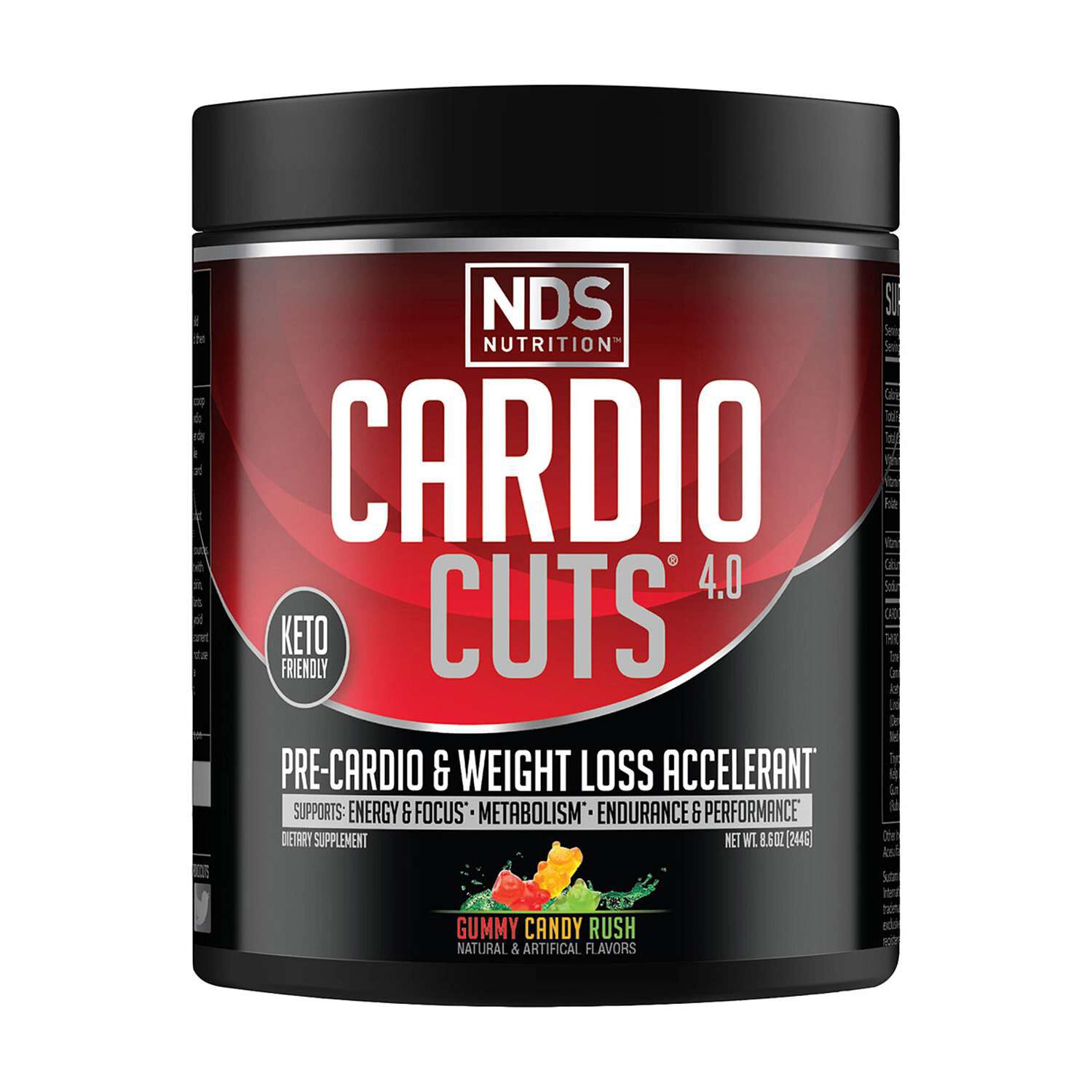
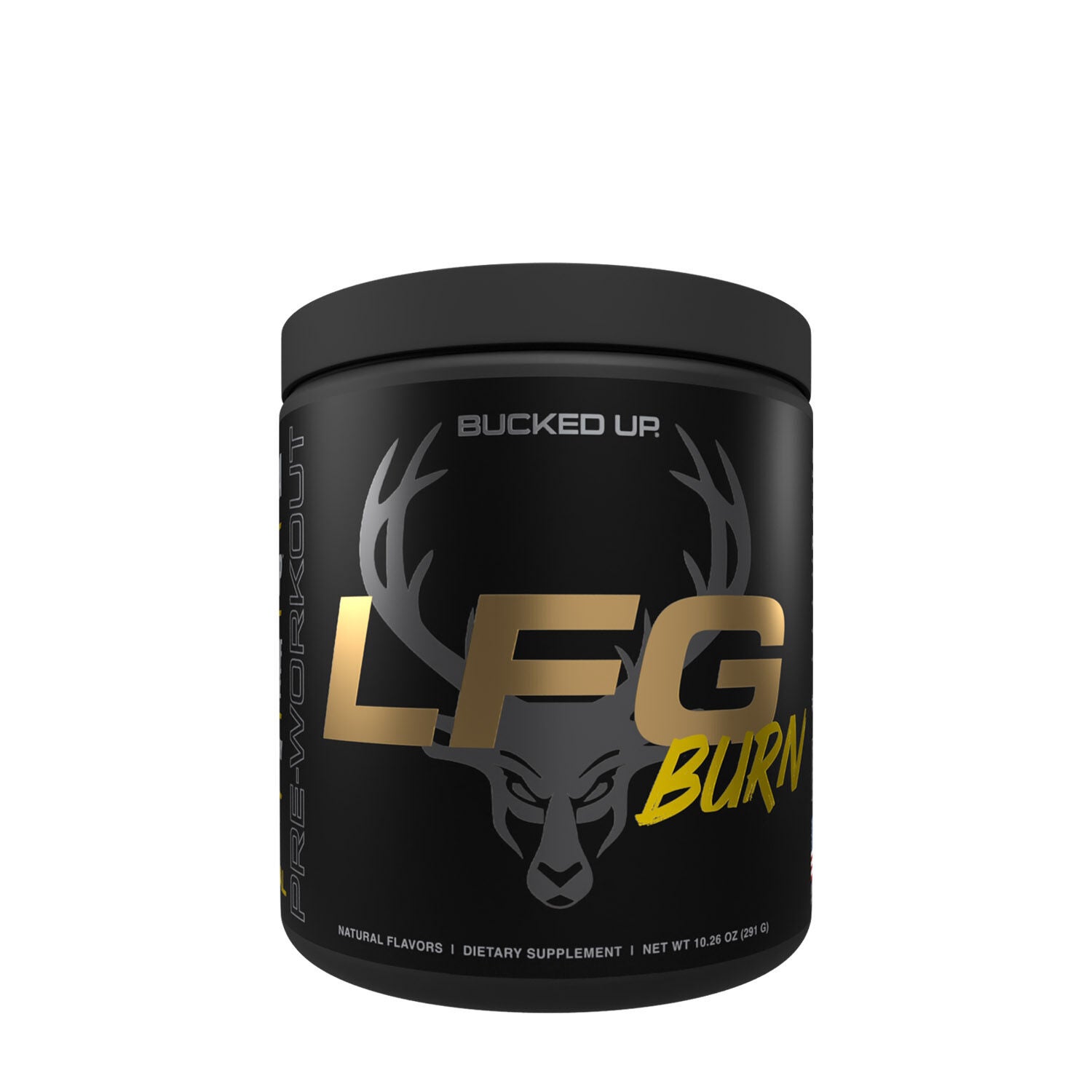
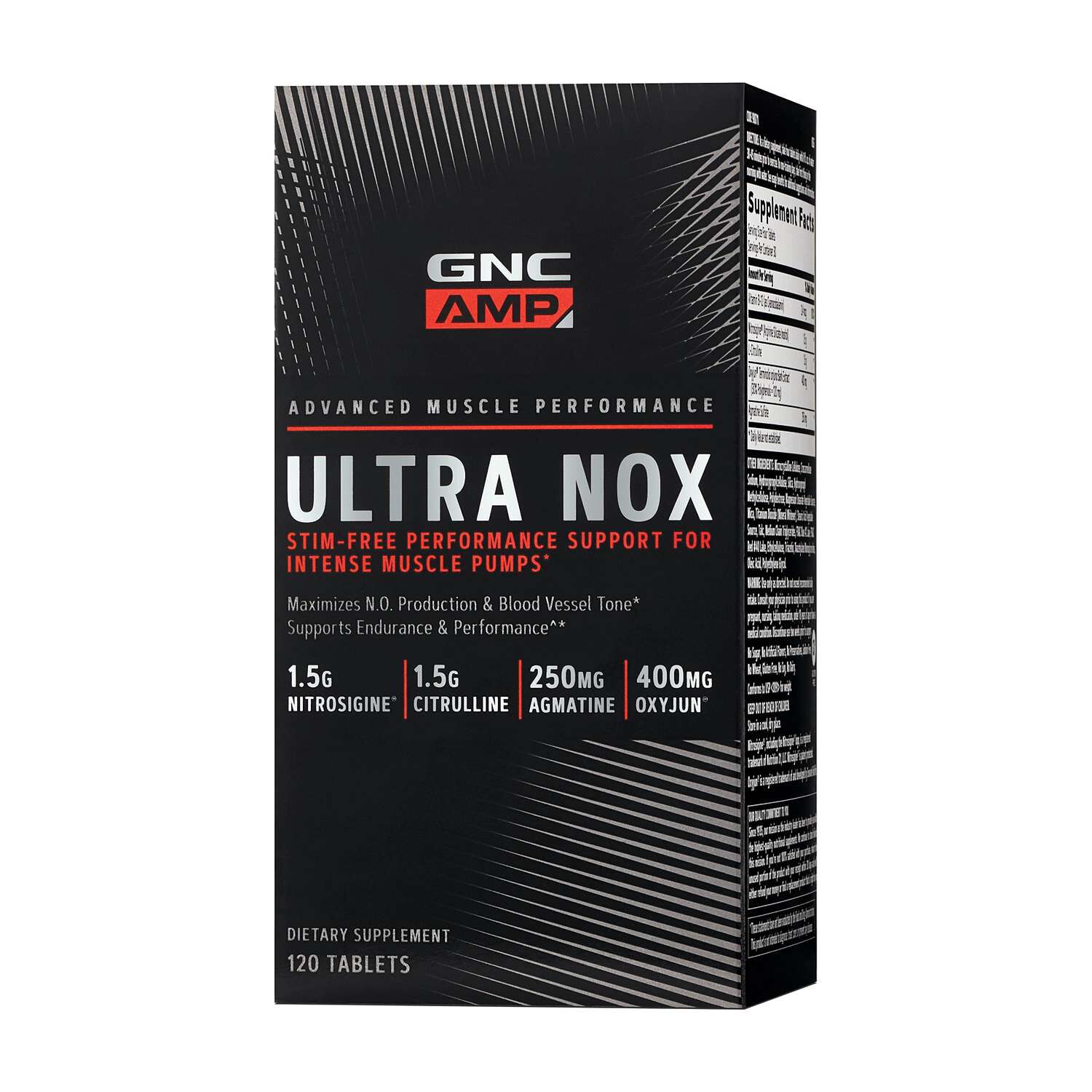
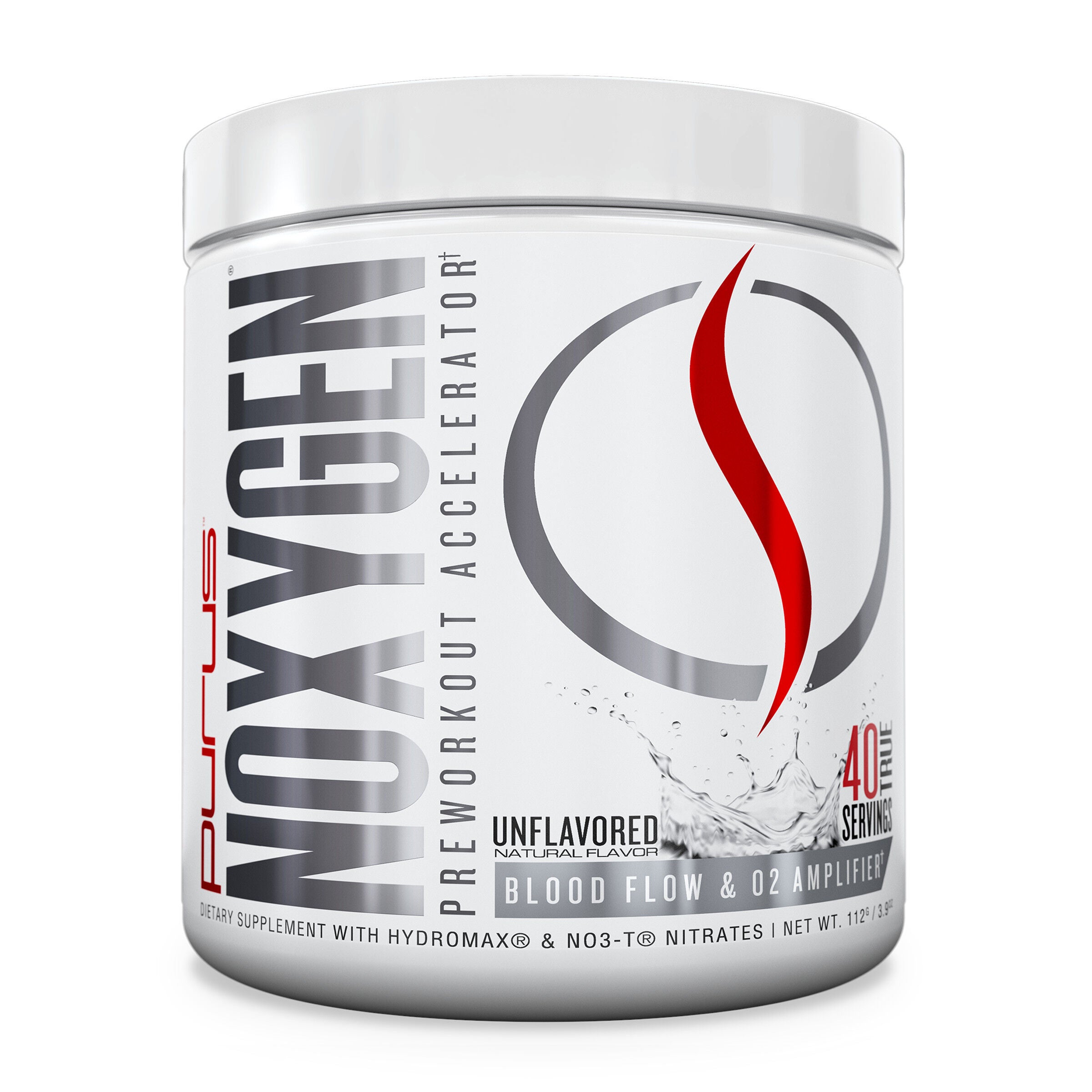
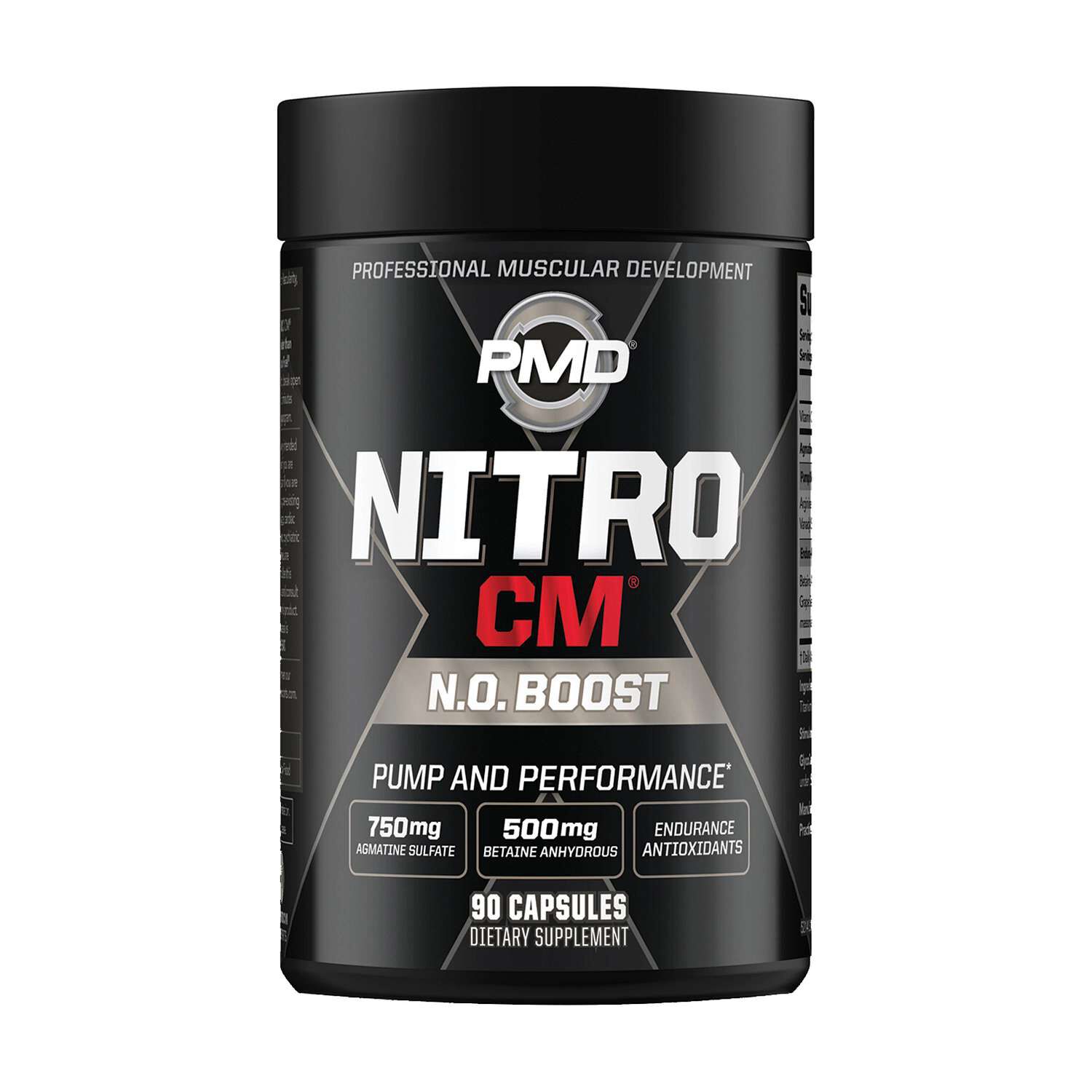
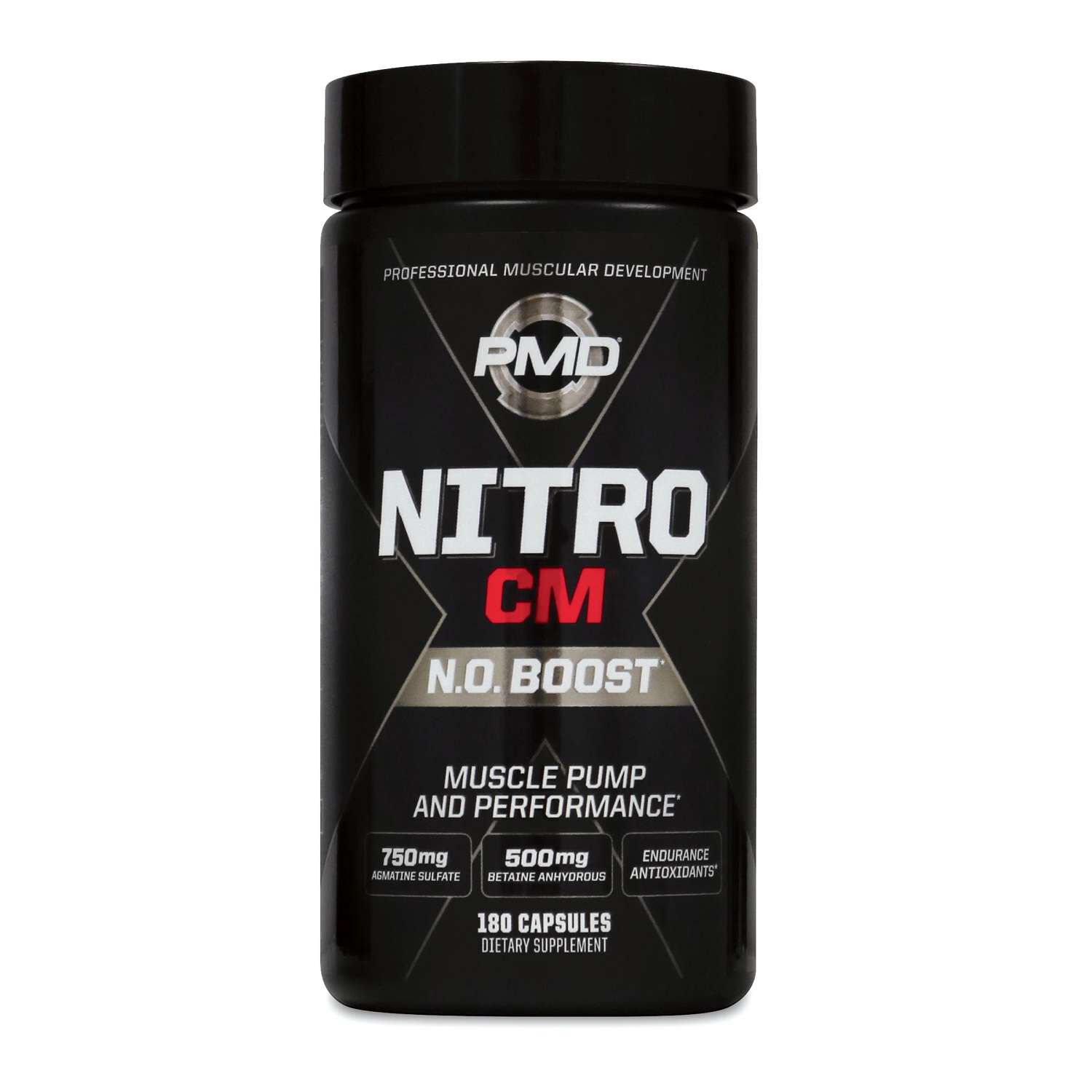
Non creatine pre-workouts are supplements intended for use before exercise that do not include creatine in their formulas. Often found as powders mixed with water or as prepared beverages, they may support energy, focus, or workout endurance, depending on their ingredients. The defining feature is the absence of creatine, not a particular caffeine amount, flavor, or ingredient blend. That distinction matters when comparing options for a morning lifting session, an afternoon cycling workout, or an evening visit to the gym. Some people prefer a pre-workout without creatine because they keep creatine separate from their pre-exercise routine; others simply want a formula that leaves it out. Neither preference points to one universal formula, since products within this category can differ considerably in their composition and intended use. A strength-training enthusiast may look for a powder with clearly listed ingredient amounts, while someone who moves between rowing, circuit training, and indoor cycling may be more interested in a format that fits a varied schedule. For shoppers who already use other sports nutrition supplements, ingredient transparency offers a clearer view of what each serving contains and where ingredients appear in more than one product. Keeping creatine outside the pre-workout formula may also offer more flexibility in organizing a routine, without tying every supplement to the same drink. This category is not limited to a particular training style or experience bracket, and the words “without creatine” do not establish how strong, simple, or suitable a formula might be. The ingredient panel, serving information, and preparation directions provide more useful detail than an energetic product name or a bold flavor description. For someone packing a shaker beside gym shoes before work, that practical information can be as relevant as the flavor itself. The appeal is a pre-workout format that leaves one ingredient out while allowing the rest of the formula to be considered on its own terms.
Caffeine is one of the most important distinctions among pre-workouts without creatine. A formula can omit creatine and still contain caffeine, and another can omit both. These are separate characteristics, so the category name alone does not describe the stimulant content. Caffeine may support alertness and concentration during exercise, but individual experiences vary, and a larger amount is not automatically a better match for a particular workout. Training time, personal preferences, and caffeine from coffee, tea, or other beverages all provide context when comparing labels. Someone who enjoys coffee with breakfast may approach a pre-workout differently from someone whose pre-exercise drink is their only caffeinated beverage. An evening exerciser may be more interested in options without caffeine, while another shopper may prefer a smaller amount rather than leaving it out altogether. For a related comparison, Low Caffeine Pre Workouts focuses on a different formula characteristic; the ingredient information still matters when looking for an option that also excludes creatine. Beyond caffeine, formulas may feature amino acids such as L-citrulline, beta-alanine, or taurine, as well as electrolyte minerals, flavorings, and sweeteners. Not every product contains the same combination, and the presence of a familiar ingredient does not establish how the finished formula might feel or perform. Clearly stated amounts make the composition easier to understand, especially when the serving size differs between products. One scoop is a measurement associated with a particular container, not a standard amount shared across the category. Label directions may also specify different amounts of water, which can change the concentration of the prepared drink. Ingredient lists and allergen statements provide additional context for dietary preferences and restrictions. For shoppers who value a straightforward routine, a shorter ingredient list may be appealing; others may prefer a more varied blend. The meaningful comparison is between the actual formulas, rather than an assumption that every non creatine pre-workout offers the same experience.
Taste, texture, packaging, and preparation can shape how comfortably a pre-workout fits into an ordinary training day. A bright citrus flavor mixed into cold water has a different character from a sweeter berry blend, even when both are intended for the same pre-exercise occasion. Sweeteners and acids contribute to that profile, and the recommended water volume helps explain the intended concentration. Powders require measuring and mixing, while prepared beverages avoid those preparation steps but take up more room in a bag. Individual portions may suit travel between home, work, and the gym, whereas a larger container may make more sense for a routine that begins in the kitchen. Packaging details such as a secure closure, readable serving directions, and clearly displayed ingredient information deserve attention alongside flavor. For a powder, the product’s storage directions matter: keeping the container closed and handling the scoop with dry hands may help limit moisture exposure. A shaker with a snug lid is a practical companion for mixing, and washing it according to its care instructions keeps yesterday’s drink from becoming part of today’s preparation. These small details become noticeable during a rushed departure or when a gym bag spends the afternoon beneath a desk. Intended use matters just as much as convenience. A non creatine pre-workout belongs to the pre-exercise portion of a sports nutrition routine; it is not interchangeable with a protein powder simply because both can be mixed in a shaker. It also does not replace meals, water, rest, or a training plan. During cooler months, when more workouts may move indoors, preferences can still vary from a lightly flavored drink before a treadmill session to a familiar powder prepared before weight training. Across those settings, the most useful product details remain consistent: whether creatine is absent, whether caffeine is included, what each serving contains, and how the format fits the day. Those distinctions give the category its breadth while keeping the choice grounded in the formula and the routine it is intended to accompany.