Premium Pre-Workouts
(0 Results)
Elevate your fitness routine with premium pre-workouts designed for those who want to maximize every training session. Whether you’re looking to support your focus or fuel your drive at the gym, these advanced formulas may help you prepare for whatever challenge lies ahead. Explore a curated selection of premium pre-workouts that could be the perfect addition to your active lifestyle.
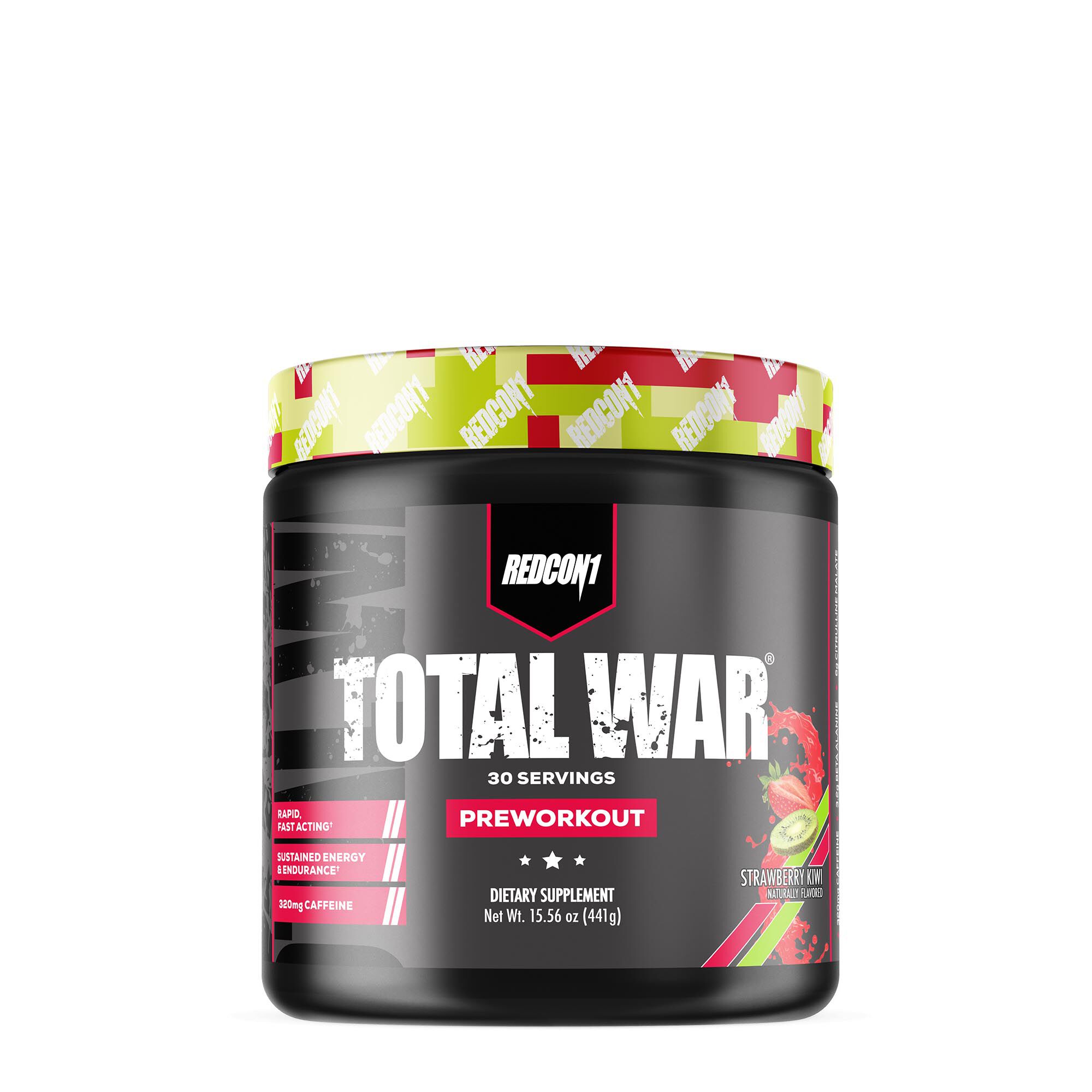


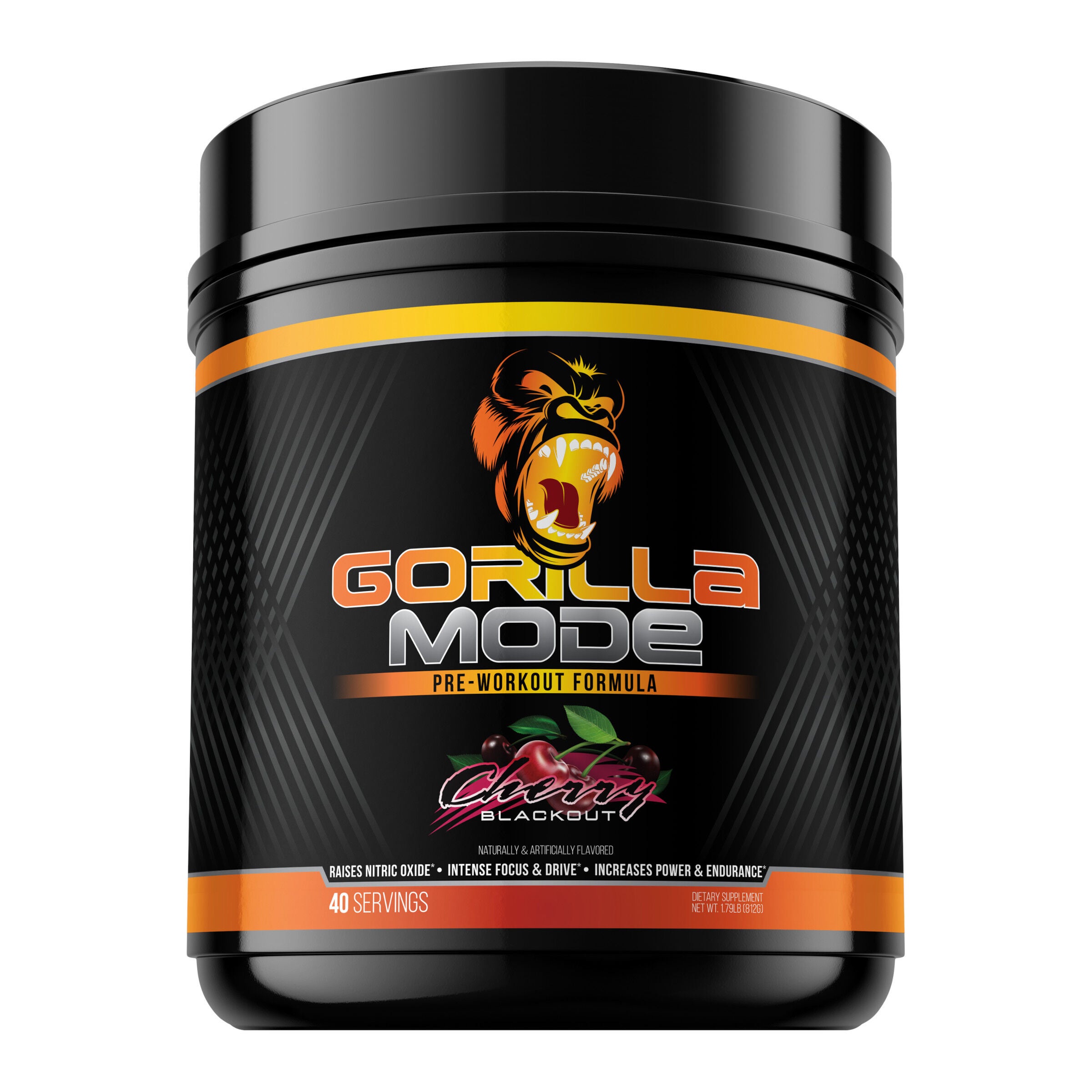
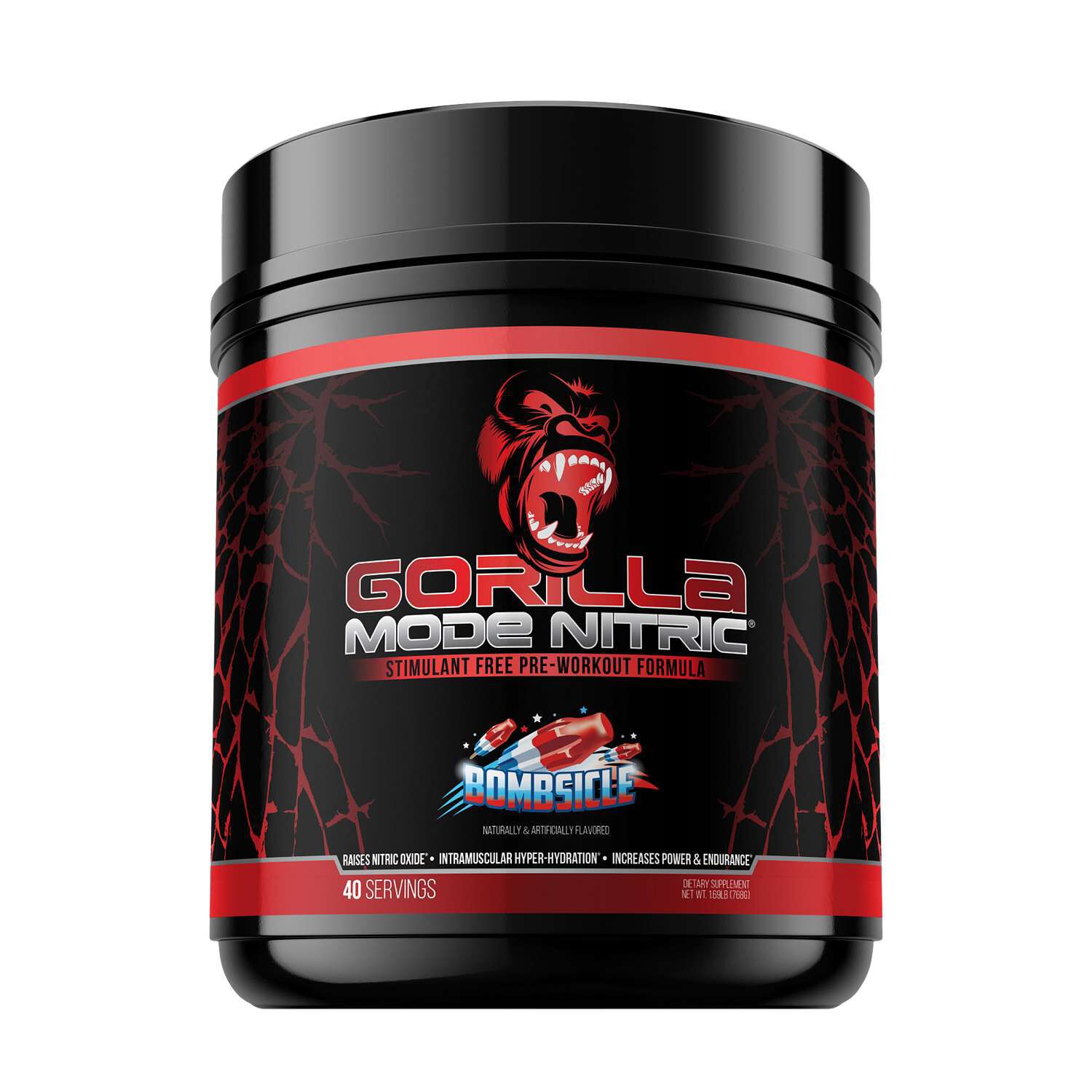
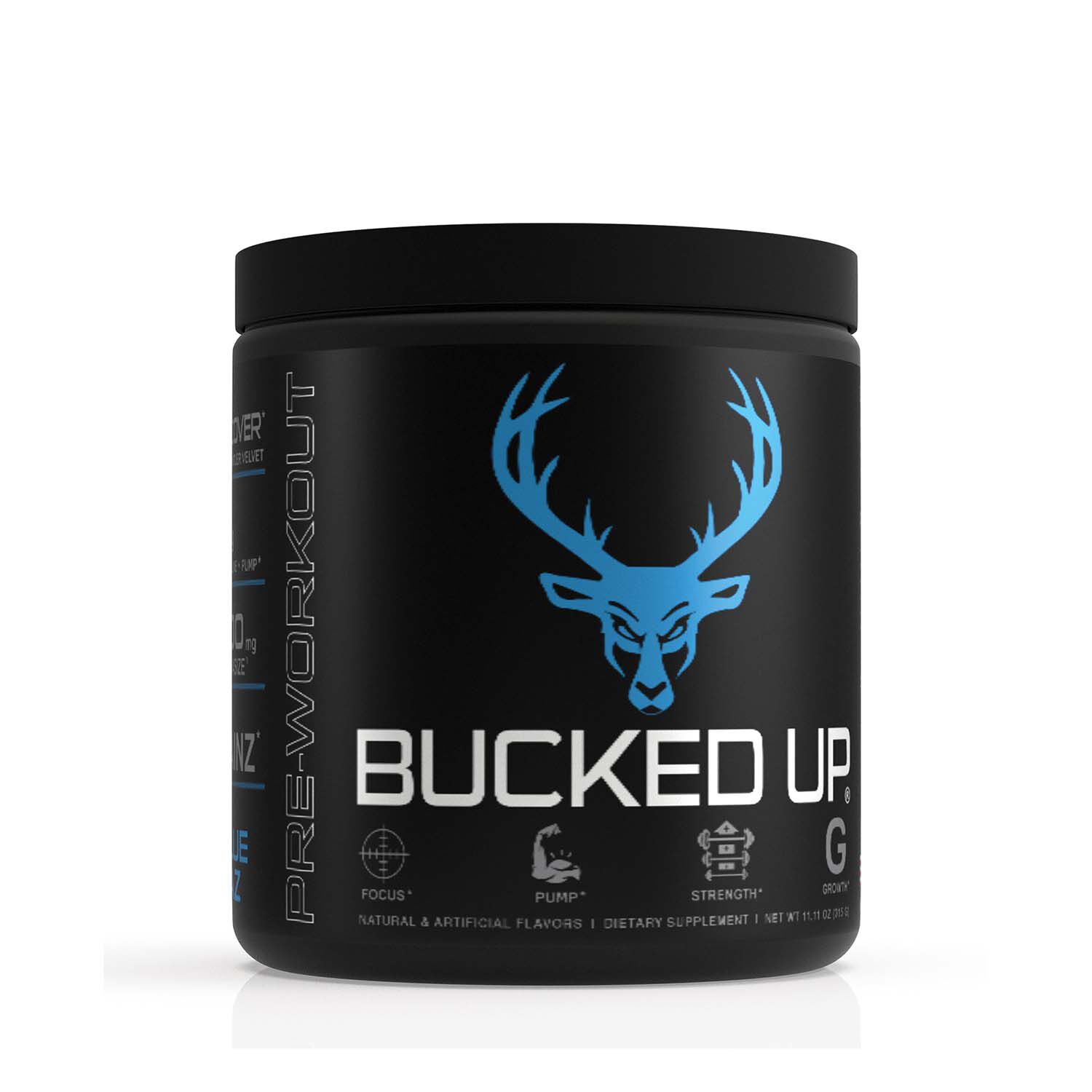


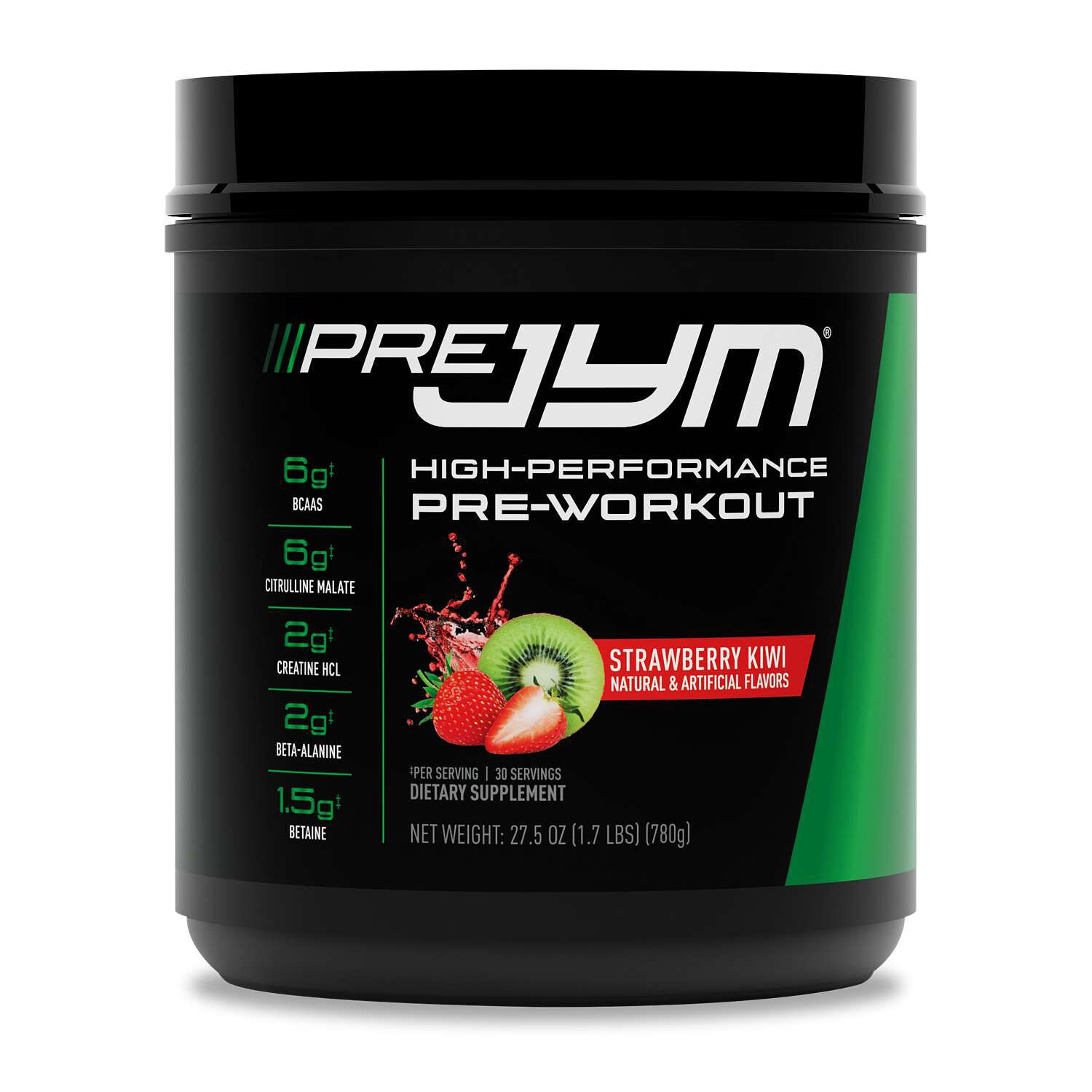

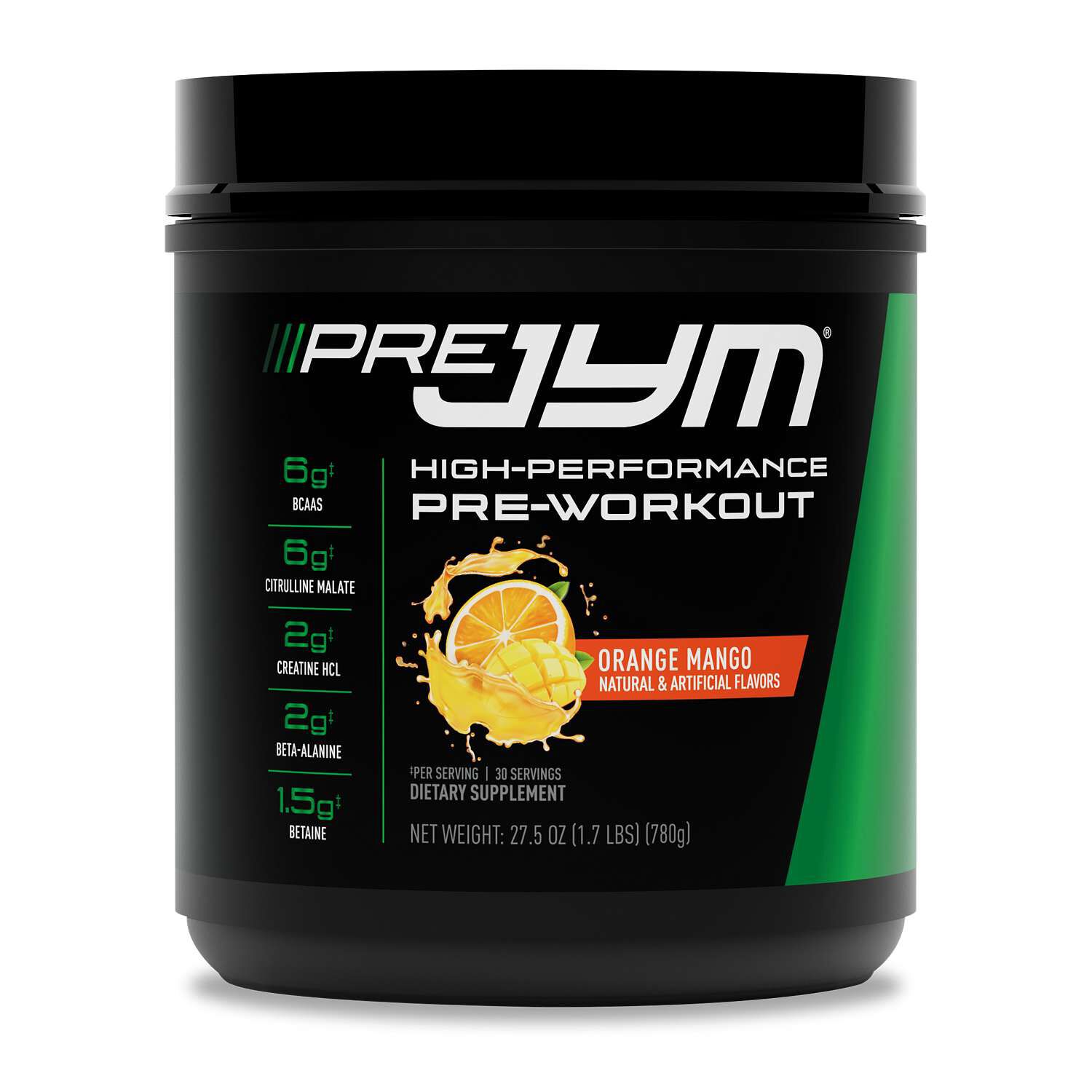

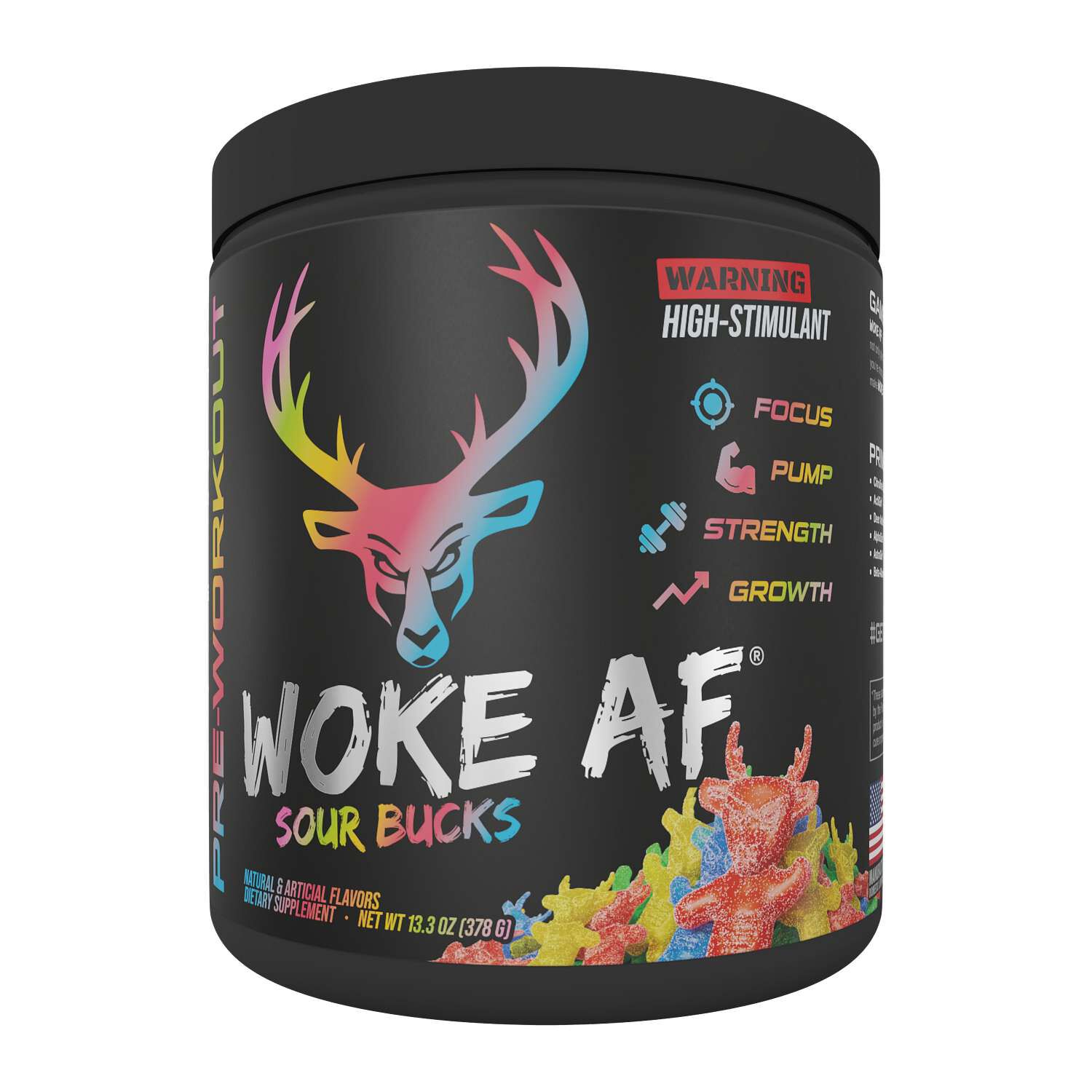
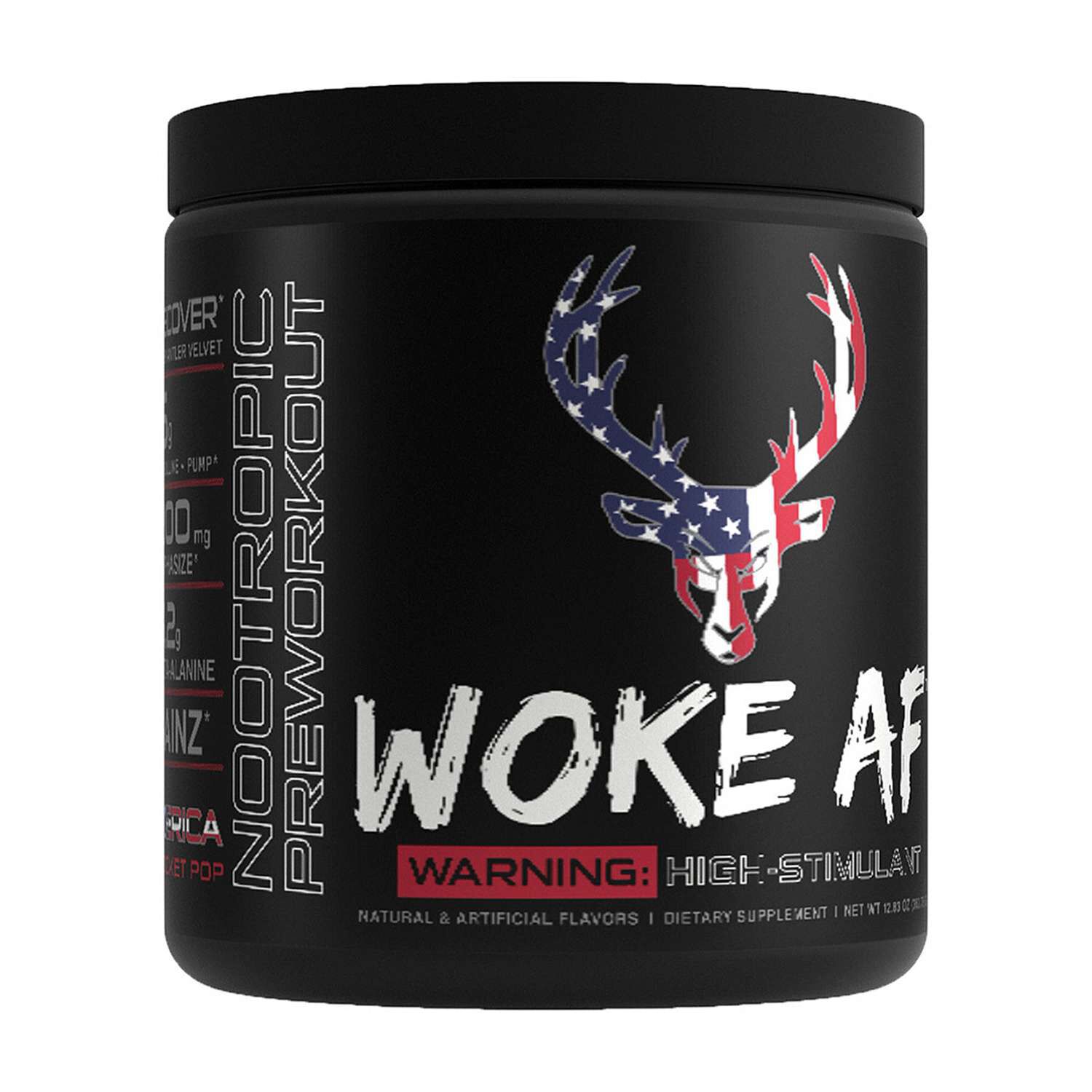
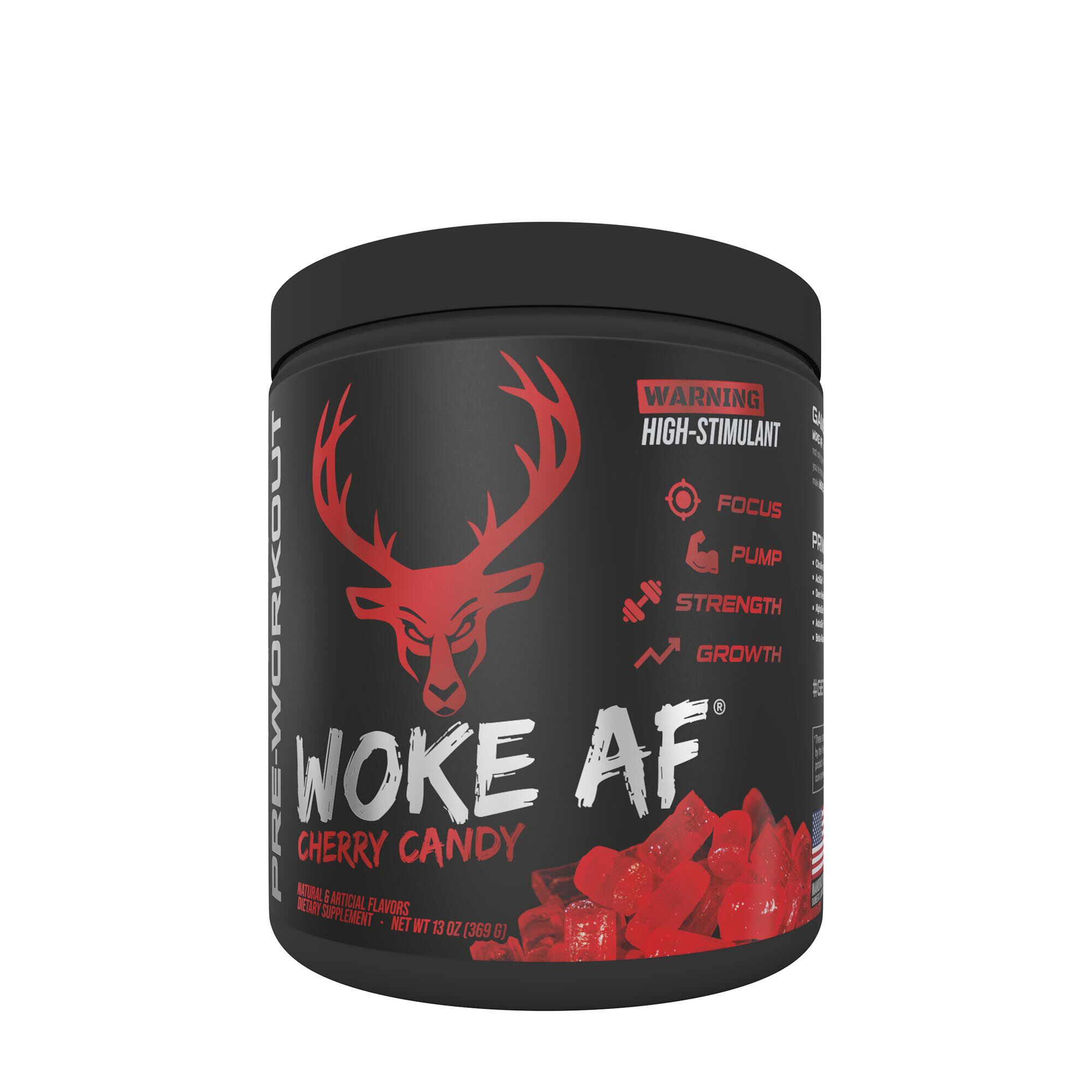

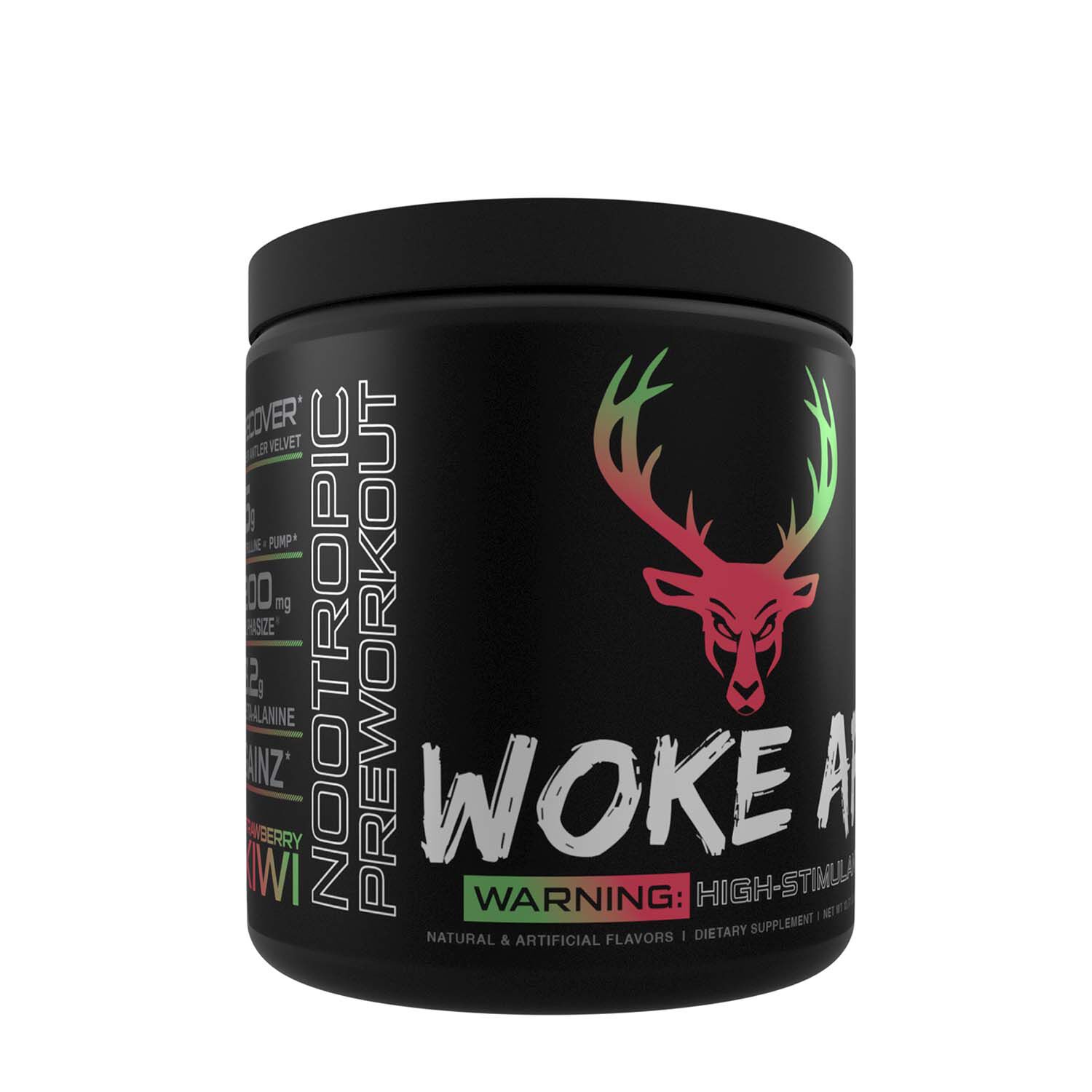
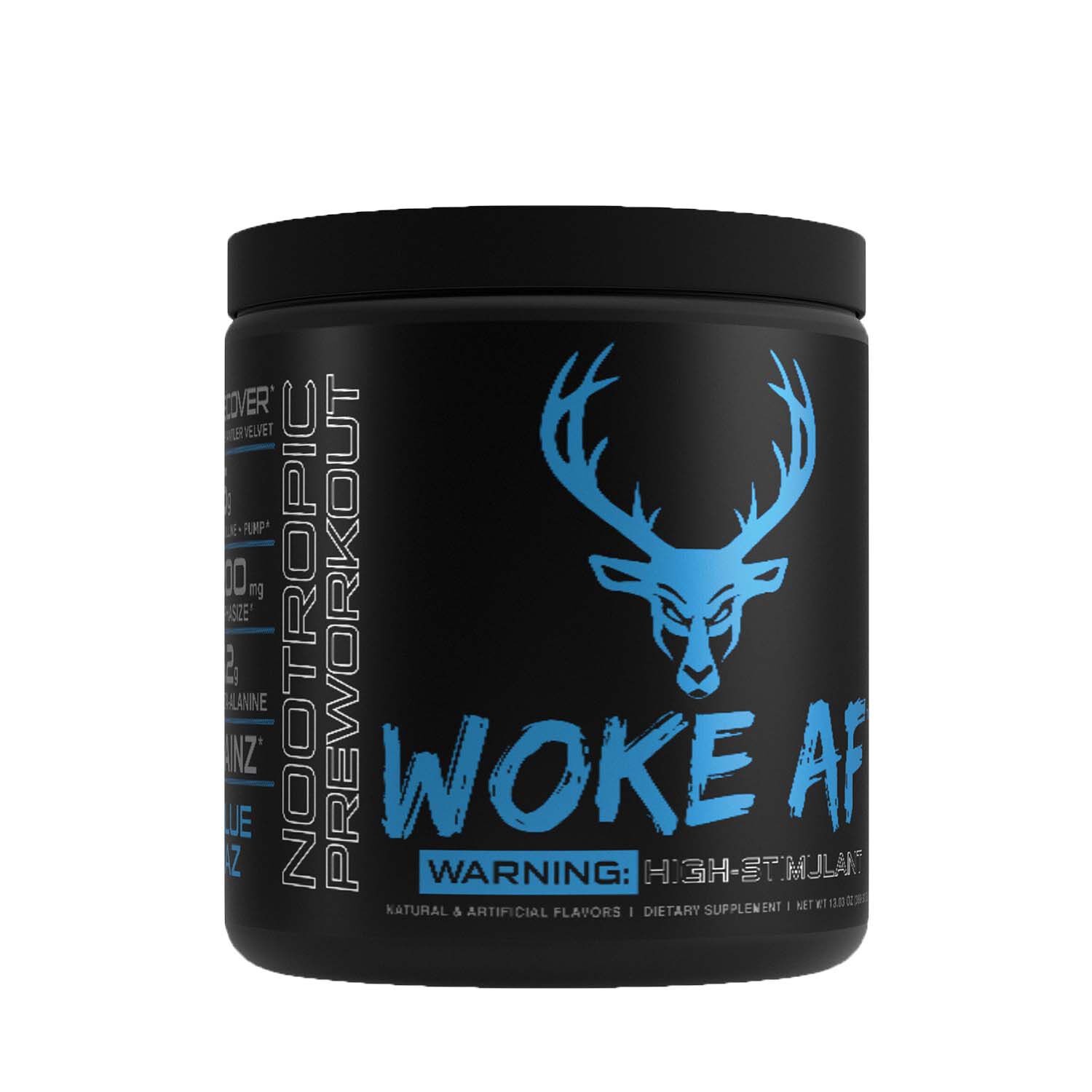

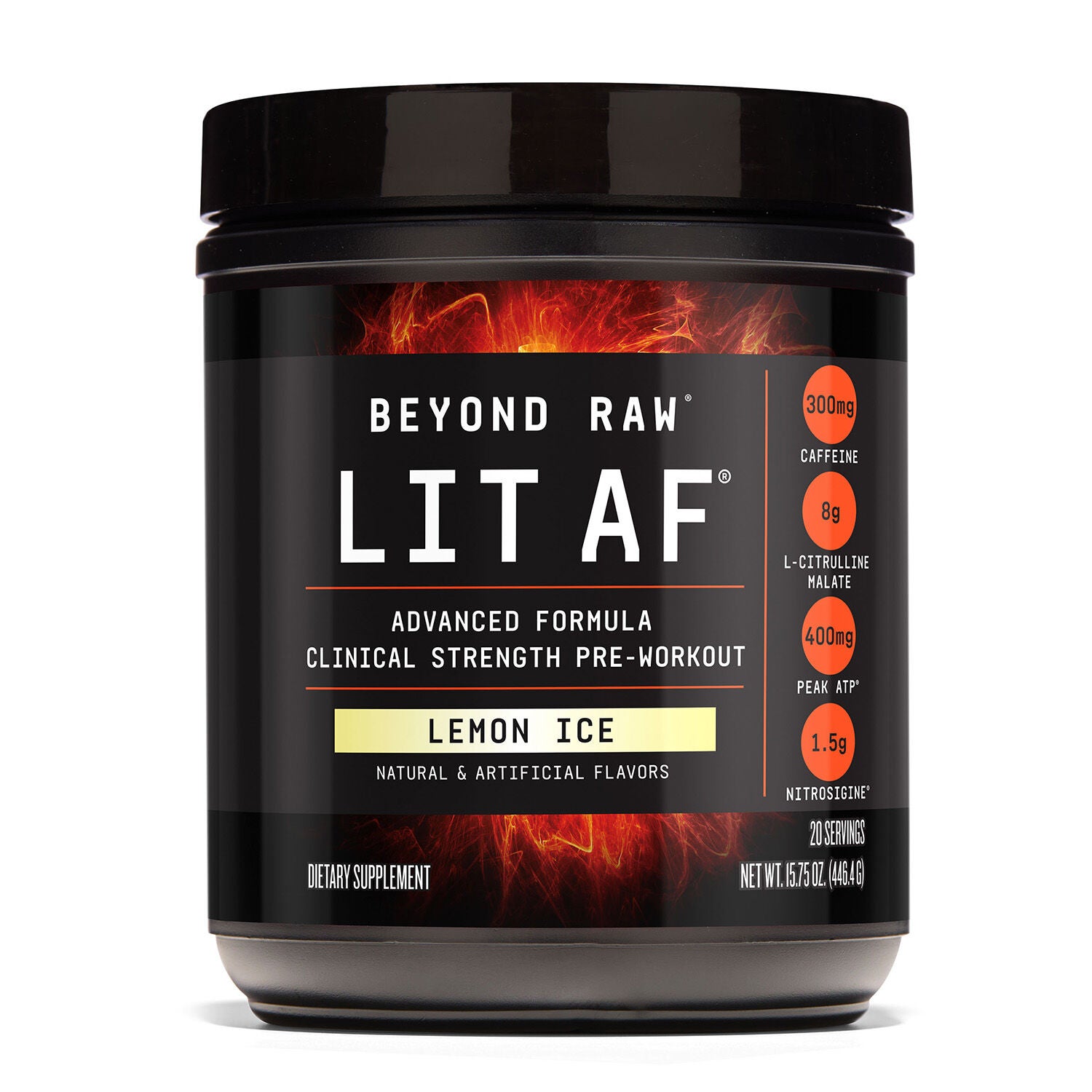

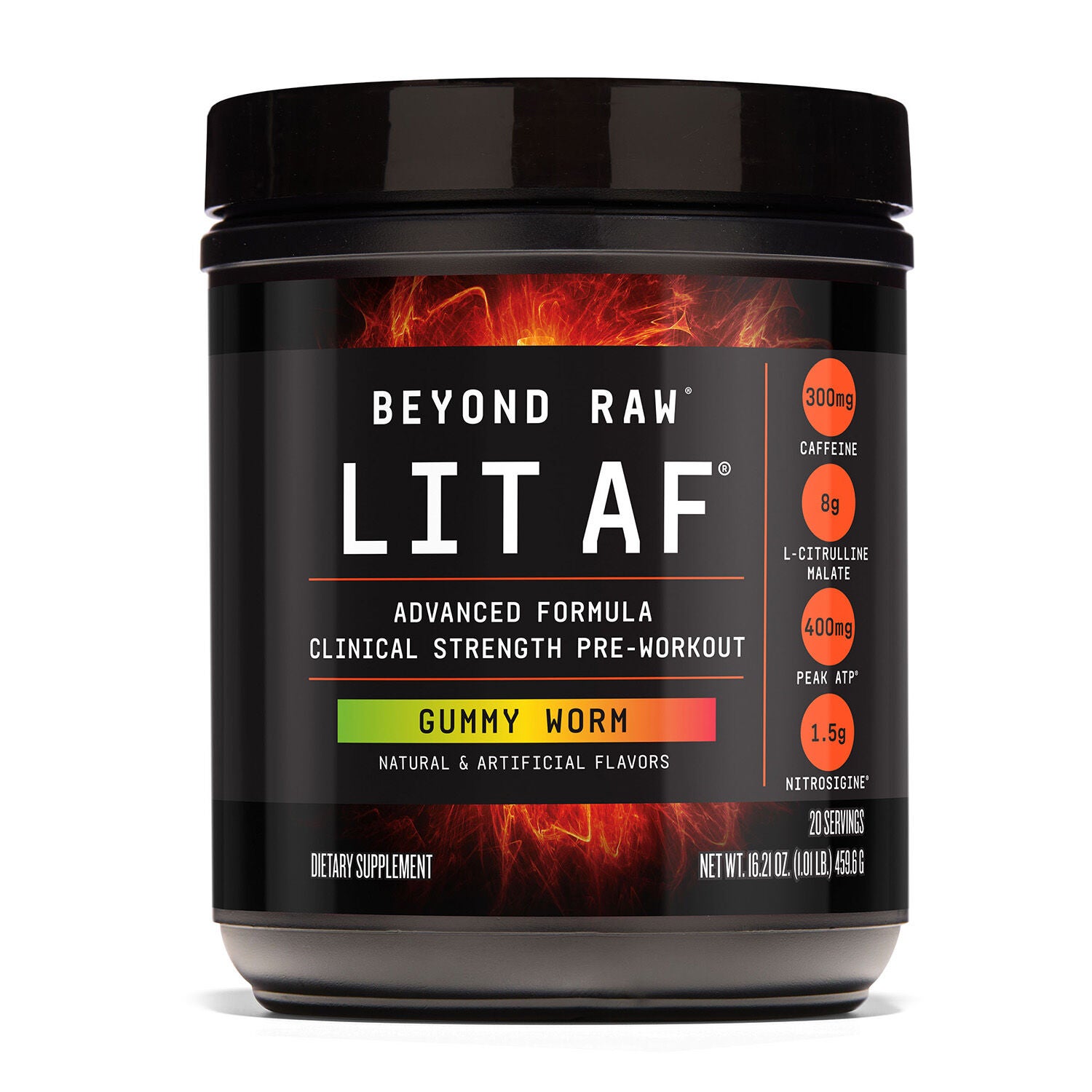
Premium pre-workouts are supplements intended for use before exercise, with formulas that may support energy, focus, or performance during a training session. Often presented as flavored powders mixed with water, they bring several ingredients together in a format that fits into the time between getting ready and starting a warmup. The category spans caffeinated formulas, options made without caffeine, and blends with different ingredient combinations for different training preferences. “Premium” is not a standardized measure of effectiveness; meaningful distinctions come from the formula, the amount of each ingredient per serving, the clarity of the label, and the care taken in manufacturing and testing. A longer ingredient list does not necessarily make one formula a better match than another. For someone who enjoys resistance training, the ingredients and serving format may matter more than an elaborate flavor name. For someone heading to a group workout after a busy day, caffeine content and convenient preparation may carry more weight. Common ingredients include caffeine, L-citrulline, citrulline malate, beta-alanine, and creatine monohydrate, although not every pre-workout contains all of them. Caffeine may support alertness and focus during exercise. Creatine may support performance in repeated, short bursts of high-intensity activity when used consistently, rather than functioning simply as an immediate pre-workout ingredient. Other ingredients have different roles, making the actual formula more informative than broad descriptions of intensity. The Supplement Facts panel provides a practical starting point for understanding those differences, particularly when individual ingredient amounts are disclosed. Serving size matters, too: a scoop is a measuring tool, not a universal amount shared across powders. Comparing the labeled serving weight and ingredient quantities creates a clearer picture than comparing scoop counts alone. Premium pre-workout supplements are best understood as one part of a training routine, alongside regular meals, water, rest, and a workout plan, rather than as a substitute for those everyday foundations.
The details inside a premium pre-workout formula help distinguish blends that otherwise look similar on the shelf. L-citrulline and citrulline malate, for example, are related but are not interchangeable ingredient descriptions. Citrulline malate combines citrulline with malate, so the stated weight of the blend does not describe citrulline alone. Beta-alanine and creatine also deserve a different perspective from caffeine: their potential exercise benefits relate to consistent use over time, not simply the sensation of taking a serving before a workout. A noticeable sensation is not a reliable measure of performance benefits, and a formula without a dramatic sensory effect is not automatically less suited to a training routine. Caffeine amounts can vary substantially, making the number of milligrams per labeled serving more useful than descriptions such as intense or advanced. Coffee, tea, and other caffeinated beverages also belong in that comparison, especially for someone whose workout follows a morning coffee or an afternoon café stop. For evening training, a formula made without caffeine may better fit a preference to keep caffeine out of that part of the day. Transparent labeling also makes it easier to distinguish ingredients included in meaningful stated quantities from ingredients grouped into a blend with undisclosed individual amounts. When a powder contains electrolytes, the label shows which minerals are present and how much each serving contains; their presence alone does not establish that every formula has the same composition or intended use. Documented third-party testing can provide another point of comparison, particularly for athletes who must follow sport-specific ingredient rules. The scope of testing matters, since verification of ingredient identity is different from screening for substances restricted in competition. Shoppers comparing workout-focused categories can also explore Explosive Pre Workouts, keeping the ingredient panel, caffeine content, and serving directions at the center of the comparison. Descriptive names can set a tone, but the label offers the more concrete account of what goes into the shaker.
Day-to-day fit is another part of choosing premium pre-workout powders, because preparation, taste, and storage all shape the experience of using them. A tart citrus flavor mixed in a small shaker can feel quite different from a sweeter fruit blend prepared with more water, even when both follow their respective label directions. Flavor descriptions, sweetener choices, and the suggested amount of water help set expectations before the first serving. Ingredients such as colors and sweeteners are separate considerations from the ingredients intended for exercise support, and personal preferences can vary without making one approach universally better. Texture matters as well: some powders mix into a lighter drink, while others can leave sediment that calls for another shake. Mixing characteristics alone do not establish ingredient quality or likely results. For the person packing a gym bag before a commute, a securely closing container and an easy-to-read serving label are practical details. For someone training at home, keeping the tub beside a clean, dry shaker may make preparation simpler without turning the kitchen counter into a supplement station. Container size and labeled servings also affect how well a powder fits a regular schedule, particularly when comparing a compact tub with a larger container. Product care centers on the storage directions: a tightly closed lid, a dry scoop, and protection from excess heat and moisture help maintain the powder’s condition. A humid bathroom or a car that changes temperature throughout the day is a different storage environment from a dry indoor cabinet. The expiration date and packaging instructions remain relevant even when a tub still looks unchanged. Intended timing and preparation should likewise come from the individual label rather than an assumed rule for the entire category. A pre-workout chosen for a familiar lifting session might not suit every other activity or time of day. The strongest match is a clearly labeled formula whose ingredients, flavor, serving format, and intended use align with the way someone actually trains, whether that means an early gym visit, an afternoon strength session, or a steady routine during the cooler months.