Keto Pre Workouts
(0 Results)
Fuel your fitness journey with keto pre workouts, designed to align with your low-carb lifestyle while providing the energy and focus you need for an effective exercise session. These specialized supplements may support your ketogenic diet by potentially enhancing performance and endurance without disrupting ketosis. Ideal for those committed to a high-fat, low-carb regimen, keto pre workouts could help maximize your workout potential. Whether you're lifting weights or powering through cardio, discover how these innovative formulas might complement your fitness goals.
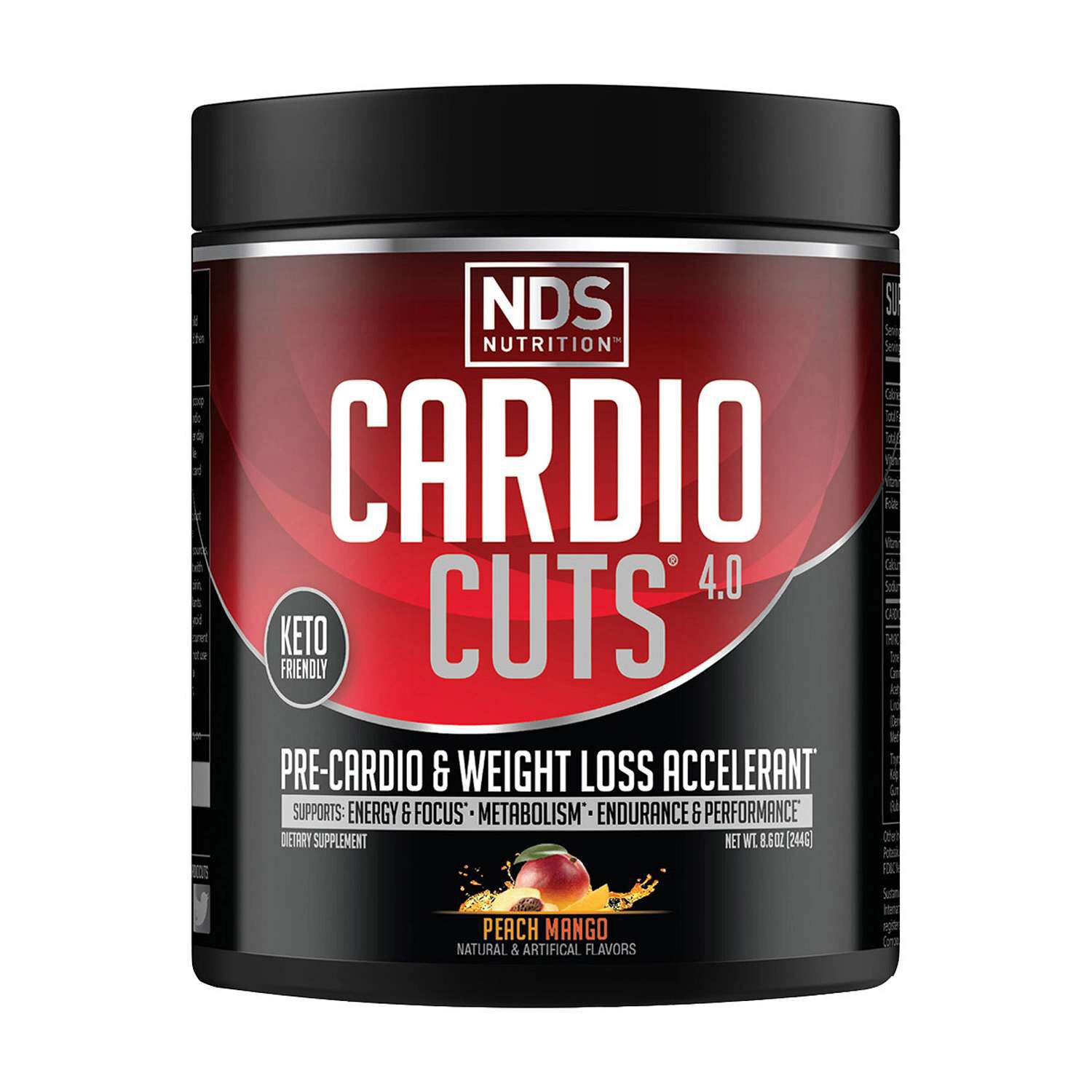

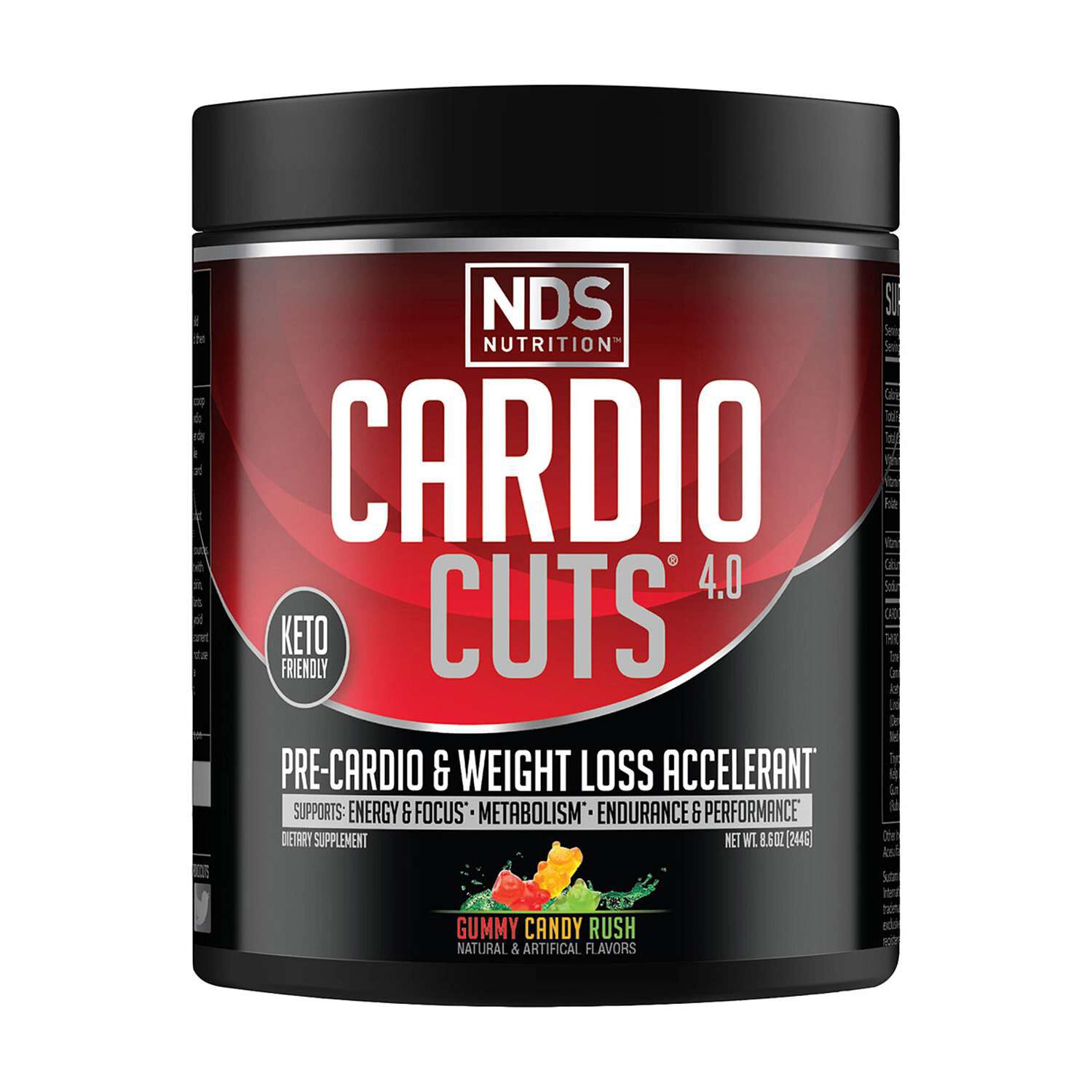
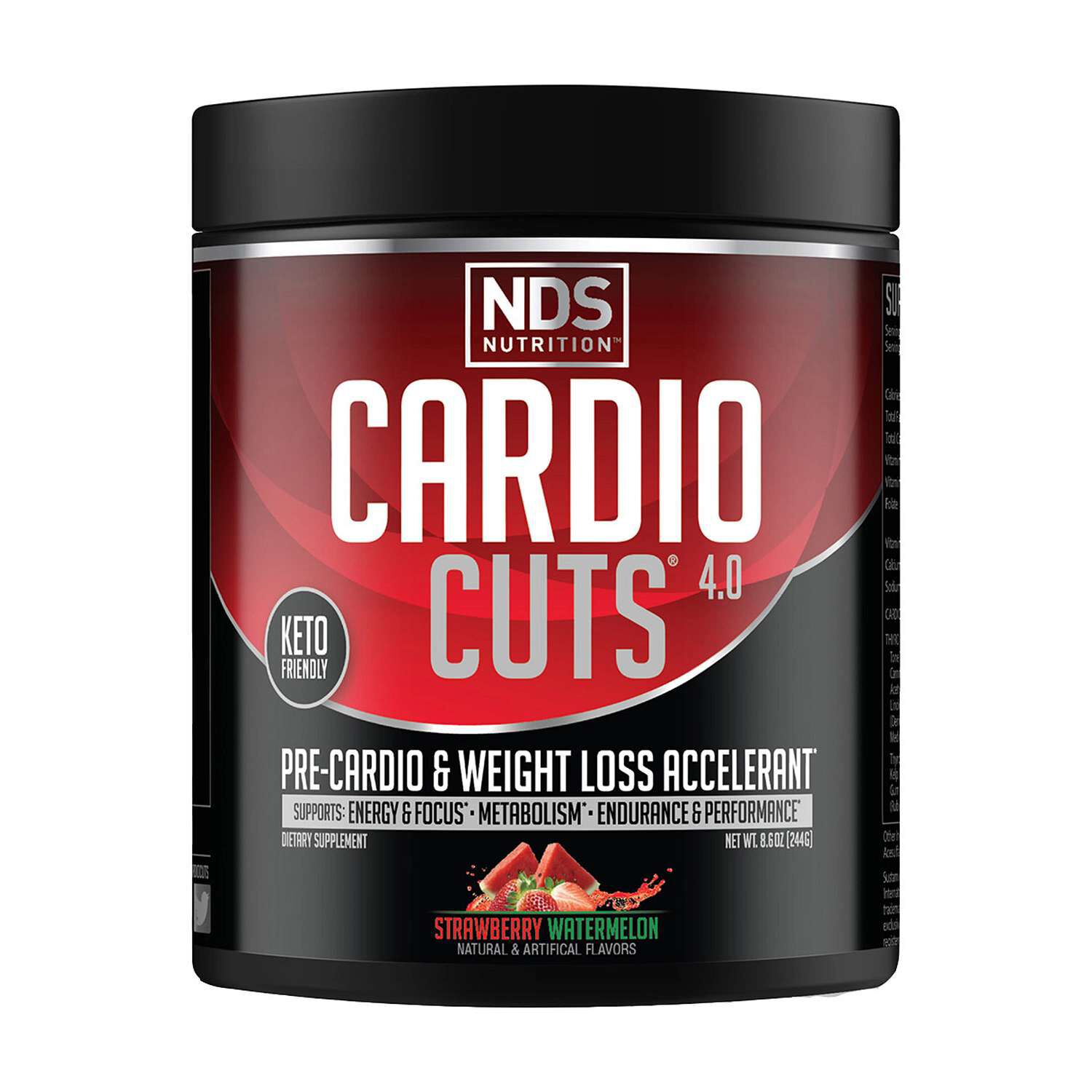
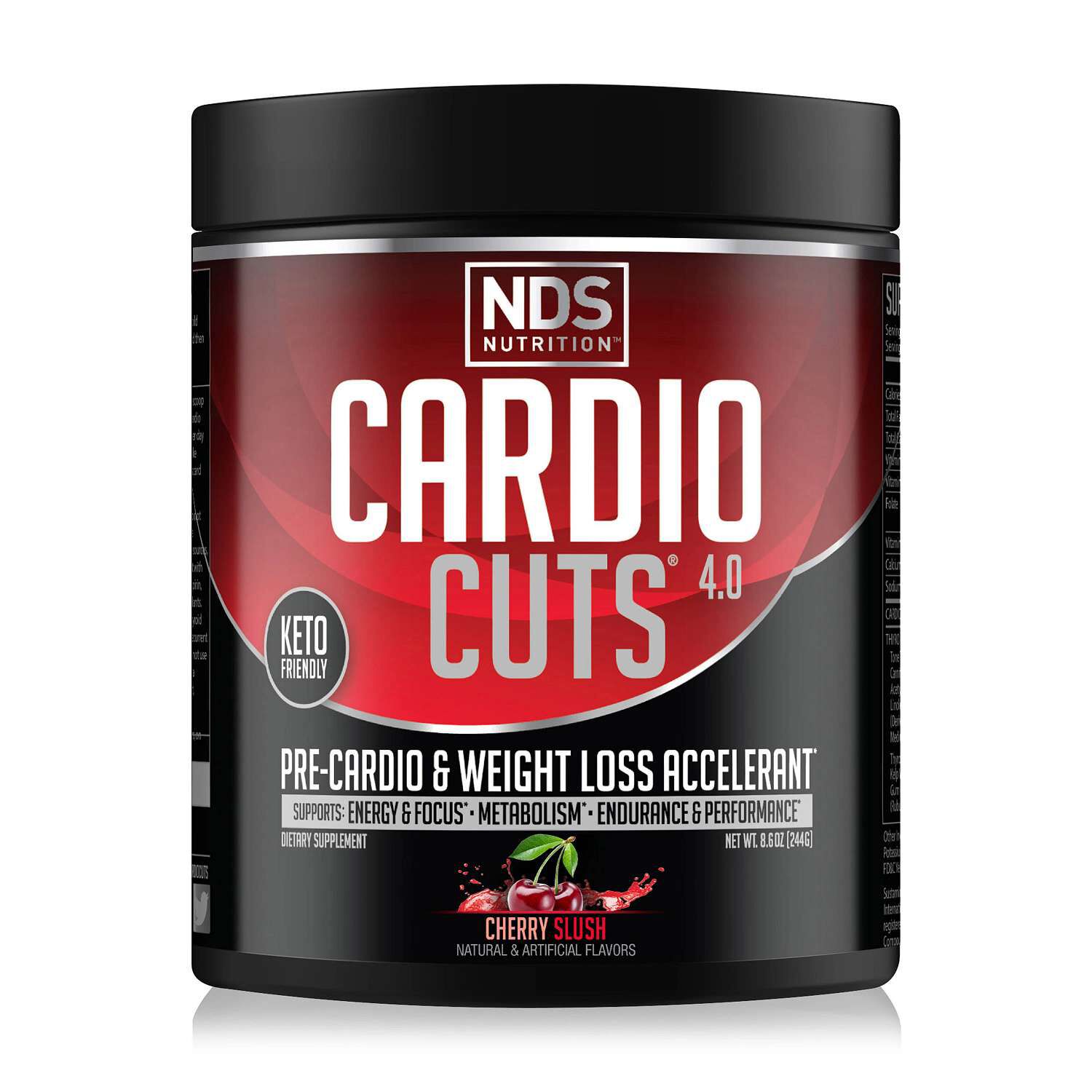
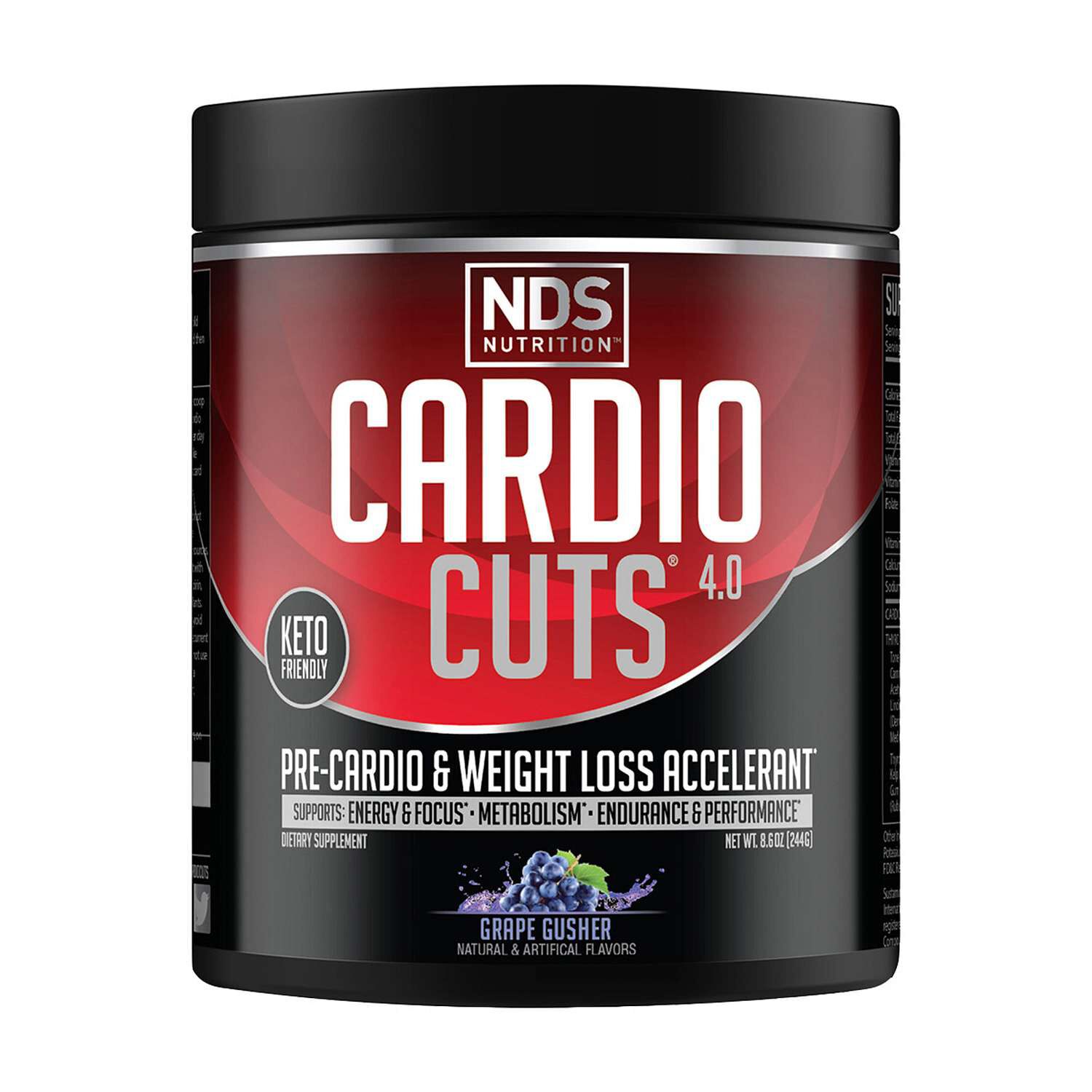


Keto pre workouts are supplements intended for use before exercise, with carbohydrate and sugar content that can fit a keto eating pattern. The category centers on pre-workout formulas with little or no sugar and relatively small amounts of carbohydrates per serving, rather than one fixed ingredient blend. For someone heading to the gym before breakfast, lifting after work, or setting aside time for a weekend training session, the distinction often comes down to what is in each serving and how it fits the rest of the day. A keto label alone does not establish carbohydrate content, and a formula with no sugar can still contain carbohydrates from other ingredients. The Supplement Facts or Nutrition Facts panel, serving size, and ingredient list offer a more useful picture than the flavor name or front-label description. Net carbohydrate figures also deserve context: manufacturers may calculate them differently, particularly when fiber and sugar alcohols are involved. Comparing the listed carbohydrate amount with the ingredients used to sweeten or carry the formula makes those differences easier to understand. Maltodextrin, dextrose, and other carbohydrate ingredients can appear in flavored powders, while serving sizes can vary considerably between formulas. A small scoop is not necessarily lower in carbohydrates than a larger one. The amount of powder represented by the nutrition panel matters more than the scoop’s appearance. Keto-friendly pre-workout supplements are therefore best understood as a label-based category, not an assurance of any particular metabolic outcome. Their intended role is also distinct from that of a meal: a flavored drink mixed before training does not automatically provide the nutrition of breakfast or lunch. This makes the category especially relevant to adults who already follow a keto eating pattern and want a pre-workout format that aligns with their food preferences, training schedule, and taste. The most meaningful comparisons begin with the actual serving rather than broad claims about what a keto formula should do.
Ingredient profiles give keto pre workouts much of their variety. Caffeine is common in pre-workout supplements and may support alertness during exercise, but the amount per serving differs from one formula to another. Some blends contain caffeine alongside L-theanine, while others omit caffeine for shoppers who prefer a different approach to their training routine. Coffee, tea, and other beverages can contribute caffeine elsewhere in the day, so the number printed on a pre-workout label is only one part of that comparison. An early workout before the commute and an evening session after dinner present different scheduling considerations; a formula without caffeine may be a better match for someone who prefers to avoid it later in the day. Other ingredients found in this category include beta-alanine, L-citrulline, creatine, and electrolytes such as sodium, potassium, and magnesium. These ingredients are not interchangeable, and their presence alone does not describe how a finished formula might perform. Listed amounts provide more context than an ingredient name by itself, while blends that group ingredients together can make individual quantities harder to compare. Medium-chain triglyceride oil powder, often labeled MCT oil powder, and beta-hydroxybutyrate, often labeled BHB, also appear in some keto-oriented supplements. Neither is a requirement for a pre-workout to fit a shopper’s carbohydrate preferences, and neither turns a supplement into a substitute for an eating pattern. MCT powders can include additional ingredients used to create their powdered texture, making the full ingredient list relevant beyond the featured ingredient. For shoppers comparing neighboring beverage categories, Keto Supplement Drinks offers a related category to explore alongside pre-workout options. The important distinction is intended use: a drink positioned for everyday sipping may have a different serving size, ingredient profile, and preparation method from a formula intended for use before exercise. Third-party testing information adds another point of comparison, especially when the named testing program and the scope of its review are clearly identified.
Format, flavor, and everyday handling can matter just as much as the ingredient panel when choosing a keto pre-workout. Powders allow preparation with the amount of water specified on the label, while individual packets offer a measured portion that is easy to tuck into a gym bag. Ready-to-drink formats require no mixing, though container size and storage directions still deserve attention. For powders, the suggested water amount gives useful context for the intended flavor strength. A citrus flavor can taste quite different in a small cup than in a large shaker, and a formula containing minerals or oil-based ingredients may have a different mouthfeel from a lightly flavored powder. Sweeteners also shape the experience. Stevia, monk fruit, sucralose, and sugar alcohols have distinct flavor profiles, and personal preference often becomes apparent in the finish after a sip. An ingredient list can help explain why two drinks with similar sugar content taste different. Texture preferences are equally practical: someone who drinks a serving in the car before entering the gym may value easy mixing, while someone preparing a drink at home may not mind a little extra shaking. Label directions determine the serving amount and preparation method; scoop sizes should not be treated as interchangeable across formulas. Packaging is another useful consideration during the cooler months, when a gym bag may move between a chilly car and a warm indoor space. A tightly closed lid, a dry scoop, and storage according to the package directions help limit moisture exposure. Single-serving packets keep portions separate, while tubs require a suitable place between workouts. Ready-to-drink containers may have different instructions after opening. Clear labeling, identifiable testing information, and packaging suited to the routine offer practical ways to compare options without relying on dramatic product language. Whether the setting is a quiet home workout, a busy weight room, or a studio session, a suitable keto pre-workout is one whose carbohydrate content, ingredients, flavor, and format match the shopper’s preferences and intended use.