





Keto Friendly Endurance Powders
(0 Results)
Looking to fuel your workouts while staying true to your keto lifestyle? Discover a range of keto friendly endurance powders designed to support your fitness goals without compromising your dietary choices. These specially formulated powders may help you maintain energy and stamina during intense exercise, making them a great addition to your routine. Perfect for athletes and fitness enthusiasts following a ketogenic diet, keto friendly endurance powders offer a convenient way to stay energized and focused. Explore the selection and find the right powder to complement your active lifestyle.
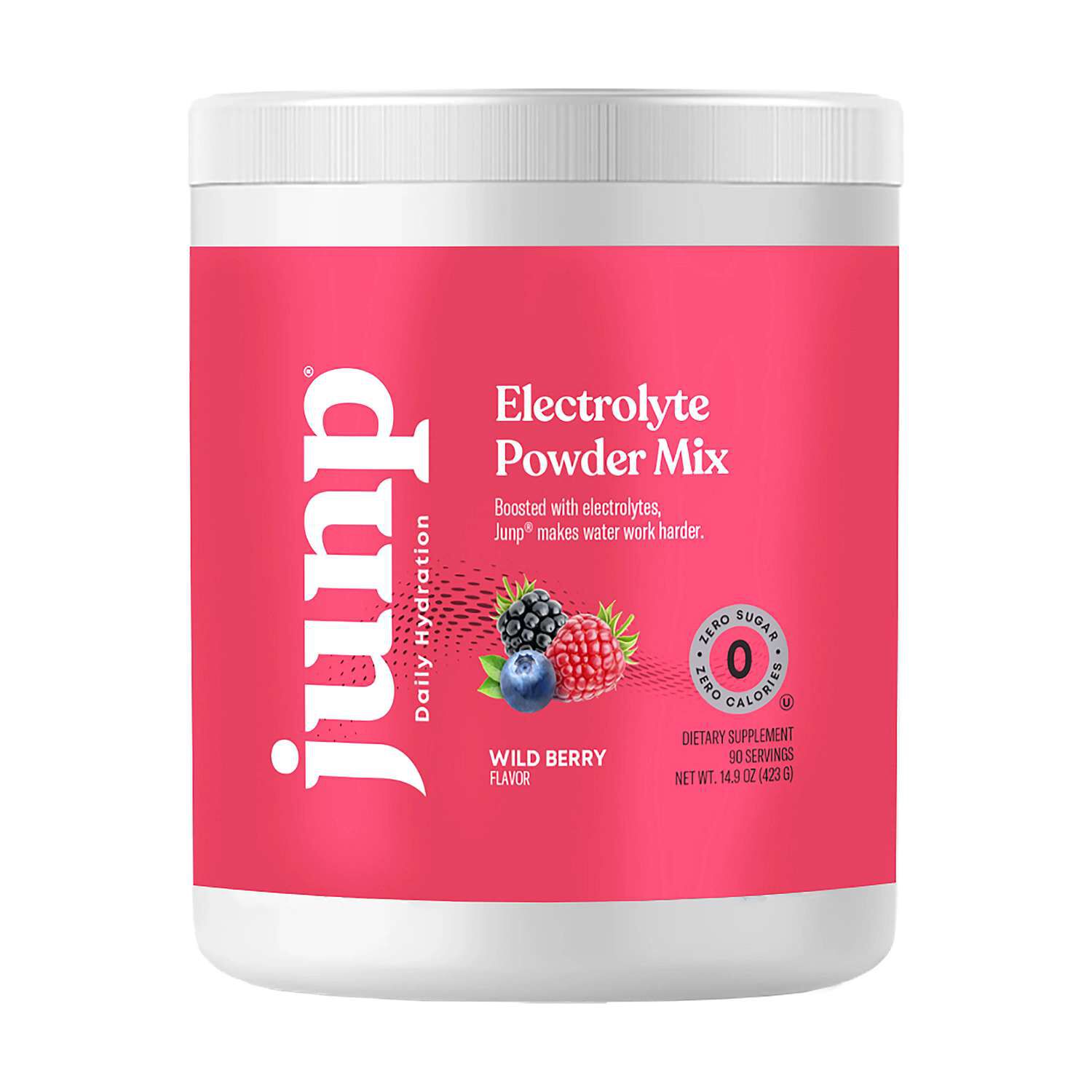

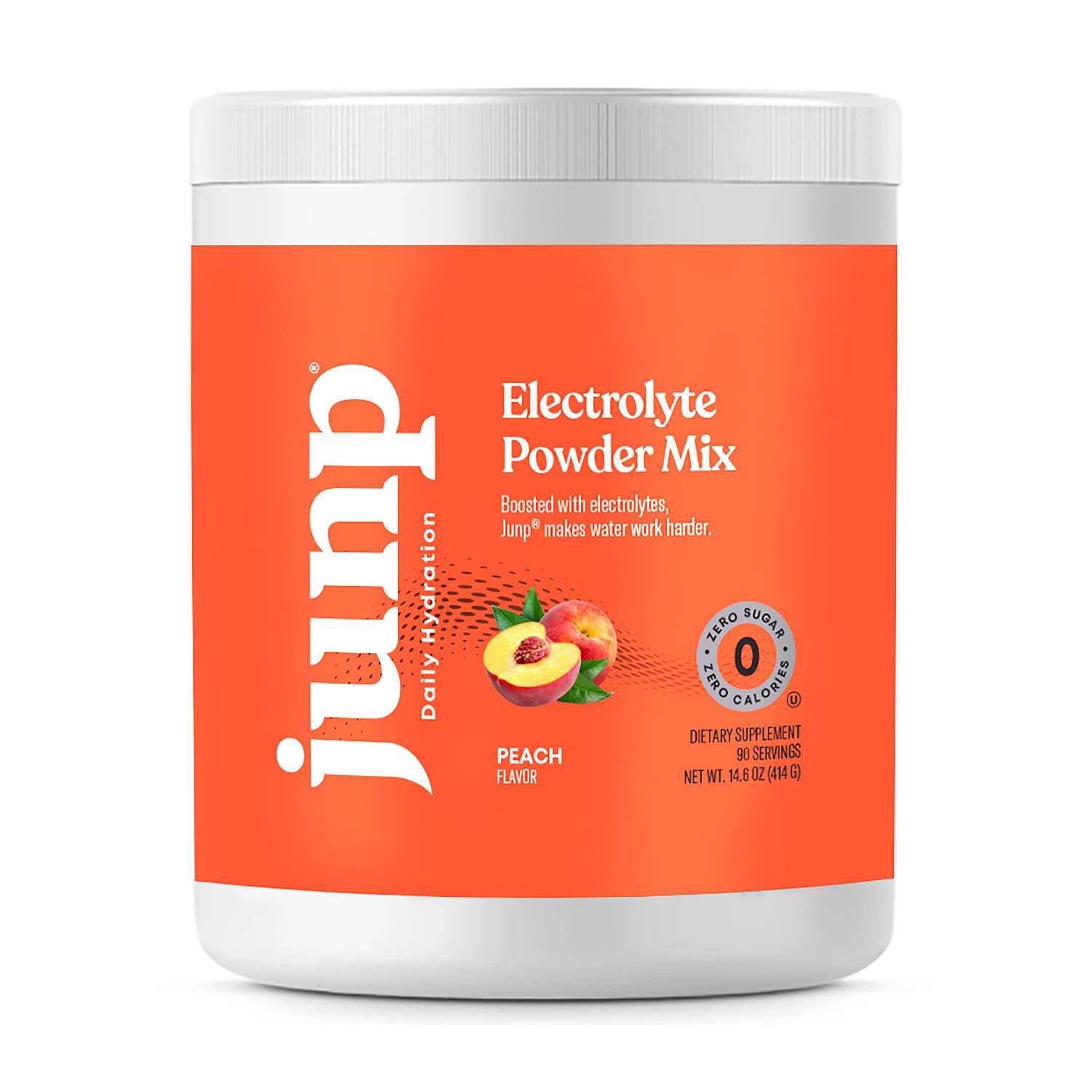


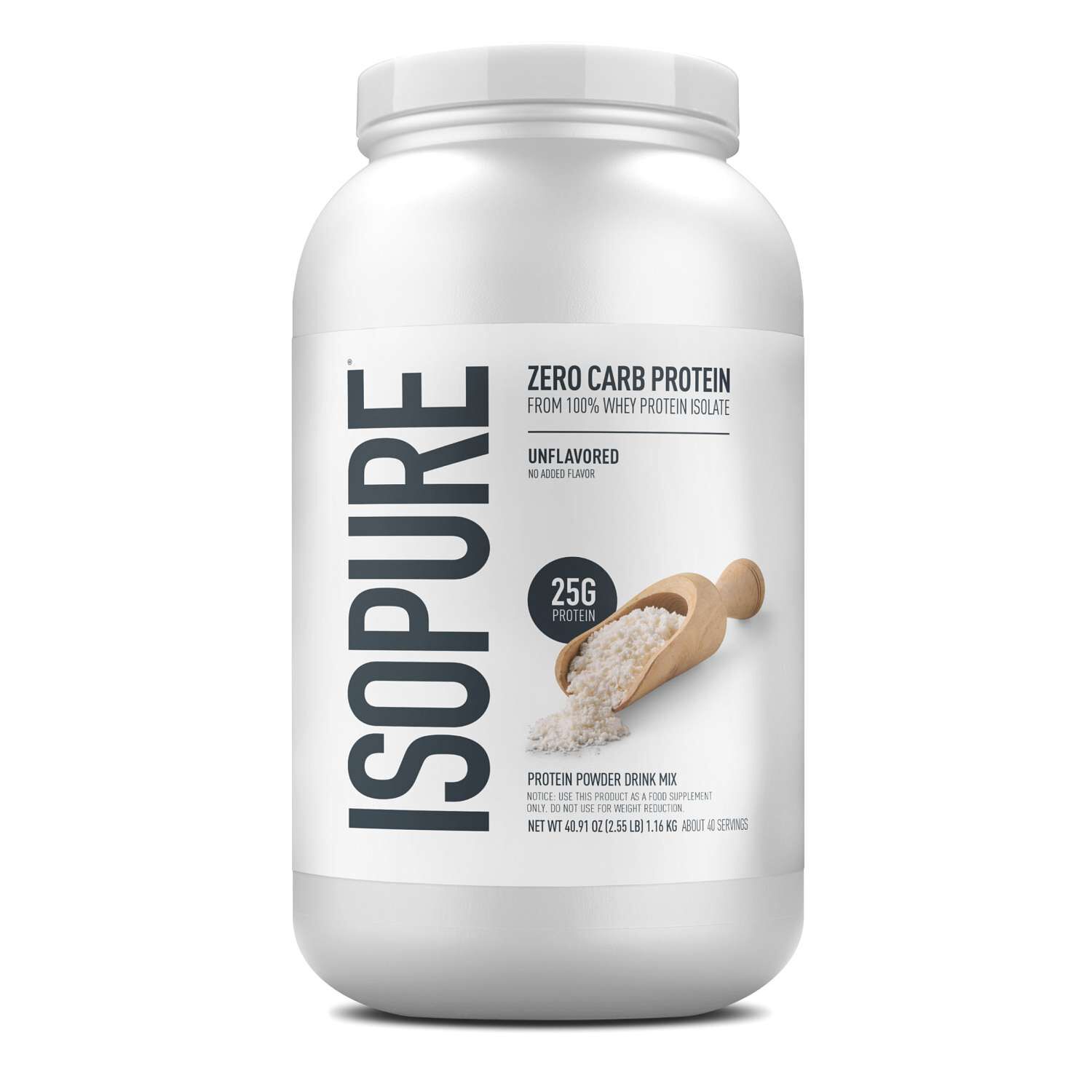
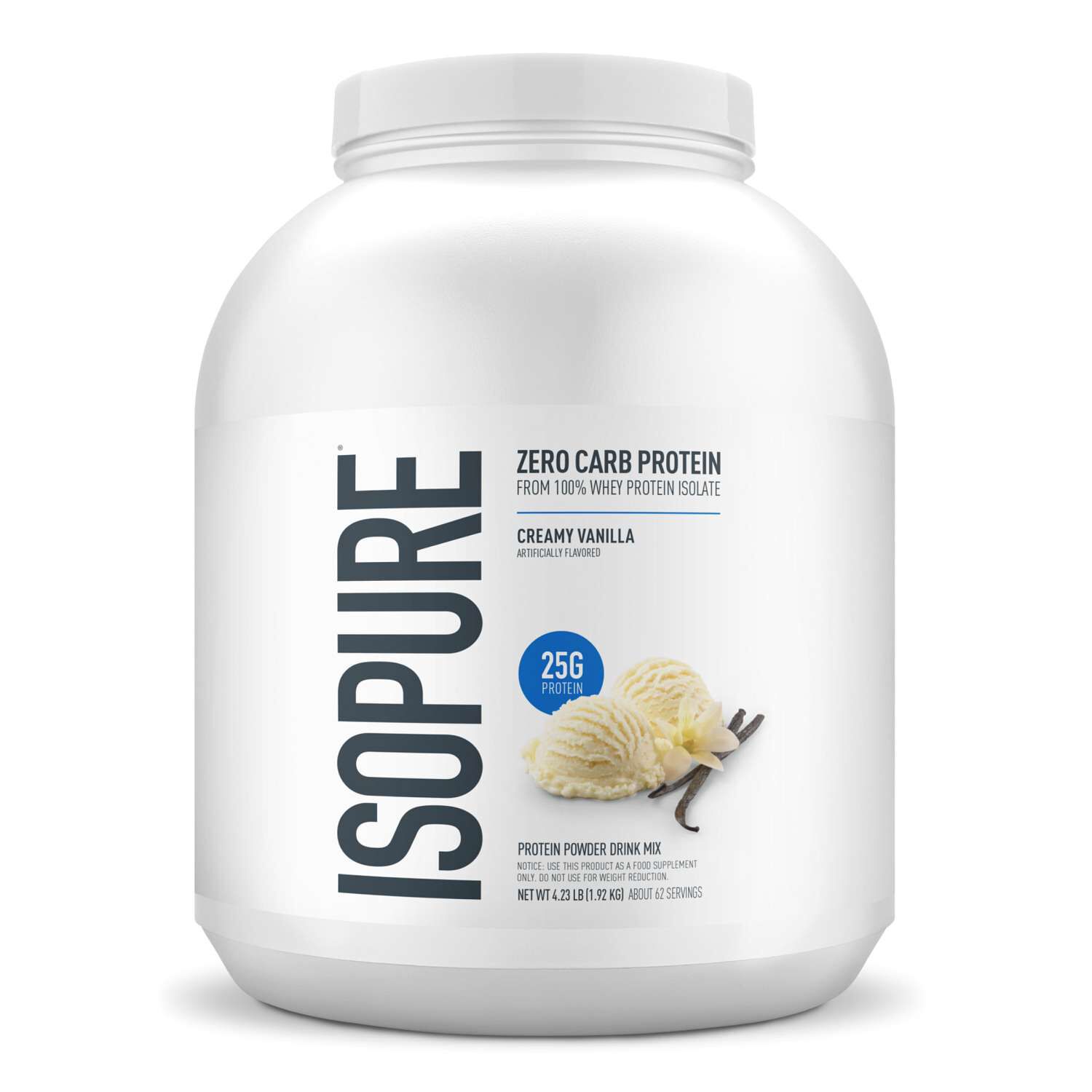
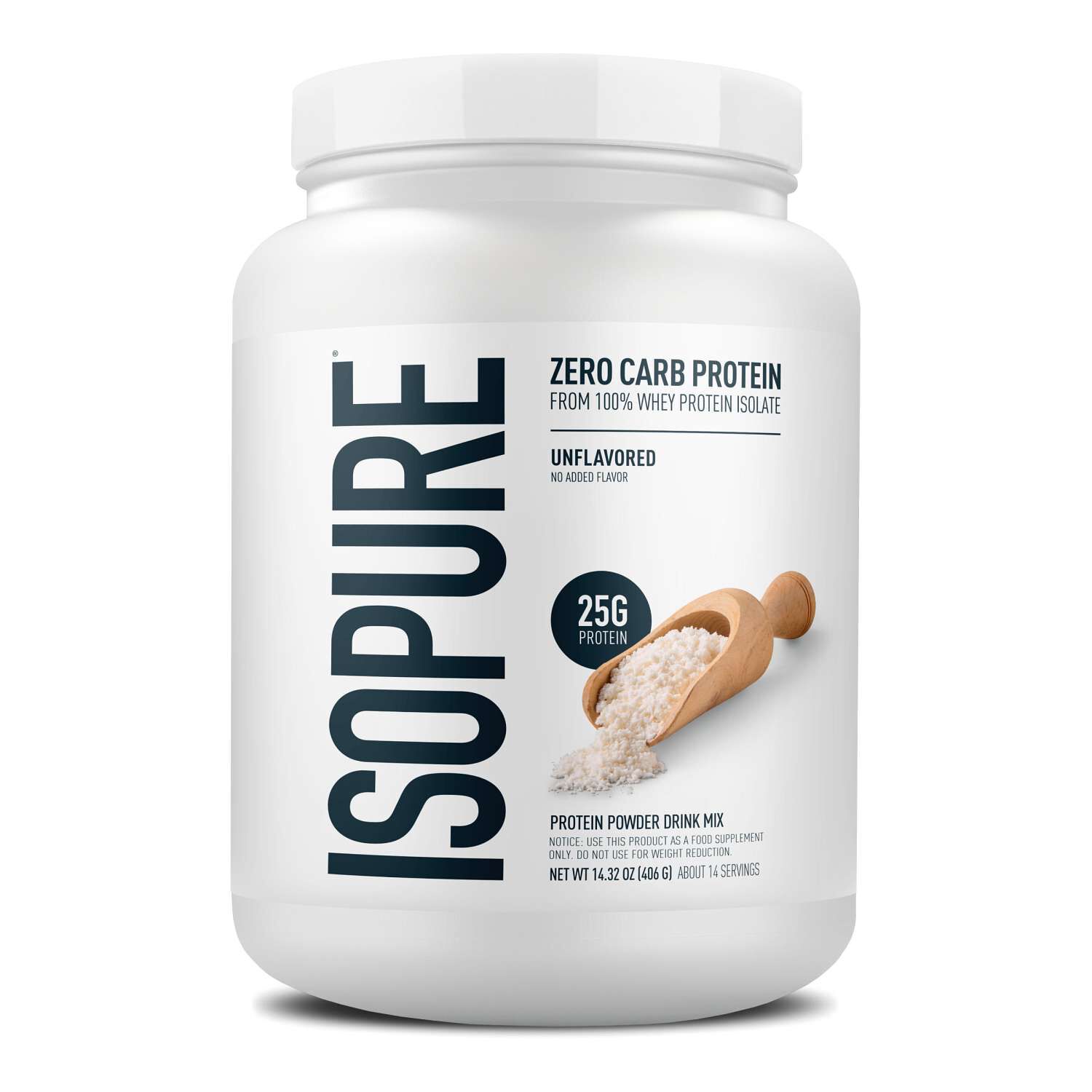
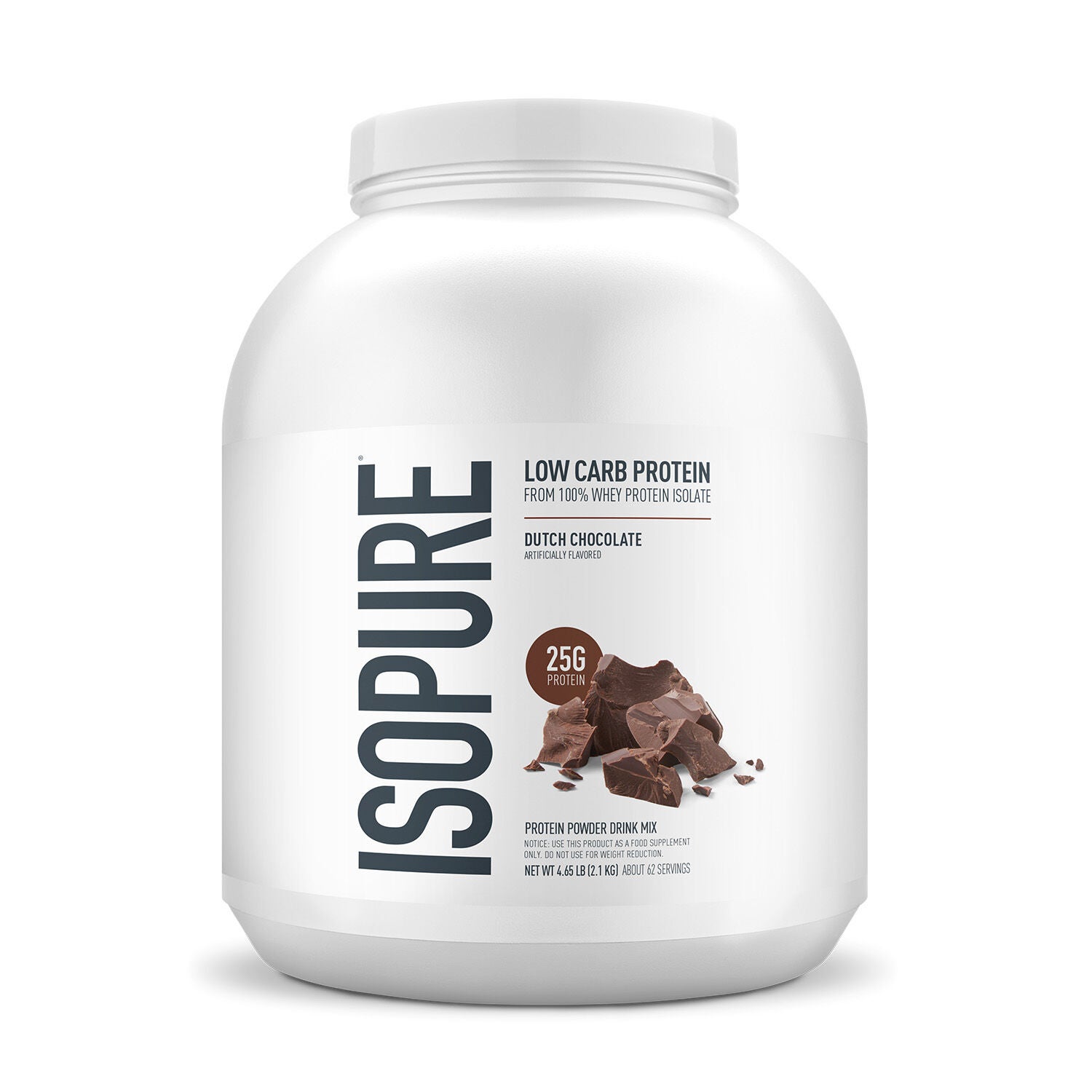


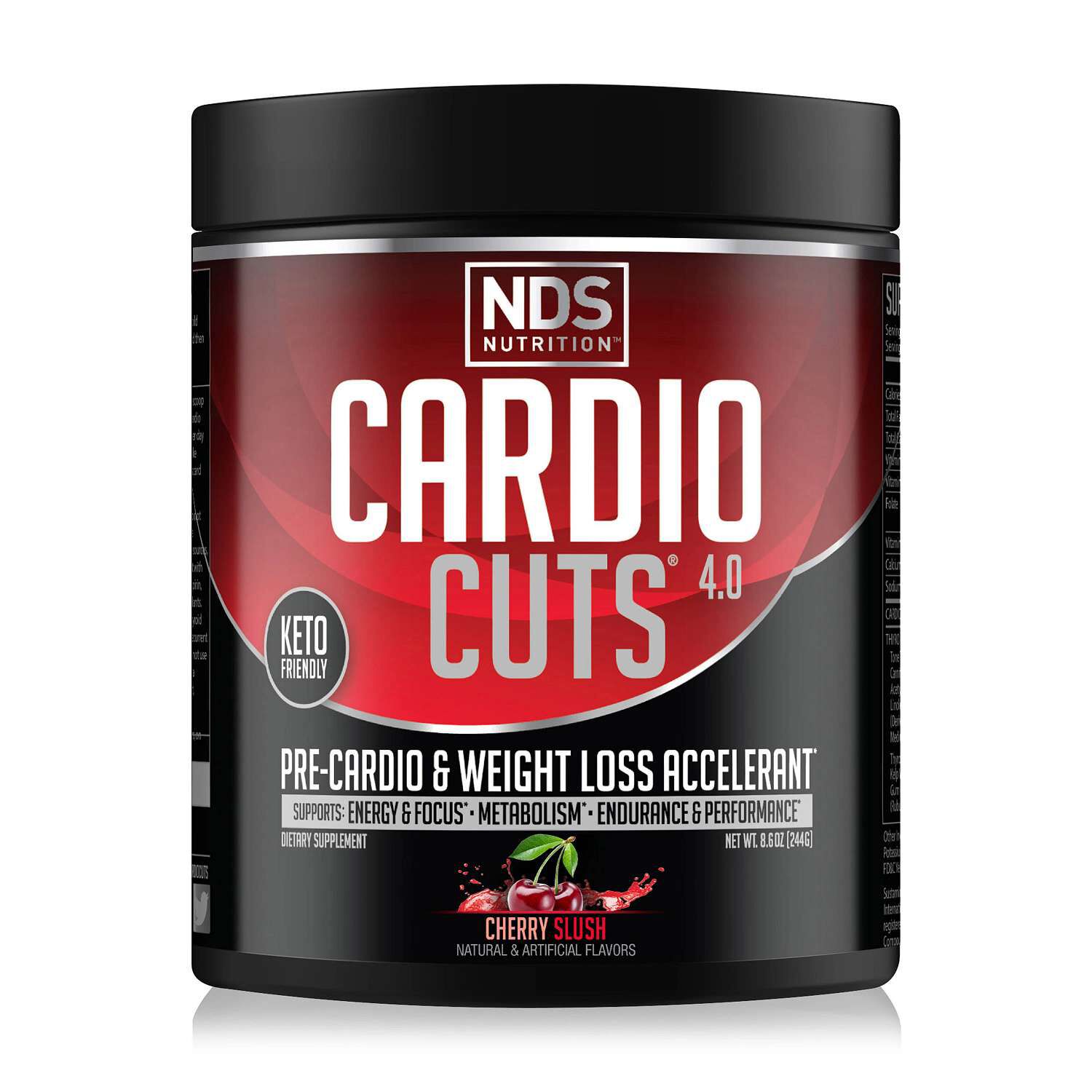
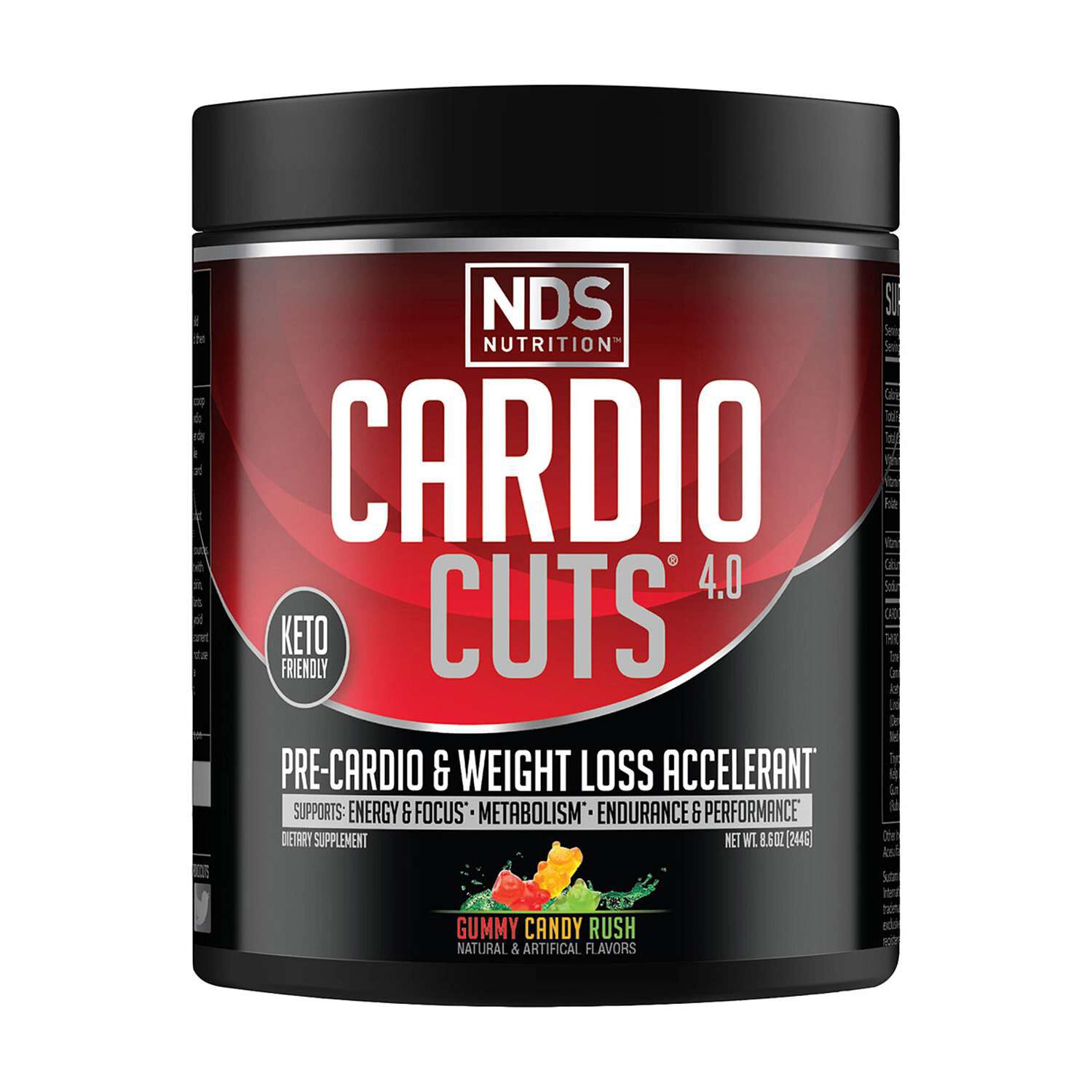
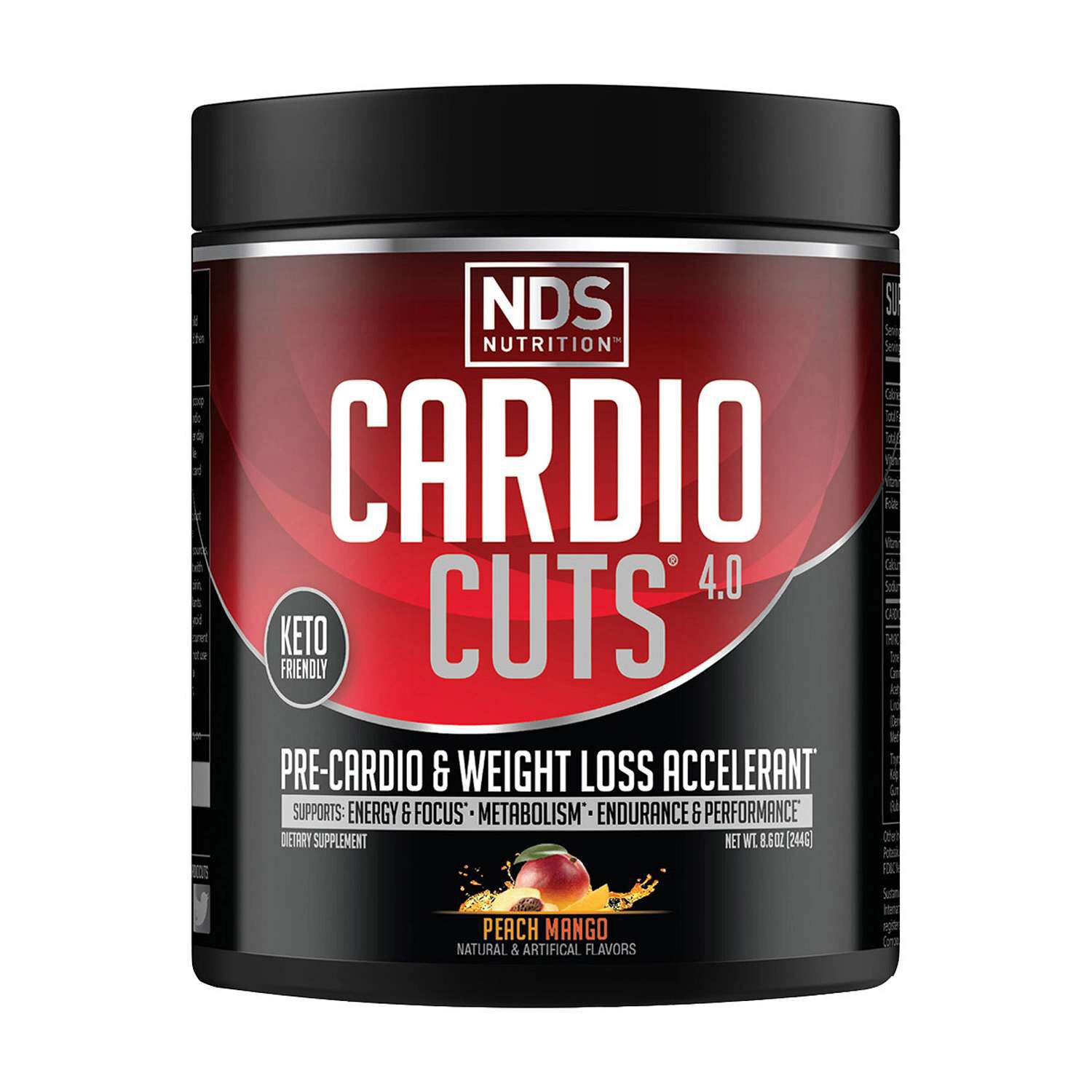
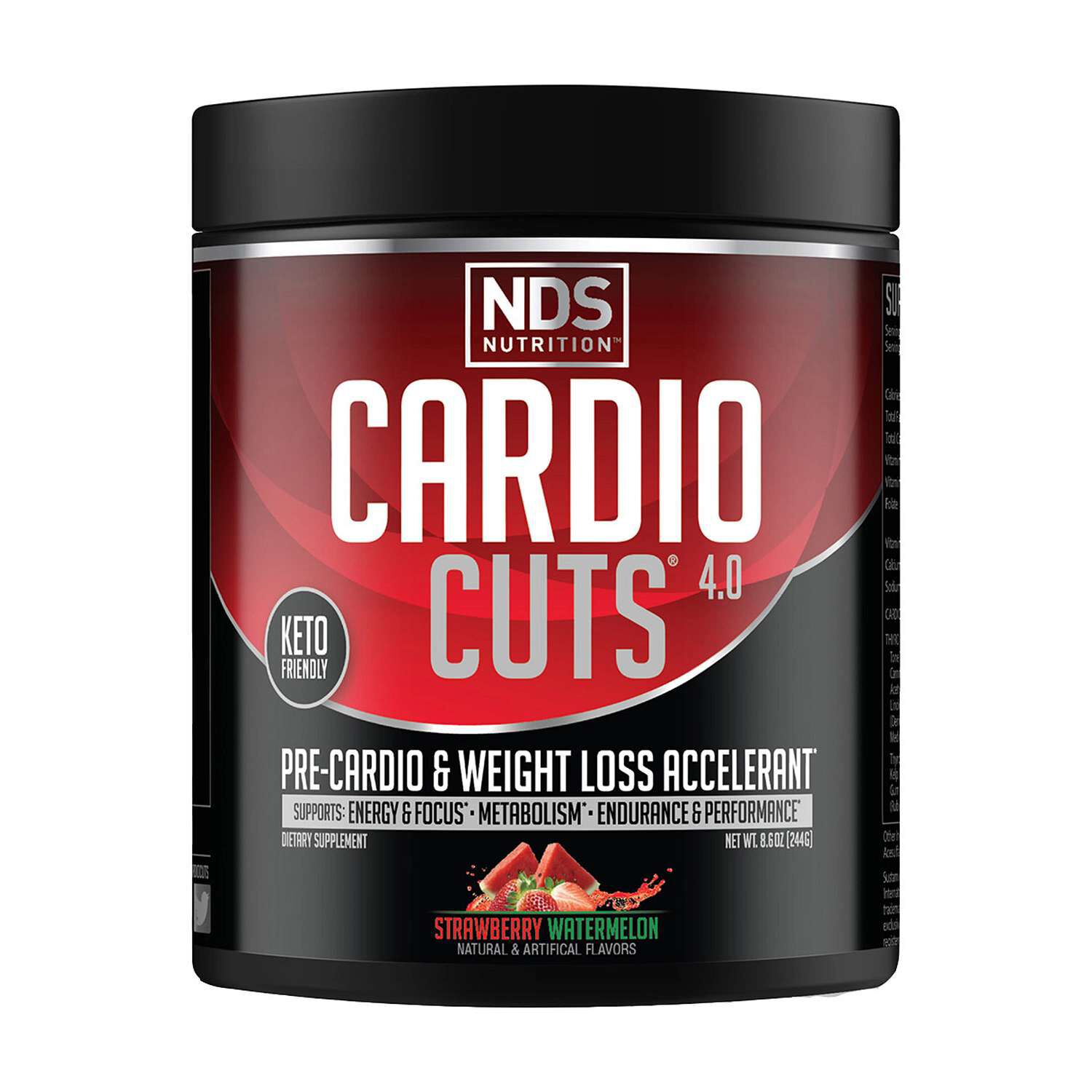
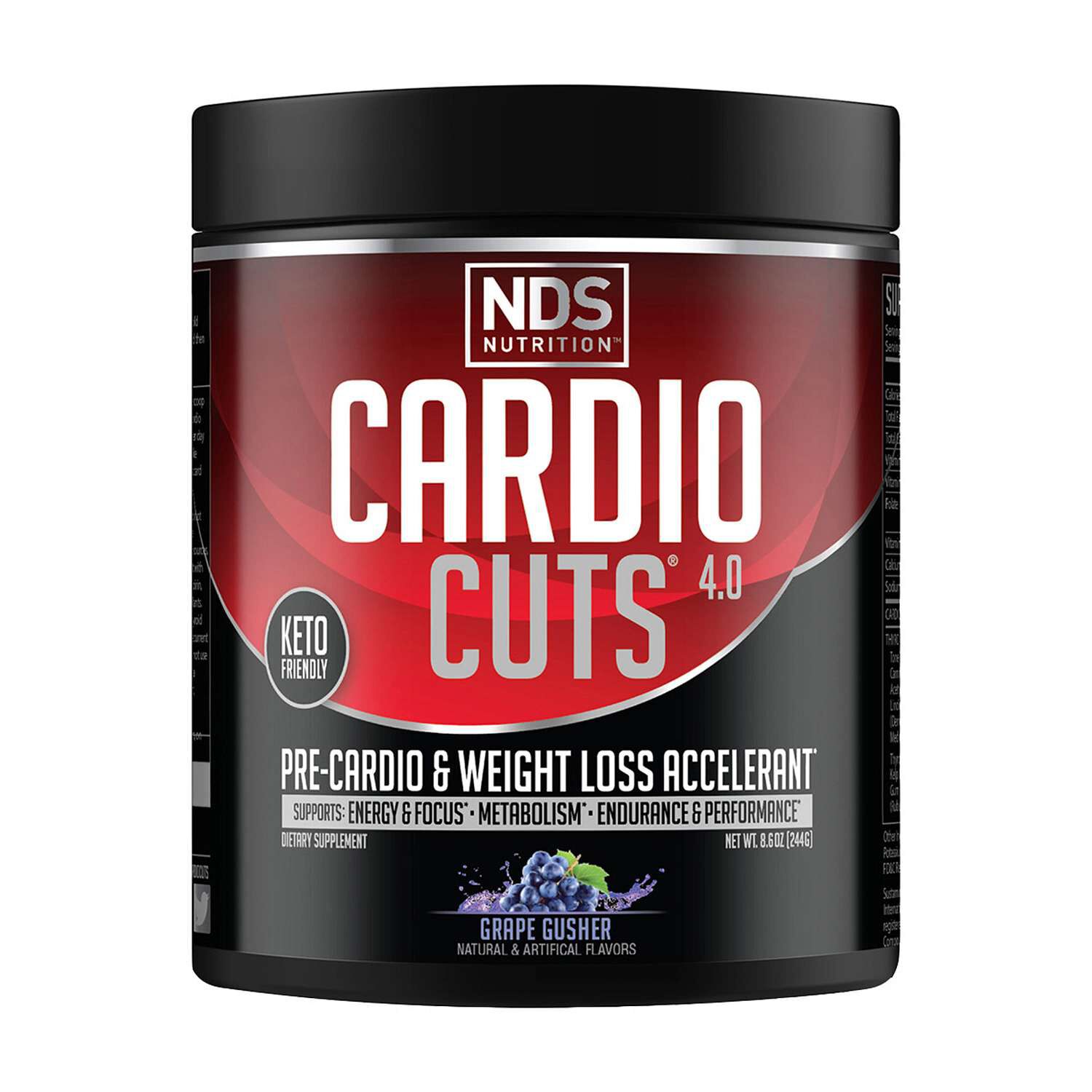


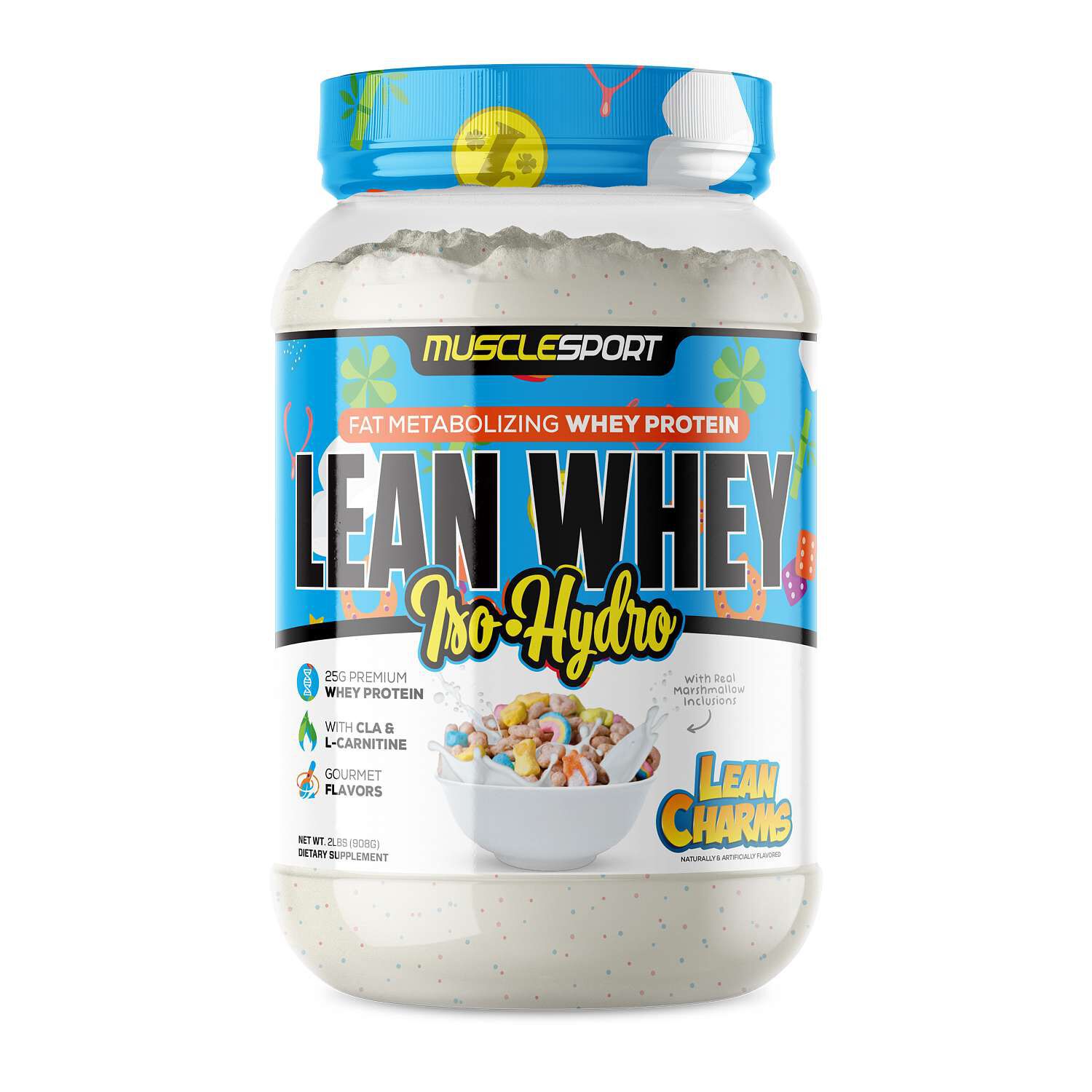
Keto-friendly endurance powders are drink mixes designed for shoppers who want a carbohydrate-conscious option alongside running, cycling, hiking, swimming, or other sustained activity. Often centered on electrolytes rather than a large carbohydrate serving, these powders may support hydration when mixed with water and used as directed. Sodium, potassium, and magnesium are common ingredients, although the combination and amount per serving vary by formula. The distinction matters because an endurance powder is not always a sports fuel: a mix with little or no carbohydrate offers a different nutritional profile from one built around sugar or starch. For someone following a keto eating pattern, the most relevant details are the carbohydrate amount, serving size, ingredient list, and mixing directions—not simply a keto-friendly description on the package. Some formulas contain no sugar, while others include small amounts of carbohydrate from flavor ingredients or other components. A no-sugar statement does not necessarily mean a powder contains no carbohydrates, and carbohydrate amounts should be considered in the context of the labeled serving. Likewise, an electrolyte-focused formula and a powder containing fats or protein serve different purposes, even when both fit within a carbohydrate-conscious routine. Ingredients such as medium-chain triglycerides, often called MCTs, add fat and calories; their presence alone does not establish that a formula is suited to every endurance activity. The category can appeal to recreational runners, distance cyclists, regular hikers, and people who spend extended sessions on a rowing machine or stationary bike. Its practical appeal is a powder format that can be mixed into a familiar bottle without relying on a conventional sugary sports drink. Whether the setting is a neighborhood running route or an indoor cycling studio, the useful comparison is how a formula’s nutrition, flavor, and preparation requirements fit the activity. Keto-friendly endurance powders are best understood as a varied category rather than a single recipe, with meaningful differences behind similar front-label descriptions.
Ingredient balance and drinkability are central to choosing a keto-friendly endurance drink mix that fits an established routine. Two powders with similar flavor names can have noticeably different mineral amounts, sweeteners, and textures once prepared. Sodium may come from salt or other sodium-containing ingredients, while potassium and magnesium can appear in several forms; the nutrition panel and ingredient list provide a clearer picture than flavor descriptions alone. A citrus mix might taste tart with a noticeable salty finish, while a berry blend might lean sweeter or have a softer fruit character. Unflavored options have their own appeal, particularly for shoppers who prefer less sweetness, though unflavored does not necessarily mean tasteless. Mineral ingredients can contribute a distinct taste. Stevia, monk fruit, sugar alcohols, and other sweeteners also create different flavor experiences, so the ingredient list is relevant even when two formulas have the same sugar amount. Some shoppers prefer a short ingredient list, while others value a particular taste or the convenience of additional ingredients in one serving. Caffeine is another distinction worth noting: not every endurance powder contains it, and shoppers looking for an electrolyte-focused drink may prefer a formula without added caffeine. The amount of water specified on the label matters for both preparation and taste. A serving intended for a large bottle may taste much more concentrated in a small cup, and a generous scoop is not necessarily the labeled portion. For a cyclist sipping from a bottle between stretches of road, a lighter flavor may be more appealing than a rich shake-like texture. Someone mixing a drink beside a gym locker may place more value on easy blending and minimal residue. Powders can differ in how readily they disperse, whether they settle after standing, and whether they require another shake before drinking. Those everyday details help distinguish a mix that suits a bottle carried through a workout from one better suited to a shaker used before or after activity. Flavor preferences and preparation habits are as personal as the activity itself.
Packaging, serving format, and intended use round out the differences among keto-friendly endurance powders. A resealable tub suits a home preparation area where a measuring scoop, bottle, and water are close at hand. Individually portioned packets offer another format for a gym bag, cycling pouch, or hiking pack, with the labeled serving contained in a compact package. Packet size still needs to match the intended water volume; a small pouch does not necessarily mean the contents belong in a small bottle. The serving count also deserves attention because package weight alone does not show how many prepared drinks a container makes. For someone planning regular training sessions, the relationship between serving size and preparation volume is more informative than the size of the container on a shelf. Care is straightforward but important: label storage directions, a securely closed lid, and a dry scoop help keep preparation consistent. Moisture entering a powder container can lead to clumping, and loose packaging in a bag can make an otherwise convenient format awkward to carry. The bottle matters, too. A secure closure, sufficient room for mixing, and an opening that accommodates the powder can make preparation less messy, while routine cleaning helps keep yesterday’s drink from becoming part of today’s flavor. These powders may also suit a thoughtful gift for an active adult whose eating preferences and usual drink choices are already known. Familiarity with the recipient’s preferred sweetness, ingredient preferences, and bottle size is more useful than choosing solely by an athletic-looking label. For shoppers considering powders in a gifting context, Keto Friendly Holiday Supplement Powders offers a related category to explore. Across formats, the strongest match comes from the details: a carbohydrate amount that fits the shopper’s eating pattern, a clearly described electrolyte profile, an enjoyable flavor, and packaging suited to where the drink will be prepared. A powder that fits naturally beside a favorite water bottle, a packed training bag, and an established exercise routine may be a practical addition without requiring a complicated preparation ritual.


