





Keto Friendly Holiday Supplement Powders
(0 Results)
Keto friendly holiday supplement powders could be a convenient way to support your wellness goals while embracing the festive season. With options that may fit seamlessly into low-carb lifestyles, these powders might help you enjoy seasonal flavors without compromise. Explore a variety of blends designed to complement your holiday routine and keep your nutrition on track throughout the celebrations.
-
-
-

-

-

-
 44$44.99
-
-
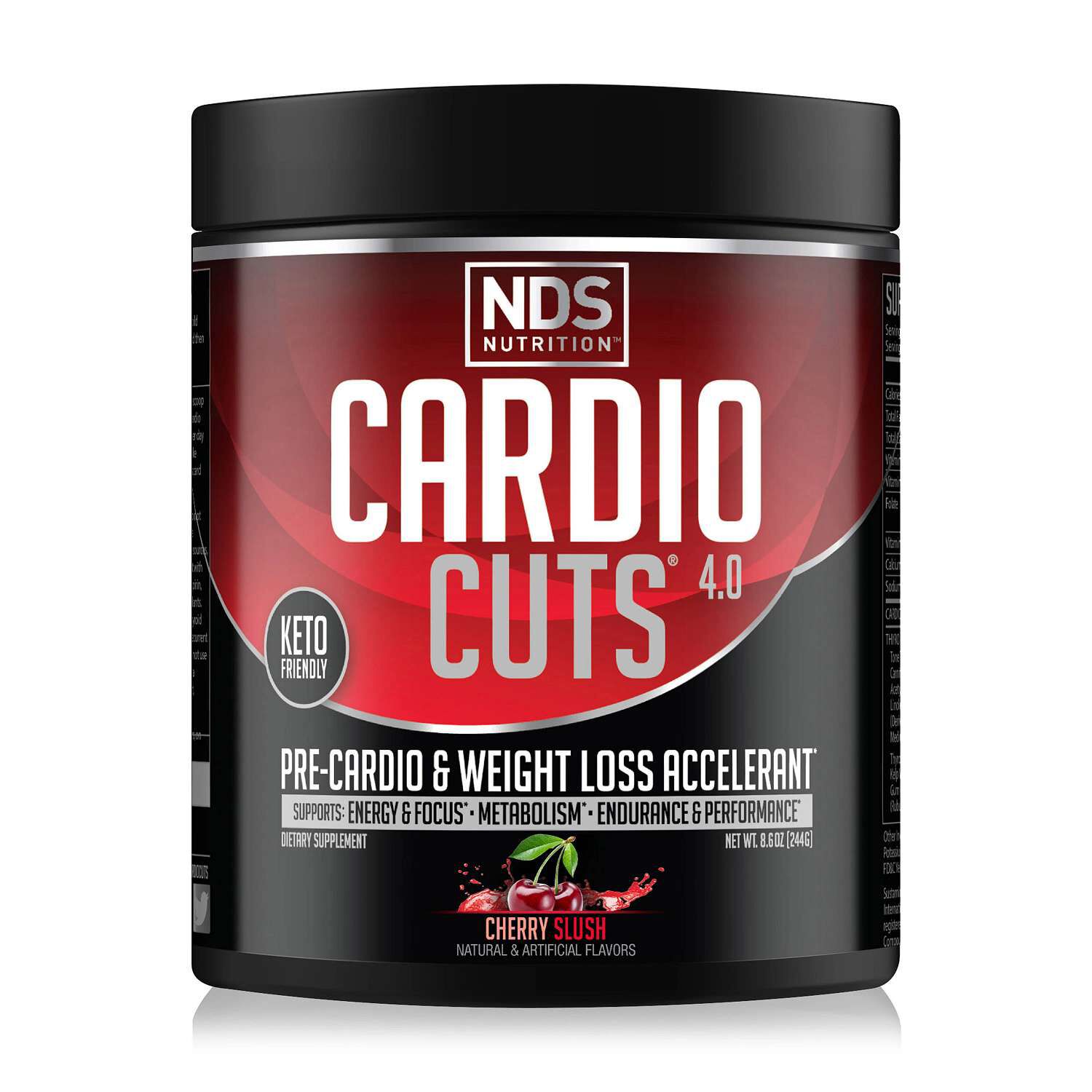
-

-

-

-

-
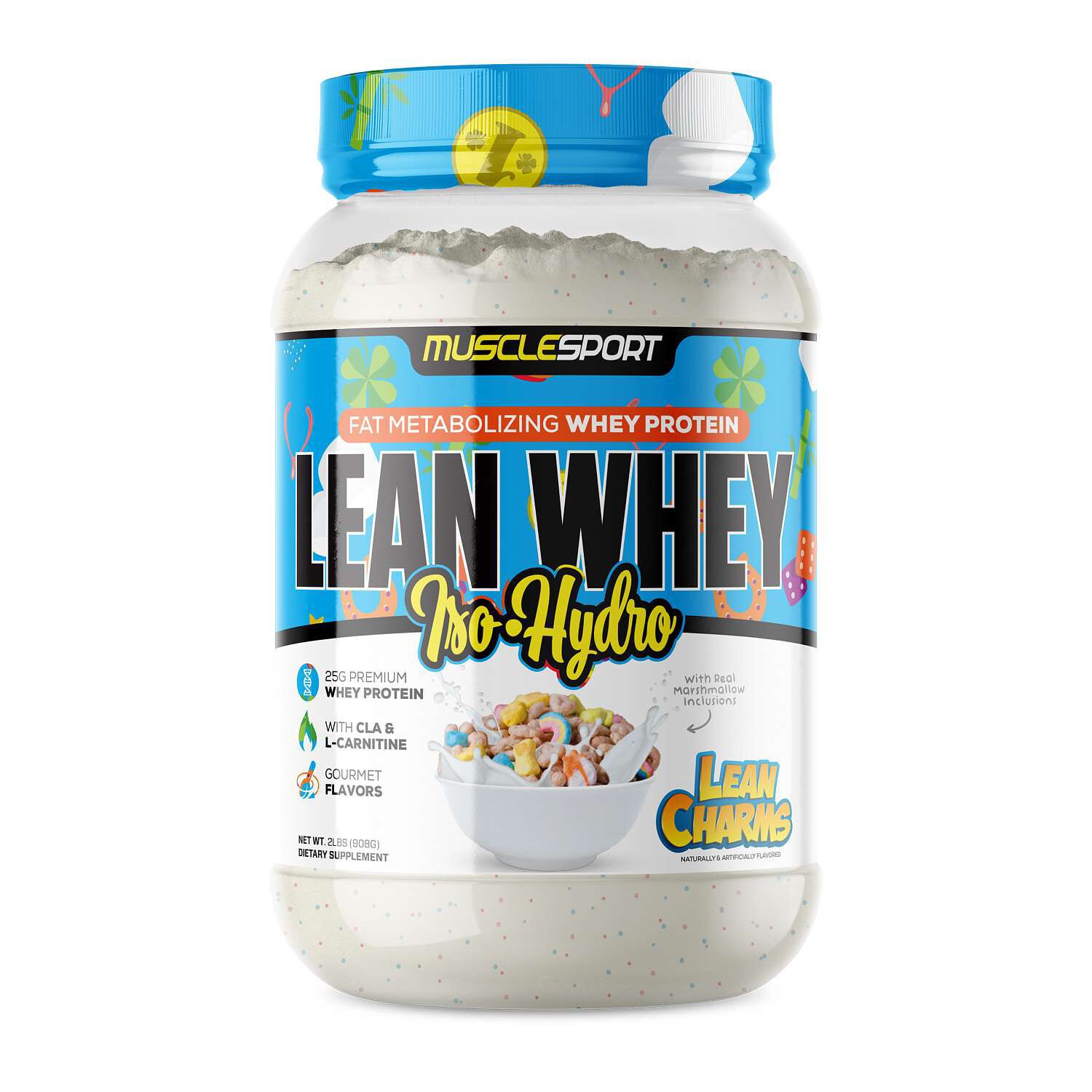
-
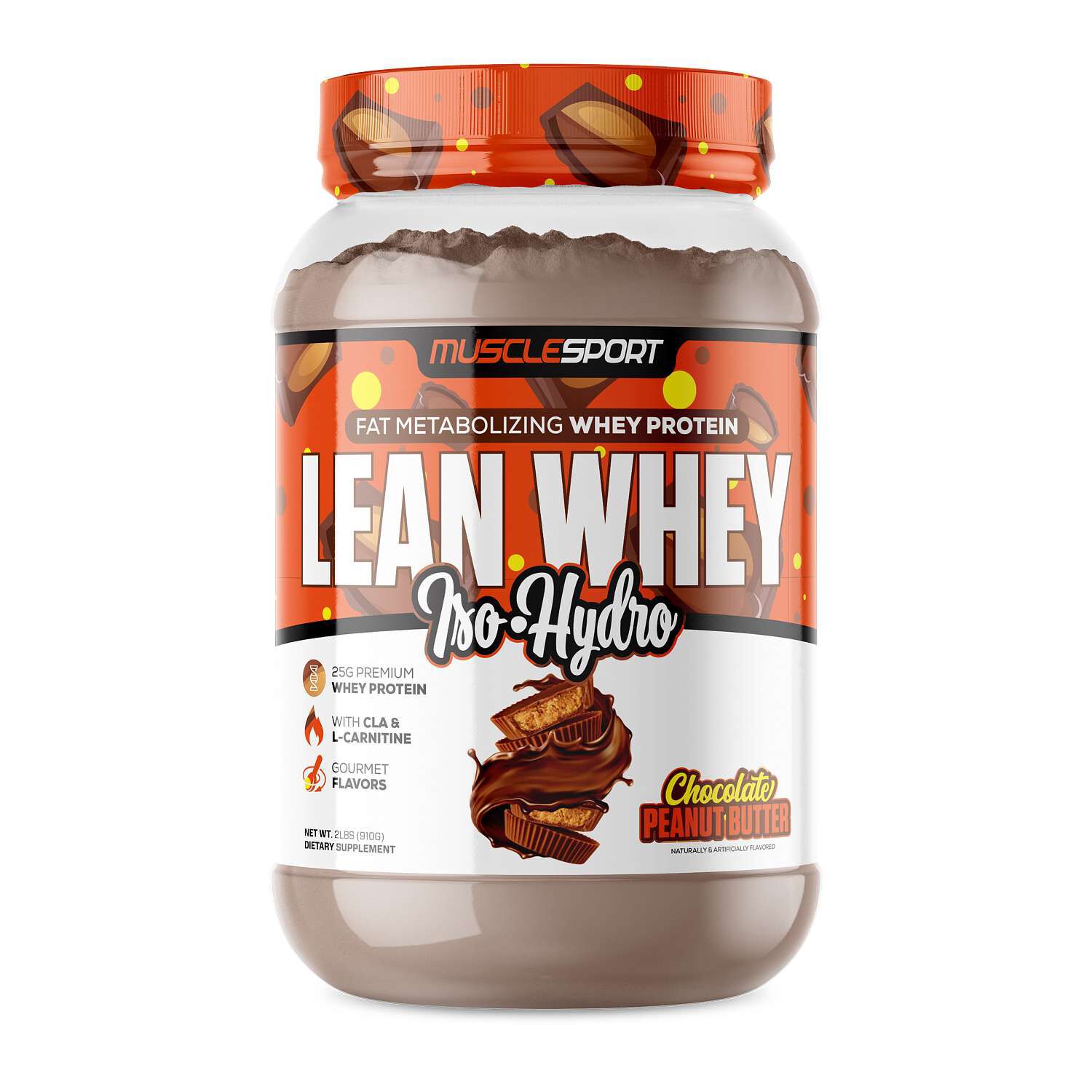
-
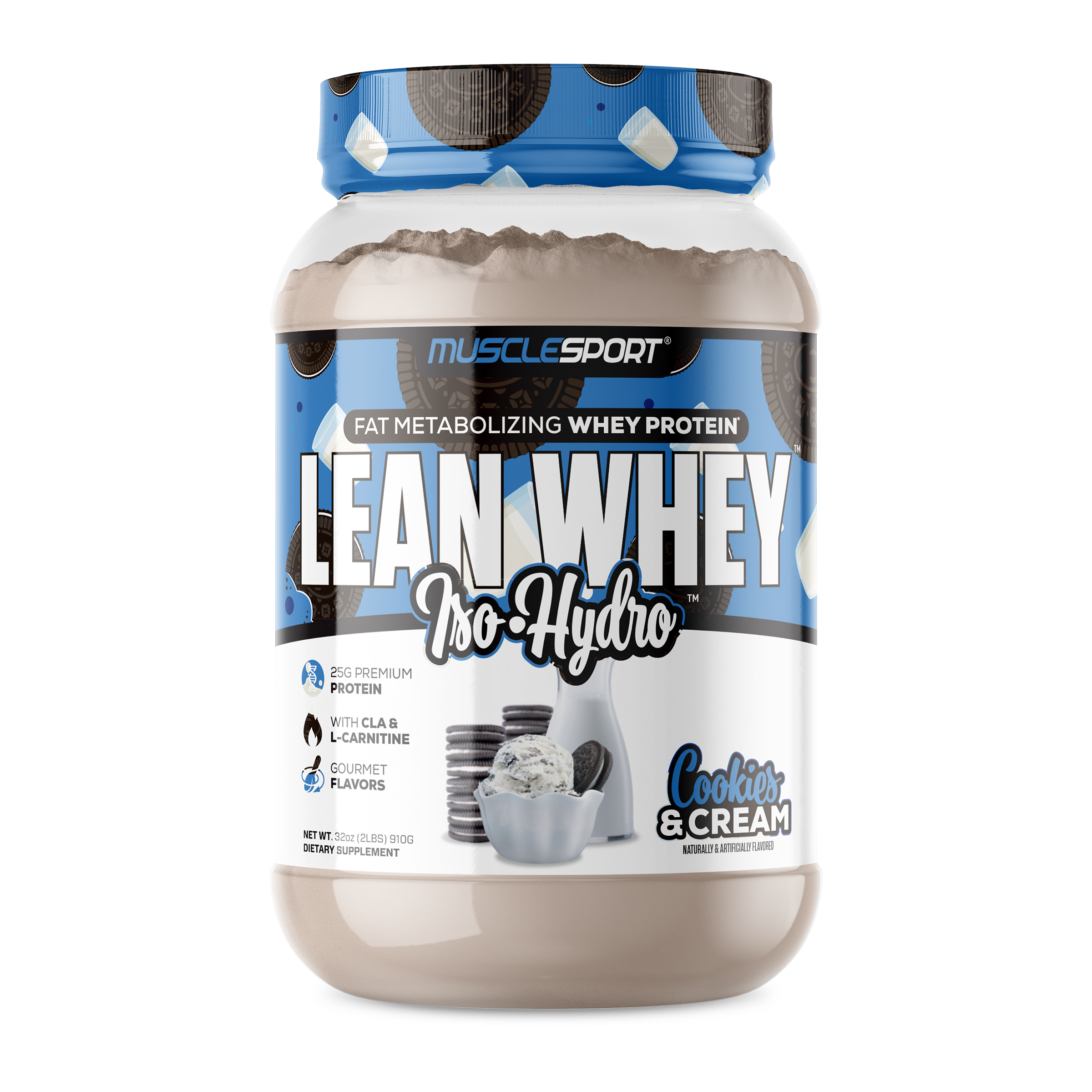
-

-
-

-

-

-

-

-

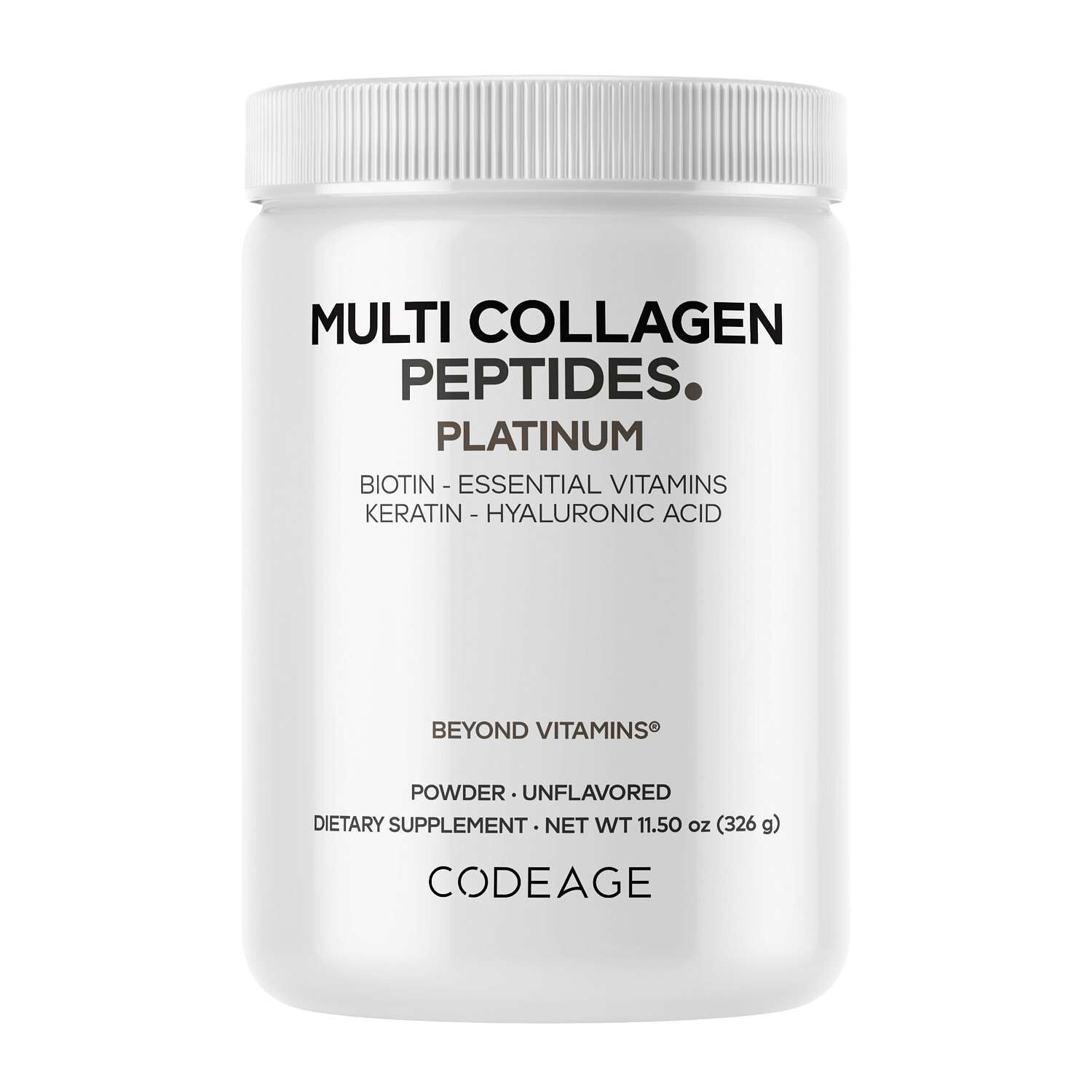
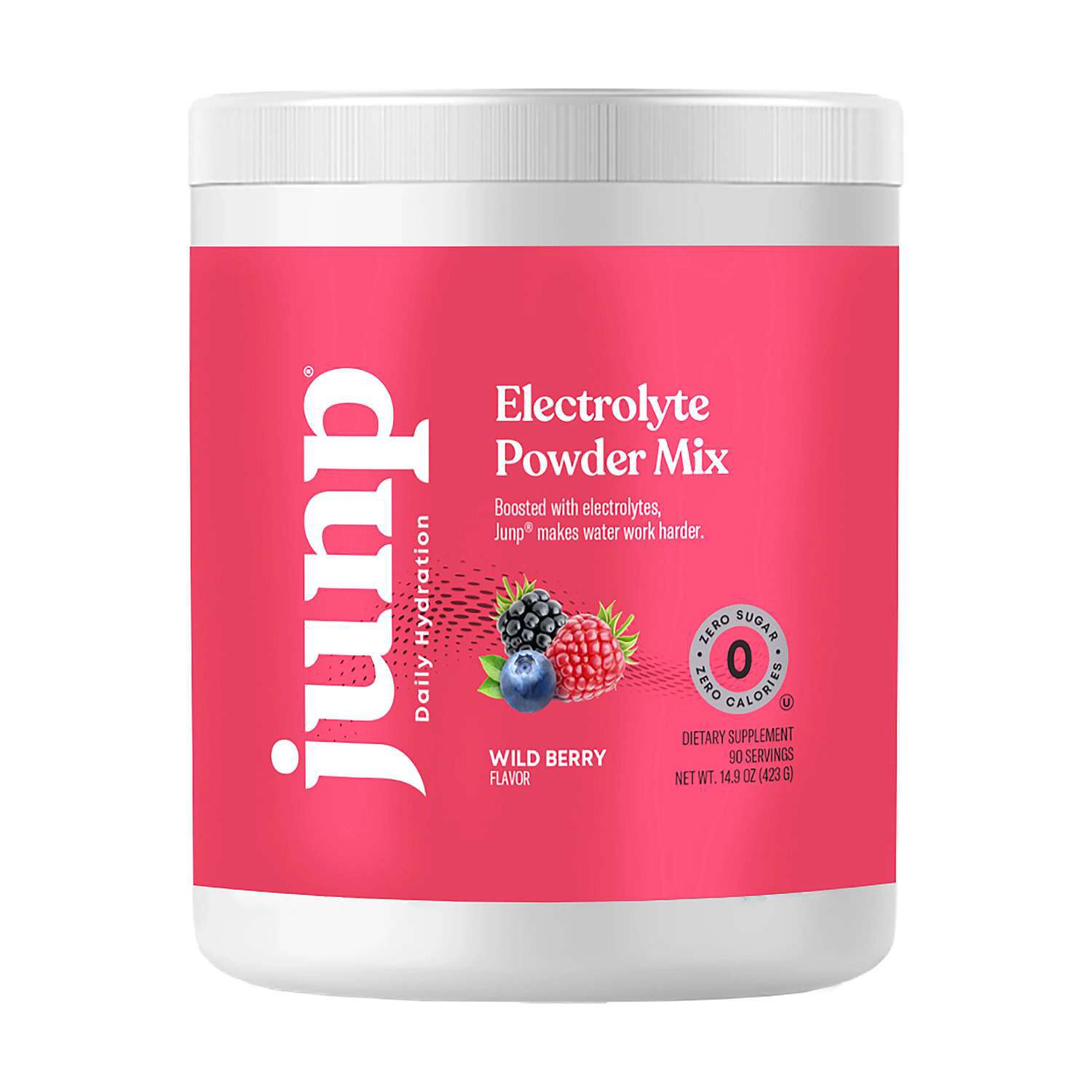
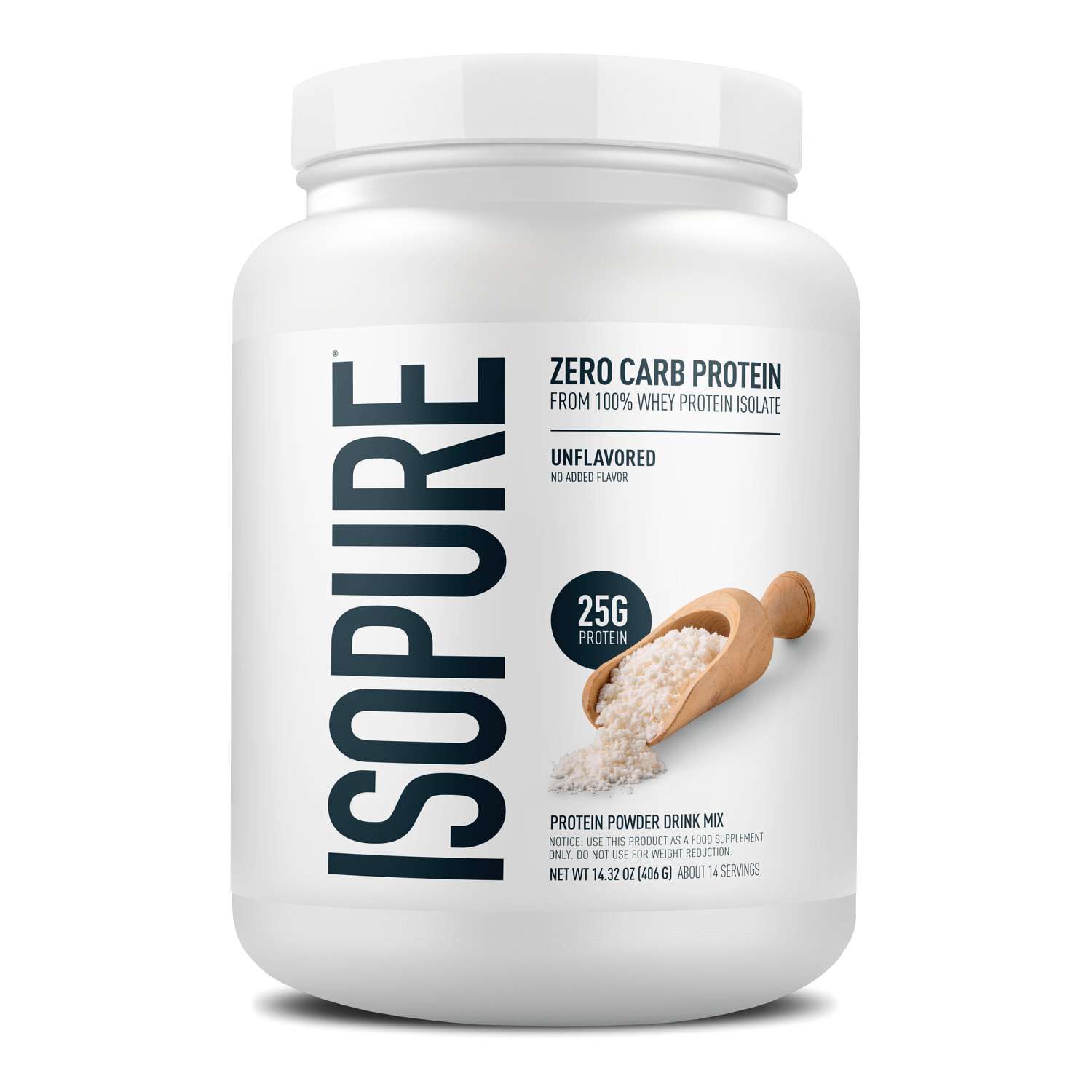
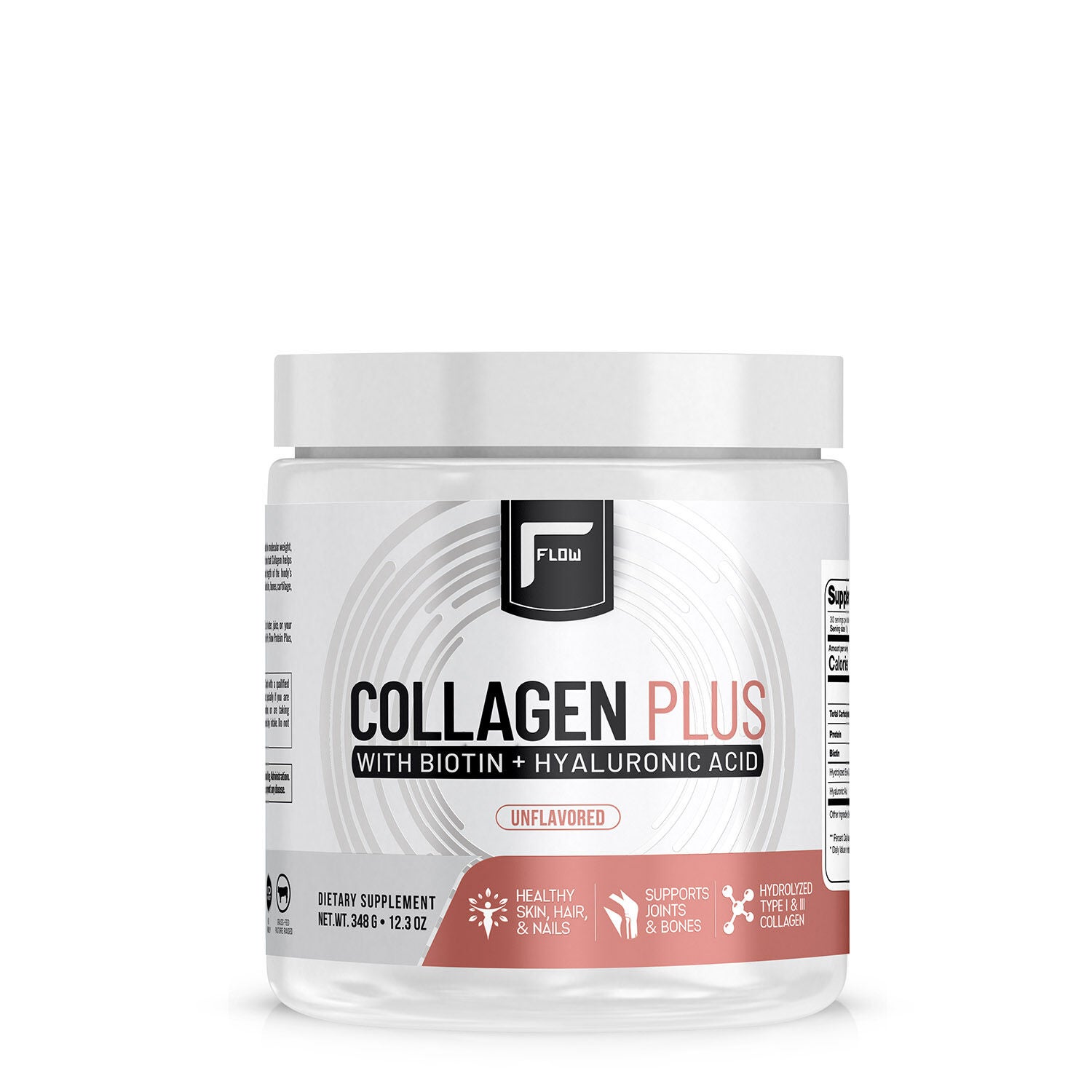
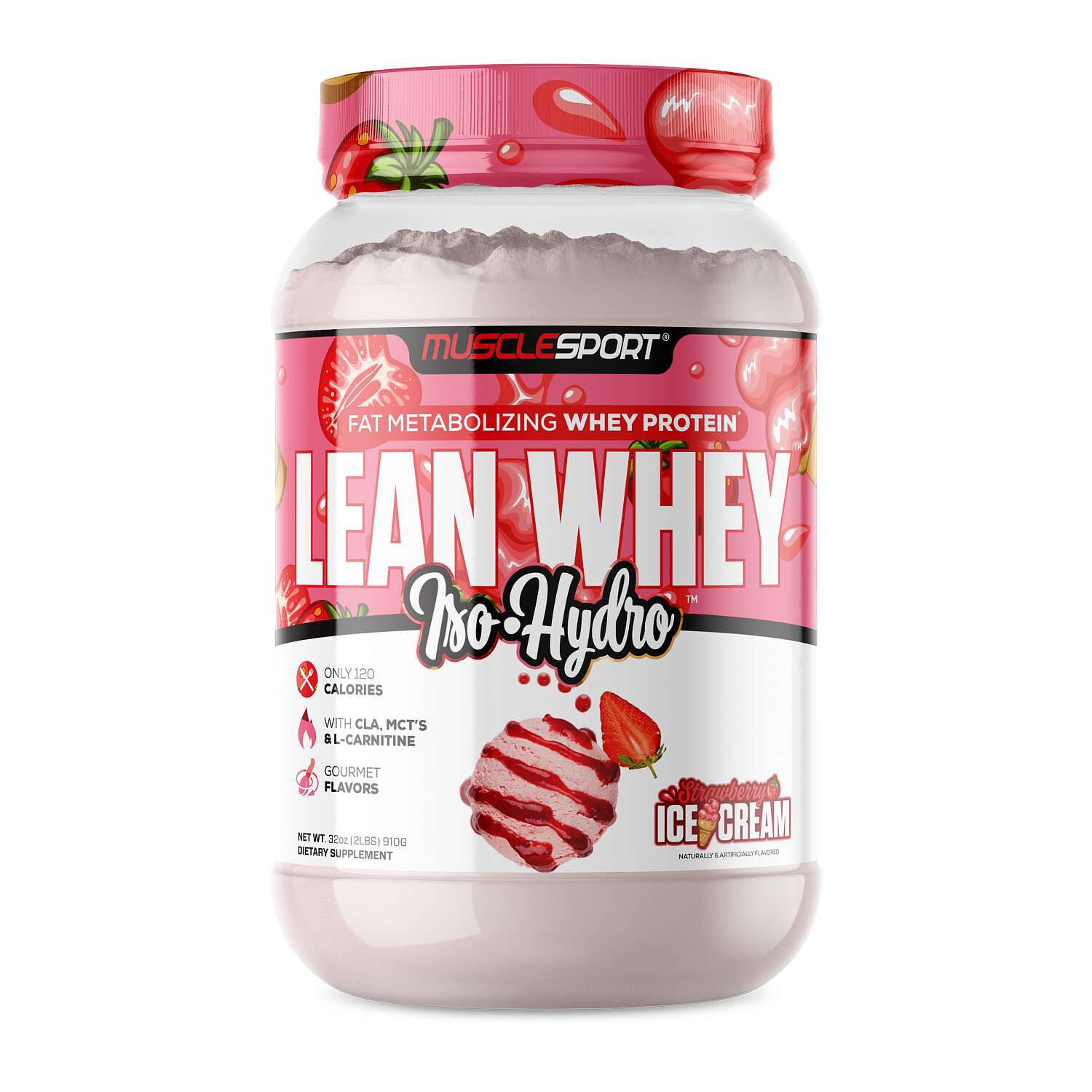
Keto-friendly holiday supplement powders span several categories, including MCT oil powders, collagen powders, protein blends, and electrolyte mixes, with different ingredients and intended uses. Their shared point of interest is how a serving fits into a lower-carbohydrate eating pattern, rather than a single flavor, texture, or nutritional profile. A keto-friendly label does not mean every formula contains the same amount of carbohydrate, fat, or protein. For holiday shopping, the most useful distinctions are often practical: a powder intended for coffee has a different role from a fruit-flavored drink mix or a protein powder selected for a breakfast smoothie. MCT oil powders contain medium-chain triglycerides, typically alongside other ingredients that give the oil a powdered format, and may lend a creamy texture to a warm beverage. Collagen and other protein powders offer different protein sources, serving sizes, and flavor profiles; some are unflavored, while others lean toward vanilla, chocolate, or dessert-inspired tastes. Electrolyte mixes commonly include minerals such as sodium, potassium, or magnesium and are generally intended for mixing with water according to package directions. None of these categories is interchangeable simply because the packaging references keto. Carbohydrate grams per serving, added sugars, sweeteners, and the full ingredient list provide a clearer basis for comparison. Some labels also display net carbohydrate figures, but the calculation may differ, making the underlying nutrition information worth reviewing. A smaller serving may look different on paper from a larger scoop, so serving size matters alongside the numbers. Holiday flavors deserve the same attention as everyday options: cinnamon, peppermint, gingerbread, or cocoa notes do not establish whether a formula matches a particular eating preference. The finished drink matters, too. Milk, plant-based beverages, syrups, whipped toppings, and other additions have their own nutrition information. For someone picturing a mug beside a plate of Christmas cookies or a quick shake before a Thanksgiving road trip, choosing a powder starts with that real-life use rather than the seasonal name alone.
Flavor and preparation are especially relevant when supplement powders share the kitchen with holiday drinks and baking ingredients. An unflavored powder may suit someone who prefers the taste of coffee, unsweetened cocoa, or cinnamon to remain prominent, while a vanilla or chocolate option could complement a more dessert-like drink. Sweetener preferences matter here: stevia, monk fruit, sugar alcohols, and other sweetening ingredients have distinct tastes, and preferences vary from one person to another. A powder with a strong sweetness or lingering finish may be less suited to a lightly flavored beverage than to a blended shake. Texture deserves equal attention. Some formulas are intended for a shaker bottle, others have directions for stirring or blending, and not every powder is appropriate for hot liquids. Package preparation instructions are the best reference for liquid amounts, mixing methods, and temperature guidance. For a holiday cocoa-style drink, an unsweetened beverage base and cocoa powder could complement a compatible supplement powder, with the nutrition of each ingredient considered separately. For baking, supplement powders are not necessarily direct substitutes for flour, sugar, or other recipe ingredients. A protein powder may change moisture, density, or browning, while an MCT oil powder may change richness or texture. A recipe developed around the particular powder category is a more useful starting point than assuming every formula behaves alike. Dietary preferences also shape the choice. Whey and casein come from milk; collagen comes from animal sources; plant protein blends use ingredients such as peas, rice, or seeds. Milk, soy, coconut, and other ingredients may appear in formulas or allergen statements, including ingredients used as carriers or flavor components. Someone avoiding a particular ingredient has more to consider than the front label. This attention to format, flavor, and ingredients may help distinguish a powder intended for a cinnamon-scented breakfast smoothie from one meant for a simple water-based drink between holiday gatherings.
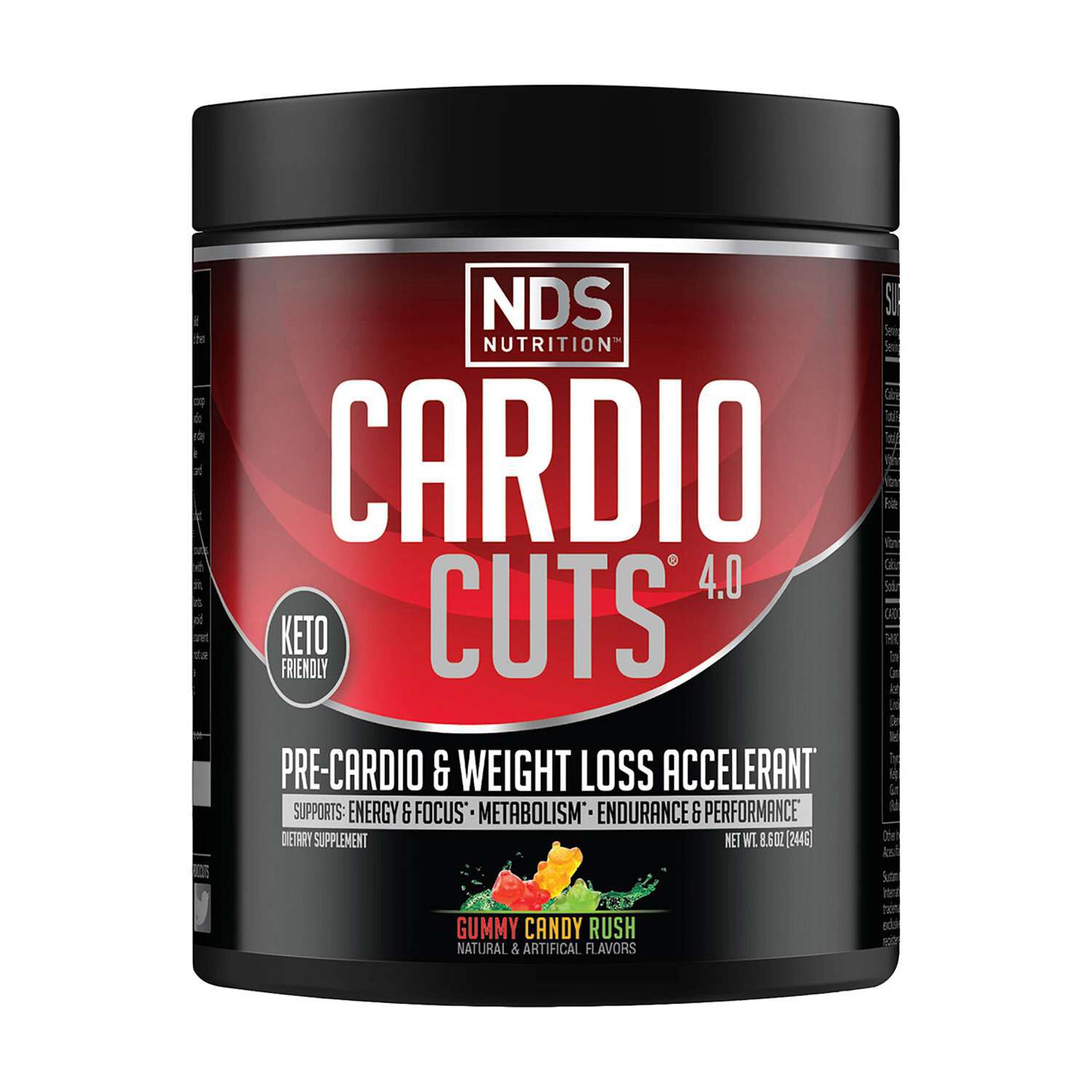
Holiday routines also make packaging, storage, and serving convenience meaningful considerations. A resealable container may suit a home coffee station, while individually portioned packets could be practical for an overnight visit or a carry-on bag. Package directions still determine the serving amount; scoops are not necessarily interchangeable between formulas, and a packet is not automatically equivalent to a scoop from another container. For powders kept near a busy kitchen counter, a tightly closed lid, a dry measuring utensil, and storage consistent with the label matter more than a decorative display beside a steaming kettle. Moisture may contribute to clumping, and the package date provides a reference when deciding how a powder fits into a longer routine. These details are particularly relevant for gifts. A supplement powder may be a thoughtful choice for an adult who already enjoys that category and has shared clear preferences, whether that means an unflavored coffee addition, a plant-based protein blend, or a citrus-flavored electrolyte mix. Familiar tastes and known dietary preferences are a better starting point than assumptions about someone’s eating habits. A practical shaker bottle or an easy-to-clean mug could accompany the gift without making it feel like a request to change a routine. Caffeine is another useful distinction when comparing powders for morning drinks, afternoon travel, or evening holiday gatherings. Some formulas contain caffeine and others do not, so the ingredient list and labeled amount deserve attention alongside flavor and carbohydrate content. Shoppers exploring Keto Friendly Thermogenic Powders may likewise want to compare caffeine content, preparation directions, and intended use rather than treating all keto-oriented categories alike. Whether the setting is a breakfast before visiting relatives, a quiet afternoon coffee, or a familiar drink packed for a holiday stay, the most relevant choice is one whose ingredients, preparation requirements, and serving information fit the recipient’s established preferences. A festive flavor may be part of the appeal, but clear labeling and everyday usability remain useful points of comparison beyond the celebration.
Best Sellers


Related Pages
Top Collections
- Joint Mobility Supplement Packs
- Zinc Supplements | Top Brands at Great Prices | GNC
- Supplements For Yoga Joint Flexibility
- Supplements For Balance
- Capsule Supplements For Energy And Stamina
- Iron Supplements
- Supplements For Anxiety Relief Support
- Vitamins For Hair Loss
- Cortisol Supplements
- Adult Mobility Supplements