Keto Friendly Summer Supplements
(0 Results)
Keto friendly summer supplements could be a great addition to your warm-weather wellness routine. Whether you’re looking to support your goals at the gym, enjoy outdoor adventures, or simply stay on track with your low-carb lifestyle, these options might fit seamlessly into your summer plans. Explore a variety of keto friendly summer supplements that may complement your nutrition and help you make the most of the season.
-
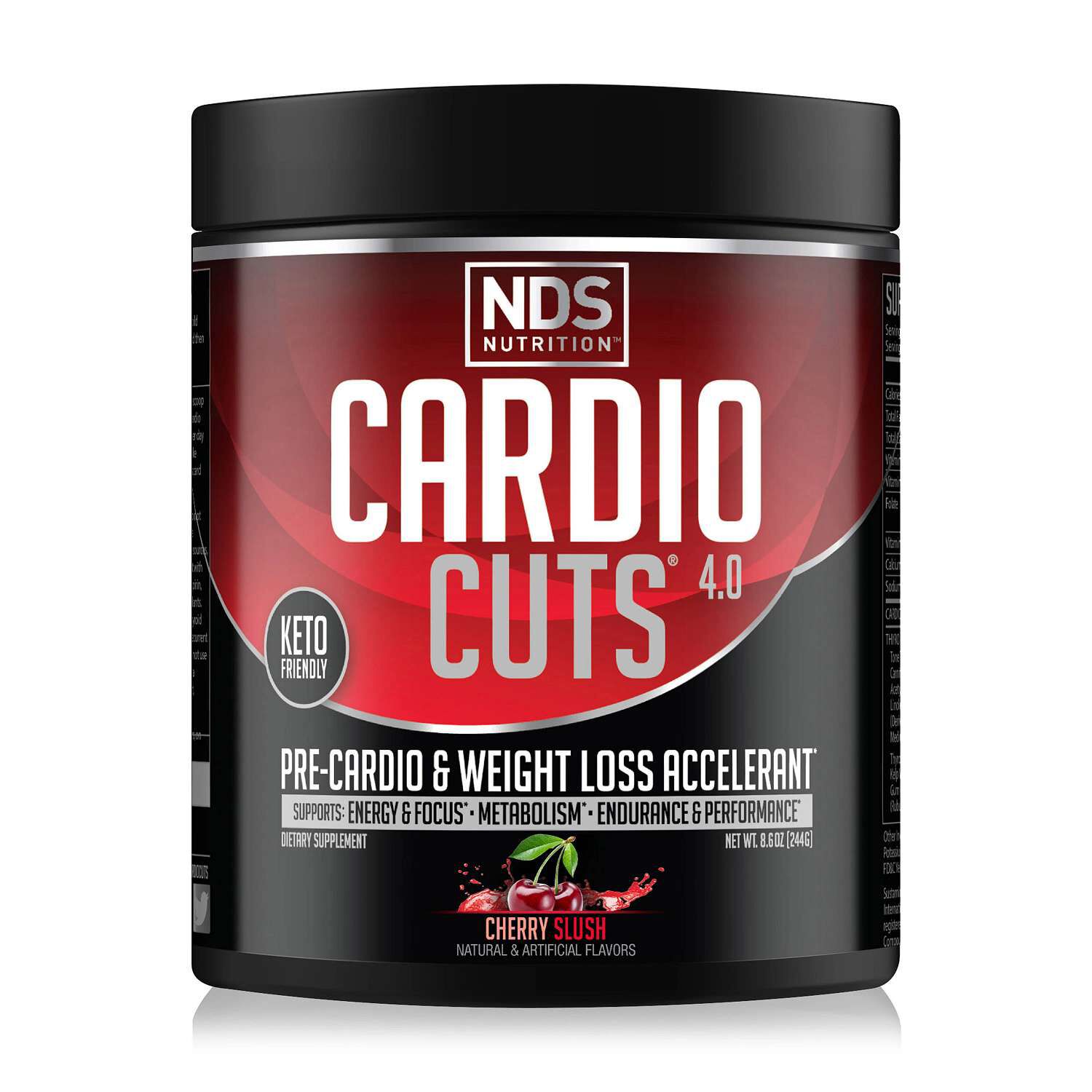
-

-
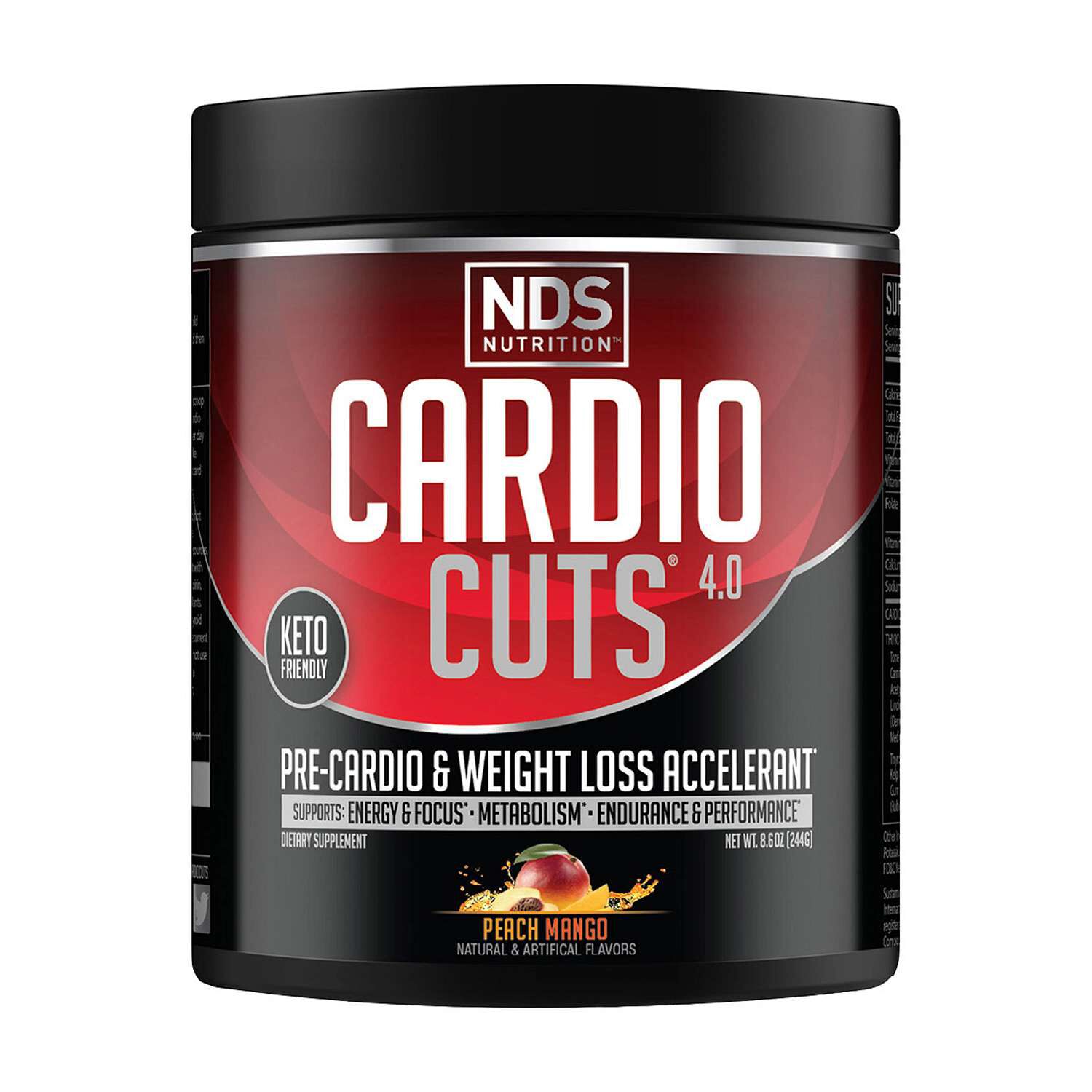
-

-
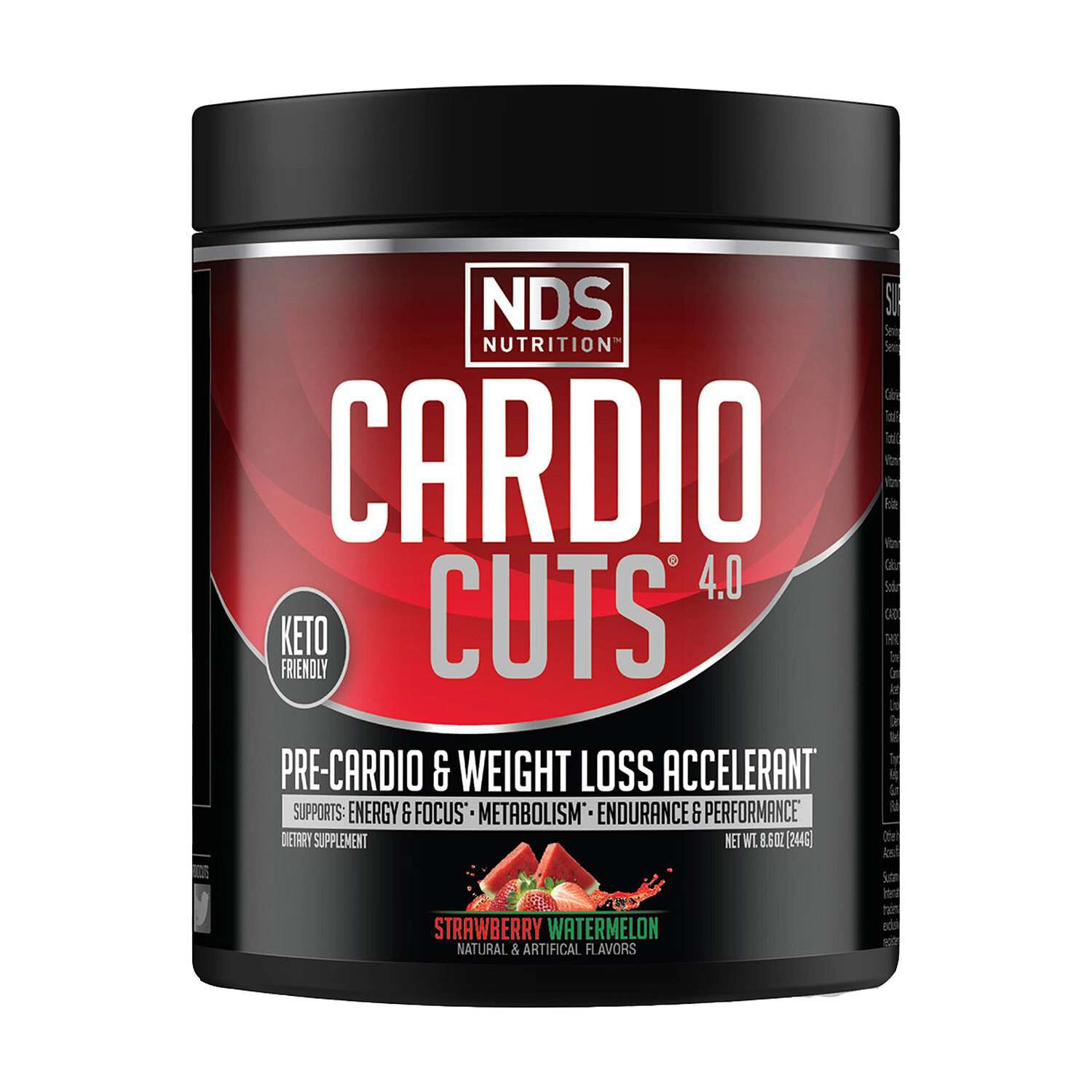
-
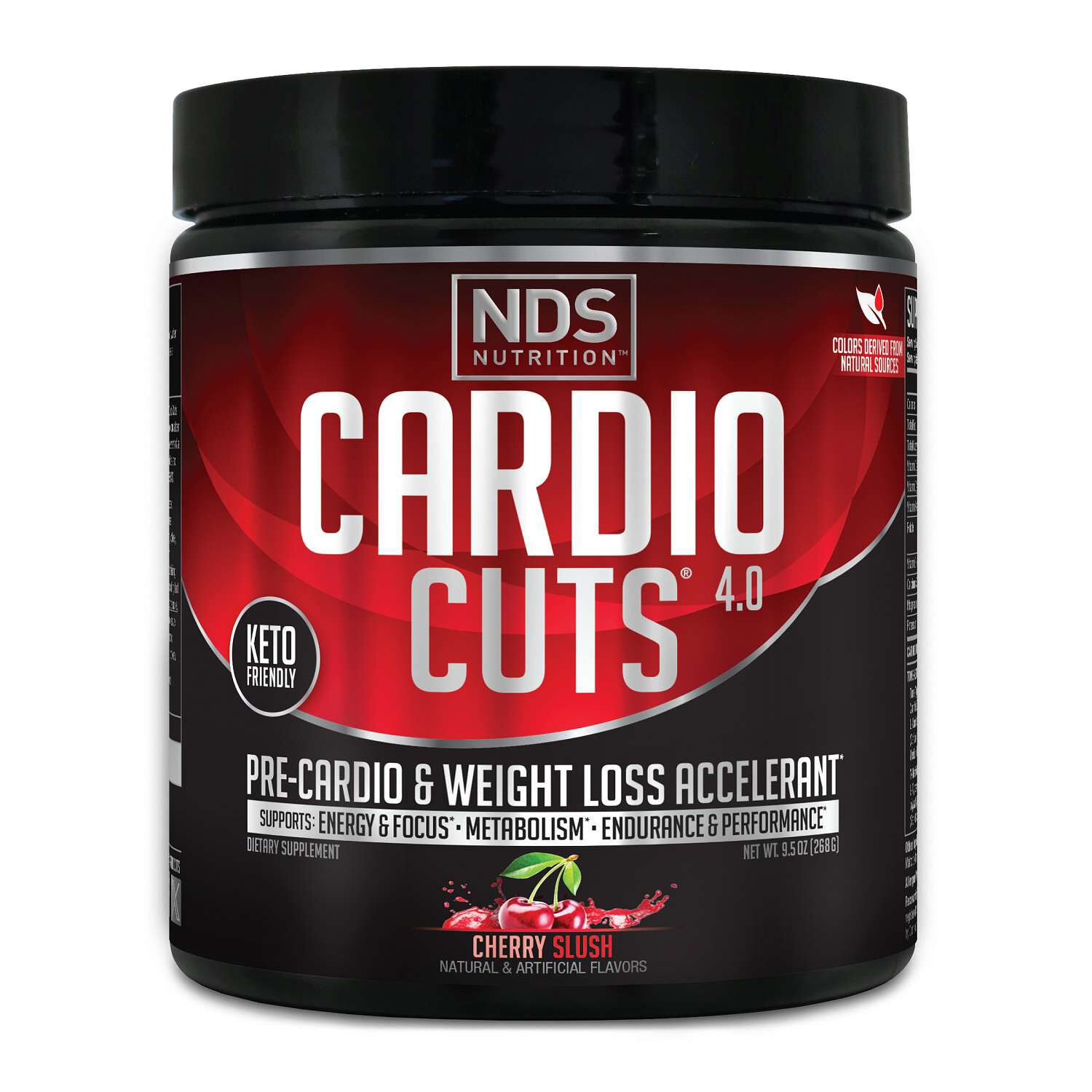 NDS Nutrition$69.99
-

-
 NDS Nutrition$69.99
-
-
-
 44$44.99
-
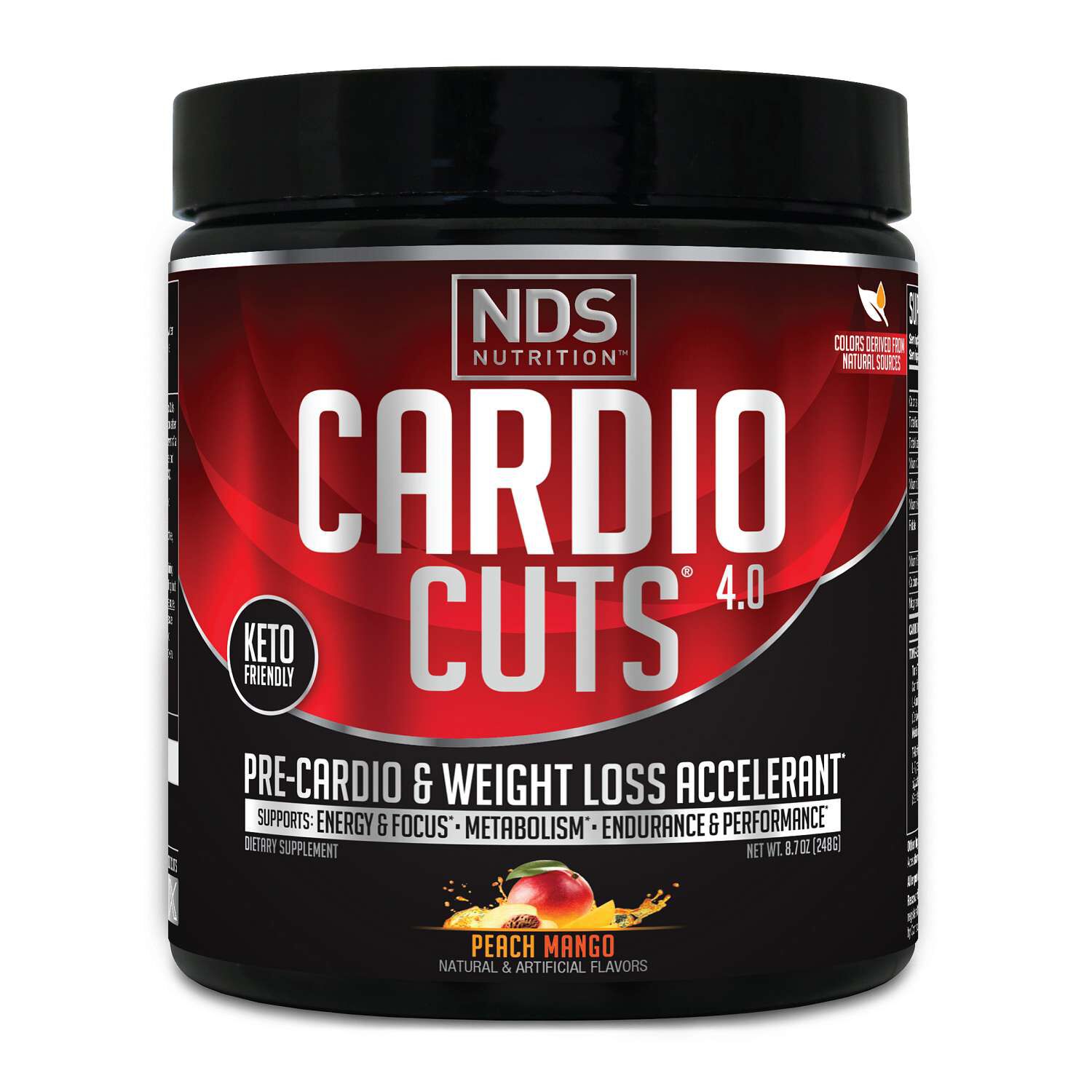 NDS Nutrition$69.99
-
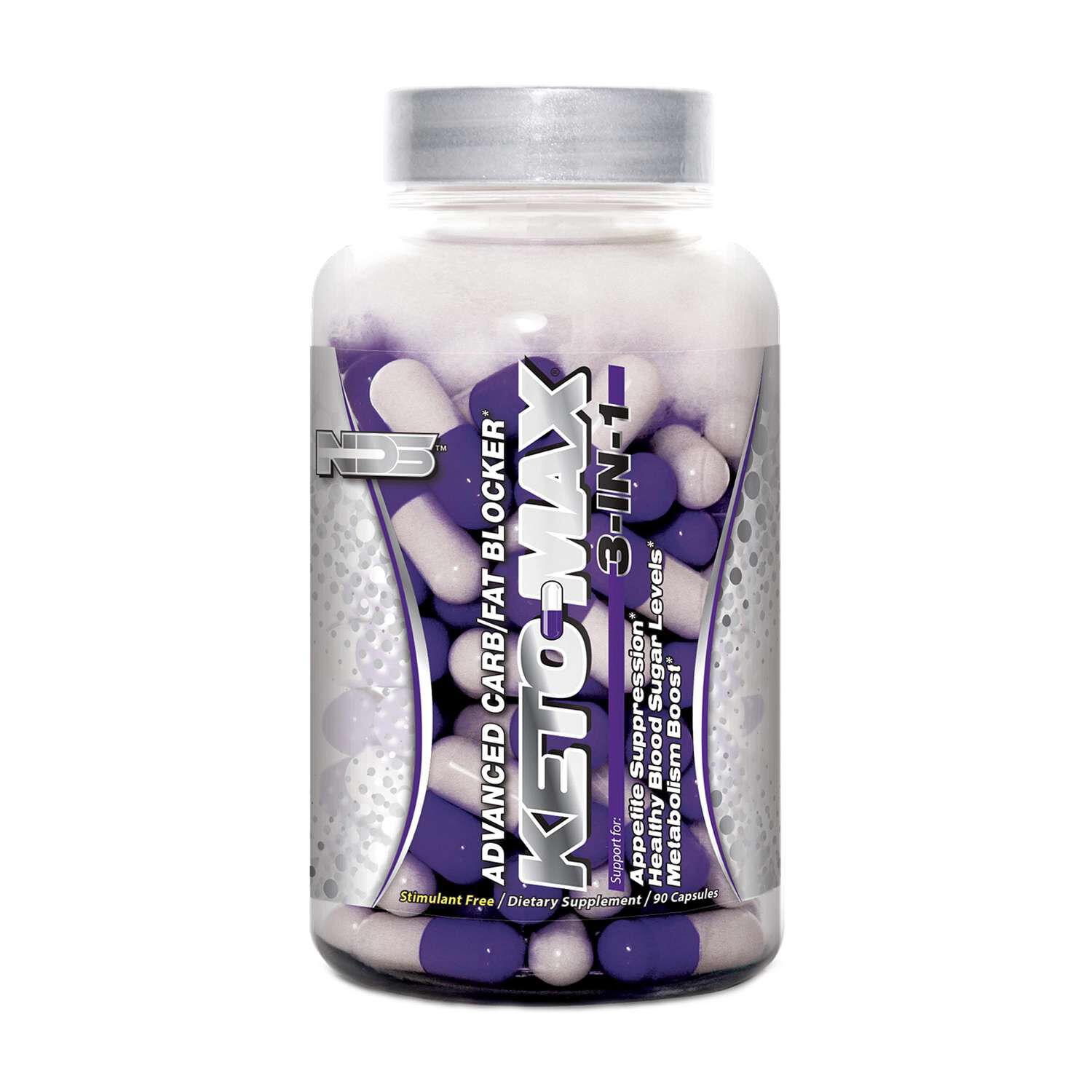
-
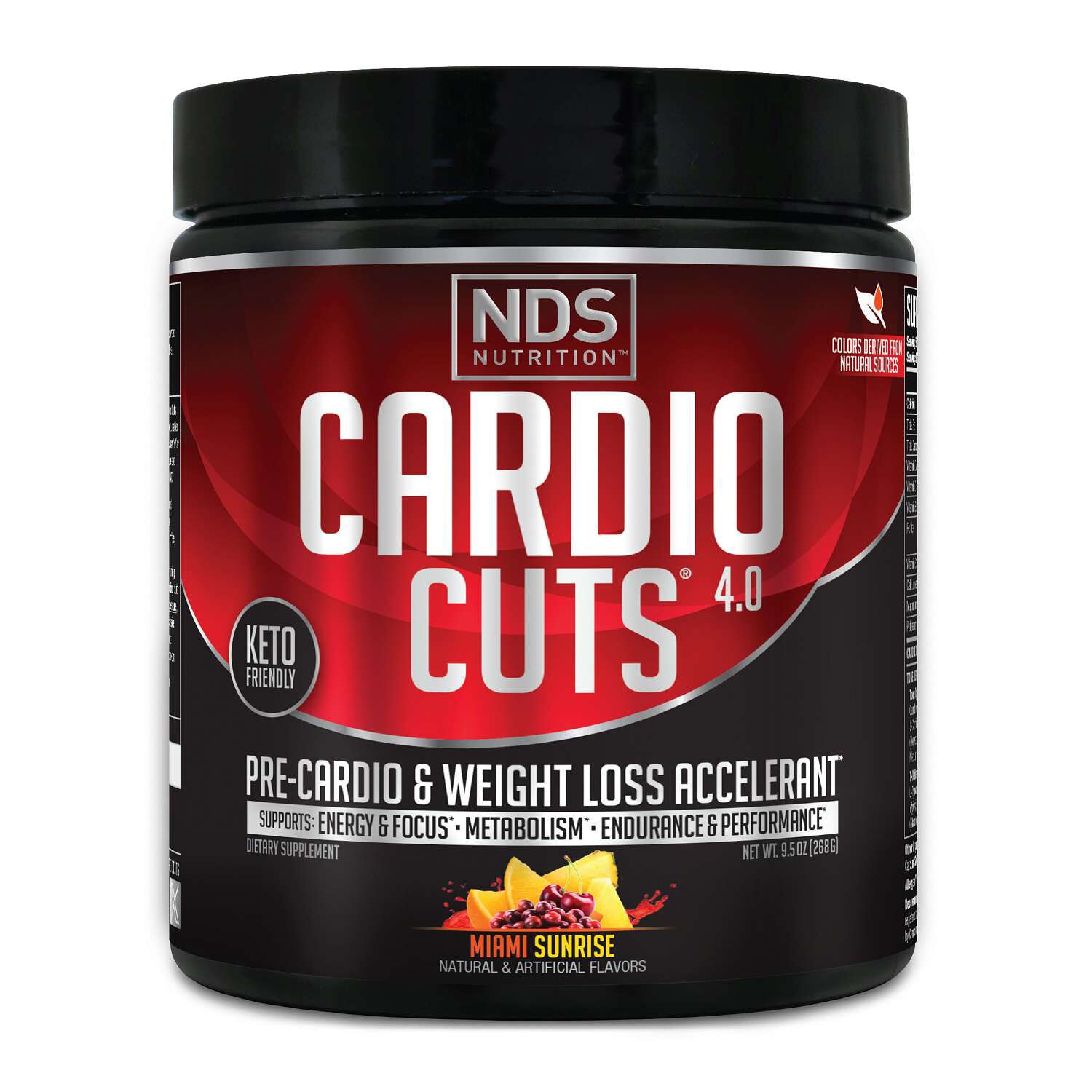 NDS Nutrition$69.99
-

-

-
 Portions Master$49.99
-
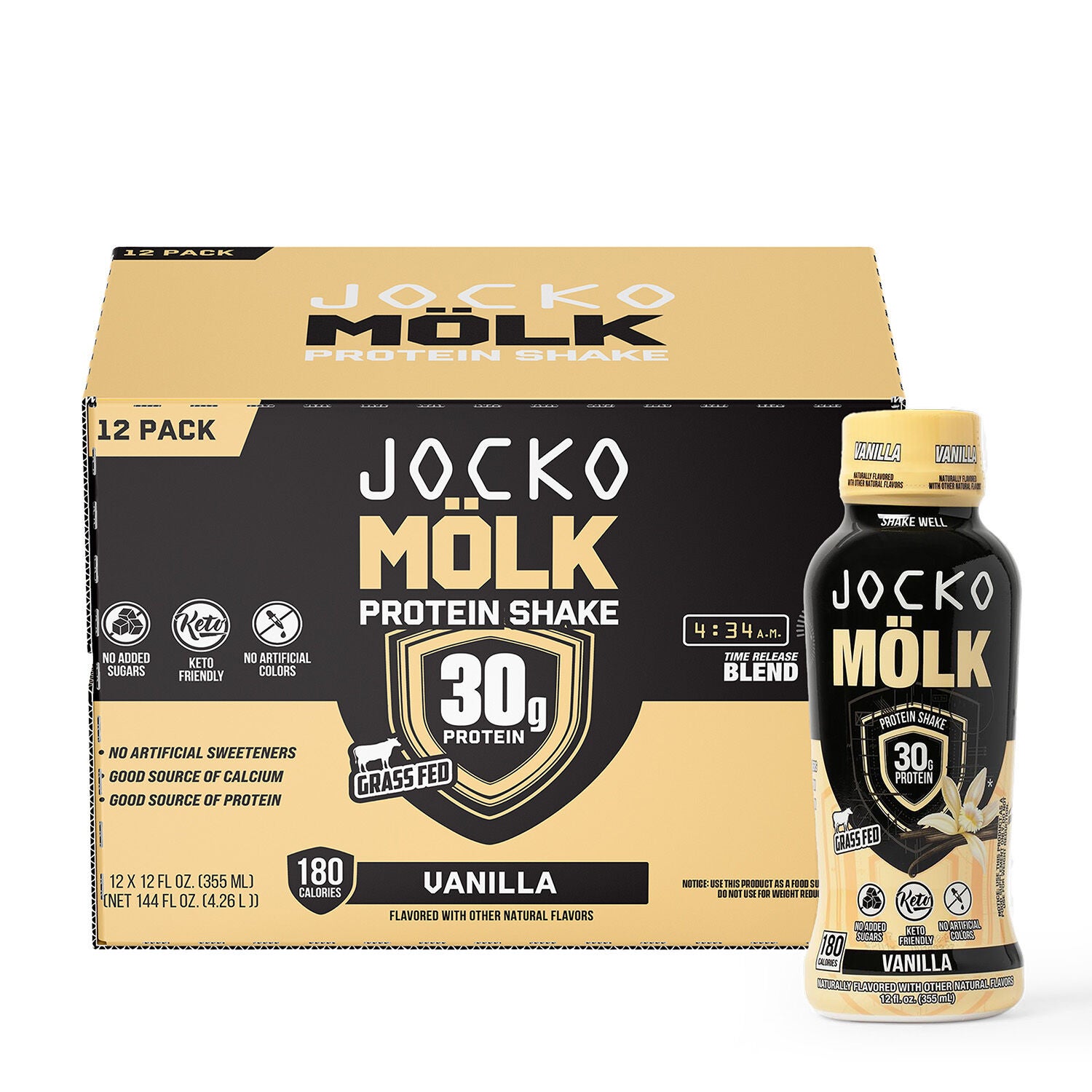
-
 $34.99
-

-
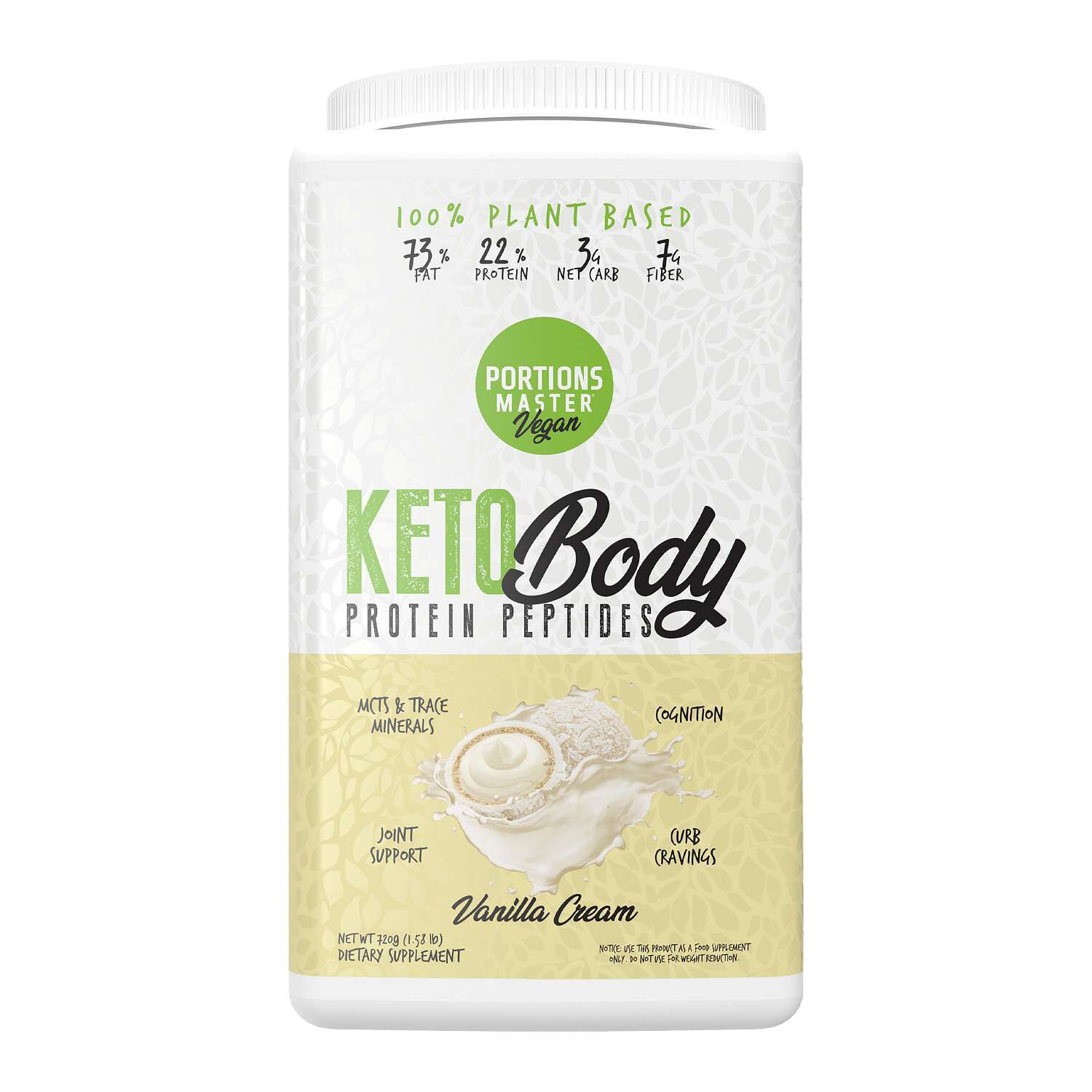 Portions Master$49.99
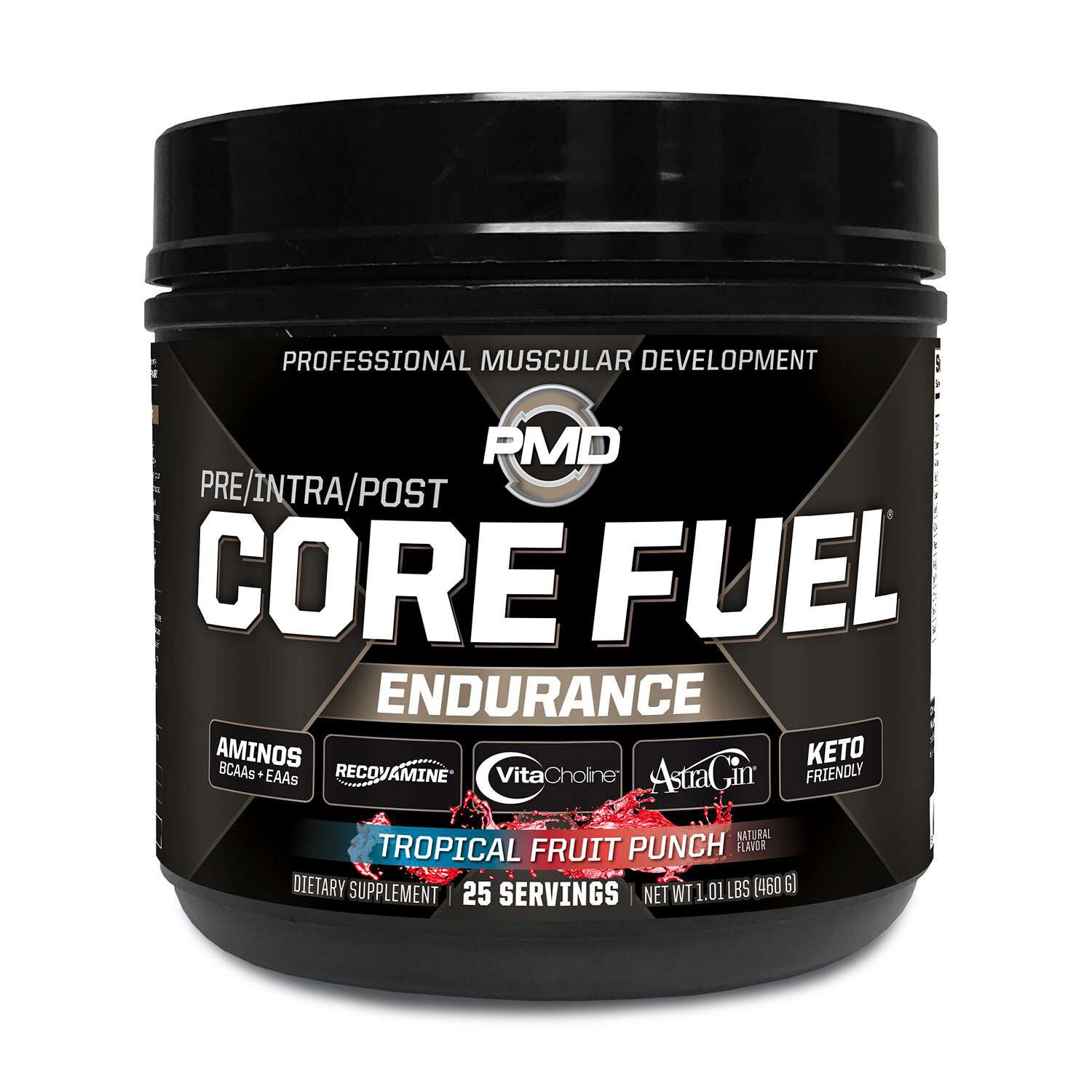


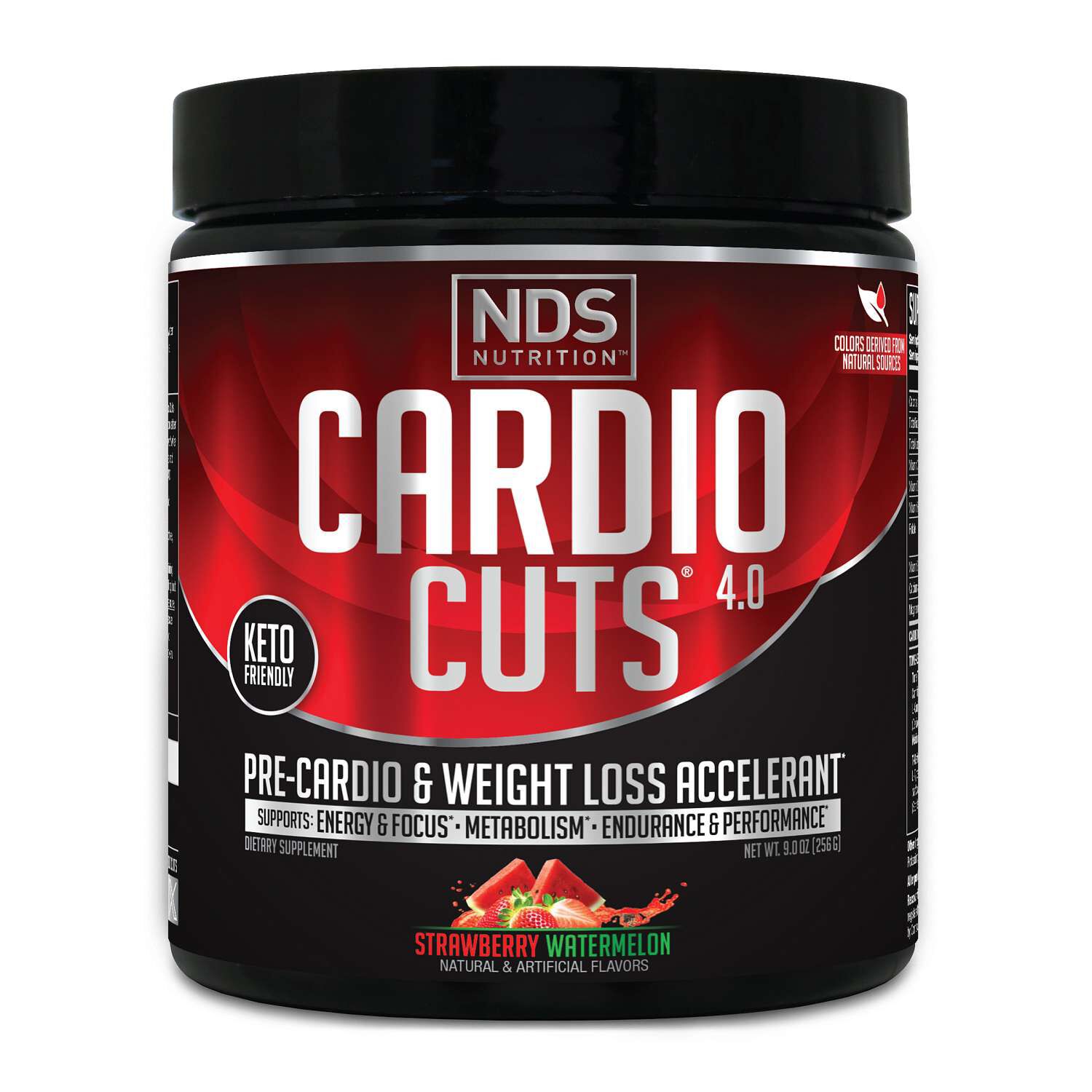
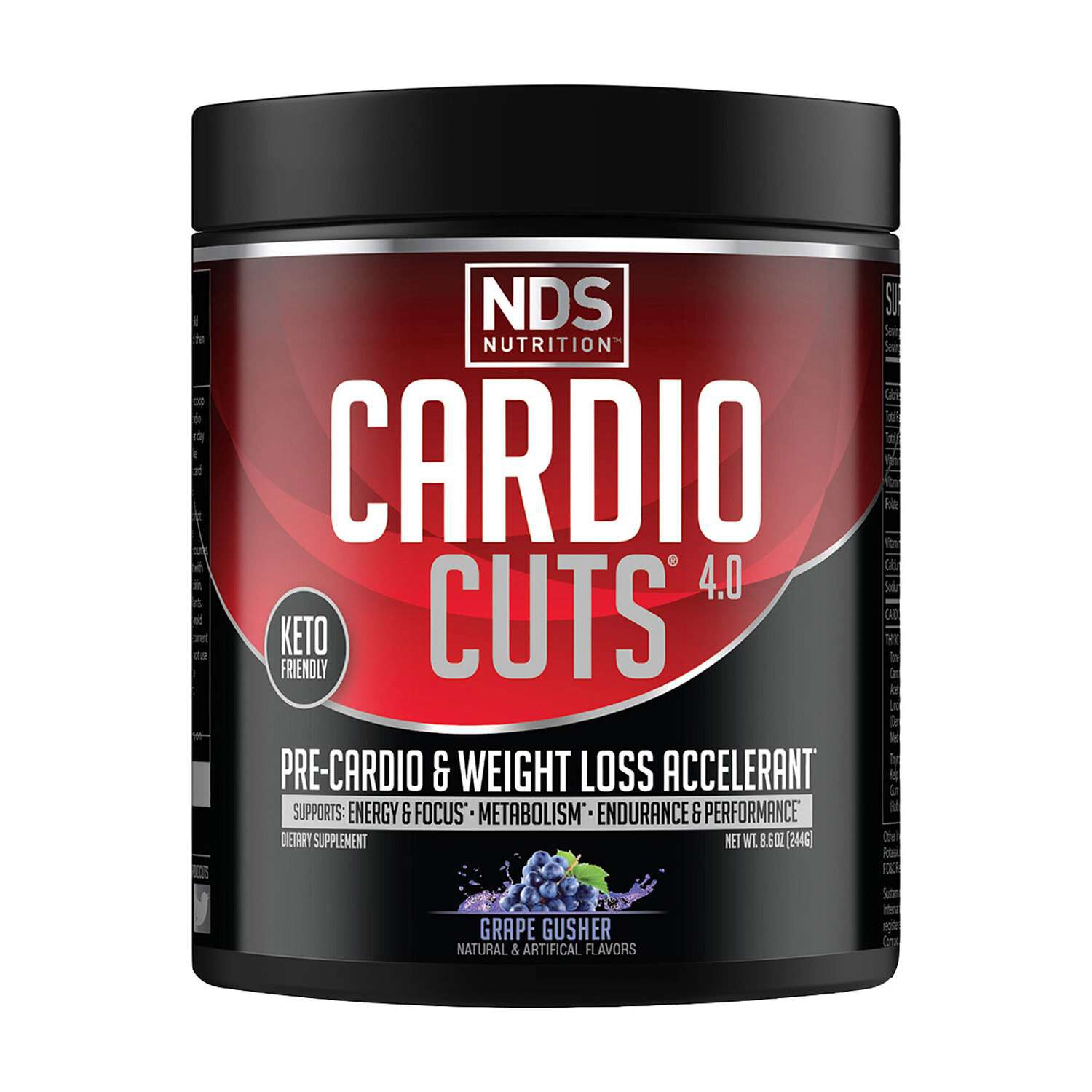
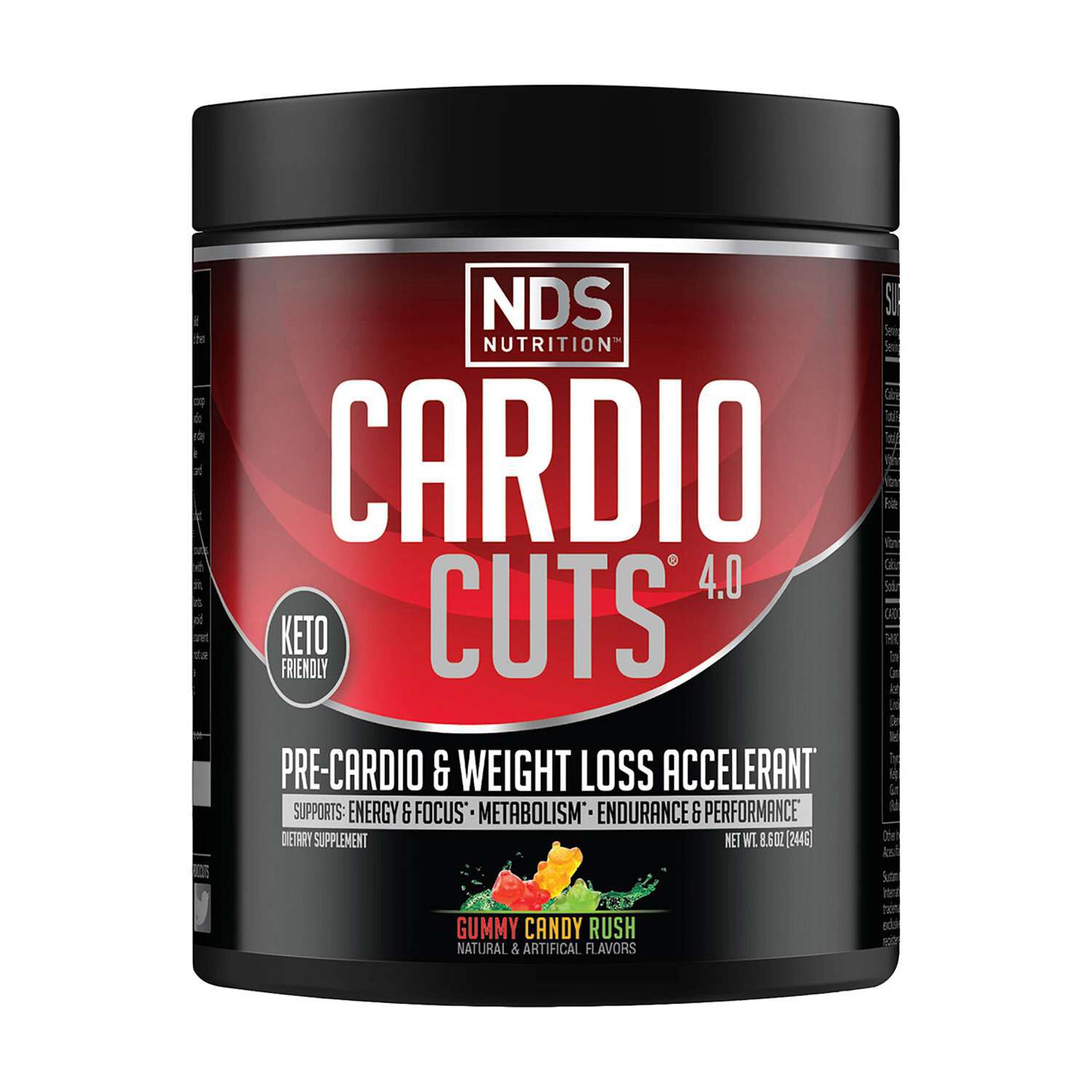
Keto-friendly summer supplements include electrolyte blends, magnesium, MCT oil, and vitamin D. They have different places in a lower-carb routine: electrolyte blends contain minerals such as sodium and potassium, magnesium can be part of a blend or sold on its own, MCT oil supplies dietary fat, and vitamin D is a fat-soluble vitamin. Electrolytes are especially relevant to summer activities because sweat contains minerals, including sodium. A long bike ride in the sun and a picnic in the shade can both call for packing a water bottle, but they leave room for different supplement formats. An individually wrapped drink mix fits in a bike bag, while a tub with a scoop is more suited to a kitchen counter where there’s room to measure and stir. The keto-friendly distinction comes down to what’s in a serving, not whether the supplement is a powder, liquid, or capsule. Two fruit-flavored mixes can have different amounts of carbohydrates even when they taste similar. The carbohydrate line on the label is a useful point of comparison; some packages also show net carbs, a figure that can be calculated differently from one formula to another. Serving size adds another wrinkle: a packet isn’t always one serving, and the amount listed for a capsule formula may refer to more than one capsule. For something that goes into a drink, the mixer is part of the picture, too. The same powder contributes the same ingredients whether it goes into plain water or a smoothie, but the finished drinks can have very different carb counts.
Electrolyte blends differ in the minerals they include and how much of each they contain per serving. Some formulas center on sodium, while others include potassium and magnesium as well. A magnesium supplement sold on its own is a different format from a flavored blend, and a comparison between the two starts with the amount of magnesium listed on each label. Powders and premixed liquids also differ in ways that are easy to picture away from the shelf. At a trailhead with water on hand, a packet takes up little room and can stay sealed until it’s time to mix. On a road trip, a ready-to-drink format doesn’t require a separate bottle or a place to measure powder. At home, a larger container makes sense for someone who already has a shaker or a glass at the counter. Shoppers comparing supplement formats can also browse Keto Supplement Drinks. Flavor is part of that choice: a tangy mix can taste quite different from a lightly flavored blend, and an unflavored powder can still have a mineral taste. The ingredient list separates formulas sweetened with sugar from those made with other sweeteners or without added sweeteners. Preparation directions offer another practical detail, particularly for a small bike bottle or a large insulated tumbler. The amount of water shown on the package gives context for how concentrated the flavor will be. For a bag that also holds a damp towel or a bottle covered in condensation, sealed packets are simpler to keep dry than a tub that needs to be opened each time.
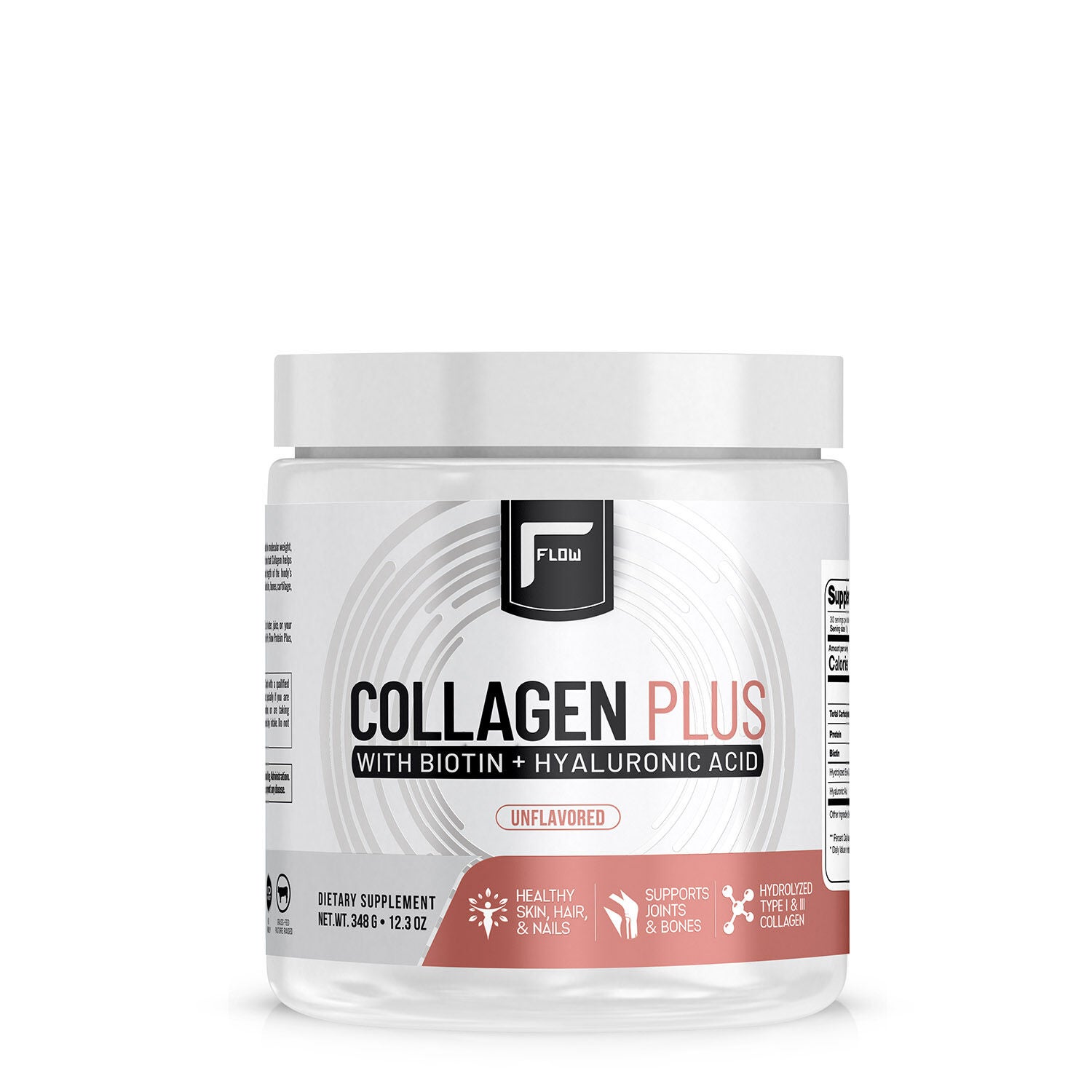
MCT stands for medium-chain triglycerides, a type of fat. Liquid MCT oil can be measured into coffee, a blended beverage, or a dressing, while powdered forms can include other ingredients that affect the carb count. A liquid and a powder can also have different labeled serving sizes, so comparing them by spoonful alone can be misleading. The container matters in everyday use: a bottle with a pour spout is easier to handle next to a blender than in a crowded cooler, and single-serving packaging leaves one less thing to measure at a campsite or in a rental kitchen. Vitamin D, by contrast, comes in formats such as softgels, capsules, and drops. Some labels list the amount in micrograms, others in international units, and some show both. It can appear alone or alongside other nutrients, which is one reason the label on the back gives a better sense of the formula than the name on the front. Capsule and softgel ingredients may also matter to shoppers who prefer plant-based formats, since shells can be made with gelatin or plant-derived ingredients. Summer use doesn’t mean every supplement belongs in a beach bag: some packages specify a cool, dry storage spot, and directions for an opened bottle can differ from those for an unopened one. A kitchen shelf, a weekend bag, and a bottle pocket each suit different formats. For someone following a keto-style eating pattern at home, the choice may come down to an unflavored option that fits familiar meals. For someone packing for a long outing, it may be the difference between a sealed packet that slips beside a water bottle and a liquid that’s easier to leave at home.