Keto Friendly Thermogenic Powders
(0 Results)
Keto friendly thermogenic powders offer a convenient option for those looking to support their nutrition and fitness goals while following a ketogenic lifestyle. With a variety of flavors and formulations, these powders may fit seamlessly into your daily routine. Explore options designed to complement low-carb diets and discover how keto friendly thermogenic powders could be incorporated into your wellness journey.
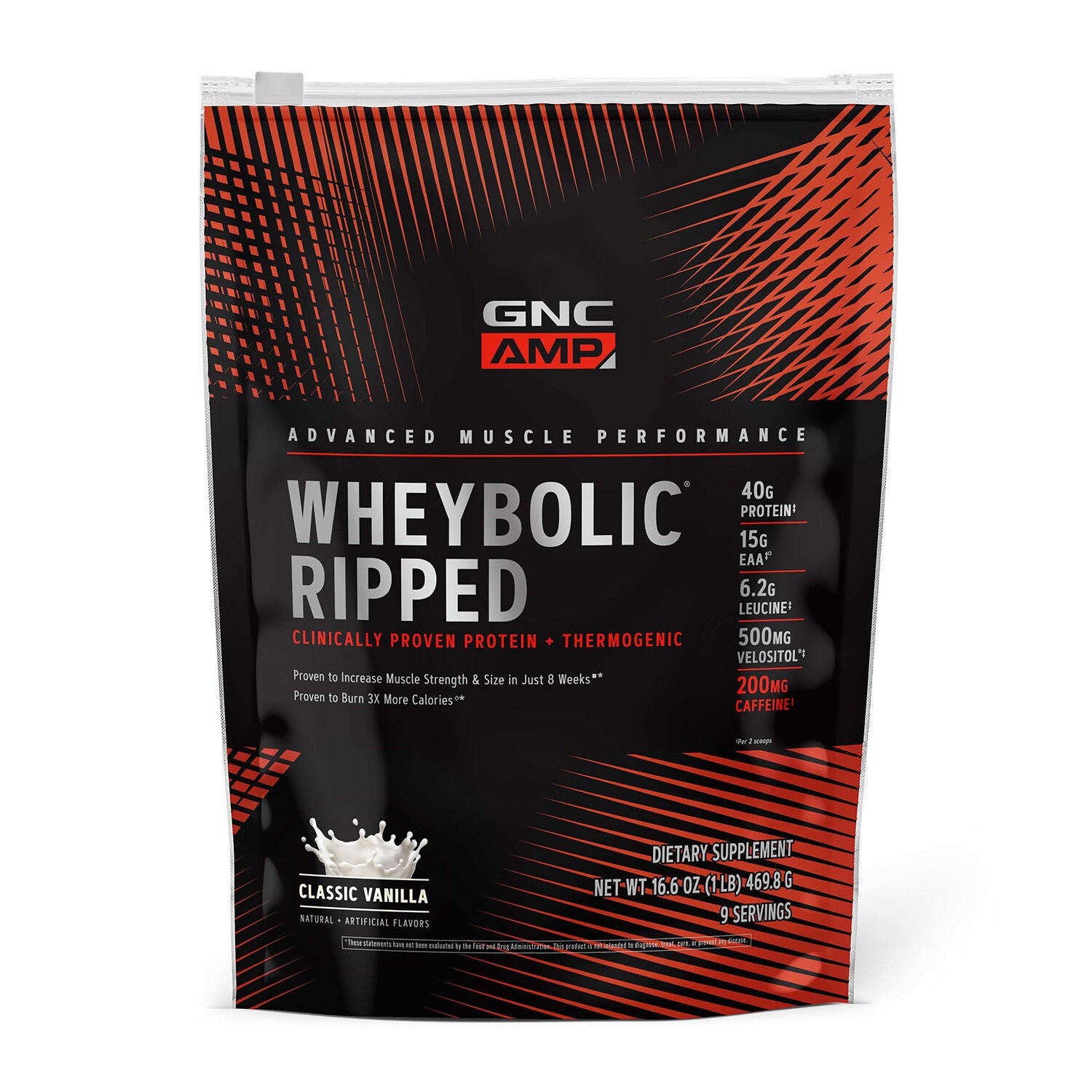


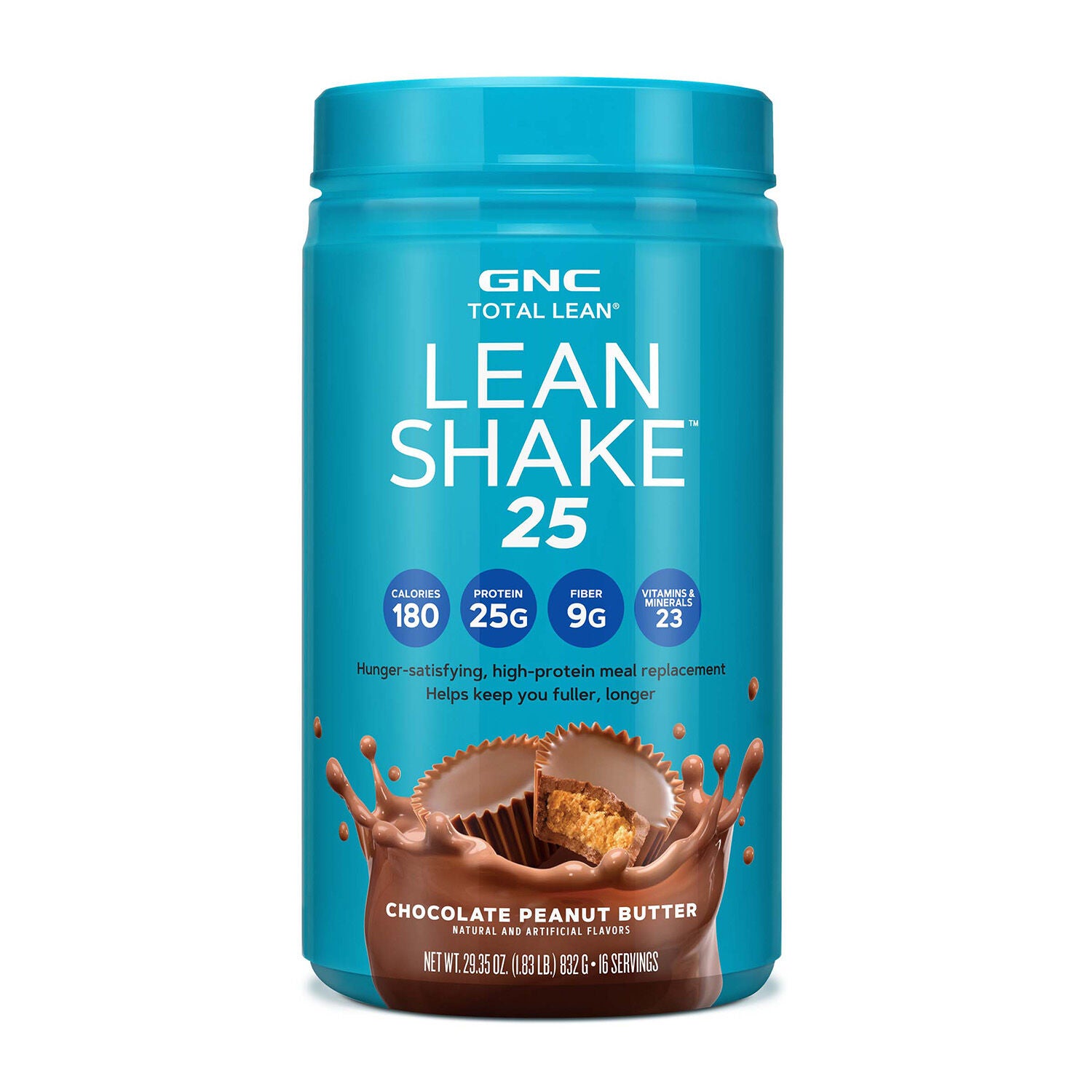
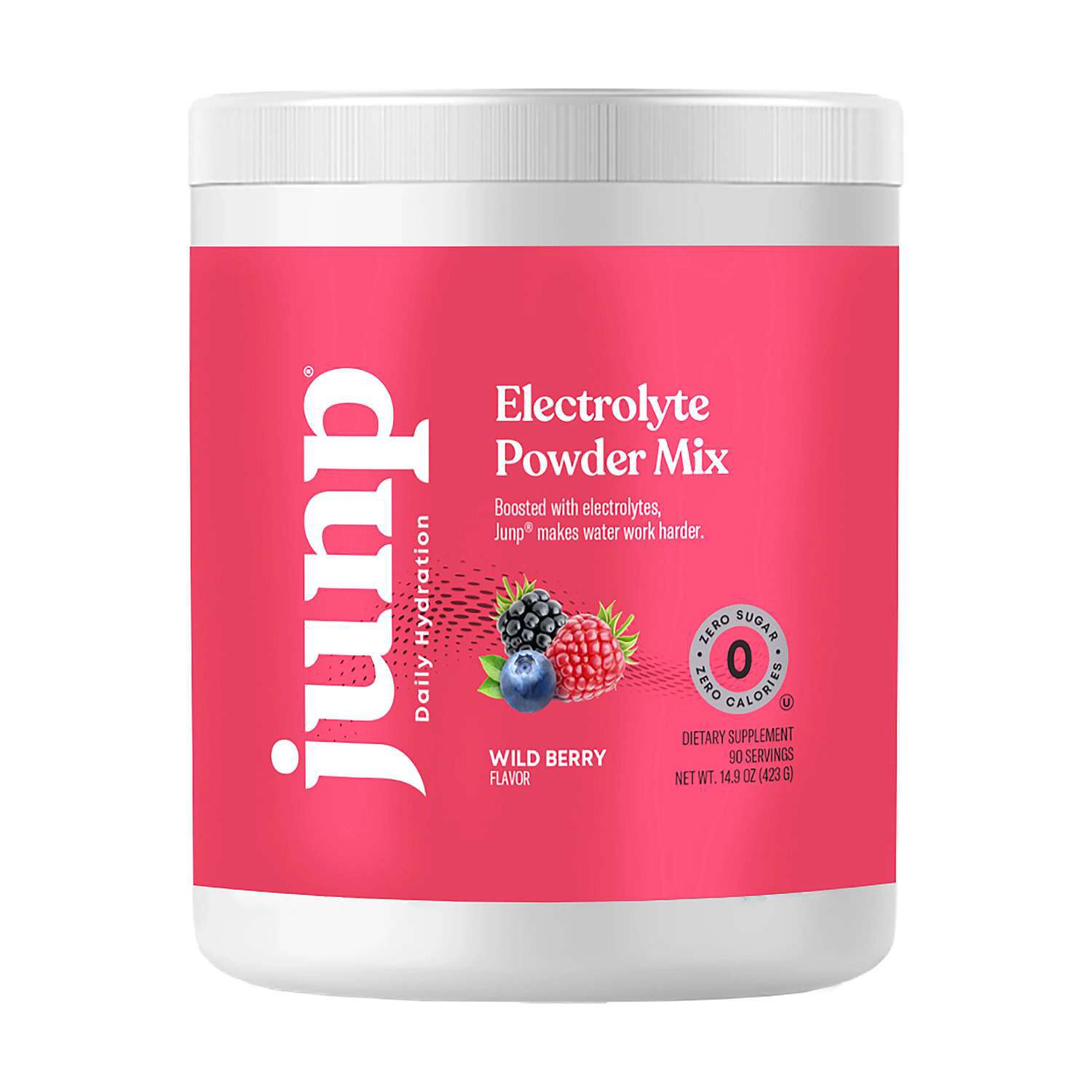

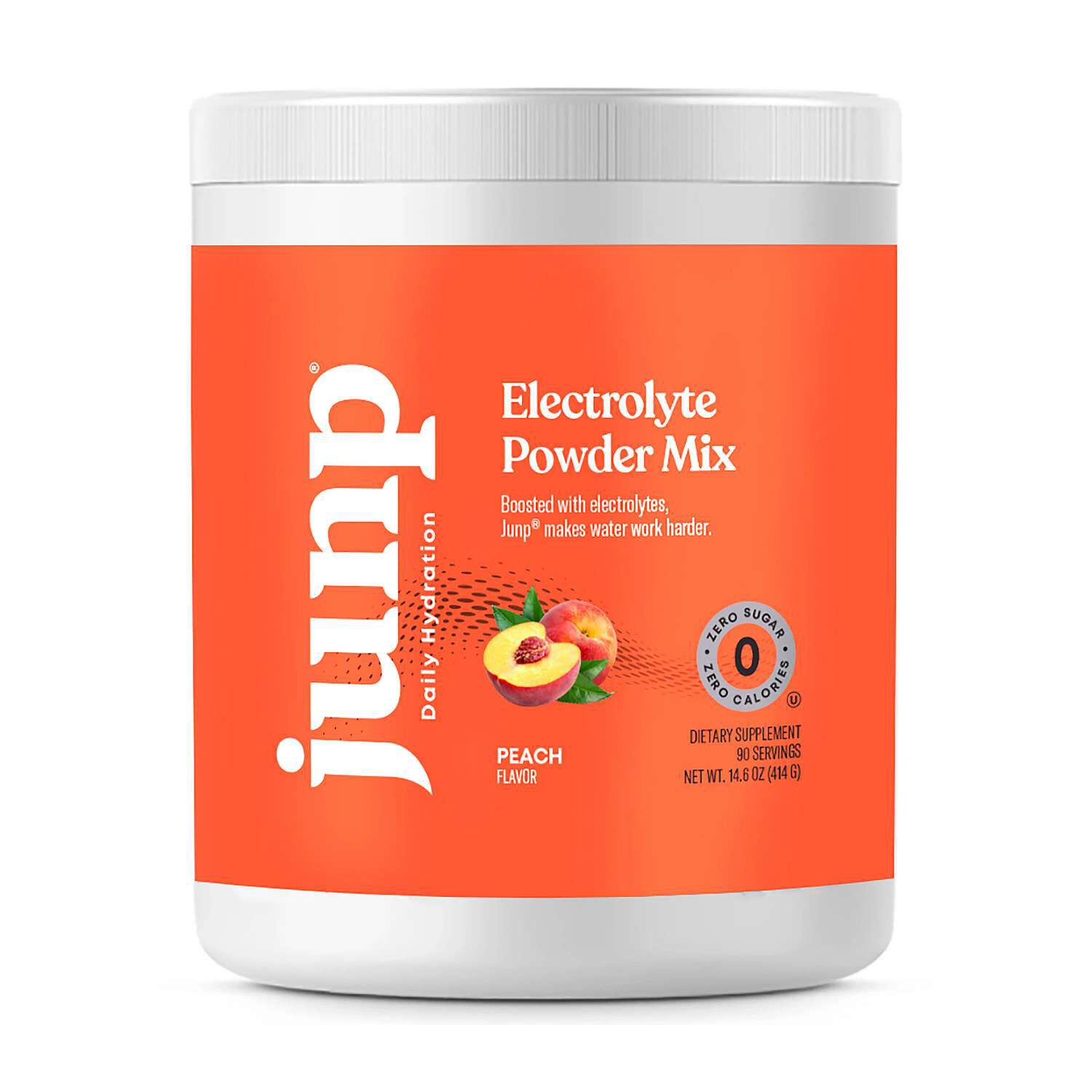


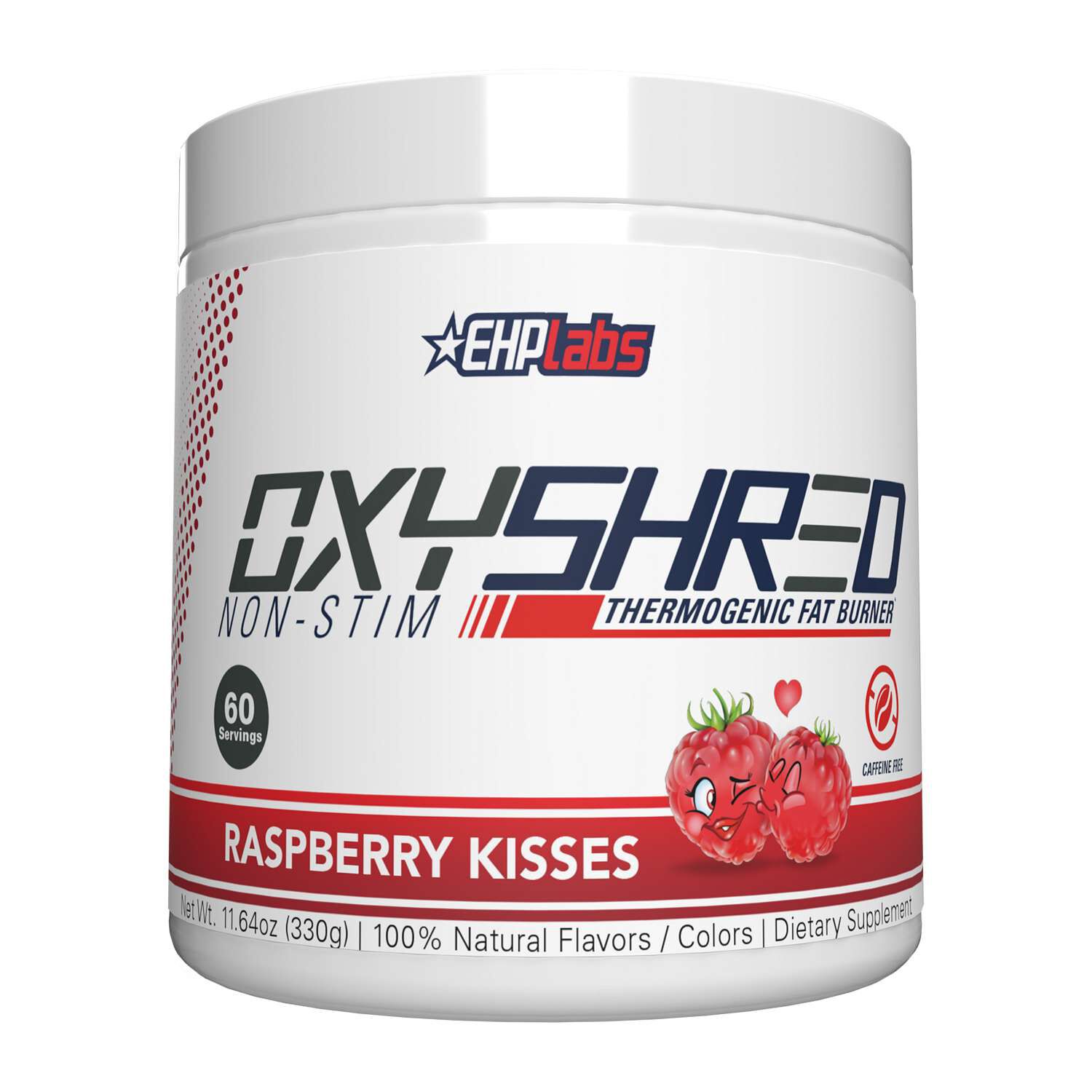
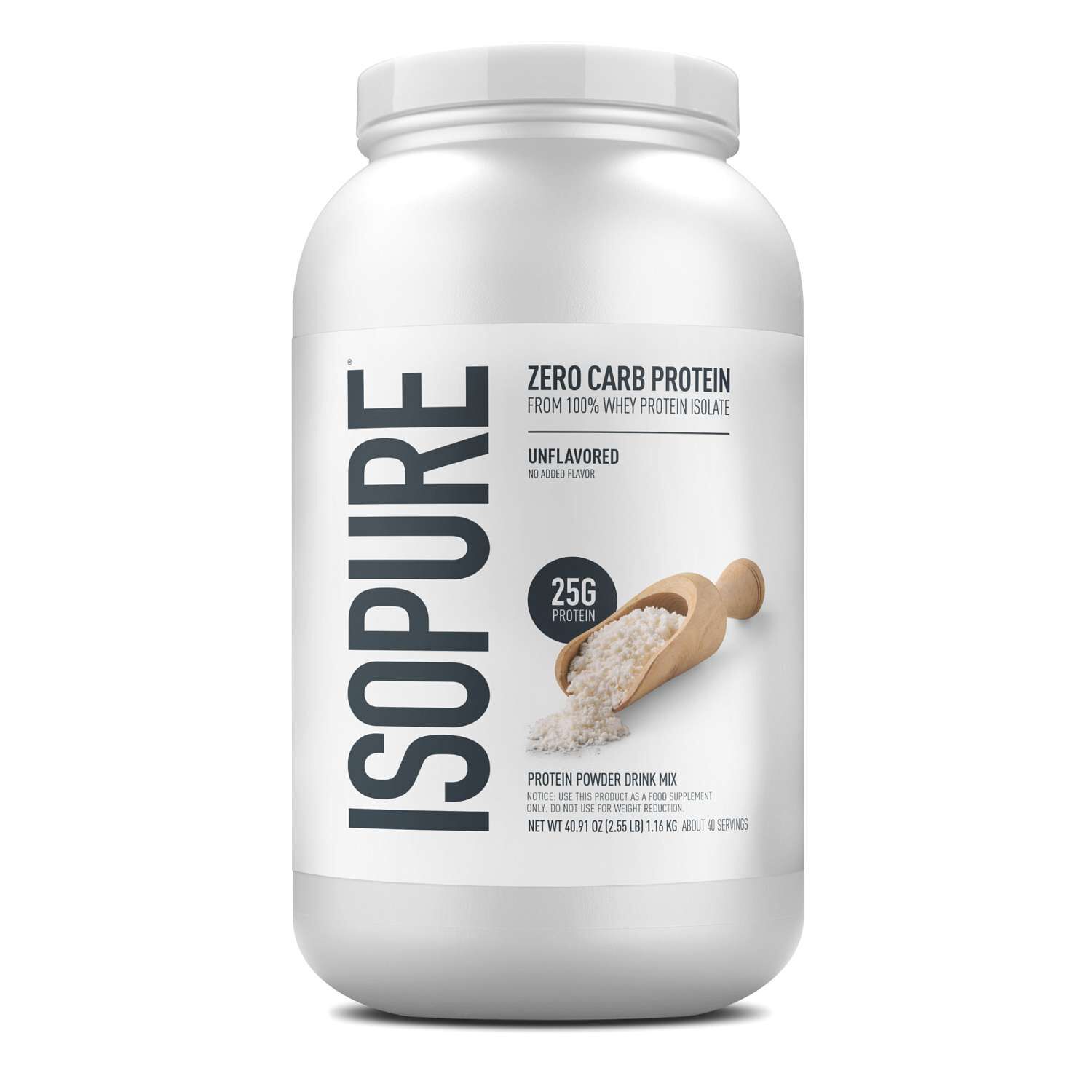
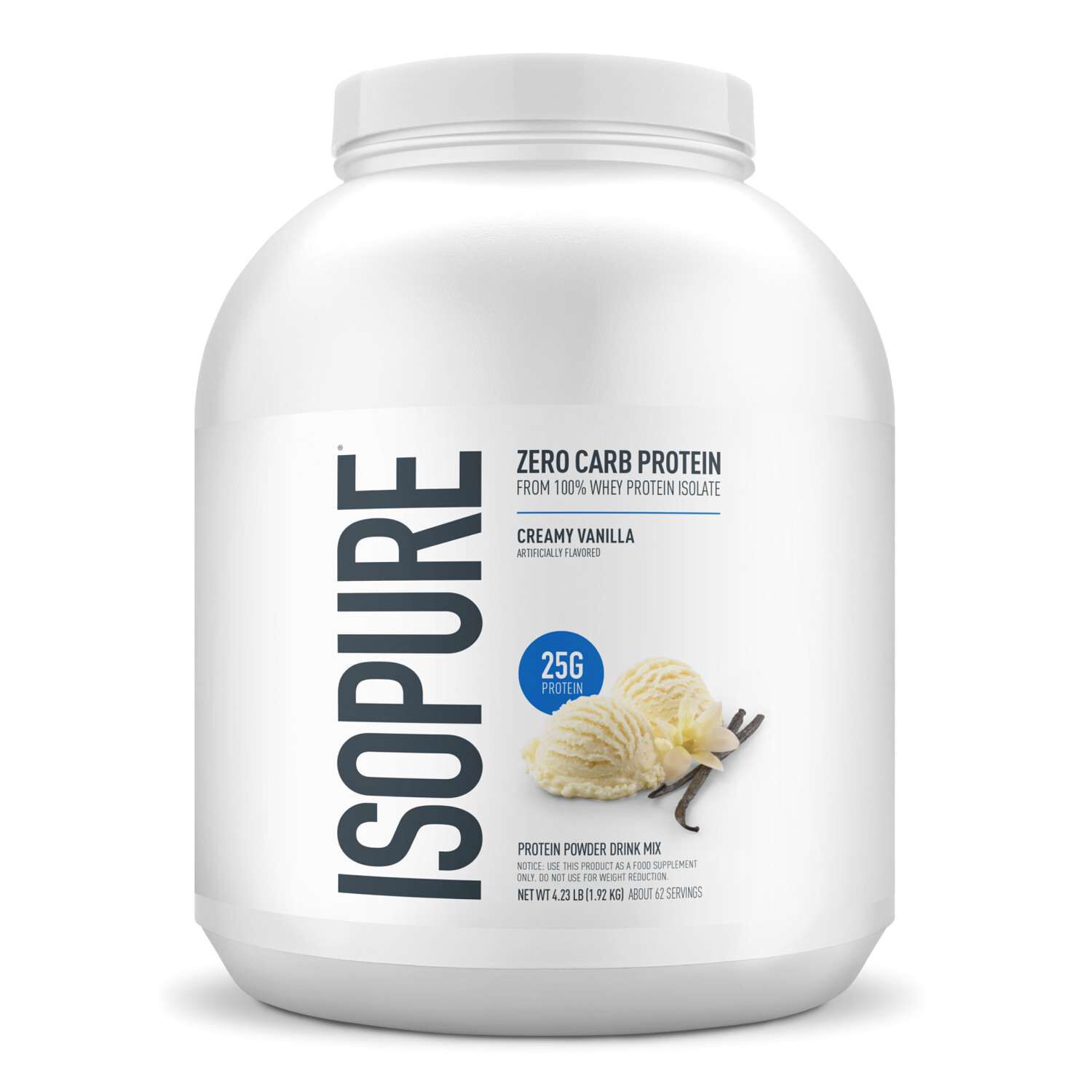

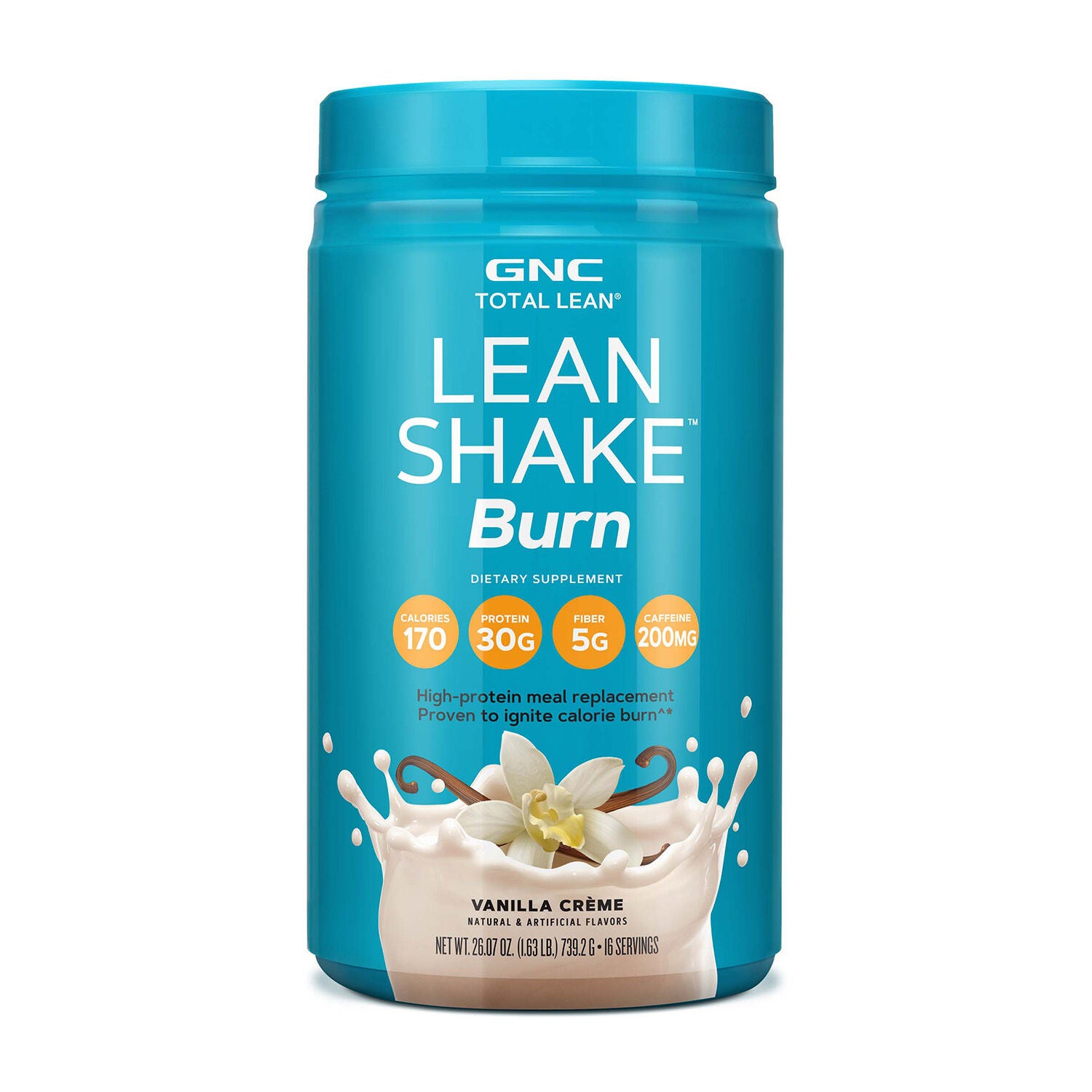


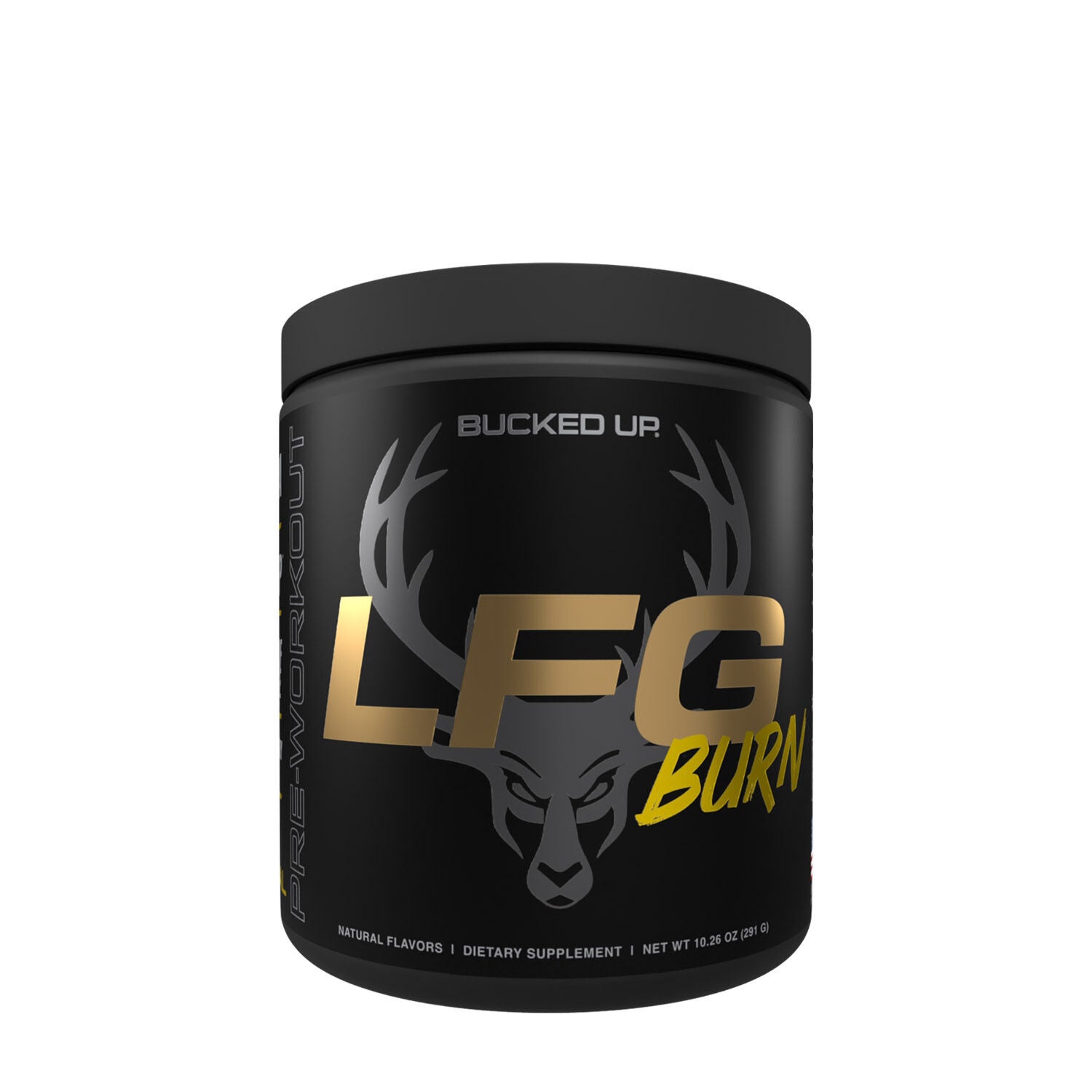
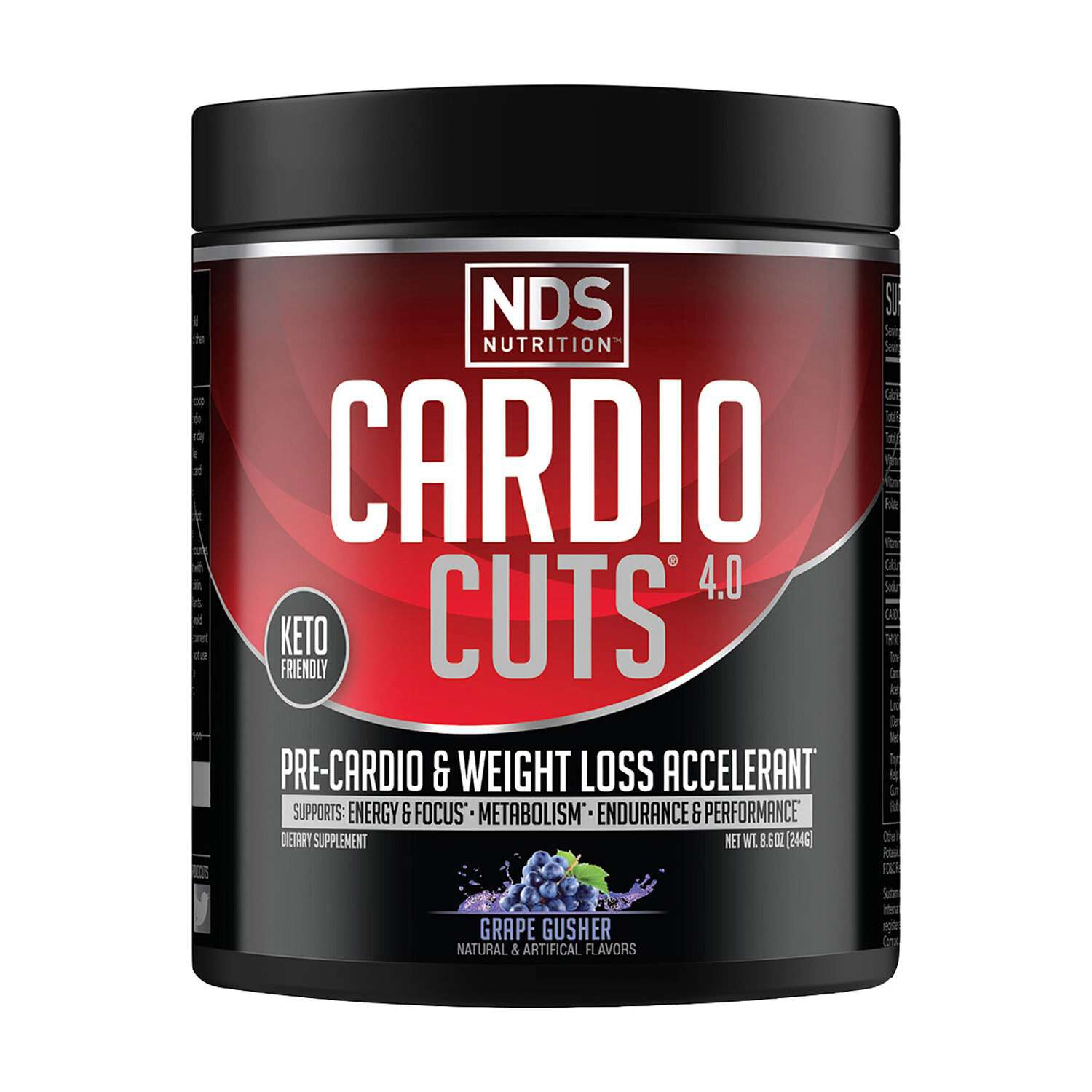
Keto-friendly thermogenic powders are powdered dietary supplements intended for people who prefer a low-carbohydrate eating pattern and a mixable alternative to capsules. Formulas in this category may support energy or metabolic activity, but their ingredients, caffeine content, and nutrition profiles can differ substantially. The term thermogenic describes the intended focus of the formula; it does not establish a particular outcome. Likewise, keto-friendly describes compatibility with a carbohydrate-conscious routine rather than a uniform recipe or a set amount of carbohydrate in every serving. A useful starting point is the nutrition panel, where serving size, carbohydrates, sugars, and any listed sugar alcohols provide context beyond the wording on the front of the container. A powder with little sugar can still contain carbohydrates from other ingredients, and the amount used matters as much as the amount listed per serving. Some formulas feature caffeine, green tea extract, or other botanical ingredients, while others use different combinations. Medium-chain triglycerides, often called MCTs, may appear in certain keto-oriented mixes, although they are not a defining ingredient of every thermogenic powder. The ingredient list distinguishes a lean, lightly flavored drink mix from a richer formula containing added fats or other nutrients. Neither format should be assumed to have the same texture, nutrition, or intended use as the other. For someone who already tracks carbohydrates across meals, beverages, and supplements, those distinctions make this category easier to evaluate in the context of an existing routine. A powder mixed with water also has a different nutrition profile from the same serving blended into a beverage containing milk, fruit, or other additions. The most relevant comparison is therefore the prepared serving as it will actually be consumed, not simply the powder in isolation. Clear serving information and ingredient amounts offer a more meaningful basis for selection than dramatic language about results. They also help distinguish the role of a thermogenic drink mix from that of a protein shake or an everyday flavored beverage.
Flavor, texture, and preparation are practical parts of choosing a keto-friendly thermogenic powder, particularly for someone who expects to use the same container repeatedly. Citrus, berry, and tropical flavor profiles are common in powdered supplements, but sweetness and tartness can vary with the sweeteners, acids, and flavoring ingredients used. A bright fruit flavor may suit someone who prefers a lighter drink, while a milder profile may be more appealing to a person who finds strongly flavored beverages overwhelming. The recommended amount of water provides a reference for the intended taste and consistency. A small shaker tucked beside a gym towel creates a different preparation setting from a glass and spoon at a kitchen counter, so the label’s mixing directions deserve attention. Some powders disperse readily with stirring; others may need shaking, and mixes containing fats or certain plant ingredients may have a different mouthfeel from a simple flavored powder. Packaging matters here, too. A wide opening can make a scoop easier to reach, a secure lid helps keep the contents contained, and individually portioned packets offer a different carrying format from a tub. None of those details changes the formula, but they can shape how convenient it feels to measure and mix. Caffeine information is another important distinction, including whether the label identifies caffeine from coffee, tea, or other botanical sources. A familiar plant name does not necessarily mean a formula contains no caffeine. People who prefer supplements without added caffeine can look for explicit labeling rather than infer the formula’s contents from flavor names or packaging colors. For someone who already drinks coffee or uses another caffeinated supplement, the amount per serving provides relevant context when comparing options. Transparent ingredient disclosures, clearly stated directions, and any verified third-party testing information also add substance to a product comparison. Such details describe what is in the container and how it is presented, without making the formula’s effects predictable for every person.
The intended role of keto-friendly thermogenic powders is narrower than that of a meal, protein supplement, or general hydration beverage. They are supplemental drink mixes, and a low-carbohydrate label alone does not indicate meaningful protein content or a broad range of nutrients. Someone looking for a shake centered on protein can explore Keto Protein Powders, a related category with a different nutritional emphasis. That distinction matters when choosing between a light flavored mix for an established supplement routine and a shake selected primarily for its protein per serving. It also helps keep expectations grounded: a thermogenic powder may support energy, but its name does not establish changes in body composition or make it a substitute for food, movement, or rest. For adults who enjoy measuring a serving and mixing a drink, the powder format offers an alternative to swallowing capsules, with flavor and beverage volume as additional points of preference. Intended timing varies by formula, so a thermogenic powder should not automatically be treated as a pre-workout simply because it is sold in a scoopable format. Directions, serving limits, and label cautions remain specific to the formula. Care of the container is straightforward but worth considering for repeated use. A dry scoop, a securely closed lid, and storage consistent with package directions help limit exposure to moisture. Keeping the original packaging preserves access to ingredient information, preparation directions, and the date marking, details that can be lost when powder is transferred to an unmarked jar. Container size is best understood alongside serving count and serving weight, since a larger tub does not necessarily contain more servings than a smaller one. For a shared kitchen or a gym bag with limited room, the shape and closure may be as relevant as the package dimensions. Across the category, the clearest distinctions remain carbohydrate content, disclosed ingredients, caffeine amount, flavor, mixing requirements, and intended use. Those concrete features give shoppers a grounded way to compare keto-friendly thermogenic powders within their own preferences and routines.