Caffeine Boosts
(0 Results)
Unlock a new level of energy and focus by exploring a diverse range of caffeine boosts that may elevate your daily routine. Whether you're powering through a busy workday, enhancing your workout performance, or simply looking to shake off that afternoon slump, caffeine boosts could offer a convenient and effective way to recharge. Discover options that might fit seamlessly into your lifestyle, from quick-release tablets to delicious drink mixes. Embrace a world of possibilities where increased alertness and improved concentration are just a sip or tablet away.
-

-
-

-

-

-
-

-

-
 $27.99
-
 Portions Master$24.99
-
 $27.99
-
 $27.99
-
-
-
 Raw Nutrition$44.99
-

-
 Raw Nutrition$44.99
-
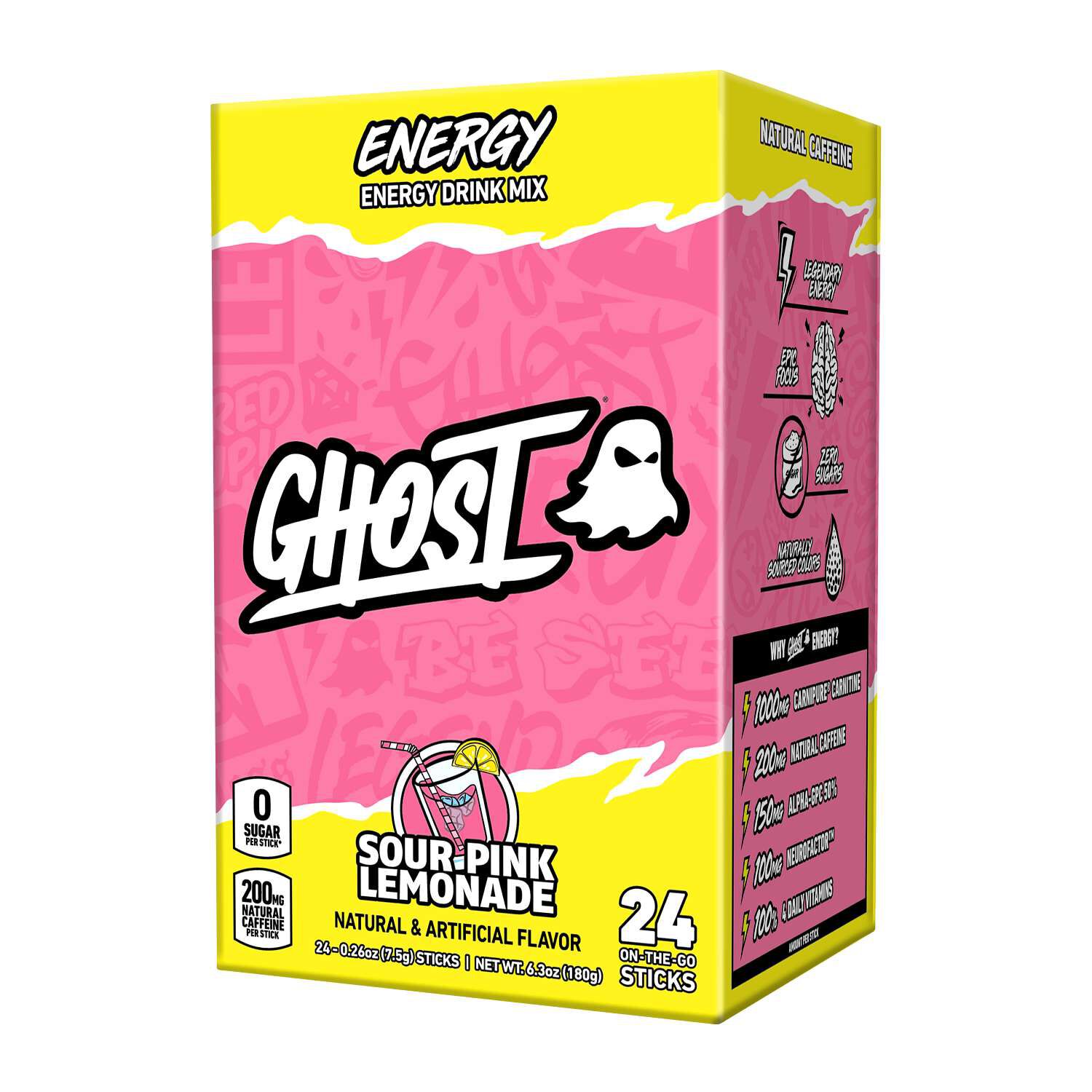

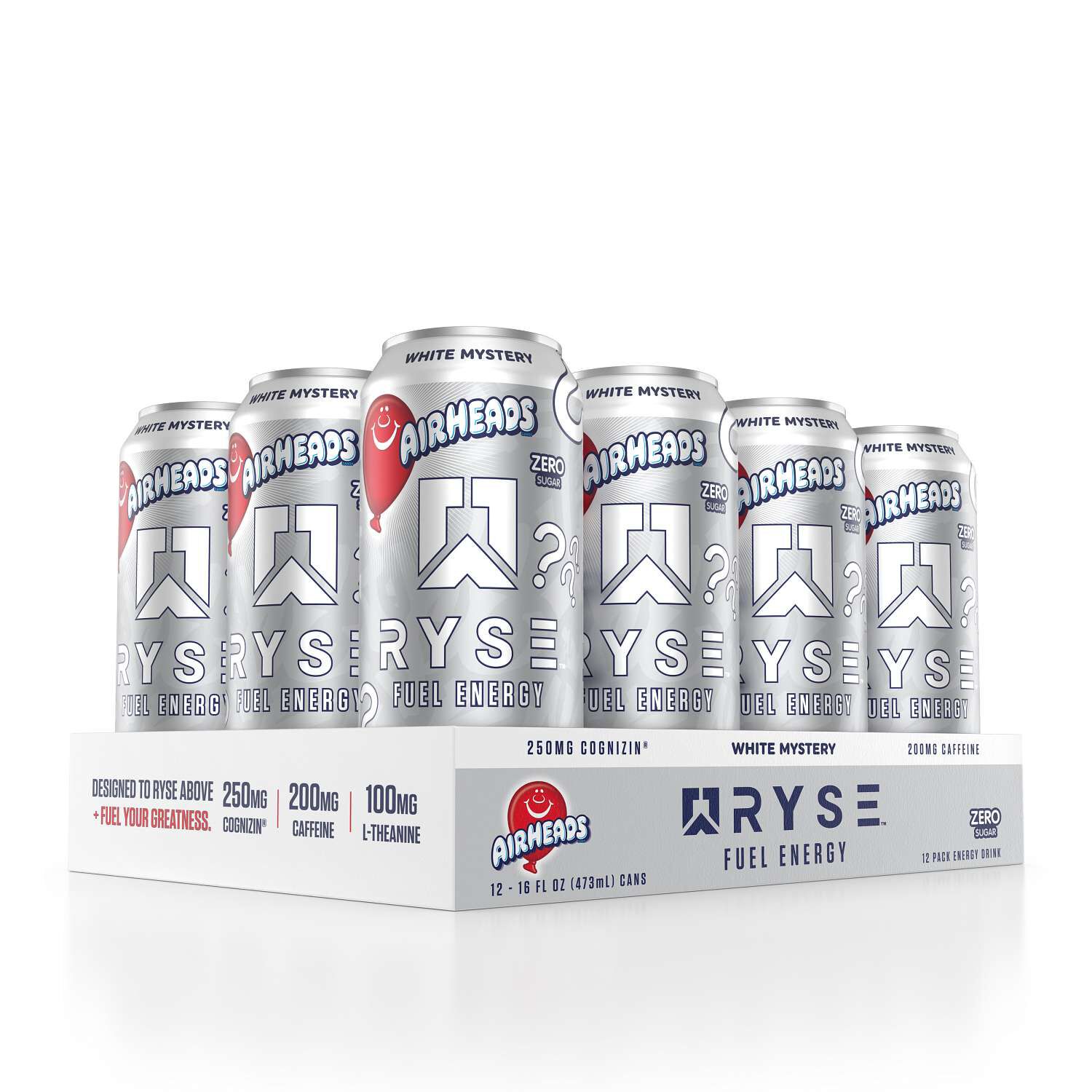
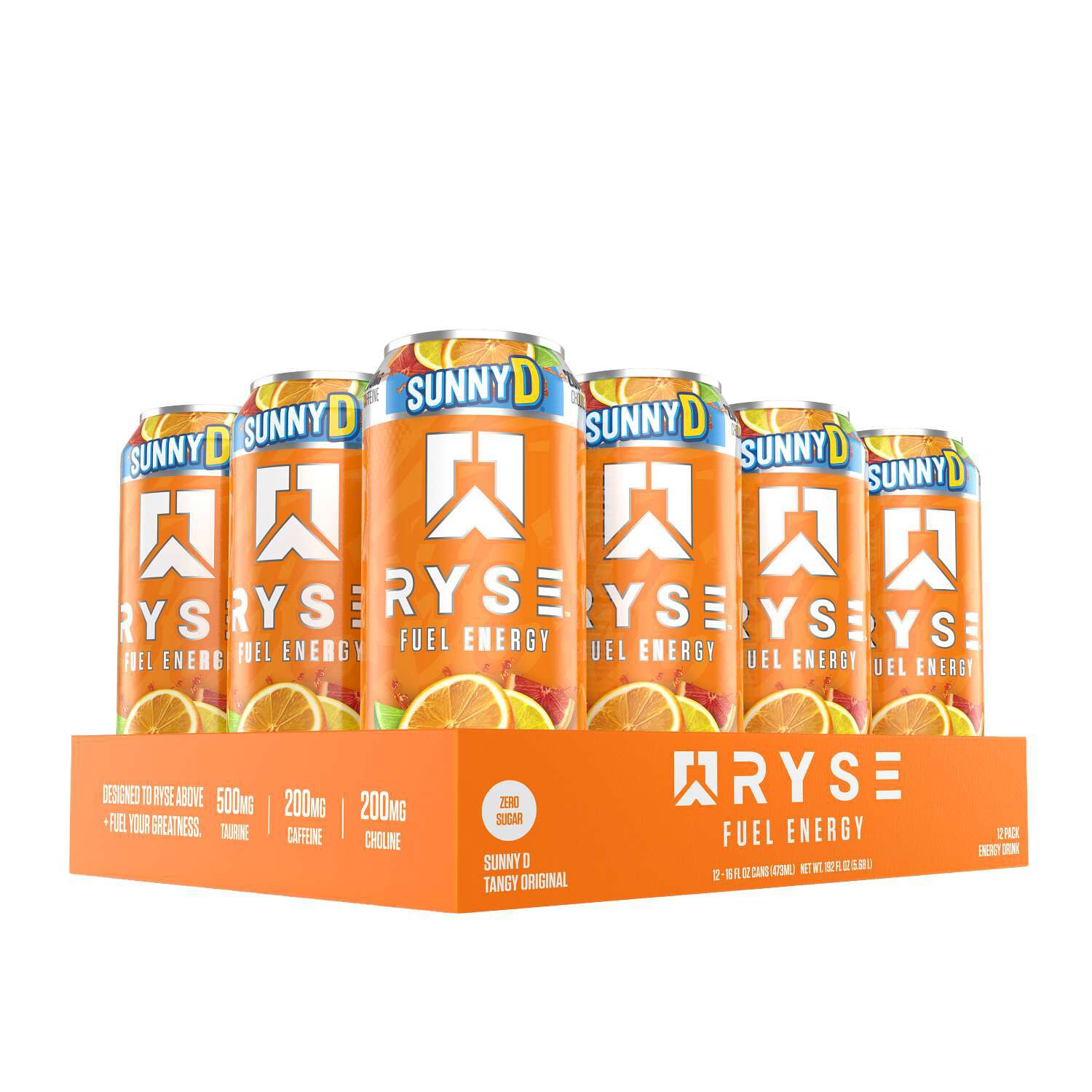
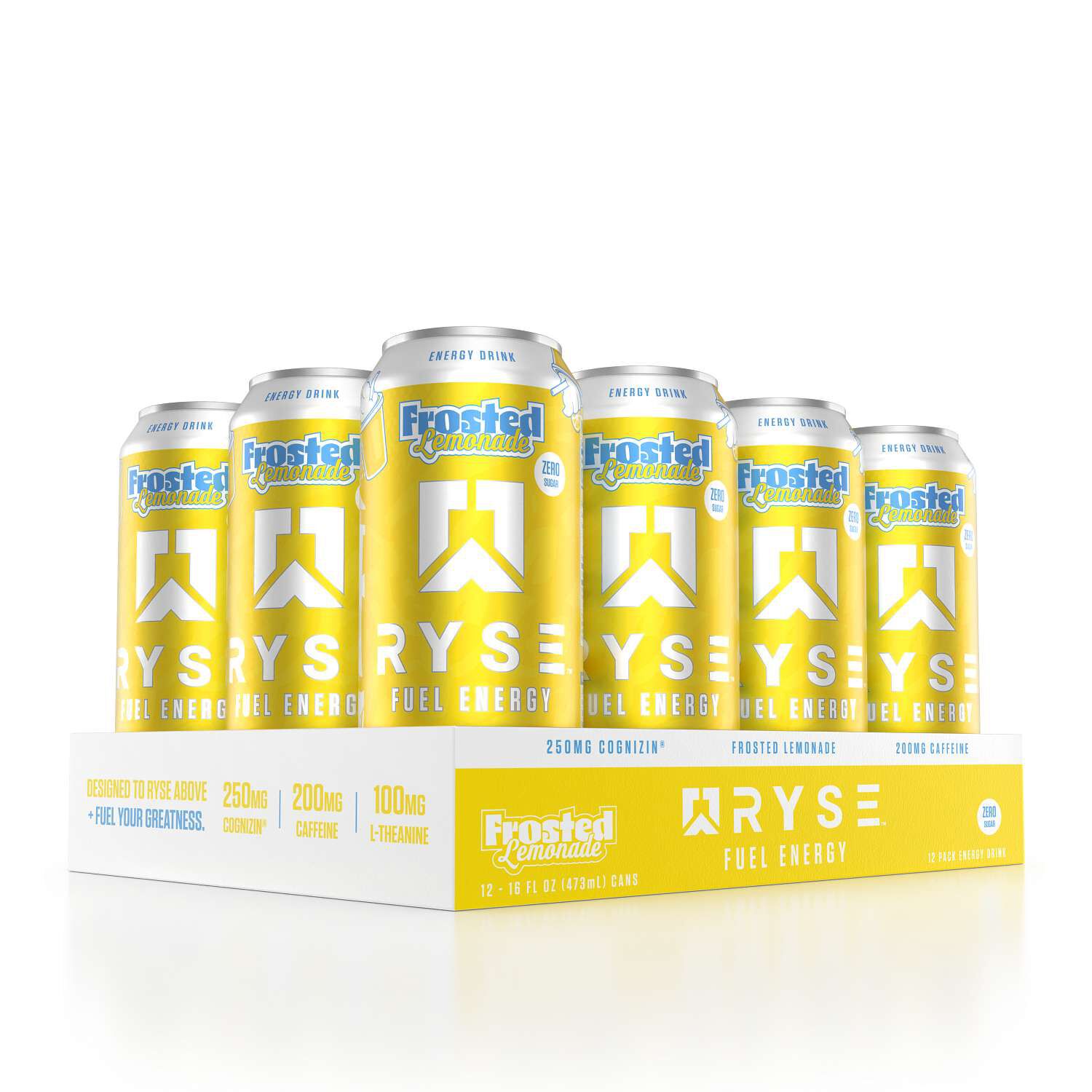
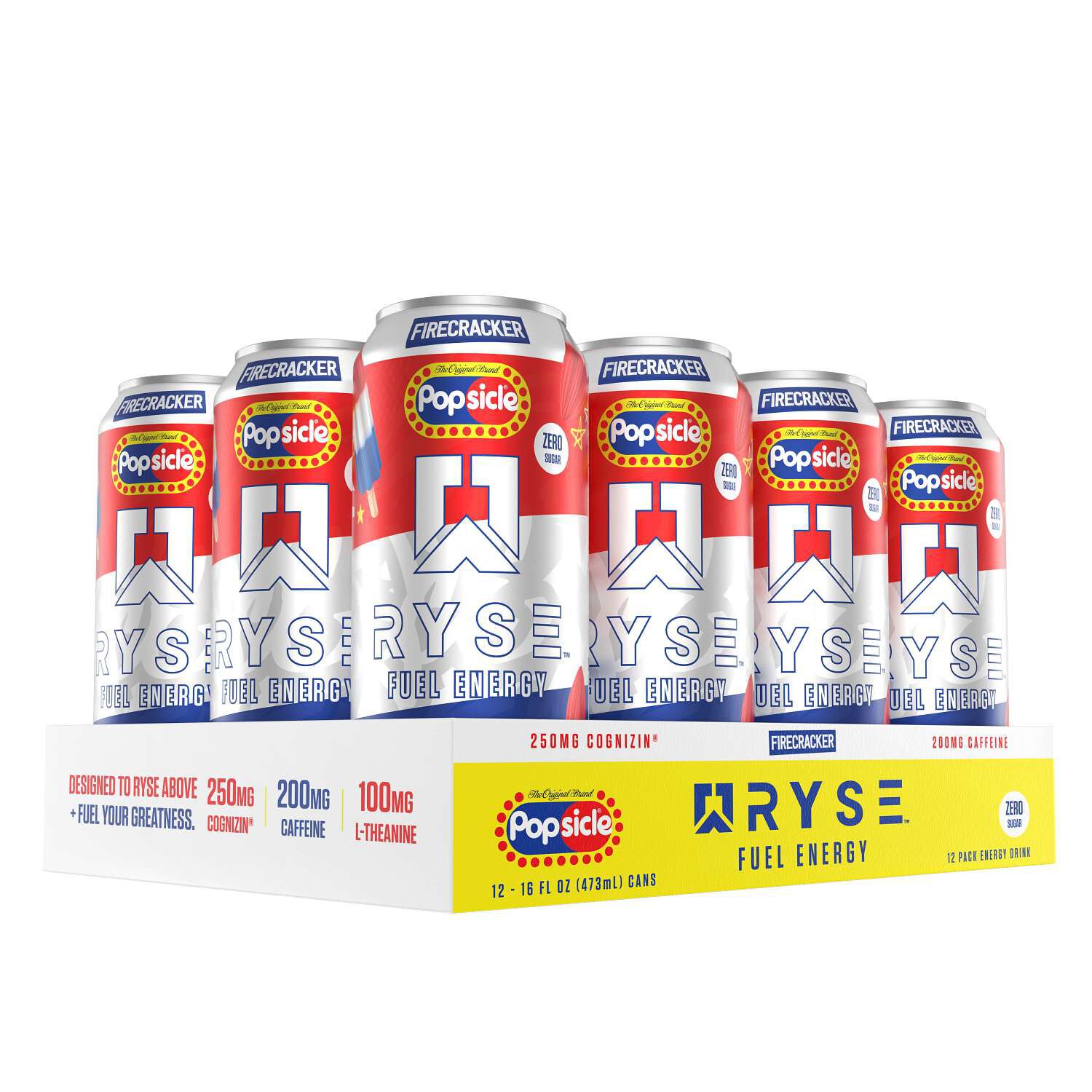
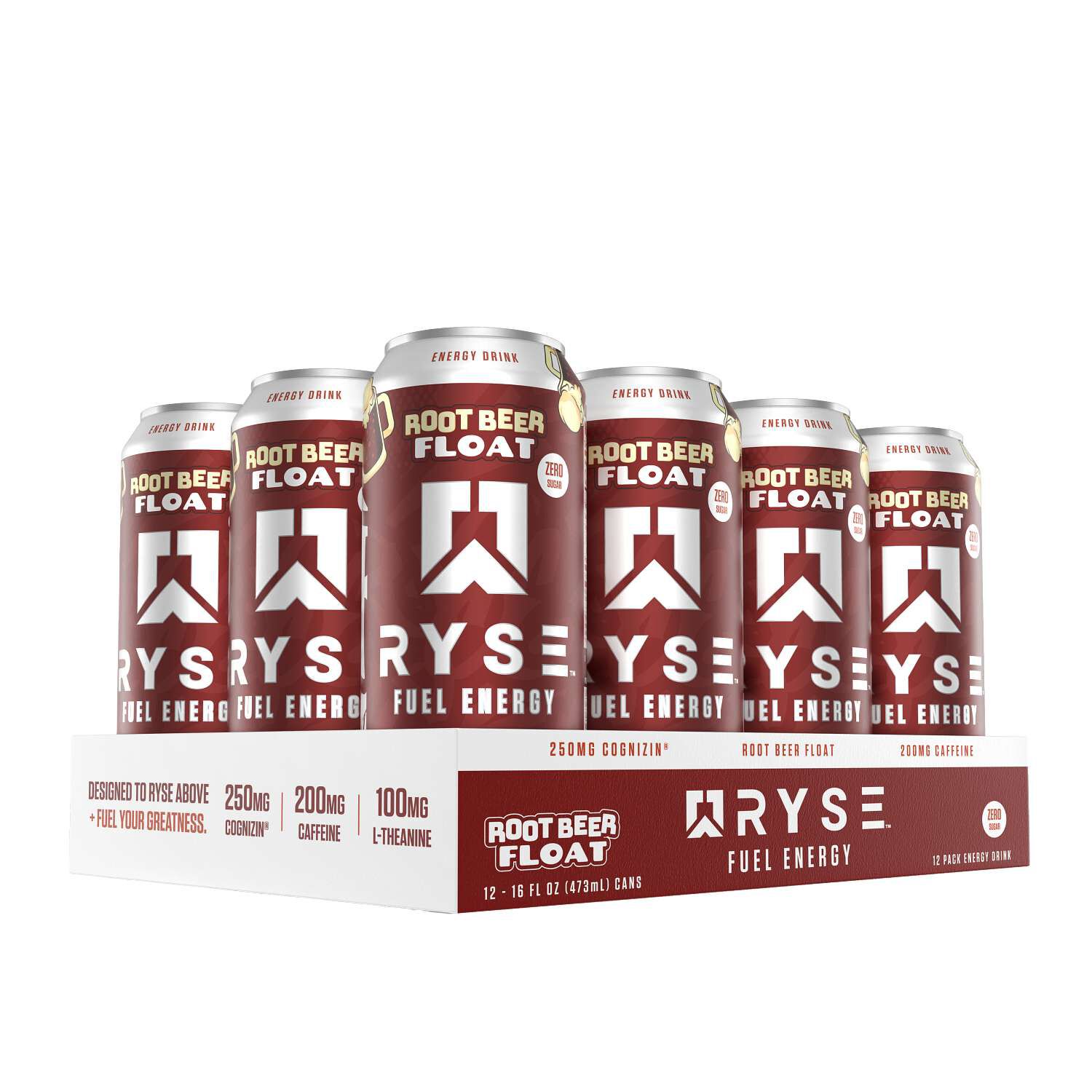
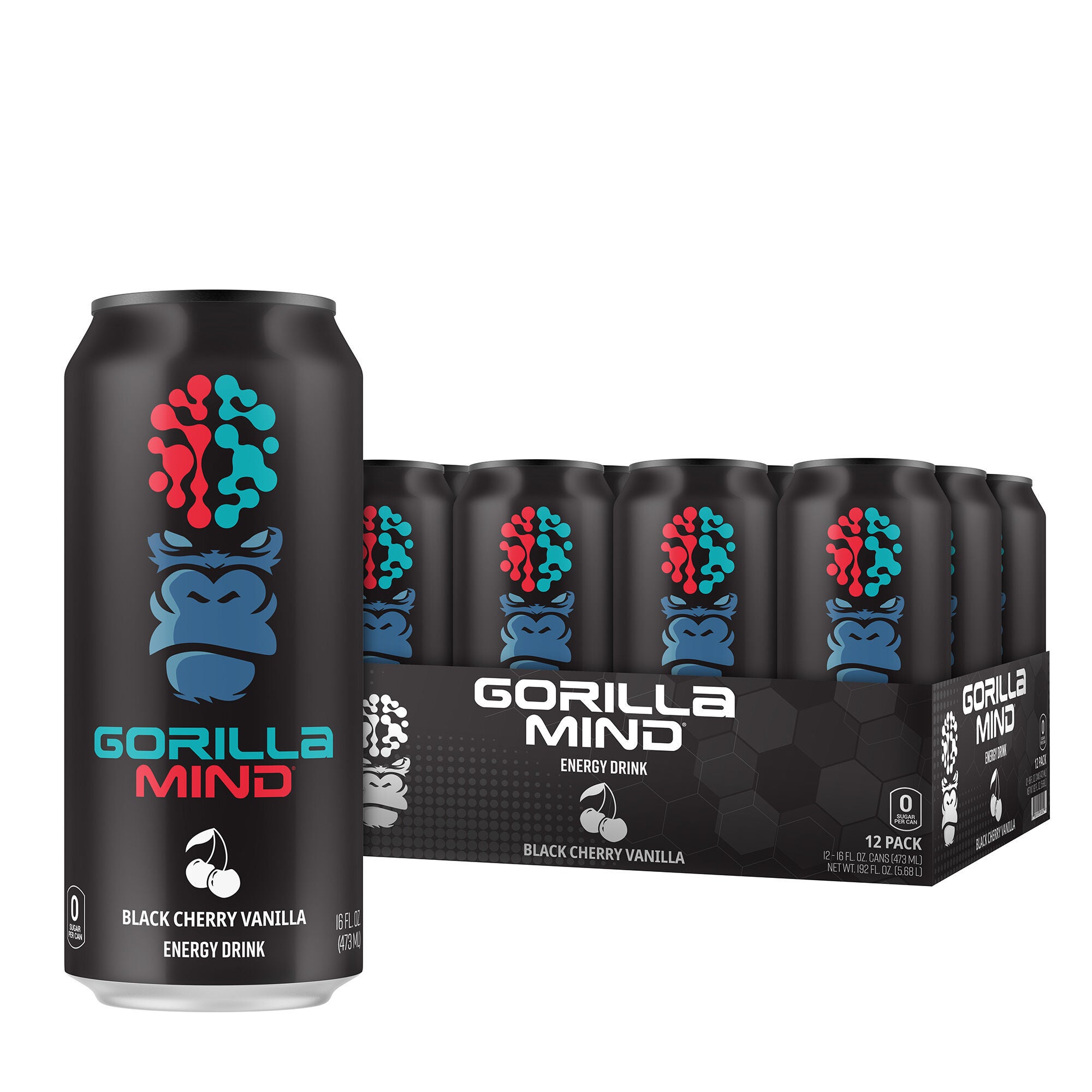
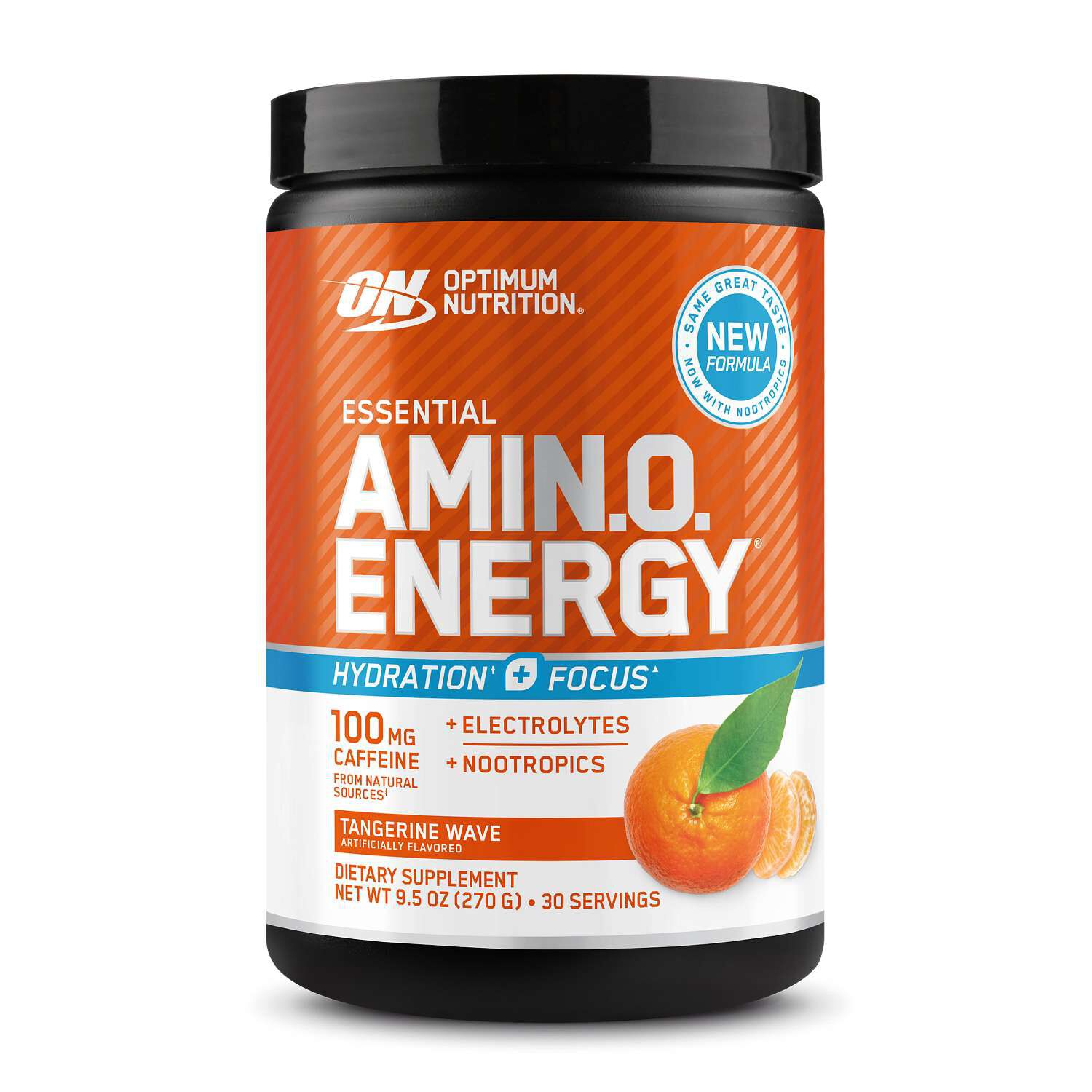
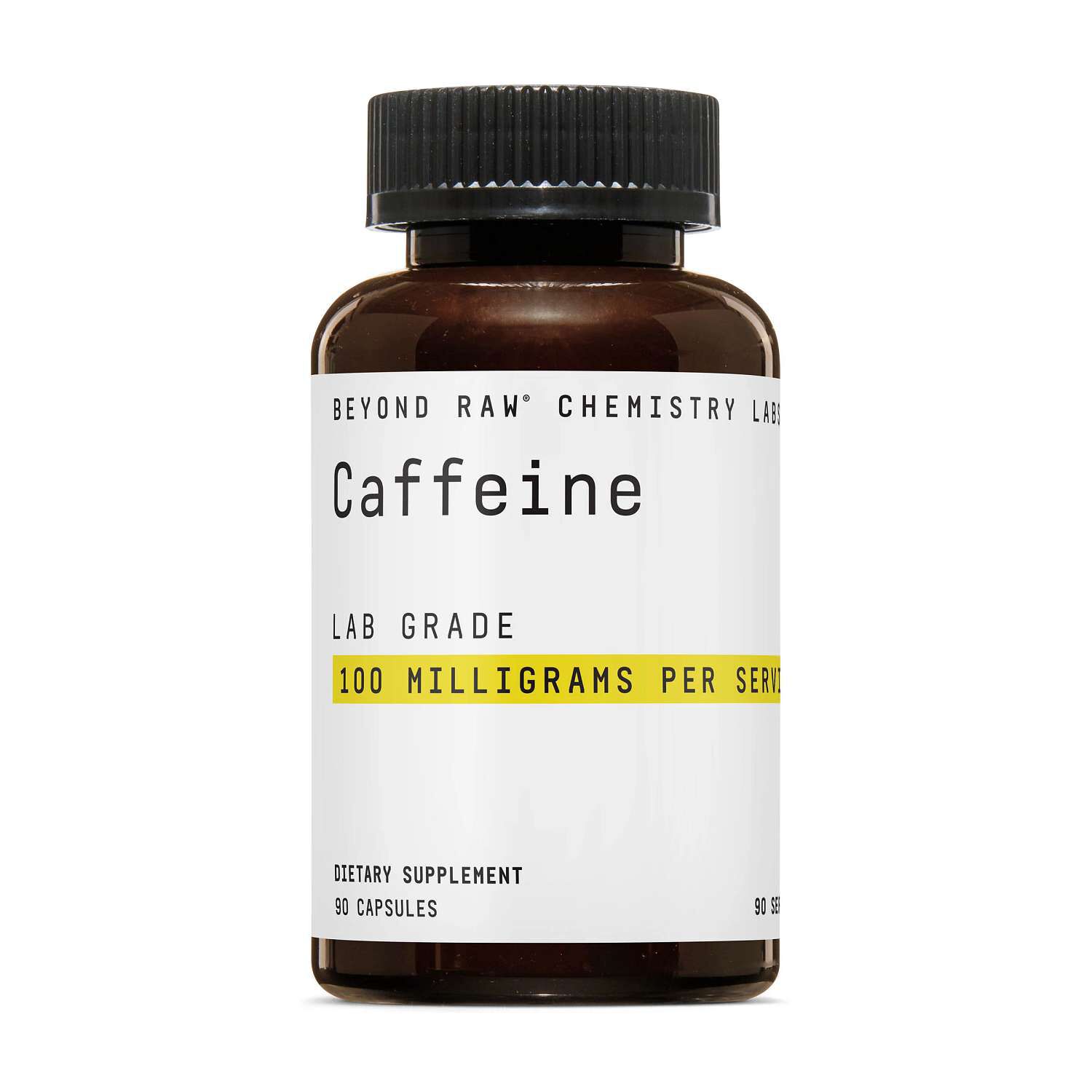
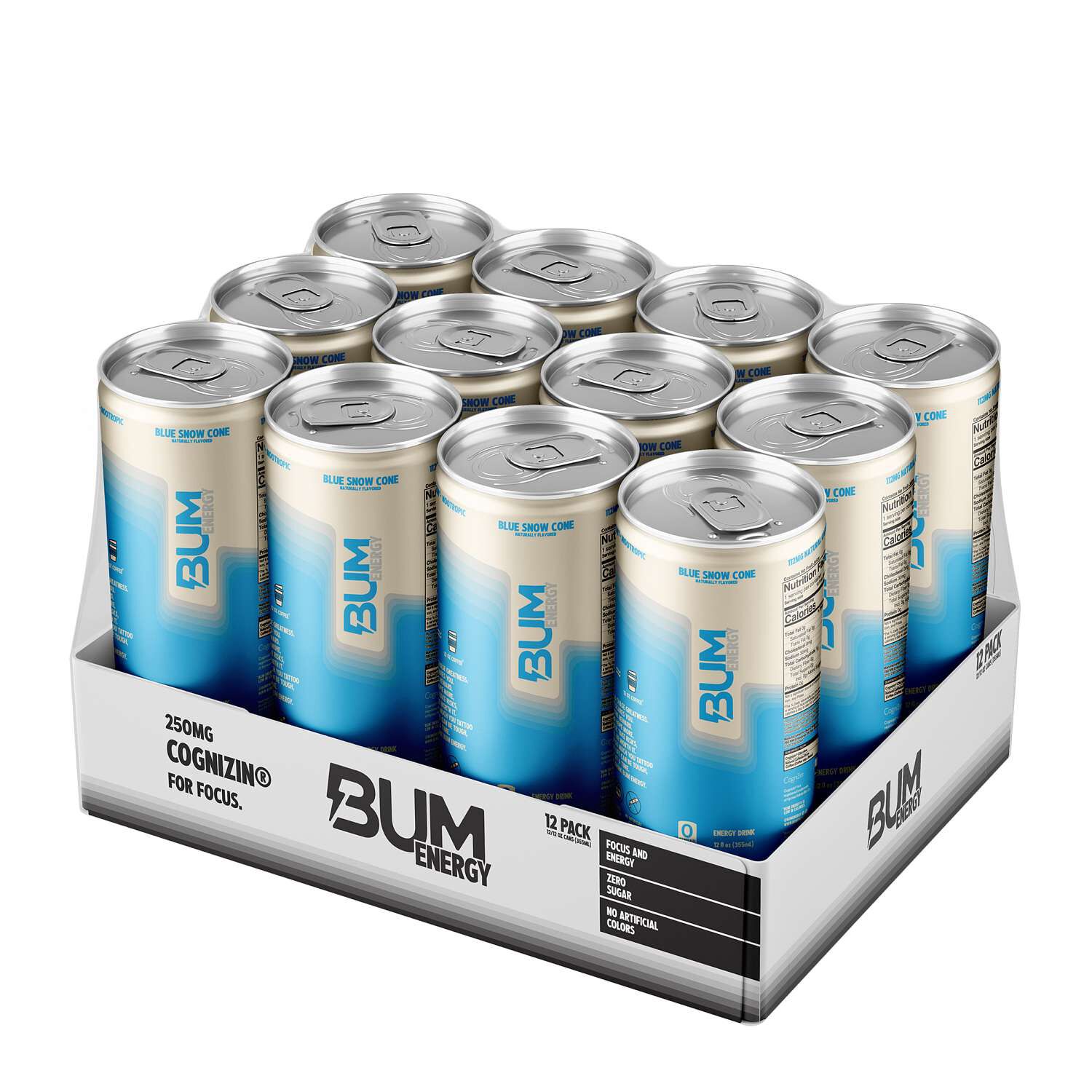
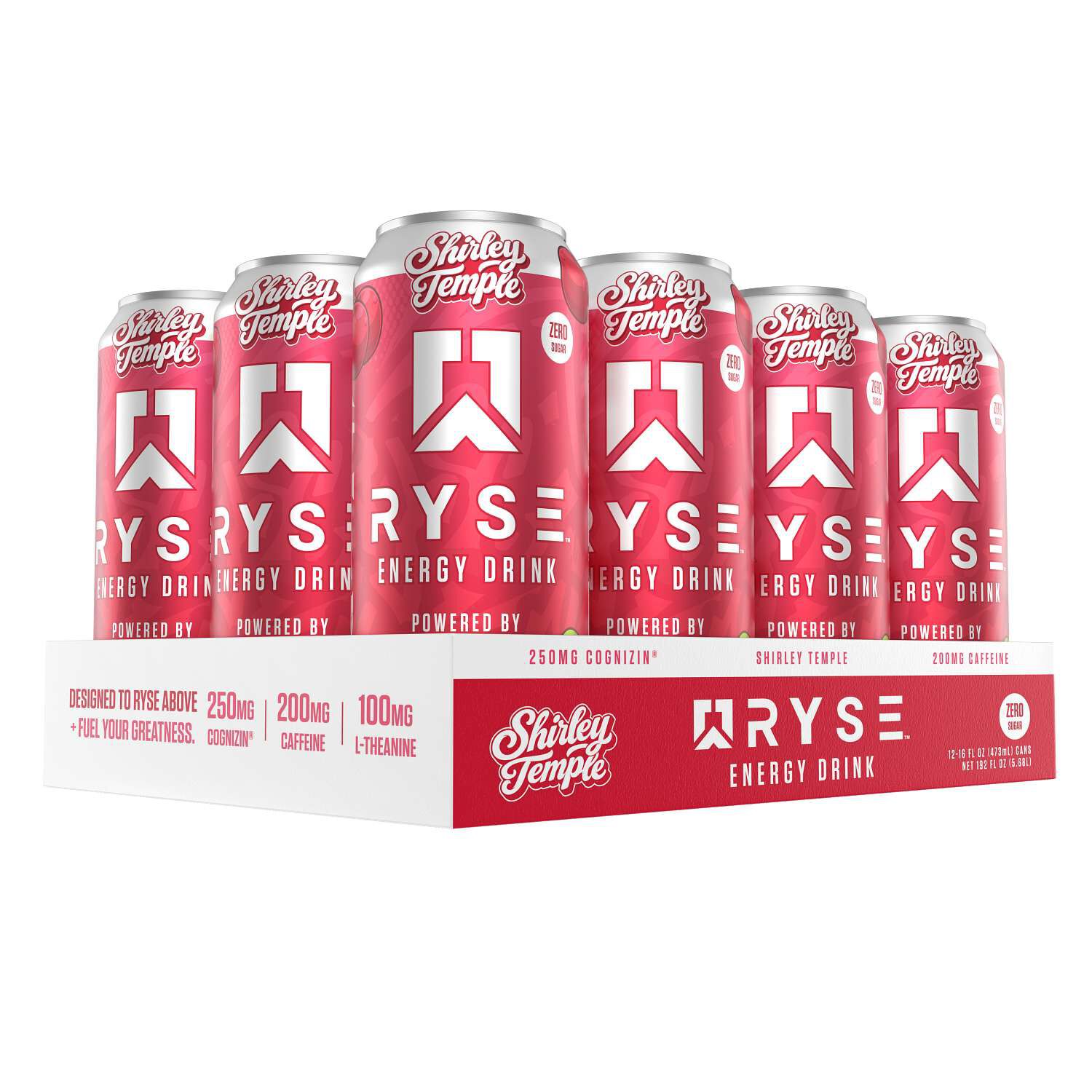
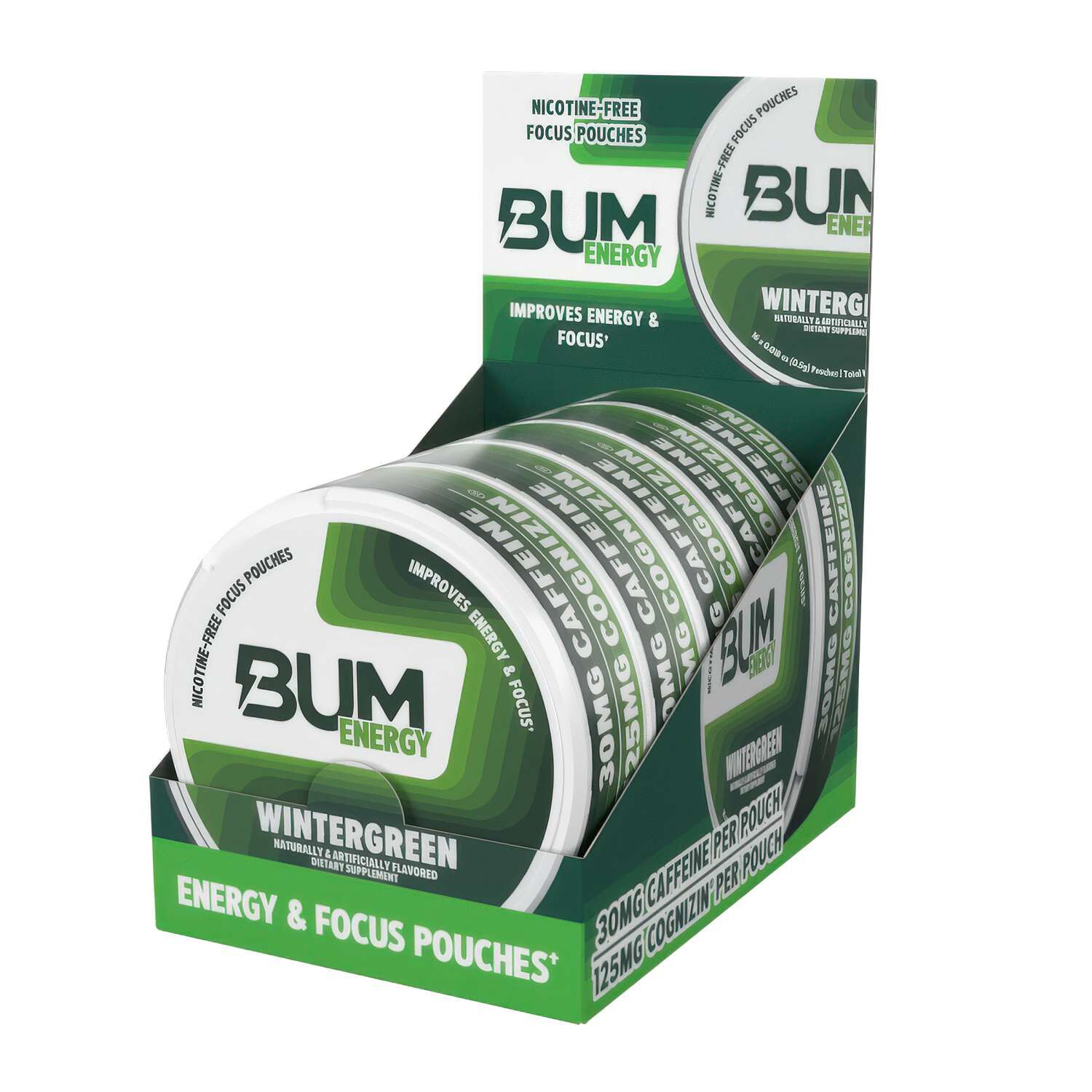
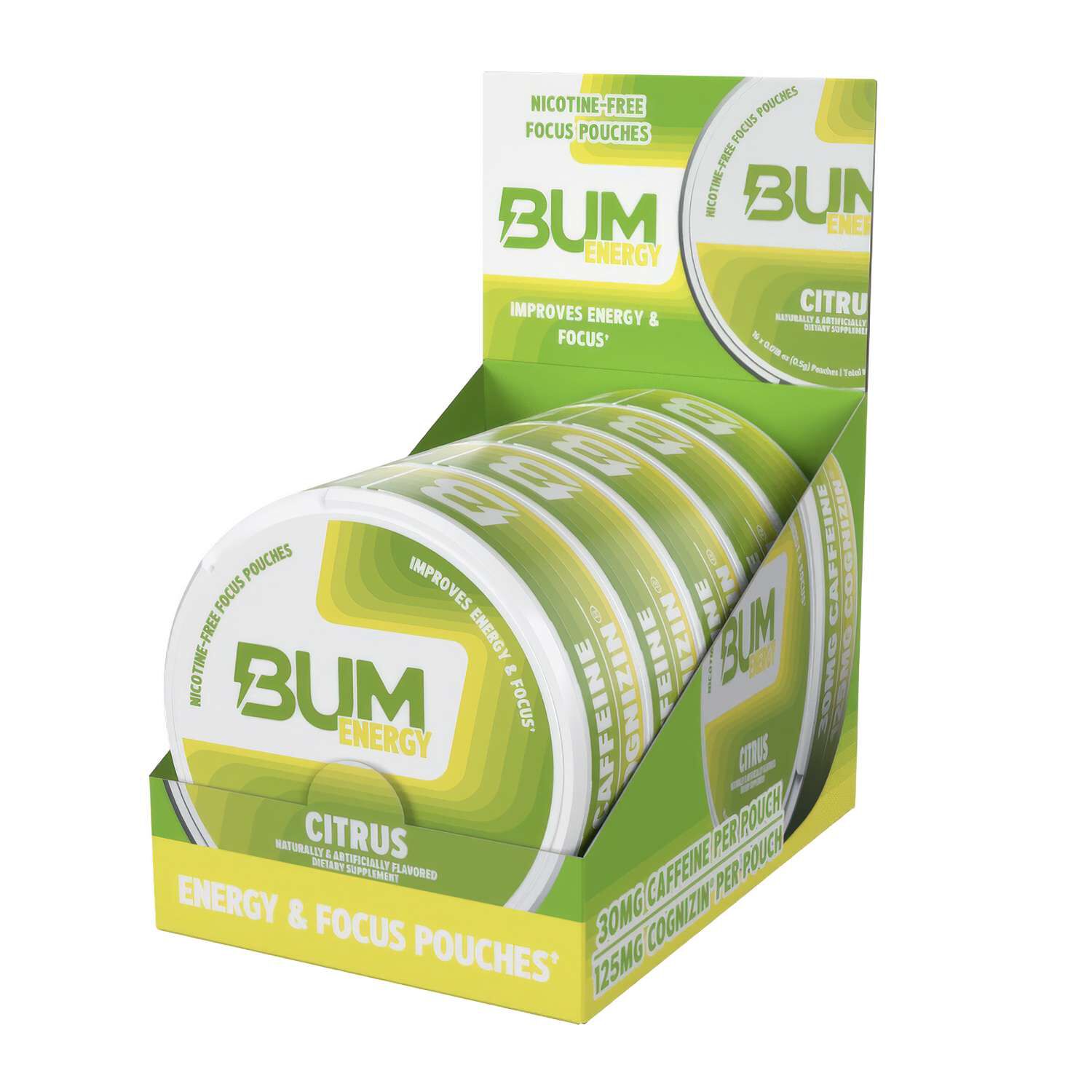
Caffeine is a stimulant found naturally in coffee beans, tea leaves, cacao, guarana, and yerba mate. In beverages and supplements, caffeine may support temporary alertness and focus, which is why some adults include it in a morning routine, a study session, or preparation for exercise. Caffeine products come in several formats, including capsules, tablets, powders, chews, and ready-to-drink beverages. Each format offers a different experience, from a capsule taken according to its label directions to a flavored powder mixed into water. For someone settling into a lengthy reading assignment, a beverage may suit the occasion; for someone packing a gym bag, a compact format may be more convenient. The amount of caffeine per serving is one of the clearest distinctions between products, but serving size deserves equal attention. A serving might consist of more than one capsule, a measured portion of powder, or a specified amount of a beverage. Package size and serving size are not interchangeable, and the number printed on the front of a container makes more sense alongside the full serving information. Caffeine may help an adult feel more awake for a limited period, but the experience can vary with personal sensitivity, timing, and other caffeine consumed throughout the day. A familiar coffee habit therefore matters when considering an additional caffeinated product. The intended setting also shapes the appeal of each format: a desk drawer, a kitchen counter, and a workout bag place different demands on packaging, preparation, and portability. Products designed for mixing require access to water and a suitable container, while ready-to-drink formats involve no measuring. Capsules and tablets do not involve beverage preparation, although the label still determines how they are intended to be used. These practical differences help distinguish caffeine products beyond flavor names or package design, keeping attention on the details that matter during an ordinary day.
Ingredient lists provide another way to compare caffeine products. Some formulas identify a botanical source, such as tea extract or guarana, while others list caffeine as a separate ingredient. Caffeine anhydrous refers to caffeine in a dry form; the name describes the ingredient rather than a distinct flavor or serving format. Botanical ingredients can contribute caffeine alongside separately added caffeine, making the stated amount per serving more informative than the source name alone. A plant-based origin does not, by itself, indicate a smaller serving amount or establish how a product might feel to a particular person. For shoppers interested in botanical ingredients, naturally sourced energy options offer a related category to explore while comparing ingredient sources and labeled serving information. Other formula details may include carbohydrates, amino acids, vitamins, minerals, sweeteners, colors, or flavor ingredients, depending on the product type. Those additions distinguish formulas, but their presence does not change the importance of reading the caffeine amount and directions. Flavor alone does not identify where caffeine comes from or how much a serving contains. A fruit-flavored drink, for example, can have a very different ingredient profile from a tea-based beverage with a similar taste. For drink mixes, sweetness, tartness, texture, and the recommended amount of water all contribute to the drinking experience. Some shoppers prefer a lightly flavored drink alongside breakfast; others enjoy a more pronounced citrus or berry profile before a workout. The mixing directions help put those preferences into context, since a powder formulated for a larger bottle may taste different in a small glass. Unflavored formats may appeal to adults who would rather avoid a flavored beverage altogether. Dietary preferences also deserve attention at the ingredient level, including capsule-shell materials, sweetener choices, and declared allergens. Product-specific labeling offers a more useful basis for those comparisons than assumptions about an entire format. Two capsules can look similar while differing in shell composition, serving directions, and additional ingredients, just as two canned beverages can differ substantially despite sharing a flavor description.
Packaging and storage matter because caffeine products often travel between home, work, and exercise spaces. Rigid containers, resealable pouches, individual packets, bottles, and cans each have practical advantages, and their suitability depends on how the product fits into a routine. An individual powder packet occupies little room in a bag, while a larger canister generally requires a measuring utensil and a consistent preparation space. A bottle may fit a cup holder more easily than a wide container, but its closure and dimensions determine how comfortably it travels. For powders, a closure that stays securely shut helps keep the contents contained between uses. Capsule and tablet containers benefit from careful handling, with the original label retained so serving directions, ingredient information, and caution statements remain accessible. Packaging durability is especially relevant when a product shares a bag with a laptop, shoes, or a shaker bottle. Intact seals, legible labels, and containers without visible damage are useful condition details, while storage directions on the package establish the intended care for that particular formula. Reusable mixing bottles have their own cleaning instructions, and their capacity should accommodate the amount of water specified for the powder. Timing is another practical consideration rather than simply a matter of convenience. An early workout, a midday work session, and an evening commitment occupy different places in a daily schedule, so labeled timing information deserves attention alongside serving size. Caffeinated products are not substitutes for sleep, meals, or everyday hydration, and more caffeine does not necessarily mean a better fit for a task. A well-matched choice reflects the intended use, the preparation involved, and the caffeine already present in familiar drinks or other supplements. Comparing those details keeps the selection grounded in real habits: whether there is room for a bottle, whether mixing is practical, whether a flavor is appealing, and whether the labeled directions suit the occasion. Across formats, clear ingredient information and readable serving instructions provide a consistent foundation for considering caffeine products.
Best Sellers
-
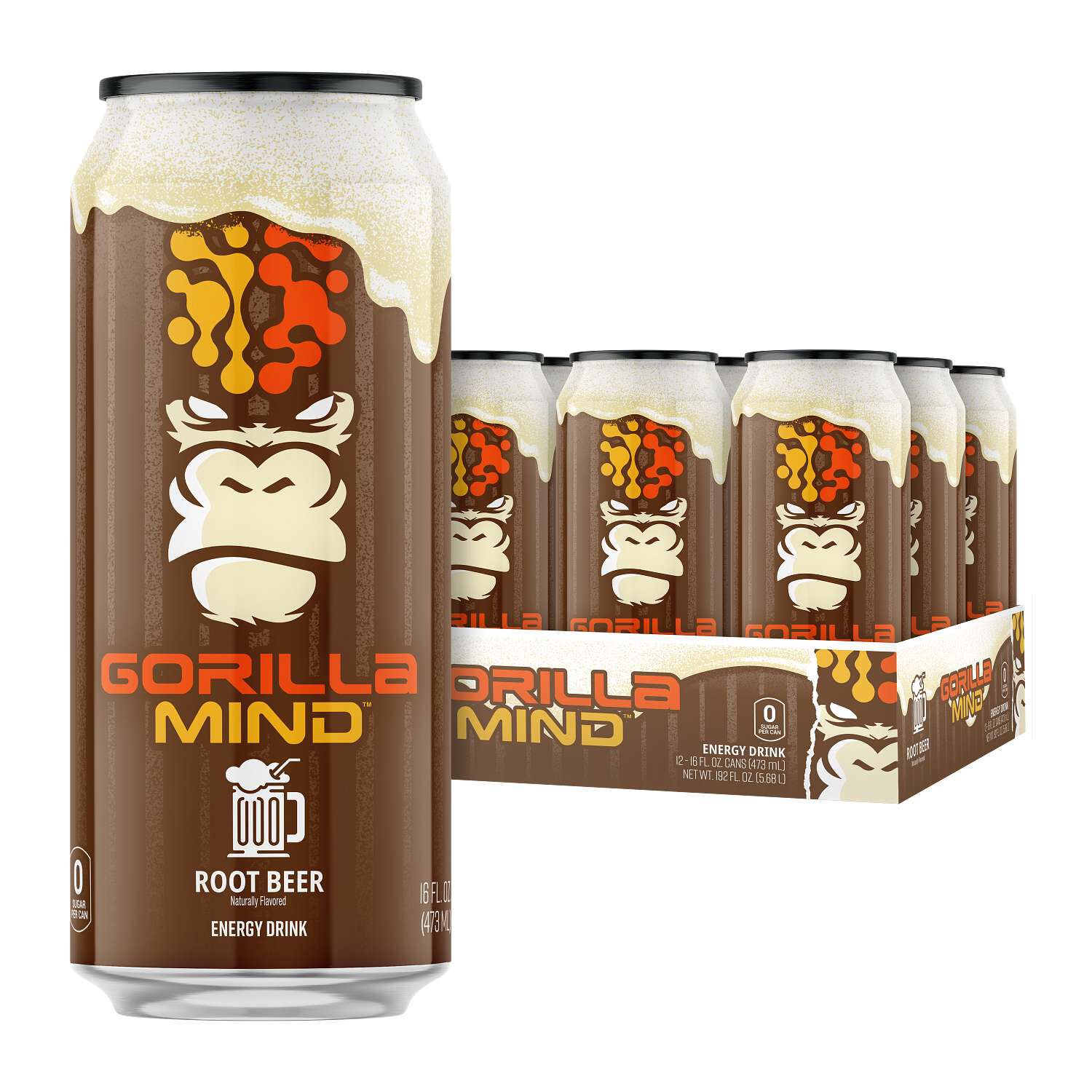 Gorilla Mind
-
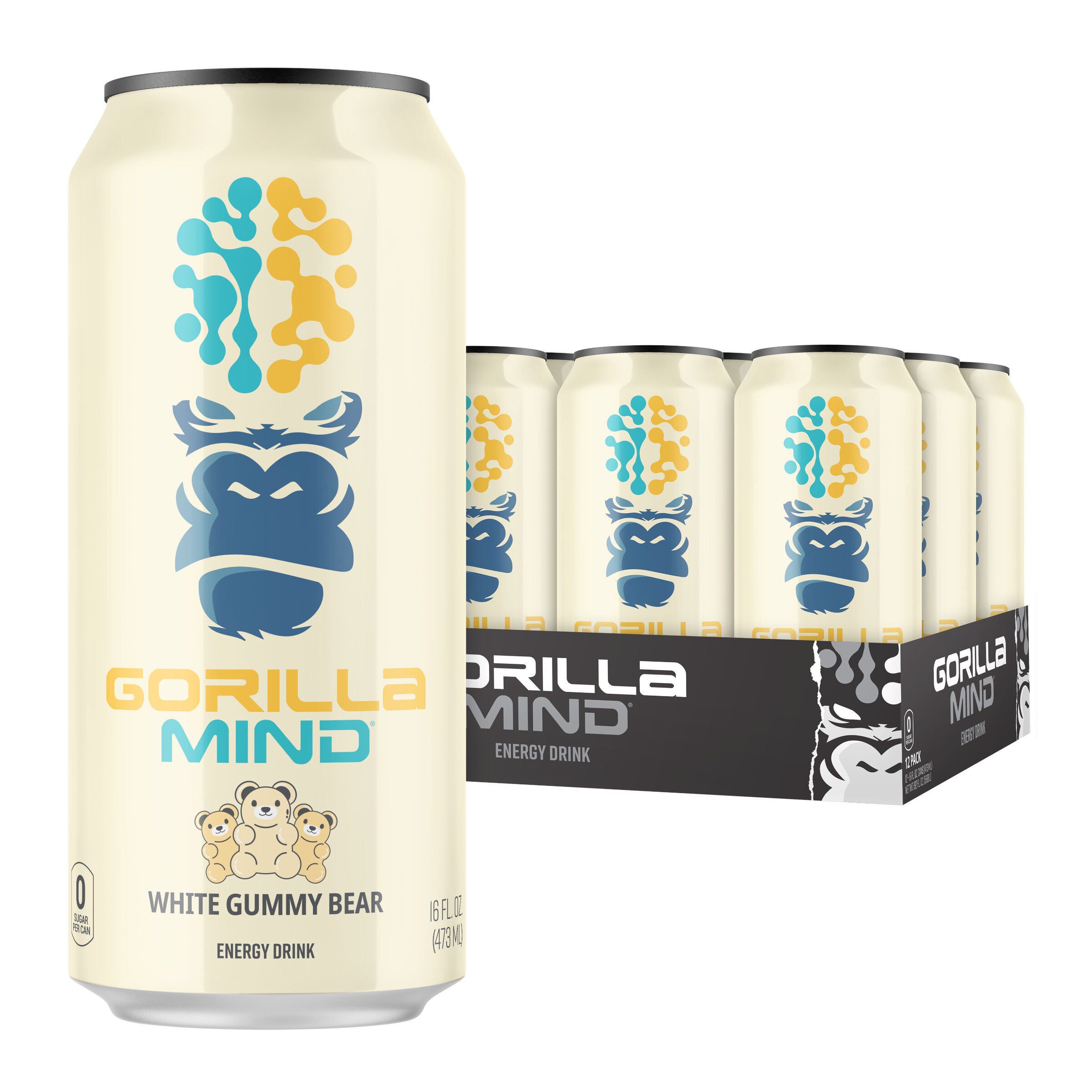 Gorilla Mind
-
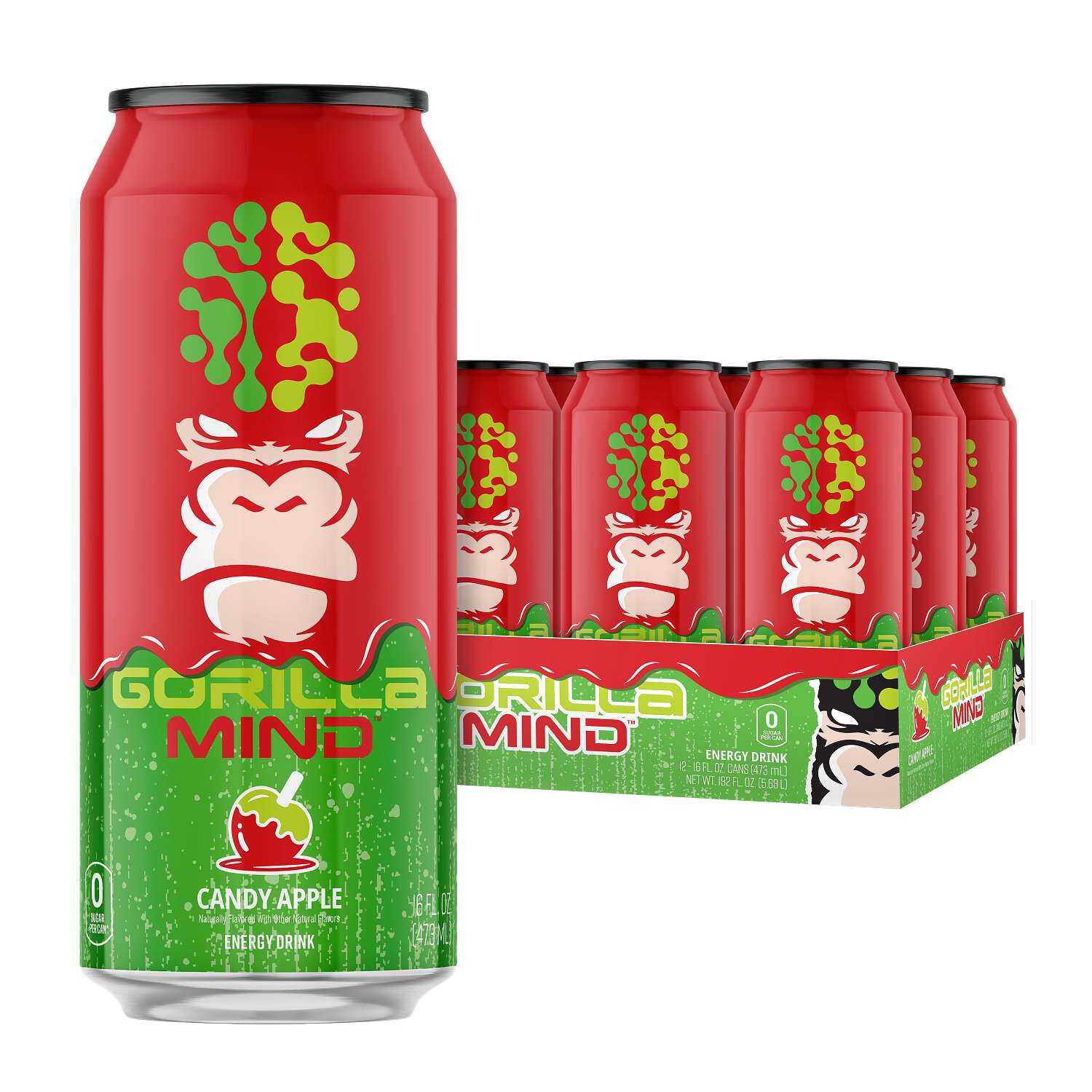 Gorilla Mind