Caffeine Free Electrolyte Drinks
(0 Results)
Looking for a refreshing way to hydrate without caffeine? Our selection of caffeine-free electrolyte drinks is here to keep you energized and replenished without any jitters. Whether you're hitting a tough workout, recovering from a long day, or just need a boost of hydration, these drinks are packed with essential electrolytes to support your active lifestyle. Discover a range of flavors and formulas designed to quench your thirst and keep you at your best throughout your day.
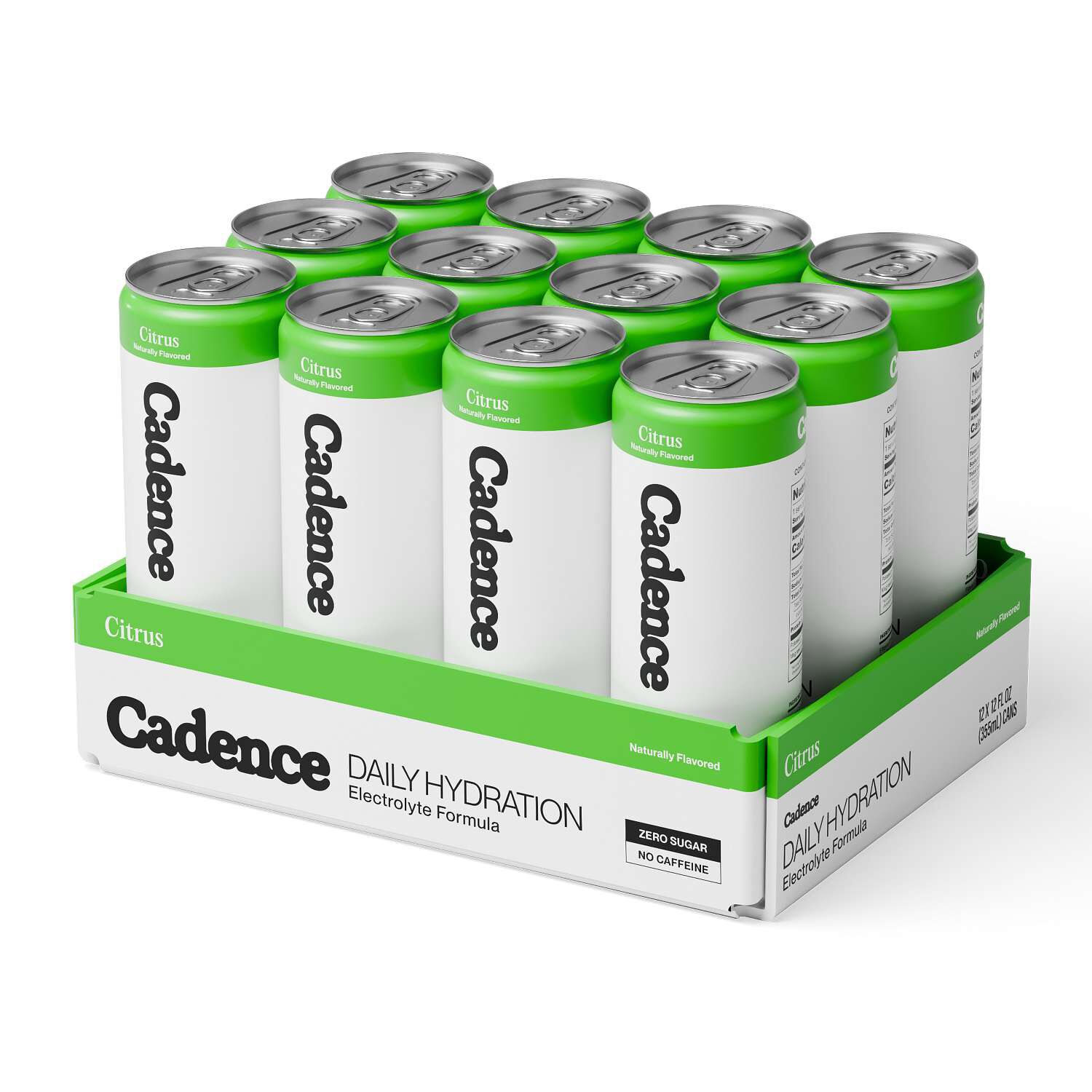


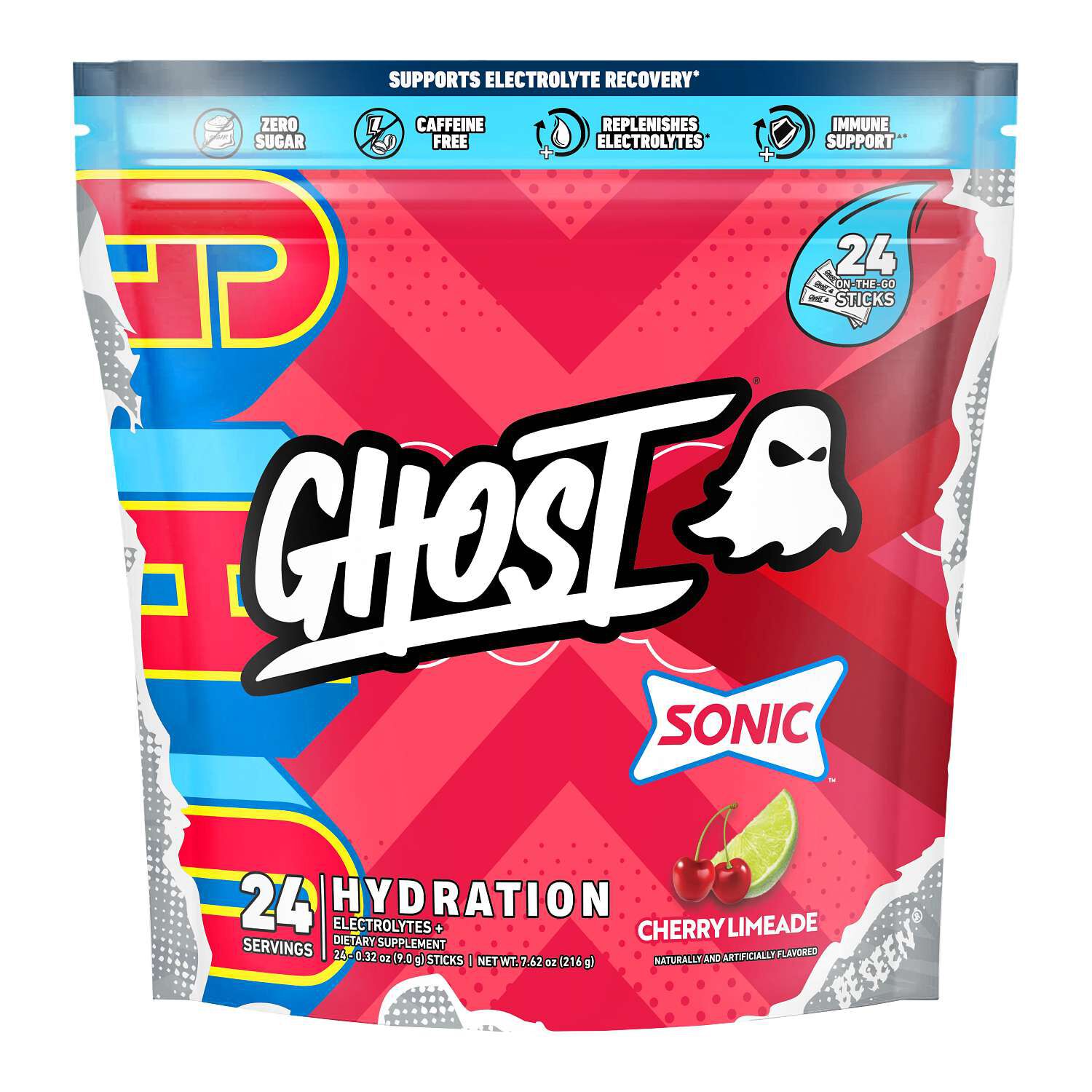

Electrolyte drinks without caffeine offer a way to include minerals in a beverage without making caffeine part of the routine. Electrolytes are minerals that carry an electrical charge when dissolved in water, and drink formulas commonly include sodium and potassium, sometimes alongside magnesium or calcium. Sweat contains both water and electrolytes, which explains why these beverages often appear alongside workout gear, sports nutrition, and everyday hydration supplies. A drink containing electrolytes may complement a hydration routine, but its mineral content, serving size, and other ingredients matter more than the name on the front of the package. This category includes several familiar formats: powders measured into a bottle, individual drink-mix packets, dissolving tablets, and ready-to-drink beverages. Each suits a different kind of routine. A packet slips into a gym bag without taking up much room, a larger powder container works well for repeated preparation at home, and a bottled beverage removes the measuring and mixing steps. For shoppers who prefer to leave caffeine out of an afternoon workout or an evening practice, the distinction between electrolyte drinks and caffeinated sports supplements is especially relevant. The two categories can overlap in appearance, but they are not interchangeable. Caffeine can appear as a named ingredient or come from ingredients such as guarana, coffee, or tea extracts. A description focused on hydration does not, by itself, establish that a drink contains no caffeine. The ingredient list and any stated caffeine amount provide a clearer picture than flavor names, package colors, or sports-oriented branding. It is also worth distinguishing a formula described as having no added caffeine from one explicitly described as containing no caffeine, since those statements can convey different information. Plain water remains a straightforward beverage choice, while electrolyte drinks add another option for shoppers who want minerals, flavor, or a format that fits a particular activity. The most useful comparison starts with what is actually in a serving and how that serving is prepared.
Mineral amounts can vary considerably between electrolyte beverages, so comparing sodium, potassium, magnesium, and calcium per prepared serving makes differences easier to understand. A longer ingredient list does not automatically make a formula a better match, and a more concentrated mineral blend is not necessarily the right choice for every occasion. Some drinks emphasize sodium, while others use a different balance of minerals; those differences are part of the formulation rather than a universal ranking of quality. Preparation directions are equally important. One packet intended for a larger bottle should not be compared directly with a scoop intended for a smaller glass without accounting for the recommended water amount. The resulting concentration can change both the taste and the amount of minerals in each sip. Calories, carbohydrates, and sugar are other useful points of comparison. Some formulas contain sugar, some use alternative sweeteners, and some are unsweetened. Sugar contributes carbohydrates as well as sweetness, while alternative sweeteners can produce a noticeably different flavor profile. Neither a sweet taste nor a lightly flavored drink tells the whole story about its nutritional contents. The nutrition panel gives the amounts, and the ingredient list identifies the sources. Shoppers who have ingredient preferences can also look for information about animal-derived ingredients, allergens, colors, and flavorings without assuming that every electrolyte formula follows the same recipe. Taste deserves attention because these are beverages meant to be enjoyed, not merely compared on a label. Citrus flavors often have a tart character, berry blends can taste softer or sweeter, and some mineral-forward formulas have a distinctly salty finish. Texture matters, too: a powder may leave sediment, a tablet may fizz while dissolving, and a ready-to-drink beverage has its consistency established before opening. Mixing with the directed amount of water offers a useful starting point for understanding a formula’s intended taste. Additional vitamin ingredients may appear in some blends, but they are separate features rather than requirements for an electrolyte drink. A clear view of the mineral blend, sweetness, and preparation method makes this category easier to compare without relying on broad package descriptions.
The best format for a routine often comes down to small practical details. Someone heading from a desk to the gym may prefer a single packet and a reusable bottle, while a person packing for a tournament may value individually portioned mixes that are easy to organize. A ready-to-drink bottle suits occasions when carrying a scoop or finding a mixing container would be inconvenient. At home, a powder container can sit alongside other nutrition products, with its measuring scoop kept accessible and dry. Package directions establish the serving amount, mixing method, and storage requirements; these details deserve the same attention as flavor and mineral content. Powder containers should be closed securely after use, and moisture should be kept out of the container. Individually wrapped portions are useful only while their packaging remains intact, so placing them in a separate bag pocket can help protect them from spills. Opened bottled beverages should be stored according to the label, including refrigeration when directed. A reusable bottle with a secure lid and an opening wide enough for mixing can make preparation less messy, and washing the bottle, cap, and seals between uses keeps beverage residue from accumulating. These practical considerations apply whether the drink accompanies recreational cycling, a gym session, team practice, or a busy day of errands. Electrolyte beverages can also sit alongside other categories in a sports nutrition routine without serving the same purpose. For shoppers exploring that distinction, creatine without caffeine is a related category with its own ingredient information and serving directions. Keeping each product’s role and instructions separate makes comparisons more meaningful. An electrolyte drink is ultimately a beverage choice shaped by its mineral composition, caffeine information, flavor, packaging, and intended use. A format that travels neatly, a taste that feels familiar, and a label that clearly explains preparation can all make it a more practical fit for everyday life.