





Calcium And Vitamin K2
(0 Results)
Calcium and vitamin K2 are nutrients that may play a role in supporting overall wellness as part of a balanced lifestyle. Whether you're looking to add these nutrients to your daily routine or exploring new ways to support your health journey, you'll find a variety of options designed to fit different preferences. Discover convenient forms and strengths of calcium and vitamin K2 that can easily be incorporated into your supplement regimen.
-

-

-
-

-
 $39.99
-

-
 $17.99

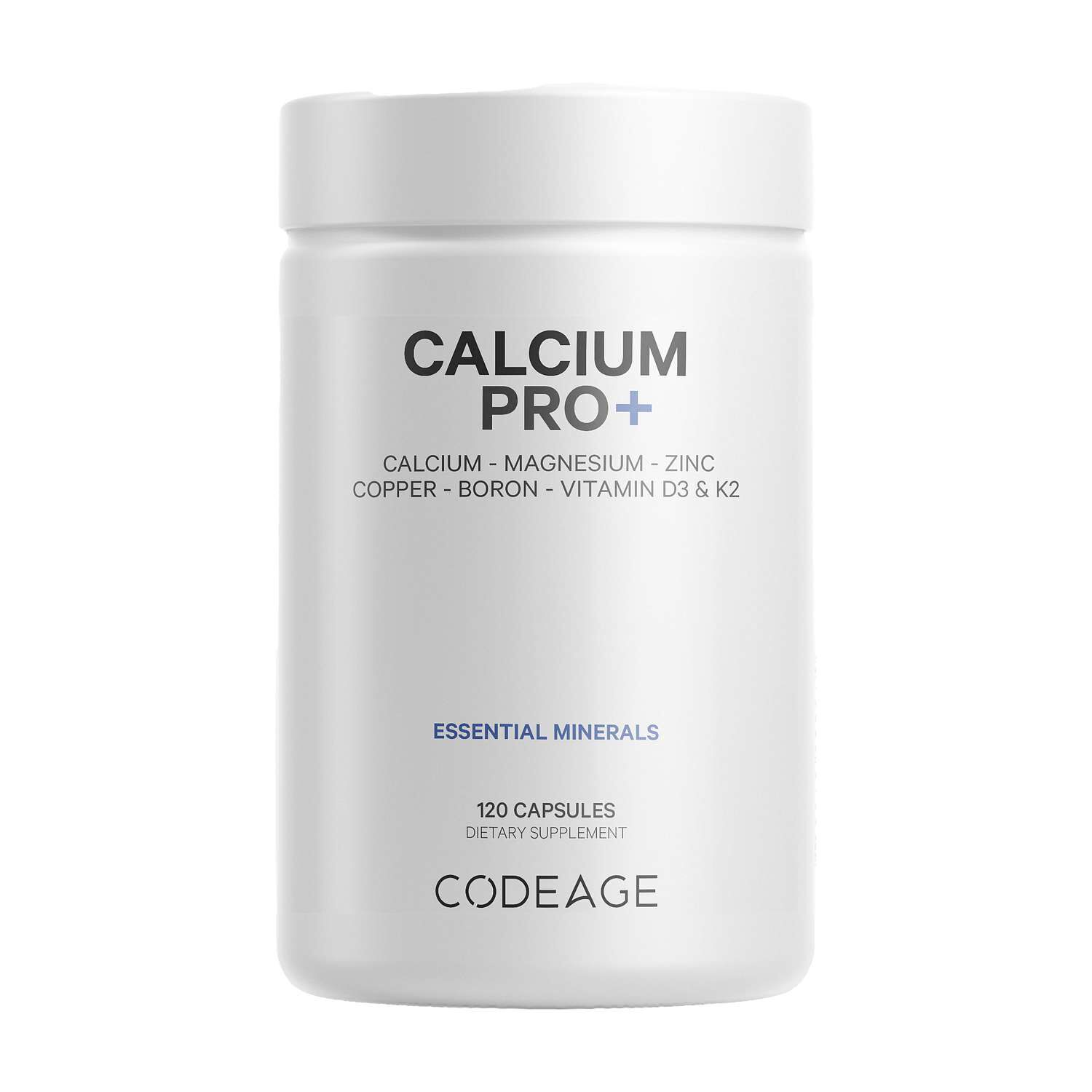
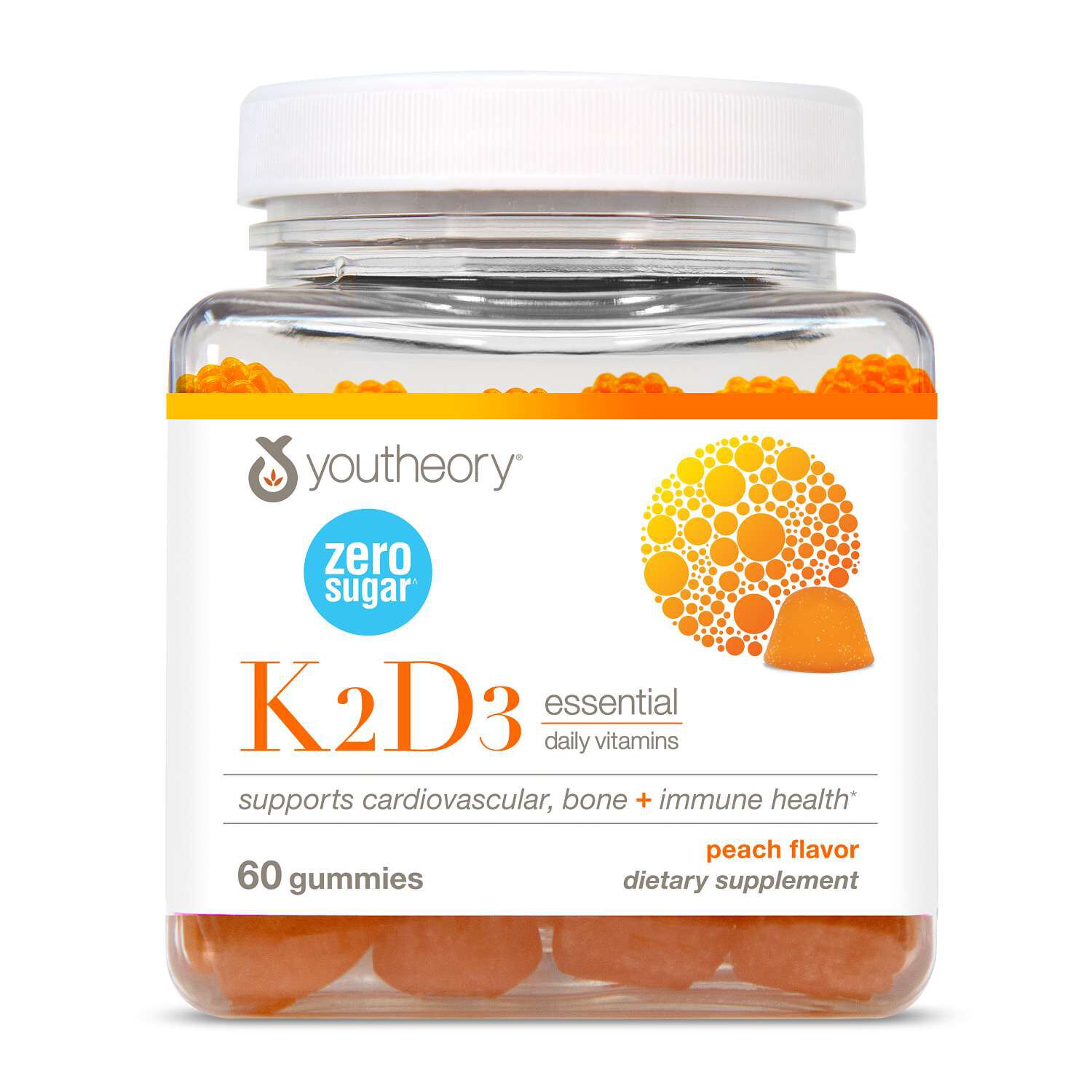
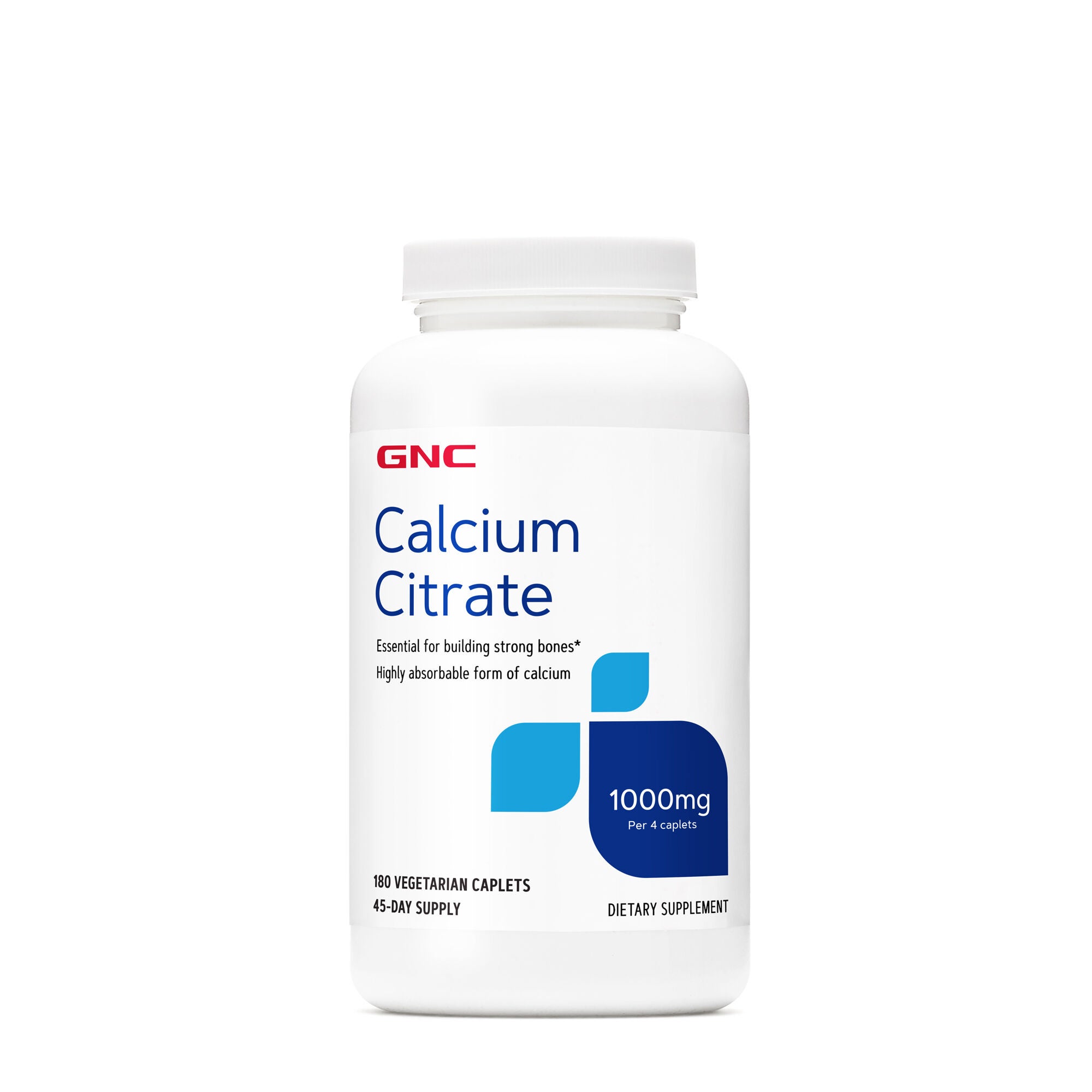
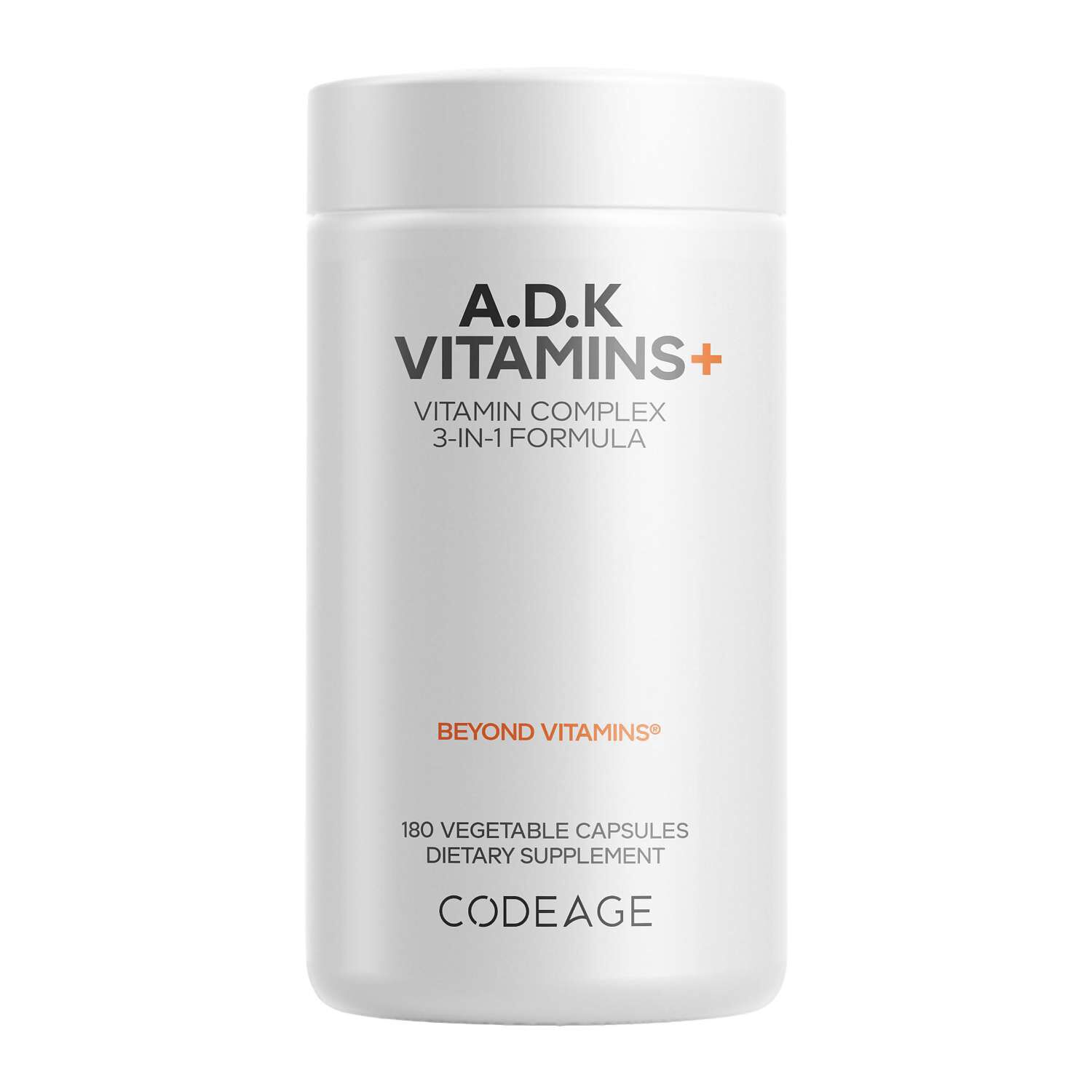
Calcium and vitamin K2 supplements pair a dietary mineral with a form of vitamin K in formulas intended for bone-focused nutrition. Calcium may support normal bone maintenance, while vitamin K2 may support the activity of proteins involved in the body’s use of calcium. Their roles are related, but they are not interchangeable nutrients, and the amounts listed for each deserve separate attention. Calcium occurs in foods such as milk, yogurt, certain fortified beverages, and some leafy vegetables. Vitamin K2 occurs in foods such as certain cheeses and fermented soybeans, with the amount varying by food and preparation. Supplements may complement dietary intake, but a combination formula is not a replacement for a varied eating pattern. For shoppers comparing calcium and vitamin K2 supplements, the most useful starting points are the nutrient forms, the amount per serving, and the format that fits an established routine. A bottle’s front label offers a quick introduction; the Supplement Facts panel provides the details needed for a closer comparison. Some formulas pair calcium with vitamin K2 alone, while others include vitamin D or additional minerals. Those differences matter when reviewing a combination alongside a multivitamin or other nutritional supplements already in the household. A longer ingredient list does not automatically make a formula a better match, and a larger number on the label is only meaningful when considered alongside the serving size. The broader category of Calcium And Vitamin K Supplements offers another way to compare these nutrients, with attention to whether a label identifies vitamin K2 specifically or another form of vitamin K. This distinction is useful because vitamin K is a family of related compounds rather than a single ingredient name that describes every formula equally. Looking beyond the category name may help shoppers make a more informed comparison without assuming that similarly labeled bottles contain the same ingredients or serving amounts.
The details of a calcium and K2 formula begin with the ingredient names. Calcium carbonate and calcium citrate are two forms used in nutritional supplements, and the Supplement Facts panel identifies the calcium amount per serving. That listed amount is different from the weight of the entire calcium-containing compound, so comparing the stated calcium amount is more meaningful than comparing ingredient names alone. Vitamin K2 may appear as menaquinone-4, often shortened to MK-4, or menaquinone-7, often shortened to MK-7. These names identify different forms of K2; the name alone does not establish which formula is the right match for an individual. Calcium amounts are generally listed in milligrams, while vitamin K amounts are generally listed in micrograms, making the units as important as the numbers. Serving size adds another practical distinction: a serving might consist of one tablet, several capsules, a measured portion of powder, or a specified amount of liquid. Comparing equal serving sizes helps avoid mistaking the amount in one piece for the amount in the labeled serving. Format also shapes the everyday experience. Tablets and capsules have defined portions, while powders and liquids involve measuring according to package directions. Chewable formats introduce texture and flavor as additional considerations, and their ingredient lists may include sweeteners, colors, or flavoring ingredients. For someone who prefers an unflavored routine, a capsule may be a better fit than a fruit-flavored chew; someone who dislikes large tablets may prefer to compare other formats. Capsule materials, coatings, and ingredients used to hold a tablet together can also matter to shoppers with dietary preferences. Gelatin, plant-derived capsule materials, and allergen statements are worth reviewing on the package rather than inferring from the nutrient names. These are practical differences, not measures of a formula’s nutritional quality. The most useful comparison brings serving amount, nutrient form, ingredient preferences, and everyday usability into the same view instead of letting one prominent label claim carry the decision.
Calcium and vitamin K2 supplements may appeal to adults taking a closer look at their dietary routines, including people whose usual meals contain relatively few calcium-containing foods. A person who regularly chooses fortified plant-based beverages may approach the category differently from someone whose meals include yogurt and cheese each day. Likewise, a household with an established supplement routine has different comparison needs from someone looking at a combination formula for the first time. In both cases, a clear label and a manageable serving format are practical considerations. Picture a bottle beside a breakfast cabinet: the serving directions need to be easy to find, the closure needs to stay secure, and the format needs to suit the person using it. For someone who travels frequently, the package’s size and closure may matter as much as whether the contents are tablets or capsules. Keeping supplements in their labeled container preserves access to ingredient information, directions, lot details, and the expiration date. Storage should follow the package directions, with the container closed securely and kept out of children’s reach. A damp bathroom shelf or an open container beside a sink is a less suitable setting than a dry storage space that meets the label’s instructions. Powders and liquids also call for attention to the stated measuring method, along with any directions that apply after opening. Package condition matters throughout use: a readable label, an intact closure, and a clearly marked date make a formula easier to manage over time. When revisiting a familiar category, checking the current label is worthwhile because serving sizes and ingredient combinations can differ between formulas that look similar. Calcium and vitamin K2 products are best compared through these concrete details: what each serving contains, which nutrient forms it uses, how it is taken according to the label, and how comfortably it fits an existing routine. That approach keeps the focus on understandable product information rather than broad assumptions about what any supplement might do.
What is calcium and why is it important?
Calcium is a mineral that may play a role in supporting the structure of bones and teeth. It may also be involved in muscle function and nerve signaling.
What is vitamin K2 and how does it differ from other forms of vitamin K?
Vitamin K2 is a form of vitamin K that may be included in supplement routines alongside calcium. It differs from vitamin K1 in that K1 is primarily found in leafy greens, while K2 is often found in fermented foods and certain animal products.
Can calcium and vitamin K2 be taken together?
Many people choose to take calcium and vitamin K2 together as part of their daily supplement routine. These nutrients may work together to support overall wellness, especially when combined with a balanced diet.
What are some common food sources of calcium and vitamin K2?
Calcium can be found in dairy products, leafy green vegetables, and fortified foods. Vitamin K2 is commonly found in fermented foods like natto, certain cheeses, and animal products.
Who might consider adding calcium and vitamin K2 supplements to their routine?
Individuals who do not regularly consume foods rich in calcium or vitamin K2 might consider adding these supplements to their routine. Consider speaking with a healthcare professional about your individual needs.
Best Sellers

Related Pages

Top Collections
- Daily Collagen Supplements | Top Brands & Deals | GNC
- Joint Mobility Supplement Packs
- Zinc Supplements | Top Brands at Great Prices | GNC
- Supplements For Yoga Joint Flexibility
- Supplements For Balance
- Chronic Fatigue Supplements
- Capsule Supplements For Energy And Stamina
- Cortisol Supplements
- NAD+ Supplement Tablets
- Iron Supplements